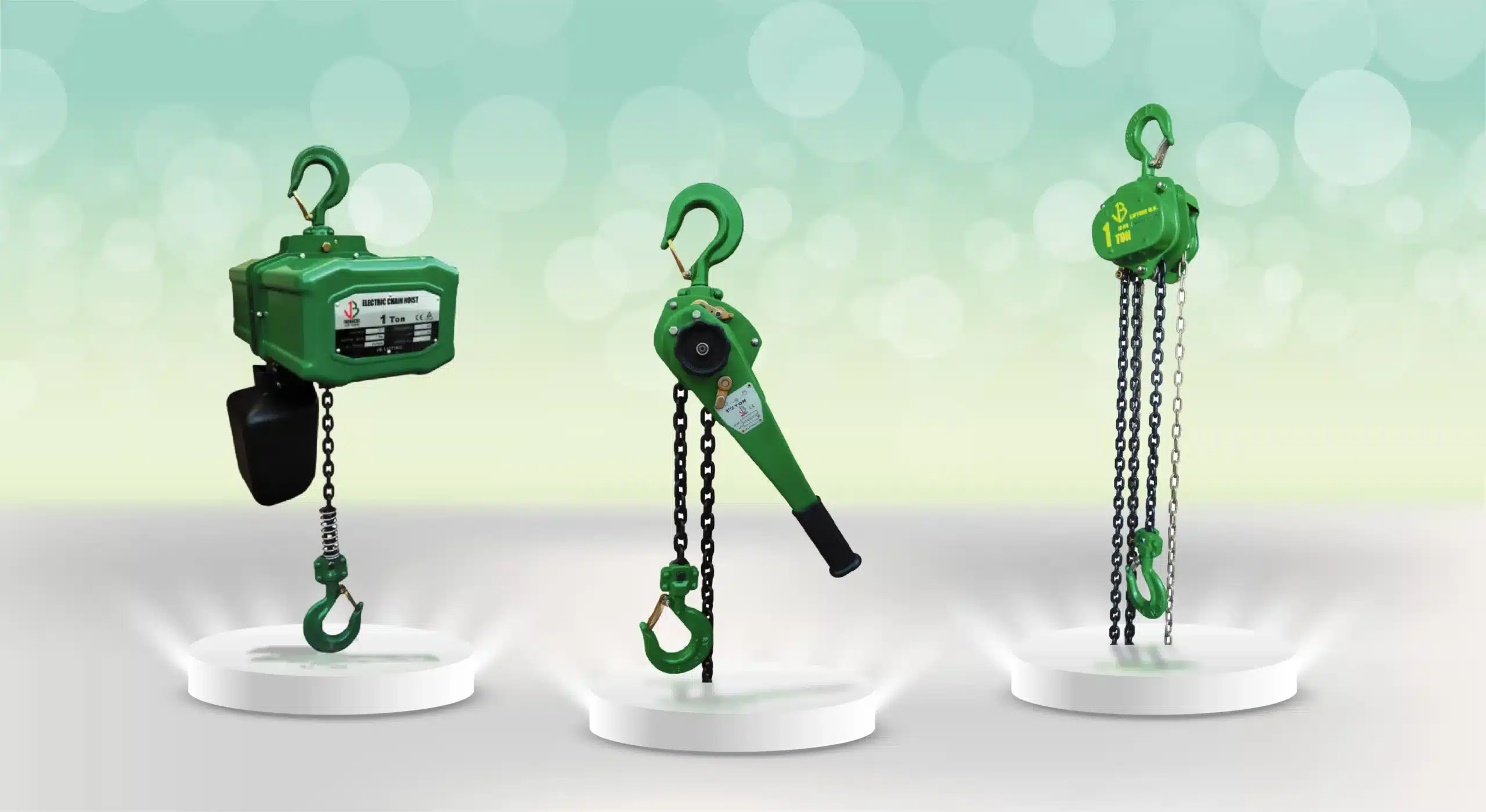
The lever block, a seemingly simple tool, plays a critical role in material handling across various industries. Its primary function is to provide a mechanical advantage for lifting, pulling, and positioning heavy loads. However, the very nature of these applications means that any failure in the lever block can lead to serious accidents, injuries, or even fatalities. Therefore, a thorough understanding of lever block safety and meticulous adherence to safety checks are paramount. This guide will delve into the essential checks needed to maintain the integrity and safety of lever blocks, ensuring a secure working environment.
1. Introduction to Lever Block Safety
1.1. The Importance of Lever Block Safety
Lever blocks are indispensable tools, but their use comes with inherent risks. A malfunctioning lever block can cause a load to drop unexpectedly, potentially crushing workers, damaging equipment, or disrupting operations. Regular inspections and adherence to safety protocols are essential to mitigate these risks. By prioritizing lever block safety, companies not only protect their employees but also ensure operational efficiency and regulatory compliance. Neglecting these safety aspects can lead to costly downtime, legal liabilities, and, most importantly, preventable tragedies.
1.2. Common Lever Block Applications
Lever blocks find applications in a wide array of industries, including construction, manufacturing, mining, and transportation. In construction, they are used for lifting and positioning heavy building materials. Manufacturing facilities rely on lever blocks for assembling machinery and moving components. Mining operations utilize them for various tasks, such as moving equipment and securing loads. The transportation sector employs lever blocks for securing cargo and performing maintenance on vehicles. Their versatility makes them invaluable, but this widespread use also underscores the importance of consistent lever block safety practices.
1.3. Overview of Overlooked Safety Checks
While many operators are aware of basic safety procedures, some critical checks are often overlooked. These include detailed inspections of the load chain for wear and tear, thorough assessments of hook integrity, and evaluations of the housing and gear mechanism. Neglecting these checks can lead to gradual deterioration of the lever block, increasing the risk of failure. Our goal is to highlight these often-overlooked aspects of lever block safety and provide a comprehensive guide to ensure a safe and secure working environment. We’ve observed that focusing on these details can significantly reduce the likelihood of accidents.
2. Check #1: Load Chain Inspection
The load chain is arguably the most critical component of a lever block, bearing the full weight of the load. Its condition directly impacts the safety and reliability of the entire lifting operation. Therefore, a meticulous inspection of the load chain is paramount. This inspection should include identifying any signs of wear and tear, assessing lubrication, and verifying compliance with relevant safety standards. We’ve found that a proactive approach to load chain maintenance significantly extends the lifespan of the lever block and reduces the risk of unexpected failures.
2.1. Identifying Wear and Tear on the Load Chain
Wear and tear on the load chain can manifest in various forms, including link elongation, nicks, gouges, corrosion, and deformation. These defects weaken the chain and increase the likelihood of failure under load. A thorough inspection should involve both visual examination and precise measurements to detect any abnormalities. Regular inspections can help identify problems early, allowing for timely replacements and preventing potentially dangerous situations.
2.1.1. Measuring Chain Link Elongation
Chain link elongation is a common indicator of wear and tear. As the chain is subjected to repeated stress, the links can stretch, reducing the overall strength of the chain. To measure elongation, use a calibrated measuring tool to assess the length of a specific number of links (e.g., 10 links). Compare the measurement to the original length specification provided by the manufacturer. If the elongation exceeds the allowable limit (typically specified in standards like ASME B30.9), the chain should be replaced immediately. Precise measurements are crucial for maintaining lever block safety.
2.1.2. Detecting Nicks, Gouges, and Corrosion
Nicks, gouges, and corrosion can significantly weaken the load chain, creating stress concentration points that can lead to premature failure. Visually inspect each link for any signs of these defects. Pay close attention to areas where the chain comes into contact with other components or surfaces. Corrosion can be particularly insidious, as it can weaken the chain from the inside out. If any significant nicks, gouges, or corrosion are detected, the chain should be taken out of service and replaced.
2.2. Assessing Chain Lubrication
Proper lubrication is essential for maintaining the longevity and performance of the load chain. Lubrication reduces friction between the links, preventing wear and corrosion. A well-lubricated chain operates more smoothly and efficiently, minimizing the risk of jamming or sticking. Regular lubrication also helps to dissipate heat, further extending the life of the chain.
2.2.1. Selecting the Correct Lubricant
The correct lubricant for a load chain should be specifically designed for lifting applications and compatible with the chain material. Avoid using general-purpose lubricants that may not provide adequate protection or may attract dirt and debris. We recommend using a high-quality, penetrating oil that can reach the internal surfaces of the chain links. The lubricant should also be resistant to water and other contaminants. Always consult the lever block manufacturer’s recommendations for the appropriate type of lubricant.
2.2.2. Proper Lubrication Techniques
Proper lubrication techniques involve applying the lubricant evenly to all surfaces of the load chain. Clean the chain thoroughly before applying the lubricant to remove any dirt or debris. Use a brush or spray applicator to ensure that the lubricant penetrates between the links. After applying the lubricant, operate the lever block several times to distribute the lubricant evenly. Wipe off any excess lubricant to prevent it from attracting dirt. Regular lubrication is a key component of lever block safety.
2.3. Verifying Chain Compliance with Standards (e.g., ASME B30.9)
Ensuring that the load chain complies with relevant safety standards, such as ASME B30.9, is crucial for maintaining lever block safety. These standards specify the minimum requirements for chain design, manufacturing, and testing. Verifying compliance involves identifying the chain grade and markings, and documenting chain certification. This ensures that the chain meets the necessary performance criteria and is suitable for the intended application.
2.3.1. Identifying Chain Grade and Markings
The chain grade and markings provide essential information about the chain’s strength and performance characteristics. Look for markings on the chain links that indicate the grade of the chain (e.g., Grade 80, Grade 100). These markings should be clearly visible and legible. The chain should also have markings that identify the manufacturer and the date of manufacture. Verify that the chain grade is appropriate for the lever block’s rated capacity. The correct identification of chain grade is vital for ensuring rigging safety.
2.3.2. Documenting Chain Certification
Chain certification provides assurance that the chain has been tested and meets the requirements of relevant safety standards. Obtain documentation from the manufacturer or supplier that certifies the chain’s compliance with standards such as ASME B30.9. This documentation should include information about the chain’s material, dimensions, and testing procedures. Keep the certification records readily available for inspection. Proper documentation is critical for demonstrating compliance and ensuring industrial safety.
3. Check #2: Hook Integrity and Security
The hooks are another critical component of the lever block, responsible for connecting the load to the lifting device. The integrity and security of the hooks are essential for preventing accidental disengagement and ensuring lever block safety. A thorough inspection should include examining the hooks for deformation, assessing latch functionality, and checking hook rotation and swivel action. Neglecting these checks can lead to catastrophic failures and serious injuries.
3.1. Examining Hooks for Deformation
Deformation of the hooks, such as bending or stretching, can significantly reduce their load-bearing capacity and increase the risk of failure. A visual inspection should be conducted to identify any signs of deformation. Precise measurements should also be taken to assess the hook throat opening and detect any cracks. Any deformed or damaged hooks should be immediately replaced.
3.1.1. Measuring Hook Throat Opening
The hook throat opening is the distance between the tip of the hook and the shank. An increase in the throat opening indicates that the hook has been stretched or deformed. Use a calibrated measuring tool to measure the throat opening and compare it to the original specifications provided by the manufacturer. If the throat opening exceeds the allowable limit, the hook should be replaced. Accurate measurement of the hook throat is essential for maintaining overhead crane safety.
3.1.2. Inspecting for Cracks
Cracks in the hooks can significantly weaken their structure and increase the risk of sudden failure. Visually inspect the hooks for any signs of cracks, paying close attention to areas of high stress concentration, such as the inner radius of the hook and the area around the shank. Use a magnifying glass to aid in the detection of small cracks. If any cracks are detected, the hook should be immediately removed from service.
3.2. Assessing Latch Functionality
The latch is a critical safety feature that prevents the accidental disengagement of the load from the hook. The latch must function properly to ensure that the load remains securely attached throughout the lifting operation. A thorough inspection should include ensuring proper latch engagement and verifying latch spring tension. A properly functioning latch is crucial for material handling safety.
3.2.1. Ensuring Proper Latch Engagement
The latch should engage fully and securely with the hook tip, preventing the load from slipping off. Verify that the latch closes completely and that there is no excessive play or looseness. The latch should not be bent or damaged in any way. If the latch does not engage properly, it should be repaired or replaced. Ensuring proper latch engagement is a fundamental aspect of lever block safety.
3.2.2. Verifying Latch Spring Tension
The latch spring provides the necessary tension to keep the latch closed and engaged. Check the spring tension to ensure that it is sufficient to hold the latch securely in place. The latch should snap closed quickly and firmly when released. If the spring is weak or broken, the latch may not close properly, increasing the risk of accidental disengagement. Replace the latch spring if it is not functioning correctly.
3.3. Checking Hook Rotation and Swivel Action
Many lever blocks are equipped with hooks that can rotate or swivel, allowing for greater flexibility in lifting and positioning loads. The rotation and swivel action should be smooth and unrestricted to prevent twisting or binding of the load chain. A thorough inspection should include ensuring smooth and unrestricted rotation and lubricating swivel components.
3.3.1. Ensuring Smooth and Unrestricted Rotation
The hook should rotate or swivel freely without any binding or resistance. Check for any signs of dirt, debris, or corrosion that may be interfering with the rotation. Clean and lubricate the swivel mechanism as needed to ensure smooth operation. Restricted rotation can cause undue stress on the load chain and other components. Ensuring smooth rotation is a key component of lifting equipment inspection.
3.3.2. Lubricating Swivel Components
The swivel components should be lubricated regularly to maintain smooth and efficient operation. Use a high-quality lubricant that is specifically designed for swivel mechanisms. Apply the lubricant to all moving parts of the swivel, ensuring that it penetrates between the surfaces. Regular lubrication will prevent wear and corrosion and ensure that the swivel operates smoothly.
4. Check #3: Housing and Gear Mechanism Assessment
The housing and gear mechanism are essential for providing the mechanical advantage that makes lever blocks so useful. These components protect the internal gears and provide a stable structure for the lever block. A thorough assessment of the housing and gear mechanism is critical for maintaining lever block safety.
4.1. Inspecting the Housing for Cracks or Damage
The housing protects the internal components of the lever block from damage and contamination. Cracks or damage to the housing can compromise the structural integrity of the lever block and increase the risk of failure. A thorough inspection should include a visual inspection of the housing and checking for signs of impact. Any damaged housings should be repaired or replaced immediately.
4.1.1. Visual Inspection of the Housing
Visually inspect the housing for any signs of cracks, dents, or other damage. Pay close attention to areas that are subject to high stress, such as the corners and edges of the housing. Use a flashlight to aid in the detection of small cracks. A damaged housing can allow dirt and debris to enter the gear mechanism, causing premature wear and failure.
4.1.2. Checking for Signs of Impact
Impact damage can weaken the housing and compromise its structural integrity. Check for any signs of impact, such as dents, bends, or cracks. Impact damage may not always be immediately apparent, so a thorough inspection is essential. If there is any evidence of impact, the housing should be carefully inspected for hidden damage.
4.2. Evaluating the Gear Mechanism Smoothness
The gear mechanism is responsible for providing the mechanical advantage that allows the lever block to lift heavy loads. The gear mechanism should operate smoothly and efficiently, without any binding or resistance. A thorough evaluation should include listening for unusual noises during operation and checking for jerky or sticking movements. Any issues with the gear mechanism should be addressed promptly to prevent further damage.
4.2.1. Listening for Unusual Noises During Operation
Listen carefully for any unusual noises during operation, such as grinding, squealing, or clicking. These noises may indicate that there is excessive wear or damage to the gears. Unusual noises can also be caused by a lack of lubrication or the presence of dirt and debris in the gear mechanism. If any unusual noises are detected, the lever block should be inspected and repaired as needed.
4.2.2. Checking for Jerky or Sticking Movements
The gear mechanism should operate smoothly and without any jerky or sticking movements. Jerky or sticking movements can indicate that there is binding or resistance in the gear mechanism. This can be caused by worn or damaged gears, a lack of lubrication, or the presence of dirt and debris. If any jerky or sticking movements are detected, the lever block should be inspected and repaired.
4.3. Verifying Brake System Functionality
The brake system is a critical safety feature that prevents the load from slipping or falling when the lever block is not in operation. The brake system should be tested regularly to ensure that it is functioning properly. A thorough inspection should include testing the load holding capacity of the brake and inspecting brake pads for wear. A properly functioning brake system is essential for lever block safety.
4.3.1. Testing the Load Holding Capacity of the Brake
Test the load holding capacity of the brake by lifting a load to a safe height and then releasing the lever. The brake should hold the load securely without any slipping or movement. If the load slips or moves, the brake is not functioning properly and should be repaired or replaced. Regular testing of the brake system is crucial for ensuring chain block safety.
4.3.2. Inspecting Brake Pads for Wear
Inspect the brake pads for wear and damage. Worn brake pads can reduce the braking capacity of the lever block and increase the risk of slippage. The brake pads should be replaced if they are worn or damaged. Always use genuine replacement parts to ensure proper performance and safety.
5. Regulatory Standards and Compliance
Adherence to regulatory standards and compliance is essential for ensuring lever block safety and avoiding legal liabilities. Organizations like OSHA and ASME have established standards and regulations that govern the safe use of lever blocks. Understanding and adhering to these standards is crucial for maintaining a safe working environment.
5.1. Understanding Relevant OSHA Regulations
OSHA (Occupational Safety and Health Administration) has established regulations that govern the safe use of lever blocks in the workplace. These regulations cover various aspects of lever block safety, including inspection, maintenance, training, and operation. Employers are responsible for ensuring that their employees are trained in the safe use of lever blocks and that all equipment is properly maintained and inspected. Compliance with OSHA regulations is mandatory and can help prevent accidents and injuries.
5.2. Adhering to ASME B30.9 Standards
ASME (American Society of Mechanical Engineers) B30.9 is a widely recognized standard that provides detailed guidelines for the design, manufacturing, and use of lever blocks. This standard covers various aspects of lever block safety, including load ratings, inspection procedures, and maintenance requirements. Adhering to ASME B30.9 standards is considered a best practice and can help ensure that lever blocks are used safely and effectively.
5.3. Implementing a Regular Inspection Schedule
A regular inspection schedule is essential for maintaining lever block safety and preventing accidents. The inspection schedule should be based on the frequency of use, the operating environment, and the manufacturer’s recommendations. Regular inspections should be documented, and any defects or issues should be addressed promptly. A proactive inspection schedule can help identify potential problems before they lead to accidents. We advise our clients in Dammam to establish clear inspection protocols.
6. Detailed Inspection Procedures and Documentation
Detailed inspection procedures and documentation are critical for ensuring that lever blocks are thoroughly inspected and that any issues are properly addressed. A comprehensive inspection checklist should be used to guide the inspection process, and all findings should be documented. Proper documentation provides a record of inspections and can help track the condition of lever blocks over time.
6.1. Creating a Comprehensive Inspection Checklist
A comprehensive inspection checklist should cover all critical components of the lever block, including the load chain, hooks, housing, gear mechanism, and brake system. The checklist should include specific instructions for each inspection step and should provide space for documenting the findings. The checklist should be reviewed and updated regularly to ensure that it remains relevant and effective.
6.2. Documenting Inspection Findings
All inspection findings should be documented in a clear and concise manner. The documentation should include the date of the inspection, the name of the inspector, the serial number of the lever block, and a description of any defects or issues that were identified. The documentation should also include any corrective actions that were taken to address the issues. Proper documentation is essential for tracking the condition of lever blocks and ensuring that they are properly maintained.
6.3. Tagging and Removing Defective Lever Blocks
Any lever blocks that are found to be defective or unsafe should be immediately tagged and removed from service. The tag should clearly indicate that the lever block is not to be used and should state the reason for the removal. The defective lever block should be repaired or replaced before being returned to service. Tagging and removing defective lever blocks is essential for preventing accidents and injuries.
7. Importance of Training and Competency
Proper training and competency are essential for ensuring that operators and inspectors are qualified to safely use and maintain lever blocks. Training should cover all aspects of lever block safety, including inspection procedures, operating techniques, and load limits. Operators and inspectors should be evaluated regularly to ensure that they maintain their competency.
7.1. Providing Adequate Training for Operators and Inspectors
Adequate training should be provided to all operators and inspectors who use or maintain lever blocks. The training should cover the following topics:
- Lever block safety regulations and standards
- Inspection procedures
- Operating techniques
- Load limits
- Proper use of personal protective equipment (PPE)
- Emergency procedures
The training should be conducted by qualified instructors and should include both classroom instruction and hands-on practice.
7.2. Ensuring Operators Understand Load Limits
Operators must understand the load limits of the lever blocks they are using and must never exceed these limits. The load limit is the maximum weight that the lever block is designed to lift safely. Exceeding the load limit can cause the lever block to fail, resulting in serious accidents and injuries. The load limit should be clearly marked on the lever block, and operators should be trained to identify and understand this marking.
7.3. Emphasizing Safe Lifting Practices
Safe lifting practices are essential for preventing accidents and injuries when using lever blocks. Operators should be trained in the following safe lifting practices:
- Always inspect the lever block before each use.
- Use the correct lifting technique.
- Avoid sudden movements or jerks.
- Keep the load balanced.
- Never leave a suspended load unattended.
- Use tag lines to control the load.
- Be aware of the surroundings and potential hazards.
8. Advanced Troubleshooting for Lever Blocks
Advanced troubleshooting skills are essential for identifying and resolving common issues and failures that may occur with lever blocks. This includes understanding common failure modes, performing minor repairs (if applicable and safe), and knowing when to retire a lever block from service.
8.1. Identifying Common Issues and Failures
Common issues and failures that may occur with lever blocks include:
- Load chain wear and tear
- Hook deformation
- Latch malfunction
- Housing damage
- Gear mechanism problems
- Brake system failure
Operators and inspectors should be trained to identify these issues and failures and to take appropriate corrective action.
8.2. Step-by-Step Guide to Minor Repairs (If Applicable and Safe)
Minor repairs can be performed on lever blocks if they are safe and within the capabilities of the operator or inspector. However, major repairs should always be performed by qualified technicians. Minor repairs may include:
- Lubricating the load chain and swivel components
- Replacing the latch spring
- Tightening loose bolts or screws
- Cleaning dirt and debris from the gear mechanism
Always follow the manufacturer’s instructions when performing any repairs.
8.3. When to Retire a Lever Block from Service
A lever block should be retired from service when it is no longer safe to use. This may be due to excessive wear and tear, damage, or the presence of critical defects. A lever block should also be retired from service if it has been subjected to a shock load or overload. Always follow the manufacturer’s recommendations for retirement criteria.
9. The Role of Load Testing
Load testing is a critical component of ensuring lever block safety. It verifies that the lever block can safely handle its rated capacity and provides assurance that it is in good working condition.
9.1. Understanding Load Testing Procedures
Load testing involves subjecting the lever block to a load that is equal to or greater than its rated capacity. The lever block is then inspected for any signs of damage or failure. The load test should be performed by qualified personnel using calibrated testing equipment. The load testing procedure should follow the guidelines outlined in ASME B30.9 or other relevant standards.
9.2. Frequency of Load Testing
The frequency of load testing should be based on the frequency of use, the operating environment, and the manufacturer’s recommendations. As a general guideline, lever blocks should be load tested at least annually or after any major repairs or modifications. Lever blocks that are used in harsh environments or are subjected to frequent heavy loads may require more frequent load testing.
9.3. Documenting Load Test Results
All load test results should be documented in a clear and concise manner. The documentation should include the date of the test, the name of the tester, the serial number of the lever block, the test load, and the results of the inspection. The documentation should be kept readily available for review.
10. Case Studies of Lever Block Failures
Analyzing real-world accidents involving lever block failures can provide valuable insights into the causes of these failures and can help prevent similar incidents from occurring in the future.
10.1. Analyzing Real-World Accidents
Real-world accidents involving lever block failures often involve one or more of the following factors:
- Overloading the lever block
- Using a damaged or defective lever block
- Improper inspection and maintenance
- Lack of training and competency
- Failure to follow safe lifting practices
By analyzing these accidents, we can identify common patterns and develop strategies to prevent future incidents.
10.2. Lessons Learned from Past Incidents
Some of the key lessons learned from past incidents involving lever block failures include:
- The importance of regular inspection and maintenance
- The need for proper training and competency
- The critical role of load limits
- The necessity of following safe lifting practices
These lessons should be incorporated into training programs and safety procedures to improve lever block safety.
11. New Technologies in Lever Block Safety
New technologies are constantly being developed to improve lever block safety and performance. These technologies include smart lever blocks with sensors and digital inspection tools.
11.1. Smart Lever Blocks and Sensors
Smart lever blocks are equipped with sensors that can monitor various parameters, such as load weight, chain tension, and operating temperature. This data can be used to provide real-time feedback to the operator and to detect potential problems before they lead to failures. Smart lever blocks can also be integrated with digital monitoring systems to provide remote monitoring and data logging capabilities.
11.2. Digital Inspection Tools
Digital inspection tools can be used to streamline the inspection process and improve the accuracy of inspections. These tools can include digital calipers, ultrasonic thickness gauges, and visual inspection software. Digital inspection tools can also be used to generate inspection reports and track the condition of lever blocks over time.
12. Conclusion: Prioritizing Lever Block Safety
In conclusion, lever block safety hinges on diligent inspections, consistent maintenance, and comprehensive training. We’ve explored the critical checks, regulatory standards, and emerging technologies that contribute to a safer working environment. By prioritizing these aspects, we not only protect our workforce but also enhance operational efficiency and compliance.
We at Safe and Secure Trading Company are committed to providing the highest quality products and services to ensure the safety of your operations. For our clients here in Saudi Arabia, we understand the unique challenges in maintaining safety standards. By taking a proactive approach and implementing the safety checks outlined in this guide, you can significantly reduce the risk of accidents and injuries. Remember, a safe workplace is a productive workplace.
FAQ Section
Q: How often should I inspect my lever block?
A: We recommend inspecting your lever block before each use and conducting a more thorough inspection at least monthly, or more frequently if used in harsh conditions.
Q: What do I do if I find a defect during an inspection?
A: If you find any defects, immediately remove the lever block from service and tag it for repair or replacement. Do not use a defective lever block.
Q: Can I repair a lever block myself?
A: Minor repairs, such as lubricating the chain, may be performed if you are qualified and have the proper tools. However, major repairs should only be performed by qualified technicians.
Q: What is the lifespan of a lever block?
A: The lifespan of a lever block depends on the frequency of use, the operating environment, and the quality of maintenance. Regular inspections and maintenance can significantly extend the lifespan of a lever block.
Q: Where can I find more information on lever block safety regulations?
A: You can find more information on lever block safety regulations from organizations such as OSHA and ASME. You can also consult with a qualified safety professional.