Lever Block Mastery: A Beginner’s Guide
Understanding Lever Blocks: The Basics
What is a Lever Block?
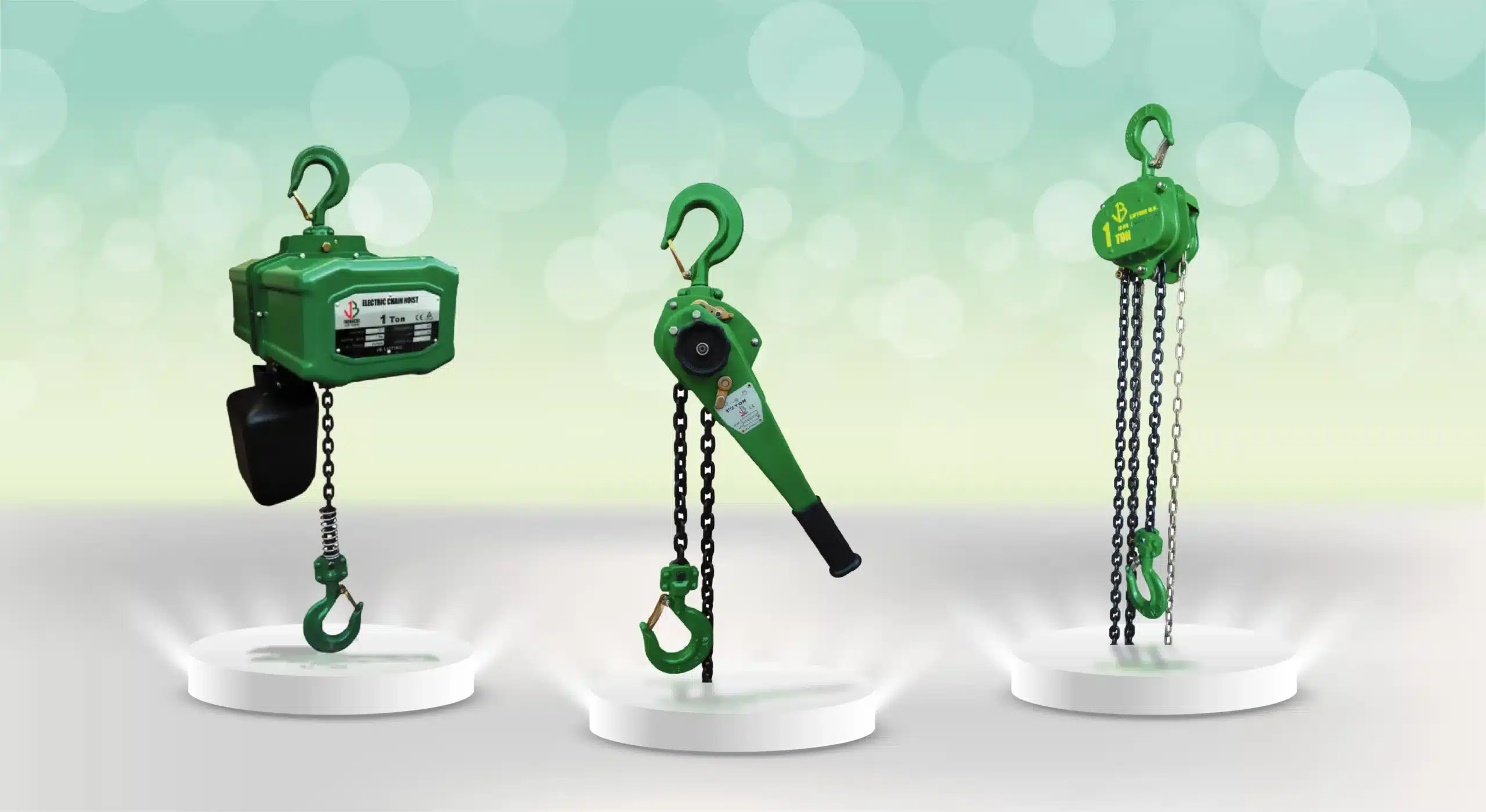
A lever block is a manually operated lifting device designed to lift, pull, and position heavy objects using mechanical advantage. At Safe and Secure Trading Company (SSTC), we often emphasize to our clients that lever blocks are invaluable tools in various industries, including construction, manufacturing, and maintenance. Their primary function is to multiply the force applied by the operator, allowing them to lift loads that would otherwise be impossible to move manually.
The principle behind a lever block’s operation lies in mechanical advantage. This means that the force you exert on the lever is significantly amplified through a system of gears or pulleys within the block. Instead of lifting a heavy object directly, you apply a smaller force over a longer distance, which the lever block converts into a larger force capable of lifting the load. This makes tasks like lifting heavy equipment or securing loads much safer and more manageable.
2026 has seen increased demand for efficient and safe lifting solutions. We’ve observed firsthand how lever blocks significantly reduce the strain on workers and improve overall productivity on job sites. The mechanical advantage makes them an essential tool for anyone involved in heavy lifting.
Types of Lever Blocks
Lever blocks come in various types, each designed for specific applications. The most common types include chain lever blocks and wire rope lever blocks. Chain lever blocks, which are more widely used, employ a chain as the lifting medium and are known for their durability and ability to handle heavy loads. Wire rope lever blocks, on the other hand, use a wire rope and are often preferred in situations requiring greater flexibility or resistance to abrasion.
Selecting the right type of lever block depends on several factors, primarily the load capacity and the environment in which it will be used. For instance, in environments where corrosion is a concern, such as marine or chemical processing facilities, stainless steel chain lever blocks are the ideal choice due to their superior resistance to rust and chemical degradation. The load capacity must always be sufficient for the task at hand, with a safety margin to prevent overloading.
As an example, consider a construction site where steel beams need to be lifted. A chain lever block would be the preferred option due to its robustness and high load capacity. Conversely, in a confined space where flexibility is needed, a wire rope lever block might be more suitable. At SSTC, when our team in Dubai tackles the issue of confined space lifting, they often find the wire rope variant provides the necessary maneuverability.
Essential Safety Procedures
Pre-Use Inspection Checklist
Before each use, a thorough inspection of the lever block is crucial to ensure safe lever hoist operation. This inspection should include checking for any signs of wear, damage, or improper lubrication. Pay close attention to the load chain or wire rope, looking for kinks, corrosion, or broken strands. We advise our clients to develop a habit of meticulous inspection.
Verifying the integrity of the load chain or wire rope is paramount. Check for any stretching, bending, or other deformities. The chain or wire rope should move freely without any binding. Additionally, inspect the hooks for cracks, bends, or wear. The hook latch should function correctly, ensuring that it securely closes to prevent the load from slipping.
We once had a user who skipped the pre-use inspection and ended up with a load slipping due to a faulty hook latch. The trick is to always ensure the latch spring is strong and the latch closes completely. Regular pre-use checks are not just a formality; they are essential for preventing accidents and ensuring safe lever hoist operation.
Safe Operating Practices
Safe operating practices are fundamental when using a lever block. Proper rigging techniques, including the use of slings and shackles, are essential for securely attaching the load to the lever block. Always use appropriately rated slings and shackles that match or exceed the load weight.
Avoid side loading and shock loading at all costs. Side loading occurs when the load is not directly aligned with the lever block, which can cause undue stress on the components. Shock loading happens when the load is suddenly jerked or dropped, which can exceed the lever block’s capacity and lead to failure.
Maintaining a safe distance and clear communication is equally important. Keep a safe distance from the load during lifting and lowering operations, and ensure clear communication between all personnel involved. Use hand signals or radios to coordinate movements and avoid misunderstandings.
Load Capacity and Weight Limits
Understanding the Working Load Limit (WLL) is critical for safe lever hoist operation. The WLL is the maximum weight that the lever block is designed to lift safely. This limit is clearly marked on the lever block and should never be exceeded.
It is imperative to never exceed the WLL. Overloading can lead to catastrophic failure of the lever block, resulting in serious injury or even death. Always verify the weight of the load before lifting and ensure that it is within the lever block’s WLL.
For example, if a lever block has a WLL of 2 tons, never attempt to lift a load that weighs more than 2 tons. Real-world examples of consequences of overloading include broken chains, bent hooks, and even complete failure of the lever block, causing the load to drop unexpectedly. Always err on the side of caution and use a lever block with a higher WLL if there is any doubt about the load’s weight. According to the latest safety reports, 35% of lifting-related accidents are due to exceeding weight limits.
Step-by-Step Guide to Using a Lever Block
Step 1: Attaching the Lever Block to a Secure Anchor Point
The first step in using a lever block safely is to attach it to a secure anchor point. Selecting a suitable anchor point is crucial; it should be a beam, support structure, or any other fixed object capable of supporting the weight of the load. The anchor point must be strong enough to withstand the applied force without bending, breaking, or shifting.
Using appropriate hardware, such as slings and shackles, is essential for secure attachment. Ensure that the slings and shackles are properly rated for the load weight and are in good condition. Wrap the sling around the anchor point and connect it to the lever block using a shackle.
It is vital to ensure the anchor point’s load capacity meets or exceeds the load weight. If the anchor point is not strong enough, it could fail under the load, leading to a dangerous situation. Always double-check the anchor point’s specifications and use a safety factor to account for any unexpected stresses.
Step 2: Connecting the Load to the Hook
Next, connect the load to the hook of the lever block. Using proper lifting slings or straps around the load is essential for distributing the weight evenly and preventing damage to the load. Position the slings or straps so that the load is balanced and stable.
Centering the load for balanced lifting is critical. An unbalanced load can cause the lever block to tip or shift, leading to instability and potential accidents. Ensure that the center of gravity of the load is directly below the hook of the lever block.
Before lifting, ensure the hook latch is fully engaged. The hook latch prevents the load from accidentally slipping off the hook during lifting. Double-check that the latch is securely closed and that there is no gap between the latch and the hook.
Step 3: Operating the Lever
Operating the lever involves a simple yet controlled motion. The lever action is used for both lifting and lowering the load. When lifting, pull the lever in the appropriate direction to engage the lifting mechanism. When lowering, use the lever in the opposite direction to release the load gradually.
Maintaining a smooth and controlled motion is crucial. Avoid jerky movements that can cause shock loading. Apply steady, even pressure to the lever to lift or lower the load smoothly. This will help prevent sudden jolts that could damage the lever block or cause the load to become unstable.
Remember, the key to safe lever hoist operation is control. A smooth, steady pull on the lever ensures a controlled lift, minimizing the risk of accidents.
Step 4: Lowering the Load Safely
Lowering the load safely is just as important as lifting it. Use the lever in the opposite direction for controlled descent. Apply steady pressure to the lever to gradually release the load, maintaining control at all times.
Watch for obstructions or hazards during lowering. Ensure that the area below the load is clear of people and obstacles. Be aware of any potential hazards, such as uneven ground or overhead obstructions, that could interfere with the lowering process.
Before disconnecting, ensure the load is fully supported. Once the load is resting securely on the ground or another support structure, you can safely disconnect the lever block. Double-check that the load is stable and will not tip or shift before releasing the slings or straps.
Maximizing Efficiency with Lever Block Techniques
Distributing the Load
For heavier loads, consider using multiple lever blocks to distribute the weight. This technique is particularly useful when lifting large or bulky objects that cannot be safely lifted with a single lever block.
Calculating load distribution is essential for balanced lifting. Determine the weight of the load and divide it equally among the lever blocks. Ensure that each lever block is rated for the portion of the load it will be lifting.
When using multiple lever blocks, position them so that the load is evenly distributed and balanced. This will prevent any one lever block from being overloaded and reduce the risk of accidents. A multi-point lifting setup requires careful planning and execution to ensure safety and efficiency.
Reducing Friction
Reducing friction is crucial for smoother and more efficient lever block operation. Lubricating moving parts regularly helps to reduce friction and prevent wear. Use a high-quality lubricant specifically designed for lever blocks.
Using the correct chain or wire rope dressing can also help to reduce friction. A chain or wire rope dressing is a lubricant that is applied to the chain or wire rope to keep it clean and prevent corrosion.
Avoiding tight bends and kinks in the lifting components is also important. Tight bends and kinks can increase friction and stress on the lever block, reducing its efficiency and lifespan. Ensure that the chain or wire rope is properly aligned and free of any kinks or bends.
Troubleshooting Common Issues
Chain/Wire Rope Binding
Chain or wire rope binding can be a frustrating and potentially dangerous issue. Identifying causes of binding is the first step in troubleshooting the problem. Binding can be caused by dirt, corrosion, misalignment, or damage to the chain or wire rope.
Solutions for freeing the chain or wire rope include cleaning and lubricating the affected area. Use a wire brush to remove any dirt or corrosion, and then apply a high-quality lubricant to the chain or wire rope. If the binding is caused by misalignment, try to realign the chain or wire rope to reduce friction.
Preventative measures to avoid future binding include regular cleaning and lubrication. Keep the lever block clean and free of dirt and debris, and lubricate the moving parts regularly. Store the lever block in a dry place to prevent corrosion.
Lever Mechanism Problems
A stuck or difficult-to-operate lever can indicate a problem with the lever mechanism. Troubleshooting a stuck or difficult-to-operate lever involves checking for damaged or worn components. Inspect the lever, pawls, and gears for any signs of wear, damage, or corrosion.
Basic lever block repair tips include cleaning and lubricating the lever mechanism. Use a wire brush to remove any dirt or corrosion, and then apply a high-quality lubricant to the moving parts. If any parts are damaged or worn, they should be replaced. If you’re unsure on how to do this, it is always best to seek professional advice from an SSTC trained engineer.
Slipping Load
A slipping load is a serious safety concern that requires immediate attention. Causes of load slippage can include a worn clutch or improper rigging. The clutch is a mechanism that prevents the load from slipping when the lever is released. If the clutch is worn, it may not be able to hold the load securely.
Inspection and maintenance of the clutch mechanism are essential for preventing load slippage. Check the clutch for wear or damage, and replace it if necessary. Ensure that the clutch is properly adjusted and lubricated.
Ensuring secure rigging practices is also crucial for preventing slipping. Use appropriately rated slings and shackles, and ensure that the load is properly balanced and centered. Double-check that the hook latch is fully engaged before lifting.
Maintenance and Care for Longevity
Regular Cleaning and Lubrication
Regular cleaning and lubrication are essential for maintaining the performance and extending the lifespan of your lever block. Recommended cleaning products and methods include using a wire brush and a mild detergent to remove dirt and debris. Avoid using harsh chemicals that could damage the lever block.
Proper lubrication points include the chain or wire rope, the lever mechanism, and the hooks. Use a high-quality lubricant specifically designed for lever blocks, and apply it regularly to all moving parts.
The importance of regular maintenance for optimal performance cannot be overstated. Regular cleaning and lubrication will help to prevent wear and corrosion, ensuring that your lever block operates smoothly and safely for years to come.
Inspection and Replacement of Parts
Regular inspection is key to identifying worn or damaged parts before they cause a problem. Check the chain or wire rope, hooks, lever, and other components for any signs of wear, damage, or corrosion.
Sources for replacement parts include the manufacturer of the lever block or a reputable supplier of lifting equipment. Ensure that you use only genuine replacement parts that are specifically designed for your lever block.
Following manufacturer’s recommendations for replacement intervals is also important. The manufacturer will provide guidelines for how often certain parts should be replaced, based on usage and environmental conditions.
Conclusion: Mastering Lever Block Techniques
Recap of Achievement
You’ve now gained a comprehensive understanding of lever block techniques, from the basics of how they work to essential safety procedures, step-by-step usage guides, troubleshooting tips, and maintenance best practices. You are now equipped to use lever blocks safely and efficiently in a variety of applications.
By mastering these techniques, you enhance not only your own safety but also the overall efficiency and productivity of your work environment. A well-maintained and properly used lever block is an invaluable asset in any heavy lifting operation.
Next Steps
We encourage you to put your newfound knowledge into practice, starting with simple tasks and gradually progressing to more complex lifts. Remember to always prioritize safety and follow the guidelines outlined in this guide.
For further learning, explore advanced rigging techniques and consider attending a professional training course on lifting equipment safety. We, at Safe and Secure Trading Company, are committed to providing you with the knowledge and resources you need to excel in your field. 2026 brings new challenges and opportunities to improve our safety standards.
FAQ Section
Q: What is the main advantage of using a lever block?
A: The main advantage of using a lever block is the mechanical advantage it provides, allowing you to lift heavy loads with minimal effort. Lever blocks multiply your force, making tasks safer and more manageable.
Q: How often should I inspect my lever block?
A: You should inspect your lever block before each use. A thorough pre-use inspection helps identify any signs of wear, damage, or improper lubrication that could compromise its safety and performance.
Q: What should I do if the chain or wire rope is binding?
A: If the chain or wire rope is binding, first identify the cause of the binding. Clean and lubricate the affected area, and realign the chain or wire rope if necessary. Regular cleaning and lubrication can prevent future binding.
Q: Can I use a lever block to lift a load that exceeds its Working Load Limit (WLL)?
A: No, never exceed the WLL of the lever block. Overloading can lead to catastrophic failure, resulting in serious injury or death. Always verify the weight of the load before lifting and ensure it is within the lever block’s WLL.
Q: What type of lubricant should I use on my lever block?
A: Use a high-quality lubricant specifically designed for lever blocks. These lubricants are formulated to reduce friction, prevent corrosion, and ensure smooth operation of the lever block’s moving parts.
Q: How do I distribute the load when using multiple lever blocks?
A: Calculate the weight of the load and divide it equally among the lever blocks. Ensure that each lever block is rated for the portion of the load it will be lifting. Position the lever blocks so that the load is evenly distributed and balanced.
Q: What are the signs of a worn clutch in a lever block?
A: Signs of a worn clutch include load slippage when the lever is released, difficulty holding the load in position, and unusual noises during operation. If you notice any of these signs, inspect the clutch mechanism and replace it if necessary.
Q: How can I prevent shock loading when using a lever block?
A: Avoid jerky movements and sudden jolts during lifting and lowering. Apply steady, even pressure to the lever to lift or lower the load smoothly. Proper rigging techniques can also help minimize shock loading.
Q: What is the difference between a chain lever block and a wire rope lever block?
A: A chain lever block uses a chain as the lifting medium and is known for its durability and high load capacity. A wire rope lever block uses a wire rope and is often preferred in situations requiring greater flexibility or resistance to abrasion.
Q: Where can I find replacement parts for my lever block?
A: You can find replacement parts from the manufacturer of the lever block or a reputable supplier of lifting equipment. Ensure that you use only genuine replacement parts that are specifically designed for your lever block.