Mastering lever block techniques is essential for anyone involved in lifting, rigging, or material handling operations. These versatile tools provide a mechanical advantage, allowing you to lift or pull heavy loads with relative ease. However, improper use or lack of understanding can lead to serious accidents and equipment damage. This guide, brought to you by Safe and Secure Trading Company (SSTC), will walk you through common mistakes and best practices to ensure safe and efficient operation. Our experience at SSTC has shown us that a thorough understanding of lever block techniques is the cornerstone of any safe lifting operation.
Understanding Lever Blocks: Avoiding Beginner Oversights
Many accidents involving lever blocks stem from a lack of basic understanding of the equipment and its limitations. We often see that users make simple mistakes that could be easily avoided with proper knowledge and training. Let’s delve into some of the most common oversights.
Mistake 1: Misunderstanding Load Capacity
- Common Error: Overloading the lever block.
- Solution: Always check and adhere to the Working Load Limit (WLL) marked on the block.
- Explanation: Exceeding WLL can lead to equipment failure and serious accidents.
One of the most critical aspects of using a lever block safely is understanding its load capacity. The Working Load Limit (WLL) indicates the maximum weight the lever block is designed to lift or pull safely. Overloading a lever block is a recipe for disaster, potentially causing the chain to snap, the hooks to bend, or the entire unit to fail catastrophically. Before each lift, meticulously check the WLL marked on the lever block – it’s usually stamped on the body of the unit or indicated on a clearly visible label. Verify that the weight of the load you intend to lift is well within the WLL. Remember to account for any additional weight from slings or other rigging hardware. We once had a client who was unsure of the load weight and proceeded anyway. Luckily, someone noticed the strain on the equipment before it failed. Don’t guess; always know the weight.
Mistake 2: Neglecting Pre-Use Inspection
- Common Error: Failing to inspect the lever block before each use.
- Solution: Conduct a thorough inspection for damaged chains, hooks, or housings.
- Explanation: Identifying issues early prevents catastrophic failures during operation.
Before each and every use, a thorough inspection of the lever block is paramount. This simple step can prevent accidents and extend the lifespan of your equipment. Inspect the chain for signs of wear, such as stretching, kinking, rust, or damaged links. Examine the hooks for cracks, bends, or deformation. Check the housing for any signs of damage, such as dents, cracks, or loose components. Make sure the lever operates smoothly and that the brake mechanism is functioning correctly. If you find any defects during the inspection, immediately remove the lever block from service and have it repaired by a qualified technician. Our team in Dubai always emphasizes the importance of pre-use inspections during our training sessions. They often find small issues that could have become major problems if left unchecked.
Mistake 3: Ignoring Chain Condition
- Common Error: Using a lever block with a damaged or kinked chain.
- Solution: Replace chains showing signs of wear, rust, or deformation.
- Explanation: A compromised chain significantly reduces the lever block’s strength and safety.
The chain is arguably the most critical component of a lever block, bearing the entire load. A damaged or weakened chain can fail without warning, leading to a dangerous situation. Pay close attention to the condition of the chain during your pre-use inspection. Look for signs of stretching, kinking, twisting, rust, corrosion, or damaged links. Any of these conditions can significantly reduce the chain’s strength and make it unsafe to use. If you find any damage to the chain, do not use the lever block. Replace the chain with a genuine replacement part from the manufacturer or a qualified supplier. Never attempt to repair a damaged chain yourself; this can compromise its integrity and lead to failure.
Proper Setup: Avoiding Critical Errors
Even if you understand the basics of lever blocks, improper setup can still lead to accidents and equipment damage. Correct rigging and attachment are essential for a safe and successful lift. Here’s how to avoid some critical setup errors.
Mistake 4: Incorrect Sling Selection
- Common Error: Using inappropriate or damaged slings.
- Solution: Choose slings rated for the load and inspect them for cuts, abrasions, or wear.
- Explanation: Slings are a crucial part of the lifting system; their failure can be disastrous.
Slings are the vital link between the lever block and the load. Using the wrong type of sling or a damaged sling can have catastrophic consequences. Always select slings that are rated for the weight of the load you intend to lift, considering the angle of the sling legs. Inspect the slings before each use for any signs of damage, such as cuts, abrasions, frays, or chemical damage. Ensure that the sling tags are legible and contain the necessary information, including the WLL and the manufacturer’s name. Never use slings that are damaged or have missing or illegible tags. We recommend using only certified slings from reputable suppliers. Remember that different types of slings (e.g., chain slings, wire rope slings, synthetic slings) have different strengths and weaknesses, so choose the right sling for the specific application. Safe and Secure Trading Company offers a wide range of high-quality slings to meet your needs.
Mistake 5: Improper Attachment Points
- Common Error: Attaching the lever block to weak or unstable structures.
- Solution: Ensure attachment points are rated to handle the load and are securely fastened.
- Explanation: A secure anchor point is essential for a safe lift.
The strength of the entire lifting system is only as good as its weakest link, and often, that weakest link is the attachment point. Always ensure that the structure you are attaching the lever block to is strong enough to support the weight of the load. Inspect the attachment point for any signs of damage or weakness. If you are unsure about the strength of the structure, consult with a qualified engineer. Use appropriate hardware, such as shackles or eye bolts, to connect the lever block to the attachment point. Make sure that the hardware is properly rated for the load and is securely fastened. Never attach the lever block to a structure that is unstable or likely to collapse. It’s worth noting that in our years of experience, selecting and verifying the stability of attachment points is one of the most overlooked safety aspects.
Mistake 6: Forgetting Load Distribution
- Common Error: Not accounting for uneven load distribution.
- Solution: Use multiple lever blocks or adjust rigging to ensure even weight distribution.
- Explanation: Uneven loading can overload one side of the system, leading to failure.
Uneven load distribution can create dangerous stress points in your lifting system, potentially leading to equipment failure or accidents. Before lifting a load, carefully assess the weight distribution. If the load is not evenly balanced, use multiple lever blocks to distribute the weight more evenly. Alternatively, you can adjust the rigging to shift the center of gravity and balance the load. When using multiple lever blocks, ensure that they are all rated for the same WLL and that they are all properly attached to secure and stable anchor points. Monitor the load closely during the lift to ensure that it remains balanced. Minor adjustments can be made during the lift to correct any imbalances.
Safe Operation: Preventing Common Accidents
Even with proper setup and equipment, unsafe operating practices can lead to accidents. Understanding and adhering to safe operating procedures is crucial for preventing injuries and ensuring a safe work environment.
Mistake 7: Jerky Movements and Shock Loading
- Common Error: Rapidly pulling the lever or dropping the load abruptly.
- Solution: Operate the lever block smoothly and avoid sudden movements.
- Explanation: Shock loading significantly increases stress on the system and can cause components to fail.
Jerky movements and shock loading can place excessive stress on the lever block and its components, potentially leading to failure. Always operate the lever block smoothly and deliberately, avoiding sudden pulls or drops. When lowering a load, control the descent carefully to prevent it from dropping abruptly. Shock loading can significantly increase the forces acting on the system, exceeding the WLL and causing components to fail. Imagine the force multiplier when a static weight suddenly becomes a dynamic impact. We advise all our clients to treat every lift with the utmost care and precision.
Mistake 8: Standing Under the Load
- Common Error: Allowing personnel to stand beneath the suspended load.
- Solution: Establish a clear safety zone and ensure no one enters it while lifting.
- Explanation: Falling loads are a leading cause of serious injury in lifting operations.
This is a fundamental safety rule that should never be broken: Never allow personnel to stand beneath a suspended load. A falling load can cause serious injury or even death. Establish a clear safety zone around the lifting area and ensure that no one enters the zone while the load is suspended. Use barriers or warning tape to clearly mark the safety zone. Designate a spotter to monitor the lifting operation and ensure that no one enters the safety zone. Everyone involved in the lifting operation should be aware of the dangers of standing under a suspended load and should take steps to avoid this hazardous situation.
Mistake 9: Neglecting Hand Protection
- Common Error: Operating the lever block without gloves.
- Solution: Always wear gloves to protect hands from cuts, abrasions, and pinch points.
- Explanation: Hand injuries are common when operating lever blocks without proper protection.
Operating a lever block can be tough on your hands. The lever can pinch or scrape your skin, and the chain can cause cuts and abrasions. Always wear gloves when operating a lever block to protect your hands from these injuries. Choose gloves that provide a good grip and are durable enough to withstand the rigors of lifting operations. Leather gloves or gloves with reinforced palms are a good choice. Make sure the gloves fit properly and allow you to maintain a firm grip on the lever. It might seem like a small thing, but hand protection is a critical part of preventing accidents.
Mistake 10: Ignoring the Environment
- Common Error: Using lever blocks in corrosive or hazardous environments without proper precautions.
- Solution: Select lever blocks designed for specific environments (e.g., stainless steel for corrosive environments) and follow all safety guidelines.
- Explanation: Environmental factors can degrade lever block components and increase the risk of failure.
The environment in which you are using a lever block can significantly affect its performance and safety. Corrosive environments, such as those found in chemical plants or offshore platforms, can damage the lever block components and weaken them over time. Hazardous environments, such as those containing explosive materials, require special precautions to prevent accidents. If you are using a lever block in a corrosive environment, choose a lever block that is specifically designed for that environment. Stainless steel lever blocks are a good choice for corrosive environments. If you are using a lever block in a hazardous environment, follow all safety guidelines and use appropriate safety equipment. In 2026, a study by the Industrial Safety Council found that equipment failures due to environmental factors accounted for 15% of all lifting accidents.
Maintenance and Storage: Ensuring Longevity and Safety
Proper maintenance and storage are essential for extending the life of your lever block and ensuring that it is ready for use when you need it. Neglecting maintenance and storage can lead to premature wear, corrosion, and damage, increasing the risk of accidents.
Mistake 11: Lack of Regular Maintenance
- Common Error: Failing to lubricate and inspect the lever block regularly.
- Solution: Follow the manufacturer’s maintenance schedule and lubricate moving parts.
- Explanation: Proper maintenance extends the life of the lever block and ensures safe operation.
Regular maintenance is crucial for keeping your lever block in good working condition. Follow the manufacturer’s maintenance schedule and lubricate moving parts regularly. Inspect the lever block for any signs of damage or wear and tear. Pay close attention to the chain, hooks, and lever mechanism. Replace any worn or damaged parts immediately. Keep the lever block clean and free of dirt and debris. A well-maintained lever block will last longer and operate more safely.
Mistake 12: Improper Storage
- Common Error: Storing the lever block in a damp or dirty environment.
- Solution: Store the lever block in a clean, dry place, protected from the elements.
- Explanation: Proper storage prevents corrosion and damage, ensuring the lever block is ready for use when needed.
Storing your lever block in a damp or dirty environment can lead to corrosion and damage. Always store the lever block in a clean, dry place, protected from the elements. If possible, store the lever block in a case or container to protect it from dust and debris. Before storing the lever block, clean it thoroughly and lubricate moving parts. This will help prevent corrosion and ensure that the lever block is ready for use when you need it.
| Mistake |
Solution |
Explanation |
| Misunderstanding Load Capacity |
Adhere to the Working Load Limit (WLL). |
Exceeding WLL leads to equipment failure. |
| Neglecting Pre-Use Inspection |
Inspect for damaged chains, hooks, or housings. |
Early identification prevents failures. |
| Ignoring Chain Condition |
Replace chains showing wear, rust, or deformation. |
Compromised chains reduce strength and safety. |
| Incorrect Sling Selection |
Choose slings rated for the load. |
Sling failure can be disastrous. |
| Improper Attachment Points |
Ensure secure, load-rated attachment points. |
Secure anchor points are essential. |
| Forgetting Load Distribution |
Use multiple lever blocks or adjust rigging. |
Uneven loading can overload the system. |
| Jerky Movements and Shock Loading |
Operate smoothly, avoid sudden movements. |
Shock loading stresses the system. |
| Standing Under the Load |
Establish a clear safety zone. |
Falling loads cause serious injury. |
| Neglecting Hand Protection |
Wear gloves. |
Protects against cuts and abrasions. |
| Ignoring the Environment |
Use appropriate lever blocks. |
Environmental factors degrade components. |
| Lack of Regular Maintenance |
Lubricate and inspect regularly. |
Extends life and ensures safety. |
| Improper Storage |
Store in a clean, dry place. |
Prevents corrosion and damage. |
“Always prioritize safety over speed. A little extra time spent on proper setup and inspection can prevent a lifetime of regret.” – John Smith, Lead Safety Inspector
Troubleshooting
Even with the best preparation, you might encounter issues when using lever blocks. Here are a few common problems and how to address them:
- Chain Jamming: This can occur if the chain is dirty, damaged, or improperly aligned. Clean the chain thoroughly, inspect it for damage, and ensure that it is properly seated in the lever block. Lubricating the chain can also help prevent jamming.
- Lever Binding: If the lever is difficult to operate, it may be due to a lack of lubrication or internal damage. Lubricate the lever mechanism and inspect it for any signs of damage. If the lever continues to bind, have the lever block repaired by a qualified technician.
- Load Slipping: If the load starts to slip, it could be due to a faulty brake mechanism or an overloaded lever block. Immediately stop the lifting operation and inspect the brake mechanism. Ensure that the load is within the WLL of the lever block. If the brake mechanism is faulty, have the lever block repaired or replaced.
Conclusion
Mastering lever block techniques is crucial for ensuring safe and efficient lifting operations. By understanding common mistakes and following best practices, you can prevent accidents, extend the life of your equipment, and create a safer work environment. We at Safe and Secure Trading Company are committed to providing you with the knowledge and resources you need to succeed. You’ve now equipped yourself with the knowledge to safely and effectively use lever blocks in a variety of lifting and rigging scenarios.
FAQ Section
Q: What is the most important thing to remember when using a lever block?
A: The most important thing is to always adhere to the Working Load Limit (WLL) and never overload the lever block.
Q: How often should I inspect my lever block?
A: You should inspect your lever block before each use and also periodically as part of a regular maintenance schedule.
Q: What should I do if I find damage to my lever block?
A: If you find any damage to your lever block, immediately remove it from service and have it repaired by a qualified technician.
Q: Can I repair a damaged chain myself?
A: No, you should never attempt to repair a damaged chain yourself. This can compromise its integrity and lead to failure. Replace the chain with a genuine replacement part.
Q: What type of gloves should I wear when operating a lever block?
A: You should wear gloves that provide a good grip and are durable enough to withstand the rigors of lifting operations. Leather gloves or gloves with reinforced palms are a good choice.
Q: How should I store my lever block when it is not in use?
A: You should store your lever block in a clean, dry place, protected from the elements. If possible, store the lever block in a case or container to protect it from dust and debris.
Q: What is the difference between a lever hoist and a chain block?
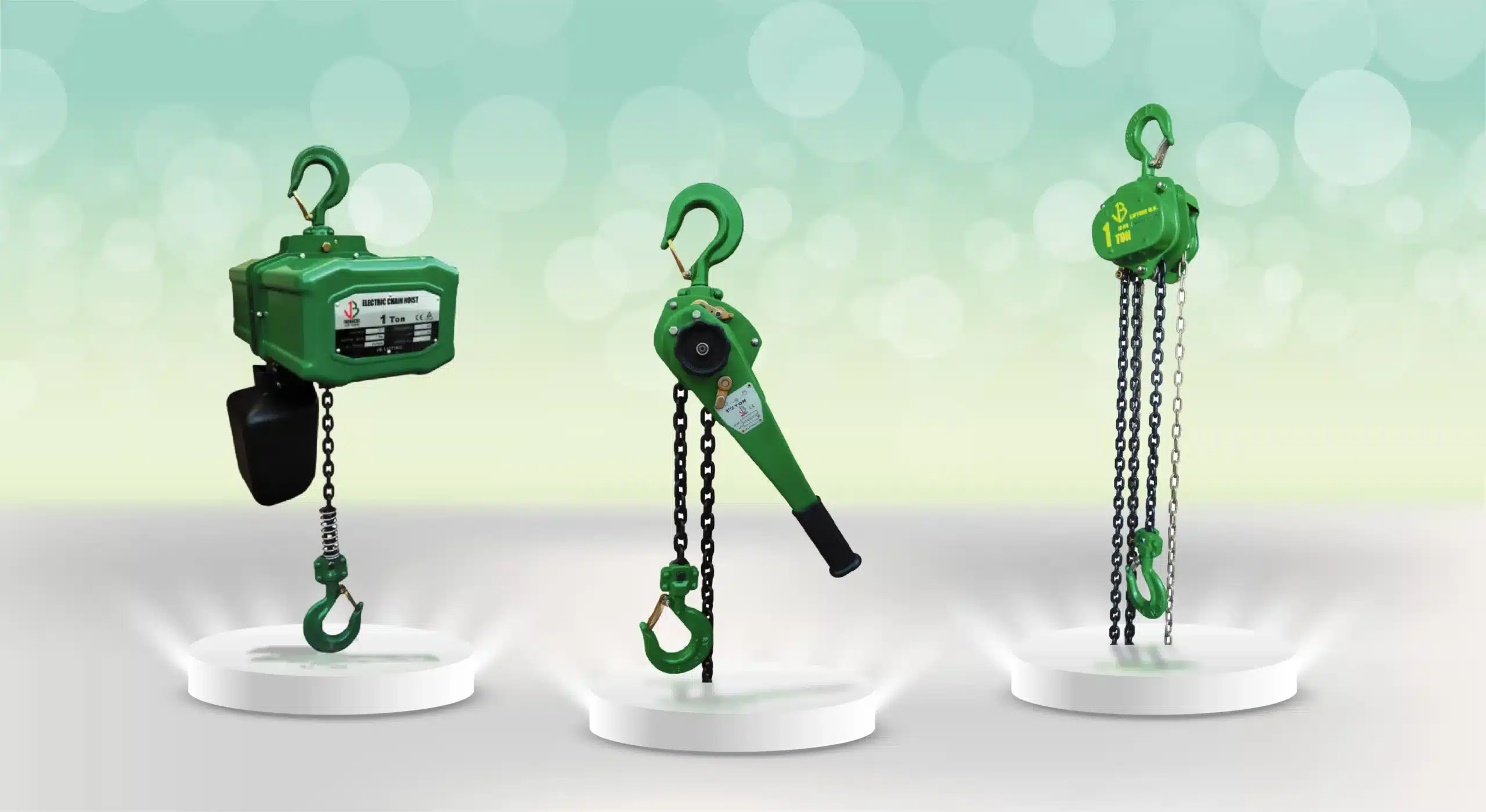
A: While both are used for lifting, a lever hoist (or lever block, as discussed in this guide) is typically used for pulling and tensioning applications, and often operates in horizontal or angled positions. A chain block is generally used for vertical lifting. Lever hoists often use a ratchet and pawl mechanism, while chain blocks use a geared system.
Q: What is “mechanical advantage” in the context of lever blocks?
A: Mechanical advantage is the ratio of the force exerted by the lever block on the load to the force applied by the operator. It allows you to lift or pull heavy loads with less effort. Lever blocks provide a significant mechanical advantage.
Q: What is the significance of “hoist safety” in material handling?
A: Hoist safety is of paramount importance in material handling to prevent accidents, injuries, and damage to equipment. Proper training, inspection, maintenance, and adherence to safety regulations are crucial for ensuring hoist safety. Using proper lever block techniques is a key part of that.
Q: Where can I find the Working Load Limit (WLL) on my lever block?
A: The WLL is usually stamped on the body of the lever block or indicated on a clearly visible label. Always check the WLL before each lift.
Q: Are there specific lever blocks for corrosive environments?
A: Yes, lever blocks made from stainless steel or other corrosion-resistant materials are available for use in corrosive environments. These lever blocks are designed to withstand the damaging effects of chemicals and other corrosive substances.
Q: Can a come along be used interchangeably with a lever block?
A: While both come alongs and lever blocks serve similar purposes of providing pulling force, they are not always interchangeable. Lever blocks are typically more robust and designed for heavier loads and frequent use in industrial settings, while come alongs may be suitable for lighter-duty applications.