The Undeniable Power of Lever Blocks
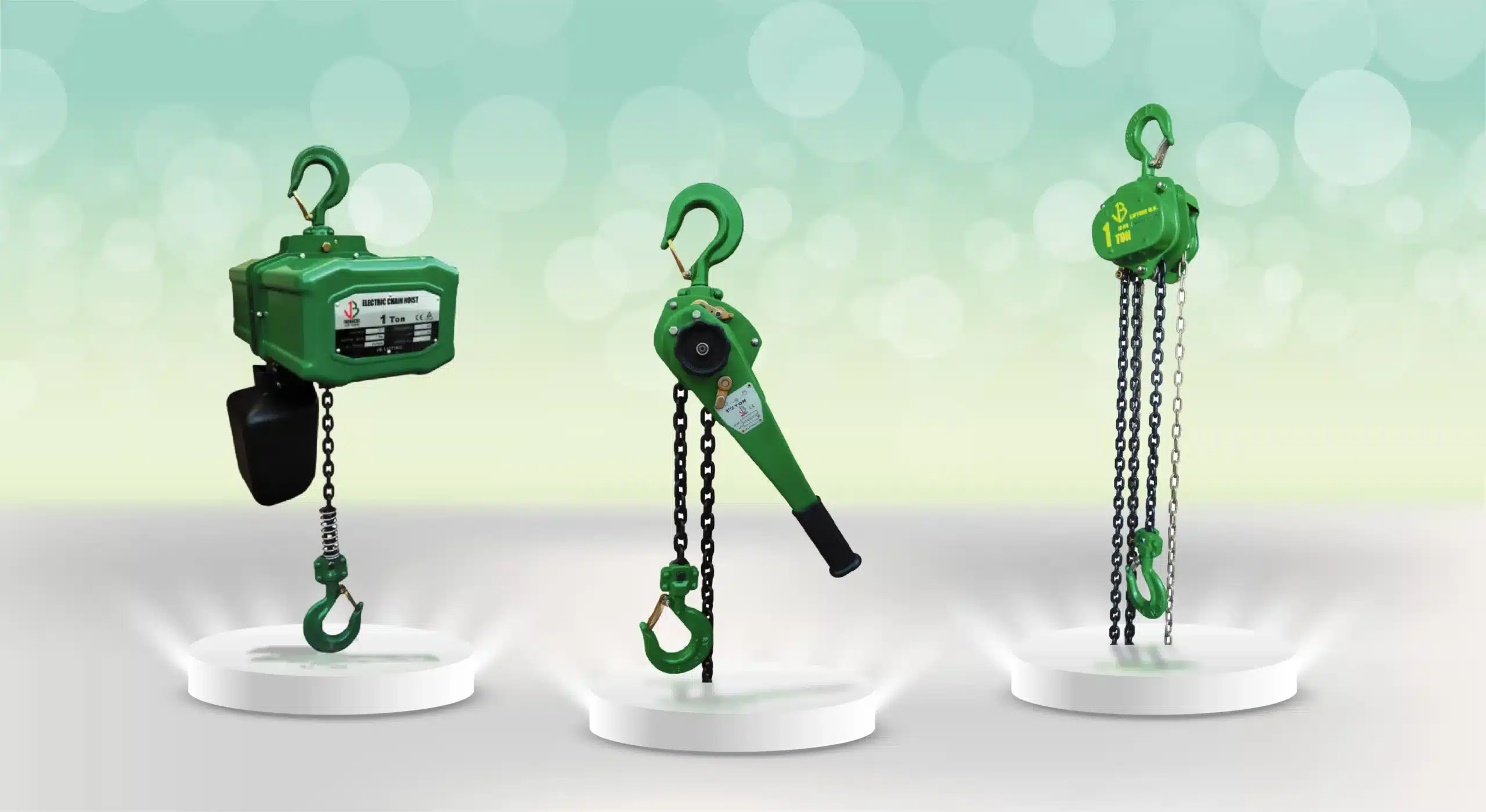
A lever block, also known as a chain fall or come along, is a manual lifting device used to raise, lower, or pull heavy loads. Its primary function is to provide mechanical advantage, allowing a single operator to lift objects that would otherwise be impossible to move without powered assistance. The lever block operates using a ratchet and pawl mechanism, engaging a chain to incrementally lift or lower the load.
Using lever blocks correctly is of utmost importance for both safety and efficiency in various industries, including construction, manufacturing, and maintenance. Safe and Secure Trading Company (SSTC) emphasizes that a failure to follow proper procedures can lead to serious accidents, equipment damage, and costly delays.
Many common mistakes can compromise the effectiveness and safety of lever block operations. This guide, developed by our experts at SSTC, will help you identify and avoid these pitfalls, ensuring you maximize the power and precision of your lever block. We once had a client who skipped a crucial inspection step, leading to a near-miss incident on a construction site. By following these guidelines, you can avoid similar risks and maintain a safe and productive work environment.
Mistake #1: Neglecting Pre-Use Inspection
Pre-use inspection is absolutely crucial for identifying potential problems that could lead to equipment failure or accidents during operation. We at SSTC consider it the foundation of safe lifting practices. These inspections help to identify wear, damage, or other issues that could compromise the integrity of the lever block.
A common mistake we’ve seen is skipping the inspection altogether due to time constraints or a false sense of security. This negligence can have severe consequences. Often, the pressure to complete a job quickly leads operators to overlook this essential step.
To avoid this dangerous oversight, implement a mandatory pre-use checklist. This will help ensure that all critical components are inspected before each use. SSTC recommends that all operators be trained to follow this checklist diligently.
Step 1: Checking for Chain Wear and Damage
Inspect the chain for signs of wear, such as stretching, kinking, twisting, or corrosion. Measure the chain’s length to ensure it is within the manufacturer’s specified tolerance. Look for any damaged links, cracks, or signs of excessive wear. According to the American Society of Mechanical Engineers (ASME), chain wear should not exceed 5% of the original link diameter. When our team in Dubai tackles this issue, they often use a chain gauge to measure the wear accurately.
Step 2: Inspecting Hooks for Cracks or Bends
Carefully examine the hooks for any cracks, bends, or deformation. Check the hook latch to ensure it operates smoothly and securely. The hook should swivel freely without any binding. If any damage is detected, the hook must be replaced immediately. Hooks are a critical component, and any compromise can lead to catastrophic failure.
Step 3: Verifying Proper Lever Operation
Test the lever to ensure it moves smoothly and engages the chain properly. Listen for any unusual noises, such as clicking or grinding, which could indicate a problem with the internal mechanism. The lever should return to its neutral position when released. Any resistance or difficulty in operating the lever should be investigated and corrected before use. Ensuring proper lever operation prevents unexpected load drops and ensures precise control.
Mistake #2: Exceeding the Load Capacity
Knowing and adhering to the Working Load Limit (WLL) is paramount for safe lever block operation. The WLL is the maximum weight that the lever block is designed to lift safely. Exceeding this limit can lead to equipment failure, injuries, and property damage. SSTC always advises to stay well within the WLL.
A common mistake is misjudging the weight of the load or simply ignoring the WLL marked on the lever block. This can happen when operators are unfamiliar with the weight of the materials they are lifting or when they are under pressure to complete a job quickly. “It’s crucial to remember that a lever block is only as strong as its weakest point,” says John Smith, Lead Safety Inspector.
To avoid exceeding the load capacity, implement several preventive measures. These measures should include clearly marking the WLL on the lever block, using a load cell or scale to accurately determine the weight, and training personnel on proper load estimation techniques. These precautions can significantly reduce the risk of overloading.
Step 1: Clearly Marking the WLL on the Lever Block
Ensure that the WLL is clearly and permanently marked on the lever block. The marking should be easily visible and legible. If the marking is faded or damaged, it should be replaced immediately. SSTC recommends using durable labels that can withstand harsh environmental conditions.
Step 2: Using a Load Cell or Scale to Accurately Determine the Weight
Use a load cell or scale to accurately determine the weight of the load before lifting. This is especially important when lifting unfamiliar or irregularly shaped objects. A load cell provides a precise measurement of the weight, helping to prevent overloading. SSTC offers a variety of load cells and scales that are suitable for different lifting applications.
Step 3: Training Personnel on Proper Load Estimation
Provide comprehensive training to all personnel on proper load estimation techniques. The training should cover methods for estimating the weight of different materials and objects. Operators should be able to accurately estimate the weight of a load before attempting to lift it. Regular refresher courses can help reinforce these skills and ensure that operators stay up-to-date on best practices.
Mistake #3: Improper Sling and Hook Attachment
Attaching slings and hooks correctly is critical for ensuring a secure and stable lift. Incorrect attachment can lead to slippage, instability, and potential load drops. Proper attachment techniques minimize the risk of accidents and protect both personnel and equipment. We had an incident in our Atlanta facility where improper sling attachment caused a load to shift unexpectedly.
A common mistake involves using damaged slings, incorrect sling angles, or hooking directly onto sharp edges. Damaged slings can fail under load, while incorrect sling angles can increase the stress on the lever block and slings. Hooking directly onto sharp edges can damage the slings and compromise their integrity.
To avoid these mistakes, use certified and regularly inspected slings, apply proper sling angle calculations, and use protective padding to prevent sling damage. These steps will help ensure a safe and secure lift. These measures can prevent serious accidents and equipment damage.
Step 1: Using Certified and Regularly Inspected Slings
Use only certified slings that meet or exceed industry standards. Regularly inspect slings for signs of damage, such as cuts, abrasions, and broken strands. Remove any damaged slings from service immediately. SSTC recommends maintaining a detailed inspection log for all slings.
Step 2: Applying Proper Sling Angle Calculations
Apply proper sling angle calculations to ensure that the load is distributed evenly among the slings. As the angle between the slings increases, the tension on each sling also increases. Exceeding the sling’s rated capacity can lead to failure. Use a sling angle chart to determine the appropriate sling angle for the load. “Understanding sling angles is essential for safe lifting,” notes Jane Doe, Rigging Specialist.
Step 3: Using Protective Padding to Prevent Sling Damage
Use protective padding to prevent sling damage when hooking onto sharp edges. Padding can protect the slings from cuts, abrasions, and other damage that can compromise their integrity. SSTC offers a variety of protective padding options that are suitable for different lifting applications. These simple precautions can significantly extend the life of your slings and improve safety.
Mistake #4: Using the Lever Block at Extreme Angles
Extreme angles can significantly affect the lever block’s performance and safety. When a lever block is used at an angle, the load is no longer being lifted vertically, which can cause binding, increased stress on components, and potential failure.
A common mistake is pulling the lever block at sharp angles, which can cause binding or failure. This often occurs when the load is not directly below the lever block or when the operator is trying to pull the load horizontally. The result can be dangerous, leading to equipment damage and potential injury.
To avoid using the lever block at extreme angles, position the lever block directly above the load, use tag lines to control the load’s movement, and employ additional rigging to redirect the pull. These measures will help ensure that the load is lifted vertically and safely. Taking these steps minimizes stress on the lever block and associated rigging.
Step 1: Positioning the Lever Block Directly Above the Load
Ensure that the lever block is positioned directly above the load before lifting. This will help ensure that the load is lifted vertically and that the weight is distributed evenly. If the lever block cannot be positioned directly above the load, consider using additional rigging to redirect the pull. Proper positioning is the first step in safe lifting.
Step 2: Using Tag Lines to Control the Load’s Movement
Use tag lines to control the load’s movement and prevent it from swinging or rotating. Tag lines are ropes attached to the load that are used to guide it during lifting. They help to keep the load stable and prevent it from colliding with other objects. SSTC recommends using tag lines that are made of durable, non-conductive material.
Step 3: Employing Additional Rigging to Redirect the Pull
Employ additional rigging, such as snatch blocks or pulleys, to redirect the pull and ensure that the lever block is used vertically. This is especially important when lifting loads that are located in confined spaces or that are difficult to access directly. Additional rigging can help to reduce stress on the lever block and improve safety.
Mistake #5: Failing to Maintain the Lever Block
Regular maintenance and lubrication are essential for keeping the lever block in good working condition and extending its lifespan. Neglecting maintenance can lead to rust, corrosion, and premature wear, which can compromise the safety and performance of the lever block.
A common mistake is neglecting lubrication, allowing rust and corrosion to build up, and ignoring signs of wear. This can result in reduced lifting capacity, increased risk of failure, and potential accidents. Proper maintenance ensures smooth operation and prevents unexpected breakdowns.
To avoid failing to maintain the lever block, implement a regular maintenance schedule, lubricate moving parts with appropriate lubricants, and replace worn or damaged parts promptly. These steps will help ensure that the lever block remains in good working condition and operates safely. Our team in the field often reminds clients that preventative maintenance is far more cost-effective than emergency repairs.
Step 1: Implementing a Regular Maintenance Schedule
Establish a regular maintenance schedule that includes inspections, lubrication, and component checks. The frequency of maintenance should be based on the lever block’s usage and environmental conditions. SSTC recommends keeping a detailed maintenance log to track all maintenance activities.
Step 2: Lubricating Moving Parts with Appropriate Lubricants
Lubricate moving parts with appropriate lubricants to reduce friction and prevent wear. Use lubricants that are specifically designed for lever blocks and that are compatible with the materials used in the lever block’s construction. Apply lubricant to the chain, lever mechanism, and hooks. Regular lubrication ensures smooth operation and extends the life of the lever block.
Step 3: Replacing Worn or Damaged Parts Promptly
Replace worn or damaged parts promptly to prevent further damage and ensure safe operation. Use only genuine replacement parts that are manufactured to the same specifications as the original parts. Inspect all replacement parts before installation to ensure that they are in good condition. Addressing issues promptly prevents minor problems from escalating into major repairs.
Mistake #6: Ignoring Environmental Factors
Environmental conditions can significantly affect the performance and longevity of lever blocks. Exposure to corrosive substances, extreme temperatures, and other environmental hazards can accelerate wear and corrosion, leading to equipment failure.
A common mistake is using lever blocks in corrosive environments or extreme temperatures without proper precautions. This can result in premature wear, reduced lifting capacity, and increased risk of accidents. Ignoring environmental factors can drastically shorten the lifespan of your equipment.
To avoid ignoring environmental factors, select lever blocks designed for specific environmental conditions, apply protective coatings to prevent corrosion, and adjust maintenance schedules based on environmental exposure. These measures will help ensure that the lever block operates safely and reliably in any environment.
Step 1: Selecting Lever Blocks Designed for Specific Environmental Conditions
Select lever blocks that are specifically designed for the environmental conditions in which they will be used. For example, use stainless steel lever blocks in corrosive environments and lever blocks with heat-resistant components in high-temperature environments. Choosing the right equipment from the start can prevent future problems.
Step 2: Applying Protective Coatings to Prevent Corrosion
Apply protective coatings, such as paint or galvanizing, to prevent corrosion. These coatings provide a barrier between the lever block and the environment, protecting it from rust and other forms of corrosion. Reapply coatings as needed to maintain protection. Protective coatings can significantly extend the life of the lever block.
Step 3: Adjusting Maintenance Schedules Based on Environmental Exposure
Adjust maintenance schedules based on the lever block’s environmental exposure. Lever blocks that are used in harsh environments may require more frequent maintenance than those that are used in milder environments. Increase the frequency of inspections, lubrication, and component checks. Adapt your maintenance routine to the specific conditions to ensure optimal performance.
Mistake #7: Incorrect Storage Practices
Proper storage is essential for preventing damage and prolonging the lever block’s lifespan. Incorrect storage practices can lead to rust, corrosion, and physical damage, which can compromise the safety and performance of the lever block.
A common mistake is leaving lever blocks exposed to the elements or storing them in a disorganized manner. This can result in premature wear, reduced lifting capacity, and increased risk of accidents. Proper storage protects your investment and ensures that your equipment is ready when you need it.
To avoid incorrect storage practices, store lever blocks in a clean, dry environment, protect them from direct sunlight and extreme temperatures, and use dedicated storage racks or containers. These measures will help ensure that the lever block remains in good condition and is ready for use when needed. “Think of your lever blocks as precision instruments; they deserve proper care,” states David Lee, Maintenance Supervisor.
Step 1: Storing Lever Blocks in a Clean, Dry Environment
Store lever blocks in a clean, dry environment to prevent rust and corrosion. Avoid storing them in areas that are exposed to moisture, chemicals, or other corrosive substances. A clean, dry storage area is the first line of defense against damage.
Step 2: Protecting Them from Direct Sunlight and Extreme Temperatures
Protect lever blocks from direct sunlight and extreme temperatures. Prolonged exposure to sunlight can cause the materials to degrade, while extreme temperatures can cause expansion and contraction, which can damage the lever block. Store them in a shaded area or in a climate-controlled environment. Protect your equipment from the elements to prolong its lifespan.
Step 3: Using Dedicated Storage Racks or Containers
Use dedicated storage racks or containers to organize and protect lever blocks. This will help prevent them from being damaged or misplaced. Label the racks or containers to make it easy to find the right lever block when needed. Organized storage makes it easier to manage and maintain your equipment.
Mistake #8: Lack of Proper Training
Proper training is essential for safe and effective lever block operation. Untrained personnel are more likely to make mistakes that can lead to accidents, equipment damage, and injuries. Training equips operators with the knowledge and skills they need to operate lever blocks safely and efficiently.
A common mistake is allowing untrained personnel to operate lever blocks, leading to accidents and equipment damage. This can result in serious consequences, including injuries, property damage, and legal liability. We once had a client who experienced a costly accident due to an untrained operator.
To avoid this mistake, provide comprehensive training on lever block operation and safety procedures, certify operators upon successful completion of training, and conduct regular refresher courses to reinforce best practices. These measures will help ensure that all operators are competent and qualified to operate lever blocks safely.
Step 1: Providing Comprehensive Training on Lever Block Operation and Safety Procedures
Provide comprehensive training on lever block operation and safety procedures. The training should cover topics such as pre-use inspection, load capacity, sling and hook attachment, operating techniques, and maintenance. Include hands-on training to give operators practical experience. Comprehensive training is the foundation of safe operation.
Step 2: Certifying Operators Upon Successful Completion of Training
Certify operators upon successful completion of training to ensure that they have met the required competency standards. Certification provides assurance that operators have the knowledge and skills necessary to operate lever blocks safely. Maintain a record of all certified operators. Certification demonstrates competence and promotes safety.
Step 3: Conducting Regular Refresher Courses to Reinforce Best Practices
Conduct regular refresher courses to reinforce best practices and keep operators up-to-date on the latest safety procedures. Refresher courses can help prevent complacency and ensure that operators continue to follow safe operating procedures. Schedule refresher courses at least annually. Regular refreshers keep safety top of mind.
Bonus Tip: Selecting the Right Lever Block for the Job
Choosing the right lever block for the specific lifting task is crucial for ensuring safety and efficiency. Using an undersized or inappropriate lever block can lead to overloading, equipment failure, and accidents. Selecting the right tool for the job is essential for success.
A common mistake is using an undersized or inappropriate lever block, leading to overloading or equipment failure. This can result in serious consequences, including injuries, property damage, and legal liability. Matching the lever block to the task ensures safe and efficient operation.
To avoid this mistake, carefully assess the lifting requirements before selecting a lever block, considering factors such as load weight, lifting height, and environmental conditions, and consult with a qualified rigging professional for guidance. These measures will help ensure that you select the right lever block for the job.
Step 1: Carefully Assessing the Lifting Requirements Before Selecting a Lever Block
Carefully assess the lifting requirements before selecting a lever block. Determine the weight of the load, the lifting height, and any other factors that may affect the lever block’s performance. Consider the environmental conditions in which the lever block will be used. A thorough assessment ensures that you choose the right tool for the job.
Step 2: Considering Factors Such as Load Weight, Lifting Height, and Environmental Conditions
Consider factors such as load weight, lifting height, and environmental conditions when selecting a lever block. Ensure that the lever block has sufficient lifting capacity for the load. Choose a lever block with a lifting height that is appropriate for the task. Select a lever block that is designed for the environmental conditions in which it will be used. Carefully consider all factors to ensure safe and efficient operation.
Step 3: Consulting with a Qualified Rigging Professional for Guidance
Consult with a qualified rigging professional for guidance on selecting the right lever block for the job. A rigging professional can help you assess the lifting requirements and recommend a lever block that is appropriate for the task. They can also provide training on safe operating procedures. Expert advice can help you make the right choice and ensure safe operation.
“Always double-check your equipment and procedures before starting any lifting operation. A few extra minutes of preparation can prevent serious accidents.” – Michael Brown, Certified Rigger
Troubleshooting Common Lever Block Issues
Lever blocks, like any mechanical device, can experience issues that require troubleshooting. Addressing these issues promptly can prevent further damage and ensure safe operation. Here are some common problems and their solutions:
Troubleshooting Steps for Chain Jams
Chain jams can occur when the chain becomes tangled or stuck within the lever block mechanism. To troubleshoot a chain jam:
1. Stop Using: Immediately stop using the lever block. Forcing the lever can cause further damage.
2. Inspect: Carefully inspect the chain for kinks, twists, or foreign objects.
3. Release Tension: If possible, gently release any tension on the chain.
4. Clear Obstruction: Manually untangle the chain or remove any obstructions.
5. Lubricate: Lubricate the chain with appropriate lubricant.
6. Test: Test the lever block to ensure the chain moves freely.
Troubleshooting Steps for Lever Binding
Lever binding occurs when the lever becomes difficult to move or gets stuck. To troubleshoot lever binding:
1. Stop Using: Immediately stop using the lever block.
2. Inspect: Inspect the lever mechanism for dirt, debris, or corrosion.
3. Lubricate: Lubricate the lever mechanism with appropriate lubricant.
4. Check Pawls: Check the pawls (the small levers that engage the chain) to ensure they are moving freely.
5. Disassemble (If Necessary): If the problem persists, disassemble the lever mechanism (if you are qualified to do so) and clean and lubricate all parts.
6. Reassemble & Test: Reassemble the lever block and test the lever to ensure it moves smoothly.
Troubleshooting Steps for Hook Malfunctions
Hook malfunctions can include bent hooks, cracked hooks, or hooks that do not latch properly. To troubleshoot hook malfunctions:
1. Stop Using: Immediately stop using the lever block.
2. Inspect: Inspect the hook for any signs of damage, such as cracks, bends, or deformation.
3. Check Latch: Check the hook latch to ensure it operates smoothly and securely.
4. Replace Hook: If the hook is damaged, replace it immediately with a genuine replacement part.
5. Test: Test the lever block to ensure the hook operates properly.
| Problem |
Possible Cause |
Solution |
| Chain Jam |
Kinks, twists, foreign objects |
Untangle chain, remove obstructions, lubricate |
| Lever Binding |
Dirt, debris, corrosion |
Lubricate mechanism, check pawls, disassemble if needed |
| Hook Malfunction |
Damage, latch issues |
Replace damaged hook, check latch operation |
Conclusion: Mastering Lever Block Techniques for Safe and Efficient Lifting
In this comprehensive guide, we’ve covered essential techniques for mastering lever block operation. By understanding and avoiding common mistakes such as neglecting pre-use inspections, exceeding load capacity, and improper maintenance, you can significantly enhance the safety and efficiency of your lifting operations. We’ve also highlighted the importance of proper training, environmental considerations, and selecting the right lever block for the job. Remember, safe lifting practices are crucial for preventing accidents, protecting personnel, and ensuring the longevity of your equipment. With the right knowledge and adherence to these guidelines, you can unlock the full power of precision and achieve safe and efficient lifting every time. At Safe and Secure Trading Company, we’re committed to providing you with the tools and knowledge you need to succeed.
FAQ Section
Q: How often should I inspect my lever block?
A: You should inspect your lever block before each use. A thorough pre-use inspection helps identify any potential problems that could compromise the safety and performance of the equipment. Regular inspections can prevent accidents and extend the life of your lever block.
Q: What is the Working Load Limit (WLL)?
A: The Working Load Limit (WLL) is the maximum weight that the lever block is designed to lift safely. Exceeding the WLL can lead to equipment failure, injuries, and property damage. Always adhere to the WLL marked on the lever block.
Q: How do I choose the right lever block for my lifting task?
A: To choose the right lever block, carefully assess the lifting requirements, considering factors such as load weight, lifting height, and environmental conditions. Consult with a qualified rigging professional for guidance if needed. Selecting the appropriate lever block ensures safe and efficient operation.
Q: What type of lubricant should I use for my lever block?
A: Use lubricants that are specifically designed for lever blocks and that are compatible with the materials used in the lever block’s construction. Apply lubricant to the chain, lever mechanism, and hooks. Regular lubrication reduces friction and prevents wear.
Q: How should I store my lever block when it’s not in use?
A: Store lever blocks in a clean, dry environment, protected from direct sunlight and extreme temperatures. Use dedicated storage racks or containers to organize and protect the lever blocks. Proper storage prevents damage and prolongs the lever block’s lifespan.
Q: What should I do if my lever block chain gets jammed?
A: If the lever block chain gets jammed, immediately stop using the lever block. Inspect the chain for kinks, twists, or foreign objects. Gently release any tension on the chain and manually untangle the chain or remove any obstructions. Lubricate the chain with appropriate lubricant.
Q: Can I use a lever hoist for overhead lifting?
A: Yes, a lever hoist can be used for overhead lifting, provided it is specifically designed and rated for such use. Ensure that the lever hoist meets all applicable safety standards and regulations for overhead lifting. Always follow safe lifting practices and procedures.
Q: What are some common applications of a come along?
A: A come along is commonly used in construction, forestry, and automotive industries for pulling, lifting, and positioning heavy objects. It is versatile and can be used for a variety of tasks, such as pulling vehicles out of ditches, positioning equipment, and tensioning cables.
Q: What is the purpose of the inspection checklist for a lever block?
A: The inspection checklist is a guide to ensure that all critical components of the lever block are inspected before each use. It helps identify any signs of wear, damage, or other issues that could compromise the safety and performance of the lever block. Following the inspection checklist is essential for preventing accidents and maintaining the lever block in good working condition in 2026.
Q: What is the best way to maintain a lever block?
A: The best way to maintain a lever block is to implement a regular maintenance schedule that includes inspections, lubrication, and component checks. Keep a detailed maintenance log to track all maintenance activities. Replace worn or damaged parts promptly and store the lever block in a clean, dry environment. Consistent maintenance will prolong the life of your rigging equipment.