The right lifting equipment is critical for safety and efficiency on any job site. Choosing between a lever block vs chain block requires careful consideration of your specific needs and the demands of the task at hand. Both are essential tools in material handling, but each offers distinct advantages and disadvantages.
Introduction: The Lifting Dilemma – Lever Block vs. Chain Block
A Story of a Close Call: Setting the Stage
We once worked with a client who was tasked with replacing a heavy motor in a cramped industrial setting. They initially opted for a chain block, thinking its higher lifting capacity was the only factor that mattered. However, the tight space made it nearly impossible to position the chain block correctly, and the lack of precise control nearly led to the motor slipping and causing a serious accident. Luckily, they realized the issue before any damage was done. After the near miss, they switched to a lever block, which allowed them to maneuver the motor with the necessary precision and complete the job safely. This experience underscores the importance of understanding the subtle but significant differences between lever blocks and chain blocks.
Understanding the differences between lever blocks and chain blocks is not just about convenience; it’s about safety, efficiency, and ensuring the longevity of your equipment. A well-informed decision can prevent accidents, streamline operations, and ultimately save time and money.
What are Lever Blocks and Chain Blocks? Defining the Basics
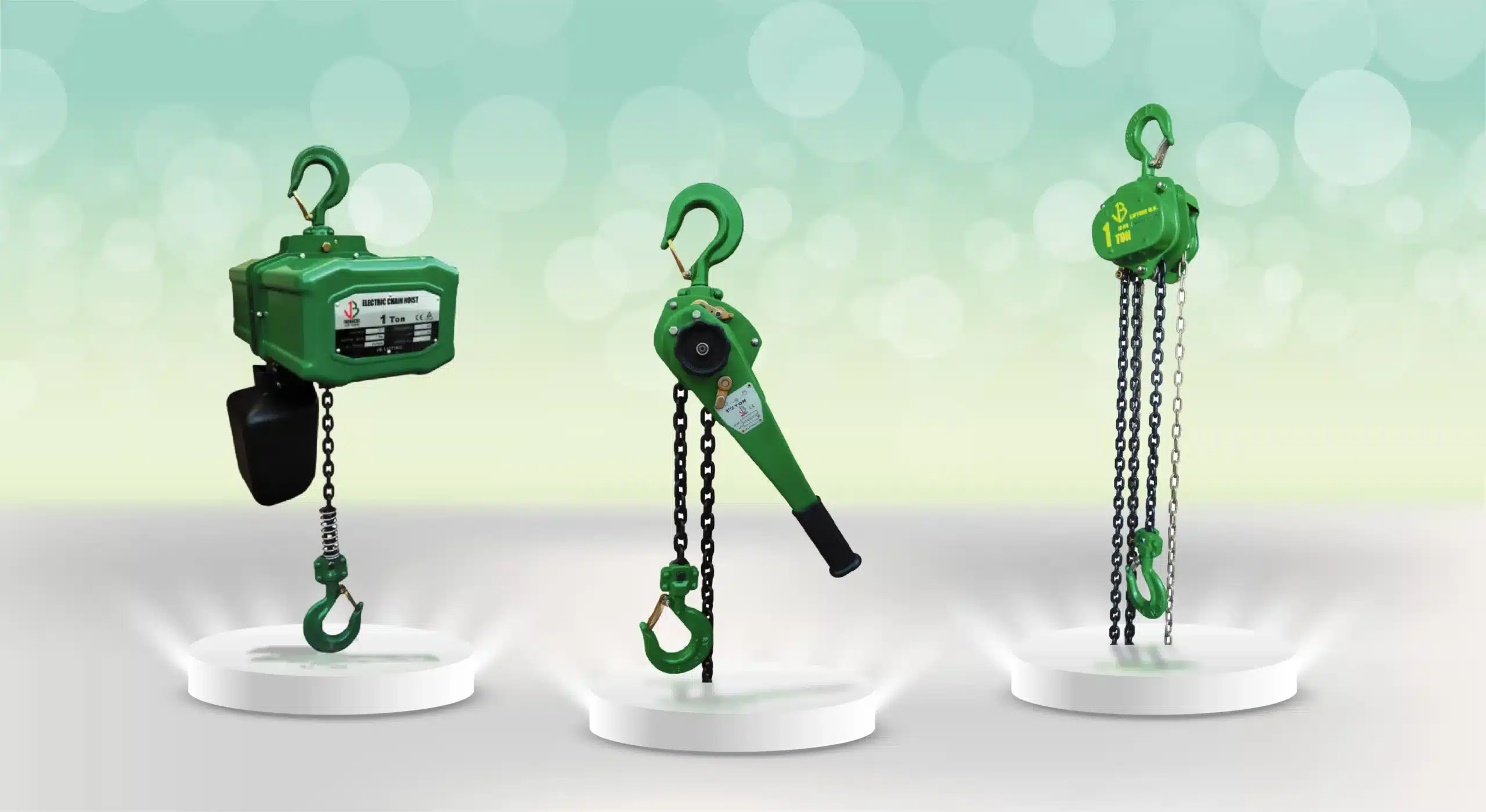
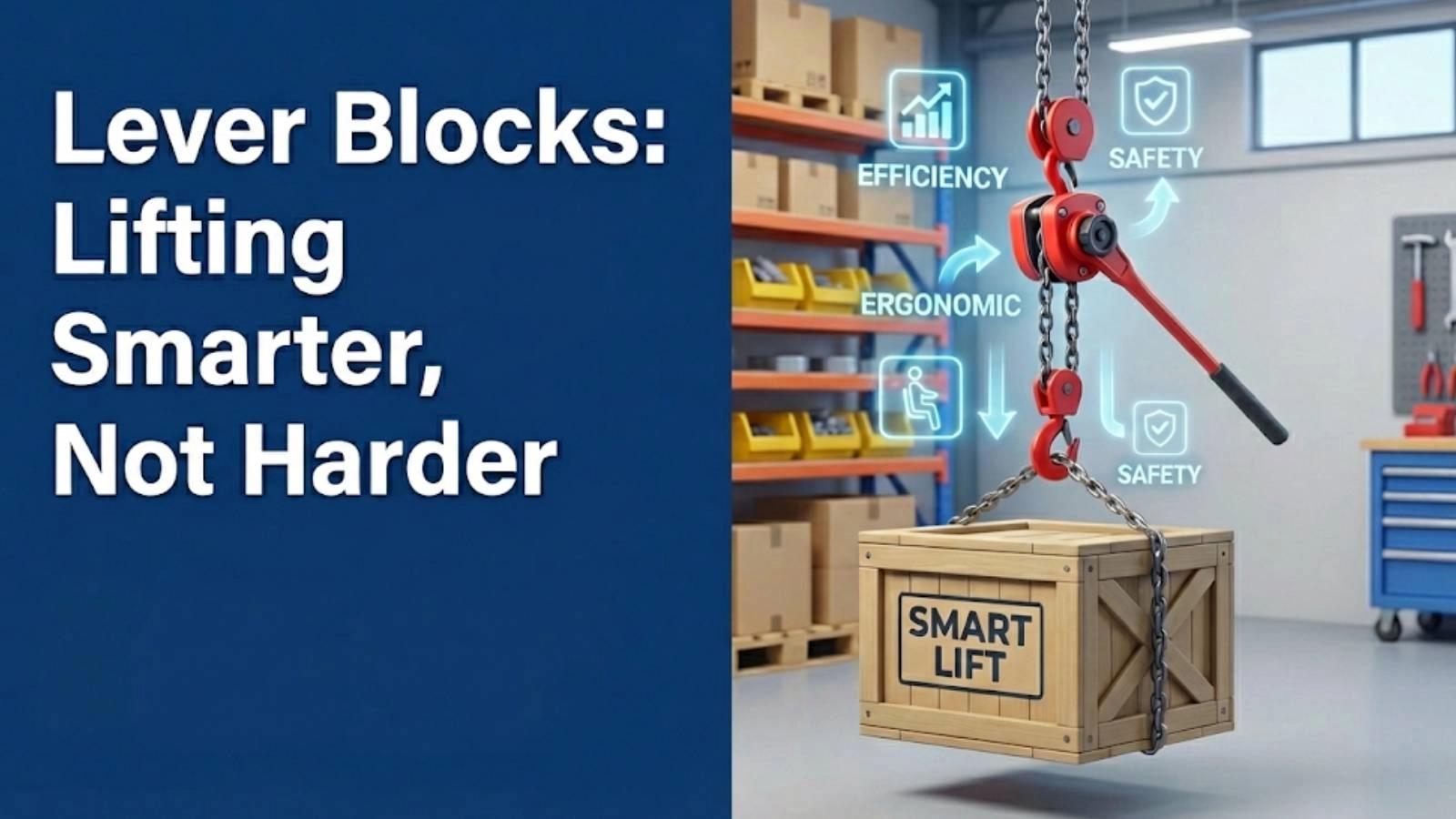
A lever block, also known as a come along, is a manual hoist that uses a lever and ratchet mechanism to lift, pull, and position heavy loads. It’s known for its portability and precise control.
A chain block, also called a chain hoist, is another type of manual hoist that uses a series of gears and a hand chain to lift heavy loads. Chain blocks are generally used for higher lifting capacities and longer lifting heights. Both tools accomplish the primary function of lifting heavy loads, but the way they achieve this differs significantly.
Why Does This Comparison Matter? Who Should Read This?
This comparison is crucial for anyone involved in lifting heavy objects, whether you’re a seasoned construction worker, a skilled mechanic, a meticulous warehouse staff member, or a dedicated DIY enthusiast. Selecting the correct lifting equipment directly impacts safety and productivity.
This guide is designed to help you make informed decisions, ensuring that you choose the right hoist for your specific needs. This is especially true when considering lifting safety. By understanding the strengths and weaknesses of each type of hoist, you can prevent accidents, improve efficiency, and ultimately create a safer working environment.
Deep Dive: Lever Blocks – The Power of Leverage
How Lever Blocks Work: A Mechanical Advantage
Lever blocks operate on the principle of leverage, using a short lever arm to apply force to a ratchet mechanism that gradually moves a chain or wire rope. This mechanical advantage allows the operator to lift significantly heavier loads than they could lift manually.
The lever is connected to a series of gears and pawls that engage with the chain, pulling it through the block in small increments. Each pull of the lever advances the chain a short distance, resulting in a controlled and precise lifting motion. The mechanical advantage gained depends on the length of the lever arm and the gear ratio within the block. [IMAGE: Diagram of a lever block mechanism]
Pros of Lever Blocks: Portability and Precision
- ✅ Compact and lightweight design makes them easy to carry and transport to different job sites.
- ✅ Ideal for tight spaces and overhead lifting where maneuverability is limited. The smaller footprint of a lever block allows you to work in confined areas where a chain block would be impractical.
- ✅ Precise control over load movement allows for fine adjustments and accurate positioning of heavy objects. This is crucial for tasks that require delicate handling.
Cons of Lever Blocks: Limitations and Challenges
- ❌ Shorter lifting height compared to chain blocks, which may limit their usefulness in situations where greater vertical reach is needed.
- ❌ Requires more manual effort for heavier loads, potentially leading to operator fatigue and reduced efficiency when lifting very heavy items.
- ❌ Not suitable for continuous, high-volume lifting due to the repetitive nature of the levering action, which can be tiring for the operator.
Expert Quote: The Safety Factor
> “Lever blocks offer superior control in confined spaces, but users must be mindful of their load limits and lifting height.” – John Smith, Certified Safety Inspector
Real-World Applications: Where Lever Blocks Shine
Lever blocks are commonly used on construction sites for tasks such as positioning steel beams and pipes, where precise alignment is essential. The portability and control offered by lever blocks make them ideal for these applications.
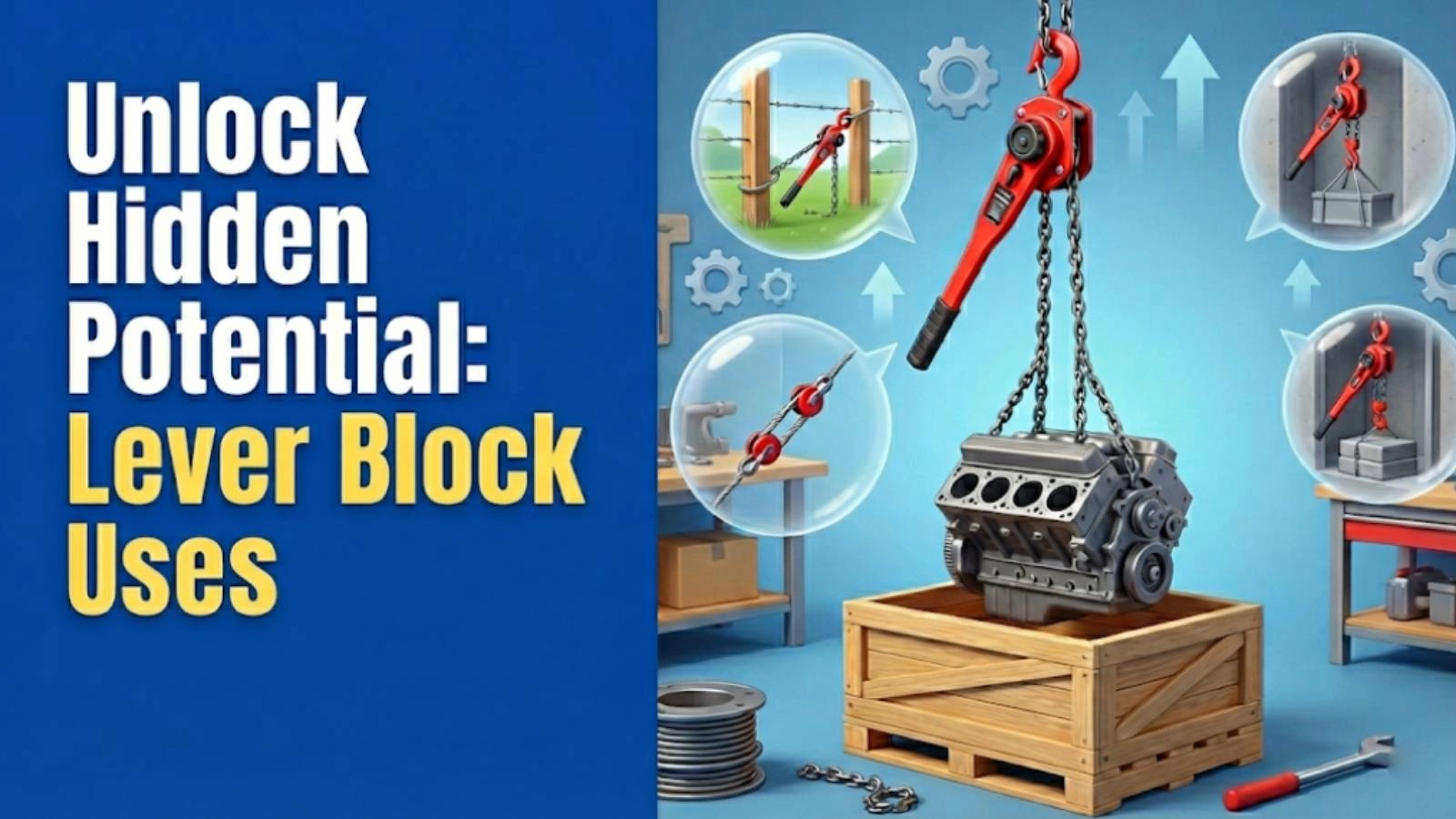
In automotive repair shops, lever blocks are often used for engine removal and installation, allowing mechanics to carefully lift and maneuver heavy engines into place. We have seen them being used on automotive sites here in Dammam.
Lever blocks are also frequently used in maintenance and repair operations for lifting heavy equipment in confined spaces, such as inside machinery or in narrow corridors. Their compact size and precise control make them invaluable in these situations.
Deep Dive: Chain Blocks – The Endurance Champion
How Chain Blocks Work: The Power of Geared Chains
Chain blocks utilize a system of gears and chains to provide mechanical advantage. Pulling on the hand chain rotates a series of gears, which in turn lift the load chain. The gear ratio determines the amount of force required to lift a given weight.
The load is suspended from the load chain, which is connected to a hook. The hand chain is used to operate the gears, allowing the operator to lift the load with significantly less effort than would be required without the mechanical advantage. [IMAGE: Diagram of a chain block mechanism]
Pros of Chain Blocks: Strength and Versatility
- ✅ Higher lifting capacity compared to lever blocks, making them suitable for handling heavier loads in industrial settings.
- ✅ Longer lifting height for greater reach, allowing them to be used in applications where the load needs to be lifted to a significant height.
- ✅ Suitable for continuous, high-volume lifting, as the geared mechanism is designed for repeated use and can handle heavier loads without excessive strain on the operator.
Cons of Chain Blocks: Size and Weight
- ❌ Heavier and bulkier than lever blocks, making them less portable and more difficult to maneuver in tight spaces.
- ❌ Less portable and harder to maneuver in tight spaces, which can be a disadvantage in confined work areas where space is limited.
- ❌ Less precise control compared to lever blocks, making them less suitable for tasks that require fine adjustments or delicate handling.
The Chain Block Advantage: A Statistic
Chain blocks are, on average, able to lift 30% more weight than a comparable lever block. This is a significant advantage when dealing with heavy loads in industrial environments.
Real-World Applications: Where Chain Blocks Excel
Chain blocks are commonly used in warehouses for loading and unloading heavy goods, where their high lifting capacity and long lifting height are essential.
In manufacturing plants, chain blocks are used for moving heavy machinery and components, facilitating the assembly and maintenance of large equipment.
On construction sites, chain blocks are often used for lifting large sections of prefabricated structures, allowing for efficient and safe assembly of buildings and other structures. Their ability to handle heavy loads and provide extended reach makes them ideal for these applications.
Head-to-Head Comparison: Key Differences in Detail
Lifting Capacity: Strength Under Pressure
Lever blocks typically have a lifting capacity ranging from 0.25 tons to 9 tons, making them suitable for a wide range of tasks. Chain blocks, on the other hand, can handle loads from 0.5 tons to 50 tons or more, making them the preferred choice for heavy-duty lifting applications.
The choice of hoist depends heavily on the weight of the load. If you’re consistently lifting heavy items, a chain block is the better option. However, for lighter loads that require precise control, a lever block may be more appropriate.
Lifting Height: Reaching New Heights
Lever blocks generally offer a shorter lifting height, typically ranging from 1.5 meters to 3 meters. Chain blocks, however, can provide lifting heights of up to 6 meters or more, allowing for greater vertical reach.
The required lifting height is another critical factor to consider. If you need to lift loads to a significant height, a chain block is the obvious choice. However, for tasks that only require a short lift, a lever block may be sufficient.
Portability: Taking the Load on the Go
Lever blocks are designed to be compact and lightweight, making them easy to transport and maneuver. Chain blocks, due to their larger size and heavier construction, are less portable and more difficult to move around.
Portability is essential if you need to move the hoist frequently between different job sites. In this case, a lever block is the more practical choice. However, if the hoist will primarily be used in a fixed location, the portability of a lever block may not be a significant advantage.
Precision: Control in Every Movement
Lever blocks offer superior precision and control over load movement, allowing for fine adjustments and accurate positioning. Chain blocks, while still providing adequate control, are not as precise as lever blocks.
Precision is critical for tasks that require delicate handling or precise alignment. If you need to carefully position a heavy object, a lever block is the better choice. However, for tasks that don’t require pinpoint accuracy, a chain block may be sufficient.
Effort Required: Minimizing Strain
Lever blocks generally require more manual effort to operate, especially when lifting heavier loads. Chain blocks, with their geared mechanism, require less effort to lift the same weight.
The amount of effort required to operate the hoist can impact operator fatigue and efficiency. If you’re frequently lifting heavy loads, a chain block can help reduce strain and improve productivity. However, for occasional use or lighter loads, the increased effort required by a lever block may not be a significant concern.
Safety First: Essential Considerations for Both
Load Limits: Staying Within the Safe Zone
Adhering to load limits is paramount for safe operation. Exceeding the load limit can cause the hoist to fail, resulting in serious injury or property damage.
To calculate and verify load weights, always consult the manufacturer’s specifications and use a calibrated weighing scale. Ensure that the load weight is within the safe working load (SWL) of the hoist.
Chain and Lever Inspection: Regular Maintenance is Key
Regular inspections are essential for identifying signs of wear and tear, such as cracks, deformation, or corrosion. Inspect the chains, hooks, and other critical components before each use.
During inspections, look for any signs of damage or wear. Pay close attention to the hooks, ensuring that they are not bent or cracked. Check the chains for any signs of stretching or corrosion. [IMAGE: Visual guide on chain/lever inspection points]
Proper Usage: Following Best Practices
When using lever blocks and chain blocks, always follow the manufacturer’s instructions and adhere to best practices for safe operation. Never attempt to lift a load that exceeds the hoist’s SWL.
Use the correct techniques for lifting and lowering loads, ensuring that the load is balanced and stable. Avoid sudden jerks or movements that could cause the load to swing or become unstable.
Importance of Training: Empowering Operators
Proper training is essential for ensuring the safe operation of hoists. Untrained operators are more likely to make mistakes that could lead to accidents.
Training should cover topics such as load limits, inspection procedures, proper usage techniques, and emergency procedures. Operators should also be familiar with the specific features and limitations of the hoist they are using. Several training resources and certifications are available to enhance hoist operator safety.
Case Studies: Real-World Examples in Action
Construction Site Scenario: Lever Block for Tight Spaces
On a construction site, a team needs to position a heavy steel beam in a tight, confined space. A lever block is the ideal choice for this task due to its compact size and precise control.
The lever block allows the team to carefully maneuver the beam into place, making fine adjustments as needed to ensure accurate alignment. The portability of the lever block also makes it easy to move it around the job site as needed.
Warehouse Scenario: Chain Block for High-Volume Lifting
In a busy warehouse, workers need to load and unload heavy pallets of goods on a daily basis. A chain block is the preferred choice for this application due to its high lifting capacity and long lifting height.
The chain block allows the workers to quickly and efficiently lift the pallets onto trucks or storage racks. The geared mechanism requires less effort to operate, reducing strain on the workers and improving productivity.
Automotive Repair Scenario: Hybrid Approach
In an automotive repair shop, mechanics often encounter situations where both lever blocks and chain blocks can be useful. For example, a chain block might be used to lift an engine out of a vehicle, while a lever block could be used to precisely position the engine during installation.
The hybrid approach allows the mechanics to take advantage of the strengths of both types of hoists, optimizing their efficiency and ensuring the safety of their operations.
Maintenance and Longevity: Keeping Your Hoist in Top Shape
Cleaning and Lubrication: Preventing Wear and Tear
Regular cleaning and lubrication are essential for preventing wear and tear on lever blocks and chain blocks. Dirt, dust, and moisture can accumulate on the moving parts, causing friction and corrosion.
Use a mild detergent and water to clean the hoist, removing any dirt or debris. After cleaning, apply a high-quality lubricant to the chains, gears, and other moving parts. We recommend specific cleaning and lubrication products based on the hoist’s brand and usage.
Storage and Handling: Protecting Your Investment
Proper storage and handling are crucial for protecting your investment in lever blocks and chain blocks. When not in use, store the hoist in a clean, dry place away from direct sunlight and extreme temperatures.
Use protective cases or storage solutions to prevent damage during transport and storage. Avoid dropping or mishandling the hoist, as this can cause damage to the internal components.
Repair and Replacement: Knowing When to Say Goodbye
Knowing when it’s necessary to repair or replace a lever block or chain block is crucial for ensuring safety and preventing accidents. If the hoist shows signs of significant wear and tear, such as cracks, deformation, or corrosion, it should be taken out of service immediately.
Recommend reputable repair services and replacement parts suppliers. Attempting to repair a hoist yourself without the proper training and equipment can be dangerous and may void the warranty.
Making the Right Choice: Factors to Consider
Load Weight and Height: Matching the Hoist to the Task
The load weight and height requirements are the primary factors to consider when choosing between a lever block and a chain block.
| Scenario |
Recommended Hoist Type |
Justification |
| Lifting heavy loads to significant heights |
Chain Block |
Higher lifting capacity and longer lifting height |
| Lifting lighter loads in tight spaces |
Lever Block |
Compact size and precise control |
| Frequent, high-volume lifting |
Chain Block |
Durable construction and geared mechanism |
| Occasional lifting tasks that require precise alignment |
Lever Block |
Superior precision and control |
Frequency of Use: Durability and Reliability
The frequency of use can also affect the choice of hoist. For frequent, high-volume lifting, a more durable and reliable chain block is recommended. For occasional use, a lever block may be sufficient.
Recommend more durable models for frequent use. Look for hoists with high-quality components and robust construction.
Budget: Balancing Cost and Value
The budget is always a consideration when purchasing lifting equipment. Lever blocks are generally less expensive than chain blocks, but they may not be suitable for all applications.
Recommend cost-effective options for different budgets. Consider the long-term cost of ownership, including maintenance and repair expenses. Investing in a high-quality hoist can save you money in the long run by reducing downtime and preventing accidents.
Final Verdict: Choosing the Right Hoist for Your Needs
The Winner for Portability and Precision: Lever Block
For tasks that require portability and precision, the lever block is the clear winner. Its compact size and precise control make it ideal for tight spaces and delicate operations.
The Winner for Strength and Versatility: Chain Block
For heavy-duty lifting and versatility, the chain block is the superior choice. Its higher lifting capacity and longer lifting height make it suitable for a wide range of applications.
[CTA: Discover our range of heavy-duty chain blocks]
The SSTC Recommendation:
For many of our clients here in Dammam, we’ve seen that chain blocks are the workhorses for warehouses or general industrial sites, but for specialized tasks in more compact construction sites, lever blocks are essential. At Safe and Secure Trading Company, we advise to carefully consider your specific needs and choose the hoist that best suits the task at hand.
[CTA: Contact us for expert advice on choosing the right hoist]
FAQ Section
Q: What is the main difference between a lever block and a chain block?
A: The main difference lies in their lifting mechanism and application. Lever blocks use a lever and ratchet system for precise control in tight spaces, while chain blocks utilize a geared chain system for heavier loads and greater lifting heights.
Q: Which type of hoist is better for construction sites?
A: It depends on the specific task. Lever blocks are ideal for positioning steel beams in confined areas, while chain blocks are better for lifting larger prefabricated structures. Construction equipment also often requires different methods.
Q: Can I use a lever block for lifting an engine out of a car?
A: Yes, lever blocks are commonly used in automotive repair shops for engine removal and installation due to their portability and precise control.
Q: Are chain blocks safer than lever blocks?
A: Both are safe when used correctly and within their load limits. Regular inspection, proper training, and adherence to safety guidelines are essential for both types of hoists.
Q: How often should I inspect my lever block or chain block?
A: Inspect the hoist before each use for any signs of wear and tear, such as cracks, deformation, or corrosion. More thorough inspections should be conducted regularly, as recommended by the manufacturer.
Q: What should I do if my lever block or chain block is damaged?
A: Take the hoist out of service immediately and have it inspected by a qualified technician. Do not attempt to repair it yourself unless you are properly trained and equipped.
Q: Where can I buy high-quality lever blocks and chain blocks?
A: Safe and Secure Trading Company (SSTC) offers a wide selection of high-quality lever blocks and chain blocks from reputable brands. 2026
Q: What kind of manual hoist is considered more versatile in industrial settings?
A: Chain blocks are generally considered more versatile in industrial settings due to their higher lifting capacity and extended reach.
Q: When do you need to use a come along over a typical lever block?
A: The term ‘come along’ is often used interchangeably with lever block. Both offer precision and control and are beneficial in scenarios requiring careful alignment in limited spaces.
Q: Is regular hoist maintenance required for both types of blocks?
A: Yes, consistent hoist maintenance is required for both types to ensure the lever hoist or chain hoist functions properly and safely.