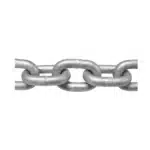
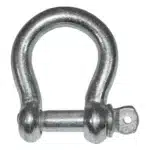
Lifting chains are essential tools in various industries, from construction to manufacturing, enabling the safe and efficient movement of heavy loads. However, the misuse or neglect of lifting chains can lead to catastrophic accidents, resulting in equipment damage, personnel injuries, or even fatalities. At Safe and Secure Trading Company (SSTC), we prioritize safety above all else. Our commitment to providing secure and reliable lifting solutions drives us to educate our clients and the wider industry on best practices. This article highlights common lifting chain mistakes to avoid, ensuring safer and more productive operations. By understanding and preventing these errors, you can significantly reduce the risk of accidents and maintain a safe working environment.
1. 💡 Ignoring Load Capacity Limits: A Recipe for Disaster
Understanding and adhering to load capacity limits is paramount for chain sling safety. Overloading a lifting chain can cause it to fail, leading to dropped loads and potentially fatal accidents. It’s not just about the weight of the load; it’s about the entire lifting configuration and how that weight is distributed.
Understanding WLL (Working Load Limit)
The Working Load Limit (WLL) is the maximum weight that a lifting chain is designed to safely lift. It is crucial to understand this limit because exceeding it can lead to immediate chain failure or gradual weakening, increasing the risk of accidents. Accurately determining the WLL involves checking the chain’s markings, referring to the manufacturer’s specifications, and considering the lifting configuration. We always advise our clients in Jubail to double-check these figures before each lift.
Exceeding Capacity: The Consequences
Exceeding the load capacity can have severe consequences. The most immediate risk is chain failure, which can cause the load to drop unexpectedly. This can result in significant damage to equipment, infrastructure, and, most importantly, can cause severe injuries or fatalities to personnel in the vicinity. It’s a risk simply not worth taking. For many of our clients here in Dammam, we’ve seen that even near misses can lead to significant operational downtime and increased insurance costs.
Trend Alert: Smart Load Monitoring Systems
Smart load monitoring systems are emerging as a valuable tool for preventing overloading. These systems use sensors to measure the weight of the load in real-time and alert operators if the weight exceeds the WLL. This technology can be integrated into existing lifting equipment, providing an extra layer of safety and preventing potential accidents. These systems offer real-time data and alerts, which can significantly improve safety and prevent costly mistakes.
2. ⛓️ Neglecting Regular Chain Inspections: A Ticking Time Bomb
Regular lifting equipment inspection is essential to identify signs of wear, damage, and potential failure points. Neglecting these inspections can lead to using compromised chains, increasing the risk of accidents. A proactive approach to inspection is critical for maintaining a safe working environment.
The Importance of Routine Checks
Regular inspections are crucial because they allow for the early detection of issues that could compromise the chain’s integrity. Wear and tear, corrosion, and other forms of damage can weaken the chain over time, making it more susceptible to failure. Establishing a standardized inspection schedule ensures that chains are regularly checked and that any issues are addressed promptly. We recommend a daily visual inspection before use, along with more thorough inspections at regular intervals, such as monthly or quarterly, depending on the frequency and severity of use.
Key Indicators of Chain Degradation
Several key indicators can signal chain wear and tear. These include stretching, bending, corrosion, and damage to individual links or components. Stretching indicates that the chain has been overloaded or subjected to excessive stress. Bending or twisting can weaken the chain structure. Corrosion can compromise the integrity of the metal, making it more prone to failure. Damaged or missing components, such as hooks or connecting links, must also be addressed immediately. Our experienced team can help identify these issues during routine inspections.
Trend Alert: Digital Inspection Tools
Digital inspection tools are transforming the way lifting equipment inspections are conducted. Mobile apps and software allow inspectors to record their findings electronically, track inspection data, and generate automated reports. This streamlines the inspection process, reduces paperwork, and ensures that critical information is readily available. These tools also facilitate maintenance scheduling, helping to prevent equipment downtime and extend the lifespan of lifting chains.
3. 🛢️ Improper Storage Practices: Inviting Corrosion and Damage
Improper storage practices can expose lifting chains to environmental elements that cause corrosion and other forms of damage. Neglecting to store chains properly can significantly reduce their lifespan and compromise their safety. Proper storage is a simple yet effective way to prolong the life of your lifting chain.
Protecting Chains from the Elements
Moisture, chemicals, and UV exposure can all have a detrimental impact on chain integrity. Moisture can lead to rust and corrosion, weakening the metal. Chemicals can react with the chain material, causing degradation and embrittlement. UV exposure can break down protective coatings, leaving the chain vulnerable to environmental damage. Best practices for indoor storage include keeping chains in a dry, well-ventilated area, away from chemicals and direct sunlight. For outdoor storage, chains should be covered with a waterproof material to protect them from the elements.
Preventing Tangling and Kinking
Tangling and kinking can cause unnecessary stress on the lifting chain, leading to damage and potential failure. Proper coiling and hanging techniques can prevent these issues. Chains should be coiled neatly and hung on a rack or stored in a container to prevent them from becoming tangled. Avoid dragging chains across the floor, as this can cause abrasion and damage. We’ve seen instances where a little extra care in storage significantly extends the life of the equipment.
Trend Alert: Climate-Controlled Storage Solutions
Climate-controlled storage solutions are gaining popularity for protecting lifting chains in extreme environments. These specialized containers regulate temperature and humidity, preventing corrosion and degradation. This is particularly beneficial in industries where chains are exposed to harsh conditions, such as offshore oil and gas or mining. Investing in climate-controlled storage can significantly extend the lifespan of lifting chains and reduce the risk of accidents.
4. 🚫 Using Makeshift Repairs: Compromising Chain Integrity
Attempting to repair damaged lifting chains with makeshift solutions can compromise their integrity and lead to catastrophic failures. Only certified professionals should perform repairs, and only with approved methods and materials. The risks associated with DIY fixes are simply too great to ignore.
The Dangers of DIY Fixes
Welding or modifying chains is extremely unsafe and should never be attempted. Welding can alter the metal’s properties, weakening the chain and making it more prone to failure. Using non-approved replacement parts can also compromise the chain’s integrity, as these parts may not meet the required strength and durability standards. DIY fixes can create hidden flaws that are difficult to detect, increasing the risk of accidents. Our safety experts always emphasize the importance of using certified professionals for any lifting chain repairs.
Knowing When to Retire a Chain
Establishing clear criteria for removing damaged chains from service is essential for safe lifting practices. Chains should be retired if they show signs of excessive wear, stretching, bending, corrosion, or if they have been subjected to overloading. Proper disposal methods should be followed to prevent the reuse of damaged chains. Cutting the chain into smaller pieces or marking it as “unusable” can help prevent accidental reuse.
Trend Alert: Advanced Chain Repair Techniques (By Certified Professionals)
Advanced chain sling safety repair techniques are emerging, but they should only be performed by certified professionals in specialized facilities. These methods may involve heat treating, re-linking, or other advanced procedures to restore the chain’s integrity. Documented repair processes and certifications are essential to ensure that repairs are performed safely and effectively. Always verify the credentials of any repair service before entrusting them with your lifting chains.
5. 🚧 Ignoring Environmental Factors: Overlooking Hidden Risks
Environmental factors such as temperature extremes and chemical exposure can significantly impact the strength and integrity of lifting chains. Overlooking these factors can lead to unexpected failures and accidents. Understanding the environmental conditions in which chains are used is crucial for selecting the right equipment and implementing appropriate safety measures.
Temperature Extremes: Impact on Chain Strength
Extreme heat and cold can both affect the WLL of lifting chains. High temperatures can reduce the chain’s tensile strength, making it more susceptible to failure. Low temperatures can make the chain brittle, increasing the risk of cracking or breaking. Selecting chains designed for specific temperature ranges is essential for ensuring safe operation. Manufacturers typically provide temperature derating charts that specify the WLL at different temperatures.
Chemical Exposure: Corrosion and Degradation
Chemical exposure can cause corrosion and degradation of lifting chains, compromising their integrity. Identifying chemicals that can damage chains is crucial for implementing appropriate protective measures. Using protective coatings and corrosion-resistant materials can help extend the lifespan of chains in chemically aggressive environments. Regular inspection and cleaning can also help prevent chemical buildup and corrosion.
Trend Alert: Environmentally-Resistant Chain Coatings
New advancements in coatings are providing enhanced protection against harsh chemicals and weather. These coatings can significantly extend the lifespan of lifting chains in challenging environments. Sustainable options are also emerging, minimizing the environmental impact of these coatings. When selecting a coating, consider the specific chemicals and environmental conditions to which the chain will be exposed.
6. 📚 Lack of Proper Training: Setting the Stage for Accidents
Inadequate training on rigging safety tips and the proper use of lifting chains is a major contributing factor to accidents. Ensuring that operators are properly trained and certified is essential for maintaining a safe working environment. Training should cover all aspects of chain use, from inspection and selection to lifting techniques and safety procedures.
The Importance of Comprehensive Training Programs
Comprehensive training programs should cover a range of topics, including overhead lifting hazards, safe lifting practices, load capacity limits, and lifting chain maintenance. Operators should understand how to inspect chains for damage, select the appropriate chain for the job, and use proper lifting techniques. Hands-on training and certification are essential for ensuring that operators have the skills and knowledge necessary to perform their jobs safely. We offer a range of training programs tailored to different industries and applications.
Regular Refresher Courses: Reinforcing Safety Knowledge
Regular refresher courses are essential for reinforcing safety knowledge and keeping operators up-to-date on new regulations and best practices. These courses should address common mistakes and near-miss incidents, providing opportunities for operators to learn from past experiences. Refresher courses can also introduce new technologies and techniques that can improve safety and efficiency. We recommend that operators participate in refresher courses at least annually.
Trend Alert: Virtual Reality (VR) Training Simulations
Virtual Reality (VR) training simulations are emerging as a powerful tool for training operators on safe lifting practices. VR simulations provide realistic and immersive lifting scenarios, allowing operators to practice their skills in a risk-free environment. These simulations can be used to assess operator performance and identify areas where additional training is needed. VR training can be particularly effective for training on complex or hazardous lifting operations.
> “Proper training and regular inspections are the cornerstones of a safe lifting operation.” – John Smith, Lead Safety Inspector
7. 📏 Using Incorrect Chain Lengths: Creating Unnecessary Stress
Using incorrect chain sling safety lengths can create uneven load distribution and increase stress on individual chain legs, leading to potential failures. Selecting the appropriate chain lengths for different lifting configurations is crucial for ensuring safe and efficient lifting. Careful planning and consideration of sling angles are essential.
Understanding the Impact of Sling Angles
Sling angles significantly affect the load on each chain leg. As the sling angle decreases, the load on each leg increases. This can lead to overloading and potential failure. Selecting appropriate chain lengths for different lifting configurations is essential for maintaining safe sling angles. We provide detailed guidance on calculating sling angles and selecting appropriate chain lengths.
Avoiding Excessive Chain Twisting
Excessive chain sling safety twisting can create stress points and weaken the chain. Using swivels and other hardware can help prevent twisting. Ensuring that chains hang freely and evenly is also important. Avoid using chains that are excessively long or short, as this can increase the risk of twisting and other problems.
Trend Alert: Adjustable Chain Sling Systems
Adjustable chain sling safety systems are designed to allow for on-the-fly length adjustments, providing increased flexibility and safety. These systems can be particularly useful in situations where the lifting configuration may change frequently. Adjustable chain slings can help maintain optimal sling angles and prevent overloading.
8. 🔍 Insufficient Record Keeping: Losing Track of Chain History
Insufficient record keeping can make it difficult to track the inspection history and maintenance of lifting chains. This can lead to using chains that are overdue for inspection or that have been damaged without being properly repaired. Maintaining detailed records is essential for ensuring the safety and reliability of lifting chains.
Maintaining Detailed Inspection Logs
Detailed inspection logs should include the date of the inspection, the findings, and any corrective actions taken. These logs should be maintained in a centralized database for easy access and tracking. Digital inspection tools can automate the process of creating and maintaining inspection logs. Regular review of inspection logs can help identify trends and potential problems.
Documenting Chain Replacements and Repairs
Documenting chain replacements and repairs is essential for maintaining a complete chain lifecycle history. The records should include the date of the replacement or repair, the type of work performed, and the reason for the replacement or repair. This information can be used to identify recurring problems and improve lifting chain maintenance practices.
Trend Alert: Blockchain Technology for Chain Traceability
Blockchain technology is emerging as a potential solution for tracking chain history from manufacture to disposal. This technology can ensure transparency and accountability throughout the supply chain, providing a secure and tamper-proof record of each chain’s history. Blockchain can also help prevent the use of counterfeit or substandard chains.
| Key Area |
Best Practice |
Potential Risk |
| Load Capacity |
Always adhere to WLL |
Chain failure, injury |
| Inspections |
Regular, documented checks |
Unidentified damage |
| Storage |
Proper, protected storage |
Corrosion, degradation |
| Repairs |
Certified repairs only |
Compromised integrity |
| Environment |
Consider temperature, chemicals |
Weakening, failure |
| Training |
Comprehensive operator training |
Accidents due to misuse |
| Chain Length |
Correct lengths, sling angles |
Uneven load, stress |
| Record Keeping |
Detailed maintenance logs |
Lost chain history |
9. ⚙️ Ignoring Manufacturer Guidelines: Deviating from Best Practices
Ignoring manufacturer guidelines can lead to improper use and maintenance of lifting chains, increasing the risk of accidents. Following manufacturer recommendations is essential for ensuring safe and reliable operation. Manufacturers provide valuable information on chain selection, inspection, maintenance, and repair.
The Importance of Following Manufacturer Recommendations
Adhering to specified maintenance schedules and procedures is crucial for prolonging the life of lifting chains and preventing failures. Using only approved replacement parts and accessories ensures compatibility and maintains the chain’s integrity. Deviating from manufacturer guidelines can void warranties and increase the risk of accidents. We always emphasize the importance of consulting the manufacturer’s documentation.
Contacting the Manufacturer for Support
Seeking guidance on specific applications or unusual situations can help prevent mistakes and ensure safe operation. Leveraging manufacturer expertise can provide valuable insights into the proper use and maintenance of lifting chains. Contacting the manufacturer for support can also help resolve any questions or concerns about chain performance.
Trend Alert: Remote Monitoring and Predictive Maintenance
Remote monitoring and predictive maintenance technologies are emerging as a way to track chain sling safety performance in real-time. Sensors and software can track chain performance and predict potential failures, allowing for proactive maintenance. This can help prevent unexpected downtime and extend the lifespan of lifting chains.
Conclusion
Avoiding these common lifting chain mistakes is critical for ensuring a safe and productive work environment. From adhering to load capacity limits and conducting regular inspections to following manufacturer guidelines and providing proper training, each aspect plays a vital role in preventing accidents and maintaining the integrity of your lifting equipment. By prioritizing these best practices, you can significantly reduce the risk of injuries, equipment damage, and costly downtime. We at Safe and Secure Trading Company are committed to providing you with the knowledge and resources needed to operate safely and efficiently. Remember, safety is not just a priority; it’s a culture.
FAQ Section
Q: How often should I inspect my lifting chains?
A: We recommend a daily visual inspection before each use, along with more thorough inspections at regular intervals, such as monthly or quarterly, depending on the frequency and severity of use. Always follow manufacturer guidelines.
Q: What are the key indicators of chain degradation?
A: Key indicators include stretching, bending, corrosion, and damage to individual links or components. Any of these signs should prompt further inspection and potential removal of the chain from service.
Q: Can I repair a damaged lifting chain myself?
A: No. Makeshift repairs can compromise the chain’s integrity and lead to catastrophic failures. Only certified professionals should perform repairs, and only with approved methods and materials.
Q: How should I store my lifting chains when they are not in use?
A: Store chains in a dry, well-ventilated area, away from chemicals and direct sunlight. Coil chains neatly and hang them on a rack or store them in a container to prevent tangling.
Q: What should I do if I suspect that a lifting chain has been overloaded?
A: Immediately remove the chain from service and have it inspected by a qualified professional. Overloading can cause hidden damage that is not immediately apparent.
Q: How important is training for operators who use lifting chains?
A: Training is crucial. Operators should be trained on safe lifting practices, load capacity limits, inspection procedures, and other relevant topics. Regular refresher courses are also essential.
Q: What is the Working Load Limit (WLL)?
A: The Working Load Limit (WLL) is the maximum weight that a lifting chain is designed to safely lift. It is crucial to adhere to this limit to prevent overloading and potential chain failure.
Q: How do sling angles affect the load on each chain leg?
A: As the sling angle decreases, the load on each leg increases. Selecting appropriate chain lengths for different lifting configurations is essential for maintaining safe sling angles.
Q: Why is record keeping important for lifting chains?
A: Detailed record keeping allows you to track the inspection history and maintenance of lifting chains, ensuring that they are properly maintained and safe to use.
Q: What should I do if I have questions about the proper use or maintenance of my lifting chains?
A: Contact the manufacturer or a qualified lifting equipment specialist for assistance. They can provide valuable guidance and help you ensure the safe and efficient operation of your equipment.
Q: What is the effect of temperature on lifting chains?
A: Extreme temperatures can affect the strength of lifting chains. High temperatures can reduce tensile strength, while low temperatures can cause brittleness. Consult manufacturer guidelines for temperature derating information.
Q: How does chemical exposure affect lifting chains?
A: Chemical exposure can cause corrosion and degradation of lifting chains, compromising their integrity. Use protective coatings and corrosion-resistant materials in chemically aggressive environments.
Q: What are adjustable chain sling systems?
A: Adjustable chain sling safety systems allow for on-the-fly length adjustments, providing increased flexibility and safety. They can be useful in situations where the lifting configuration may change frequently.
Q: What are the benefits of using digital inspection tools for lifting chains?
A: Digital inspection tools streamline the inspection process, reduce paperwork, and ensure that critical information is readily available. They also facilitate maintenance scheduling and tracking.
Q: What is blockchain technology and how can it be used for lifting chains?
A: Blockchain technology can be used to track chain history from manufacture to disposal, ensuring transparency and accountability throughout the supply chain.
Q: What new innovations are there in chain coatings?
A: New advancements in coatings are providing enhanced protection against harsh chemicals and weather, extending the lifespan of lifting chains in challenging environments. Sustainable options are also emerging.
Q: What are some common overhead lifting hazards?
A: Some common overhead lifting hazards include overloading, using damaged or worn equipment, improper sling angles, and inadequate training.
Q: What is Material Handling Safety?
A: Material handling safety encompasses all safety measures regarding the movement, storage, control and protection of materials, products and substances throughout a manufacturing or distribution process.