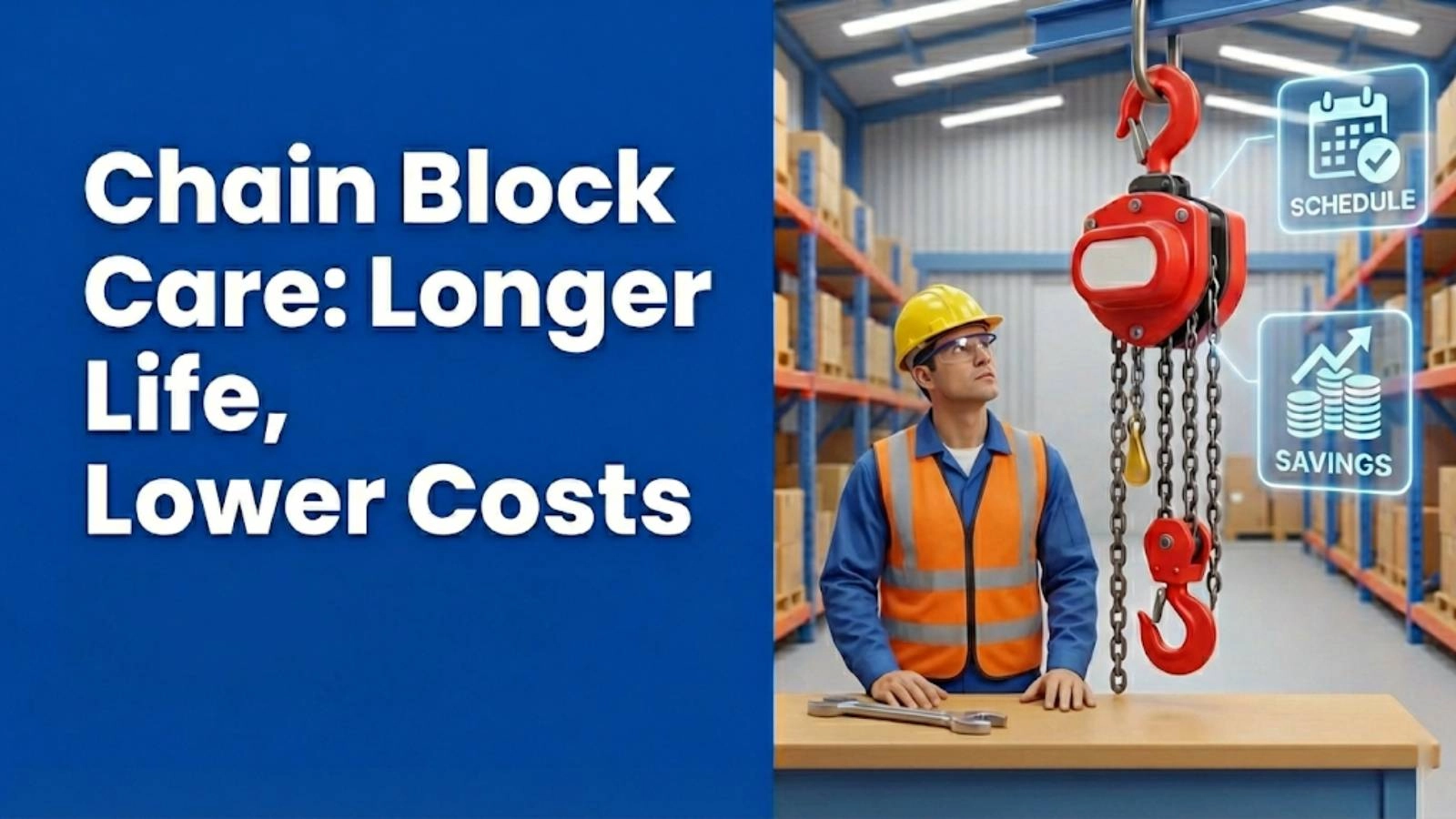
The manual chain block is an indispensable tool in numerous industries, offering a reliable and cost-effective solution for vertical lifting. From manufacturing plants to construction sites, its versatility and ease of use make it a staple for various material handling tasks. However, selecting the right manual chain block is not as straightforward as it might seem. Many users make critical errors, such as underestimating load weights or neglecting environmental factors, leading to safety hazards and operational inefficiencies.
This comprehensive guide will delve into the three pivotal factors you must consider to ensure you select the ideal manual chain block for your specific application: capacity, lift height, and environmental considerations. By understanding these elements, you can maximize safety, improve efficiency, and minimize the risk of accidents. Ultimately, the goal is to equip you with the knowledge to make informed decisions, ensuring a safe and productive work environment.
1. Capacity: Matching the Block to the Load
When choosing a manual chain block, capacity is paramount. Selecting a block with the appropriate capacity ensures safe and efficient lifting operations. The chain block capacity must always be equal to or greater than the weight of the load to be lifted.
1.1 Understanding Load Limits
The Working Load Limit (WLL) is the maximum weight a manual chain block is designed to lift safely. This limit is clearly marked on the hoist and should never be exceeded. Ignoring the WLL can lead to catastrophic equipment failure, severe injuries, or even fatalities. We at Safe and Secure Trading Company always advise our clients to rigorously adhere to WLL guidelines.
Overloading a chain hoist puts excessive stress on its components, including the chain, hooks, and gears. This can cause the chain to stretch or break, hooks to bend or snap, and gears to strip or seize. Any of these failures can result in the load dropping, causing significant damage or injury. Prioritizing safety through adherence to WLL is non-negotiable.
1.2 Calculating Load Weight Accurately
Accurately determining the weight of the load is crucial for selecting the right manual chain block. It’s not enough to simply guess the weight; you must take precise measurements or consult reliable sources. Neglecting this step can lead to using a block with insufficient capacity, creating a dangerous situation.
Always account for any attachments or rigging used in conjunction with the chain hoist. These items add weight to the overall load and must be included in the total weight calculation. Overlooking these additions can result in overloading the manual hoist even if the primary load is within the block’s stated capacity. Online databases, manufacturer specifications, and weighing scales can provide accurate weight information.
1.3 Oversizing vs. Undersizing: Finding the Right Balance
While undersizing a chain block is never an option due to the obvious safety risks, oversizing can also present inefficiencies. Choosing a block with significantly higher capacity than needed can be less practical for smaller loads. An oversized manual chain block may be heavier and more cumbersome to operate, leading to unnecessary strain on the operator.
Undersizing a manual chain block is extremely dangerous. It puts the equipment under excessive stress and significantly increases the risk of failure, potentially leading to severe accidents and injuries. The ideal choice is to select a lifting equipment with a capacity slightly above the typical loads you lift.
2. Lift Height: Reaching New Heights Safely
Lift height is another critical factor to consider when selecting a manual chain block. It’s essential to choose a block with a chain length that allows you to safely and efficiently lift loads to the required height. Inadequate lift height can lead to unsafe practices and operational inefficiencies.
2.1 Determining the Required Lift Height
To accurately determine the required lift height, measure the vertical distance from the ground to the highest point the load needs to reach. Consider any obstacles or obstructions that may be in the way. If you need to lift a load over a beam or piece of equipment, factor that height into your measurement.
Failing to accurately assess the required lift height can result in using a manual chain block with a chain that is too short. This forces operators to lift loads from awkward positions, increasing the risk of strain and injury. Precise measurement is key to ensuring both safety and efficiency.
2.2 Standard vs. Customized Chain Lengths
Manual chain blocks are available with standard chain lengths, but customization is also an option. Standard lengths are often more cost-effective and readily available, while custom lengths provide a tailored solution for specific applications. Consider the long-term implications of using a standard length versus investing in a customized chain.
Choosing between standard and customized chain lengths depends on your specific needs and budget. If you have a unique lifting application that requires a non-standard height, a customized chain is the best option. However, be aware that custom chain lengths may have longer lead times and higher costs. For standard lifting needs, a readily available standard chain length will often suffice.
2.3 The Impact of Lift Height on Ergonomics
Excessive lift height can significantly impact operator ergonomics, leading to fatigue, strain, and an increased risk of injuries. Lifting heavy loads from the ground to a high position requires considerable physical exertion. This can put stress on the back, shoulders, and arms.
Implementing ergonomic practices is essential to minimize these risks. Using longer chains can allow operators to lift loads from a more comfortable and neutral posture. This reduces strain and fatigue. “We’ve seen a significant decrease in back injuries among our clients in Jeddah after they started implementing longer chain lengths where possible.” Using the correct lifting equipment can save costs in the long run through preventing injuries.
3. Environmental Considerations: Adapting to the Elements
The environment in which a manual chain block is used can significantly impact its performance and longevity. Extreme temperatures, corrosive substances, and dirty conditions can all take a toll on the equipment. Selecting a manual chain block that is designed to withstand these environmental challenges is crucial for ensuring reliable and safe operation.
3.1 Temperature Extremes: Hot and Cold Challenges
Extreme temperatures, both hot and cold, can affect the performance of chain hoists. High temperatures can cause lubricants to break down, leading to increased wear and tear. Cold temperatures can make the chain brittle and more susceptible to breakage.
Consider using industrial hoist models designed for use in extreme environments. These blocks often feature special lubricants and materials that can withstand a wider temperature range. Selecting the right lubricant based on the anticipated temperature range is also crucial. In extremely cold environments, consider using manual hoist models with alloy steel chains specifically designed for low-temperature applications.
3.2 Corrosion Resistance: Combating Rust and Decay
Corrosion is a major concern in humid or corrosive environments. Rust can weaken the chain and other components, leading to equipment failure. Using chain block safety precautions can help to avoid a corrosion related accident. Selecting a manual chain block with corrosion-resistant coatings or materials is essential for extending its lifespan in these conditions.
Stainless steel chain hoists offer excellent corrosion resistance. They are ideal for use in marine environments, chemical plants, and other areas where exposure to corrosive substances is a concern. Regular inspection and maintenance are also crucial for preventing corrosion. “Many of our clients here in Dammam, where the humidity is high, have had great success with stainless steel chain blocks.”
3.3 Dirty and Dusty Environments: Maintaining Performance
Dirty and dusty environments can also pose challenges for manual chain blocks. Dust and debris can accumulate in the internal components, leading to increased wear and tear. Selecting a chain hoist with an enclosed design or features to protect internal components is important.
Regular cleaning and lubrication are also essential for maintaining performance in dirty environments. Use compressed air to blow out dust and debris from the manual chain block regularly. Lubricate the chain and other moving parts with an appropriate lubricant. By taking these steps, you can extend the lifespan of your industrial hoist and ensure reliable operation.
4. Safety Features and Compliance
Prioritizing safety and compliance with industry standards is paramount when selecting and using a manual chain block. Integrating safety features and adhering to regulations helps prevent accidents, protect workers, and ensure efficient lifting operations.
4.1 Overload Protection Mechanisms
Overload protection mechanisms are crucial for preventing operators from exceeding the safe working load limit (WLL) of the manual chain block. These mechanisms, such as slip clutches, are designed to automatically prevent the chain hoist from lifting loads that are too heavy.
Different types of overload protection mechanisms are available. Slip clutches are a common option that allows the chain to slip when the WLL is exceeded. This prevents further lifting and alerts the operator to the overload condition. By using an industrial hoist with overload protection, you can significantly reduce the risk of accidents and equipment damage.
4.2 Brake Systems: Holding the Load Securely
Brake systems are essential for holding the load securely in place when the manual chain block is not being actively operated. These systems prevent the load from slipping or drifting, ensuring safety and stability. Regular brake system inspection and maintenance are crucial for ensuring their effectiveness.
Various types of brake systems are used in manual chain blocks. Mechanical load brakes are a common option that uses a series of gears and ratchets to hold the load. These brakes are reliable and provide excellent holding power. Be sure to use chain block safety during use.
4.3 Compliance with Industry Standards
Choosing manual chain blocks that comply with relevant industry standards (e.g., ASME, ANSI) is essential for ensuring safety and reliability. These standards set forth specific requirements for the design, construction, and testing of lifting equipment. Using non-compliant equipment can expose you to significant liability risks.
Ensure that the chain hoist you select is clearly marked with its compliance with relevant industry standards. This provides assurance that the equipment has been tested and meets the necessary safety requirements. Prioritize compliance with industry standards to safeguard your operations and protect your workers.
5. Maintenance and Inspection: Keeping Your Chain Block in Top Condition
Regular maintenance and inspection are crucial for keeping your manual chain block in top condition and ensuring safe operation. Neglecting these tasks can lead to equipment failure, accidents, and injuries. Implementing a comprehensive maintenance program is essential for maximizing the lifespan of your lifting equipment.
5.1 Regular Inspection Procedures
A detailed checklist for inspecting manual chain blocks should include the following key components: Chain, Hooks, Brake System, and overall condition. Emphasize the importance of documenting inspections to track wear and tear.
Inspecting the chain for wear, damage, or corrosion is essential. Look for any signs of stretching, cracks, or deformities. Check the hooks for any bending, twisting, or cracks. Ensure that the brake system is functioning properly and holding the load securely.
5.2 Lubrication Best Practices
Proper lubrication is essential for ensuring smooth operation and preventing wear and corrosion in manual chain blocks. Recommend the appropriate lubricants for different chain hoist types and environments. For example, a lithium-based grease is often suitable for general-purpose applications.
Explain how to properly lubricate the manual chain block. This typically involves applying lubricant to the chain, gears, and other moving parts. Regular lubrication helps to reduce friction, prevent wear, and extend the lifespan of the equipment.
5.3 Chain Replacement and Repair
Provide guidance on when to replace the chain on a manual hoist. If the chain is stretched, damaged, or shows signs of excessive wear, it should be replaced immediately. Explain the proper procedures for chain replacement. This typically involves removing the old chain and installing a new one of the same size and grade.
Emphasize the importance of using genuine replacement parts when repairing manual chain blocks. Using non-genuine parts can compromise the safety and performance of the equipment. Always consult with a qualified technician for any repairs beyond basic maintenance.
6. Ergonomic Considerations for Operators
Ergonomic considerations are paramount for ensuring operator comfort, efficiency, and safety when using manual chain blocks. By optimizing the design and usage of the equipment, you can reduce strain, fatigue, and the risk of injuries.
6.1 Handle Design and Placement
The design and placement of the handle on a manual chain block can significantly impact operator comfort and efficiency. Recommend industrial hoist models with ergonomic handles that are designed to fit comfortably in the hand. Consider the handle positioning to reduce strain and fatigue.
Handles that are positioned too high or too low can force operators to work in awkward postures, increasing the risk of back and shoulder injuries. Selecting a chain hoist with an adjustable handle or a handle that is positioned at a comfortable height can help to minimize these risks.
6.2 Reducing Pull Force Requirements
Minimizing the pull force required to operate the manual chain block is crucial for reducing operator fatigue and strain. Recommend manual hoist models with efficient gear ratios that require less force to lift the load.
Proper maintenance and lubrication can also help to reduce the force required to lift a load. A well-maintained and lubricated chain hoist will operate more smoothly and efficiently, requiring less effort from the operator.
6.3 Minimizing Strain and Fatigue
Provide tips for minimizing strain and fatigue when using manual chain blocks. Explain the importance of proper posture and lifting techniques. Encourage operators to keep their backs straight and lift with their legs. Recommend using lifting equipment with swivel hooks to reduce twisting and strain.
Taking frequent breaks and rotating tasks can also help to minimize strain and fatigue. Encourage operators to listen to their bodies and take breaks when they feel tired or sore.
7. Cost Analysis: Balancing Price and Value
A comprehensive cost analysis is essential for making informed decisions about manual chain block purchases. It involves considering both the initial purchase price and the long-term costs associated with maintenance, repair, and replacement.
7.1 Initial Purchase Price vs. Long-Term Costs
Discuss the importance of considering long-term costs, in addition to the initial purchase price of the chain hoist. Factor in maintenance, repair, and replacement costs when evaluating different options. Cheaper may not be better in the long run!
A lower initial purchase price may be attractive, but it’s important to consider the potential long-term costs. A cheaper manual chain block may be made with lower-quality materials and may require more frequent maintenance and repairs. It may also have a shorter lifespan.
7.2 Quality and Durability: Investing in Reliability
Explain how investing in high-quality, durable manual chain blocks can save money in the long run. Highlight the risks associated with using low-quality or counterfeit equipment. High-quality chain hoists require less maintenance and have a longer lifespan.
Low-quality lifting equipment may be prone to breakdowns and may require frequent repairs. It may also pose a safety risk to operators. Investing in high-quality manual chain blocks from reputable manufacturers can provide peace of mind and ensure long-term reliability.
7.3 Total Cost of Ownership
Provide a framework for calculating the total cost of ownership of a manual chain block. Factor in all relevant costs, including purchase price, maintenance, repair, replacement, and downtime. The total cost of ownership provides a more accurate picture of the true cost of the lifting equipment.
Calculate the total cost of ownership by adding up all the costs associated with the manual chain block over its expected lifespan. This includes the initial purchase price, as well as the costs of maintenance, repair, replacement, and downtime. By comparing the total cost of ownership of different options, you can make a more informed decision about which chain hoist to purchase.
8. Real-World Examples and Case Studies
Examining real-world examples and case studies can provide valuable insights into the successful implementation of manual chain blocks in various industries. These examples demonstrate the practical benefits of using lifting equipment and highlight the challenges that can be overcome with proper planning and execution.
8.1 Case Study 1: Successful Implementation in a Manufacturing Facility
Share a case study of a manufacturing facility that successfully implemented manual chain blocks. Highlight the challenges the facility faced and how the chain hoists helped them overcome those challenges. Quantify the benefits of using lifting equipment (e.g., increased efficiency, reduced injuries).
For example, a manufacturing facility may have struggled with moving heavy parts and equipment around the shop floor. By implementing manual chain blocks, they were able to improve efficiency, reduce the risk of injuries, and streamline their operations.
8.2 Case Study 2: Overcoming Challenges in a Construction Site
Share a case study of a construction site that overcame challenges using manual chain blocks. Highlight the specific environmental conditions and lifting requirements of the construction site. Explain how the chain hoists helped them improve safety and productivity.
For example, a construction site may have faced challenges with lifting materials to elevated locations. By using manual chain blocks, they were able to safely and efficiently lift materials to the required height, improving productivity and reducing the risk of accidents.
8.3 Lessons Learned: Key Takeaways from Real-World Applications
Summarize the key takeaways from the case studies. Provide actionable advice for readers based on the experiences of others. “One of our clients in the construction industry reduced project delays by 15% after switching to high-quality manual chain blocks.”
The case studies demonstrate the importance of selecting the right lifting equipment for the specific application. They also highlight the benefits of proper training, maintenance, and inspection. By learning from the experiences of others, you can improve the safety and efficiency of your own operations.
9. Expert Advice and Recommendations
“Always prioritize safety when selecting and using manual chain blocks. Choose the right equipment for the job, follow all safety procedures, and perform regular inspections.” – John Smith, Certified Safety Professional
Seeking expert advice and recommendations can help you make informed decisions about manual chain block purchases and ensure safe and efficient operations. Consulting with lifting equipment specialists, investing in training for operators, and staying up-to-date on industry best practices are all essential steps.
9.1 Consulting with Lifting Equipment Specialists
Recommend consulting with lifting equipment specialists for expert advice and guidance. Explain how specialists can help you select the right chain hoist for your specific application. Specialists can help ensure compliance with industry standards.
Lifting equipment specialists have the knowledge and experience to assess your needs and recommend the best manual chain block for your specific requirements. They can also help you ensure compliance with relevant industry standards and regulations.
9.2 Investing in Training for Operators
Emphasize the importance of investing in training for operators. Explain how training can improve safety and efficiency. Trained operators are less likely to make mistakes that could lead to accidents.
Proper training is essential for ensuring that operators know how to use manual chain blocks safely and efficiently. Training should cover topics such as pre-use inspections, proper lifting techniques, and emergency procedures.
9.3 Staying Up-to-Date on Industry Best Practices
Encourage readers to stay up-to-date on industry best practices. Provide resources for finding information on industry best practices (e.g., industry publications, conferences). Staying informed about the latest developments in lifting equipment can help you improve safety and efficiency.
Industry publications and conferences are valuable resources for staying up-to-date on industry best practices. By attending conferences and reading industry publications, you can learn about the latest technologies, techniques, and regulations related to manual chain blocks.
10. Chain Block Comparison Table
Present a detailed comparison table of different manual chain block models. Include key features and specifications. Help readers make an informed decision.
| Model |
Capacity (tons) |
Lift Height (feet) |
Weight (lbs) |
Key Features |
| Model A |
1 |
10 |
25 |
Overload protection, Alloy steel chain |
| Model B |
2 |
15 |
40 |
Corrosion-resistant, Swivel hook |
| Model C |
3 |
20 |
55 |
Heavy-duty, Enclosed design |
| Model D |
5 |
10 |
75 |
Heavy Duty, low headroom |
11. Common Mistakes to Avoid
Avoiding common mistakes is crucial for ensuring the safe and efficient use of manual chain blocks. These mistakes can lead to accidents, injuries, and equipment damage. By being aware of these common pitfalls, you can take steps to prevent them.
11.1 Neglecting Regular Inspections
Explain why neglecting regular inspections is a common and dangerous mistake. Highlight the potential consequences of failing to identify defects. Emphasize the importance of proactive maintenance. Neglecting regular inspections can allow small problems to escalate into major issues.
Failing to identify defects early on can lead to equipment failure and accidents. Proactive maintenance can help to prevent these problems and ensure the safe operation of manual chain blocks. Make sure to implement chain block maintenance.
11.2 Exceeding the Working Load Limit (WLL)
Explain the risks associated with exceeding the WLL. Remind readers to always verify the weight of the load. Use proper lifting techniques. Exceeding the WLL is a common cause of accidents and equipment damage.
Always verify the weight of the load before attempting to lift it. Use a scale or consult the manufacturer’s specifications to determine the weight. Ensure that the manual chain block has a sufficient capacity for the load.
11.3 Using Damaged or Worn Equipment
Explain the dangers of using damaged or worn chain blocks. Emphasize the importance of replacing damaged components promptly. Never use lifting equipment with visible cracks or deformities. Using damaged or worn equipment can significantly increase the risk of accidents.
Replace any damaged or worn components promptly. Do not attempt to repair damaged chain blocks yourself unless you are a qualified technician. Consult with a lifting equipment specialist for assistance.
Conclusion: Making the Right Choice for Safe and Efficient Lifting
Selecting the right manual chain block involves careful consideration of several critical factors. Capacity, lift height, and environmental considerations are paramount to ensuring safe and efficient lifting operations. Always prioritize safety and compliance with industry standards.
By understanding these key factors and avoiding common mistakes, you can make informed decisions that will protect your workers, improve productivity, and minimize the risk of accidents. We at Safe and Secure Trading Company are committed to providing you with the highest quality lifting equipment and expert guidance to help you achieve your lifting goals.
FAQ Section
Q: What is the Working Load Limit (WLL)?
A: The Working Load Limit (WLL) is the maximum weight a manual chain block is designed to lift safely. It is clearly marked on the chain hoist and should never be exceeded.
Q: How do I calculate the required lift height?
A: Measure the vertical distance from the ground to the highest point the load needs to reach. Consider any obstacles or obstructions in the way.
Q: What are the environmental considerations when selecting a manual chain block?
A: Consider the temperature extremes, corrosive substances, and dirty conditions in the environment where the manual chain block will be used. Select a chain hoist that is designed to withstand these challenges.
Q: How often should I inspect my manual chain block?
A: Inspect your manual chain block regularly, ideally before each use. Follow a detailed inspection checklist to ensure that all components are in good working order.
Q: What should I do if I find a defect during inspection?
A: If you find a defect during inspection, remove the manual chain block from service immediately. Do not attempt to repair it yourself unless you are a qualified technician. Contact a lifting equipment specialist for assistance.