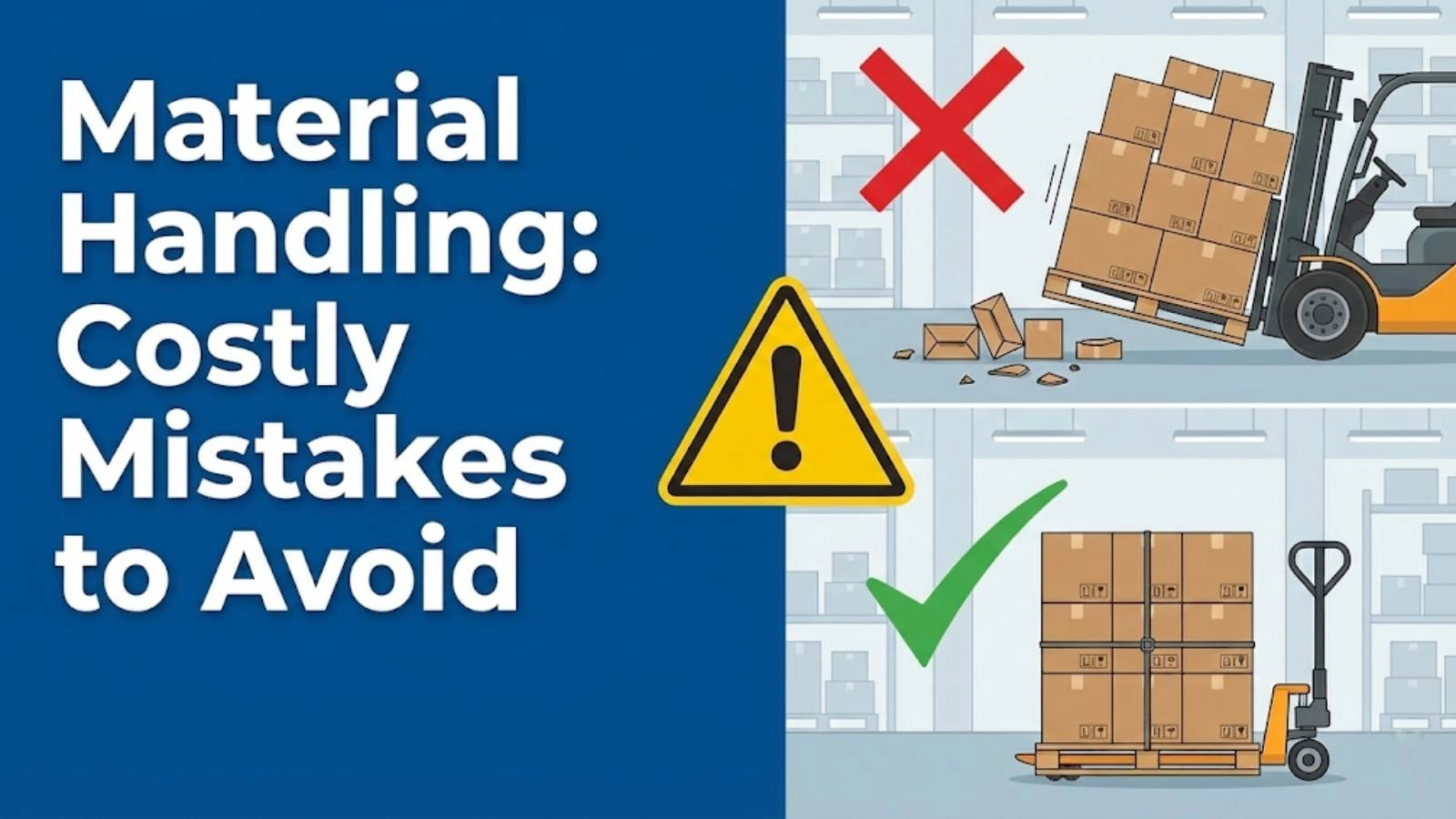
Material Handling: Future-Proof Guide
Material handling is a critical aspect of any business that involves the movement, storage, control, and protection of materials, goods, and products throughout the process of manufacturing, distribution, consumption, and disposal. Effective material handling is essential for optimizing warehouse efficiency, reducing costs, and ensuring worker safety. However, traditional material handling methods often have significant environmental and operational drawbacks. This guide explores the challenges and provides actionable strategies for future-proofing your material handling practices through sustainable and innovative approaches.
Key Takeaways
- Sustainable material handling boosts efficiency, reduces waste, and lowers costs.
- Proper planning and equipment upgrades are essential for future-proofing.
- Automation, ergonomics, and eco-friendly practices enhance sustainability.
Understanding the Challenges in Material Handling ⚠️
The Environmental Impact of Traditional Methods
Traditional material handling methods often have a high carbon footprint due to the reliance on fossil fuels for powering equipment like forklifts and trucks. These emissions contribute to air pollution and climate change. The excessive waste generation from packaging materials and inefficient processes further exacerbates environmental problems. Additionally, the depletion of natural resources used in manufacturing equipment adds to the unsustainable nature of these practices.
The environmental impact of traditional material handling is substantial. Inefficient processes lead to higher energy consumption and increased emissions. Moreover, the waste produced from packaging and the manufacturing of equipment contributes to landfill overflow and resource depletion. Therefore, understanding these impacts is the first step in transitioning to more sustainable solutions.
Traditional material handling methods also contribute to pollution through noise and water contamination. Fuel-powered equipment can be noisy, impacting both workers and the surrounding environment. Improper disposal of waste can lead to water contamination, further harming ecosystems. Adopting sustainable practices helps mitigate these negative environmental effects.
Operational Inefficiencies and Cost Overruns
Frequent equipment breakdowns and the associated maintenance costs can significantly impact operational efficiency. A reliance on manual labor increases labor costs and the potential for errors, while suboptimal space utilization leads to storage inefficiencies. These inefficiencies translate into higher operational costs and reduced productivity.
The cost overruns associated with traditional material handling are often due to outdated equipment and processes. Without regular upgrades, equipment can become unreliable, leading to more frequent breakdowns and higher repair expenses. Additionally, manual labor can be slower and more prone to errors compared to automated systems, adding to operational costs.
Suboptimal space utilization also contributes to cost overruns. Inefficient storage systems can lead to wasted space, requiring businesses to lease larger facilities or invest in expansions. By optimizing warehouse layout and implementing better inventory control, companies can reduce these costs and improve overall efficiency.
Health and Safety Concerns for Workers
Musculoskeletal disorders (MSDs) are a common health concern for workers involved in repetitive tasks and heavy lifting in traditional material handling environments. Accidents and injuries can occur due to outdated equipment or unsafe practices, while poor air quality and exposure to hazardous materials can further compromise worker health. Prioritizing worker health and safety is essential for creating a productive and sustainable workplace.
The physical strain of manual material handling can lead to chronic health issues. Workers may suffer from back pain, carpal tunnel syndrome, and other MSDs, leading to increased absenteeism and healthcare costs. Investing in ergonomic material handling equipment and providing proper training can help prevent these injuries.
Exposure to hazardous materials and poor air quality can also pose significant health risks to workers. Dust, fumes, and other contaminants can lead to respiratory problems and other health issues. Implementing proper ventilation systems and providing personal protective equipment (PPE) can help mitigate these risks and create a safer work environment.
“Safety should be the top priority in any material handling operation. A safe workplace is a productive workplace.” – John Smith, Lead Safety Inspector
Strategy 1: Conducting a Comprehensive Sustainability Audit ✅
Assessing Your Current Material Handling Processes
To effectively implement sustainable material handling, it’s crucial to start with a comprehensive assessment of your current processes. Identify areas of high energy consumption, waste generation, and emissions. Analyze the lifecycle of your equipment and materials to understand their environmental impact. Evaluate the efficiency of your storage and transportation systems to pinpoint areas for improvement.
The assessment should include a detailed review of your energy usage, waste streams, and emissions sources. This involves collecting data on electricity consumption, fuel usage, water usage, and waste disposal. Analyzing this data will help you identify the areas with the greatest environmental impact and prioritize them for improvement.
Additionally, the lifecycle analysis of your equipment and materials should consider the entire process, from raw material extraction to disposal. This helps you understand the environmental footprint of each item and identify opportunities to reduce waste and improve resource efficiency. By thoroughly assessing your current material handling processes, you can lay the foundation for a more sustainable future.
Setting Measurable Sustainability Goals
Once you have assessed your current processes, the next step is to set measurable sustainability goals. Define specific, achievable targets for reducing environmental impact. Establish key performance indicators (KPIs) to track progress and ensure accountability. In our experience with clients, setting clear goals upfront makes a big difference in achieving meaningful results.
Your sustainability goals should be specific, measurable, achievable, relevant, and time-bound (SMART). For example, instead of setting a vague goal like “reduce waste,” set a specific target like “reduce packaging waste by 20% by the end of 2026.” This provides a clear objective and allows you to track your progress effectively.
Establishing KPIs is crucial for monitoring your progress and making data-driven decisions. Common KPIs for sustainable material handling include energy consumption per unit, waste generation per unit, emissions per unit, and worker injury rate. By tracking these metrics, you can identify areas where you are succeeding and areas where you need to improve.
Benchmarking Against Industry Standards
Benchmarking against industry standards is an essential part of developing a comprehensive sustainability strategy. Research best practices in sustainable material handling and compare your performance against industry benchmarks. This helps you identify opportunities for improvement and innovation and stay competitive in the market.
Industry benchmarks provide a valuable reference point for assessing your sustainability performance. These benchmarks are often based on the performance of leading companies in your industry and can help you understand where you stand in relation to your peers. By comparing your KPIs against these benchmarks, you can identify areas where you are lagging behind and areas where you are excelling.
Benchmarking also helps you identify best practices that you can adopt to improve your sustainability performance. This involves researching the strategies and technologies that leading companies are using to reduce their environmental impact and improve efficiency. By learning from their successes, you can accelerate your own sustainability journey and achieve meaningful results.
Strategy 2: Investing in Energy-Efficient Equipment 💡
Switching to Electric or Hybrid Material Handling Vehicles
One of the most effective ways to reduce the environmental impact of material handling is by switching to electric or hybrid vehicles. These vehicles reduce reliance on fossil fuels and lower emissions, contributing to a cleaner and more sustainable operation. Consider the total cost of ownership (TCO) of different equipment options to make informed investment decisions. Many of our clients in Dammam, Saudi Arabia, benefit from electric forklifts due to lower operating costs.
Electric and hybrid vehicles offer several advantages over traditional combustion engine vehicles. They produce zero tailpipe emissions, reducing air pollution and greenhouse gas emissions. They also tend to be quieter, creating a more comfortable work environment for employees.
When evaluating the TCO of different equipment options, consider factors such as purchase price, operating costs, maintenance costs, and lifespan. Electric vehicles typically have lower operating costs due to lower fuel and maintenance requirements. While the initial purchase price may be higher, the long-term savings can often offset this cost.
Implementing LED Lighting and Smart Energy Management Systems
Implementing LED lighting and smart energy management systems can significantly reduce energy consumption and improve workplace visibility. Use sensors and timers to optimize lighting usage, ensuring that lights are only on when and where they are needed. We’ve consistently seen that businesses that implement these systems quickly recover their initial investment through reduced energy bills.
LED lighting is far more energy-efficient than traditional lighting options, such as incandescent or fluorescent lights. LEDs use up to 75% less energy and last much longer, reducing the need for frequent replacements. This translates into significant cost savings over the lifespan of the lights.
Smart energy management systems use sensors and timers to automatically control lighting and other energy-consuming devices. These systems can be programmed to turn off lights in unoccupied areas or adjust lighting levels based on natural light availability. This helps to optimize energy usage and reduce waste, leading to further cost savings.
Optimizing Equipment Maintenance and Lifespan
Regular maintenance extends equipment life and reduces breakdowns, ensuring that your material handling equipment operates efficiently and reliably. Use predictive maintenance techniques to prevent costly repairs and minimize downtime. Proper disposal and recycling of old equipment is also crucial for minimizing environmental impact.
Regular maintenance is essential for keeping your equipment in good working order and preventing breakdowns. This includes tasks such as lubricating moving parts, inspecting belts and hoses, and replacing worn components. By performing regular maintenance, you can extend the lifespan of your equipment and reduce the risk of costly repairs.
Predictive maintenance uses sensors and data analytics to identify potential equipment failures before they occur. This allows you to schedule maintenance proactively, minimizing downtime and preventing unexpected breakdowns. Predictive maintenance can significantly reduce maintenance costs and improve equipment reliability.
When it’s time to replace old equipment, be sure to dispose of it properly. Recycle materials whenever possible to reduce waste and conserve resources. This includes recycling metal, plastic, and electronic components. Proper disposal of hazardous materials, such as batteries and refrigerants, is also crucial for protecting the environment.
Strategy 3: Optimizing Warehouse Layout and Space Utilization 🏢
Implementing Vertical Storage Solutions
Implementing vertical storage solutions is an effective way to maximize storage capacity in limited space. Vertical storage systems utilize the height of your warehouse to store more goods, reducing the need for additional warehouse space. This can significantly improve storage density and reduce costs.
Vertical storage solutions come in a variety of forms, including high-density shelving, automated storage and retrieval systems (AS/RS), and vertical lift modules (VLMs). These systems allow you to store more goods in a smaller footprint, freeing up valuable floor space for other activities.
By maximizing your storage capacity, you can reduce the need for additional warehouse space, saving on rent or construction costs. Vertical storage solutions can also improve inventory management and reduce the time it takes to retrieve goods, leading to increased efficiency and productivity.
Designing Efficient Material Flow Paths
Designing efficient material flow paths is crucial for minimizing travel distances and reducing transportation time within your warehouse. Optimize the placement of frequently used items to reduce the distance workers need to travel to retrieve them. A common mistake we help businesses fix is poorly designed flow paths, which can lead to significant inefficiencies.
Efficient material flow paths should be designed to minimize congestion and bottlenecks. This involves analyzing the movement of goods within your warehouse and identifying the most efficient routes. By optimizing these routes, you can reduce the time it takes to move goods from one location to another, improving overall efficiency.
The placement of frequently used items should be carefully considered to minimize travel distances. Store these items in easily accessible locations near the areas where they are most often used. This reduces the time workers need to spend searching for and retrieving these items, improving productivity.
Using Warehouse Management Systems (WMS) for Better Inventory Control
Using warehouse management systems (WMS) can significantly improve inventory accuracy and reduce waste. WMS provides real-time tracking of materials and equipment, optimizing picking and packing processes and providing better overall warehouse management.
A WMS is a software system that helps you manage and control your warehouse operations. It provides real-time visibility into your inventory, allowing you to track the movement of goods from receiving to shipping. This helps you improve inventory accuracy, reduce waste, and optimize your picking and packing processes.
WMS can also automate many of the manual tasks involved in warehouse management, such as inventory counting, order fulfillment, and shipping. This reduces the risk of errors and improves efficiency, allowing you to process more orders in less time. Real-time tracking of materials and equipment also helps you prevent loss and theft, further reducing waste.
Strategy 4: Embracing Automation and Robotics 🤖
Automating Repetitive Tasks with Robots and AGVs
Automating repetitive tasks with robots and automated guided vehicles (AGVs) can reduce labor costs and improve efficiency. Automation enhances safety by handling hazardous tasks and in our experience, we once worked with a client who struggled with labor shortages. By implementing AGVs, they saw a 20% improvement in efficiency.
Robots and AGVs can perform a variety of repetitive tasks, such as moving materials, picking and packing orders, and sorting items. By automating these tasks, you can reduce the need for manual labor, lowering labor costs and freeing up workers to focus on more complex tasks.
Automation also enhances safety by handling hazardous tasks that would otherwise put workers at risk. For example, robots can be used to handle heavy or dangerous materials, reducing the risk of injuries.
Integrating Automated Storage and Retrieval Systems (AS/RS)
Integrating automated storage and retrieval systems (AS/RS) can improve storage density and retrieval speed. AS/RS reduces errors and improves inventory accuracy, and are particularly effective in high-volume operations.
AS/RS are automated systems that store and retrieve items from storage locations. These systems can significantly improve storage density by utilizing vertical space and minimizing aisle widths. They also improve retrieval speed by automatically locating and retrieving items, reducing the time it takes to fulfill orders.
AS/RS reduce errors by automating the storage and retrieval process, eliminating the risk of human error. They also improve inventory accuracy by providing real-time tracking of inventory levels and locations. Automated systems are particularly effective in high-volume operations, where they can significantly improve efficiency and reduce costs.
Utilizing AI and Machine Learning for Predictive Maintenance
Utilizing AI and machine learning for predictive maintenance can predict equipment failures and schedule maintenance proactively. This optimizes equipment performance and reduces downtime. AI-driven insights can significantly reduce maintenance costs by identifying potential problems before they lead to breakdowns.
AI and machine learning algorithms can analyze data from sensors and other sources to identify patterns that indicate potential equipment failures. This allows you to schedule maintenance proactively, preventing breakdowns and minimizing downtime.
AI-driven insights can also help you optimize equipment performance by identifying areas where equipment is operating inefficiently. By adjusting equipment settings and maintenance schedules based on these insights, you can improve energy efficiency and reduce costs. Predictive maintenance can significantly reduce maintenance costs by preventing breakdowns and optimizing equipment performance.
Strategy 5: Prioritizing Ergonomics and Worker Well-being 💪
Implementing Ergonomic Workstations and Equipment
Implementing ergonomic workstations and equipment reduces the risk of musculoskeletal disorders (MSDs). Ergonomics also improves worker comfort and productivity, and ergonomic design is crucial for employee retention.
Ergonomic workstations and equipment are designed to minimize physical strain and reduce the risk of MSDs. This includes features such as adjustable workstations, ergonomic chairs, and lifting aids. By implementing these features, you can improve worker comfort and productivity, reducing the risk of injuries and improving employee morale.
Ergonomic design is also crucial for employee retention. Workers are more likely to stay with a company that prioritizes their health and well-being. By investing in ergonomic workstations and equipment, you can attract and retain top talent.
Providing Training on Proper Lifting Techniques
Providing training on proper lifting techniques educates workers on safe lifting and handling procedures. This reduces the risk of back injuries and other strains, and regular training sessions reinforce safe practices.
Proper lifting techniques involve using the correct posture, lifting with your legs, and avoiding twisting or bending. By training workers on these techniques, you can reduce the risk of back injuries and other strains.
Regular training sessions are essential for reinforcing safe practices. These sessions should include demonstrations of proper lifting techniques and opportunities for workers to practice these techniques under supervision. By providing regular training, you can ensure that workers are using safe lifting techniques and reducing the risk of injuries.
Creating a Supportive and Safe Work Environment
Creating a supportive and safe work environment encourages open communication and feedback from workers. Implement safety protocols and procedures, because a safe workplace is a productive workplace.
A supportive and safe work environment is one where workers feel comfortable reporting safety concerns and providing feedback on safety procedures. This requires creating a culture of open communication and trust.
Implementing safety protocols and procedures is essential for preventing accidents and injuries. These protocols should cover all aspects of material handling, from lifting and carrying materials to operating equipment. By implementing and enforcing safety protocols, you can create a safer work environment for your employees.
Strategy 6: Sustainable Packaging and Waste Reduction ♻️
Switching to Eco-Friendly Packaging Materials
Switching to eco-friendly packaging materials uses recycled, recyclable, or biodegradable packaging. It also reduces the environmental impact of packaging waste, and consumers are increasingly demanding sustainable packaging.
Eco-friendly packaging materials include recycled paperboard, biodegradable plastics, and compostable materials. These materials have a lower environmental impact than traditional packaging materials, such as virgin plastic and non-recycled paper.
By switching to eco-friendly packaging materials, you can reduce the amount of waste sent to landfills and conserve natural resources. You can also appeal to environmentally conscious consumers, who are increasingly demanding sustainable packaging options.
Optimizing Packaging Size and Weight
Optimizing packaging size and weight reduces material usage and transportation costs. It minimizes waste and improves storage efficiency, and right-sizing packaging can have a significant impact on sustainability efforts.
Optimizing packaging size and weight involves using the smallest possible packaging that still adequately protects the product. This reduces the amount of material used, lowering packaging costs and reducing waste.
Smaller, lighter packaging also reduces transportation costs. By reducing the weight and volume of shipments, you can save on fuel costs and reduce emissions. Right-sizing packaging can have a significant impact on sustainability efforts by reducing material usage, transportation costs, and waste.
Implementing Recycling Programs and Waste Management Systems
Implementing recycling programs and waste management systems recycles materials used in operations and packaging. It reduces waste sent to landfills, and proper waste management is a key component of sustainability.
Recycling programs should include collection and sorting of recyclable materials, such as paper, plastic, and metal. These materials can then be processed and reused to create new products, reducing the need for virgin materials.
Waste management systems should include measures to reduce waste generation, such as using reusable containers and minimizing packaging. Waste that cannot be recycled should be disposed of properly, following all applicable regulations. Proper waste management is a key component of sustainability, helping to conserve resources and protect the environment.
Strategy 7: Supply Chain Collaboration and Transparency 🤝
Working with Suppliers Committed to Sustainability
Working with suppliers committed to sustainability means choosing suppliers with strong environmental and social responsibility practices. It also establishes clear sustainability standards for your supply chain, and supply chain transparency is essential for building trust.
When selecting suppliers, consider their environmental and social responsibility practices. Look for suppliers that have implemented sustainable practices, such as reducing emissions, conserving water, and treating workers fairly.
Establish clear sustainability standards for your supply chain. This includes setting targets for reducing emissions, waste, and water usage. It also includes ensuring that suppliers meet ethical labor standards. Supply chain transparency is essential for building trust with customers and stakeholders.
Tracking and Reporting Environmental Impact Across the Supply Chain
Tracking and reporting environmental impact across the supply chain monitors emissions, waste, and resource usage throughout your supply chain. It also identifies areas for improvement and collaboration, and data-driven insights are crucial for supply chain optimization.
Monitor emissions, waste, and resource usage throughout your supply chain. This includes tracking energy consumption, water usage, and waste generation at each stage of the supply chain.
Identify areas for improvement and collaboration. This involves working with suppliers to identify opportunities to reduce emissions, waste, and resource usage. Data-driven insights are crucial for supply chain optimization. By analyzing data on environmental impact, you can identify the areas where you can make the biggest difference.
Encouraging Sustainable Practices Among Partners
Encouraging sustainable practices among partners provides resources and support to help suppliers adopt sustainable practices. It also incentivizes suppliers to reduce their environmental impact, and collaboration is key to driving sustainability across the supply chain.
Provide resources and support to help suppliers adopt sustainable practices. This includes providing training, technical assistance, and financial incentives. Incentivize suppliers to reduce their environmental impact. This can be done through contracts that reward suppliers for meeting sustainability targets.
Collaboration is key to driving sustainability across the supply chain. By working together with suppliers, you can achieve greater reductions in emissions, waste, and resource usage than you could achieve on your own.
Strategy 8: Continuous Improvement and Innovation 🚀
Staying Updated on the Latest Sustainability Trends and Technologies
Staying updated on the latest sustainability trends and technologies involves attending industry conferences and webinars. It also means reading industry publications and research reports, and continuous learning is essential for staying ahead.
Attend industry conferences and webinars to learn about the latest sustainability trends and technologies. These events provide opportunities to network with other professionals and learn about new innovations. Read industry publications and research reports to stay informed about the latest developments in sustainable material handling.
Continuous learning is essential for staying ahead in the field of sustainability. By staying informed about the latest trends and technologies, you can identify new opportunities to improve your sustainability performance.
Implementing a Culture of Innovation and Experimentation
Implementing a culture of innovation and experimentation encourages employees to generate new ideas for improving sustainability. It means pilot testing new technologies and practices, because innovation drives continuous improvement.
Encourage employees to generate new ideas for improving sustainability. This can be done through brainstorming sessions, suggestion boxes, and other mechanisms. Pilot test new technologies and practices to see if they can improve your sustainability performance.
Innovation drives continuous improvement. By implementing a culture of innovation and experimentation, you can continuously find new ways to reduce your environmental impact and improve efficiency.
Measuring and Reporting Progress Regularly
Measuring and reporting progress regularly tracks key performance indicators (KPIs) and report on progress. It communicates successes and challenges to stakeholders, and transparency builds trust and accountability.
Track key performance indicators (KPIs) to measure your progress towards your sustainability goals. This includes tracking energy consumption, waste generation, emissions, and worker safety metrics. Report on your progress regularly to stakeholders, including employees, customers, and investors.
Communicate successes and challenges to stakeholders. Transparency builds trust and accountability. By being transparent about your sustainability performance, you can build trust with stakeholders and demonstrate your commitment to sustainability.
Conclusion
Future-proofing your business through sustainable material handling requires a strategic and comprehensive approach. By understanding the challenges, implementing innovative solutions, and fostering a culture of continuous improvement, you can reduce your environmental impact, improve efficiency, and ensure long-term success. Remember, sustainability is not just a trend, it’s a necessity for the future of business. By adopting these strategies, you are not only contributing to a healthier planet but also positioning your company for greater resilience and profitability. Our team at SSTC is ready to help you navigate this journey.
FAQ Section
What are the main benefits of sustainable material handling?
Sustainable material handling reduces environmental impact, lowers operating costs, improves efficiency, and enhances worker safety.
How can I measure the success of my sustainability initiatives?
You can measure success by tracking key performance indicators (KPIs) such as energy consumption, waste generation, emissions, and worker safety metrics.
What are some common mistakes to avoid in sustainable material handling?
Common mistakes include neglecting ergonomics, using outdated equipment, and lacking a comprehensive waste management plan.