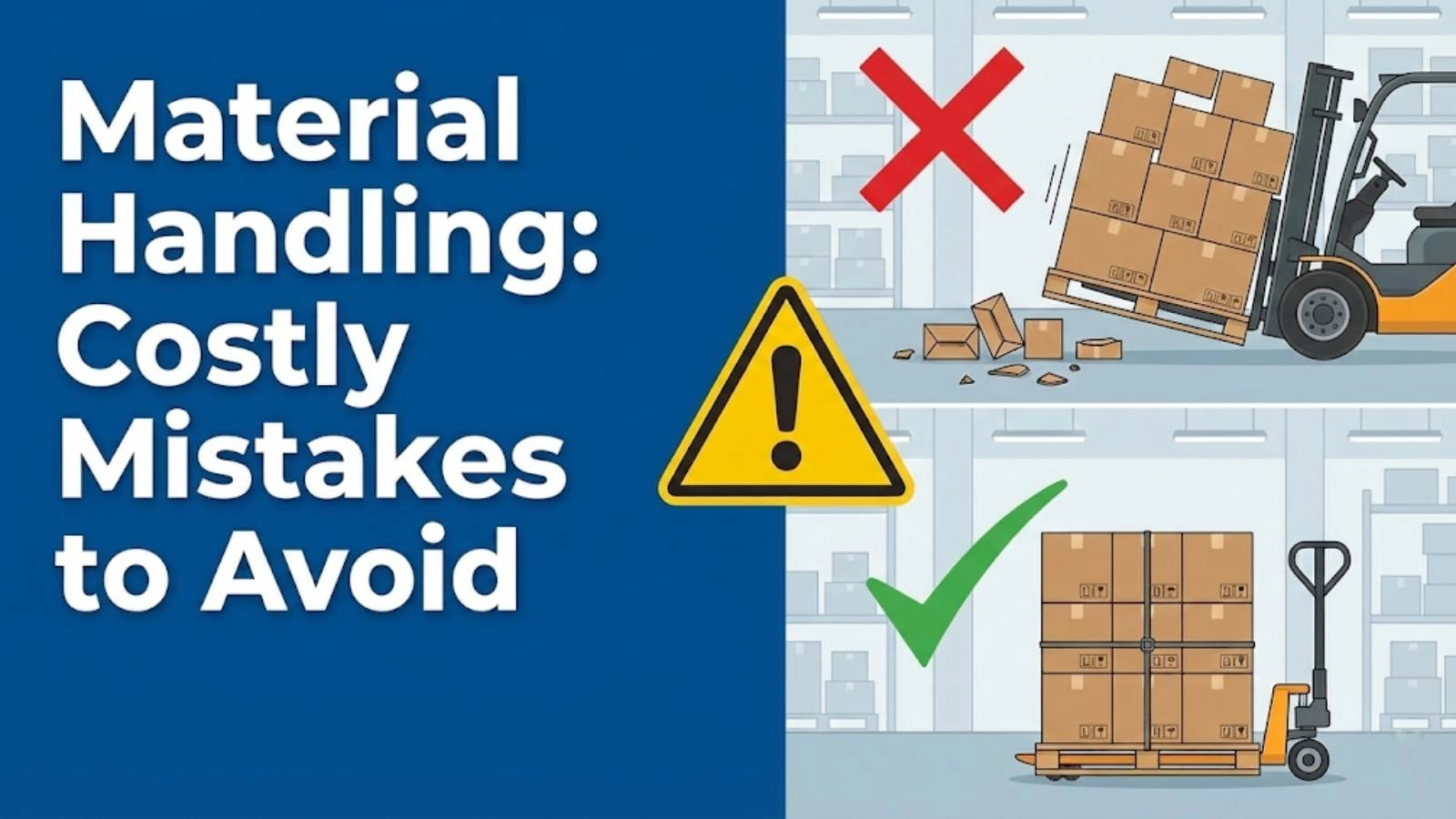
Material handling impacts your bottom line in more ways than you might think. Often viewed as a purely operational cost, material handling is, in reality, a hidden goldmine brimming with opportunities for increased profitability and competitive advantage. Many businesses don’t realize the extent to which efficient and well-managed material handling impacts their overall success.
We’re here to shed light on the unexpected ways that material handling impacts your bottom line. We’ll explore how focusing on ergonomics, embracing lean principles, and leveraging data-driven strategies can transform your material handling processes from a cost center into a profit driver. Let’s dive in and discover how to unlock the hidden potential within your warehouse!
1. ✅ The Ergonomic Advantage: Happy Workers, Healthier Profits
Investing in ergonomics isn’t just about creating a comfortable workplace; it’s about boosting productivity and reducing costs. The ergonomic advantage can lead to happier workers and healthier profits, a win-win for any company. Companies that prioritize ergonomics often see significant improvements in employee morale, reduced injury rates, and increased overall efficiency.
1. 1 The Human Cost of Neglect
Imagine a distribution center where workers are constantly lifting heavy boxes from awkward angles. The result? High turnover rates, low productivity, and a workforce plagued by pain. Repetitive strain injuries (RSIs) and other work-related musculoskeletal disorders (WMSDs) take a significant toll on employee health and morale. Ignoring ergonomic principles leads to increased healthcare costs, absenteeism, and workers’ compensation claims, all impacting the bottom line. We’ve seen firsthand how these issues can cripple operational efficiency.
1. 2 The ROI of Ergonomic Investment
Consider a manufacturing plant that invested in adjustable workstations, lift assists, and comprehensive ergonomic training for its material handlers. Injury rates plummeted, healthcare costs decreased by 30%, and productivity soared by 20%. Ergonomic improvements directly translate into tangible financial benefits. This investment demonstrates how prioritizing worker well-being not only reduces costs but also enhances employee morale and boosts retention rates. It’s an investment that pays dividends in multiple ways.
1. 3 Practical Steps to Implement Ergonomic Material Handling
Start by assessing the ergonomic risks in your material handling processes. Involve employees in the design process to get their valuable input. Implement solutions like adjustable workstations, lift assists, anti-fatigue mats, and proper training on lifting techniques. Regularly review and update your ergonomic practices to ensure they remain effective. Many of our clients here in Dammam have found success by creating an ergonomics committee composed of employees from various departments.
2. 💡 The Lean Transformation: Eliminating Waste, Maximizing Value
Lean manufacturing is all about eliminating waste and maximizing value, and material handling is a prime area for improvement. The lean transformation can lead to increased efficiency, reduced costs, and improved customer satisfaction. By identifying and eliminating waste in your material handling processes, you can unlock significant value and boost your bottom line.
2. 1 The Seven Deadly Wastes in Material Handling
Lean manufacturing identifies seven types of waste (TIMWOODS): Transportation, Inventory, Motion, Waiting, Overproduction, Overprocessing, and Defects. In material handling, these wastes manifest as unnecessary movement of goods, excessive inventory, wasted motion by workers, waiting times between processes, overproduction of materials, overprocessing of items, and defects caused by improper handling. Companies like Toyota have revolutionized their processes by ruthlessly eliminating these wastes. For many of our clients in the manufacturing sector, identifying and addressing these wastes has led to substantial cost savings.
2. 2 Streamlining Material Flow for Increased Efficiency
Analyze your material flow to identify bottlenecks and inefficiencies. Implement strategies such as cross-docking to reduce storage time, point-of-use storage to minimize movement, and kanban systems to optimize inventory levels. These strategies can dramatically reduce lead times, inventory levels, and overall costs. We helped a client in Jeddah reduce their lead times by 25% simply by optimizing their material flow using cross-docking and point-of-use storage.
2. 3 Real-World Lean Success Stories
A furniture manufacturer implemented lean principles in their material handling operations and saw a remarkable transformation. They analyzed their material flow, identified bottlenecks, and implemented solutions such as standardized work procedures and optimized layout. They reduced material movement by 40% and increased throughput by 25%. This improvement in material handling efficiency not only reduced costs but also improved customer satisfaction through faster order fulfillment.
3. ➡️ The Data-Driven Revolution: Insights for Intelligent Decisions
Data collection and analysis provide invaluable insights into material handling performance, enabling data-driven decisions that optimize processes. By leveraging the power of material handling data, businesses can identify areas for improvement, track progress, and make informed decisions that drive efficiency and profitability. The data-driven revolution empowers companies to transform their material handling operations from reactive to proactive.
3. 1 The Power of Material Handling Data
Collecting and analyzing data related to cycle times, equipment utilization, error rates, and other key metrics provides valuable insights into material handling performance. This data can be used to identify bottlenecks, optimize workflows, and track progress over time. Imagine knowing exactly where inefficiencies exist in your warehouse and having the data to back up your improvement strategies. One of our clients in Riyadh utilized data analytics to identify a significant bottleneck in their picking process, leading to a 15% increase in order fulfillment speed.
3. 2 Key Performance Indicators (KPIs) for Material Handling
Key KPIs to track include throughput (units processed per hour), on-time delivery rate, cost per unit handled, inventory turnover, and equipment utilization. Calculate these KPIs regularly and compare them to industry benchmarks to identify areas for improvement. We advise our clients to set specific, measurable, achievable, relevant, and time-bound (SMART) goals for each KPI to drive continuous improvement. Here’s an example table of KPIs:
| KPI |
Description |
Calculation |
Benchmark |
| Throughput |
Units processed per hour |
Total units processed / Total hours worked |
Industry average |
| On-Time Delivery Rate |
Percentage of orders delivered on time |
(Orders delivered on time / Total orders) 100 |
>95% |
| Cost per Unit Handled |
Cost to handle each unit |
Total material handling costs / Total units handled |
Varies by industry |
| Inventory Turnover |
How often inventory is sold and replaced |
Cost of goods sold / Average inventory |
Varies by industry |
| Equipment Utilization |
Percentage of time equipment is in use |
(Operating time / Total available time) 100 |
>80% |
3. 3 Implementing a Data-Driven Material Handling Strategy
To implement a data-driven strategy, start by defining your KPIs and identifying the data you need to track. Invest in tools and technologies such as warehouse management systems (WMS), sensors, and data analytics platforms to collect and analyze data. Use the data to identify areas for improvement and track progress over time. Continuously refine your processes based on the insights you gain from the data.
“Data-driven decision-making is crucial for optimizing material handling processes and achieving significant improvements in efficiency and profitability.” – Sarah Johnson, Supply Chain Analyst
4. Safety First: Reducing Risks and Boosting Productivity
Prioritizing safety in material handling is not just a moral imperative but also a smart business decision. A safe workplace reduces risks, boosts productivity, and lowers costs associated with accidents and injuries. Implementing effective safety measures ensures employee well-being and contributes to a more efficient and profitable operation.
4. 1 Identifying Common Material Handling Hazards
Common hazards include manual lifting of heavy objects, slips and falls, collisions with forklifts, and injuries from improperly secured loads. Operating forklifts and other material handling equipment carries significant risks if not done properly. Poorly maintained equipment, inadequate training, and failure to follow safety protocols can lead to accidents and injuries. Storage and stacking of materials present potential hazards if not done correctly. Unstable stacks, overloaded shelves, and improper storage methods can lead to collapses and injuries.
4. 2 Implementing Effective Safety Measures
Proper lifting techniques, regular equipment maintenance, and the use of personal protective equipment (PPE) are essential. Training employees on safe lifting practices and providing them with the necessary equipment, such as gloves and back supports, can prevent many injuries. Regularly inspecting and maintaining material handling equipment, such as forklifts and conveyors, ensures they are operating safely. Requiring employees to wear PPE, such as safety shoes, helmets, and eye protection, reduces the risk of injuries.
4. 3 The Financial Benefits of a Safe Workplace
Reducing accidents and injuries lowers insurance premiums and workers’ compensation claims, resulting in significant cost savings. A safer work environment improves employee morale and productivity, leading to increased efficiency and output. A company implemented a comprehensive safety program that included regular training, equipment inspections, and the use of PPE. As a result, they saw a 40% decrease in worker compensation claims and a significant improvement in employee morale.
5. Technology Integration: Automating for Efficiency
Integrating technology into material handling processes can significantly improve efficiency, reduce errors, and lower labor costs. Automation solutions, such as AGVs, AS/RS, and robotics, streamline operations and optimize material flow. By strategically implementing automation technologies, businesses can achieve significant improvements in productivity and profitability.
5. 1 Exploring Automation Options
Automated Guided Vehicles (AGVs) and Automated Storage and Retrieval Systems (AS/RS) are popular choices for automating material handling processes. AGVs transport materials without human intervention, reducing labor costs and improving safety. AS/RS systems automatically store and retrieve items, optimizing space utilization and improving inventory control. Robotic solutions can perform repetitive tasks with greater accuracy and speed, reducing errors and increasing throughput. Conveyors and other automated systems streamline material flow, reducing bottlenecks and improving overall efficiency.
5. 2 Evaluating the Costs and Benefits
Assessing the initial investment costs of automation technologies is crucial. Consider the long-term cost savings related to reduced labor, errors, and energy consumption. Automation improves throughput and reduces lead times, leading to increased productivity and profitability. While the initial investment may be significant, the long-term benefits often outweigh the costs. We always recommend conducting a thorough cost-benefit analysis before implementing any automation solution.
5. 3 Success Stories of Automation
A beverage company successfully implemented automation technologies in its distribution center. They installed AGVs to transport pallets of beverages and an AS/RS system to manage inventory. As a result, they reduced labor costs by 30% and increased production output by 20%. The company also saw a significant improvement in order accuracy and a reduction in lead times. This success story highlights the transformative potential of automation in material handling.
6. Inventory Optimization: Managing Stock for Maximum Impact
Effective inventory management is crucial for optimizing material handling processes and maximizing profitability. By implementing strategies to balance inventory levels, reduce waste, and improve demand forecasting, businesses can minimize costs and improve customer satisfaction. Inventory optimization is a key component of efficient material handling and overall supply chain management.
6. 1 Understanding the Costs of Inventory
Excess inventory ties up capital, incurs storage costs, and increases the risk of spoilage and obsolescence. Insufficient inventory can lead to stockouts, lost sales, and dissatisfied customers. Balancing inventory levels to meet demand without incurring unnecessary costs is essential for profitability. We often see companies struggling with the costs of carrying excess inventory, which can significantly impact their bottom line.
6. 2 Implementing Effective Inventory Control Strategies
Just-In-Time (JIT) inventory management minimizes waste and reduces carrying costs by receiving materials only when they are needed. ABC analysis prioritizes inventory items based on their value and turnover rate, allowing businesses to focus on managing the most important items effectively. Accurate demand forecasting optimizes inventory levels by predicting future demand and adjusting stock accordingly. Implementing these strategies can lead to significant reductions in inventory costs and improved customer service.
6. 3 Real-World Examples of Inventory Optimization
A clothing retailer significantly reduced inventory costs by implementing better inventory control strategies. They used demand forecasting to predict future demand and adjusted their stock levels accordingly. They also implemented JIT delivery to minimize waste and reduce carrying costs. As a result, they saw a 25% reduction in inventory costs and a significant improvement in inventory turnover.
7. Sustainable Practices: Green Material Handling
Adopting sustainable practices in material handling is not only environmentally responsible but also economically beneficial. Green material handling reduces energy consumption, minimizes waste, and improves brand reputation. By implementing eco-friendly solutions, businesses can contribute to a more sustainable future while also improving their bottom line.
7. 1 The Environmental Impact of Material Handling
Traditional material handling practices often involve high energy consumption, significant carbon emissions, and the generation of large amounts of packaging waste. Outdated equipment and inefficient processes contribute to environmental degradation. Sustainable practices are needed to minimize the environmental impact of material handling and promote a more sustainable future.
7. 2 Implementing Eco-Friendly Solutions
Using energy-efficient equipment, such as electric forklifts and LED lighting, reduces energy consumption and lowers carbon emissions. Reducing packaging waste through the use of reusable containers and optimized packaging designs minimizes environmental impact. Recycling and responsible disposal of materials promotes a circular economy and reduces landfill waste. We always recommend our clients to explore eco-friendly solutions to reduce their environmental footprint.
7. 3 The Business Benefits of Going Green
Sustainable practices can reduce energy costs, waste disposal fees, and other operational expenses. Green initiatives improve brand reputation and attract environmentally conscious customers. A company that implemented sustainable material handling practices saw a 20% reduction in energy costs and a significant improvement in its brand image. This demonstrates that going green is not only good for the environment but also good for business.
8. Training and Development: Empowering Your Workforce
Investing in training and development for your material handling workforce is essential for improving safety, efficiency, and productivity. Well-trained employees are more competent, efficient, and safety-conscious. By providing ongoing training in safe material handling techniques, businesses can reduce accidents, improve performance, and empower their workforce.
8. 1 The Importance of Continuous Training
Continuous training ensures that employees are up-to-date on the latest safety procedures, best practices, and equipment operation techniques. Training improves employee competence and reduces the risk of accidents and injuries. Training in the operation and maintenance of material handling equipment ensures that equipment is used safely and efficiently. We believe that continuous training is the cornerstone of a safe and efficient material handling operation.
8. 2 Developing Effective Training Programs
Regular training sessions and workshops on material handling best practices provide employees with the knowledge and skills they need to perform their jobs safely and efficiently. A combination of classroom instruction, hands-on training, and video tutorials caters to different learning styles and ensures effective knowledge transfer. Assessing training effectiveness through quizzes and performance evaluations helps identify areas for improvement and ensures that training is meeting its objectives.
8. 3 The ROI of Investing in Employee Development
Trained employees are more productive, efficient, and safety-conscious, leading to improved performance and reduced costs. Investing in training reduces employee turnover and lowers recruitment costs by creating a more engaged and skilled workforce. A company that invested in employee training saw a 15% improvement in its material handling performance and a significant reduction in employee turnover.
Conclusion: Unlocking the Potential of Material Handling
As we’ve seen, material handling impacts are significant and far-reaching. The ergonomic advantage, lean transformation, and data-driven revolution are three unexpected ways material handling impacts the bottom line. It’s time to view material handling as a strategic investment, not just an operational cost, to unlock its full potential.
We at Safe and Secure Trading Company are here to guide you in optimizing your material handling processes. From ergonomics to data analytics, our expertise ensures a safer, more efficient, and profitable operation. We’re committed to helping you unlock the hidden potential of your warehouse and achieve sustainable growth.
FAQ Section
Q: What is material handling, and why is it important?
A: Material handling encompasses the movement, storage, control, and protection of materials and products throughout the manufacturing, warehousing, distribution, and consumption processes. Efficient material handling is crucial for reducing costs, improving productivity, and enhancing customer satisfaction.
Q: How can ergonomics improve material handling operations?
A: Ergonomics focuses on designing workplaces and tasks to fit the human body, reducing the risk of injuries and improving comfort and productivity. Implementing ergonomic solutions in material handling can lead to reduced injury rates, lower healthcare costs, and increased employee morale.
Q: What are the benefits of implementing lean principles in material handling?
A: Lean principles aim to eliminate waste and maximize value in all processes. Applying lean principles to material handling can lead to reduced inventory levels, shorter lead times, improved efficiency, and lower costs.
Q: How can data analytics improve material handling performance?
A: Data analytics provides valuable insights into material handling performance, allowing businesses to identify areas for improvement, track progress, and make informed decisions. By collecting and analyzing data related to cycle times, equipment utilization, and error rates, companies can optimize their material handling processes and achieve significant improvements in efficiency and profitability.
Q: What are some common safety hazards in material handling?
A: Common safety hazards include manual lifting of heavy objects, slips and falls, collisions with forklifts, and injuries from improperly secured loads. Implementing safety measures, such as proper lifting techniques, regular equipment maintenance, and the use of personal protective equipment (PPE), is essential for reducing the risk of accidents and injuries.
Q: How can automation improve material handling processes?
A: Automation technologies, such as AGVs, AS/RS, and robotics, can significantly improve efficiency, reduce errors, and lower labor costs in material handling operations. By strategically implementing automation solutions, businesses can streamline their processes and achieve significant improvements in productivity and profitability.
Q: What is inventory optimization, and why is it important?
A: Inventory optimization involves balancing inventory levels to meet demand without incurring unnecessary costs. Effective inventory management is crucial for reducing waste, minimizing storage costs, and improving customer satisfaction.
Q: How can sustainable practices be implemented in material handling?
A: Sustainable practices in material handling include using energy-efficient equipment, reducing packaging waste, and recycling materials. Implementing eco-friendly solutions can reduce energy consumption, minimize environmental impact, and improve brand reputation.
Q: Why is training and development important for material handling employees?
A: Training and development ensures that employees are up-to-date on the latest safety procedures, best practices, and equipment operation techniques. Well-trained employees are more competent, efficient, and safety-conscious, leading to improved performance and reduced costs.
Q: How can Safe and Secure Trading Company help improve material handling operations?
A: Safe and Secure Trading Company offers a range of solutions and services to help businesses optimize their material handling processes. Our expertise in ergonomics, lean principles, data analytics, and automation can help you reduce costs, improve productivity, and enhance customer satisfaction. Contact us today to learn more about how we can help you unlock the hidden potential of your warehouse.