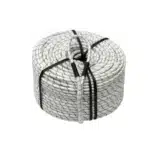
Nylon rope is a versatile and durable tool used in countless applications, from climbing and sailing to construction and rescue operations. However, even the toughest nylon rope requires proper care and maintenance to ensure its longevity and safety. Neglecting nylon rope maintenance can lead to premature wear, reduced strength, and potentially dangerous situations. This guide provides a comprehensive overview of how to maximize the lifespan of your nylon rope through proper inspection, cleaning, storage, and usage techniques. Understanding these principles will not only save you money in the long run but also ensure the safety and reliability of your equipment.
Key Takeaways
- Regular inspection and proper cleaning are vital to nylon rope longevity.
- Correct storage and avoiding abrasion significantly extend rope life.
- Understanding environmental factors and load limits is crucial for safe use.
The Untold Story of My First Rope: A Cautionary Tale
Learning the Hard Way
I remember when I first started working with ropes, I thought they were indestructible. I was using a brand new nylon rope for a rigging project, and I figured, “It’s nylon, it can handle anything!” I was wrong. I didn’t pay attention to proper storage, often leaving it out in the sun and rain. I also neglected cleaning it, allowing dirt and grime to build up.
I also wasn’t aware of the rope’s load limits, and I frequently overloaded it. One day, while lifting a heavy load, the rope snapped. Thankfully, no one was hurt, but it was a close call. This taught me a painful but valuable lesson about the importance of nylon rope maintenance. I quickly learned that even the strongest materials have their limits and require diligent care.
The Emotional Impact of Neglect
The feeling of watching that rope fail was a mix of frustration, embarrassment, and a healthy dose of fear. Frustration because I knew I could have prevented it. Embarrassment because I should have known better. Fear because it could have been a much more serious incident. The whole experience made me realize that rope maintenance isn’t just about extending the life of your equipment; it’s about ensuring the safety of yourself and others. From then on, I made it my mission to learn everything I could about rope care and share that knowledge with others.
Why Nylon Rope Demands Your Respect ⚠️
The Science Behind Nylon: Understanding Polyamide
Nylon, also known as polyamide, is a synthetic polymer composed of repeating units linked by amide bonds. This unique molecular structure gives nylon its exceptional strength, elasticity, and resistance to abrasion. However, nylon is also susceptible to degradation from several factors.
UV light, for example, can break down the chemical bonds in nylon, causing it to weaken and become brittle. Chemicals, such as acids and alkalis, can also attack the polymer chains, leading to a loss of strength. Abrasion, caused by friction against rough surfaces, can wear away the outer fibers of the rope, reducing its overall diameter and load-bearing capacity. Understanding these vulnerabilities is the first step in ensuring proper nylon rope maintenance.
The Hidden Dangers of Neglect
Neglecting nylon rope maintenance can have serious consequences, potentially leading to catastrophic failure. A weakened rope can snap under load, causing injury or even death. In industrial settings, rope failure can result in equipment damage, production delays, and costly lawsuits. In recreational activities, such as climbing or sailing, a broken rope can lead to falls, collisions, and other accidents. Even seemingly minor damage, such as a small cut or abrasion, can significantly reduce the rope’s strength and increase the risk of failure. This is why regular inspection and proper maintenance are so crucial for nylon rope safety.
Inspection Is Key: Your Rope’s Silent Language 🔍
The Five-Point Inspection Checklist
Regular rope inspection is critical for identifying potential problems before they lead to failures. We recommend implementing a five-point inspection checklist:
1. Visual Inspection: Carefully examine the entire length of the rope for any signs of cuts, abrasions, discoloration, or fraying. Pay particular attention to areas that are frequently exposed to wear and tear, such as near knots or terminations.
2. Tactile Inspection: Run your hands along the rope, feeling for any stiffness, lumps, or soft spots. These could indicate internal damage or core degradation.
3. Diameter Check: Use a caliper to measure the rope’s diameter at several points along its length. A significant reduction in diameter could indicate excessive wear or stretching.
4. Flexibility Test: Bend the rope in several places to check for stiffness or brittleness. A rope that is no longer flexible may be weakened and prone to failure.
5. Core Inspection: If possible, examine the core of the rope for any signs of damage or degradation. This may require carefully opening the rope at a termination or splice.
Listen to the Rope: Tactile and Visual Clues
Beyond the five-point checklist, learning to “listen” to your rope through tactile and visual clues can provide valuable insights into its condition. A rope that feels excessively stiff or crunchy may be suffering from internal abrasion or crystallization. A rope that appears discolored or faded may have been exposed to excessive UV light or chemical contamination. Unusual wear patterns, such as localized fraying or flattening, can indicate specific areas of stress or abrasion. By paying close attention to these subtle signs, you can identify potential problems early on and take corrective action before they escalate.
An SSTC Client Story: Preventing a Catastrophe
We once worked with a client who operated a crane in a busy port. They were using nylon ropes to secure cargo, but they weren’t following a regular inspection schedule. During one of our routine safety audits, our team noticed a rope with a significant abrasion near a knot. The client was unaware of the damage and had continued using the rope for several weeks. We immediately recommended replacing the rope and implementing a daily inspection checklist. By identifying and addressing the problem early on, we helped the client prevent a potential accident that could have resulted in serious injury or property damage. This highlights the critical role of regular inspection in nylon rope maintenance.
The Art of Cleaning: Restoring Rope Vitality 🧼
Gentle Soap, Powerful Clean: Choosing the Right Detergent
Cleaning your nylon rope is essential for removing dirt, grime, and contaminants that can accelerate wear and tear. However, it’s crucial to use the right cleaning agents and methods to avoid damaging the nylon fibers. We recommend using a mild, pH-neutral soap specifically designed for cleaning ropes. Avoid using harsh detergents, bleach, or solvents, as these can weaken the nylon and reduce its strength. A good option is a liquid dish soap that is free of dyes and perfumes. When in doubt, consult the rope manufacturer’s recommendations for cleaning.
The Hand-Washing Method: A Step-by-Step Guide
Hand-washing is the gentlest and most effective method for cleaning nylon ropes. Follow these steps:
1. Soak: Fill a tub or bucket with lukewarm water and add the recommended amount of mild soap. Submerge the rope in the water and let it soak for 30-60 minutes to loosen dirt and grime.
2. Agitate: Gently agitate the rope in the water to help remove stubborn dirt. You can use your hands or a soft brush to scrub the rope, paying particular attention to heavily soiled areas.
3. Rinse: Remove the rope from the soapy water and rinse it thoroughly with clean, lukewarm water. Continue rinsing until all traces of soap are gone.
4. Dry: Lay the rope flat on a clean surface or hang it in a well-ventilated area to dry. Avoid exposing the rope to direct sunlight or heat, as this can damage the nylon fibers.
5. Inspect: Once the rope is dry, inspect it carefully for any signs of damage or wear.
Machine Washing? Proceed with Caution!
While hand-washing is generally recommended, machine washing can be an option for some nylon ropes, but it should be done with caution. Always check the rope manufacturer’s recommendations before machine washing. If machine washing is permitted, use a front-loading machine on a gentle cycle with cold water. Place the rope in a mesh laundry bag to prevent tangling and abrasion. Use a mild, pH-neutral soap specifically designed for ropes. Avoid using bleach or fabric softeners. Once the washing cycle is complete, remove the rope from the machine and allow it to air dry in a cool, well-ventilated area. Never put nylon ropes in a dryer, as the heat can damage the fibers.
Storage Secrets: Sheltering Your Rope from the Elements 🏠
The Cool, Dark Sanctuary: Ideal Storage Conditions
Proper storage is crucial for protecting your nylon rope from the elements and preventing premature degradation. The ideal storage environment is a cool, dark, and dry place. Avoid storing ropes in direct sunlight, as UV light can weaken the nylon fibers. Also, avoid storing ropes in damp or humid environments, as moisture can promote mildew growth and reduce the rope’s strength. A well-ventilated storage area is essential to prevent moisture buildup. We suggest storing ropes in a clean, dry bag or container to protect them from dust and dirt.
Coiling Techniques: Preventing Kinks and Tangling
Proper coiling techniques can help prevent kinks and tangling, which can weaken the rope and make it difficult to use. There are several coiling methods you can use, depending on the length and type of rope. One common method is the butterfly coil, which involves creating a series of loops that are then folded in half and tied off. Another method is the figure-eight coil, which is similar to the butterfly coil but uses a figure-eight pattern instead of simple loops. Regardless of the method you choose, be sure to coil the rope loosely to avoid putting undue stress on the fibers.
Hanging vs. Coiling: The Great Debate
There’s an ongoing debate about whether it’s better to hang or coil nylon ropes for storage. Hanging the rope allows it to air dry completely and prevents kinks from forming. However, hanging can also stretch the rope over time, especially if it’s a long or heavy rope. Coiling the rope protects it from dust and dirt and makes it easier to transport. However, coiling can also create kinks and put stress on the fibers. Ultimately, the best storage method depends on your specific needs and preferences. If you choose to hang your rope, be sure to use a wide, padded hanger to distribute the weight evenly. If you choose to coil your rope, be sure to use a proper coiling technique and avoid coiling it too tightly.
Abrasion: The Silent Killer 🔪
Identifying Abrasion Hotspots
Abrasion is one of the leading causes of nylon rope degradation. It occurs when the rope rubs against rough surfaces, causing the outer fibers to wear away. Abrasion is most likely to occur in areas where the rope is frequently in contact with other objects, such as near knots, edges, or pulleys. Regularly inspect these areas for signs of wear and tear, such as fraying, flattening, or discoloration. If you notice any abrasion hotspots, take steps to protect the rope from further damage.
Protective Measures: Sleeves and Padding
One of the most effective ways to prevent abrasion is to use protective measures, such as sleeves and padding. Rope protectors are sleeves made of durable materials, such as nylon or leather, that are designed to shield the rope from abrasion. These sleeves can be placed over areas of the rope that are prone to wear and tear. Padding can also be used to protect the rope from abrasion. This can include using soft materials, such as foam or cloth, to cushion the rope against rough surfaces.
Regular Repositioning: Evenly Distributing Wear
Another way to minimize abrasion is to regularly reposition the rope. This involves rotating the rope so that different sections are exposed to wear and tear. This can help to distribute the wear evenly across the entire length of the rope, rather than concentrating it in one area. For example, if you’re using a rope to pull a load, you can rotate the rope after each pull so that a different section is in contact with the load. This will help to prevent localized abrasion and extend the life of the rope.
Environmental Enemies: UV Light, Chemicals, and More ☀️
The UV Menace: Protecting Against Sunlight
UV light is a major enemy of nylon rope. Prolonged exposure to sunlight can weaken the nylon fibers, causing them to become brittle and prone to failure. To protect your rope from UV damage, store it in a dark place when not in use. When using the rope outdoors, try to keep it shaded as much as possible. You can also use UV-resistant ropes, which are made with special additives that help to block UV radiation. Another option is to apply a UV-protective coating to the rope. These coatings can help to absorb UV radiation and prevent it from damaging the nylon fibers.
Chemical Exposure: Identifying and Avoiding Harmful Substances
Chemical exposure can also damage nylon ropes. Certain chemicals, such as acids, alkalis, and solvents, can break down the nylon fibers, leading to a loss of strength. To prevent chemical damage, avoid exposing your rope to these substances. If the rope does come into contact with a chemical, wash it immediately with mild soap and water. Some common chemicals that can damage nylon ropes include:
- Bleach
- Acids (e.g., battery acid)
- Alkalis (e.g., ammonia)
- Solvents (e.g., gasoline, paint thinner)
Always store chemicals away from your ropes to prevent accidental exposure.
Temperature Extremes: Heat and Cold Considerations
Extreme temperatures can also affect the strength and elasticity of nylon ropes. High temperatures can cause the nylon fibers to soften and weaken, while low temperatures can cause them to become brittle and prone to cracking. Avoid exposing your rope to extreme temperatures whenever possible. If you must use the rope in extreme temperatures, be sure to inspect it carefully before and after use. Also, be aware that the rope’s load-bearing capacity may be reduced in extreme temperatures.
Load Limits: Understanding Your Rope’s Capabilities ⚖️
Working Load Limit vs. Breaking Strength: Know the Difference
Understanding the load limits of your nylon rope is crucial for safe use. The working load limit (WLL) is the maximum load that a rope is designed to carry under normal working conditions. The breaking strength, also known as the minimum breaking strength (MBS), is the load at which the rope is expected to fail. It’s important to note that the breaking strength is not the same as the working load limit. The working load limit is typically much lower than the breaking strength, to provide a margin of safety. Always stay within the working load limit of your rope to prevent accidents.
Dynamic Loading: Accounting for Impact Forces
Dynamic loading refers to the impact forces that are generated when a rope is subjected to sudden loads or jerks. These forces can be much higher than the static load, and they can significantly reduce the rope’s strength. For applications involving potential falls or sudden loads, it’s essential to use dynamic ropes. Dynamic ropes are designed to stretch and absorb energy, reducing the impact forces on the rope and the user. Static ropes, on the other hand, are designed for applications where minimal stretch is required. Static ropes are not suitable for dynamic loading and should never be used in situations where a fall is possible.
Derating Factors: Adjusting for Age and Condition
The working load limit of a nylon rope can be affected by its age and condition. As a rope ages, it can lose strength due to wear and tear, UV exposure, and chemical damage. Therefore, it’s essential to derate the working load limit of older ropes. This means reducing the maximum load that the rope is designed to carry. The amount of derating will depend on the age and condition of the rope. For example, a rope that is five years old and has been used extensively may need to be derated by 20% or more. Always inspect your rope carefully before each use and derate the working load limit accordingly.
Here is an HTML table summarizing derating factors:
| Rope Age/Condition |
Derating Factor |
Notes |
| New Rope (less than 1 year old, excellent condition) |
0% |
Use full Working Load Limit (WLL) |
| 1-3 Years Old, Good Condition (minor wear) |
10% |
Reduce WLL by 10% |
| 3-5 Years Old, Moderate Wear (some abrasion, discoloration) |
20% |
Reduce WLL by 20% |
| Over 5 Years Old, Significant Wear (excessive abrasion, stiffness, chemical exposure) |
30% or more |
Reduce WLL by 30% or consider retirement. Inspect carefully. |
| Any Rope with Visible Damage (cuts, core damage, excessive fraying) |
Retire Immediately |
Do not use. Replace the rope. |
When to Retire: Accepting the Inevitable 🗑️
Beyond Repair: Recognizing Irreversible Damage
Even with the best maintenance practices, nylon ropes will eventually reach the end of their lifespan. Knowing when to retire a rope is crucial for preventing accidents. There are several signs that indicate a rope is beyond repair and should be retired immediately:
- Excessive wear and tear: This includes significant fraying, abrasion, or flattening of the rope.
- Core damage: This can be identified by lumps, soft spots, or a noticeable reduction in diameter.
- Chemical exposure: If the rope has been exposed to harmful chemicals, it should be retired, even if there are no visible signs of damage.
- UV damage: If the rope is stiff, brittle, or discolored, it may have been damaged by UV light.
- Excessive stretching: If the rope has stretched beyond its original length, it should be retired.
- Knotting: The fibers in nylon rope can become damaged when exposed to repeated or severe knots. This is more likely if the rope has been excessively loaded when knotted.
> “Regular inspection is the best way to determine when a rope has reached the end of its service life.” – John Smith, Lead Safety Inspector
The Responsible Disposal Process
When you retire a nylon rope, it’s important to dispose of it responsibly. Do not simply throw it in the trash, as it could end up in a landfill where it will take many years to decompose. Instead, consider recycling the rope. Some recycling centers accept nylon ropes, and they can be used to make new products, such as carpets or clothing. If you can’t recycle the rope, you can cut it into small pieces and dispose of it in the trash. This will prevent someone from accidentally using the rope for a dangerous purpose.
Replacing Your Rope: Investing in Safety
Replacing worn or damaged ropes is an essential investment in safety and performance. A new rope will provide greater strength, reliability, and peace of mind. When choosing a replacement rope, be sure to select one that is appropriate for your specific application. Consider the load limits, environmental conditions, and potential hazards. Also, be sure to purchase the rope from a reputable supplier to ensure that it meets the required safety standards. At SSTC, we can guide you on selecting the proper replacement ropes for your specific needs.
Conclusion
By implementing these nylon rope maintenance strategies, you’re not just prolonging the life of your equipment; you’re enhancing safety, efficiency, and peace of mind. We’ve seen firsthand how dedication to proper care translates to significant cost savings and a more secure working environment for our clients in Dammam and throughout KSA. Trust us, the investment in maintenance is an investment in your well-being.
FAQ Section
How often should I inspect my nylon rope?
You should inspect your nylon rope before each use, and more thoroughly after each use. Look for any signs of wear, damage, or contamination. A more detailed inspection should be performed regularly, such as monthly or quarterly, depending on the frequency of use and the environmental conditions.
Can I use bleach to clean my nylon rope?
No, you should never use bleach to clean your nylon rope. Bleach can damage the nylon fibers and weaken the rope. Always use a mild, pH-neutral soap specifically designed for cleaning ropes.
What is the best way to store my nylon rope?
The best way to store your nylon rope is in a cool, dark, and dry place. Avoid storing ropes in direct sunlight, as UV light can damage the nylon fibers. Also, avoid storing ropes in damp or humid environments, as moisture can promote mildew growth and reduce the rope’s strength. Coil the rope neatly and store it in a clean, dry bag or container.
How do I know if my nylon rope is damaged?
There are several signs that indicate a nylon rope is damaged, including excessive wear and tear, core damage, chemical exposure, UV damage, and excessive stretching. If you notice any of these signs, retire the rope immediately and replace it with a new one. Regular rope inspection is vital for nylon rope safety.
Where can I purchase high-quality nylon ropes and maintenance products?
You can purchase high-quality nylon ropes and maintenance products from reputable suppliers that specialize in rope and safety equipment. Look for suppliers that offer a wide range of ropes, including dynamic rope, static rope, and specialty ropes. Also, look for suppliers that offer maintenance products, such as rope cleaners, protectors, and storage bags. We at SSTC can provide you with high-quality ropes and the right maintenance advice.