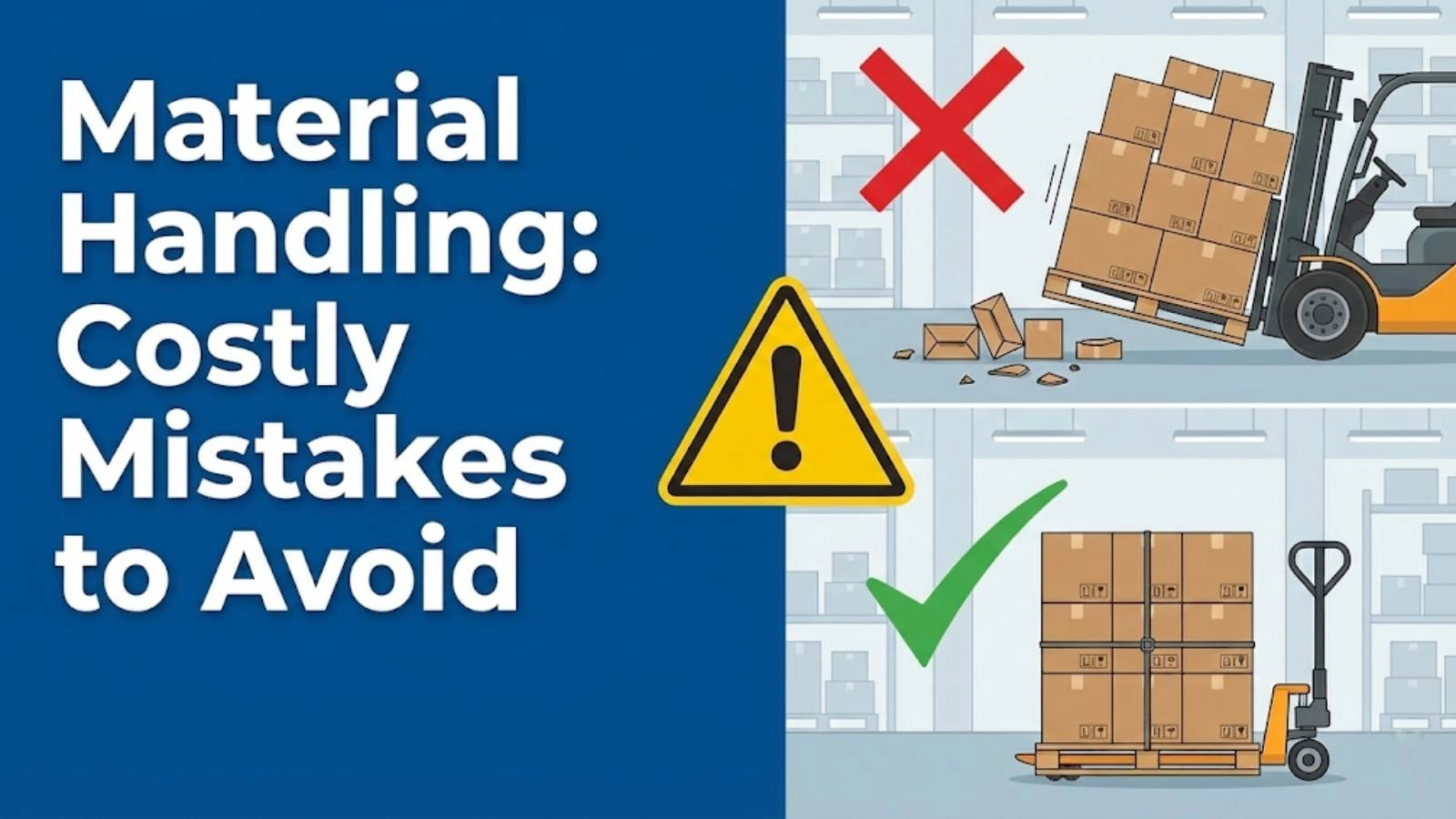
The unsung hero of countless warehouses, factories, and retail spaces is the humble pallet jack. These essential pieces of equipment quietly and efficiently move mountains of goods every day. We at Safe and Secure Trading Company (SSTC) understand the critical role pallet jacks play in your operations. Imagine a bustling warehouse where goods are piling up because the current material handling process is slow and cumbersome. This scenario is all too common, and it highlights the importance of choosing the right pallet jack to streamline your workflow.
This pallet jack guide is designed to empower you to make informed decisions when selecting this vital piece of equipment. We’ll delve into the different types of pallet jacks, key features to consider, safety protocols, and maintenance tips. By the end of this guide, you’ll be equipped with the knowledge to choose a pallet jack that optimizes your efficiency, improves safety, and reduces costs. Selecting the right tool for the job will ensure that your operations run smoothly and your team can work safely and productively.
Key Takeaways
- Environment Matters: Understanding your operating environment is crucial for selecting the right pallet jack type and features.
- Capacity is Key: Always choose a pallet jack with a load capacity that meets or exceeds your needs, with a safety margin.
- Variety of Options: From manual to electric to specialized models, there’s a pallet jack for every application.
- Safety is Paramount: Proper training, regular inspections, and safe operating procedures are essential for preventing accidents.
- Maintenance is Crucial: Regular maintenance will extend the life of your pallet jack and prevent costly repairs.
Understanding Your Needs: The Foundation of a Smart Choice 🧐
Before diving into the different types of pallet jacks and their features, it’s essential to take a step back and assess your specific needs. This crucial first step will ensure that you choose a pallet jack that is perfectly suited to your operations. This approach is the most effective way to invest in the right equipment.
Assessing Your Environment: Where Will It Live?
The environment in which you’ll be using your pallet jack is a critical factor in the selection process. Will it primarily be used indoors in a warehouse setting, or will it need to navigate outdoor terrain? Will it be used in a retail space, a truck loading dock, or another specific location? The answers to these questions will significantly impact the type of pallet jack you should choose.
The operating environment directly impacts your pallet jack selection. For example, smooth concrete floors in a warehouse will allow for pallet jacks with smaller, harder wheels. Uneven surfaces, on the other hand, will require larger wheels with more grip. Narrow aisles necessitate pallet jacks with a tight turning radius, while long distances may call for an electric model to reduce operator fatigue.
“Choosing the right pallet jack for your specific environment can significantly improve efficiency and reduce the risk of accidents.” – Emily Carter, Logistics Manager
We have worked with clients who overlooked this crucial step and ended up with equipment that was unsuitable for their needs.
We once worked with a client who operated a small warehouse with polished concrete floors. They purchased a manual pallet jack with hard nylon wheels, assuming it would be the most durable option. However, the hard wheels lacked grip on the smooth surface, making it difficult to control the pallet jack, especially when loaded. This led to several near-miss incidents and slowed down their operations considerably. By switching to a manual pallet jack with polyurethane wheels, they immediately improved traction and control, resulting in a safer and more efficient workflow.
Load Capacity: Are You Lifting Light or Heavy?
Understanding the weight of the loads you’ll be moving is paramount. Exceeding a pallet jack’s load capacity is extremely dangerous and can lead to equipment failure, injuries, and damage to goods. Always err on the side of caution and choose a pallet jack with a higher load capacity than you think you’ll need.
Estimate the weight of your typical loads as accurately as possible. Consider the heaviest loads you might encounter occasionally. Once you have a good understanding of your weight requirements, choose a pallet jack that can handle the maximum load with a comfortable safety margin. A safety margin of at least 20% is generally recommended. This will help ensure that the pallet jack is not operating at its maximum capacity, which can lead to premature wear and tear.
Always prioritize safety. Never attempt to lift a load that exceeds the pallet jack’s rated capacity. Overloading can cause the forks to bend or break, the hydraulic system to fail, or the wheels to collapse. These failures can result in serious accidents and costly downtime.
Pallet Size and Type: A Perfect Match Matters
Pallets come in a variety of sizes and types, and it’s crucial to choose a pallet jack that is compatible with the pallets you’ll be using. Standard pallets typically measure 48 inches by 40 inches, but other sizes, such as euro pallets (1200 mm x 800 mm), are also common. There are also specialized pallet types, such as drum pallets and plastic pallets, which may require specific pallet jack features.
Choosing a pallet jack with the correct fork length and width is essential for safe and efficient operation. If the forks are too short, they may not fully support the pallet, leading to instability and potential damage. If the forks are too wide, they may not fit properly into the pallet openings, making it difficult to lift and move the load. Measure the dimensions of your pallets carefully and choose a pallet jack with forks that are the appropriate size.
Consider whether your pallets are stringer pallets or block pallets. Stringer pallets have solid wood stringers running along the sides, while block pallets have blocks of wood or plastic in the corners. Pallet jacks designed for stringer pallets typically have narrower forks than those designed for block pallets. Make sure to choose a pallet jack that is compatible with the type of pallets you’ll be using.
The Pallet Jack Family: Meeting the Relatives 👪
The world of pallet jacks is diverse, with a variety of types designed to meet different needs and applications. Understanding the different types of pallet jacks is essential for making an informed decision.
Manual Pallet Jacks: The Reliable Workhorse
Manual pallet jacks, also known as hand pallet trucks, are the most common and widely used type of pallet jack. They are simple, reliable, and relatively inexpensive, making them a popular choice for a wide range of applications. Manual pallet jacks are powered by human effort, using a hydraulic system to lift and lower the forks.
Manual pallet jacks are best suited for light-duty applications and occasional use. They are ideal for moving pallets short distances in warehouses, retail stores, and other environments where speed and power are not critical factors. Manual pallet jacks are also a good option for businesses with limited budgets or those that do not require the power and speed of an electric pallet jack. Their simple design translates to minimal maintenance requirements, making them a dependable choice.
The affordability and ease of maintenance of manual pallet jacks make them a practical choice for many businesses. However, it’s important to consider the physical demands of operating a manual pallet jack, especially for long periods or when moving heavy loads. In these situations, an electric pallet jack may be a better option to reduce operator fatigue and improve productivity.
Electric Pallet Jacks: Power and Efficiency Unleashed
Electric pallet jacks offer a significant upgrade in power and efficiency compared to manual models. They are powered by rechargeable batteries and feature an electric motor that drives the hydraulic system and, in some cases, the wheels. This electric assistance reduces operator fatigue, increases speed, and improves overall productivity, making them ideal for high-volume operations and long distances.
Electric pallet jacks come in several different types, including walkie models, which the operator walks behind, and ride-on models, where the operator stands or sits on the pallet jack. Walkie electric pallet jacks are more maneuverable and suitable for tighter spaces, while ride-on models are better for longer distances and heavier loads.
Compared to manual pallet jacks, electric pallet jacks offer several advantages:
- Increased Speed: Electric pallet jacks can move pallets much faster than manual models, significantly improving productivity.
- Reduced Operator Fatigue: The electric motor assists with lifting and moving, reducing the physical strain on the operator.
- Improved Maneuverability: Electric pallet jacks often have power steering and tighter turning radiuses, making them easier to maneuver in tight spaces.
Rough Terrain Pallet Jacks: Conquering the Outdoors
Rough terrain pallet jacks are specifically designed for use on uneven surfaces and outdoor environments. They feature large, pneumatic tires, high ground clearance, and robust construction to handle challenging terrain. These pallet jacks are ideal for construction sites, farms, nurseries, and other locations where standard pallet jacks would struggle.
The large tires on rough terrain pallet jacks provide excellent traction and stability on uneven surfaces, while the high ground clearance prevents the pallet jack from getting stuck on obstacles. The robust construction ensures that the pallet jack can withstand the rigors of outdoor use.
Applications for rough terrain pallet jacks include:
- Moving building materials on construction sites
- Transporting crops and supplies on farms
- Moving plants and trees in nurseries
- Unloading trucks in outdoor loading docks
Specialized Pallet Jacks: When Standard Just Won’t Do
In some cases, standard pallet jacks may not be suitable for specific applications. Specialized pallet jacks are designed to address these unique challenges, offering features and capabilities that standard models lack. These include scissor lift pallet jacks, low-profile pallet jacks, and weighing pallet jacks.
Scissor lift pallet jacks can raise pallets to a higher level, making them ideal for loading and unloading trucks or stacking pallets on shelves. Low-profile pallet jacks have a lower fork height, allowing them to handle pallets with very low clearances. Weighing pallet jacks have built-in scales, allowing operators to weigh pallets as they are being moved.
“Specialized pallet jacks can significantly improve efficiency and safety in specific applications where standard models are not adequate.” – David Lee, Warehouse Operations Manager
For example, a company that handles heavy machinery might use a low-profile pallet jack to move equipment with minimal ground clearance. A distribution center that frequently ships and receives goods might use a weighing pallet jack to quickly and accurately weigh pallets before loading them onto trucks.
Key Features to Consider: Diving into the Details 🔍
Beyond the basic types of pallet jacks, several key features can significantly impact performance, safety, and operator comfort. Choosing the right features for your specific needs is essential for maximizing the value of your investment.
Wheel Material: Smooth Rolling or Grip?
The material of the pallet jack’s wheels plays a crucial role in its performance and suitability for different environments. Common wheel materials include polyurethane, nylon, and rubber, each with its own advantages and disadvantages.
- Polyurethane Wheels: Polyurethane wheels offer a good balance of durability, traction, and quiet operation. They are suitable for a wide range of surfaces, including concrete, tile, and wood.
- Nylon Wheels: Nylon wheels are extremely durable and offer low rolling resistance, making them ideal for smooth, hard surfaces. However, they can be noisy and offer less traction than polyurethane wheels.
- Rubber Wheels: Rubber wheels provide excellent traction and cushioning, making them a good choice for uneven surfaces and environments where noise is a concern. However, they are less durable than polyurethane and nylon wheels.
Choosing the right wheel material depends on the floor type and operating conditions. For example, if you have smooth concrete floors, nylon wheels may be a good choice for their low rolling resistance. If you have uneven floors or need good traction, polyurethane or rubber wheels may be more suitable.
Regular wheel maintenance is essential for extending their lifespan and ensuring optimal performance. Inspect the wheels regularly for wear and tear, and replace them when necessary. Using high-quality replacement wheels can also improve the pallet jack’s performance and durability.
Fork Length and Width: Ensuring a Snug Fit
The fork length and width of a pallet jack must match the dimensions of the pallets you’ll be using. Forks that are too short can lead to instability and damage, while forks that are too wide may not fit properly into the pallet openings. Measuring your pallet dimensions accurately and choosing a pallet jack with the correct fork size is crucial.
Standard pallet jack forks are typically 48 inches long, but other lengths are available to accommodate different pallet sizes. The fork width should also be appropriate for the pallet type. For stringer pallets, narrower forks are typically required, while block pallets may require wider forks.
Some pallet jacks offer adjustable forks, allowing you to customize the fork width to fit different pallet types. This can be a useful feature if you handle a variety of pallet sizes. Always ensure the forks are securely locked in place before lifting a load.
Handle Design: Comfort and Control in Your Hands
The handle design of a pallet jack can significantly impact operator comfort and control. Ergonomic handles are designed to reduce strain on the operator’s hands, wrists, and back. Features such as padded grips, adjustable height, and intuitive controls can all contribute to a more comfortable and efficient operating experience.
Choose a handle that fits comfortably in your hands and provides a secure grip. Adjustable handle height allows operators of different sizes to find a comfortable working position. Intuitive controls make it easier to lift, lower, and steer the pallet jack. Prioritizing operator comfort can reduce fatigue, improve productivity, and prevent injuries.
Safety First: Protecting Your People and Products 🛡️
Operating a pallet jack safely is paramount. Proper training, regular inspections, and adherence to safe operating procedures are essential for preventing accidents and protecting your people and products.
Proper Training: Knowledge is Power
Providing adequate training to pallet jack operators is crucial for ensuring safe and efficient operation. Training should cover the following topics:
- Pallet Jack Operation: How to properly lift, lower, and steer the pallet jack.
- Load Capacity: Understanding the pallet jack’s load capacity and the risks of overloading.
- Safe Operating Procedures: Following established safety protocols and guidelines.
- Hazard Identification: Recognizing potential hazards in the workplace.
- Emergency Procedures: Knowing how to respond in case of an accident or equipment failure.
Training should be conducted by qualified instructors and include both classroom instruction and hands-on practice. Operators should be required to demonstrate their competency before being authorized to operate a pallet jack. Refresher training should be provided regularly to reinforce safe operating practices.
Regular Inspections: Spotting Trouble Before It Strikes
Regular inspections of pallet jacks are essential for identifying potential safety hazards and preventing equipment failures. Inspections should be conducted daily or before each shift, and should include the following items:
- Wheels: Check for wear and tear, cracks, and proper inflation (if applicable).
- Forks: Inspect for bends, cracks, and proper alignment.
- Handle: Ensure the handle is securely attached and functioning properly.
- Hydraulics: Check for leaks and proper fluid levels.
- Frame: Inspect for damage or corrosion.
Any identified problems should be addressed immediately. Do not operate a pallet jack that is damaged or malfunctioning. Tag the pallet jack out of service and notify maintenance personnel.
Safe Operating Procedures: A Culture of Safety
Adhering to safe operating procedures is essential for preventing accidents and injuries. Key safety procedures include:
- Wearing appropriate personal protective equipment (PPE), such as safety shoes and gloves.
- Keeping the load balanced and stable.
- Avoiding sudden stops and starts.
- Looking ahead and being aware of your surroundings.
- Maintaining a safe distance from other workers and equipment.
- Never exceeding the pallet jack’s load capacity.
- Never allowing passengers on the pallet jack.
- Reporting any accidents or near-miss incidents immediately.
“Safety isn’t expensive, it’s priceless. Investing in proper training and equipment maintenance is always cheaper than dealing with accidents.” – John Smith, Lead Safety Inspector
Maintenance and Care: Keeping Your Jack in Top Shape 🛠️
Regular maintenance and care are essential for extending the life of your pallet jack and preventing costly repairs. A well-maintained pallet jack will operate more efficiently, safely, and reliably.
Lubrication: Keeping Things Moving Smoothly
Regular lubrication is crucial for keeping the moving parts of your pallet jack operating smoothly. Lubrication reduces friction, prevents wear and tear, and protects against corrosion.
Recommended lubricants for different pallet jack components include:
- Hydraulic Oil: Use a high-quality hydraulic oil specifically designed for pallet jacks.
- Grease: Use a general-purpose grease for lubricating bearings, axles, and other moving parts.
- Penetrating Oil: Use a penetrating oil to loosen rusty or corroded parts.
Lubricate the pallet jack at least monthly, or more frequently depending on usage. Refer to the manufacturer’s instructions for specific lubrication points and procedures.
Wheel Maintenance: Extending Their Lifespan
Pallet jack wheels are subject to wear and tear and should be inspected and maintained regularly. Check the wheels for cracks, chips, and excessive wear. Replace worn wheels as needed.
To clean pallet jack wheels, use a brush and mild detergent. Remove any debris or buildup that may be affecting their performance. When replacing wheels, use high-quality replacement wheels that are designed for your pallet jack model.
Hydraulic System Care: Preventing Costly Repairs
The hydraulic system is the heart of a pallet jack, and proper care is essential for preventing costly repairs. Check the hydraulic fluid level regularly and add fluid as needed. Use only the type of hydraulic fluid recommended by the manufacturer. Inspect the hydraulic system for leaks and repair any leaks immediately.
If the pallet jack is not lifting properly, there may be air in the hydraulic system. Bleed the air from the system according to the manufacturer’s instructions.
Making the Purchase: Smart Shopping Tips 🛒
Choosing the right pallet jack involves more than just understanding the different types and features. It also requires smart shopping practices to ensure you get the best value for your money.
Setting a Budget: Knowing Your Limits
Before you start shopping for a pallet jack, it’s essential to establish a budget. Consider the following factors when setting your budget:
- The type of pallet jack you need (manual, electric, rough terrain, etc.).
- The load capacity you require.
- The features you need (e.g., adjustable forks, ergonomic handle).
- The cost of maintenance and repairs.
In addition to the initial purchase price, consider the total cost of ownership, including maintenance, repairs, and replacement parts. Investing in a higher-quality pallet jack may cost more upfront, but it can save you money in the long run by reducing downtime and repair costs.
Choosing a Reputable Supplier: Quality Matters
Buying from a reputable supplier is crucial for ensuring that you get a high-quality pallet jack that will perform reliably for years to come. Look for a supplier with a proven track record of providing excellent products and customer service.
Tips for researching and evaluating potential suppliers:
- Read online reviews and testimonials.
- Check the supplier’s BBB rating.
- Ask for references from other businesses.
- Inquire about the supplier’s warranty and service program.
A reputable supplier will offer a comprehensive warranty and service program to protect your investment. They should also have a knowledgeable staff that can answer your questions and provide technical support.
Reading Reviews and Seeking Recommendations: Learn From Others
Before making a purchase, take the time to read online reviews and seek recommendations from other businesses. This can provide valuable insights into the performance and reliability of different pallet jack models.
When reading reviews, pay attention to the following factors:
- The overall rating of the pallet jack.
- The specific comments and feedback from other users.
- The number of reviews.
- The date of the reviews (look for recent reviews).
Be wary of reviews that seem too good to be true or that are overly negative. Look for reviews that are balanced and provide specific details about the pallet jack’s performance.
Conclusion
Choosing the right pallet jack is a crucial decision that can significantly impact your operations. By understanding your needs, exploring the different types of pallet jacks, considering key features, prioritizing safety, and following smart shopping tips, you can make an informed decision that will optimize your efficiency, improve safety, and reduce costs.
Remember to assess your operating environment, determine your load capacity requirements, and choose a pallet jack with the correct fork size and wheel material. Prioritize operator comfort and safety by choosing a pallet jack with an ergonomic handle and providing adequate training to your operators. Invest in regular maintenance to extend the life of your pallet jack and prevent costly repairs.
With our expertise at SSTC, we ensure you choose the perfect pallet jack, optimizing your operations and maximizing your ROI.
FAQ Section
- Q: What is the most common type of pallet jack?
A: Manual pallet jacks are the most common due to their affordability and simplicity.
- Q: How much weight can a standard pallet jack lift?
A: Standard pallet jacks typically have a load capacity of 5,000 to 6,000 pounds.
- Q: How often should I maintain my pallet jack?
A: Regular maintenance, including lubrication and inspection, should be performed at least monthly, or more frequently depending on usage.
- Q: Can I use a pallet jack on a sloped surface?
A: It is generally not recommended to use standard pallet jacks on sloped surfaces due to safety concerns. Consider specialized models designed for such conditions.
- Q: What are the benefits of electric pallet jacks over manual ones?
* A: Electric pallet jacks offer increased speed, reduced operator fatigue, and improved productivity, making them suitable for high-volume operations.