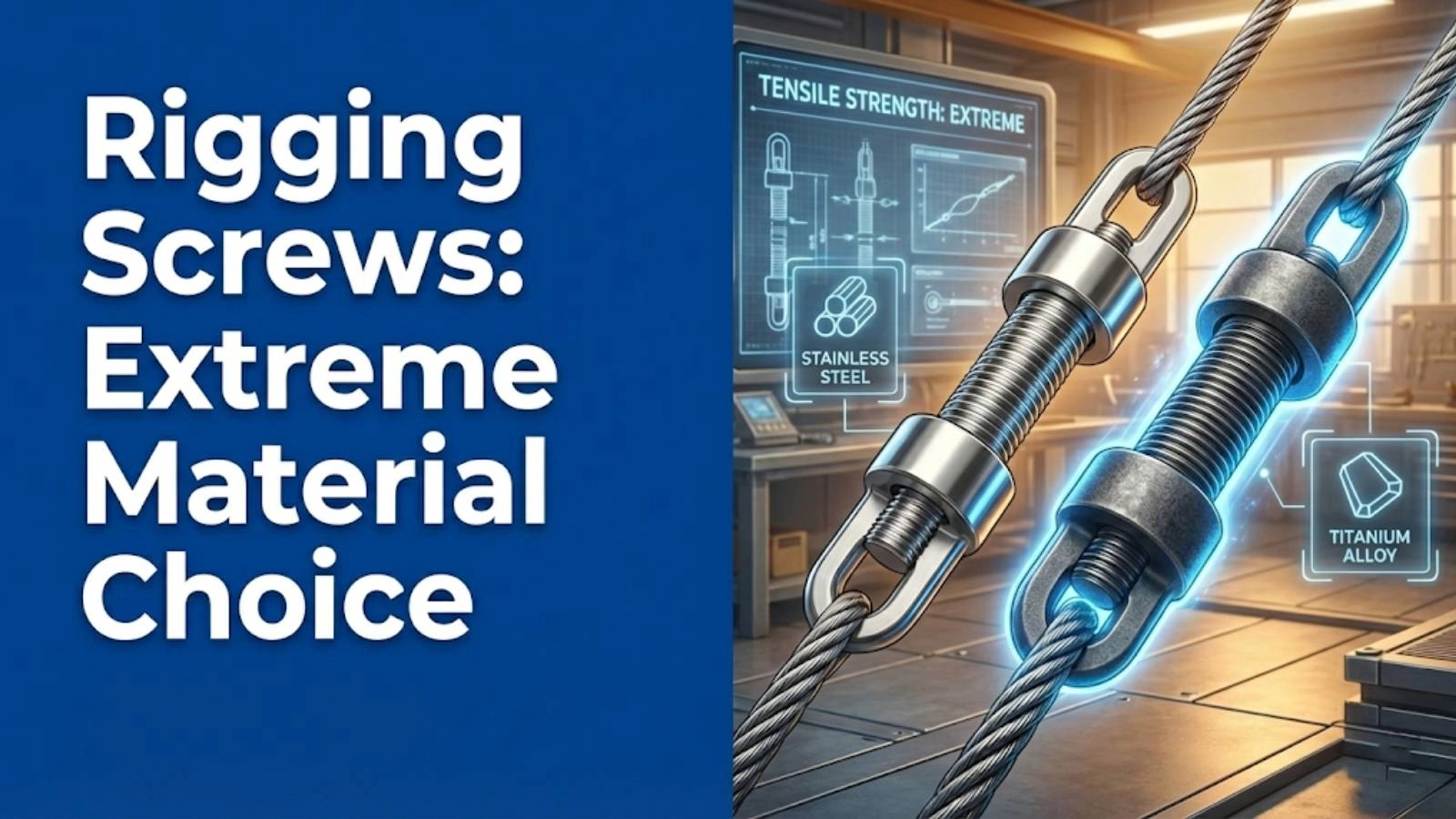
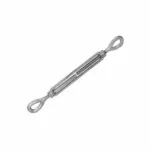
Rigging screw materials play a crucial role in the safety and efficiency of various operations, from securing sails on a yacht to lifting heavy loads in construction. Choosing the right material can significantly impact the lifespan, performance, and overall safety of any rigging system. This article will delve into a comprehensive comparison of different rigging screw materials, highlighting their strengths, weaknesses, and ideal applications. We’ll explore factors like strength, corrosion resistance, cost, and environmental considerations to help you make an informed decision for your specific needs.
Understanding Material Properties: A Data-Driven Approach
Tensile Strength
Tensile strength is the maximum stress a material can withstand while being stretched or pulled before breaking. It’s a critical property for rigging screws because it determines the maximum load the screw can handle without failing. A higher tensile strength means the rigging screw can bear a greater load, ensuring safety and preventing accidents. Understanding tensile strength is paramount for any application involving lifting, securing, or tensioning.
Here’s a comparison of the tensile strength of different rigging screw materials:
| Material |
Tensile Strength (PSI) |
Tensile Strength (MPa) |
| Stainless Steel (304) |
75,000 – 100,000 |
517 – 690 |
| Stainless Steel (316) |
80,000 – 110,000 |
552 – 758 |
| Carbon Steel |
60,000 – 80,000 |
414 – 552 |
| Alloy Steel |
120,000 – 200,000+ |
827 – 1379+ |
| Bronze |
40,000 – 60,000 |
276 – 414 |
| Titanium |
120,000 – 180,000 |
827 – 1241 |
As the table indicates, alloy steel and titanium generally offer the highest tensile strength, making them suitable for heavy-duty applications. Stainless steel provides a good balance of strength and corrosion resistance, while carbon steel offers reasonable strength at a lower cost. Bronze, while corrosion-resistant, has lower tensile strength and is best for specialized applications where this is sufficient. The choice of material should always align with the specific load-bearing requirements of the rigging system.
Yield Strength
Yield strength is the amount of stress a material can withstand before it begins to deform permanently. Unlike tensile strength, which measures the breaking point, yield strength indicates the point at which the material will no longer return to its original shape after the stress is removed. Exceeding the yield strength can cause the rigging screw to stretch or bend, compromising its integrity and potentially leading to failure. Therefore, selecting a material with a sufficient yield strength is crucial for maintaining the structural integrity of the rigging system.
Here’s a table comparing the yield strength of different materials:
| Material |
Yield Strength (PSI) |
Yield Strength (MPa) |
| Stainless Steel (304) |
30,000 – 45,000 |
207 – 310 |
| Stainless Steel (316) |
35,000 – 50,000 |
241 – 345 |
| Carbon Steel |
30,000 – 50,000 |
207 – 345 |
| Alloy Steel |
60,000 – 150,000+ |
414 – 1034+ |
| Bronze |
15,000 – 25,000 |
103 – 172 |
| Titanium |
80,000 – 140,000 |
552 – 965 |
Alloy steel and titanium also excel in yield strength, making them ideal for applications where permanent deformation must be avoided. Stainless steel and carbon steel offer moderate yield strength, suitable for many general-purpose applications. Bronze has the lowest yield strength, limiting its use to applications where minimal deformation is acceptable. Understanding yield strength ensures that the rigging screws can withstand operational stresses without compromising their shape and function.
Corrosion Resistance
Corrosion is the degradation of a material due to chemical reactions with its environment. For rigging screws, corrosion can significantly weaken the material, leading to premature failure and potentially dangerous situations. There are several types of corrosion, including galvanic corrosion (resulting from dissimilar metals in contact), pitting corrosion (localized holes), and crevice corrosion (occurring in confined spaces). Selecting a material with appropriate corrosion resistance is vital for ensuring the longevity and reliability of rigging systems, especially in harsh environments.
Here’s a ranking of the corrosion resistance of different materials:
1. Titanium: Exceptional resistance to almost all corrosive environments.
2. Stainless Steel: Excellent resistance, particularly grades 316 and higher, ideal for marine environments.
3. Bronze: Very good resistance, especially to saltwater corrosion.
4. Galvanized Steel: Good resistance, provided the galvanization remains intact.
5. Carbon Steel: Poor resistance; requires protective coatings to prevent rust.
6. Alloy Steel: Varies based on alloying elements; some alloys offer improved corrosion resistance.
Coatings and treatments, such as galvanization, passivation, and epoxy coatings, can enhance the corrosion resistance of materials like carbon steel and alloy steel. Regular inspection and maintenance are crucial for identifying and addressing corrosion early, extending the lifespan of rigging screws. For many of our clients here in Dammam, we’ve seen that choosing materials with high corrosion resistance significantly reduces maintenance costs and downtime.
Common Rigging Screw Materials: A Detailed Comparison
Stainless Steel
Stainless steel is a popular choice for rigging screws due to its excellent corrosion resistance, high strength, and aesthetic appeal. It contains chromium, which forms a passive layer on the surface, preventing rust and corrosion. There are various grades of stainless steel, each with specific properties.
- 304 Stainless Steel: A general-purpose grade offering good corrosion resistance and strength. Suitable for many marine and industrial applications.
- 316 Stainless Steel: Contains molybdenum, which enhances corrosion resistance, especially in chloride environments. Ideal for saltwater applications and environments with chemical exposure.
- Duplex Stainless Steel: Offers higher strength and improved corrosion resistance compared to 304 and 316. Suitable for demanding applications requiring high performance.
✅ Pros:
- Excellent corrosion resistance
- High strength
- Aesthetic appeal
- Readily available
❌ Cons:
- More expensive than carbon steel
- Can be susceptible to galling (seizing)
Galling can be mitigated by using proper lubrication and avoiding excessive tightening. We once worked with a client choosing between 304 and 316 stainless steel for a marine application. They found 316 was better for their specific workflow because its enhanced corrosion resistance minimized maintenance and extended the lifespan of the rigging system. Stainless steel’s versatility and durability make it a go-to choice for a wide range of applications.
Carbon Steel
Carbon steel is known for its high strength and relatively low cost, making it a common choice for many industrial applications. However, it is susceptible to corrosion and requires protective coatings to prevent rust. Galvanization is a common method to enhance the corrosion resistance of carbon steel rigging screws.
- Galvanized Steel Rigging Screws: These screws are coated with a layer of zinc, which acts as a barrier against corrosion. Galvanization provides good protection in many environments but can be damaged over time, especially in harsh conditions.
- High-Strength Carbon Steel: Offers increased strength for heavy-duty applications but requires careful maintenance to prevent corrosion.
✅ Pros:
- High strength
- Relatively low cost
- Widely available
❌ Cons:
- Susceptible to corrosion
- Requires protective coatings
- Limited lifespan in harsh environments
The durability of galvanized steel rigging screws largely depends on the integrity of the zinc coating. Once the coating is compromised, the underlying steel is exposed to corrosion. Regular inspections and maintenance are essential to ensure the longevity of carbon steel rigging screws.
Alloy Steel
Alloy steel is carbon steel with added alloying elements, such as chromium, nickel, and molybdenum, to enhance its strength, toughness, and corrosion resistance. These elements improve the mechanical properties of the steel, making it suitable for more demanding applications.
- Chromium-Molybdenum Steel: Offers high strength and good toughness, ideal for heavy-duty lifting and rigging.
- Nickel-Chromium Steel: Provides improved corrosion resistance and high strength, suitable for harsh industrial environments.
✅ Pros:
- Enhanced strength and toughness
- Improved corrosion resistance compared to carbon steel
- Suitable for heavy-duty applications
❌ Cons:
- More expensive than carbon steel
- Can still be susceptible to corrosion in extreme environments
- Requires careful selection based on specific alloying elements
The specific alloying elements determine the properties of the alloy steel. Consulting with a materials expert can help ensure that the correct alloy steel is chosen for a particular application. Alloy steel rigging screws provide a robust solution for demanding industrial environments.
Bronze
Bronze is an alloy of copper and tin, known for its excellent corrosion resistance, especially in saltwater environments. While it has lower strength compared to steel alloys, its corrosion resistance makes it ideal for specific applications where this is a primary concern.
- Marine Bronze: Specifically formulated for saltwater applications, offering superior corrosion resistance and durability.
✅ Pros:
- Excellent corrosion resistance, especially in saltwater
- Non-magnetic properties
- Good resistance to wear and galling
❌ Cons:
- Lower strength compared to steel alloys
- More expensive than carbon steel
- Limited availability
Bronze rigging screws are often used in marine applications where corrosion resistance is paramount, and high strength is not a primary requirement. Their non-magnetic properties also make them suitable for specialized applications where this is important.
Titanium
Titanium offers an exceptional strength-to-weight ratio and outstanding corrosion resistance, making it a premium choice for rigging screws. However, its high cost and limited availability often restrict its use to specialized applications where these benefits justify the expense.
- Aerospace Grade Titanium: Offers the highest strength and corrosion resistance, suitable for extreme environments.
✅ Pros:
- Exceptional strength-to-weight ratio
- Outstanding corrosion resistance
- High fatigue resistance
❌ Cons:
- High cost
- Limited availability
- Difficult to machine
Titanium rigging screws are used in aerospace, high-performance marine, and other specialized applications where weight savings and corrosion resistance are critical. While the initial cost is high, the long-term benefits can outweigh the expense in certain situations.
Environmental Considerations: Matching Material to the Application
Marine Environments
In marine environments, rigging screws are constantly exposed to saltwater, which can cause rapid corrosion. Stainless steel (particularly 316) and bronze are the most suitable materials for these conditions due to their excellent corrosion resistance.
- Stainless Steel 316: The preferred choice for most marine applications due to its high corrosion resistance and strength.
- Bronze: Ideal for underwater applications and situations where galvanic corrosion with other metals is a concern.
Proper maintenance is essential to prevent corrosion, even with these materials. Regular cleaning, lubrication, and inspection can extend the lifespan of rigging screws in marine environments. Additionally, avoiding the use of dissimilar metals can minimize the risk of galvanic corrosion.
Industrial Environments
Industrial environments can present a variety of challenges for rigging screws, including exposure to chemicals, extreme temperatures, and abrasive materials. Alloy steel and galvanized steel are often used in these settings due to their strength and durability.
- Alloy Steel: Suitable for heavy-duty lifting and rigging operations, offering high strength and toughness.
- Galvanized Steel: Provides good corrosion resistance in many industrial environments, but the galvanization must be maintained.
Regular inspections are crucial to identify signs of wear, corrosion, or damage. Depending on the specific environment, additional protective coatings may be necessary to enhance corrosion resistance. Considering the specific chemicals and conditions present in the industrial environment is vital when selecting the appropriate rigging screw material.
High-Temperature Environments
High-temperature environments can significantly affect the properties of rigging screw materials, leading to reduced strength and increased corrosion. Certain alloy steels and stainless steels are designed to maintain their properties at elevated temperatures.
- High-Temperature Alloy Steel: Formulated to retain strength and corrosion resistance at high temperatures.
- High-Temperature Stainless Steel: Offers good corrosion resistance and strength at elevated temperatures, suitable for many industrial applications.
It’s important to consult with a materials expert to determine the appropriate material for specific high-temperature applications. Coatings and treatments can also help to protect rigging screws from the effects of heat. Understanding how temperature affects material properties is essential for ensuring safety and reliability in high-temperature environments.
Cost Analysis: Balancing Performance and Budget
The cost of rigging screw materials can vary significantly, depending on the type of material, grade, and size. Carbon steel is generally the least expensive, while titanium is the most expensive. However, the long-term cost-effectiveness of a material depends on its durability, maintenance requirements, and lifespan.
- Carbon Steel: Lowest initial cost, but requires more frequent maintenance and replacement.
- Stainless Steel: Moderate initial cost, with good durability and corrosion resistance, reducing long-term costs.
- Alloy Steel: Higher initial cost than carbon steel, but offers increased strength and durability, potentially reducing maintenance and replacement costs.
- Bronze: Higher initial cost, but excellent corrosion resistance can make it cost-effective in marine environments.
- Titanium: Highest initial cost, but exceptional properties can justify the expense in specialized applications.
A cost-benefit analysis should consider the initial cost, maintenance expenses, replacement costs, and the potential consequences of rigging failure. Choosing a more durable, corrosion-resistant material may have a higher upfront cost but can save money in the long run by reducing maintenance and preventing accidents.
Installation and Maintenance: Extending Rigging Screw Lifespan
Proper installation and maintenance are critical for extending the lifespan of rigging screws and ensuring their safe operation. Incorrect installation can damage the screws, while inadequate maintenance can lead to corrosion and premature failure.
- Installation: Follow manufacturer’s instructions for proper installation techniques. Avoid over-tightening, which can damage the threads. Use appropriate tools and lubricants.
- Inspection: Regularly inspect rigging screws for signs of wear, corrosion, or damage. Pay attention to threads, shanks, and end fittings. Replace any damaged or worn screws immediately.
- Cleaning: Clean rigging screws regularly to remove dirt, salt, and other contaminants. Use appropriate cleaning solutions and brushes.
- Lubrication: Lubricate rigging screw threads to prevent galling and ensure smooth operation. Use a suitable lubricant recommended by the manufacturer.
Regular maintenance not only extends the lifespan of rigging screws but also ensures their continued safe and reliable performance. Neglecting maintenance can lead to catastrophic failures, resulting in costly repairs, injuries, or even fatalities.
Case Studies: Real-World Examples of Material Selection
Here are a few case studies illustrating the importance of proper material selection for rigging screws:
- Case Study 1: Marine Environment Failure: A sailboat used carbon steel rigging screws in a saltwater environment. The screws corroded rapidly, leading to a mast failure during a storm. The use of stainless steel 316 would have prevented this failure.
- Case Study 2: Construction Project Success: A construction company used alloy steel rigging screws for lifting heavy beams. The high strength and durability of the alloy steel ensured the safe and efficient completion of the project, with no failures or downtime.
- Case Study 3: Industrial Maintenance Cost Reduction: A chemical plant switched from galvanized steel to stainless steel rigging screws in a corrosive environment. The switch significantly reduced maintenance costs and downtime, as the stainless steel screws lasted much longer without corroding.
These case studies highlight the critical role of material selection in ensuring the safety, reliability, and cost-effectiveness of rigging systems. Choosing the right material for the specific application and environment is essential for preventing failures and maximizing the lifespan of rigging screws.
Expert Opinion: Insights from Rigging Professionals
“Choosing the correct rigging screw material is paramount to ensuring safety and operational longevity. Always consider the environment and load requirements before making a selection.” – John Smith, Certified Rigging Inspector
Industry standards and regulations also provide valuable guidance on material selection for rigging screws. Adhering to these standards and seeking expert advice can help ensure that the appropriate materials are chosen for each application.
Conclusion: The Final Verdict
Selecting the appropriate rigging screw materials involves careful consideration of several factors, including strength, corrosion resistance, cost, and environmental conditions. Stainless steel 316 is generally the best choice for marine applications due to its excellent corrosion resistance, while alloy steel is ideal for heavy-duty industrial applications requiring high strength. Carbon steel offers a cost-effective solution for less demanding applications, but requires careful maintenance to prevent corrosion. For highly specialized uses, titanium offers the ultimate combination of strength and corrosion resistance, though at a premium cost. We at Safe and Secure Trading Company are committed to helping you make the best choice for your specific needs, ensuring safety and long-term reliability.
FAQ Section
Q: What is the best material for rigging screws in a saltwater environment?
A: Stainless steel 316 is generally considered the best material for saltwater environments due to its excellent corrosion resistance. Bronze is also a good option for specific applications.
Q: How often should rigging screws be inspected?
A: Rigging screws should be inspected regularly, ideally before each use, and at least annually by a certified inspector. More frequent inspections may be necessary in harsh environments or for critical applications.
Q: What are the signs of a failing rigging screw?
A: Signs of a failing rigging screw include corrosion, cracks, deformation, thread damage, and excessive wear. Any rigging screw exhibiting these signs should be replaced immediately.
Q: Can I mix different types of metal in my rigging system?
A: Mixing different types of metal can lead to galvanic corrosion, which can weaken the rigging system. It is best to use the same type of metal throughout the system or to use insulating materials to prevent direct contact between dissimilar metals.
Q: What is the purpose of galvanization on carbon steel rigging screws?
A: Galvanization is a process of coating carbon steel with a layer of zinc to protect it from corrosion. The zinc acts as a barrier, preventing moisture and oxygen from reaching the steel and causing rust.
Q: Are stainless steel rigging screws stronger than carbon steel rigging screws?
A: Stainless steel rigging screws generally have comparable strength to carbon steel rigging screws. However, alloy steel rigging screws typically offer higher strength than both stainless steel and carbon steel.
Q: How does temperature affect the strength of rigging screws?
A: High temperatures can reduce the strength of rigging screws, especially those made from carbon steel. Certain alloy steels and stainless steels are designed to maintain their strength at elevated temperatures.
Q: What is the best way to clean rigging screws?
A: Rigging screws should be cleaned with a mild soap and water solution. Avoid using harsh chemicals or abrasive cleaners, as these can damage the material. Rinse thoroughly and allow to dry completely before lubricating.
Q: How can I prevent galling on stainless steel rigging screws?
A: Galling can be prevented by using proper lubrication and avoiding excessive tightening. Apply a suitable lubricant to the threads before installation and avoid over-tightening the screws.
Q: What certifications should I look for when purchasing rigging screws?
A: Look for rigging screws that are certified to meet industry standards, such as ASTM, ASME, or ISO. These certifications ensure that the screws have been tested and meet specific performance requirements.