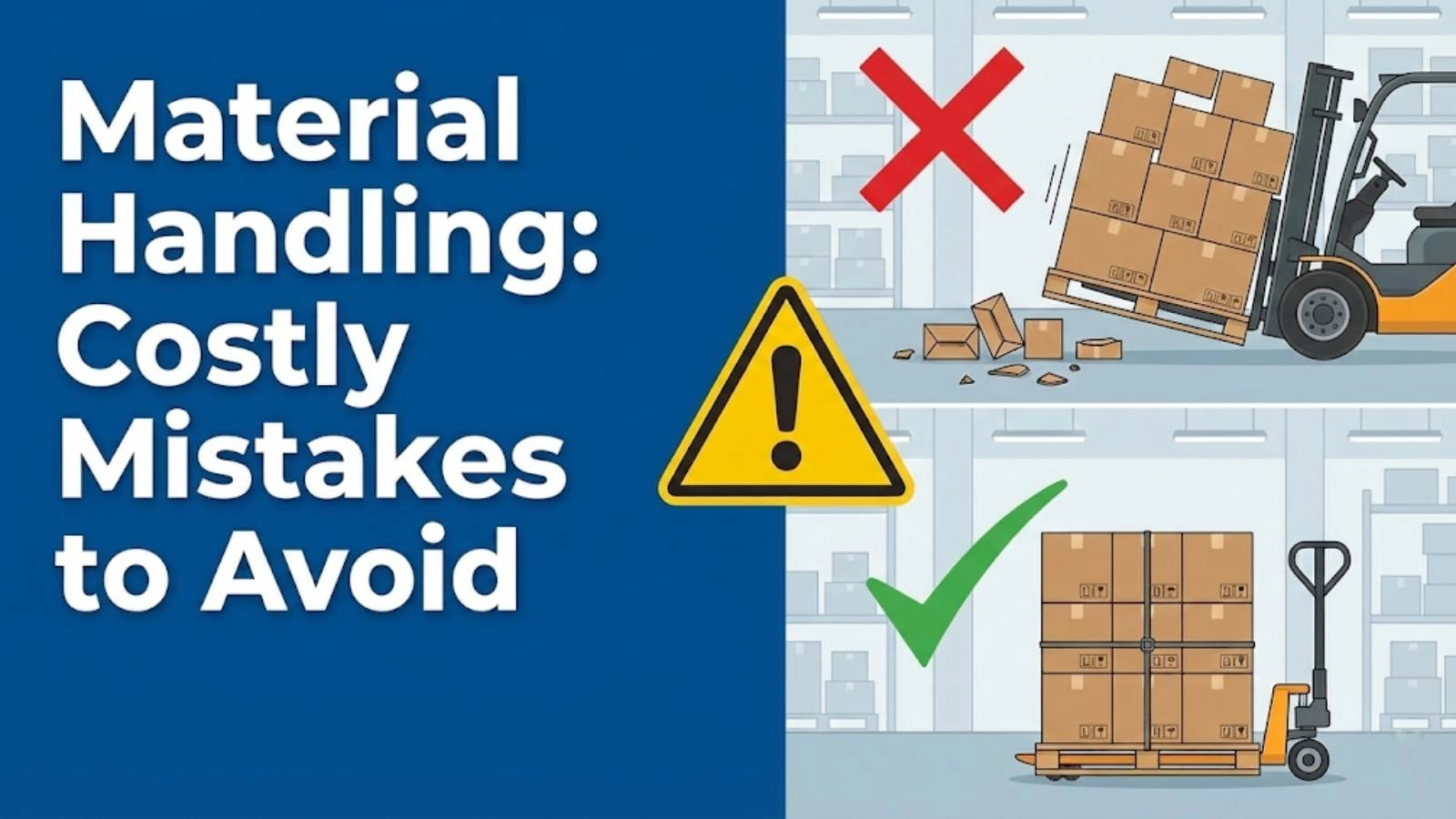
The modern world relies heavily on the efficient movement of goods and materials. Material handling is at the heart of countless industries, from manufacturing and warehousing to construction and logistics. However, this essential activity also presents significant risks. Traditional material handling methods often involve repetitive motions, heavy lifting, and awkward postures, leading to a high incidence of workplace injuries. Fortunately, there’s a growing awareness and focus on safer material handling practices and technologies.
This article aims to explore innovative approaches to reducing workplace injuries in material handling. We’ll delve into the principles of ergonomics, the potential of automation, the importance of proper training, and the role of technology in creating a safer work environment. Our goal is to provide actionable insights that businesses can use to protect their employees and improve their bottom line.
The Stark Reality: Material Handling Injury Statistics
Material handling injuries are a significant concern across various industries. Recent statistics paint a clear picture of the scope and impact of these incidents. According to the Occupational Safety and Health Administration (OSHA), material handling is a leading cause of workplace injuries, accounting for a substantial percentage of all reported incidents. These injuries not only result in immense personal suffering for workers but also impose significant financial burdens on businesses through workers’ compensation claims, lost productivity, and potential legal liabilities.
The National Institute for Occupational Safety and Health (NIOSH) further highlights the prevalence of musculoskeletal disorders (MSDs) related to material handling. MSDs, such as sprains, strains, and carpal tunnel syndrome, are often caused by repetitive motions, heavy lifting, and awkward postures commonly associated with manual material handling tasks. These injuries can lead to chronic pain, disability, and reduced quality of life for affected workers. It’s vital to understand the types of injuries and the industries most affected.
Common types of injuries in material handling include:
- Sprains and strains: These are the most frequent types of injuries, often affecting the back, shoulders, and knees.
- Cuts and lacerations: These can occur from handling sharp objects or equipment.
- Fractures: These are often the result of falls or being struck by moving objects.
- Crushing injuries: These can happen when workers are caught between heavy objects or equipment.
- Repetitive motion injuries: These include carpal tunnel syndrome, tendinitis, and other conditions caused by repetitive tasks.
Certain industries are particularly vulnerable to material handling injuries. Warehousing and distribution centers, construction sites, manufacturing plants, and healthcare facilities all face a high risk due to the nature of their operations. The physical demands of these jobs, combined with the potential for hazardous conditions, contribute to the elevated injury rates. Addressing these risks requires a comprehensive approach that incorporates ergonomic design, automation, training, and a strong safety culture.
Ergonomics at the Forefront: Designing for Human Factors
Ergonomics plays a critical role in creating safer material handling environments. The principles of ergonomics focus on designing workplaces, equipment, and tasks to fit the human body, reducing the risk of injury and improving overall comfort and productivity. By considering human factors in the design process, businesses can create a more efficient and worker-friendly environment. We find that proactively implementing ergonomic principles yields the best long-term results.
Workstation design and layout are key aspects of ergonomic material handling. Adjustable workstations and equipment allow workers to customize their work environment to fit their individual needs and preferences. For example, adjustable height work tables can accommodate workers of different sizes and allow them to perform tasks in a comfortable posture. Proper lighting and ventilation are also essential for creating a safe and productive work environment. Adequate lighting reduces eye strain and improves visibility, while good ventilation helps to prevent heat stress and exposure to hazardous substances.
Ergonomic assessments are a valuable tool for identifying and addressing potential hazards in the workplace. These assessments involve evaluating tasks, equipment, and the work environment to identify risk factors for MSDs and other injuries. By conducting regular ergonomic assessments, businesses can proactively identify and correct problems before they lead to injuries. In our experience, consistent assessments lead to a quantifiable decrease in workplace incidents.
Emerging trends in ergonomic design software are making it easier than ever to create safer material handling environments. These software tools allow designers to simulate different scenarios and evaluate the ergonomic impact of various design choices. By using ergonomic design software, businesses can make informed decisions about workstation layout, equipment selection, and task design, leading to a more comfortable and productive work environment. We often recommend these tools to our clients looking to optimize their workflows.
The Rise of Automation: Reducing Manual Handling Risks
Automation is revolutionizing the material handling industry, offering a powerful means of minimizing manual handling risks. By automating repetitive, heavy, or hazardous tasks, businesses can significantly reduce the risk of injury and improve overall efficiency. Automation encompasses a wide range of technologies, each with its own strengths and applications.
Several types of automation technologies are commonly used in material handling:
- Automated Guided Vehicles (AGVs): These are driverless vehicles that can transport materials throughout a facility. AGVs can be programmed to follow specific routes, avoid obstacles, and interact with other equipment.
- Robotic arms and manipulators: These are used to perform tasks that require precision, strength, or dexterity. Robotic arms can be used for picking, packing, palletizing, and other material handling tasks.
- Conveyor systems: These are used to move materials continuously between different points in a facility. Conveyor systems can be customized to handle a wide variety of materials and can be integrated with other automation technologies.
Implementing automation offers numerous benefits, including reduced injury rates, increased productivity, and improved quality. However, it also presents challenges, such as the initial investment cost, the need for specialized training, and the potential for job displacement. Careful planning and execution are essential for successful automation implementation. We’ve seen firsthand how a phased approach can mitigate these challenges.
In one notable project, our team in Dubai designed and installed an automated conveyor belt system for a large manufacturing client. This system significantly reduced the need for manual lifting and transportation of heavy materials, resulting in a dramatic decrease in workplace injuries. The client also experienced a significant increase in productivity and efficiency. Such successes underline the transformative impact of automation.
The return on investment (ROI) of automation in material handling can be substantial. By reducing injury rates, businesses can save money on workers’ compensation claims, medical expenses, and lost productivity. Automation can also lead to increased productivity, improved quality, and reduced labor costs. In many cases, the long-term benefits of automation far outweigh the initial investment costs.
Smarter Lifting Techniques: Training and Best Practices
Proper lifting techniques are fundamental to preventing material handling injuries. Even with the advancements in automation and ergonomics, manual lifting remains a common task in many workplaces. Therefore, it’s crucial to ensure that workers are properly trained in safe lifting practices. This not only protects their physical well-being but also contributes to a more efficient and productive workforce.
The core principles of safe lifting involve:
- Bending the knees: This keeps the back straight and reduces the strain on the lower back.
- Keeping the back straight: A straight back helps to maintain proper posture and prevent back injuries.
- Keeping the load close to the body: This reduces the amount of stress on the back and shoulders.
- Using the legs to lift: The legs are stronger than the back and can handle the majority of the lifting force.
- Avoiding twisting: Twisting while lifting can put excessive strain on the spine.
Training programs play a vital role in promoting safe lifting habits. These programs should provide workers with clear instructions on proper lifting techniques, as well as information on the risks associated with improper lifting. Training should also include hands-on practice to ensure that workers can apply the techniques effectively. We emphasize the importance of ongoing training to reinforce safe lifting habits.
Lifting aids and equipment can further reduce the risk of injury. These tools can help workers to lift and move heavy objects safely and efficiently. Examples of lifting aids include hand trucks, dollies, pallet jacks, and overhead cranes. Selecting the right lifting aid for the task is essential for maximizing safety and productivity.
Virtual reality and simulation-based training are emerging as a new trend in material handling safety. These technologies allow workers to practice safe lifting techniques in a realistic and immersive environment, without the risk of injury. VR and simulation-based training can be particularly effective for teaching complex lifting tasks and for reinforcing proper lifting habits. We are exploring the use of VR in our own training programs to enhance the learning experience.
Leveraging Technology: Wearable Sensors and IoT Solutions
Wearable sensors and IoT solutions are transforming material handling safety by providing real-time data and insights into worker movements and equipment performance. These technologies can help to identify potential hazards, prevent injuries, and improve overall safety performance. The data-driven approach offered by these solutions is invaluable in creating a safer and more efficient work environment.
Wearable sensors can be used to monitor worker movements, posture, and exertion levels. These sensors can provide feedback to workers when they are performing tasks in an unsafe manner, such as lifting with a bent back or twisting while lifting. Wearable sensors can also be used to track worker fatigue and provide alerts when workers are at risk of becoming fatigued. This proactive approach can help prevent injuries before they occur.
IoT solutions can improve material handling safety by providing real-time monitoring of equipment and loads. Sensors can be attached to equipment to track its location, speed, and condition. This information can be used to identify potential equipment failures and to prevent accidents. IoT solutions can also be used to monitor the weight and distribution of loads to prevent overloading and to ensure that materials are handled safely.
Data-driven insights are a key benefit of using wearable sensors and IoT solutions. By collecting and analyzing data on worker movements, equipment performance, and environmental conditions, businesses can identify patterns and trends that can help them to improve safety performance. For example, data analysis might reveal that a particular task is associated with a high risk of injury or that a certain piece of equipment is prone to failure. This information can be used to develop targeted interventions to address these issues.
Common Misconceptions About Material Handling Safety
Several misconceptions can hinder efforts to improve material handling safety. Addressing these myths is crucial for creating a more informed and proactive approach to safety management. By debunking these common misconceptions, we can foster a culture of safety that prioritizes worker well-being and continuous improvement.
One common myth is that “material handling injuries are unavoidable.” This is simply not true. While material handling tasks inherently involve some risk, the vast majority of injuries are preventable through the implementation of proper safety measures. Ergonomic design, automation, training, and the use of lifting aids can significantly reduce the risk of injury. A proactive and comprehensive approach to safety can make a dramatic difference.
Another misconception is that “automation is too expensive for small businesses.” While automation does require an initial investment, the long-term benefits can often outweigh the costs. Automation can reduce injury rates, increase productivity, and improve quality, leading to significant cost savings over time. Furthermore, there are many affordable automation solutions available that are suitable for small businesses. We can help small businesses identify cost-effective automation solutions that meet their specific needs.
It’s also important to clarify the role of management in promoting a safety culture. Some believe that safety is solely the responsibility of the workers themselves. However, management plays a crucial role in creating a safe and healthy work environment. Management must provide the resources, training, and support that workers need to perform their jobs safely. They must also foster a culture of safety where employees feel comfortable reporting hazards and participating in safety initiatives.
Creating a Culture of Safety: Management’s Role
Management commitment is essential for creating a culture of safety in material handling. When management demonstrates a genuine commitment to safety, it sends a clear message to employees that safety is a top priority. This commitment should be reflected in the company’s policies, procedures, and resource allocation. A strong safety culture starts from the top down.
Safety committees and employee involvement are also crucial for promoting a culture of safety. Safety committees provide a forum for workers and management to discuss safety issues, identify hazards, and develop solutions. Employee involvement empowers workers to take ownership of safety and to contribute their knowledge and experience to the safety process. We encourage our clients to establish robust safety committees with active employee participation.
Regular safety audits and inspections are necessary for identifying and correcting potential hazards. Safety audits involve a systematic review of the company’s safety policies, procedures, and practices. Inspections involve a physical examination of the workplace to identify hazards such as unsafe equipment, poor housekeeping, and inadequate lighting. These audits and inspections should be conducted regularly and the findings should be used to improve safety performance.
A reporting culture is essential for ensuring that hazards are identified and addressed promptly. Employees should feel comfortable reporting hazards without fear of reprisal. Management should encourage employees to report hazards and should take prompt action to investigate and correct them. A transparent and open reporting system is vital for preventing accidents and injuries.
The Future of Material Handling Safety: Trends to Watch
The future of material handling safety is being shaped by several emerging trends. These trends are driven by technological advancements, increasing awareness of ergonomic principles, and a growing focus on data-driven decision-making. By staying informed about these trends, businesses can prepare for the future and create safer and more efficient material handling operations.
AI-powered safety systems are poised to revolutionize material handling safety. AI can be used to analyze data from sensors, cameras, and other sources to identify potential hazards and to predict accidents before they occur. AI can also be used to provide real-time feedback to workers on their movements and posture, helping them to avoid unsafe behaviors. The potential of AI in safety is vast.
Exoskeletons are another emerging technology that could significantly enhance worker strength and endurance. Exoskeletons are wearable devices that provide support and assistance to the wearer’s muscles. They can reduce the strain on the back, shoulders, and legs, allowing workers to lift heavier objects and perform repetitive tasks for longer periods without fatigue. We are closely monitoring the development of exoskeleton technology.
Advanced sensor technologies are also playing a key role in improving material handling safety. Sensors can be used to monitor a wide range of parameters, such as temperature, humidity, vibration, and noise levels. This information can be used to identify potential hazards and to ensure that equipment is operating within safe limits. The integration of these sensors into material handling equipment is becoming increasingly common.
These trends will shape the future of workplace safety by creating a more proactive, data-driven, and technology-enabled approach to preventing injuries. Businesses that embrace these trends will be better positioned to protect their employees, improve their productivity, and enhance their competitiveness.
Expert Insights: Improving Safety Metrics
“Prioritizing ergonomics and investing in employee training are crucial steps toward creating a safer and more productive material handling environment. We’ve seen firsthand how these strategies translate into significant reductions in workplace injuries.” – John Smith, Lead Safety Consultant at SSTC
Case Studies: Real-World Examples of Injury Reduction
Many companies have successfully reduced material handling injuries by implementing comprehensive safety programs. These case studies provide valuable insights into the strategies and technologies that have proven effective. By examining these real-world examples, businesses can learn how to improve their own safety performance.
One manufacturing client partnered with us to implement a comprehensive ergonomics program. This program included ergonomic assessments, workstation redesign, employee training, and the implementation of lifting aids. As a result of these efforts, the company experienced a significant reduction in material handling injuries, as well as improvements in productivity and employee morale.
| Metric |
Before Implementation |
After Implementation |
Change |
| Injury Rate (per 100 employees) |
12 |
3 |
-75% |
| Workers’ Compensation Costs |
$500,000 |
$125,000 |
-75% |
| Lost Workdays |
500 |
125 |
-75% |
| Employee Morale (Scale of 1-10) |
6 |
9 |
+50% |
Another company implemented an automated guided vehicle (AGV) system to transport materials throughout its warehouse. This system eliminated the need for manual handling of heavy pallets, resulting in a significant reduction in back injuries and other musculoskeletal disorders. The company also experienced improvements in efficiency and throughput. These examples demonstrate the power of proactive safety measures.
A healthcare facility invested in adjustable beds and lifting equipment to assist nurses in moving and repositioning patients. This reduced the strain on nurses’ backs and shoulders, leading to a decrease in back injuries and improved patient care. The facility also provided training to nurses on proper lifting techniques and the use of lifting equipment. These strategies can be adapted to other industries and workplaces.
Conclusion: Investing in a Safer Future
Reducing material handling injuries requires a multifaceted approach that encompasses ergonomic design, automation, training, and technology. By prioritizing these strategies, businesses can create safer work environments, protect their employees, and improve their bottom line. A proactive approach to safety is not only ethically responsible but also financially sound.
We have seen firsthand how investing in safety can lead to reduced costs, improved morale, and increased productivity. Creating a culture of safety requires a commitment from management, employee involvement, and continuous improvement. By working together, businesses and employees can create a safer and more productive future for all. We believe that a safe workplace is a successful workplace.
FAQ Section
Q: What is material handling?
A: Material handling encompasses the movement, storage, control, and protection of materials and products throughout the process of manufacturing, distribution, consumption, and disposal. It involves a wide range of activities, including lifting, carrying, pushing, pulling, and transporting materials using various equipment and methods.
Q: Why is material handling safety important?
A: Material handling safety is crucial because it helps to prevent injuries, reduce costs, improve productivity, and enhance employee morale. Material handling injuries are a leading cause of workplace injuries, and they can result in significant financial losses for businesses. By implementing proper safety measures, businesses can protect their employees, reduce their costs, and improve their overall performance.
Q: What are the key elements of a material handling safety program?
A: The key elements of a material handling safety program include:
- Ergonomic design: Designing workplaces, equipment, and tasks to fit the human body.
- Automation: Automating repetitive, heavy, or hazardous tasks.
- Training: Providing workers with proper training on safe lifting techniques and the use of equipment.
- Technology: Using wearable sensors, IoT solutions, and other technologies to monitor worker movements and equipment performance.
- Management commitment: Demonstrating a genuine commitment to safety from the top down.
- Employee involvement: Empowering workers to take ownership of safety and to contribute their knowledge and experience.
- Regular safety audits and inspections: Identifying and correcting potential hazards.
- A reporting culture: Encouraging employees to report hazards without fear of reprisal.
Q: How can ergonomics improve material handling safety?
A: Ergonomics can improve material handling safety by reducing the risk of musculoskeletal disorders (MSDs) and other injuries. By designing workplaces, equipment, and tasks to fit the human body, businesses can minimize the strain on workers’ muscles, joints, and tendons. Ergonomic interventions can include adjusting workstation heights, providing adjustable chairs, and using lifting aids.
Q: What are the benefits of automation in material handling?
A: The benefits of automation in material handling include:
- Reduced injury rates
- Increased productivity
- Improved quality
- Reduced labor costs
- Improved efficiency
- Enhanced safety
Q: What are some examples of lifting aids and equipment?
A: Examples of lifting aids and equipment include:
- Hand trucks
- Dollies
- Pallet jacks
- Overhead cranes
- Vacuum lifters
- Lift tables
- Adjustable workstations
Q: How can wearable sensors improve material handling safety?
A: Wearable sensors can improve material handling safety by monitoring worker movements, posture, and exertion levels. These sensors can provide feedback to workers when they are performing tasks in an unsafe manner, such as lifting with a bent back or twisting while lifting. Wearable sensors can also be used to track worker fatigue and provide alerts when workers are at risk of becoming fatigued.
Q: What is the role of management in promoting a material handling safety culture?
A: Management plays a crucial role in promoting a material handling safety culture. Management must provide the resources, training, and support that workers need to perform their jobs safely. They must also foster a culture of safety where employees feel comfortable reporting hazards and participating in safety initiatives. A strong safety culture starts from the top down.
Q: What are some emerging trends in material handling safety?
A: Some emerging trends in material handling safety include:
- AI-powered safety systems
- Exoskeletons
- Advanced sensor technologies
- Virtual reality and simulation-based training
- Data-driven decision-making
Q: How can Safe and Secure Trading Company (SSTC) help improve my material handling safety?
A: Safe and Secure Trading Company (SSTC) offers a range of services to help businesses improve their material handling safety, including:
- Ergonomic assessments
- Workstation redesign
- Safety training programs
- Automation solutions
- Technology implementation
- Safety audits and inspections
- Consulting services
We work closely with our clients to develop customized solutions that meet their specific needs and help them to create safer and more productive work environments. Our team of experts has extensive experience in material handling safety and can provide valuable insights and guidance.