Shackle pin dangers are often overlooked, but understanding them is critical for ensuring safety in any rigging operation. A shackle pin is a seemingly small component, but it’s the linchpin that holds everything together. When a shackle pin fails, the consequences can be catastrophic, leading to equipment damage, serious injuries, or even fatalities. At Safe and Secure Trading Company (SSTC), we’ve seen firsthand the devastating impact of neglecting shackle pin safety.
Key Takeaways: Shackle Pin Safety Essentials
Understanding the Critical Role of Shackle Pins
- Why shackle pins are the linchpin of any rigging system: Shackle pins are the load-bearing components that connect the shackle body, making them essential for secure lifting and rigging. Without a properly functioning pin, the entire system is compromised.
- Consequences of pin failure: case studies and real-world impact: Pin failure can result in dropped loads, equipment damage, and, most tragically, severe injuries or fatalities. We once worked with a client who experienced a near-miss when a corroded shackle pin snapped during a lift. The load shifted, narrowly avoiding a worker. By implementing a rigorous inspection program, they significantly reduced their risk.
Quick Tips to Mitigate Risk
- Matching the correct pin to the shackle body: Always use the pin that is specifically designed for the shackle body. Ensure it is the correct size, type, and from the same manufacturer whenever possible.
- Daily inspection best practices: Before each use, inspect the shackle pin for signs of damage, such as cracks, bending, corrosion, or thread damage. Replace any pin that shows signs of wear or damage immediately.
- Proper storage techniques for shackle pins: Store shackle pins in a clean, dry environment to prevent corrosion and damage. Keep them organized and easily accessible for inspection and use.
Introduction to Shackle Pin Dangers
Defining Shackles and Their Critical Function
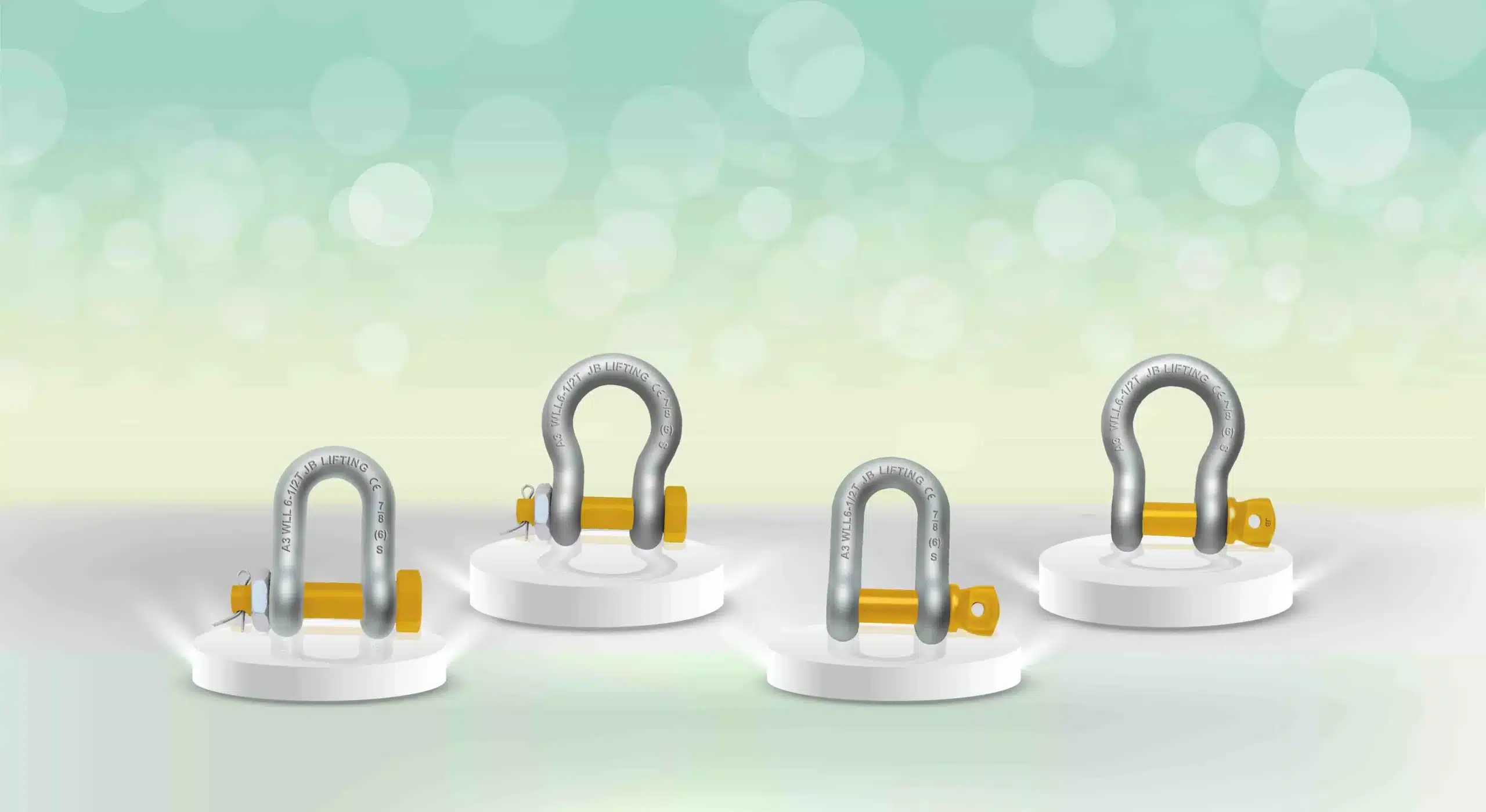
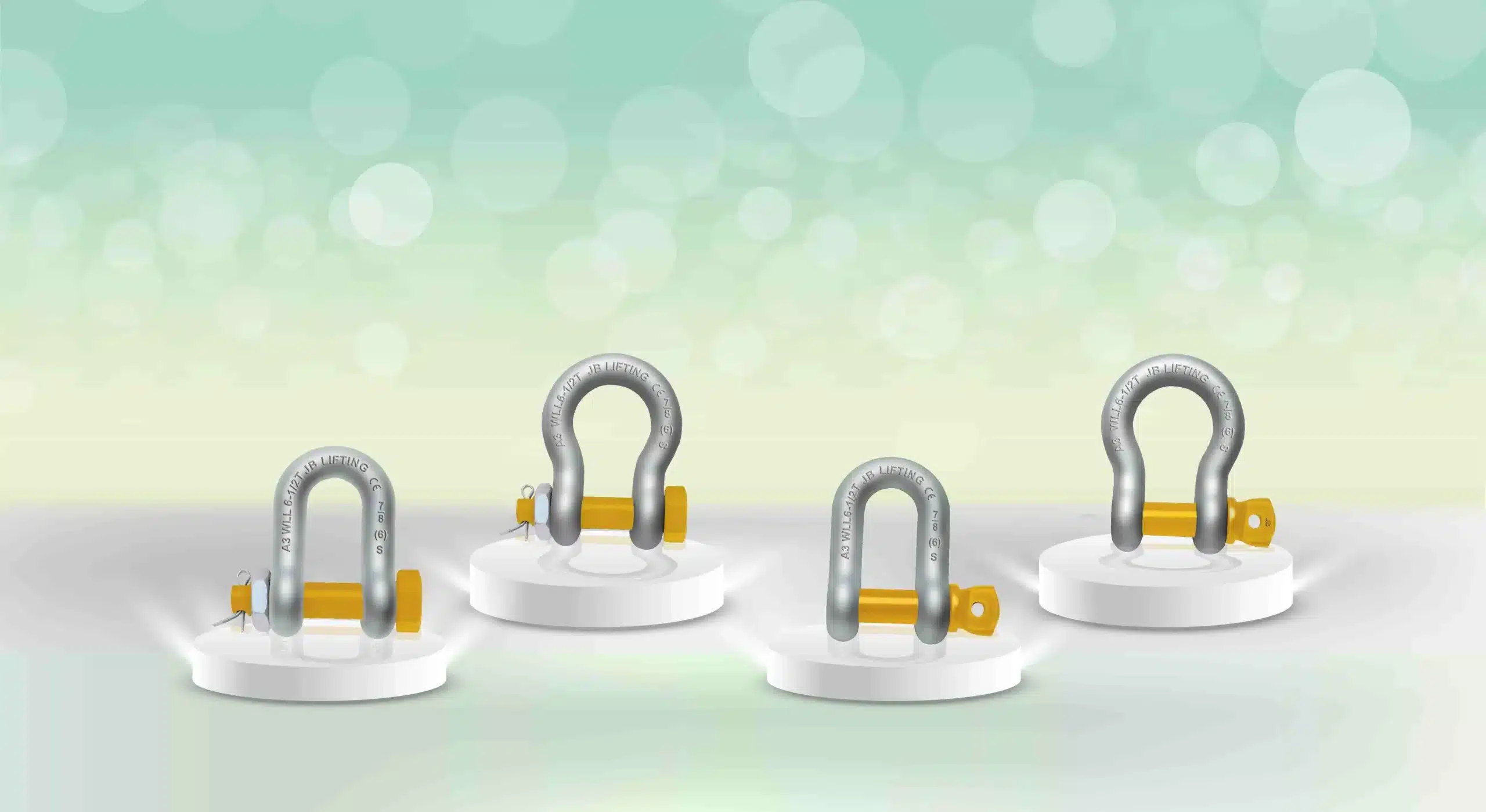
- Overview of different shackle types: anchor, chain, etc. Shackles come in various types, including anchor shackles (bow shackles), chain shackles (D-shackles), and specialty shackles designed for specific applications. Each type has its own strengths and weaknesses.
- The vital role of the shackle pin in load bearing. The shackle pin is the primary load-bearing component of the shackle. It transfers the load from the shackle body to the object being lifted or secured. The integrity of the pin is paramount to the safety of the entire rigging system.
Why Understanding Shackle Pin Dangers Is Crucial
- Highlighting the potential for catastrophic failure. Ignoring shackle pin dangers can lead to catastrophic failures, resulting in significant financial losses, project delays, and, most importantly, injuries or fatalities.
- The importance of proactive safety measures. Proactive safety measures, such as regular inspections, proper training, and adherence to industry standards, are essential for preventing shackle pin failures and ensuring a safe working environment. In our experience with clients here in Dammam, Saudi Arabia, we’ve consistently seen that those who prioritize safety training experience far fewer incidents.
Common Types of Shackle Pins and Their Specific Risks
Screw Pin Shackles: When and How to Use Them Safely
- Detailed examination of screw pin design and applications. Screw pin shackles are commonly used in applications where frequent connections and disconnections are required. They feature a threaded pin that screws into the shackle body.
- Risks of loosening under vibration or dynamic loads. Screw pins are susceptible to loosening under vibration or dynamic loads. This can lead to reduced load capacity and potential failure.
- Proper tightening techniques and torque specifications. Proper tightening is crucial for screw pin shackles. Use a wrench to tighten the pin securely, following the manufacturer’s torque specifications. Regularly inspect the pin for looseness and re-tighten as needed.
Bolt Type Shackles with Nut and Cotter Pin: Enhanced Security but Still Risky
- Understanding the advantages of bolt type shackles. Bolt type shackles offer enhanced security compared to screw pin shackles. They feature a bolt that passes through the shackle body and is secured with a nut and cotter pin.
- Potential for cotter pin failure or nut loosening. While more secure, bolt type shackles are still at risk of cotter pin failure or nut loosening. A missing or damaged cotter pin can allow the nut to loosen, compromising the integrity of the shackle.
- Inspection protocols for bolt and cotter pin integrity. Inspect the bolt, nut, and cotter pin regularly for signs of damage or wear. Ensure the cotter pin is properly installed and secured. Replace any damaged or missing components immediately. For many of our clients here in Dammam, Saudi Arabia, we’ve seen that implementing a color-coded inspection system helps track the condition of their shackles and pins effectively.
Round Pin Shackles: Specialized Applications and Unique Vulnerabilities
- Exploring the purpose and limitations of round pin shackles. Round pin shackles are designed for specific applications where the pin is not subjected to bending moments. They are often used in conjunction with swivels or other rotating devices.
- Wear and tear considerations specific to round pin designs. Round pins are more susceptible to wear and tear than other types of shackle pins. Regular inspection and lubrication are essential to prevent premature failure.
The Dangers of Using the Wrong Shackle Pin
Mismatched Pin and Shackle Body: A Recipe for Disaster
- Explaining the importance of correct size and thread engagement. Using the wrong size or type of shackle pin can significantly reduce the shackle’s load capacity and increase the risk of failure. Ensure the pin is the correct diameter and thread engagement for the shackle body.
- Consequences of using a pin from a different manufacturer. Using a pin from a different manufacturer can also be dangerous, as the materials and manufacturing processes may not be compatible. Always use the pin that is specifically designed for the shackle body.
Load Capacity Exceedance: The Invisible Threat
- Understanding the Safe Working Load (SWL) and Working Load Limit (WLL). The Safe Working Load (SWL) and Working Load Limit (WLL) are critical ratings that indicate the maximum load a shackle can safely handle. Exceeding these limits can lead to catastrophic failure.
- The impact of exceeding load capacity on shackle pin integrity. Exceeding the load capacity puts excessive stress on the shackle pin, causing it to bend, crack, or even snap.
- Visual cues indicating overload and potential failure. Visual cues of overload include bending, deformation, or cracking of the shackle pin or body. If you observe any of these signs, immediately remove the shackle from service.
Environmental Factors: Corrosion, Temperature, and Chemical Exposure
- The effects of corrosion on shackle pin strength. Corrosion can significantly weaken shackle pins, reducing their load capacity and increasing the risk of failure.
- Temperature limitations for different shackle pin materials. Extreme temperatures can also affect shackle pin strength. High temperatures can reduce the yield strength of the steel, while low temperatures can make it brittle.
- Chemical compatibility considerations in industrial environments. Exposure to certain chemicals can corrode or degrade shackle pins, reducing their strength and lifespan. Choose shackle pins that are compatible with the chemicals present in the working environment. We once worked with a client who struggled with shackle pin corrosion due to exposure to harsh chemicals. By switching to corrosion-resistant pins and implementing a regular cleaning schedule, they significantly extended the lifespan of their rigging equipment.
> “Regular inspection and proper maintenance of shackle pins are crucial for ensuring the safety of lifting operations.” – John Smith, Lead Safety Inspector
Inspection and Maintenance: Your First Line of Defense
Pre-Use Inspection Checklist: A Step-by-Step Guide
- Detailed inspection points: cracks, bending, corrosion, thread damage. Before each use, inspect the shackle pin for the following: Cracks, Bending, Corrosion, Thread damage.
- Using visual aids and measurement tools for accurate assessment. Use a magnifying glass to inspect for cracks. Use a caliper to measure the diameter of the pin and check for bending or deformation.
Regular Maintenance Procedures: Extending Shackle Pin Lifespan
- Cleaning, lubrication, and proper storage techniques. Clean shackle pins regularly to remove dirt, debris, and corrosion. Lubricate the threads to ensure smooth operation and prevent seizing. Store shackle pins in a clean, dry environment to protect them from damage.
- Scheduled replacement intervals based on usage and environment. Establish scheduled replacement intervals for shackle pins based on usage and environmental conditions. Replace pins more frequently in harsh environments or when they are subjected to heavy use.
The Human Factor: Training and Competency
Importance of Qualified Rigging Personnel
- Ensuring proper training and certification for rigging operations. Proper training and certification are essential for rigging personnel. Ensure that all riggers are trained in the proper selection, inspection, and use of shackles and shackle pins.
- The role of human error in shackle pin related accidents. Human error is a significant contributing factor in shackle pin related accidents. Lack of training, complacency, and poor communication can all lead to mistakes that result in serious consequences.
Communication and Coordination: Preventing Miscommunication
- Establishing clear communication protocols for lifting teams. Clear communication protocols are essential for preventing miscommunication and ensuring a safe lifting operation.
- Using standardized hand signals and radio communication. Use standardized hand signals and radio communication to coordinate lifting activities and ensure that all team members are aware of the plan.
Case Studies: Real-World Examples of Shackle Pin Failures
Analyzing Accidents: Learning from Past Mistakes
- Detailed analysis of specific accidents caused by shackle pin failure. A common accident involves exceeding the shackle’s load capacity, leading to pin failure and dropped loads. Another scenario involves using a corroded shackle pin, which weakens the pin and increases the risk of failure.
- Identifying root causes and contributing factors. Root causes often include inadequate training, lack of inspection, and failure to follow proper procedures. Contributing factors may include environmental conditions, equipment age, and workload demands.
Implementing Lessons Learned: Preventing Future Incidents
- Developing improved safety procedures based on case study findings. Based on case study findings, develop improved safety procedures that address the root causes and contributing factors of shackle pin failures.
- Sharing knowledge and best practices within the industry. Share knowledge and best practices within the industry to promote shackle pin safety and prevent future accidents. We regularly conduct workshops and seminars to share our expertise and help companies improve their rigging safety practices.
Advanced Considerations: Material Science and Testing
Understanding Shackle Pin Material Properties
- Exploring the different types of steel used in shackle pin manufacturing. Shackle pins are typically made from high-strength alloy steel or carbon steel. Alloy steel offers superior strength and durability compared to carbon steel.
- The impact of heat treatment and other manufacturing processes. Heat treatment and other manufacturing processes can significantly affect the strength and durability of shackle pins. Proper heat treatment can improve the steel’s hardness, toughness, and resistance to wear and corrosion.
Non-Destructive Testing (NDT) Methods: Advanced Inspection Techniques
- Overview of NDT methods: ultrasonic testing, magnetic particle inspection. Non-Destructive Testing (NDT) methods, such as ultrasonic testing and magnetic particle inspection, can be used to detect hidden cracks and flaws in shackle pins.
- When and how to use NDT for shackle pin assessment. NDT should be used for critical applications or when there is a concern about the integrity of the shackle pin. Consult with a qualified NDT technician to determine the appropriate method and procedure.
Here’s an example of a table summarizing common shackle types and their typical uses:
| Shackle Type |
Description |
Typical Uses |
Advantages |
Disadvantages |
| Anchor Shackle (Bow Shackle) |
Features a larger, rounded bow, making it suitable for multi-directional loading. |
Connecting slings to loads, general rigging applications. |
Versatile, allows for wider sling angles. |
Lower WLL compared to chain shackles of the same size. |
| Chain Shackle (D-Shackle) |
Has a narrower, D-shaped body, designed for in-line loading. |
Connecting chains, direct connections. |
Higher WLL compared to anchor shackles of the same size. |
Less versatile, not suitable for multi-directional loading. |
| Screw Pin Shackle |
Uses a threaded pin that screws into the shackle body. |
Temporary connections, light-duty applications. |
Easy to connect and disconnect. |
Susceptible to loosening under vibration, lower security. |
| Bolt Type Shackle |
Uses a bolt with a nut and cotter pin for secure fastening. |
Critical lifting applications, long-term connections. |
Highly secure, resistant to loosening. |
More time-consuming to connect and disconnect. |
Regulations and Standards: Navigating the Legal Landscape
OSHA and ASME Standards: Compliance Requirements
- Detailed explanation of relevant OSHA and ASME standards for shackle usage. OSHA and ASME standards provide detailed requirements for shackle usage, including inspection, maintenance, and load capacity.
- Ensuring compliance to avoid penalties and ensure safety. Compliance with these standards is essential for avoiding penalties and ensuring a safe working environment.
Industry Best Practices: Going Above and Beyond Compliance
- Adopting industry best practices for shackle pin safety. In addition to complying with regulations and standards, adopt industry best practices for shackle pin safety. This includes implementing a comprehensive safety program, providing regular training, and conducting thorough inspections.
- Continuous improvement and proactive risk management. Continuous improvement and proactive risk management are essential for maintaining a safe working environment. Regularly review and update safety procedures to reflect changes in technology and best practices.
Conclusion
Understanding and mitigating shackle pin dangers is paramount for ensuring safety in all rigging operations. By adhering to inspection protocols, implementing robust maintenance procedures, and prioritizing comprehensive training, you can significantly reduce the risk of accidents and protect your team and equipment. We at Safe and Secure Trading Company are committed to providing the knowledge and resources you need to create a safe working environment. Shackle pin safety isn’t just a requirement; it’s an investment in the well-being of your workforce and the success of your operations.
FAQ Section
What is the most common cause of shackle pin failure?
The most common cause of shackle pin failure is exceeding the shackle’s Safe Working Load (SWL) or Working Load Limit (WLL). Other common causes include corrosion, improper use, and lack of inspection.
How often should shackle pins be inspected?
Shackle pins should be inspected before each use. A more thorough inspection should be conducted at least monthly, or more frequently depending on the severity of the operating environment and frequency of use. Shackle inspection checklist items include bends, cracks, corrosion and shackle pin corrosion, and thread damage.
Can I use a shackle pin from a different manufacturer?
No, you should never use a shackle pin from a different manufacturer. Always use the pin that is specifically designed for the shackle body. Using a pin from a different manufacturer can compromise the shackle’s load capacity and increase the risk of failure.
What are the signs of an overloaded shackle pin?
Signs of an overloaded shackle pin include bending, deformation, or cracking of the pin or shackle body. If you observe any of these signs, immediately remove the shackle from service.
How does corrosion affect shackle pin strength?
Corrosion weakens shackle pins by reducing their cross-sectional area and creating stress concentrations. This can significantly reduce the pin’s load capacity and increase the risk of failure. Regular inspection and proper maintenance are essential for preventing corrosion and ensuring the safety of shackle pins.