Introduction: Understanding Rope Technologies
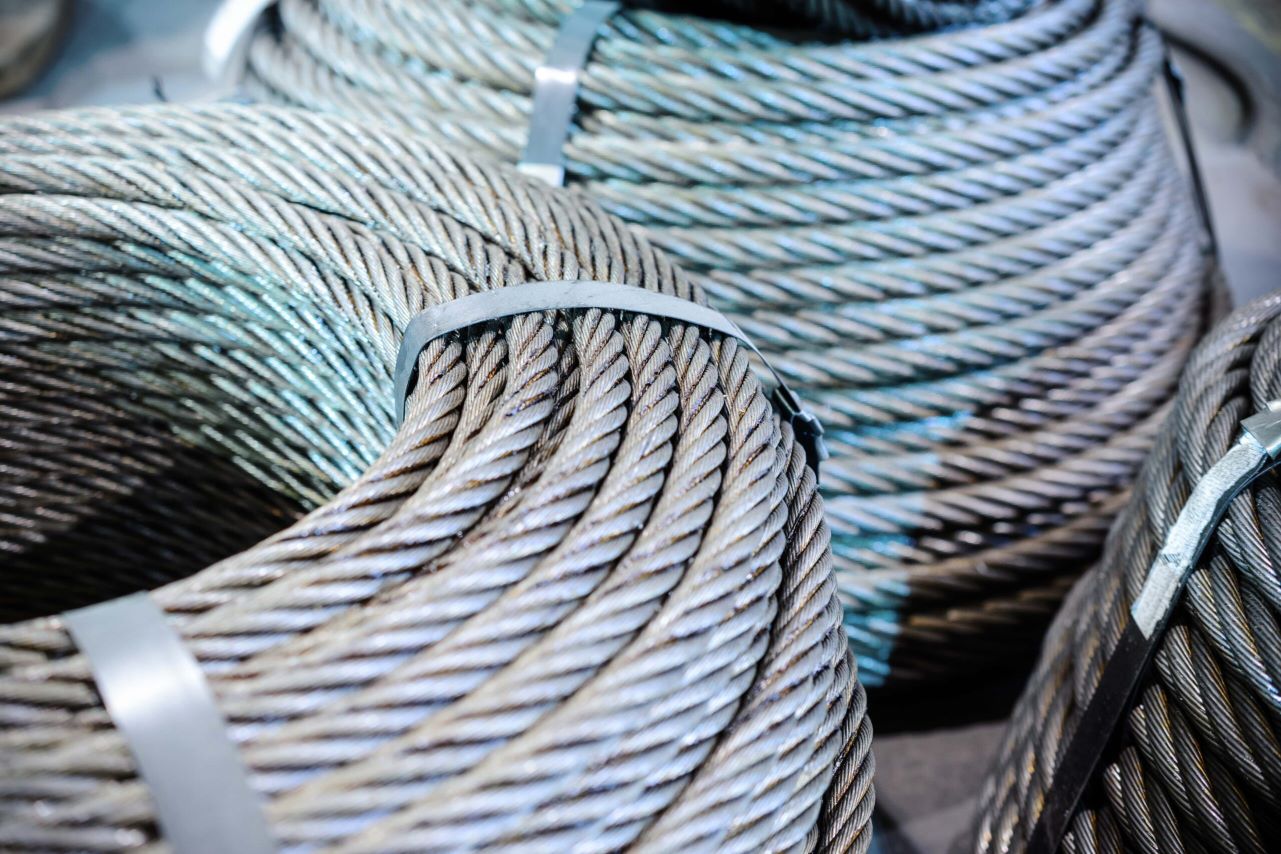
In the world of load-bearing and securing applications, the choice of rope can significantly impact safety, efficiency, and overall performance. Two dominant types of rope, steel wire rope and synthetic rope, each offer unique advantages and disadvantages. Steel wire rope, known for its exceptional strength and durability, has long been a staple in heavy industries. Conversely, synthetic rope, with its lightweight nature and flexibility, is gaining popularity in a wide range of applications.
Selecting the appropriate rope type is crucial for ensuring the safety and success of various operations. Using a rope that isn’t suited for the task can lead to equipment failure, personal injury, or even fatal accidents. Factors such as load capacity, environmental conditions, and handling requirements must be carefully considered.
This comprehensive comparison between synthetic vs steel rope will provide you with the information needed to make an informed decision. We, at Safe and Secure Trading Company (SSTC), aim to offer an objective analysis, highlighting the strengths and weaknesses of each type. By understanding the key differences, you can select the rope that best meets your specific needs, ensuring optimal performance and safety.
1. Strength and Load Capacity: A Critical Comparison
Tensile Strength: Defining tensile strength and its significance.
Tensile strength refers to the maximum stress a material can withstand while being stretched or pulled before breaking. It’s a critical factor in determining the suitability of a rope for various load-bearing applications. A higher tensile strength indicates that the rope can handle greater loads without failing.
Steel Rope: Detailed discussion of various steel rope grades and their tensile strengths (e.g., Improved Plow Steel, Extra Improved Plow Steel).
Steel ropes are available in various grades, each offering different tensile strengths. Common grades include Improved Plow Steel (IPS) and Extra Improved Plow Steel (EIPS). IPS ropes typically have a tensile strength around 200,000 psi (pounds per square inch), while EIPS ropes can reach up to 230,000 psi or higher. These high tensile strengths make steel ropes ideal for heavy lifting and demanding applications.
Synthetic Rope: Examination of high-performance synthetic fibers like Dyneema, Vectran, and Kevlar, and their respective tensile strengths.
Synthetic ropes are constructed from high-performance fibers such as Dyneema, Vectran, and Kevlar. Dyneema, known for its extremely high strength-to-weight ratio, can have a tensile strength comparable to steel. Vectran offers excellent creep resistance and high tensile strength, while Kevlar provides exceptional heat resistance and strength. These synthetic ropes often achieve tensile strengths ranging from 150,000 psi to over 300,000 psi, depending on the specific material and construction.
Comparative analysis: Comparing specific grades of steel rope against different types of synthetic ropes in terms of tensile strength.
When comparing synthetic vs steel rope, it’s important to consider specific grades and types. For instance, a Dyneema rope can often match or even exceed the tensile strength of an IPS steel rope of the same diameter. However, EIPS steel ropes generally offer higher tensile strengths than most standard synthetic ropes. The choice depends on the specific strength requirements and other factors like weight and flexibility.
Working Load Limit (WLL): Explanation of WLL and safety factors.
The Working Load Limit (WLL) is the maximum load that a rope should be subjected to in regular service. It’s calculated by dividing the rope’s minimum breaking strength by a safety factor. Safety factors are applied to account for uncertainties in loading conditions, material properties, and potential wear and tear.
Steel Rope: How WLL is calculated for steel ropes based on safety factors and application type.
For steel ropes, WLL is typically calculated using safety factors ranging from 5:1 to 10:1, depending on the application. For critical lifting applications like cranes, a higher safety factor is used to ensure a greater margin of safety. This means that the WLL will be significantly lower than the rope’s breaking strength.
Synthetic Rope: Considerations for WLL calculations in synthetic ropes, including fiber degradation and environmental factors.
Synthetic ropes also require safety factors, but the calculations can be more complex due to factors like UV degradation and potential creep. Safety factors for synthetic ropes often range from 7:1 to 12:1, or even higher for critical applications. It’s crucial to consider the specific properties of the synthetic fiber and the environmental conditions when determining the appropriate WLL.
Impact of dynamic loading: How shock loads affect the performance of both steel and synthetic ropes.
Dynamic loading, such as shock loads or sudden impacts, can significantly affect the performance and lifespan of both synthetic vs steel rope. Shock loads can exceed the rope’s WLL and lead to premature failure. Synthetic ropes generally have better shock absorption capabilities than steel ropes due to their higher elasticity. However, repeated exposure to dynamic loading can still cause damage and reduce the rope’s overall lifespan.
Elongation and Creep: Impact on load handling.
Elongation refers to the amount a rope stretches under load, while creep is the permanent elongation that occurs over time under sustained load. Both factors can impact the precision and safety of load handling operations.
Elongation properties of steel: How much steel rope stretches under load.
Steel ropes have relatively low elongation compared to synthetic ropes. Typically, a steel wire rope will stretch about 0.5% to 1% of its length under its WLL. This low elongation provides more precise control in lifting and positioning applications.
Creep in synthetics: Discussion of creep (permanent elongation) in synthetic ropes over time and under sustained load.
Synthetic ropes, particularly those made from materials like nylon and polyester, are susceptible to creep. Creep is the gradual and permanent elongation of the rope under sustained load. This can be a concern in applications where maintaining precise length and tension is critical. However, high-performance synthetic fibers like Dyneema and Vectran exhibit very low creep, making them suitable for demanding applications.
Practical implications for applications: The importance of considering elongation and creep for specific tasks.
The elongation and creep properties of a rope must be carefully considered for specific applications. For example, in elevator cables, low elongation is essential for maintaining precise positioning. In contrast, for towing applications, some elongation can be beneficial for absorbing shock loads. Understanding these properties helps in selecting the right rope for optimal performance and safety. We, at SSTC, guide our clients through these choices daily.
2. Durability and Lifespan: Long-Term Performance
Abrasion Resistance: How ropes withstand surface wear.
Abrasion resistance is a crucial factor in determining the lifespan of a rope, especially in environments where the rope is exposed to rough surfaces or repetitive friction. Ropes with high abrasion resistance can withstand more wear and tear, resulting in longer service life and reduced replacement costs.
Steel Rope: Mechanisms of abrasion in steel ropes and how it impacts their lifespan.
Steel ropes are susceptible to abrasion from contact with other steel components, sheaves, or abrasive surfaces. The constant rubbing and friction can wear down the outer wires of the rope, leading to a reduction in strength and eventual failure. Proper lubrication and maintenance can help mitigate abrasion and extend the lifespan of steel ropes.
Synthetic Rope: Assessment of various synthetic materials’ resistance to abrasion. Specific coatings and treatments used to enhance abrasion resistance.
Synthetic ropes exhibit varying degrees of abrasion resistance depending on the type of fiber used. For instance, polyester and nylon offer good abrasion resistance, while Dyneema has relatively lower abrasion resistance compared to other synthetics. To enhance abrasion resistance, synthetic ropes are often treated with coatings like polyurethane or specialized finishes that provide a protective layer against surface wear.
Comparative analysis: Comparing the abrasion resistance of steel and synthetic ropes in different environments (e.g., wet, sandy, abrasive surfaces).
In general, steel ropes tend to offer better abrasion resistance in dry and clean environments. However, in wet or sandy environments, the situation can change. Sand and grit can become embedded in steel ropes, accelerating abrasion. Synthetic ropes, on the other hand, are less prone to trapping abrasive particles. Specific coatings can make them more durable in such conditions.
Environmental Factors: Effects of weather and chemicals.
Environmental factors such as moisture, chemicals, and ultraviolet (UV) radiation can significantly impact the durability and lifespan of both synthetic vs steel rope. Understanding these effects is crucial for selecting the right rope for specific operating conditions.
Corrosion in Steel: Detrimental effects of moisture, salt, and chemicals on steel ropes, and protective measures like galvanization and coatings.
Steel ropes are highly susceptible to corrosion, especially in marine environments where they are exposed to saltwater. Corrosion can weaken the steel wires, leading to premature failure. Protective measures like galvanization, which involves coating the steel with a layer of zinc, can help prevent corrosion. Additional coatings, such as epoxy or grease, can also provide further protection against moisture and chemicals.
UV Degradation in Synthetics: Breakdown of synthetic fibers due to prolonged exposure to ultraviolet radiation and protective treatments.
Synthetic ropes are vulnerable to UV degradation. Prolonged exposure to sunlight can break down the polymer chains in the fibers, leading to a reduction in strength and flexibility. UV inhibitors are often added to synthetic fibers during manufacturing to mitigate this effect. Regular inspection is still necessary to monitor for signs of UV damage, such as discoloration or fraying.
Chemical Resistance: Examining the resistance of both steel and synthetic ropes to various chemicals, including acids, bases, and solvents.
The chemical resistance of steel and synthetic ropes varies depending on the specific materials and chemicals involved. Steel ropes generally offer good resistance to many common chemicals but can be corroded by strong acids and certain solvents. Synthetic ropes exhibit varying degrees of resistance depending on the fiber type. For example, polyester is resistant to many acids but can be damaged by strong bases. Nylon is more susceptible to acid degradation but offers better resistance to bases. Choosing a rope with appropriate chemical resistance is crucial for applications involving exposure to specific chemicals.
Fatigue Resistance: Withstanding repeated stress cycles.
Fatigue resistance refers to a rope’s ability to withstand repeated stress cycles without failing. This is particularly important in applications where the rope is subjected to continuous bending, lifting, or pulling.
Steel Rope: Factors influencing fatigue life in steel ropes, such as wire diameter, rope construction, and bending frequency.
The fatigue life of steel ropes is influenced by factors such as wire diameter, rope construction, and bending frequency. Smaller wire diameters generally offer better fatigue resistance because they are more flexible. Rope construction, such as the number of strands and the lay of the wires, also affects fatigue life. Higher bending frequencies can accelerate fatigue failure, so it’s important to choose a rope designed for the specific bending requirements of the application.
Synthetic Rope: Evaluation of synthetic rope’s fatigue resistance under cyclic loading conditions. Effects of fiber type and rope construction on fatigue life.
Synthetic ropes also exhibit fatigue, but the mechanisms are different from those in steel ropes. Fatigue in synthetic ropes can result from fiber degradation, internal abrasion, and heat buildup due to cyclic loading. The type of fiber used and the rope construction significantly influence fatigue resistance. For example, ropes made from high-performance fibers like Dyneema and Vectran generally offer better fatigue resistance than those made from nylon or polyester.
> “The right rope choice significantly impacts operational longevity and safety. Understanding the specific demands of your application is key to maximizing rope lifespan.” – John Smith, Lead Safety Inspector
3. Weight and Handling: Ergonomics and Efficiency
Weight Comparison: Quantifying the weight difference.
The weight of a rope can have a significant impact on ease of use, installation, and transportation costs. Synthetic ropes are generally much lighter than steel ropes of comparable strength, offering several advantages in terms of handling and ergonomics.
Weight per unit length: Detailed comparison of the weight per foot or meter of different steel and synthetic rope types.
A steel rope can weigh significantly more than a synthetic rope of comparable strength. For example, a 1-inch diameter steel rope might weigh around 2 to 3 pounds per foot, while a synthetic rope with similar strength could weigh only 0.2 to 0.5 pounds per foot. This weight difference can be substantial, especially when dealing with long lengths of rope.
Impact on ease of use: Implications of weight differences for manual handling, installation, and transportation.
The lighter weight of synthetic ropes makes them much easier to handle manually, reducing the risk of strain and injury for workers. Installation is also simplified, as lighter ropes require less manpower and equipment. Furthermore, the reduced weight can lead to lower transportation costs, especially for large quantities of rope.
Flexibility and Handling: Assessing ease of use.
Flexibility and handling characteristics are important considerations when selecting a rope. Ropes that are easy to handle can improve efficiency and reduce the risk of accidents.
Steel Rope: Factors affecting the flexibility of steel ropes, such as wire diameter and rope construction.
Steel ropes can be relatively stiff and difficult to handle, especially those with larger wire diameters. The construction of the rope also affects its flexibility. Ropes with more strands and smaller wires tend to be more flexible than those with fewer strands and larger wires.
Synthetic Rope: How the flexibility of synthetic ropes affects their handling characteristics.
Synthetic ropes are generally much more flexible than steel ropes, making them easier to bend, coil, and knot. This flexibility enhances their handling characteristics and reduces the effort required for various tasks.
User Experience: Comparative assessment of the user-friendliness of steel and synthetic ropes in terms of handling, knotting, and splicing.
Synthetic ropes are often preferred for applications where ease of handling is paramount. Their flexibility makes them easier to knot and splice, and their lighter weight reduces the physical strain on users. Steel ropes, while strong, can be cumbersome and require specialized tools for splicing and handling.
Storage and Transportation: Practical considerations.
The storage and transportation of ropes can also be influenced by their weight and bulkiness. Synthetic ropes offer advantages in both areas due to their lighter weight and compact size.
Space requirements: Comparing the storage space needed for steel and synthetic ropes.
Synthetic ropes typically require less storage space than steel ropes. Their lighter weight allows them to be coiled more tightly, reducing the overall volume needed for storage. This can be particularly beneficial in situations where space is limited.
Transportation costs: Examining the potential cost savings associated with the lighter weight of synthetic ropes.
The lighter weight of synthetic ropes can lead to significant cost savings in transportation. Less weight translates to lower fuel consumption for vehicles and reduced shipping costs. For large projects requiring substantial quantities of rope, these savings can be considerable. We’ve observed this pattern with our clients in Jubail and across the Eastern Province.
4. Applications: Best Use Cases for Each Type
Steel Rope Applications: Common uses for steel ropes.
Steel ropes are widely used in industries requiring high strength, durability, and resistance to extreme conditions. Their robust nature makes them ideal for heavy lifting, support, and tensioning applications.
Heavy Lifting and Rigging: Applications in cranes, hoists, and heavy-duty lifting equipment.
Steel ropes are essential components in cranes, hoists, and other heavy-duty lifting equipment. Their high tensile strength and resistance to abrasion ensure reliable performance in demanding lifting operations. The low stretch of steel rope provides accurate control when positioning heavy loads.
Elevators and Cable Cars: Use in vertical transportation systems.
Elevators and cable cars rely on steel ropes for safe and reliable vertical transportation. The high strength and low elongation of steel ropes ensure that the elevator car remains level and stable. Regular inspections and maintenance are crucial for ensuring the continued safety of these systems.
Mining and Oil & Gas Industries: Applications in harsh environments requiring high strength and durability.
The mining and oil & gas industries often employ steel ropes in harsh environments where high strength and durability are critical. These ropes are used in drilling rigs, mining hoists, and other heavy-duty equipment that must withstand extreme conditions and heavy loads.
Synthetic Rope Applications: Ideal scenarios for synthetic ropes.
Synthetic ropes are increasingly favored in applications where weight, flexibility, and ease of handling are important considerations. Their versatility and performance characteristics make them suitable for a wide range of industries.
Marine and Offshore: Uses in mooring lines, towing lines, and sailing applications.
Synthetic ropes are extensively used in the marine and offshore industries for mooring lines, towing lines, and sailing applications. Their lightweight nature and resistance to saltwater corrosion make them ideal for these environments. Synthetic ropes also offer excellent shock absorption, which is beneficial in mooring and towing operations.
Arboriculture and Forestry: Benefits in tree climbing and rigging due to lightweight and ease of handling.
Arborists and forestry workers benefit from the lightweight and easy handling of synthetic ropes. These ropes are used for tree climbing, rigging, and securing branches. The reduced weight minimizes strain and fatigue, improving worker safety and efficiency.
Rescue and Emergency Services: Applications in rescue ropes, climbing ropes, and rappelling.
Rescue and emergency services rely on synthetic ropes for their strength, flexibility, and lightweight properties. These ropes are used in rescue ropes, climbing ropes, and rappelling equipment. Their high strength-to-weight ratio allows rescuers to carry more rope without adding excessive weight.
Niche Applications: Unique uses for both types.
Both steel and synthetic ropes have niche applications that leverage their specific properties. These specialized uses highlight the versatility and adaptability of these materials.
Specialty steel ropes: Applications requiring specific properties, such as high-temperature resistance.
Specialty steel ropes are designed for applications requiring specific properties, such as high-temperature resistance. These ropes are often used in furnaces, ovens, and other high-temperature environments where standard steel ropes would fail.
Advanced synthetic ropes: Uses in aerospace, military, and other high-tech applications.
Advanced synthetic ropes are used in aerospace, military, and other high-tech applications where high strength, low weight, and exceptional performance are critical. These ropes are often made from advanced fibers like carbon fiber or specialized polymers that offer unique properties.
5. Cost Analysis: Evaluating Long-Term Value
Initial Cost: Comparing the upfront cost of steel vs. synthetic rope.
The initial cost of synthetic vs steel rope is a key factor in the decision-making process. While steel ropes have traditionally been considered the more economical choice upfront, the overall cost analysis can reveal a different picture when factoring in maintenance and lifespan.
Factors affecting pricing: Discussion of the factors influencing the cost of steel and synthetic ropes, such as material quality, manufacturing processes, and rope construction.
The price of steel rope is influenced by the grade of steel, the complexity of the rope construction, and any protective coatings applied. High-strength steel and intricate weaving patterns increase the cost. Synthetic rope pricing is determined by the type of fiber (Dyneema, Vectran, Kevlar), the manufacturing process, and any specialized treatments for UV or abrasion resistance. High-performance fibers command a premium due to their superior properties.
Maintenance Costs: Assessing long-term expenses.
Maintenance costs are a significant aspect of the long-term value of any type of rope. Proper maintenance can extend the lifespan of the rope, reducing the frequency of replacements and associated expenses.
Maintenance requirements for steel: Costs associated with lubricating, inspecting, and replacing steel ropes.
Steel ropes require regular lubrication to prevent corrosion and reduce friction between the wires. Inspections are necessary to identify signs of wear, damage, and corrosion. Replacement costs can be substantial, especially for large-diameter ropes used in heavy-duty applications.
Maintenance requirements for synthetic: Costs associated with cleaning, inspecting, and replacing synthetic ropes.
Synthetic ropes require less maintenance than steel ropes. Regular cleaning to remove dirt and debris is important, and inspections are necessary to identify signs of UV damage, abrasion, and cuts. While synthetic ropes are generally more resistant to corrosion, they may require replacement more frequently than steel ropes in certain abrasive environments.
Lifespan and Replacement: Calculating total cost of ownership.
The total cost of ownership includes the initial cost, maintenance expenses, and the lifespan of the rope. By considering these factors, you can determine the most cost-effective option for your specific application.
Longevity considerations: Estimating the lifespan of steel and synthetic ropes based on application, environmental conditions, and usage patterns.
The lifespan of both synthetic vs steel rope depends on the application, environmental conditions, and usage patterns. Steel ropes can last for many years with proper maintenance in relatively clean and dry environments. Synthetic ropes may have a shorter lifespan in abrasive or UV-intensive conditions.
Total Cost Analysis: Comparative breakdown of the total cost of ownership for steel and synthetic ropes, considering initial cost, maintenance, and lifespan.
A comprehensive cost analysis should consider all relevant factors, including initial cost, maintenance expenses, and lifespan. While steel ropes may have a lower upfront cost, synthetic ropes can offer a lower total cost of ownership in certain applications due to reduced maintenance and longer lifespan. For many of our clients here in Dammam, we’ve seen that the slightly higher upfront cost of a synthetic rope is justified by its longevity and lower maintenance.
Safety Considerations for Steel Rope
Inspections: Importance of regular inspections and maintenance schedules.
Regular inspections and maintenance are critical for ensuring the safe operation of steel ropes. Identifying and addressing potential issues early can prevent catastrophic failures and protect workers and equipment.
Visual Inspection: Checklist for identifying wear, damage, and corrosion.
Visual inspections should include checking for signs of wear, such as broken wires, abrasion, and deformation. Look for signs of corrosion, such as rust or pitting. Inspect the rope’s surface for any signs of damage, such as cuts or kinks.
Load Testing: Procedures and frequency for load testing steel ropes.
Load testing involves subjecting the steel rope to a controlled load to verify its integrity. The frequency of load testing depends on the application and the intensity of usage. Regular load testing can identify weaknesses or defects that may not be visible during visual inspections.
Discard Criteria: When to remove a steel rope from service due to safety concerns.
Steel ropes should be removed from service when they exhibit signs of significant wear, damage, or corrosion. Specific discard criteria may include a certain number of broken wires in a given length, significant reduction in diameter, or evidence of severe corrosion. Always follow the manufacturer’s recommendations for discard criteria.
Handling Techniques: Best practices to prevent accidents.
Proper handling techniques are essential for preventing accidents when working with steel ropes. Following best practices can minimize the risk of injury and ensure the safe operation of equipment.
Proper Coiling: Correct methods for coiling and uncoiling steel ropes.
Coil steel ropes properly to prevent kinks and damage. Avoid twisting the rope during coiling or uncoiling. Use a reel or spool to store and transport the rope to minimize handling and prevent damage.
Avoiding Kinks: Preventing and addressing kinks to maintain rope integrity.
Kinks can significantly weaken steel ropes and reduce their lifespan. Avoid creating kinks by handling the rope carefully and preventing it from becoming twisted. If a kink does occur, try to remove it gently without further damaging the rope.
Protective Gear: Recommended safety equipment for handling steel ropes.
Wear appropriate protective gear when handling steel ropes, including gloves, eye protection, and sturdy footwear. Gloves protect your hands from cuts and abrasions, while eye protection prevents debris from entering your eyes.
Safety Considerations for Synthetic Rope
Inspections: Detecting damage in synthetic ropes.
Regular inspections are crucial for detecting damage in synthetic ropes and ensuring their continued safe operation. Early detection of damage can prevent failures and protect workers.
Fiber Assessment: Examining the fibers for cuts, abrasions, and UV damage.
Examine the synthetic fibers for signs of cuts, abrasions, and UV damage. Look for discoloration, fraying, or a powdery residue on the surface of the rope. These signs indicate that the rope has been exposed to UV radiation and may be weakened.
Identifying Core Damage: Recognizing signs of internal wear and degradation.
Check for signs of internal wear and degradation by feeling the rope for soft spots or irregularities. Internal damage may not be visible on the surface, so it’s important to carefully examine the entire rope.
Chemical Exposure: Understanding the effects of chemical exposure on synthetic fibers.
Be aware of the potential effects of chemical exposure on synthetic fibers. Different chemicals can degrade synthetic ropes, leading to a reduction in strength and lifespan. Consult the manufacturer’s recommendations for chemical resistance and cleaning procedures.
Handling Techniques: Ensuring safe usage of synthetic ropes.
Proper handling techniques are essential for ensuring the safe usage of synthetic ropes. Following best practices can minimize the risk of accidents and prolong the lifespan of the rope.
Avoiding Sharp Edges: Protecting synthetic ropes from abrasion against sharp surfaces.
Protect synthetic ropes from abrasion against sharp surfaces. Use chafe guards or padding to prevent the rope from rubbing against abrasive materials. Abrasion can quickly degrade synthetic fibers and reduce the rope’s strength.
Knotting and Splicing: Proper techniques for knotting and splicing synthetic ropes to maintain strength.
Use proper techniques for knotting and splicing synthetic ropes to maintain their strength. Improper knots or splices can significantly reduce the rope’s breaking strength. Follow the manufacturer’s recommendations for knotting and splicing procedures.
Load Distribution: Ensuring even load distribution to prevent overloading individual strands.
Ensure even load distribution to prevent overloading individual strands. Uneven load distribution can lead to premature failure of the rope. Use appropriate rigging techniques and equipment to distribute the load evenly across all strands.
Case Studies: Real-World Examples
Case Study 1: A construction company switches from steel to synthetic rope for crane operations: Discuss the benefits, challenges, and outcomes.
A construction company in Riyadh decided to switch from steel to synthetic rope for their crane operations. The primary driver was the weight difference, as the steel ropes were causing strain on the crane’s lifting capacity and posing ergonomic challenges for the workers. After switching to synthetic ropes, the company experienced a significant reduction in downtime due to easier handling and faster setup times. There was an initial investment required to retrain the workers on handling and inspecting synthetic ropes, but the long-term benefits in terms of efficiency and safety outweighed the challenges.
Case Study 2: A marine application where synthetic rope outperforms steel: Analyze the specific factors contributing to the success.
A marine company in Jeddah uses synthetic ropes for mooring their vessels. The saltwater environment was causing rapid corrosion of the steel ropes, leading to frequent replacements and high maintenance costs. The switch to synthetic ropes eliminated the corrosion issue, resulting in a longer lifespan and lower maintenance expenses. Additionally, the synthetic ropes’ flexibility and ease of handling made mooring operations faster and safer.
Case Study 3: An industrial setting where steel rope remains the preferred choice: Explain the reasons for sticking with steel.
An industrial plant in Yanbu continues to use steel rope for its heavy lifting operations. The plant’s primary concern is the extreme heat generated by their manufacturing processes. Steel ropes offer superior heat resistance compared to synthetic ropes, making them the preferred choice for this specific application. While the steel ropes require more maintenance, their ability to withstand high temperatures without degradation is critical for the plant’s operations.
In summary, the decision between synthetic vs steel rope depends heavily on the application’s specific needs. Steel ropes offer superior strength and heat resistance, making them ideal for heavy lifting and high-temperature environments. Synthetic ropes, on the other hand, excel in marine, arboriculture, and rescue applications due to their lightweight nature, flexibility, and resistance to corrosion.
For heavy lifting and demanding industrial applications, steel rope remains the preferred choice. For marine environments, arboriculture, and applications where weight is a critical factor, synthetic rope offers significant advantages.
Ultimately, the best choice depends on a careful evaluation of the specific requirements of your application. We can help you find the rope that perfectly balances performance, safety, and cost-effectiveness!
FAQ Section
Q: What is the main difference between steel and synthetic rope?
A: Steel ropes are known for their high strength and heat resistance, while synthetic ropes are lighter, more flexible, and resistant to corrosion.
Q: Which type of rope is better for marine applications?
A: Synthetic rope is generally better for marine applications due to its resistance to saltwater corrosion and lighter weight.
Q: Which rope is stronger, steel or synthetic?
A: High-grade steel ropes typically offer higher tensile strength compared to standard synthetic ropes, but advanced synthetic ropes like those made from Dyneema can match or exceed the strength of steel in certain applications.
Q: How does UV radiation affect synthetic ropes?
A: Prolonged exposure to UV radiation can degrade synthetic fibers, leading to a reduction in strength and flexibility. UV inhibitors can help mitigate this effect.
Q: What maintenance is required for steel ropes?
A: Steel ropes require regular lubrication to prevent corrosion and reduce friction. They also need to be inspected for signs of wear, damage, and corrosion.
Q: What is the working load limit (WLL)?
A: The Working Load Limit (WLL) is the maximum load that a rope should be subjected to in regular service, calculated by dividing the rope’s minimum breaking strength by a safety factor.
Q: Are synthetic ropes more expensive than steel ropes?
A: Synthetic ropes can have a higher upfront cost compared to steel ropes, but their longer lifespan and lower maintenance costs can make them more cost-effective in the long run.
Q: Can synthetic ropes be used in high-temperature environments?
A: Synthetic ropes are not generally suitable for high-temperature environments, as heat can degrade the fibers and reduce their strength. Steel ropes are a better choice for these applications.
Q: What are the safety considerations when using steel ropes?
A: Safety considerations for steel ropes include regular inspections, proper handling techniques, and the use of protective gear to prevent injuries.
Q: How do I choose the right rope for my application?
A: Consider the specific requirements of your application, including load capacity, environmental conditions, handling requirements, and cost. Consult with experts to determine the most suitable rope type for your needs.