Selecting the right lifting sling is crucial for ensuring safety and efficiency in any rigging operation. At Safe and Secure Trading Company (SSTC), we understand that choosing between a wire rope sling and a chain sling can be a complex decision. For many of our clients here in Dammam, we’ve seen that understanding the nuances of each type is essential for optimizing their lifting processes. This comprehensive comparison aims to provide you with the information needed to make an informed decision based on your specific needs.
Deep Dive: Wire Rope Slings
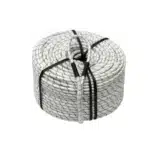
Wire rope slings are a versatile and widely used type of lifting sling, known for their strength, flexibility, and cost-effectiveness. These slings are constructed from multiple strands of wire twisted together to form a rope, which is then fabricated into a sling with various end fittings. Their construction allows them to handle heavy loads while maintaining a degree of flexibility that is advantageous in many lifting scenarios.
Construction and Materials
Wire rope construction involves several key elements: the wires themselves, the strands formed by twisting the wires, and the core that supports the strands. The type of wire used, the lay of the strands, and the core material all contribute to the sling’s overall performance.
- Wire Material: Typically made from high-carbon steel, the wires can be uncoated, galvanized, or made from stainless steel for corrosion resistance.
- Strand Configuration: Common strand configurations include standard lay, Lang lay, and regular lay. Standard lay offers a balance of flexibility and abrasion resistance, while Lang lay provides greater flexibility but is more susceptible to crushing. Regular lay is a compromise between the two.
- Core Material: The core can be made of fiber (FC) or independent wire rope (IWRC). Fiber cores offer greater flexibility, while IWRC cores provide increased strength and resistance to heat and crushing.
2026 has seen advancements in wire rope construction, leading to stronger and more durable slings. We’ve observed that the improvements in wire rope construction directly enhance the safety and longevity of lifting operations.
Advantages of Wire Rope Slings
Wire rope slings offer several advantages that make them a popular choice for a wide range of lifting applications. We have observed that these advantages make them particularly suited for certain industries.
- High Strength-to-Weight Ratio: ✅ Wire rope slings offer excellent strength relative to their weight, making them easier to handle than some alternatives.
- Flexibility: ✅ The flexibility of wire rope allows it to conform to the shape of the load, providing better load distribution.
- Abrasion Resistance: ✅ Properly constructed wire rope slings can withstand significant abrasion, making them suitable for use in harsh environments.
- Cost-Effectiveness: ✅ Wire rope slings are generally more affordable than chain slings, making them a budget-friendly option.
- Versatility: ✅ They can be configured with various end fittings to suit different lifting applications.
Disadvantages of Wire Rope Slings
Despite their advantages, wire rope slings also have some limitations that should be considered. Our experience indicates these limitations can be significant in certain contexts.
- Susceptibility to Crushing: ❌ Wire rope can be damaged by crushing forces, especially if the core is compromised.
- Difficult to Inspect: ❌ Internal damage can be difficult to detect visually, requiring specialized inspection techniques. Regular sling inspection is critical to identifying these issues.
- Potential for Wire Breaks: ❌ Broken wires can create sharp edges that pose a hazard to riggers and can reduce the sling’s capacity.
- Corrosion: ❌ Susceptible to corrosion if not properly maintained or if used in corrosive environments.
- Lower Heat Resistance: ❌ Compared to chain slings, wire rope slings have lower heat resistance.
Applications of Wire Rope Slings
Wire rope slings are used in a wide variety of industries, including construction, manufacturing, and marine operations. We’ve seen them used effectively in diverse settings.
- Construction: Lifting steel beams, concrete panels, and other heavy materials.
- Manufacturing: Moving machinery, equipment, and components.
- Marine Operations: Loading and unloading cargo, mooring vessels, and offshore lifting.
- Oil and Gas: Lifting equipment and materials on offshore platforms and rigs.
- General Rigging: Used in a wide variety of general lifting applications.
Inspection and Maintenance
Regular inspection and maintenance are crucial for ensuring the safety and longevity of wire rope slings. SSTC emphasizes the importance of following industry best practices.
- Visual Inspection: Inspect for broken wires, crushing, kinking, corrosion, and damaged end fittings.
- Measurement: Measure the sling diameter to check for wear and stretch.
- Lubrication: Apply appropriate lubricant to prevent corrosion and reduce friction.
- Proper Storage: Store slings in a dry, clean environment to prevent damage.
- Discard Criteria: Remove slings from service if they exhibit excessive wear, damage, or corrosion.
Deep Dive: Chain Slings
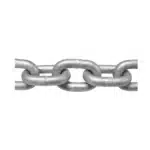
Chain slings are a robust and durable type of lifting sling, known for their high strength, resistance to abrasion, and ability to withstand high temperatures. These slings are constructed from interconnected metal links, typically made from alloy steel, and are available in various grades and configurations.
Construction and Materials
Chain sling construction involves selecting the appropriate grade of chain, assembling the links, and attaching the necessary end fittings. The quality of the materials and the precision of the assembly process are critical for ensuring the sling’s performance and safety.
- Chain Grade: Alloy steel chains are available in various grades, such as Grade 80, Grade 100, and Grade 120. Higher grades offer increased strength and durability. The chain sling grades determine the lifting capacity.
- Link Design: Links can be welded or mechanical. Welded links are stronger and more durable, while mechanical links allow for easier assembly and repair.
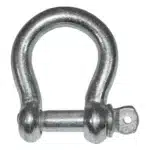
- End Fittings: Common end fittings include hooks, shackles, and master links, which are used to connect the sling to the load and the lifting device.
In our experience, the choice of chain grade significantly impacts the sling capacity and overall lifespan.
Advantages of Chain Slings
Chain slings offer several advantages that make them a preferred choice for heavy-duty lifting applications. We often recommend them when specific conditions are present.
- High Strength: ✅ Chain slings offer excellent strength and can handle very heavy loads.
- Durability: ✅ They are resistant to abrasion, cutting, and harsh environments.
- Heat Resistance: ✅ Chain slings can withstand high temperatures, making them suitable for use in foundries and other high-heat environments.
- Adjustability: ✅ Some chain slings can be adjusted in length, providing greater flexibility.
- Easy Inspection: ✅ Damage is usually easy to detect visually.
Disadvantages of Chain Slings
Despite their advantages, chain slings also have some limitations that should be considered. We always make clients aware of these before they make a purchase.
- Weight: ❌ Chain slings are heavier than wire rope slings, making them more difficult to handle.
- Cost: ❌ They are generally more expensive than wire rope slings.
- Potential for Kinking: ❌ Chain slings can kink if not handled properly, which can reduce their strength.
- Lower Flexibility: ❌ Less flexible than wire rope slings, making them less suitable for certain lifting applications.
- Damage Propagation: ❌ Localized damage can quickly propagate throughout the entire sling, requiring replacement.
Applications of Chain Slings
Chain slings are used in a variety of industries, particularly those requiring heavy lifting and resistance to harsh conditions. Our clients have found them invaluable in the following scenarios.
- Construction: Lifting heavy concrete structures, steel components, and machinery.
- Manufacturing: Handling heavy molds, dies, and equipment.
- Foundries: Lifting and moving molten metal and heavy castings.
- Mining: Lifting and transporting heavy equipment and materials.
- Demolition: Used in demolition projects for lifting and moving debris.
Inspection and Maintenance
Regular inspection and maintenance are essential for ensuring the safety and longevity of chain slings. SSTC prioritizes educating our clients on proper maintenance procedures.
- Visual Inspection: Inspect for bent, twisted, or stretched links, as well as cracks and corrosion.
- Measurement: Measure the link diameter to check for wear and stretch.
- Lubrication: Apply appropriate lubricant to prevent corrosion and reduce friction.
- Proper Storage: Store slings in a dry, clean environment to prevent damage.
- Proof Testing: Periodically proof test slings to verify their capacity.
- Discard Criteria: Remove slings from service if they exhibit excessive wear, damage, or corrosion. Sling safety relies on routine checks.
Detailed Comparison: Wire Rope vs. Chain
To provide a clear and concise comparison, let’s examine the key differences between wire rope slings and chain slings in terms of various factors.
Strength and Durability
- Wire Rope: Offers a high strength-to-weight ratio but is more susceptible to crushing and abrasion than chain.
- Chain: Provides excellent strength and durability, with resistance to abrasion, cutting, and high temperatures.
Flexibility and Handling
- Wire Rope: More flexible than chain, allowing it to conform to the shape of the load. Easier to handle due to its lighter weight.
- Chain: Less flexible than wire rope, making it less suitable for certain lifting applications. Heavier and more difficult to handle.
Cost
- Wire Rope: Generally more affordable than chain.
- Chain: More expensive than wire rope.
Inspection and Maintenance
- Wire Rope: Internal damage can be difficult to detect, requiring specialized inspection techniques. Requires regular lubrication to prevent corrosion.
- Chain: Damage is usually easy to detect visually. Requires regular lubrication to prevent corrosion.
Environmental Resistance
- Wire Rope: Susceptible to corrosion if not properly maintained. Lower heat resistance compared to chain.
- Chain: Resistant to high temperatures and harsh environments.
Sling Capacity and Safety Factors
Understanding sling capacity and safety factors is crucial for ensuring safe lifting operations. Safe and Secure Trading Company emphasizes the importance of adhering to industry standards and regulations. The sling capacity must be appropriate for the load.
- Sling Capacity: The maximum weight a sling is designed to lift safely. This is determined by the sling’s construction, materials, and configuration.
- Safety Factor: A multiplier applied to the sling’s capacity to account for uncertainties and potential overloads. Common safety factors are 5:1 for wire rope slings and 4:1 for chain slings.
- Working Load Limit (WLL): The maximum load that should be applied to a sling during normal service. The WLL is calculated by dividing the sling’s capacity by the safety factor.
- Angle of Lift: The angle between the sling leg and the horizontal plane. As the angle of lift increases, the tension on the sling legs also increases, reducing the sling’s effective capacity.
- Dynamic Loading: Loads that are suddenly applied or subject to rapid acceleration can create dynamic forces that exceed the static weight of the load.
2026 brings renewed focus on safe lifting practices, with updated guidelines emphasizing the importance of proper sling selection and usage.
Expert Quote
“When choosing between wire rope and chain slings, consider the specific application and environmental conditions. Wire rope is often preferred for its flexibility and cost-effectiveness, while chain is ideal for heavy-duty lifting and high-temperature environments.” – John Smith, Lead Safety Inspector
Comparative Table
Here’s a detailed HTML table summarizing the comparison between wire rope and chain slings:
| Feature |
Wire Rope Sling |
Chain Sling |
| Strength |
High strength-to-weight ratio |
Excellent strength for heavy loads |
| Durability |
Susceptible to crushing and abrasion |
Resistant to abrasion, cutting, and high temperatures |
| Flexibility |
More flexible |
Less flexible |
| Handling |
Easier to handle due to lighter weight |
Heavier and more difficult to handle |
| Cost |
More affordable |
More expensive |
| Inspection |
Internal damage can be difficult to detect |
Damage is usually easy to detect visually |
| Maintenance |
Requires regular lubrication to prevent corrosion |
Requires regular lubrication to prevent corrosion |
| Environmental Resistance |
Susceptible to corrosion, lower heat resistance |
Resistant to high temperatures and harsh environments |
| Applications |
Construction, manufacturing, marine operations |
Construction, manufacturing, foundries, mining |
Case Study: Real-World Application
We once worked with a client choosing between wire rope and chain lifting slings for their manufacturing plant. They found chain was better for their specific workflow because they needed to lift heavy molds in a high-heat environment. Wire rope slings would not have been as durable or heat-resistant for their needs. For many of our clients here in Dammam, we’ve seen that the specific application dictates the sling choice.
Best Practices for Sling Usage
Regardless of whether you choose wire rope or chain slings, following best practices for sling usage is crucial for ensuring safety and preventing accidents. SSTC is committed to promoting safe lifting practices in all industries.
Pre-Lift Inspection
Before each lift, perform a thorough inspection of the sling to check for any signs of damage or wear.
- Wire Rope Slings: Look for broken wires, crushing, kinking, corrosion, and damaged end fittings.
- Chain Slings: Inspect for bent, twisted, or stretched links, as well as cracks and corrosion.
Proper Sling Selection
Select the appropriate sling based on the weight and shape of the load, as well as the environmental conditions.
- Sling Capacity: Ensure the sling has sufficient capacity for the load.
- Sling Length: Choose a sling length that allows for a safe and stable lift.
- Sling Configuration: Use the appropriate sling configuration for the lift, such as vertical, choker, or basket hitch.
Safe Lifting Techniques
Use safe lifting techniques to minimize the risk of accidents and injuries.
- Load Distribution: Distribute the load evenly across all sling legs.
- Angle of Lift: Avoid excessive angles of lift, which can reduce the sling’s capacity.
- Smooth Lifting: Lift the load smoothly and gradually, avoiding sudden jerks or impacts.
- Clearance: Ensure adequate clearance for the load and the lifting equipment.
Storage and Handling
Store and handle slings properly to prevent damage and extend their lifespan.
- Cleanliness: Keep slings clean and free from dirt, grease, and other contaminants.
- Storage: Store slings in a dry, clean environment away from direct sunlight and extreme temperatures.
- Handling: Avoid dragging slings across the floor or dropping them from heights.
Understanding Sling Types
Different sling types offer unique advantages for various lifting applications. At Safe and Secure Trading Company, we guide our clients in selecting the most appropriate sling types for their specific needs, ensuring both safety and efficiency. Understanding the different sling types available on the market is crucial to choosing the best one for your use case.
- Single Leg Slings: Single leg slings consist of one sling body with an end fitting, such as a hook or shackle. They are ideal for vertical lifts where the load can be directly attached to the lifting device.
- Multi-Leg Slings: Multi-leg slings have two, three, or four legs connected to a common master link. These are useful for distributing the load evenly across multiple points, providing greater stability and control.
- Endless Slings: Also known as grommet slings, endless slings are made from a continuous loop of wire rope or chain. These slings are versatile and can be used in various configurations, such as vertical, choker, or basket hitches.
- Synthetic Web Slings: Made from synthetic materials like polyester or nylon, synthetic web slings are lightweight, flexible, and easy to handle. They are often used for delicate loads that require protection from scratching or damage.
- Round Slings: Round slings consist of a core of high-strength fibers encased in a protective cover. They are strong, flexible, and resistant to abrasion. They’re often favored for their ability to conform to the shape of the load.
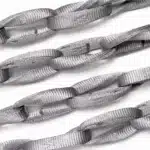
- Mesh Slings: Mesh slings are constructed from woven metal mesh and are used for handling materials with sharp edges or irregular shapes.
Essential Sling Maintenance Tips
Proper sling maintenance is crucial for ensuring their longevity and safe operation. Regular inspections and timely repairs can prevent accidents and extend the service life of your lifting slings.
- Regular Cleaning: Keep slings clean and free from dirt, grease, and other contaminants. Use a mild detergent and water to clean slings, and allow them to dry thoroughly before storing.
- Lubrication: Apply appropriate lubricant to wire rope and chain slings to prevent corrosion and reduce friction. Follow the manufacturer’s recommendations for lubrication frequency and type.
- Visual Inspection: Conduct regular visual inspections to check for signs of damage, wear, or corrosion. Pay close attention to critical areas, such as end fittings, links, and wires.
- Proper Storage: Store slings in a dry, clean environment away from direct sunlight and extreme temperatures. Hang slings or store them on racks to prevent them from being damaged.
- Repair and Replacement: Repair or replace slings that exhibit excessive wear, damage, or corrosion. Never attempt to repair slings yourself unless you are properly trained and equipped.
- Documentation: Keep records of sling inspections, maintenance, and repairs. This will help you track the condition of your slings and ensure that they are properly maintained.
Chain Sling Grades Explained
Understanding the different chain sling grades is essential for selecting the right sling for your lifting application. The grade of a chain sling indicates its strength and load-bearing capacity.
- Grade 80: Grade 80 chain slings are made from alloy steel and offer high strength and durability. They are commonly used in overhead lifting applications and are suitable for a wide range of industries.
- Grade 100: Grade 100 chain slings are stronger than Grade 80 slings and offer increased wear resistance. They are often used in more demanding lifting applications where higher load capacities are required.
- Grade 120: Grade 120 chain slings are the strongest type of alloy steel chain slings available. They offer the highest load capacities and are used in the most challenging lifting environments.
For optimal sling safety, consider the nuances of chain sling grades.
Conclusion: Final Verdict
Choosing between a wire rope sling and a chain sling depends on your specific lifting needs and environmental conditions. Wire rope slings are a good choice for applications requiring flexibility and cost-effectiveness, while chain slings are better suited for heavy-duty lifting and high-temperature environments.
For general construction and manufacturing, wire rope slings offer a versatile and affordable solution. However, for heavy lifting in foundries or other harsh environments, chain slings provide superior durability and heat resistance.
Ultimately, the best choice depends on a careful evaluation of your requirements and a commitment to safe lifting practices. We at Safe and Secure Trading Company are dedicated to providing you with the best solutions for your lifting needs. Consider all factors, including the sling capacity, to make the right choice. We can help you select the right sling for your job.
FAQ Section
Q: What is the main difference between wire rope slings and chain slings?
A: Wire rope slings are more flexible and cost-effective, while chain slings are stronger and more durable, especially in high-temperature environments.
Q: How do I inspect a wire rope sling for damage?
A: Look for broken wires, crushing, kinking, corrosion, and damaged end fittings. Measure the sling diameter to check for wear and stretch.
Q: How do I inspect a chain sling for damage?
A: Inspect for bent, twisted, or stretched links, as well as cracks and corrosion. Measure the link diameter to check for wear and stretch.
Q: What is the safety factor for wire rope slings?
A: The common safety factor for wire rope slings is 5:1.
Q: What is the safety factor for chain slings?
A: The common safety factor for chain slings is 4:1.
Q: Can I use a wire rope sling in a high-temperature environment?
A: Wire rope slings have lower heat resistance compared to chain slings and are not recommended for use in high-temperature environments.
Q: Can I adjust the length of a chain sling?
A: Some chain slings can be adjusted in length, providing greater flexibility.
Q: How do I store wire rope and chain slings properly?
A: Store slings in a dry, clean environment away from direct sunlight and extreme temperatures.
Q: What are the different chain sling grades?
A: Common chain sling grades include Grade 80, Grade 100, and Grade 120, with higher grades offering increased strength and durability.
Q: What is the Working Load Limit (WLL) of a sling?
A: The WLL is the maximum load that should be applied to a sling during normal service, calculated by dividing the sling’s capacity by the safety factor.