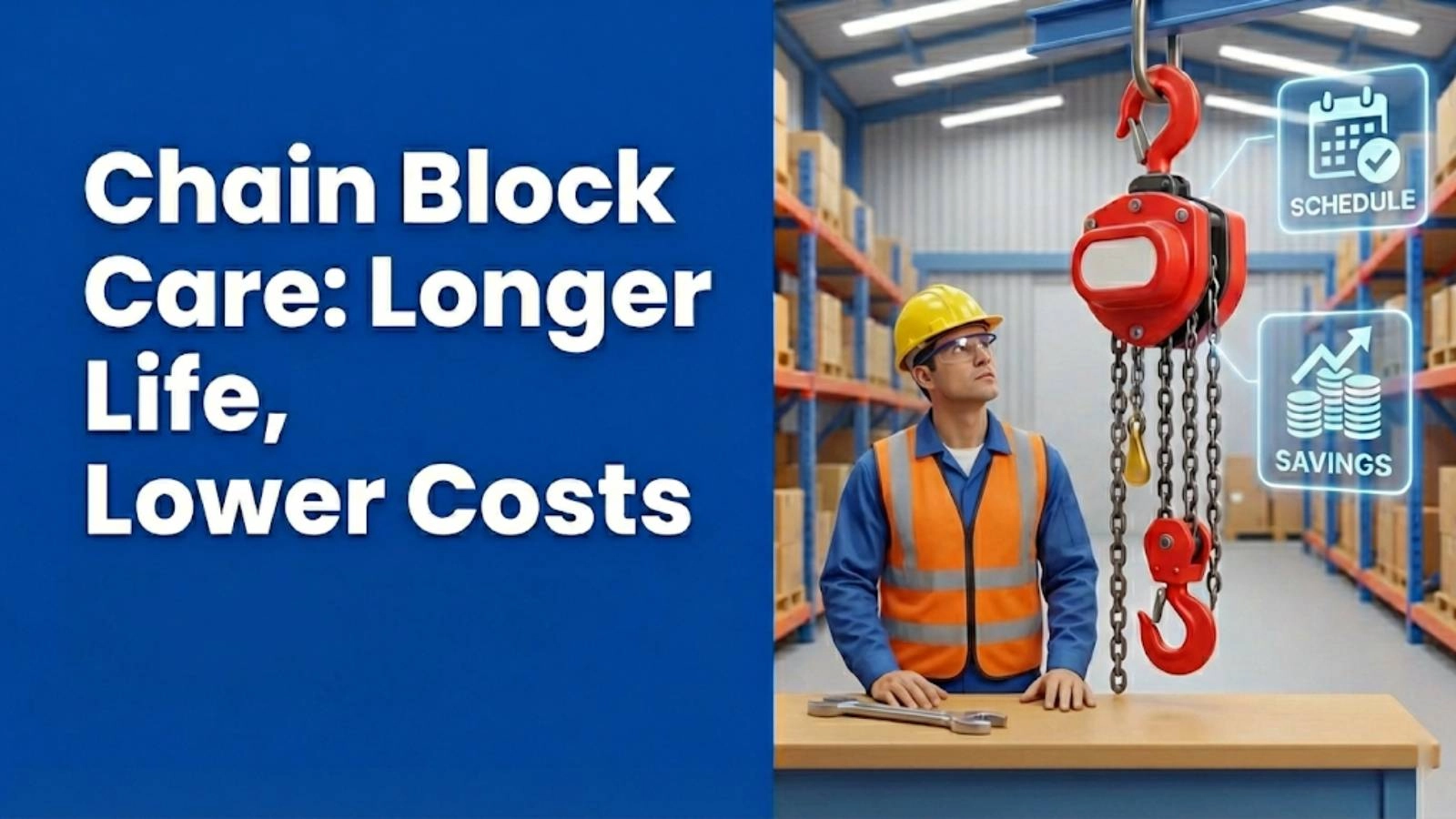
Choosing the right chain block features can be a daunting task, especially with the wide range of options available on the market today. A chain block, also known as a manual chain block, is a critical piece of equipment used for lifting heavy loads in various industrial and construction settings. The right chain block not only makes lifting operations easier but also ensures the safety of workers and materials.
1. ✅ Load Capacity and Safety Factor
Understanding Load Capacity
The load capacity of a chain block is perhaps the most crucial factor to consider. It refers to the maximum weight the chain block is designed to lift safely. Exceeding this limit can lead to catastrophic failures, endangering personnel and damaging equipment. For many of our clients here in Dammam, we’ve seen that clearly understanding load capacity is the first step toward ensuring safe and efficient operations.
- Defining Working Load Limit (WLL): The Working Load Limit (WLL) is the maximum load that a chain block is designed to lift under normal operating conditions. The WLL is usually clearly marked on the chain block. It is essential to never exceed the WLL to prevent accidents and equipment damage. Using a chain block within its WLL ensures consistent and safe performance.
- Overload Protection: Built-in overload protection mechanisms are essential for preventing damage and accidents. These mechanisms, such as slip clutches or load limiters, are designed to prevent the chain block from lifting loads exceeding its WLL. Overload protection is a critical chain block feature that can significantly enhance safety.
Importance of the Safety Factor
The safety factor is a critical aspect of chain block design that ensures the device can withstand loads significantly higher than its rated capacity. Understanding and respecting this factor is paramount for maintaining safety and preventing accidents. Always verify that the chain block has a minimum safety factor of 4:1.
- Defining Safety Factor: The safety factor is the ratio of the chain block’s minimum breaking strength to its WLL. It provides a buffer, ensuring that the chain block can withstand unexpected loads or stresses without failing. A higher safety factor indicates a more robust and reliable chain block.
- Recommended Safety Factor: Industry standards typically recommend a safety factor of at least 4:1 for chain blocks. This means the chain block should be able to withstand a load four times greater than its WLL before breaking. For critical applications, a higher safety factor may be necessary. For many of our clients, we often recommend a 5:1 safety factor, especially for overhead lifting scenarios.
- Example: Always verify that the chain block has a minimum safety factor of 4:1. This ensures that the chain block can handle unexpected stress and load variations. Checking this factor is a fundamental aspect of chain block safety.
2. ✅ Chain Quality and Material
The quality and material of the chain are vital for the overall performance and safety of a chain block. A high-quality chain ensures smooth and reliable lifting operations, while a durable material prevents premature wear and failure. This is why we emphasize the importance of thoroughly evaluating the chain’s specifications when selecting a chain block.
Chain Material
The material of the chain directly impacts its strength, durability, and resistance to environmental factors. Alloy steel chains are highly recommended for their superior performance in demanding applications. We consistently advise our clients to prioritize chain blocks with alloy steel chains for enhanced safety and longevity.
- Alloy Steel Chains: Alloy steel chains offer excellent strength and durability, making them ideal for heavy lifting applications. These chains are heat-treated to enhance their tensile strength and resistance to wear. Using alloy steel chains is a key chain block feature that ensures reliable performance.
- Rust Resistance: Rust-resistant coatings are crucial for protecting the chain from corrosion, especially in humid or marine environments. Coatings like galvanization or black oxide provide a protective barrier, extending the chain’s lifespan. The rust resistance is a great chain block feature that maintains the chain’s integrity and safety over time.
Chain Grade
Understanding chain grades is essential for selecting the right chain block for your specific needs. Different grades offer varying levels of strength and durability, making it important to choose the appropriate grade for the intended application. We often provide detailed consultations to help our clients select the optimal chain grade for their unique requirements.
- Understanding Chain Grades: Chain grades, such as Grade 80 and Grade 100, indicate the chain’s tensile strength and load-bearing capacity. Grade 80 chains are commonly used for general lifting applications, while Grade 100 chains offer higher strength for more demanding tasks. Knowing the different chain block types and their corresponding chain grades is essential for safe lifting.
- Selecting the Right Grade: Selecting the right chain grade depends on the specific requirements of the lifting operation. Consider the weight of the load, the frequency of use, and the environmental conditions when choosing a chain grade. Opting for a higher grade chain may be beneficial for heavy duty chain block applications.
- Actionable Tip: Inspect the chain regularly for wear and tear. Replace if any damage is observed. This helps prevent accidents and ensures the chain block remains safe to use. Regular inspections are crucial for maintaining chain block safety.
3. ✅ Hook Design and Safety Latches
The design and safety features of the hooks are critical for preventing accidental disengagements and ensuring secure lifting operations. Forged steel hooks and reliable safety latches are essential components of a safe and effective chain block. We always stress the importance of these details to our clients.
Hook Material and Construction
The material and construction of the hooks directly impact their strength and durability. Forged steel hooks are highly recommended for their superior ability to withstand heavy loads and resist deformation. Paying attention to these construction details is a key aspect of chain block buying guide.
- Forged Steel Hooks: Forged steel hooks are exceptionally strong and durable, making them ideal for heavy duty chain block applications. These hooks are designed to withstand significant stress and resist bending or breaking under load. The use of forged steel hooks is a vital chain block feature for ensuring safety.
- Hook Inspection: Regular hook inspections are essential for identifying cracks, deformation, or wear that could compromise their integrity. Look for signs of damage, such as cracks, bends, or excessive wear, and replace the hook immediately if any are found. Proper chain block inspection is crucial for maintaining safety.
Safety Latches
Safety latches play a critical role in preventing accidental disengagement of the load from the hook. These latches ensure that the load remains securely attached, even if the chain block is subjected to sudden movements or vibrations. We consistently remind our clients to check the safety latches before each lifting operation.
- Purpose of Safety Latches: Safety latches prevent the load from accidentally slipping off the hook during lifting operations. They provide an extra layer of security, ensuring that the load remains securely attached to the chain block. The presence of safety latches is a fundamental chain block feature that enhances safety.
- Latch Types: Different types of safety latches are available, including spring-loaded latches, self-closing latches, and locking latches. Spring-loaded latches are commonly used and provide reliable protection against accidental disengagement. Self-closing and locking latches offer even greater security for critical applications. Knowing the different chain block types is beneficial when choosing the one with the best safety latches.
- Beginner Tip: Always ensure the safety latch is fully engaged before lifting any load. This simple step can prevent accidents and ensure a secure lifting operation. Engaging the safety latch is a fundamental aspect of chain block safety.
4. ✅ Gear System and Efficiency
The gear system of a chain block directly affects the lifting effort required and the speed at which loads can be moved. An efficient gear system reduces operator fatigue and enhances productivity. We often discuss the importance of gear ratios and enclosed gearboxes with our clients to help them choose the best chain block.
Gear Ratio
The gear ratio determines the amount of force required to lift a given load. A lower gear ratio requires less effort but results in slower lifting speeds, while a higher gear ratio requires more effort but allows for faster lifting. Optimizing the gear ratio is essential for balancing efficiency and ease of use.
- Understanding Gear Ratios: The gear ratio is the ratio of the number of teeth on the driving gear to the number of teeth on the driven gear. A higher gear ratio means that the operator needs to apply less force to lift a load, but the lifting speed will be slower. A lower gear ratio means that the operator needs to apply more force, but the lifting speed will be faster. Understanding the gear ratio is an essential part of choosing the best chain block features.
- Optimizing Gear Ratio: Optimizing the gear ratio depends on the specific requirements of the lifting operation. For lighter loads, a higher gear ratio may be preferable for faster lifting speeds. For heavier loads, a lower gear ratio is recommended to reduce operator fatigue. Careful consideration of the gear ratio can significantly enhance efficiency.
Enclosed Gearbox
An enclosed gearbox protects the gears from dust, dirt, and moisture, ensuring smooth and reliable operation. This is especially important in harsh environments where contaminants can accelerate wear and tear. We highly recommend chain blocks with enclosed gearboxes for clients operating in challenging conditions.
- Protection from Elements: An enclosed gearbox protects the gears from dust, dirt, moisture, and other contaminants that can cause wear and corrosion. This protection ensures smooth and reliable operation, especially in harsh environments. Enclosed gearboxes are a crucial chain block feature for longevity.
- Lubrication: Proper lubrication is essential for reducing friction and wear within the gearbox. Regular lubrication ensures smooth operation and extends the lifespan of the gears. Following the manufacturer’s recommendations for lubrication is crucial for maintaining the chain block’s performance.
- Real-World Example: For our clients in desert regions like Riyadh, enclosed gearboxes are a must. The fine sand and dust can quickly damage exposed gears, leading to premature failure. Enclosed gearboxes provide the necessary protection to ensure reliable operation.
5. ✅ Brake Mechanism and Reliability
A reliable brake mechanism is paramount for ensuring safety during lifting operations. The brake holds the load securely in place when the operator stops pulling the chain, preventing accidental lowering or dropping. We always emphasize the importance of brake testing and certification to our clients.
Types of Brake Mechanisms
Different types of brake mechanisms are available, each offering varying levels of performance and reliability. Mechanical brakes and automatic load brakes are commonly used in chain blocks. Understanding the differences between these types is crucial for selecting the right chain block for your needs.
- Mechanical Brakes: Mechanical brakes are designed to hold the load securely in place when the operator stops pulling the chain. These brakes typically use a ratchet and pawl system to prevent the load from slipping. Mechanical brakes are a reliable chain block feature for ensuring safety.
- Automatic Load Brake: Automatic load brakes enhance safety by automatically engaging when the operator releases the chain. This feature prevents the load from accidentally lowering or dropping, even if the operator loses control. Automatic load brakes are particularly beneficial for heavy duty chain block applications.
Brake Testing and Certification
Rigorous brake testing and certification are essential for ensuring the reliability and safety of the brake mechanism. Chain blocks that meet recognized safety standards offer greater assurance of performance and durability. We always advise our clients to look for chain blocks with proper certifications.
- Importance of Testing: Brake testing ensures that the brake mechanism can reliably hold the load at its rated capacity. Testing should be conducted under various conditions to simulate real-world use. Thorough testing is crucial for ensuring the chain block’s safety and reliability.
- Certification Standards: Look for chain blocks that meet recognized safety standards such as CE and ASME. These certifications indicate that the chain block has been tested and meets specific performance and safety requirements. Compliance with these standards is a key chain block feature that ensures safety.
- Expert Quote:
“A reliable brake mechanism is paramount. It’s not just about lifting; it’s about safely holding the load at any point.” – John Smith, Lead Engineer
6. Housing Durability & Build Quality
The durability and build quality of the housing are crucial for protecting the internal components of the chain block and ensuring its longevity. A robust housing can withstand harsh conditions and prevent damage to the gears and brake mechanism. We prioritize housing durability in our product selection process.
Material of the Housing
The material of the housing affects its strength, weight, and resistance to corrosion. Steel and aluminum housings are commonly used, each offering different advantages and disadvantages. Choosing the right housing material depends on the specific application and environmental conditions.
- Steel vs. Aluminum Housings: Steel housings offer excellent strength and durability, making them ideal for heavy duty chain block applications. Aluminum housings are lighter and more corrosion-resistant, making them suitable for applications where weight is a concern or in corrosive environments. The choice between steel and aluminum is a significant chain block feature to consider.
- Powder Coating: A durable powder-coated finish provides excellent corrosion resistance, protecting the housing from rust and other forms of degradation. Powder coating also enhances the appearance of the chain block and provides a smooth, easy-to-clean surface. Powder coating is a crucial chain block feature to maintain its long-term condition.
Construction Quality
The overall construction quality of the chain block contributes to its robustness and longevity. High-quality welding and precise assembly ensure that the chain block can withstand heavy loads and repeated use. We conduct thorough quality checks to ensure superior build quality in our products.
- Robustness: A robust chain block is designed to withstand heavy loads and repeated use without failing. This robustness is achieved through careful design, high-quality materials, and precise manufacturing processes. The overall robustness is a major chain block feature to guarantee long-term reliability.
- Welding Quality: High-quality welding is essential for ensuring the structural integrity of the housing. Welds should be strong, uniform, and free from defects to prevent cracks or breaks under load. Proper welding is a crucial chain block feature for ensuring safety and durability.
- SSTC Insight: We perform rigorous quality checks on all our chain blocks to ensure superior build quality. Our commitment to quality ensures that our clients receive reliable and durable equipment. This dedication makes us a trusted provider of industrial chain block solutions.
7. Ease of Use and Maintenance
Ease of use and maintenance are important factors to consider, especially for operators who use chain blocks frequently. An ergonomic handle design and easy-to-access lubrication points can reduce operator fatigue and simplify maintenance tasks. We always consider these factors when recommending chain blocks to our clients.
Handle Design
The handle design directly affects the operator’s comfort and efficiency. An ergonomic handle reduces fatigue and allows for easier operation, especially during prolonged use. Considering the handle design is a vital part of choosing the best chain block features.
- Ergonomic Design: An ergonomic handle is designed to fit comfortably in the operator’s hand and reduce strain on the wrist and arm. This design allows for easier and more efficient operation, especially during prolonged use. Ergonomic design is a crucial chain block feature for enhancing user comfort.
- Handle Length: The handle length affects the amount of force required to lift a load. A longer handle provides more leverage, reducing the effort required to lift heavy loads. However, a shorter handle may be more convenient in confined spaces. The length of the handle is a relevant chain block feature for different lifting environments.
Maintenance Requirements
Regular maintenance is essential for ensuring the longevity and reliability of the chain block. Proper lubrication, cleaning, and inspection can prevent premature wear and failure. We provide detailed maintenance checklists to help our clients keep their chain blocks in optimal condition.
- Lubrication Points: Identifying and lubricating key points is crucial for smooth operation. Regular lubrication reduces friction and wear, extending the lifespan of the chain block. Following the manufacturer’s recommendations for lubrication is essential for proper chain block maintenance.
- Inspection Checklist: A simple inspection checklist can help operators identify potential problems before they become serious. Regular inspections should include checking the chain for wear, inspecting the hooks for cracks, and verifying the functionality of the brake mechanism. Consistent chain block inspection is essential for safety.
- Maintenance Tip: Regular lubrication and cleaning can significantly extend the lifespan of your chain block. Simple maintenance tasks can prevent costly repairs and ensure reliable performance. This practice greatly enhances chain block safety.
8. Chain Block Length (Lift Height)
The length of the chain block determines the maximum height to which the load can be lifted. Selecting the right length is crucial for ensuring that the chain block can accommodate the required lifting distance. We always advise our clients to accurately measure the lift distance before choosing a chain block.
Standard Lift Heights
Standard lift heights are commonly available, catering to a wide range of applications. These standard lengths offer convenience and cost-effectiveness. Knowing the common lengths helps with choosing the best chain block features.
- Common Lengths: Common lengths for chain blocks include 10 feet, 20 feet, and 30 feet. These lengths are suitable for most general lifting applications. However, custom lengths may be necessary for specific requirements. Selecting the standard lengths can greatly assist with chain block buying guide.
- Custom Lengths: Custom lengths are available for applications that require non-standard lifting heights. These custom lengths provide flexibility and ensure that the chain block can accommodate the specific needs of the lifting operation. Customization is a useful chain block feature for specific applications.
Calculating Required Length
Accurately calculating the required length is essential for ensuring that the chain block can safely and effectively lift the load to the desired height. Consider the lift distance, overhead clearance, and any potential slack in the chain when calculating the required length. Getting this measurement correct will ensure that the chosen chain block meets all requirements.
- Measuring Lift Distance: Accurately measure the distance from the ground to the highest point to which the load needs to be lifted. This measurement is the foundation for determining the required chain block length. Accurate measuring helps determine what chain block types are appropriate.
- Accounting for Slack: Add extra length to account for slack in the chain and any necessary overhead clearance. This extra length ensures that the chain block can operate smoothly and safely without being stretched to its limit. Accounting for slack is a very helpful chain block feature.
- Practical Advice: Always overestimate the required chain length slightly to avoid limitations during operation. A little extra length provides flexibility and ensures that the chain block can accommodate unexpected variations in the lifting distance.
9. Environmental Considerations
Environmental conditions can significantly impact the performance and longevity of a chain block. Operating temperature, exposure to chemicals, and saltwater environments can all affect the materials and components of the chain block. We always consider these factors when recommending chain blocks for specific applications.
Operating Temperature
The operating temperature range of the chain block should be suitable for the environmental conditions in which it will be used. Extreme temperatures can affect the performance and durability of the chain block. Make sure to verify what temperatures a chain block is rated for to avoid unexpected issues.
- Temperature Ranges: Most chain blocks are designed to operate within a specific temperature range. Operating the chain block outside of this range can lead to reduced performance, accelerated wear, or even failure. Checking the temperature ranges is crucial for proper chain block maintenance.
- Extreme Conditions: For extreme temperature conditions, special chain blocks are available that are designed to withstand very high or very low temperatures. These chain blocks use specialized materials and components to ensure reliable performance in harsh environments. For these extreme conditions, consider heavy duty chain block models.
Corrosion Resistance
Corrosion resistance is crucial for chain blocks that are used in corrosive environments, such as chemical plants or marine environments. Corrosion can weaken the materials and components of the chain block, leading to premature failure. Always verify what materials are used to help avoid corrosion issues.
- Exposure to Chemicals: In chemical environments, it is essential to select chain blocks that are made from corrosion-resistant materials, such as stainless steel or coated alloys. These materials can withstand exposure to corrosive chemicals without degrading. Special coatings are a valuable chain block feature in these harsh conditions.
- Saltwater Environments: For saltwater applications, chain blocks specifically designed for marine environments are recommended. These chain blocks are made from materials that resist corrosion from saltwater, such as stainless steel or galvanized steel. Saltwater resistance is a key chain block feature for marine operations.
10. Certifications and Compliance
Certifications and compliance with industry standards are essential for ensuring the safety and reliability of a chain block. These certifications indicate that the chain block has been tested and meets specific performance and safety requirements. We always advise our clients to look for chain blocks with proper certifications.
Industry Standards
Compliance with industry standards ensures that the chain block meets specific performance and safety requirements. These standards provide a framework for designing, manufacturing, and testing chain blocks. Knowing these standards will greatly help with chain block buying guide practices.
- ASME Standards: The American Society of Mechanical Engineers (ASME) develops standards for various mechanical devices, including chain blocks. Compliance with ASME standards indicates that the chain block meets specific design, manufacturing, and testing requirements. ASME standards are a very important chain block feature.
- CE Marking: The CE marking indicates that the chain block complies with European safety, health, and environmental protection standards. This marking is required for chain blocks sold in the European Economic Area. The CE marking is an important verification of chain block safety.
Documentation
Proper documentation, including the user manual and inspection records, is essential for ensuring the safe and effective use of a chain block. These documents provide important information about the chain block’s operation, maintenance, and inspection requirements. Verifying documentation is a good practice for chain block maintenance.
- User Manual: The user manual provides detailed instructions on how to safely and effectively operate the chain block. It also includes information about maintenance, inspection, and troubleshooting. Thoroughly reading the user manual is essential for proper chain block maintenance.
- Inspection Records: Maintaining detailed inspection records is crucial for tracking the chain block’s condition and identifying potential problems. These records should include the date of each inspection, the findings, and any corrective actions taken. Keeping inspection records will improve chain block safety.
11. Brand Reputation and Warranty
The brand reputation and warranty offered by the manufacturer can provide valuable insights into the quality and reliability of a chain block. A reputable brand with a solid warranty demonstrates confidence in its products and provides assurance to the buyer. We often recommend established brands with strong customer feedback.
Researching Brands
Researching brands and models online can provide valuable information about their performance, reliability, and customer satisfaction. Online reviews and customer feedback can help you make an informed decision. It’s always a good idea to conduct thorough research on chain block types before making a decision.
- Online Reviews: Online reviews can provide insights into the experiences of other users with a particular brand or model. Pay attention to both positive and negative reviews to get a balanced perspective. Verifying these reviews can help with the chain block buying guide.
- Customer Feedback: Customer feedback can provide valuable information about the chain block’s performance, reliability, and ease of use. Look for patterns in the feedback to identify potential strengths and weaknesses. Customer feedback can greatly inform decision-making when purchasing a chain block.
Warranty
A comprehensive warranty can protect you from unexpected repair costs and provide peace of mind. Understand what the warranty covers and its duration before making a purchase. We always advise our clients to carefully review the warranty terms.
- Warranty Coverage: Understand what the warranty covers, such as defects in materials or workmanship. A comprehensive warranty provides protection against unexpected repair costs. Verifying warranty coverage can contribute to improved chain block safety.
- Warranty Duration: The duration of the warranty is also important to consider. A longer warranty period provides greater protection against potential problems. A longer warranty can provide additional peace of mind when it comes to chain block maintenance.
12. Budget and Value
Balancing cost and quality is essential when choosing a chain block. Consider the long-term value of the chain block, not just the initial cost. A more durable and reliable chain block may cost more upfront but can save you money in the long run. This is why careful evaluation is a key aspect of any chain block buying guide.
Balancing Cost and Quality
Balancing cost and quality involves finding a chain block that offers the best combination of performance, durability, and price. Consider the long-term value of the chain block, not just the initial cost. A proper balance will ensure appropriate chain block safety for the long term.
- Initial Cost vs. Long-Term Value: A cheaper chain block may seem appealing at first, but it may not be as durable or reliable as a more expensive option. Investing in a higher-quality chain block can save you money in the long run by reducing the need for repairs and replacements. Evaluating long-term costs is important for responsible chain block maintenance.
- Total Cost of Ownership: Consider all costs associated with owning a chain block, including purchase price, maintenance, repairs, and replacement costs. A more durable and reliable chain block may have a higher initial cost but a lower total cost of ownership over its lifespan. Careful consideration of these costs can greatly assist with choosing what chain block types are the most financially viable.
Comparing Options
Comparing different chain block options can help you find the best value for your money. Consider the features, durability, and overall performance of each option before making a decision. Comparing the various models available is a good practice for any chain block buying guide.
- Features: Compare the chain block features of different options, such as load capacity, chain material, brake mechanism, and housing durability. Choose a chain block with the chain block features that are most important to your specific needs. Evaluating features improves chain block safety.
- Durability: Consider the durability of different options. A more durable chain block will last longer and require fewer repairs, saving you money in the long run. Choosing a durable model means that the chain block will be more reliable for chain block maintenance purposes.
- Financial Tip: Investing in a slightly more expensive, higher-quality chain block can save you money on repairs and replacements in the long run. A durable and reliable chain block is a worthwhile investment.
Conclusion
Choosing the right chain block features is crucial for ensuring safe and efficient lifting operations. By carefully considering factors such as load capacity, chain quality, hook design, gear system, brake mechanism, housing durability, ease of use, chain length, environmental considerations, certifications, brand reputation, and budget, you can select a chain block that meets your specific needs and provides long-term value. At Safe and Secure Trading Company, we are committed to helping you make informed decisions and providing you with the best chain block solutions for your business. We have extensive experience with industrial chain block applications, and we’re confident that we can help you find the perfect product.
FAQ Section
Q: What is a chain block?
A: A chain block, also known as a manual chain block, is a mechanical lifting device used to lift and lower heavy loads using a chain. It operates by using gears and a hand chain to multiply the force applied, allowing for the lifting of heavy objects with relative ease.
Q: How do I determine the right load capacity for a chain block?
A: To determine the right load capacity, you must first assess the maximum weight you will be lifting. Always choose a chain block with a Working Load Limit (WLL) that meets or exceeds the heaviest load you anticipate lifting.
Q: What is the importance of the safety factor in a chain block?
A: The safety factor is the ratio of the chain block’s breaking strength to its WLL. It provides a buffer to ensure the chain block can withstand unexpected loads or stresses without failing. A higher safety factor indicates a more robust and reliable chain block.
Q: What are the different types of chain grades available?
A: Common chain grades include Grade 80 and Grade 100. Grade 80 chains are typically used for general lifting applications, while Grade 100 chains offer higher strength for more demanding tasks.
Q: How often should I inspect my chain block?
A: Regular inspections are crucial for maintaining chain block safety. It is recommended to perform daily inspections before each use, looking for signs of wear, damage, or corrosion. Additionally, conduct more thorough monthly inspections and keep detailed records.
Q: What maintenance is required for a chain block?
A: Regular maintenance includes lubricating key points, cleaning the chain and housing, and inspecting for wear or damage. Following the manufacturer’s recommendations for lubrication and maintenance is essential for prolonging the chain block’s lifespan.
Q: What certifications should I look for when purchasing a chain block?
A: Look for chain blocks that meet recognized safety standards such as CE and ASME. These certifications indicate that the chain block has been tested and meets specific performance and safety requirements.
Q: How do I calculate the required chain length for my lifting needs?
A: Accurately measure the distance from the ground to the highest point to which the load needs to be lifted. Add extra length to account for slack in the chain and any necessary overhead clearance.
Q: What should I consider when choosing a chain block for extreme environmental conditions?
A: For extreme temperatures, select chain blocks designed to withstand very high or very low temperatures. For corrosive environments, choose chain blocks made from corrosion-resistant materials, such as stainless steel or coated alloys.
Q: How can I ensure the longevity of my chain block?
A: Ensure longevity by performing regular inspections and maintenance, choosing a chain block made from high-quality materials, and operating the chain block within its specified load capacity and environmental conditions.