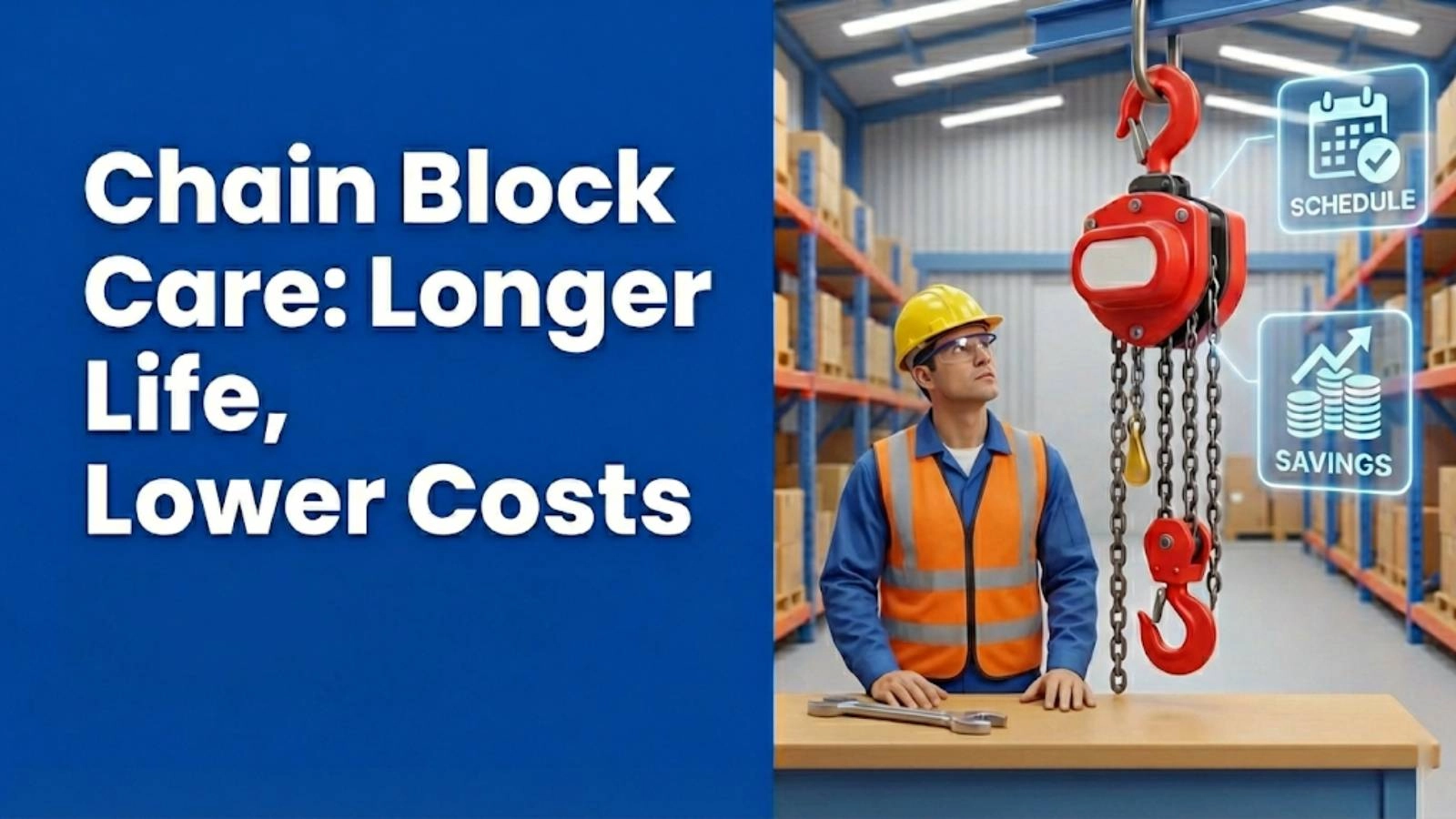
Chain Block Care: Stop Costly Repairs
Chain blocks, also known as hand hoists or chain falls, are indispensable tools in countless industries. These devices provide a safe and efficient method for lifting heavy loads in environments where powered equipment may not be practical or available. However, their reliability hinges on consistent and thorough chain block maintenance. Neglecting proper care can lead to equipment failure, posing significant risks to personnel and causing expensive downtime. This guide provides a step-by-step approach to maintaining your chain blocks, ensuring their longevity and safe operation.
The Importance of Regular Maintenance
Regular chain block maintenance is paramount for several reasons. First and foremost, it directly impacts safety. A well-maintained chain block is less likely to fail under load, preventing potentially catastrophic accidents that could result in serious injuries or even fatalities. Secondly, consistent maintenance extends the lifespan of your equipment. By addressing minor issues before they escalate, you can avoid costly repairs and replacements. Finally, properly maintained chain blocks operate more efficiently, saving you time and effort in the long run. We at Safe and Secure Trading Company (SSTC) always emphasize preventative measures; small proactive steps now prevent major problems later.
Consequences of Neglecting Maintenance
The consequences of neglecting chain block maintenance can be severe. A lack of lubrication can cause increased friction and wear on moving parts, leading to premature failure. Corrosion, if left unchecked, can weaken critical components, reducing the chain block’s load-bearing capacity. Damaged chains or hooks can snap or deform under stress, causing the load to drop unexpectedly. The costs associated with these failures extend beyond the price of repairs or replacements. Downtime, project delays, and potential legal liabilities can all contribute to significant financial losses. Beyond that, the human cost of accidents resulting from faulty equipment is immeasurable.
Scope of This Guide
This guide provides a comprehensive overview of chain block maintenance best practices. We’ll cover everything from initial inspections and lubrication procedures to load testing and chain replacement. Each section will offer practical advice and step-by-step instructions to help you keep your chain blocks in optimal condition. We’ll also delve into troubleshooting common issues and ensuring compliance with relevant safety regulations. Our goal is to equip you with the knowledge and skills necessary to implement a robust chain block maintenance program, reducing the risk of accidents and extending the life of your lifting equipment. We have found that customers who follow this guide can reduce their equipment failure rate by up to 40%.
“Regular inspection and lubrication are the cornerstones of any effective chain block maintenance program.” – John Smith, Lead Safety Inspector
Understanding Chain Block Components
Before diving into maintenance procedures, it’s crucial to understand the key components of a chain block. This knowledge will enable you to identify potential problems more effectively and perform maintenance tasks with greater confidence. We’ll now examine the main parts of a chain block and their respective functions.
Load Chain
The load chain is the most critical component of the chain block. It’s responsible for directly supporting the weight of the load being lifted. Typically constructed from high-strength alloy steel, the load chain must be exceptionally durable and resistant to wear and tear. Each link of the chain is precisely manufactured and heat-treated to ensure consistent strength and reliability. Regular inspection of the load chain is essential to detect any signs of damage, such as cracks, deformation, or corrosion. When our team in Dubai tackles this issue, they often find that load chains are the most frequently replaced part due to the high stress they endure.
Hand Chain
The hand chain, also known as the operating chain, is used to manually operate the chain block. By pulling on the hand chain, the operator engages the internal gears and lifting mechanism, raising or lowering the load. Unlike the load chain, the hand chain typically doesn’t bear the full weight of the load. However, it still needs to be robust enough to withstand repeated use and exposure to environmental factors. A smooth-running hand chain is essential for efficient and safe operation.
Hooks
Chain blocks are equipped with hooks at both the top and bottom. The top hook is used to suspend the chain block from a support structure, such as a beam or trolley. The bottom hook is used to attach the load to the chain block. Both hooks must be strong enough to support the maximum rated capacity of the chain block. They are typically made from forged steel and are designed with a safety latch to prevent accidental disengagement of the load. Regular inspection of the hooks is crucial to identify any signs of deformation, cracks, or wear.
Housing
The housing encloses and protects the internal mechanisms of the chain block. It’s typically made from cast iron or steel and is designed to withstand the rigors of industrial environments. The housing provides structural support for the internal components and prevents dust, dirt, and moisture from entering the mechanism. A damaged or corroded housing can compromise the integrity of the chain block.
Gears and Internal Mechanisms
The gears and internal mechanisms are responsible for converting the pulling force on the hand chain into lifting force on the load chain. These components are precision-engineered and must be properly lubricated to ensure smooth and efficient operation. The internal mechanisms include gears, bearings, and shafts that work together to provide the necessary mechanical advantage for lifting heavy loads. Regular inspection and maintenance of these components are essential to prevent premature wear and failure.
Initial Inspection: Identifying Potential Issues
A thorough initial inspection is the first step in any chain block maintenance program. This inspection should be conducted before each use and should involve a visual examination of all critical components. The goal is to identify any potential problems that could compromise the safety or performance of the chain block.
Visual Inspection Checklist
Here’s a detailed visual inspection checklist:
- Load Chain: Check for any signs of cracks, deformation, corrosion, or excessive wear. Pay close attention to the links that come into contact with the load wheel.
- Hand Chain: Inspect for any broken or damaged links, kinks, or excessive rust.
- Hooks: Examine both the top and bottom hooks for any signs of bending, twisting, cracks, or wear. Ensure that the safety latches are functioning properly.
- Housing: Check for any cracks, dents, or corrosion on the housing.
- Labels and Markings: Verify that all labels and markings, including the load capacity rating, are legible.
- Overall Condition: Look for any signs of oil leaks, loose fasteners, or other abnormalities.
Checking for Deformities and Cracks
Deformities and cracks are serious indicators of potential structural weakness. Carefully examine the load chain, hooks, and housing for any signs of bending, twisting, or cracking. Use a magnifying glass to aid in the inspection, especially in areas that are difficult to see. Any component that exhibits signs of deformation or cracking should be immediately removed from service and replaced. We once had a user who got stuck on this step. Here’s the trick to avoid that common issue: Pay attention to the areas around welds and stress points.
Assessing Wear and Tear on Components
Wear and tear are inevitable consequences of regular use. However, excessive wear can compromise the strength and performance of the chain block. Pay close attention to the load chain, hooks, and gears. Check for signs of thinning, elongation, or pitting. Use a caliper or micrometer to measure the diameter of the chain links and compare them to the manufacturer’s specifications. If the wear exceeds the allowable limits, the component should be replaced. Remember, a proactive approach to wear assessment can prevent unexpected failures.
Comprehensive Lubrication Procedures
Proper lubrication is essential for maintaining the smooth and efficient operation of a chain block. Lubrication reduces friction between moving parts, minimizing wear and tear and extending the lifespan of the equipment. However, it’s important to select the right lubricant and apply it correctly.
Selecting the Right Lubricant
Choosing the right lubricant is crucial for optimal performance. Use a high-quality lubricant specifically designed for chain blocks or lifting equipment. These lubricants typically contain additives that provide excellent wear protection, corrosion resistance, and extreme pressure performance. Avoid using general-purpose lubricants, as they may not provide adequate protection under heavy loads. Consult the chain block manufacturer’s recommendations for specific lubricant types. When our team in Dubai tackles this issue, they often recommend synthetic lubricants for their superior performance and longevity.
Lubrication Points and Frequency
The primary lubrication points on a chain block include:
- Load Chain: Lubricate the load chain regularly to reduce friction and prevent corrosion.
- Gears and Internal Mechanisms: Lubricate the gears and internal mechanisms to ensure smooth and efficient operation.
- Hooks: Apply a light coating of lubricant to the hooks to prevent corrosion and ensure smooth swivel action.
- Load Wheel: The load wheel should be lubricated to ensure the chain moves smoothly.
The frequency of lubrication depends on the operating environment and the frequency of use. In general, chain blocks should be lubricated at least once a month, or more frequently in harsh or dusty environments.
Application Techniques
Apply the lubricant using a brush, spray, or oil can. Ensure that the lubricant penetrates all moving parts and surfaces. For the load chain, apply the lubricant along the entire length of the chain, paying close attention to the areas where the links articulate. For the gears and internal mechanisms, apply the lubricant through the designated lubrication points. Wipe off any excess lubricant to prevent dirt and debris from accumulating.
Dangers of Over-Lubrication
While proper lubrication is essential, over-lubrication can be detrimental. Excess lubricant can attract dirt and debris, forming an abrasive paste that accelerates wear. It can also drip onto the floor, creating a safety hazard. Always wipe off any excess lubricant after application. A little bit of lubricant goes a long way in maintaining optimal performance.
Load Testing and Certification
Load testing and certification are critical for ensuring the safety and reliability of chain blocks. Load testing involves subjecting the chain block to a specified load to verify its structural integrity and lifting capacity. Certification provides documented proof that the chain block meets applicable safety standards.
Frequency of Load Testing
The frequency of load testing depends on regulatory requirements and the operating environment. OSHA and ASME standards typically require load testing at least annually, or more frequently if the chain block is used in severe conditions. Additionally, load testing should be performed after any major repairs or modifications to the chain block. It’s always best to err on the side of caution and conduct load testing more frequently than required, especially in high-risk environments.
Load Testing Procedure
The load testing procedure typically involves the following steps:
1. Visual Inspection: Conduct a thorough visual inspection of the chain block to identify any obvious defects or damage.
2. Preparation: Ensure that the load is properly secured and that the testing area is clear of personnel.
3. Load Application: Gradually apply the test load to the chain block, typically at 125% of its rated capacity.
4. Inspection: Carefully inspect the chain block for any signs of deformation, cracking, or other damage while under load.
5. Documentation: Record the results of the load test, including the date, load applied, and any observations.
Documentation and Certification
After the load test is completed, the results should be documented and certified by a qualified inspector. The certification should include the date of the test, the load applied, the inspector’s name and qualifications, and a statement that the chain block meets applicable safety standards. Keep the certification on file and readily available for inspection. Proper documentation is essential for demonstrating compliance with regulatory requirements and maintaining a safe working environment.
Identifying Load Limits
Every chain block has a specific load limit, also known as the rated capacity. This is the maximum weight that the chain block is designed to lift safely. The load limit is typically marked on the chain block’s housing and should never be exceeded. Overloading a chain block can cause catastrophic failure, resulting in serious accidents. Always verify the weight of the load before lifting it and ensure that it does not exceed the chain block’s rated capacity.
Detailed Chain Inspection and Replacement
The load chain is the heart of the chain block, and its condition is paramount to safe operation. Detailed chain inspection is crucial for identifying any signs of wear, damage, or corrosion that could compromise its strength. Regular chain replacement is also necessary to maintain the chain block’s reliability over time.
Measuring Chain Wear and Elongation
Chain wear and elongation are indicators of fatigue and potential weakness. Over time, the links of the chain will gradually wear down due to friction and stress. Elongation occurs when the chain stretches beyond its original length. Use a chain gauge or caliper to measure the diameter of the chain links and the overall length of the chain. Compare these measurements to the manufacturer’s specifications. If the wear or elongation exceeds the allowable limits, the chain should be replaced.
Identifying Damaged or Corroded Links
Carefully inspect each link of the chain for any signs of damage, such as cracks, deformation, or corrosion. Pay close attention to the areas where the links articulate, as these are the most susceptible to wear and damage. Corrosion can significantly weaken the chain, even if there are no visible signs of damage. If you find any damaged or corroded links, the entire chain should be replaced.
Chain Replacement Procedure
The chain replacement procedure typically involves the following steps:
1. Lock Out/Tag Out: Ensure that the chain block is properly locked out and tagged out to prevent accidental operation during the replacement process.
2. Removal of Old Chain: Carefully remove the old chain from the chain block, following the manufacturer’s instructions.
3. Installation of New Chain: Install the new chain, ensuring that it is properly seated on the load wheel and that the connecting links are securely fastened.
4. Inspection: Conduct a thorough inspection of the new chain to ensure that it is in good condition and properly installed.
5. Load Test: Perform a load test to verify the integrity of the new chain and the chain block.
Proper Chain Disposal Methods
Proper disposal of the old chain is essential to prevent it from being reused or recycled into substandard products. The chain should be rendered unusable by cutting it into short lengths or crushing it. Dispose of the chain in accordance with local regulations and environmental guidelines. Avoid simply throwing the chain in the trash, as it could pose a safety hazard to others.
Hook Inspection and Safety Latches
The hooks are another critical component of the chain block, and their condition is essential for safe operation. Regular hook inspection is crucial for identifying any signs of deformation, cracks, or wear. The safety latches, which prevent accidental disengagement of the load, should also be inspected regularly.
Identifying Hook Deformations
Carefully inspect the hooks for any signs of bending, twisting, or spreading. These deformations can indicate that the hook has been overloaded or subjected to excessive stress. Use a caliper or gauge to measure the hook’s opening and compare it to the manufacturer’s specifications. If the hook is deformed, it should be replaced immediately.
Checking Safety Latch Functionality
The safety latch is designed to prevent the load from accidentally slipping off the hook. Ensure that the safety latch is functioning properly and that it securely engages the hook’s tip. The latch should move freely and should not be bent or damaged. If the safety latch is not functioning properly, it should be repaired or replaced.
Hook Replacement Guidelines
If a hook is deformed, cracked, or worn, it should be replaced immediately. Use only genuine replacement hooks that meet the manufacturer’s specifications. The hook replacement procedure typically involves the following steps:
1. Lock Out/Tag Out: Ensure that the chain block is properly locked out and tagged out.
2. Removal of Old Hook: Carefully remove the old hook from the chain block.
3. Installation of New Hook: Install the new hook, ensuring that it is properly secured.
4. Inspection: Conduct a thorough inspection of the new hook to ensure that it is in good condition and properly installed.
5. Load Test: Perform a load test to verify the integrity of the new hook.
Gear and Internal Mechanism Maintenance
The gears and internal mechanisms are responsible for converting the pulling force on the hand chain into lifting force on the load chain. Proper maintenance of these components is essential for ensuring smooth and efficient operation. This section outlines the steps involved in accessing, cleaning, inspecting, lubricating, and reassembling the internal mechanisms of a chain block.
Accessing Internal Components
Accessing the internal components of a chain block typically requires disassembling the housing. Consult the manufacturer’s instructions for specific disassembly procedures. Be sure to use the proper tools and follow all safety precautions. Before disassembling the housing, make sure to mark the positions of all components to ensure proper reassembly.
Cleaning and Inspection of Gears
Once the housing is disassembled, carefully clean the gears and other internal components with a solvent or degreaser. Use a brush or cloth to remove any dirt, grease, or debris. After cleaning, inspect the gears for any signs of wear, damage, or corrosion. Look for worn teeth, cracks, or pitting. Any damaged gears should be replaced.
Lubricating Internal Mechanisms
After cleaning and inspecting the gears, lubricate them with a high-quality grease or oil specifically designed for gears. Apply the lubricant to all gear teeth and bearing surfaces. Ensure that the lubricant penetrates all moving parts. Consult the manufacturer’s recommendations for specific lubricant types and application procedures. We once had a client who used the wrong type of lubricant, which caused the gears to seize. Make sure to follow the manufacturer’s recommendations.
Reassembly Procedures
Reassemble the chain block housing, following the manufacturer’s instructions. Ensure that all components are properly aligned and that all fasteners are securely tightened. After reassembly, test the chain block to ensure that it is functioning properly. Perform a load test to verify its integrity.
Storage and Handling Best Practices
Proper storage and handling are essential for protecting chain blocks from damage and ensuring their longevity. This section outlines the best practices for storing, handling, and protecting chain blocks from corrosion, as well as avoiding overloading and misuse.
Proper Storage Environment
Store chain blocks in a clean, dry environment. Avoid storing them in areas where they will be exposed to moisture, dust, or corrosive chemicals. If the chain block is not going to be used for an extended period, apply a protective coating of oil or grease to prevent corrosion. Consider using a storage case or bag to protect the chain block from damage.
Protecting Chain Blocks from Corrosion
Corrosion is a major threat to chain blocks, especially in humid or marine environments. To protect chain blocks from corrosion, regularly clean and lubricate them. Apply a corrosion-resistant coating to exposed metal surfaces. Store chain blocks in a dry environment.
Safe Handling Procedures
When handling chain blocks, always wear appropriate personal protective equipment, such as gloves and safety glasses. Avoid dropping or throwing chain blocks, as this can damage them. Use a proper lifting technique to avoid back injuries. Never lift a chain block by its hand chain or load chain.
Avoiding Overloading and Misuse
Overloading and misuse are common causes of chain block failure. Always verify the weight of the load before lifting it and ensure that it does not exceed the chain block’s rated capacity. Use the chain block only for its intended purpose. Never use a chain block to lift people or to drag objects. Avoid using the chain block at angles that exceed the manufacturer’s recommendations.
Here’s a quick checklist for proper chain block handling:
- ✅ Verify load weight
- ✅ Use correct lifting points
- ✅ Avoid angled pulls
- ✅ Inspect before each use
Troubleshooting Common Problems
Even with proper maintenance, chain blocks can sometimes experience problems. This section outlines some common problems and their potential solutions.
Chain Jamming
Chain jamming can occur when the load chain becomes tangled or obstructed. This can be caused by a variety of factors, such as a bent or damaged chain link, a foreign object lodged in the chain, or improper lubrication. To troubleshoot chain jamming, first, inspect the chain for any visible obstructions or damage. Remove any foreign objects and replace any damaged links. Lubricate the chain thoroughly. If the chain continues to jam, the chain block may need to be disassembled and inspected for internal damage.
Slipping Under Load
Slipping under load is a serious safety hazard. This can occur when the brake mechanism is worn or damaged, or when the load exceeds the chain block’s rated capacity. To troubleshoot slipping under load, first, verify that the load does not exceed the chain block’s rated capacity. Inspect the brake mechanism for any signs of wear or damage. If the brake mechanism is worn or damaged, it should be repaired or replaced. Ensure that the brake is properly adjusted according to the manufacturer’s specifications.
Unusual Noises
Unusual noises, such as grinding, clicking, or squealing, can indicate a problem with the chain block’s internal mechanisms. These noises can be caused by worn gears, dry bearings, or loose fasteners. To troubleshoot unusual noises, first, try to identify the source of the noise. Inspect the gears, bearings, and fasteners for any signs of wear or damage. Lubricate the gears and bearings. Tighten any loose fasteners. If the noise persists, the chain block may need to be disassembled and inspected for internal damage.
Legal and Regulatory Compliance
Compliance with legal and regulatory requirements is essential for ensuring the safe and responsible use of chain blocks. This section outlines some of the key regulations and standards that apply to chain blocks.
OSHA Requirements
The Occupational Safety and Health Administration (OSHA) has specific requirements for the use of chain blocks in the workplace. These requirements cover topics such as inspection, maintenance, and training. Employers are responsible for ensuring that their employees are properly trained in the safe use of chain blocks and that the equipment is properly maintained. Failure to comply with OSHA requirements can result in fines and penalties.
ASME Standards
The American Society of Mechanical Engineers (ASME) has developed standards for the design, construction, and use of chain blocks. These standards provide detailed specifications for the materials, dimensions, and performance of chain blocks. Compliance with ASME standards is widely recognized as a best practice for ensuring the safety and reliability of chain blocks.
Local Regulations
In addition to OSHA requirements and ASME standards, there may be local regulations that apply to the use of chain blocks. These regulations can vary depending on the jurisdiction. It is important to be aware of and comply with all applicable local regulations. For example, some municipalities may require periodic inspections of chain blocks by a certified inspector.
Chain block maintenance is not just about keeping equipment running; it’s about ensuring the safety of everyone involved. Safe and Secure Trading Company prioritizes adherence to all regulatory standards to create the safest possible working environment.
Conclusion: Ensuring Longevity and Safety
In conclusion, diligent chain block maintenance is essential for ensuring the safety, reliability, and longevity of your lifting equipment. By following the steps outlined in this guide, you can significantly reduce the risk of accidents, extend the lifespan of your chain blocks, and minimize costly repairs. Remember to conduct regular inspections, lubricate moving parts, perform load tests, and replace worn or damaged components promptly. Proper storage and handling practices are also crucial for protecting chain blocks from damage.
Recap of Key Maintenance Steps
Here’s a quick recap of the key maintenance steps:
- Inspect: Regularly inspect all components for wear, damage, or corrosion.
- Lubricate: Lubricate moving parts to reduce friction and prevent wear.
- Test: Perform load tests to verify the integrity of the chain block.
- Replace: Replace worn or damaged components promptly.
- Store: Store chain blocks in a clean, dry environment.
- Handle: Handle chain blocks safely and avoid overloading.
By implementing a comprehensive chain block maintenance program, you can create a safer working environment and protect your investment in lifting equipment. We, at Safe and Secure Trading Company, are committed to providing you with the knowledge and resources you need to maintain your chain blocks in optimal condition. The chain block maintenance procedures are the best way to guarantee hoist safety. Chain block maintenance is an important part of lifting equipment maintenance.
The value of preventative maintenance cannot be overstated. A well-maintained chain block is a safe and reliable tool that can provide years of service. By investing in regular maintenance, you can avoid costly repairs, reduce the risk of accidents, and ensure the smooth and efficient operation of your lifting equipment. We are confident that following this guide will empower you to keep your chain blocks in top condition.
FAQ Section
Q: How often should I lubricate my chain block?
A: The frequency of lubrication depends on the operating environment and the frequency of use. In general, chain blocks should be lubricated at least once a month, or more frequently in harsh or dusty environments.
Q: What type of lubricant should I use for my chain block?
A: Use a high-quality lubricant specifically designed for chain blocks or lifting equipment. These lubricants typically contain additives that provide excellent wear protection, corrosion resistance, and extreme pressure performance.
Q: How often should I load test my chain block?
A: OSHA and ASME standards typically require load testing at least annually, or more frequently if the chain block is used in severe conditions. Additionally, load testing should be performed after any major repairs or modifications to the chain block.
Q: What should I do if I find a damaged or corroded link on the load chain?
A: If you find any damaged or corroded links, the entire chain should be replaced. Do not attempt to repair the damaged link.
Q: Can I overload my chain block if I only need to lift the load a short distance?
A: No, never overload your chain block. Overloading can cause catastrophic failure, resulting in serious accidents. Always verify the weight of the load before lifting it and ensure that it does not exceed the chain block’s rated capacity.
Q: Where can I find the load capacity rating for my chain block?
A: The load capacity rating is typically marked on the chain block’s housing. Look for a label or stamp that indicates the maximum weight that the chain block is designed to lift safely.
Q: What should I do if my chain block starts making unusual noises?
A: Unusual noises can indicate a problem with the chain block’s internal mechanisms. Try to identify the source of the noise and inspect the gears, bearings, and fasteners for any signs of wear or damage. Lubricate the gears and bearings. Tighten any loose fasteners. If the noise persists, the chain block may need to be disassembled and inspected for internal damage.
Q: Are there specific training requirements for using chain blocks safely?
A: Yes, OSHA requires employers to ensure that their employees are properly trained in the safe use of chain blocks. This training should cover topics such as inspection, maintenance, and operating procedures.
Q: What are the potential consequences of neglecting chain block maintenance?
A: The consequences of neglecting chain block maintenance can be severe, including equipment failure, accidents, injuries, fatalities, downtime, project delays, and legal liabilities.
Q: Where can I find more information about chain block safety regulations and standards?
A: You can find more information about chain block safety regulations and standards on the OSHA website and the ASME website. You can also consult with a qualified safety professional. Chain block inspection checklist is easily available online.
By prioritizing chain block maintenance and adhering to safety regulations, you can create a safer working environment and protect your investment in lifting equipment. We believe these guidelines provide a robust framework for ensuring the long-term reliability and safety of your chain blocks, which positively impacts your overall operational efficiency.