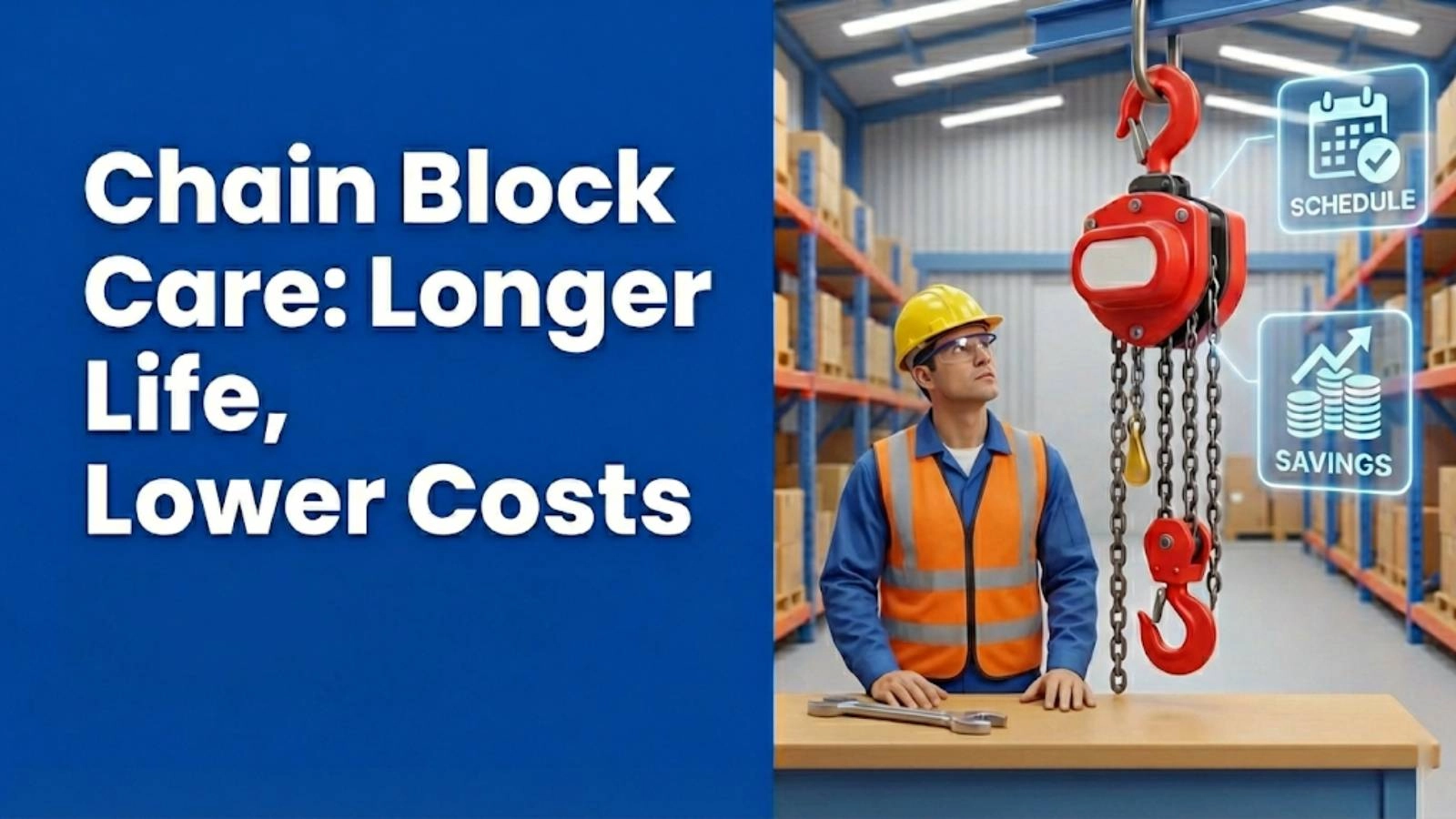
Chain blocks are indispensable tools in numerous industries, providing a reliable and efficient means of lifting heavy loads. From construction sites to manufacturing plants, these devices play a critical role in ensuring smooth and safe operations. However, the effectiveness and longevity of a chain block heavily rely on proper maintenance. Neglecting chain block maintenance can lead to a cascade of problems, jeopardizing not only the equipment itself but also the safety of personnel.
Ignoring the upkeep of a chain block can result in several serious consequences. Safety hazards are a primary concern, as a poorly maintained block is prone to sudden failures, potentially causing severe injuries or even fatalities. Equipment failure is another significant risk, leading to costly downtime and project delays. Moreover, seemingly minor issues, if left unaddressed, can quickly escalate into major repairs, resulting in significant financial burdens. Therefore, understanding and implementing proper chain block maintenance practices is not just a matter of best practice; it’s a necessity for ensuring a safe and efficient working environment.
Proper chain block maintenance is crucial for safety, efficiency, and extending equipment lifespan, and avoiding common mistakes is key. This comprehensive guide will walk you through the most common errors in chain block upkeep and provide practical advice on how to avoid them, ensuring your equipment remains in optimal condition for years to come. Our experience at Safe and Secure Trading Company (SSTC) has shown us that a proactive approach to maintenance is the best defense against unexpected failures and costly repairs.
Mistake #1: Ignoring the Manufacturer’s Manual
One of the most fundamental yet frequently overlooked errors in chain block maintenance is neglecting the manufacturer’s manual. Each chain block model is designed with specific features and operational parameters, and the manufacturer’s manual provides critical information tailored to that particular design. This manual isn’t just a piece of paper; it’s a comprehensive guide to the safe and effective use and maintenance of your equipment.
Failing to consult the manufacturer’s manual can lead to several problems. Different chain blocks may require specific lubricants, have unique inspection points, or necessitate particular maintenance procedures. Without this knowledge, you risk using incorrect methods or materials, potentially causing damage to the equipment and voiding any warranties. We’ve seen firsthand how this simple oversight can lead to premature wear and tear, reducing the chain block’s overall lifespan.
To avoid this mistake, always prioritize reading and understanding the manufacturer’s manual before using or attempting any maintenance on your chain block. Take the time to familiarize yourself with the recommended procedures, specifications, and safety guidelines. This proactive step will ensure you’re equipped with the necessary knowledge to maintain your equipment effectively.
Locating the manufacturer’s manual is typically straightforward. It should be included with the product upon purchase. However, if you’ve misplaced the physical copy, most manufacturers offer digital versions on their websites. Simply search for the model number of your chain block on the manufacturer’s site, and you should be able to download a PDF version of the manual. Alternatively, you can contact the manufacturer directly, and they will usually provide you with a copy. Our team in Dubai often helps clients source these manuals when they’ve been lost.
Mistake #2: Infrequent Inspections
Another critical error in chain block maintenance is failing to conduct regular inspections. Chain blocks are subjected to considerable stress during lifting operations, and small issues can quickly escalate into major problems if left unchecked. Infrequent inspections can lead to undetected wear, damage, or corrosion, ultimately compromising the safety and reliability of the equipment.
The importance of a regular inspection schedule cannot be overstated. Daily inspections should focus on a quick visual check for any obvious damage or abnormalities before each use. Weekly inspections can involve a more thorough examination of critical components, such as the chain, hooks, and gears. Monthly and annual inspections should be even more comprehensive, including detailed assessments of wear, lubrication, and overall functionality.
During these inspections, there are several key areas to focus on. Check for any signs of wear on the chain, such as stretching, kinking, or corrosion. Examine the hooks for cracks, deformation, or damage to the safety latch. Inspect the gears for excessive wear, broken teeth, or contamination. Ensure that all lubrication points are properly greased and that there are no signs of leaks or damage to seals.
To avoid the pitfalls of infrequent inspections, implement a well-defined inspection schedule that aligns with the manufacturer’s recommendations and the frequency of chain block use. This schedule should outline the specific inspection tasks, the frequency of each task, and the criteria for determining whether a component needs repair or replacement. Keeping detailed records of these inspections is also crucial for tracking trends and identifying potential issues before they become major problems.
Mistake #3: Improper Lubrication Practices
Proper lubrication is essential for the smooth and efficient operation of a chain block. However, improper lubrication practices, such as using the wrong lubricant or not lubricating frequently enough, can lead to significant problems. Without adequate lubrication, friction between moving parts increases, leading to accelerated wear, overheating, and potential seizure of the mechanism.
Using the wrong type of lubricant can be just as detrimental as neglecting lubrication altogether. Different chain block components may require specific types of lubricants to ensure optimal performance and protection. For example, the chain may require a penetrating oil to reduce friction and prevent corrosion, while the gears may benefit from a thicker grease to provide long-lasting lubrication and protection against wear. Always refer to the manufacturer’s manual for the recommended lubricant types for your specific chain block model.
To avoid these issues, adhere to the manufacturer-recommended lubricant and lubrication schedule. This schedule will specify the type of lubricant to use, the frequency of lubrication, and the specific lubrication points on the chain block. Regularly inspect the lubrication points to ensure they are properly greased and that there are no signs of leaks or contamination.
There are several types of lubricants commonly used in chain block maintenance, each with its specific applications. Oil is often used for lubricating chains and other moving parts that require a low-viscosity lubricant. Grease is typically used for gears, bearings, and other high-load components that require a thicker lubricant to provide long-lasting protection. Some manufacturers may also recommend specialized lubricants with additives that enhance performance or provide additional protection against corrosion or extreme temperatures.
Mistake #4: Overloading the Chain Block
Overloading a chain block is one of the most dangerous mistakes you can make. Exceeding the weight limit can cause immediate failure of the equipment, leading to severe accidents, injuries, and even fatalities. Chain blocks are designed with a specific rated capacity, which is the maximum weight they can safely lift. Exceeding this capacity puts undue stress on the components, increasing the risk of catastrophic failure.
To avoid overloading, always know the weight of the load and ensure it’s within the chain block’s rated capacity. Before lifting any load, use a calibrated weighing device to determine its exact weight. Compare this weight to the chain block’s rated capacity, which is typically marked on the equipment. If the load exceeds the rated capacity, use a chain block with a higher capacity or find an alternative lifting method.
The consequences of overloading can be severe. Chain stretching is a common result, as the excessive weight causes the chain links to elongate and weaken. Hook damage is another potential outcome, as the hooks can bend, crack, or even break under excessive stress. Gear failure is also a risk, as the gears can strip, break, or seize under the increased load. These types of damage not only compromise the safety of the chain block but also require costly repairs or replacements.
“Always double-check the load weight and the chain block’s capacity before each lift. It’s a simple step that can prevent serious accidents.” – John Smith, Lead Safety Inspector
Mistake #5: Neglecting Chain Maintenance
The chain is arguably the most critical component of a chain block, as it bears the entire load during lifting operations. Neglecting chain maintenance can lead to damage, corrosion, and ultimately, failure of the entire lifting system. A damaged or corroded chain compromises the safety and reliability of the chain block, increasing the risk of accidents and injuries.
To avoid these risks, regularly clean and inspect the chain for wear, kinks, and corrosion. Cleaning the chain removes dirt, debris, and contaminants that can accelerate wear and corrosion. Inspection involves a thorough examination of each chain link for signs of stretching, bending, cracking, or corrosion. Kinks in the chain can cause stress concentrations and weaken the overall structure.
Chain maintenance involves several key steps. First, clean the chain using a suitable solvent or degreaser to remove dirt and grime. Next, lubricate the chain with a manufacturer-recommended lubricant to reduce friction and prevent corrosion. Finally, inspect the chain for any signs of damage or wear. If you detect any issues, such as excessive stretching, kinks, or corrosion, replace the chain immediately.
- Checklist for Chain Maintenance:
✅ Clean the chain with a solvent.
✅ Lubricate the chain with the correct lubricant.
✅ Inspect for wear, kinks, and corrosion.
✅ Replace the chain if any damage is found.
Mistake #6: Incorrect Storage of Chain Blocks
The way you store your chain blocks when they are not in use can significantly impact their lifespan and performance. Incorrect storage can lead to corrosion, damage, and reduced lifespan, ultimately costing you time and money. Exposing chain blocks to harsh environmental conditions, such as extreme temperatures, humidity, or direct sunlight, can accelerate wear and degradation.
To avoid these problems, store chain blocks in a clean, dry environment away from extreme temperatures and direct sunlight. Moisture can cause corrosion, while extreme temperatures can damage seals and lubricants. Direct sunlight can also degrade rubber components and cause lubricants to break down. A well-ventilated storage area with consistent temperature and humidity is ideal.
Best practices for storage include hanging the block to prevent the chain from dragging on the ground and accumulating dirt and debris. Covering the block with a protective tarp or cover can further shield it from dust, moisture, and sunlight. Periodically check the stored chain blocks to ensure they are in good condition and free from any signs of corrosion or damage.
Mistake #7: Attempting Repairs Without Proper Training
Chain blocks are complex mechanical devices that require specialized knowledge and skills to repair properly. Attempting repairs without proper training can introduce new problems and compromise safety. Inexperienced repairs can lead to improperly installed components, incorrect adjustments, and ultimately, a chain block that is unsafe to use.
To avoid this mistake, only allow trained and qualified personnel to perform repairs. These individuals have the necessary expertise to diagnose problems accurately, perform repairs correctly, and ensure that the chain block is returned to its original factory specifications. Attempting to fix complex issues without the right knowledge can be dangerous and costly in the long run.
There are certain situations when seeking professional help is always the best course of action. Complex repairs involving internal components, such as gears, bearings, or brakes, should always be entrusted to qualified technicians. Structural damage, such as bent frames or cracked hooks, also requires professional attention. Additionally, if you are unsure about any aspect of the repair process, it’s always best to err on the side of caution and seek expert assistance. Our SSTC certified technicians are always available to provide guidance and support.
Mistake #8: Not Keeping Records of Maintenance
Maintaining detailed records of all chain block maintenance activities is crucial for tracking performance, identifying trends, and planning for replacements. Not keeping records of maintenance makes it difficult to track maintenance, identify trends, and plan for replacements. Without these records, it’s challenging to assess the effectiveness of your maintenance program and identify potential issues before they become major problems.
To avoid this mistake, maintain detailed records of all inspections, lubrication, repairs, and replacements. These records should include the date of each activity, the specific tasks performed, the parts replaced, and any observations or recommendations made by the maintenance personnel. This information provides a valuable historical overview of the chain block’s performance and maintenance history.
The benefits of record-keeping are numerous. Improved safety is a primary advantage, as detailed records help identify potential safety hazards and ensure that all safety-critical components are properly maintained. Better maintenance planning is another benefit, as records allow you to track the frequency of repairs and identify components that may need to be replaced on a regular basis. Compliance with regulations is also facilitated by accurate record-keeping, as many jurisdictions require documentation of maintenance activities for lifting equipment.
| Record Type |
Information to Include |
Benefits |
| Inspection Records |
Date, inspector’s name, inspection findings, corrective actions taken |
Identifies potential safety hazards, tracks wear and tear |
| Lubrication Records |
Date, lubricant type, lubrication points, quantity used |
Ensures proper lubrication, prevents premature wear |
| Repair Records |
Date, repair description, parts replaced, technician’s name |
Tracks repair history, identifies recurring issues |
| Replacement Records |
Date, component replaced, reason for replacement, new component details |
Tracks component lifespan, aids in replacement planning |
Troubleshooting Common Chain Block Issues
Even with diligent maintenance, chain blocks can occasionally experience issues. Here are some common problems and their potential solutions:
Possible causes: Worn chain, contaminated gears, or overload.
Troubleshooting steps: Inspect the chain for wear or damage, clean the gears to remove any contaminants, and verify that the load is within the chain block’s rated capacity. If the chain is worn, replace it. If the gears are heavily contaminated, consider disassembling and thoroughly cleaning them.
- Issue 2: Difficulty Lifting
Possible causes: Lack of lubrication, damaged gears, or internal friction.
Troubleshooting steps: Lubricate the mechanism according to the manufacturer’s recommendations. Inspect the gears for damage, such as broken teeth or excessive wear. Check for any internal obstructions or friction that may be impeding movement. We once had a client whose chain block was difficult to lift due to a small pebble lodged in the gear mechanism.
Possible causes: Kinked chain, damaged sprockets, or worn bearings.
Troubleshooting steps: Straighten the chain to remove any kinks. Inspect the sprockets for damage or wear. Replace the bearings if they are worn or damaged. Jerky movement can also be caused by uneven load distribution, so ensure the load is properly balanced.
Conclusion: Ensuring a Long and Safe Service Life
In conclusion, proper chain block maintenance is not just a recommendation; it’s a necessity for ensuring the safety, efficiency, and longevity of your lifting equipment. By avoiding common mistakes such as ignoring the manufacturer’s manual, neglecting inspections, using improper lubrication, overloading the block, neglecting chain maintenance, storing the block incorrectly, attempting repairs without training, and failing to keep records, you can significantly extend the lifespan of your chain blocks and minimize the risk of accidents.
Remember, a proactive approach to chain block maintenance is always the best strategy. Regular inspections, proper lubrication, and adherence to manufacturer’s recommendations are essential for keeping your equipment in optimal condition. By following the tips and guidelines outlined in this article, you can ensure that your chain blocks continue to provide reliable and safe service for years to come. We are confident that implementing these practices will result in a safer and more efficient working environment for your team.
FAQ Section
Q: How often should I inspect my chain block?
A: Inspections should be performed daily, weekly, monthly, and annually, depending on the intensity of use. Daily inspections are quick visual checks, while annual inspections are more thorough and detailed.
Q: What type of lubricant should I use for my chain block?
A: Always refer to the manufacturer’s manual for the recommended lubricant type. Generally, penetrating oil is used for the chain, while grease is used for gears and bearings.
Q: How do I know if my chain block is overloaded?
A: Always know the weight of the load and compare it to the chain block’s rated capacity, which is marked on the equipment. If the load exceeds the rated capacity, do not attempt to lift it.
Q: What are the signs of a worn or damaged chain?
A: Look for signs of stretching, kinking, corrosion, or cracks in the chain links. If you notice any of these issues, replace the chain immediately.
Q: Can I repair a damaged chain block myself?
A: Only trained and qualified personnel should perform repairs on chain blocks. Attempting repairs without proper training can be dangerous and may void the warranty.
Q: How should I store my chain block when it’s not in use?
A: Store chain blocks in a clean, dry environment away from extreme temperatures and direct sunlight. Hanging the block and covering it with a protective tarp can further protect it from damage.
Q: What should I do if my chain block is difficult to lift?
A: Check for lack of lubrication, damaged gears, or internal friction. Lubricate the mechanism, inspect the gears, and check for any obstructions that may be impeding movement.
Q: Why is record-keeping important for chain block maintenance?
A: Record-keeping helps track maintenance activities, identify trends, and plan for replacements. It also improves safety, facilitates better maintenance planning, and ensures compliance with regulations.