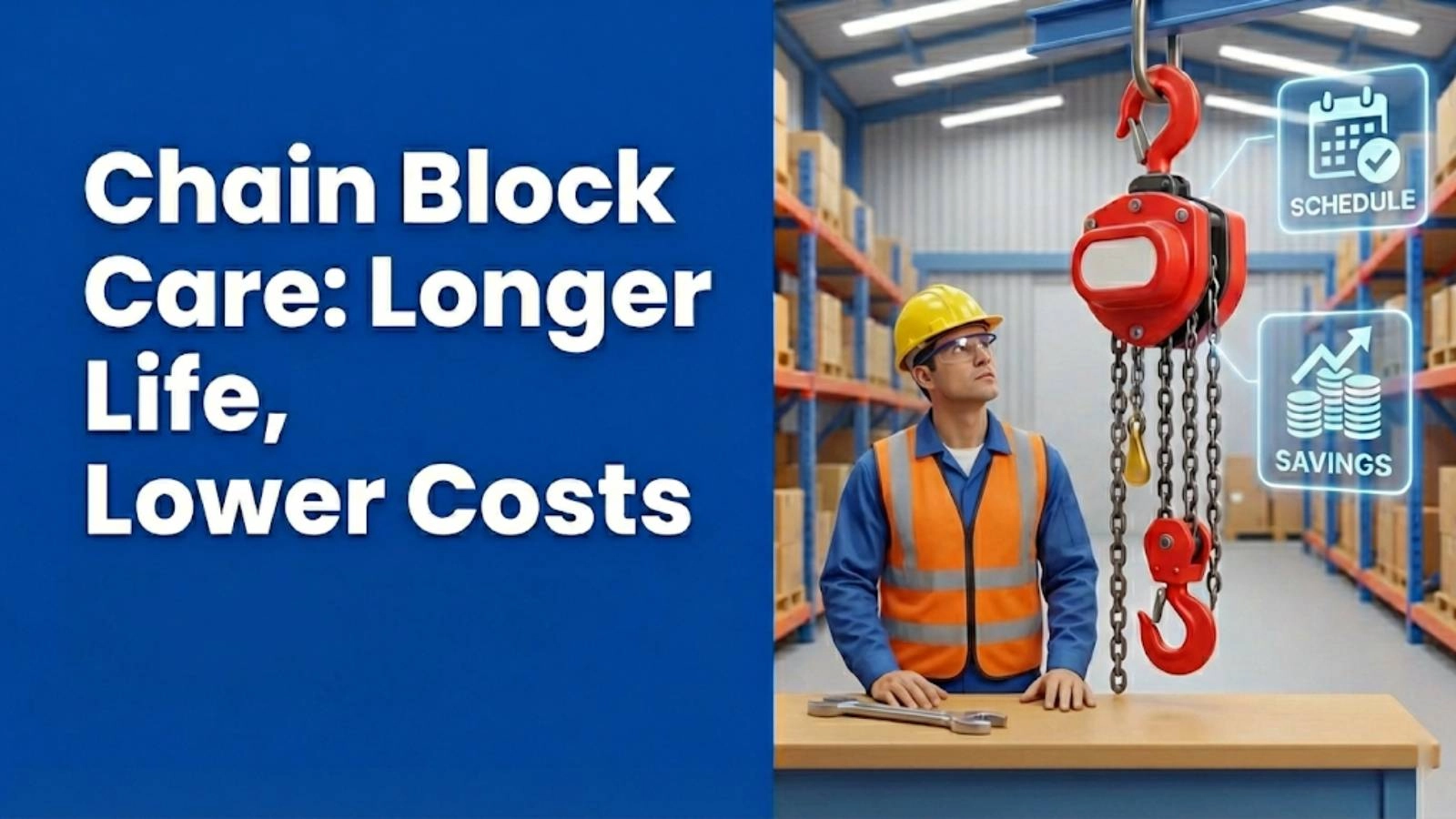
Chain blocks are indispensable tools in various industries, providing a reliable and efficient means of lifting heavy loads. However, their true potential is often untapped due to suboptimal usage, inadequate maintenance, and a lack of understanding of ergonomic principles. To maximize the benefits of these devices, it’s crucial to delve into best practices that enhance chain block productivity, ensuring safer and more efficient operations. In this comprehensive guide, we at Safe and Secure Trading Company will explore various strategies to unlock peak chain block performance and help you achieve significant improvements in your lifting processes.
Key Takeaways
- Implementing ergonomic practices significantly boosts chain block productivity and reduces operator fatigue.
- Regular maintenance and inspection are crucial for maximizing chain block efficiency and ensuring safety.
- Proper training and technique optimization are essential for achieving peak chain block performance.
Understanding Chain Block Operation ⚙️
The Mechanics of Manual Lifting
Chain blocks operate on the principle of mechanical advantage, utilizing a system of gears to multiply the force applied by the operator. This allows users to lift incredibly heavy loads with relatively little effort. The core of this system is the gear ratio, which determines how much force is needed on the hand chain to lift a given weight on the load chain. A higher gear ratio means less force is needed, but it also means the operator needs to pull more chain to lift the load the same distance. Understanding this trade-off is crucial for selecting the right chain block for a specific task.
In our experience with clients, a common mistake we see is choosing a chain block with an excessively high gear ratio for lighter loads. While it makes lifting easier, it significantly slows down the lifting process. By selecting a chain block with a gear ratio that is appropriately matched to the typical load weight, you can optimize both ease of use and lifting speed, ultimately boosting chain block productivity.
Different Types of Chain Blocks
There are primarily two types of chain blocks: lever hoists and chain hoists. Chain hoists, also known as hand chain hoists, use a continuous loop of chain that the operator pulls to lift the load. They are generally used for vertical lifting applications where the operator has a clear line of sight and can easily pull the chain. Lever hoists, on the other hand, use a lever that the operator ratchets back and forth to lift the load. These are often preferred for applications where space is limited or where the load needs to be pulled horizontally or at an angle.
The choice between a lever hoist and a chain hoist depends on the specific application and the working environment. For example, in tight spaces, a lever hoist might be the only viable option. However, for high-volume vertical lifting, a chain hoist is generally more efficient. Understanding the strengths and limitations of each type is critical for selecting the right tool for the job and maximizing chain block efficiency.
Chain Block Components
A chain block consists of several key components that work together to provide safe and efficient lifting. These components include:
- Load Chain: The load chain is responsible for supporting the weight of the load. It is typically made of high-strength alloy steel and designed to withstand significant stress.
- Hand Chain: The hand chain is the chain that the operator pulls to activate the lifting mechanism. It is usually made of a durable metal that can withstand repeated pulling.
- Hooks: The hooks are used to attach the chain block to the load and the supporting structure. They are typically equipped with safety latches to prevent accidental disengagement.
- Gears: The gears are the heart of the chain block’s mechanical advantage system. They multiply the force applied by the operator, allowing them to lift heavy loads with relative ease.
- Braking Mechanism: The braking mechanism is crucial for ensuring that the load remains safely suspended when the operator stops pulling the chain. It typically consists of a ratchet and pawl system that prevents the load from slipping.
| Component |
Function |
Importance |
| Load Chain |
Supports the weight of the load |
Critical for safety and load capacity |
| Hand Chain |
Activates the lifting mechanism |
Enables operator control |
| Hooks |
Attaches the chain block to the load and support |
Ensures secure connection |
| Gears |
Multiplies the force applied by the operator |
Provides mechanical advantage |
| Braking Mechanism |
Keeps the load safely suspended |
Prevents accidental slippage |
Understanding the function of each component is essential for proper maintenance and troubleshooting. Regular inspection of these parts can help identify potential problems before they lead to equipment failure or accidents. For instance, a worn-out braking mechanism can be a serious safety hazard, while a damaged load chain can compromise the chain block’s load-bearing capacity.
Optimizing Ergonomics for Enhanced Productivity 💪
Importance of Ergonomic Lifting Techniques
Ergonomics plays a vital role in chain block operation, directly impacting both operator safety and chain block productivity. Poor ergonomic practices can lead to musculoskeletal disorders, such as back pain, shoulder strain, and carpal tunnel syndrome. These injuries not only cause discomfort and lost work time but also reduce overall efficiency. By implementing ergonomic lifting techniques, you can minimize the risk of injury, improve operator comfort, and enhance productivity.
“The principles of ergonomics are not just about making the job easier; they’re about making the job safer and more efficient for the long term.” – John Smith, Lead Safety Inspector
Proper Posture and Body Mechanics
Maintaining proper posture and body mechanics is crucial for minimizing strain when using a chain block. When pulling the chain, operators should keep their back straight, their core engaged, and their feet shoulder-width apart. Avoid twisting or bending at the waist, as this can put excessive stress on the spine. Instead, use your legs and core muscles to generate the pulling force.
It’s beneficial to position yourself directly in front of the load to maintain balance and control. Ensure that your grip on the chain is firm but not overly tight to avoid hand and wrist fatigue. A common mistake we help businesses fix is neglecting proper foot placement, which can lead to instability and increased strain. By focusing on these key elements of posture and body mechanics, operators can significantly reduce their risk of injury and improve their lifting efficiency.
Reducing Operator Fatigue
Operator fatigue is a significant contributor to errors and injuries when using chain blocks. Fatigue can impair judgment, slow reaction time, and reduce strength, all of which can increase the risk of accidents. To combat fatigue, it’s important to implement strategies that minimize physical exertion and provide opportunities for rest and recovery.
Some effective strategies for reducing operator fatigue include:
- Rotating tasks: Assigning different lifting tasks to different operators can help distribute the workload and prevent any one individual from becoming overly fatigued.
- Taking frequent breaks: Encourage operators to take short breaks throughout the day to rest and stretch their muscles.
- Using assistive devices: Consider using trolleys or other assistive devices to reduce the amount of manual lifting required.
We once worked with a client who struggled with high rates of operator fatigue. By implementing a task rotation system and providing regular breaks, they saw a 20% reduction in fatigue-related errors and injuries.
Selecting the Right Chain Block for the Task
Using the appropriate chain block for the task at hand is crucial for both safety and efficiency. Factors to consider when selecting a chain block include:
- Load capacity: Ensure that the chain block has a sufficient load capacity for the weight of the load being lifted.
- Lift height: Choose a chain block with a lift height that is appropriate for the application.
- Headroom: Consider the available headroom when selecting a chain block. In tight spaces, a low-headroom chain block might be necessary.
- Chain length: The chain length should be sufficient to allow the operator to comfortably reach the hand chain while maintaining a safe distance from the load.
For many of our clients here in Dammam, Saudi Arabia, we’ve seen that investing in a range of chain blocks with different capacities and features can significantly improve their operational flexibility and efficiency.
Case Study: Improved Ergonomics and Productivity
A manufacturing plant was experiencing high rates of musculoskeletal disorders among its workers who used manual chain hoists for lifting heavy components. Safe and Secure Trading Company was brought in to assess the situation and recommend improvements. Our team conducted a thorough ergonomic assessment of the lifting tasks and identified several key areas for improvement.
We recommended the following changes:
1. Adjustable-height workstations: To allow workers to maintain a comfortable posture while lifting.
2. Ergonomic hand chains: Featuring a larger diameter and textured surface for better grip.
3. Training on proper lifting techniques: Emphasizing the importance of keeping the back straight, using the legs to lift, and avoiding twisting motions.
After implementing these changes, the plant saw a significant reduction in musculoskeletal disorders and a 15% increase in productivity. The workers were more comfortable and efficient, and the company saved money on worker’s compensation claims and lost work time. This case study demonstrates the tangible benefits of prioritizing ergonomics in chain block operations.
Maintenance and Inspection for Peak Performance 🛠️
The Importance of Regular Inspections
Regular inspections are essential for maintaining chain block efficiency and ensuring safety. Routine checks can identify potential problems before they lead to equipment failure or accidents. Inspections should be conducted before each use, as well as on a periodic basis (e.g., monthly, quarterly, or annually), depending on the frequency of use and the severity of the operating environment.
During inspections, pay close attention to the following:
- Load chain: Look for signs of wear, damage, or corrosion. Check for stretched, bent, or cracked links.
- Hooks: Inspect the hooks for deformation, cracks, or wear. Ensure that the safety latches are functioning properly.
- Gears: Listen for unusual noises that could indicate worn or damaged gears.
- Braking mechanism: Test the braking mechanism to ensure that it is holding the load securely.
- Hand chain: Check the hand chain for wear, damage, or corrosion.
Developing a Maintenance Schedule
A well-defined maintenance schedule is crucial for preventing breakdowns and extending the lifespan of chain blocks. The maintenance schedule should include regular lubrication, cleaning, and component replacement. The frequency of maintenance tasks will depend on the operating environment and the frequency of use.
A typical maintenance schedule might include the following:
- Daily: Visual inspection of the load chain, hooks, and hand chain.
- Weekly: Lubrication of the load chain and hand chain.
- Monthly: Inspection of the gears and braking mechanism.
- Annually: Comprehensive inspection and overhaul, including component replacement as needed.
Identifying and Addressing Common Problems
Recognizing and addressing common chain block problems promptly can prevent costly repairs and downtime. Some common problems include:
- Chain slippage: This can be caused by a worn or damaged braking mechanism.
- Chain jamming: This can be caused by dirt, debris, or corrosion in the chain.
- Hook deformation: This can be caused by overloading or improper use.
- Gear wear: This can be caused by lack of lubrication or excessive use.
When our team in KSA tackles this issue, they often find that preventative measures and employee training are enough to mitigate issues such as these.
Proper Lubrication Techniques
Proper lubrication is essential for minimizing friction and wear in chain blocks. Use a high-quality lubricant that is specifically designed for chain block applications. Apply the lubricant to the load chain, hand chain, gears, and other moving parts. Avoid using excessive amounts of lubricant, as this can attract dirt and debris.
Different lubricants are available for different operating conditions. For example, in dusty environments, a dry lubricant might be preferable to a wet lubricant, as it is less likely to attract dirt. Consult the chain block manufacturer’s recommendations for the appropriate type of lubricant to use.
Chain Block Storage Best Practices
Proper storage is crucial for preventing corrosion and damage to chain blocks. When not in use, chain blocks should be stored in a clean, dry environment. Avoid storing chain blocks outdoors or in areas where they are exposed to moisture, dust, or corrosive chemicals.
Before storing a chain block, clean it thoroughly and lubricate all moving parts. Hang the chain block from a secure hook or hanger to prevent the load chain from dragging on the ground. Cover the chain block with a protective cover to shield it from dust and debris.
Refining Technique for Maximum Efficiency 🎯
The Role of Training in Productivity
Proper training is essential for maximizing chain block efficiency and ensuring safety. Untrained operators are more likely to use improper techniques, which can lead to injuries and equipment damage. Training should cover topics such as:
- Proper lifting techniques: Emphasizing the importance of maintaining proper posture, using the legs to lift, and avoiding twisting motions.
- Safe load limits: Understanding the chain block’s rated capacity and avoiding overloading.
- Pre-use inspection procedures: How to identify potential problems before using the chain block.
- Emergency procedures: What to do in case of equipment failure or accidents.
Efficient Chain Pulling Techniques
Optimizing hand movements and body positioning can significantly improve lifting speed and reduce fatigue. Use a smooth, controlled motion when pulling the chain. Avoid jerky or abrupt movements, as these can put unnecessary stress on the chain and the operator’s body.
Position yourself directly in front of the load to maintain balance and control. Use both hands to pull the chain, and alternate between hands to distribute the workload. Keep your elbows close to your body to minimize strain on your shoulders and arms.
Minimizing Slack and Jerky Movements
Slack in the chain can lead to jerky movements and reduced control, which can increase the risk of accidents. Before lifting a load, take up any slack in the chain by gently pulling on the hand chain. During the lifting process, maintain a consistent tension on the chain to prevent jerky movements.
If you encounter resistance while lifting, stop immediately and investigate the cause. Do not force the chain, as this could damage the equipment or cause the load to drop.
Load Balancing and Distribution
Proper load balancing is crucial for preventing uneven stress on the chain block and the supporting structure. Ensure that the load is evenly distributed across the hooks and that the lifting points are properly aligned. Avoid lifting loads that are significantly heavier on one side, as this could cause the chain block to tip or fail.
When lifting long or bulky loads, use multiple chain blocks to distribute the weight evenly. Coordinate the lifting process carefully to ensure that the load is lifted smoothly and evenly.
Real-World Examples of Optimized Lifting Techniques
In a steel fabrication shop, workers were struggling to lift heavy steel beams using manual chain hoists. The lifting process was slow and arduous, and workers were experiencing frequent back pain and shoulder strain. Safe and Secure Trading Company was brought in to assess the situation and recommend improvements.
Our team observed the lifting process and identified several key areas for improvement:
1. Improper lifting techniques: Workers were bending at the waist and using their back muscles to lift the beams.
2. Uneven load distribution: The beams were not being properly balanced across the hooks.
3. Lack of communication: Workers were not coordinating their movements effectively.
We recommended the following changes:
- Training on proper lifting techniques: Emphasizing the importance of keeping the back straight, using the legs to lift, and avoiding twisting motions.
- Using load-leveling slings: To ensure that the beams were evenly balanced across the hooks.
- Implementing a communication protocol: Using hand signals or radios to coordinate the lifting process.
After implementing these changes, the shop saw a significant improvement in chain block productivity and a reduction in worker injuries. The lifting process was faster and easier, and workers were more comfortable and efficient.
Safety Considerations for Chain Block Use ⚠️
Importance of Following Safety Guidelines
Adhering to safety guidelines is paramount when operating chain blocks to prevent accidents and injuries. These guidelines are designed to protect operators, bystanders, and equipment. Neglecting safety precautions can lead to serious consequences, including equipment failure, property damage, and personal injury.
Always follow the manufacturer’s instructions and local regulations when using chain blocks. Ensure that all operators are properly trained and understand the safety procedures. Regularly review and update safety protocols to reflect changing conditions and best practices.
Pre-Use Inspection Checklist
Before each use, it’s crucial to perform a thorough inspection of the chain block to identify any potential problems. This pre-use inspection should include the following steps:
1. Check the load chain: Look for signs of wear, damage, or corrosion. Check for stretched, bent, or cracked links.
2. Inspect the hooks: Examine the hooks for deformation, cracks, or wear. Ensure that the safety latches are functioning properly.
3. Test the braking mechanism: Verify that the braking mechanism is holding the load securely.
4. Inspect the hand chain: Check the hand chain for wear, damage, or corrosion.
5. Verify the load capacity: Ensure that the chain block has a sufficient load capacity for the weight of the load being lifted.
If any problems are detected during the pre-use inspection, do not use the chain block until the issues have been resolved. Tag the chain block as “out of service” and report the problems to a qualified technician.
Safe Load Limits and Capacity Awareness
Understanding and respecting the chain block’s rated capacity is essential for preventing overloading and equipment failure. The rated capacity is the maximum weight that the chain block is designed to lift safely. Exceeding this capacity can put excessive stress on the chain, hooks, gears, and braking mechanism, leading to equipment damage or even catastrophic failure.
The rated capacity is typically marked on the chain block itself, as well as in the manufacturer’s instructions. Always verify the rated capacity before lifting a load, and never exceed it. When in doubt, use a chain block with a higher load capacity.
Personal Protective Equipment (PPE) Requirements
Personal protective equipment (PPE) is essential for protecting operators from potential hazards when using chain blocks. The specific PPE requirements will depend on the operating environment and the nature of the lifting task. However, some common PPE items include:
- Gloves: To protect hands from cuts, abrasions, and impacts.
- Safety glasses: To protect eyes from flying debris.
- Hard hat: To protect the head from falling objects.
- Safety shoes: To protect feet from crushing injuries.
Ensure that all operators are wearing the appropriate PPE before using a chain block. Regularly inspect PPE for wear or damage, and replace it as needed.
Emergency Procedures and Protocols
Having well-defined emergency procedures and protocols in place is crucial for responding effectively to equipment failure or accidents. These procedures should cover topics such as:
- What to do in case of chain slippage: Immediately lower the load to the ground and investigate the cause of the slippage.
- What to do in case of chain breakage: Evacuate the area and report the incident to a qualified technician.
- What to do in case of a falling load: Warn others in the area and evacuate to a safe distance.
- How to administer first aid: Provide basic first aid to anyone who is injured.
Regularly review and practice emergency procedures to ensure that all operators are familiar with them. Keep a first aid kit readily available in the work area.
Integrating Chain Blocks into Workflow ⚙️
Analyzing Current Lifting Processes
Before optimizing chain block usage, it’s essential to analyze your current lifting processes to identify bottlenecks and areas for improvement. This analysis should involve:
- Observing the lifting process: Watch how operators use chain blocks and identify any inefficiencies or unsafe practices.
- Measuring lifting times: Track the time it takes to complete various lifting tasks and identify areas where time can be saved.
- Collecting data on injuries and accidents: Analyze injury and accident data to identify patterns and trends.
- Surveying operators: Gather feedback from operators on their experiences using chain blocks and identify any challenges they face.
Designing Efficient Lifting Layouts
Optimizing the workspace layout can significantly reduce travel and handling time, thereby boosting chain block productivity. Consider the following factors when designing your lifting layout:
- Minimize travel distances: Position the chain block and the load as close as possible to the work area to minimize the distance that operators need to travel.
- Eliminate obstacles: Remove any obstacles that could impede the lifting process, such as clutter, equipment, or uneven surfaces.
- Provide adequate space: Ensure that there is enough space for operators to move around safely and comfortably while lifting.
- Optimize material flow: Design the layout to facilitate a smooth and efficient flow of materials through the work area.
Combining Chain Blocks with Other Equipment
Chain blocks can be effectively combined with other lifting equipment, such as trolleys, gantries, and cranes, to create more versatile and efficient lifting systems. Trolleys allow chain blocks to be moved horizontally along a beam or rail, while gantries provide a stable overhead support structure. Cranes can be used to lift and move chain blocks and loads over long distances.
When combining chain blocks with other equipment, it’s important to ensure that all components are compatible and that the system is properly designed and installed. Follow the manufacturer’s instructions and local regulations when using combined lifting systems.
Measuring and Tracking Productivity Improvements
Quantifying the impact of chain block optimization is essential for demonstrating the value of your efforts and for identifying further areas for improvement. Track key metrics such as:
- Lifting times: Measure the time it takes to complete various lifting tasks before and after implementing optimization strategies.
- Injury rates: Monitor the number of injuries and accidents related to chain block use.
- Downtime: Track the amount of downtime caused by chain block failures or maintenance.
- Productivity: Measure the overall output of the work area where chain blocks are used.
Compare these metrics over time to assess the effectiveness of your optimization efforts. Use the data to identify areas where further improvements can be made.
Advanced Chain Block Applications 🚀
Using Multiple Chain Blocks for Complex Lifts
Coordinating multiple chain blocks can enable the safe and efficient handling of larger, more complex loads. This technique requires careful planning, precise execution, and clear communication among operators. Each chain block must be selected with the appropriate load capacity, and the lifting points must be evenly distributed to ensure balanced weight distribution.
Prior to commencing the lift, conduct a thorough risk assessment to identify potential hazards and implement appropriate control measures. Synchronized lifting requires operators to maintain consistent tension on each chain, preventing jerky movements or uneven stress on the load. Effective communication, often facilitated by hand signals or radio communication, is crucial for maintaining coordination throughout the lifting process.
Implementing Chain Blocks in Confined Spaces
Operating chain blocks in confined spaces presents unique challenges, requiring careful consideration of headroom, accessibility, and safety. Low-headroom chain blocks are specifically designed for areas with limited vertical space, allowing for efficient lifting even in tight quarters. Before commencing work, thoroughly assess the confined space to identify potential hazards, such as obstructions, poor ventilation, or limited egress.
Ensure that operators have adequate room to maneuver and maintain a safe working posture. Proper lighting is essential for visibility, and ventilation may be necessary to prevent the buildup of hazardous fumes. When operating in confined spaces, prioritize safety by implementing strict protocols and providing operators with appropriate PPE, such as respirators or confined space suits.
Adapting Chain Blocks for Unique Lifting Challenges
Chain blocks can be adapted to overcome a variety of unique lifting challenges by employing creative techniques and specialized accessories. For example, when lifting loads with irregular shapes or uneven weight distribution, custom slings or lifting attachments can be used to ensure stability and prevent slippage. In situations where traditional lifting points are inaccessible, magnetic or vacuum lifting devices can provide secure attachment.
Modifying chain blocks for unique lifting challenges requires careful consideration of safety and load capacity. Always consult with a qualified engineer or lifting specialist before implementing any modifications to ensure that the adapted equipment is suitable for the intended application. Regularly inspect modified chain blocks for signs of wear or damage, and replace any components that are compromised.
The Future of Chain Block Technology 🔮
Innovations in Chain Block Design and Materials
Chain block technology is continuously evolving, with ongoing innovations in design and materials aimed at enhancing performance, safety, and durability. Lighter, stronger materials, such as advanced alloys and composites, are being used to reduce the weight of chain blocks while increasing their load capacity. Ergonomic improvements, such as redesigned handles and improved chain mechanisms, are making chain blocks easier and more comfortable to operate.
Smart features, such as integrated load monitoring systems and overload protection devices, are enhancing safety and preventing equipment damage. Manufacturers are also incorporating sustainable practices into chain block design, using recycled materials and developing more energy-efficient models. These advancements are ensuring that chain blocks remain a vital and reliable tool for lifting applications in a wide range of industries.
Smart Chain Blocks and IoT Integration
The integration of smart technology and the Internet of Things (IoT) is revolutionizing chain block operation, enabling enhanced monitoring, control, and data analysis. Smart chain blocks are equipped with sensors that track load weight, lifting height, usage frequency, and other critical parameters. This data is transmitted wirelessly to a central monitoring system, providing real-time insights into chain block performance and utilization.
IoT integration enables remote monitoring of chain block status, allowing managers to identify potential problems before they lead to equipment failure. Data analytics can be used to optimize maintenance schedules, predict equipment lifespan, and improve overall lifting efficiency. Smart chain blocks can also be integrated with other IoT-enabled devices and systems, creating a connected ecosystem that enhances workplace safety and productivity.
Sustainable Chain Block Practices
Reducing the environmental impact of chain block use and disposal is becoming increasingly important. Sustainable chain block practices encompass a range of initiatives, including:
- Using eco-friendly lubricants: Selecting lubricants that are biodegradable and non-toxic can minimize pollution and protect the environment.
- Recycling chain block components: Recycling used chain blocks and their components can reduce waste and conserve resources.
- Extending chain block lifespan: Regular maintenance and proper storage can extend the lifespan of chain blocks, reducing the need for frequent replacements.
- Choosing energy-efficient models: Selecting chain blocks that are designed for energy efficiency can minimize energy consumption and reduce carbon emissions.
By adopting sustainable chain block practices, companies can minimize their environmental footprint and contribute to a more sustainable future.
Conclusion
By implementing these strategies, you can significantly enhance chain block productivity, improve workplace safety, and optimize lifting operations. From understanding the mechanics of operation to embracing advanced technologies, the path to peak performance is paved with knowledge and proactive measures. Embracing these techniques will translate into smoother workflows, reduced downtime, and increased profitability.
FAQ Section
What are the key factors affecting chain block productivity?
Proper ergonomics, regular maintenance, and refined lifting techniques.
How often should manual chain hoist and chain blocks be inspected?
Before each use, with a comprehensive inspection at least annually.
What is the maximum load a chain block can lift?
It depends on the specific model, always adhere to the rated capacity.
What PPE should be worn when using a chain block?
Gloves, safety glasses, and a hard hat are typically recommended.
How can I prevent chain block malfunctions and ensure chain block efficiency?
Regular maintenance, proper lubrication, and careful operation.