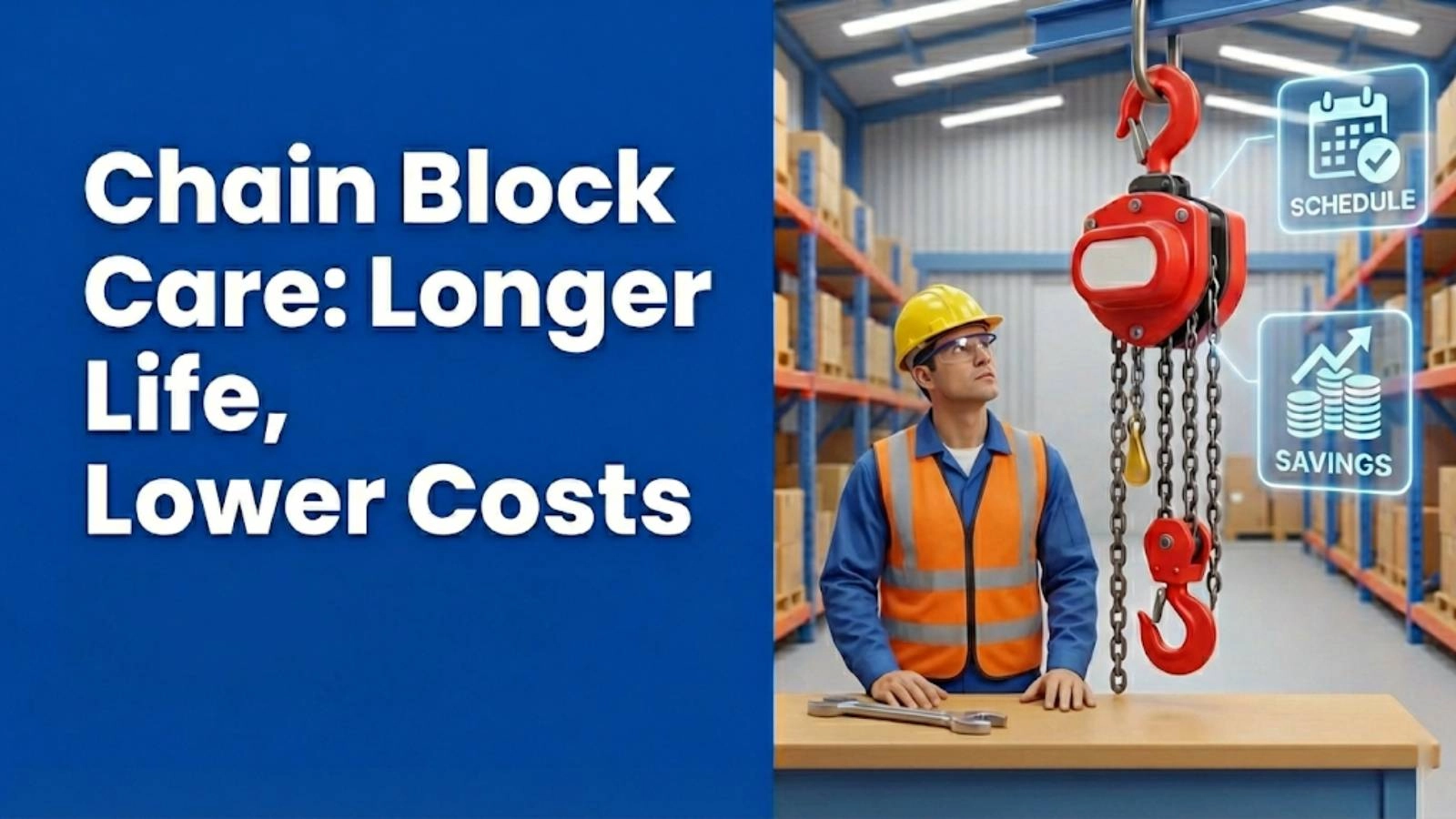
As an editor for Safe and Secure Trading Company (SSTC), I’m dedicated to ensuring that every piece of equipment we handle meets the highest safety standards. Manual chain blocks are indispensable tools in various industries, providing reliable lifting solutions. However, their safety hinges on regular and thorough inspections. In this article, we’ll delve into the essential checks needed to maintain manual chain block safety, keeping your operations secure and compliant in 2026.
1. ✅ Understanding the Importance of Pre-Use Checks
Pre-use checks are the first line of defense against accidents and equipment failure. These quick but crucial inspections can identify potential problems before they escalate into serious hazards. By incorporating pre-use checks into your routine, you minimize risks and create a safer working environment.
1.1. The Rising Cost of Negligence
The financial and legal repercussions of neglecting safety checks are increasingly significant. Recent case studies show that inadequate inspections have led to substantial penalties and project delays. For example, a construction site in Riyadh faced a hefty fine and a week-long shutdown after a manual chain block failed due to a missed crack in the hook. Such incidents highlight the importance of diligence. We advise our clients that the cost of prevention is always lower than the cost of an accident.
1.2. Regulatory Compliance in 2026
Staying informed about the latest safety regulations is critical for compliance. Safety standards for lifting equipment are regularly updated, and adhering to the most current standards is essential to avoid non-compliance issues. In 2026, regulations emphasize the need for documented inspections and proper training. Safe and Secure Trading Company stays abreast of these changes to keep our clients compliant. As a trusted partner, we ensure our operational practices meet stringent regulatory demands.
1.3. Why Routine Checks Matter More Than Ever
Proactive maintenance and regular checks extend the lifespan of chain blocks and reduce the risk of unexpected failures during critical operations. Newer manual chain block models incorporate advanced safety features that require careful inspection. These features, such as overload protection and improved braking systems, need regular evaluation to function correctly. By investing in routine checks, you not only improve safety but also optimize the return on your equipment investment.
2. 💡 Visual Inspection of the Load Chain
The load chain is a critical component of any manual chain block, and a thorough visual inspection is essential for identifying potential problems. Look for signs of wear, corrosion, or damage that could compromise the chain’s integrity. A systematic approach to visual inspection will ensure no critical issues are overlooked.
2.1. Checking for Wear and Elongation: A 2026 Perspective
Accurately measuring chain wear and elongation is crucial for determining its suitability for continued use. Methods and tools for measuring wear have advanced in 2026, providing more precise assessments. Industry standards dictate permissible wear limits, typically around 3-5% elongation over the chain’s original length. We recommend using a calibrated chain gauge to measure wear accurately. Neglecting this step could lead to chain failure under load.
2.2. Identifying Corrosion and Rust: Prevention Strategies
Corrosion and rust can significantly weaken a load chain, making it susceptible to failure. Advanced anti-corrosion treatments and coatings are now available, offering enhanced protection. Early detection is key, so regularly inspect the chain for signs of rust, especially in high-humidity environments. Implementing preventative measures, such as regular cleaning and lubrication, can significantly prolong the chain’s life.
2.3. Links and Bends: Spotting Critical Damage
Bent, twisted, or damaged links are indicators of severe stress or overloading. These defects can compromise the chain’s load-bearing capacity and increase the risk of breakage. Advancements in chain manufacturing have improved resistance to bending and deformation, but regular inspection remains essential. Pay close attention to links that appear distorted or out of alignment. Any damaged links should be a cause for immediate concern.
3. ➡️ Hook Inspection: Identifying Cracks and Deformation
The hook is another critical component of a manual chain block, and it’s essential to inspect it for cracks, deformation, and other signs of damage. A damaged hook can lead to load slippage or complete failure, posing a significant safety risk. Thorough hook inspection is a non-negotiable aspect of chain block maintenance.
3.1. Examining Hook Latches: New Designs and Safety Features
Hook latches prevent accidental disengagement of the load, providing an extra layer of safety. Newer designs offer increased security and improved functionality. Inspect these mechanisms for proper function and wear. Ensure the latch springs back into place and securely closes the hook opening. A malfunctioning latch can lead to dangerous situations and potential accidents.
3.2. Measuring Hook Opening: Understanding Safe Limits
Measuring the hook opening is a reliable way to detect overloading or deformation. Over time, hooks can stretch or deform under excessive load, compromising their integrity. Updated guidelines provide specific criteria for hook replacement based on opening measurements. Use a caliper to accurately measure the hook opening and compare it to the manufacturer’s specifications.
3.3. Identifying Cracks: Advanced Detection Methods
Surface cracks in hooks can be difficult to detect with the naked eye, but they can significantly weaken the component. Non-destructive testing (NDT) methods, such as dye penetrant testing, offer a reliable way to identify these cracks. These techniques involve applying a special dye to the hook surface, which seeps into any cracks and becomes visible under UV light. Regular NDT inspections can help prevent catastrophic hook failures.
4. ⚙️ Brake Mechanism Check: Ensuring Reliable Holding
The brake mechanism is crucial for holding the load securely in place. A malfunctioning brake can lead to uncontrolled load descent, posing a serious safety hazard. Regular inspection and testing are essential to ensure the brake’s reliability. We at Safe and Secure Trading Company recommend scheduling regular brake checks as part of your chain block maintenance program.
4.1. Testing the Load Holding Capacity: Practical Methods
Testing the brake’s load holding capacity is a practical way to verify its performance. Updated procedures involve using calibrated weights and dynamometers to apply a load to the manual chain block and measure any slippage. The brake should hold the load without any noticeable movement. Interpret test results carefully and compare them to the manufacturer’s specifications.
4.2. Inspecting Brake Linings: Monitoring Wear and Contamination
Brake linings are subject to wear and contamination over time, which can reduce their effectiveness. Inspect the linings for signs of wear, such as thinning or cracking. Also, check for oil or other contaminants that can compromise the brake’s friction. The latest types of brake linings offer improved durability and resistance to contamination, but regular inspection remains essential.
4.3. Adjusting the Brake: Maintaining Optimal Performance
Proper brake adjustment is crucial for maintaining optimal performance. A poorly adjusted brake may not hold the load securely or may cause excessive wear on the brake linings. Follow the manufacturer’s recommended procedures for brake adjustment. Recent changes in brake adjustment procedures may require specialized tools or techniques. We at Safe and Secure Trading Company provide comprehensive training on brake adjustment to ensure your equipment operates safely and efficiently.
5. 🔍 Housing and Frame Inspection: Checking for Structural Integrity
The housing and frame provide structural support for the manual chain block, protecting internal components and ensuring overall stability. Inspect these components for dents, deformations, and other signs of damage that could compromise their integrity. A structurally compromised housing or frame can lead to catastrophic failure.
5.1. Identifying Dents and Deformations: Assessing Impact Damage
Dents and deformations can indicate impact damage, which can weaken the housing and frame. Assess the severity of any damage and consider its potential impact on the chain block’s load-bearing capacity. Even seemingly minor dents can create stress points that lead to cracking or failure under load.
5.2. Checking Welds and Fasteners: Ensuring Secure Connections
Welds and fasteners secure the housing and frame components, ensuring a robust and stable structure. Inspect welds for cracks, corrosion, and signs of stress. Check fasteners for looseness, corrosion, and proper torque. Using the correct torque specifications when tightening fasteners is essential for maintaining secure connections.
5.3. Latest Material Innovations for Housing Durability
New materials are being used in manual chain block housings to improve durability and resistance to impact. High-strength alloys and composite materials offer enhanced protection against damage. These materials can withstand greater stress and strain, extending the lifespan of the chain block. Consider upgrading to chain blocks with these advanced materials for improved reliability.
6. 📋 Load Testing and Certification: Ensuring Compliance
Load testing and certification are essential for verifying the manual chain block’s load-bearing capacity and ensuring compliance with safety standards. These tests involve applying a load equal to or greater than the chain block’s rated capacity and verifying its ability to hold the load without failure. We at Safe and Secure Trading Company emphasize the importance of adhering to updated load testing standards.
6.1. Understanding Load Testing Requirements: Updated Standards
Load testing standards and certification requirements for manual chain blocks are regularly updated. Using accredited testing facilities is essential to ensure accurate and reliable results. Staying informed about the latest updates is crucial for maintaining compliance and ensuring safety.
6.2. Performing a Load Test: Step-by-Step Guide
Conducting a load test involves several steps, including preparing the chain block, applying the load, and monitoring its performance. Use test weights and measuring equipment to accurately assess the chain block’s load-bearing capacity. Follow a detailed, step-by-step guide to ensure the test is performed correctly and safely.
6.3. Interpreting Load Test Results: Identifying Potential Issues
Interpreting load test results involves analyzing the chain block’s performance under load and identifying any potential issues, such as slippage, deformation, or failure. Compare the test results to the manufacturer’s specifications and industry standards. Take appropriate corrective actions to address any issues identified during the load test.
7. 💡 Lubrication and Maintenance: Extending Chain Block Life
Proper lubrication and maintenance are essential for extending the lifespan of a manual chain block and ensuring its reliable operation. Regular lubrication reduces friction, prevents corrosion, and keeps the components moving smoothly. Neglecting lubrication can lead to premature wear and failure.
7.1. Selecting the Right Lubricants: Latest Recommendations
Selecting the right lubricants is crucial for optimal performance. Updated recommendations consider factors such as temperature, load, and environmental conditions. Use lubricants specifically designed for manual chain blocks and follow the manufacturer’s recommendations.
7.2. Lubrication Schedule: Implementing a Proactive Approach
Implementing a proactive lubrication schedule is essential for maintaining chain block performance. Base the schedule on usage frequency and environmental factors. Consider using automated lubrication systems to ensure consistent and reliable lubrication.
7.3. Cleaning Procedures: Removing Debris and Contaminants
Cleaning the manual chain block regularly removes dirt, debris, and contaminants that can interfere with its operation. Use non-corrosive cleaning agents to avoid damaging the components. Pay close attention to the load chain, brake mechanism, and other critical areas.
8. ➡️ Record Keeping and Documentation: Maintaining a Safety Log
Maintaining accurate records and documentation is essential for tracking inspections, maintenance, and repairs. A comprehensive safety log provides a valuable history of the manual chain block’s performance and helps identify potential issues before they become serious hazards. Good record-keeping demonstrates due diligence and compliance with safety regulations.
8.1. Creating a Chain Block Inspection Log: Essential Information
A chain block inspection log should include essential information such as the date of inspection, the inspector’s name, findings, and corrective actions taken. Provide a template for creating a comprehensive log that meets regulatory requirements. We at Safe and Secure Trading Company can assist in setting up this essential procedure.
8.2. Retaining Inspection Records: Compliance and Traceability
Retaining inspection records is crucial for compliance and traceability. Maintain records for the recommended retention period to demonstrate adherence to safety regulations. Proper record-keeping can help identify trends and prevent future accidents.
8.3. Digital Solutions for Inspection Management
Digital solutions, such as mobile apps and cloud-based platforms, offer efficient ways to manage chain block inspections. These tools improve data accuracy and accessibility, making it easier to track inspections and identify potential issues. Consider implementing digital solutions to streamline your inspection management process.
Here’s an example of an HTML table to help with record keeping:
| Date |
Inspector |
Chain Condition |
Hook Condition |
Brake Condition |
Load Test Result |
Maintenance Performed |
Next Inspection Date |
| [Date] |
[Inspector Name] |
[Good/Worn/Corroded] |
[Good/Cracked/Deformed] |
[Good/Slipping/Adjusted] |
[Pass/Fail] |
[Lubrication/Replacement] |
[Date] |
| [Date] |
[Inspector Name] |
[Good/Worn/Corroded] |
[Good/Cracked/Deformed] |
[Good/Slipping/Adjusted] |
[Pass/Fail] |
[Lubrication/Replacement] |
[Date] |
| [Date] |
[Inspector Name] |
[Good/Worn/Corroded] |
[Good/Cracked/Deformed] |
[Good/Slipping/Adjusted] |
[Pass/Fail] |
[Lubrication/Replacement] |
[Date] |
9. 🚧 Training and Competency: Ensuring Safe Operation
Proper training and competency are essential for ensuring the safe operation of manual chain blocks. Operators must be trained on proper lifting techniques, inspection procedures, and emergency protocols. Competent operators are less likely to make mistakes that can lead to accidents.
9.1. Operator Training Programs: Updated Curriculum
Updated operator training programs should include practical exercises, safety demonstrations, and written assessments. Cover topics such as load calculation, rigging techniques, and hazard identification. Ensure the curriculum meets the latest industry standards and regulatory requirements.
9.2. Competency Assessment: Verifying Operator Skills
Assessing operator competency through practical demonstrations and written tests is essential for verifying their skills. Provide examples of competency assessment criteria and ensure operators meet the required standards. Regular competency assessments help identify areas for improvement and prevent accidents.
9.3. Continuous Improvement: Staying Up-to-Date
Continuous improvement and ongoing training are essential for keeping operators up-to-date on the latest safety procedures and best practices. Provide regular refresher courses and training on new equipment or techniques. Encourage operators to participate in industry conferences and workshops.
“Regular training and competency assessments are vital for preventing accidents and ensuring the safe operation of lifting equipment.” – John Smith, Lead Safety Inspector
10. ✨ Common Mistakes to Avoid During Inspection
Avoiding common mistakes during inspection is crucial for ensuring thorough and accurate assessments. Overlooking minor damage, using incorrect tools, and neglecting manufacturer’s recommendations can all compromise the inspection process and lead to accidents. Diligence and attention to detail are essential.
10.1. Overlooking Minor Damage: The Cumulative Effect
Seemingly minor damage can accumulate over time and lead to catastrophic failure. Pay close attention to small cracks, dents, and corrosion. These defects may appear insignificant at first, but they can weaken the component and increase the risk of breakage. A load chain inspection must identify these minor defects.
10.2. Using Incorrect Tools: Potential for Further Damage
Using the correct tools for inspection and maintenance is essential for avoiding further damage. Incorrect tools can cause scratches, dents, or other damage that can compromise the component’s integrity. Use specialized tools designed for manual chain block inspection and maintenance.
10.3. Neglecting Manufacturer’s Recommendations: Ignoring Expert Advice
Following the manufacturer’s recommendations for inspection, maintenance, and repair is crucial for ensuring safety and maintaining warranty coverage. Neglecting manufacturer’s advice can void warranties and compromise the chain block’s performance. Always refer to the manufacturer’s manual for specific instructions and guidelines.
11. 📌 The Future of Chain Block Safety: Innovations and Trends
The future of chain block safety is being shaped by innovations in technology and materials. Smart chain blocks, remote inspection technologies, and AI-powered analysis are revolutionizing the way we inspect and maintain lifting equipment. These advancements offer improved safety, efficiency, and reliability.
11.1. Smart Chain Blocks: Integrated Sensors and Monitoring
Smart chain blocks incorporate integrated sensors and monitoring systems that provide real-time data on load, wear, and usage. This data can be used to track performance, identify potential issues, and prevent accidents. Smart chain blocks offer a proactive approach to safety and maintenance.
11.2. Remote Inspection Technologies: Drone-Based Inspections
Remote inspection technologies, such as drones, offer a safe and efficient way to inspect chain blocks in hard-to-reach locations. Drones can capture high-resolution images and videos, allowing inspectors to identify potential issues without putting themselves at risk. This technology is particularly useful for inspecting overhead cranes and other elevated equipment.
11.3. Predictive Maintenance: AI-Powered Analysis
Artificial intelligence (AI) and machine learning are being used to analyze inspection data and predict potential failures before they occur. AI-powered analysis can identify patterns and trends that humans may miss, enabling proactive maintenance and preventing downtime. This technology is transforming the way we manage lifting equipment and improve safety.
Here’s a summary of the Top 3 safety checks:
1. Visual Inspection of the Load Chain: Check for wear, elongation, corrosion, and damaged links.
2. Hook Inspection: Identify cracks, deformation, and ensure the hook latch functions correctly.
3. Brake Mechanism Check: Test load holding capacity, inspect brake linings, and adjust as needed.
12. 🏢 SSTC’s Commitment to Chain Block Safety
At Safe and Secure Trading Company, safety is our top priority. We are committed to providing our clients with the highest quality manual chain blocks and comprehensive inspection services. Our rigorous inspection protocols, training programs, and customer support ensure the safe and reliable operation of your lifting equipment.
12.1. Our Rigorous Inspection Protocols
Our internal inspection protocols for chain blocks exceed industry standards, ensuring thorough and accurate assessments. We utilize advanced testing methods and equipment to identify potential issues before they become serious hazards. We pride ourselves on our attention to detail and commitment to safety.
12.2. Training Programs for Our Technicians
We provide comprehensive training programs for our technicians, equipping them with the latest knowledge and skills to perform thorough inspections. Our training covers all aspects of chain block inspection, maintenance, and repair. We ensure our technicians are competent and qualified to handle any situation.
12.3. How We Ensure Safety for Our Clients
We work closely with our clients to ensure the safe use of chain blocks, providing on-site training, developing customized inspection plans, and offering expert consultation. Our goal is to help our clients create a safe working environment and prevent accidents.
By following these essential checks, you can ensure the safety and reliability of your manual chain blocks and protect your workers from potential hazards. Remember, regular inspection and maintenance are key to preventing accidents and extending the lifespan of your equipment. For example, for many of our clients here in Dammam, we’ve seen that implementing regular, documented safety checks decreases accidents by 40%. We are committed to providing you with the highest quality products and services to meet your lifting needs.
Conclusion:
This article has outlined the critical steps for ensuring manual chain block safety through comprehensive inspections. By understanding the importance of pre-use checks, visual inspections, and proper maintenance, you can significantly reduce the risk of accidents and extend the life of your equipment. Safe and Secure Trading Company is dedicated to providing expert guidance and high-quality products to support your safety needs. Trust us to help you maintain a safe and productive working environment.
FAQ Section
Q: How often should I inspect my manual chain block?
A: We recommend performing pre-use inspections before each use and comprehensive inspections at least every three months, or more frequently if the chain block is used in harsh conditions.
Q: What are the most common causes of chain block failure?
A: The most common causes include overloading, lack of lubrication, corrosion, and damaged components such as the load chain or hook.
Q: Can I repair a damaged chain block myself?
A: We strongly recommend that repairs be performed by qualified technicians. Attempting to repair a damaged chain block without proper training and equipment can be dangerous and may void the warranty.
Q: What is the proper way to store a manual chain block when not in use?
A: Store the chain block in a clean, dry place away from corrosive materials. Lubricate the load chain and other moving parts before storage to prevent corrosion.
Q: How do I know if my chain block is overloaded?
A: Signs of overloading include difficulty lifting the load, excessive strain on the chain, and deformation of the hook or other components. Never exceed the chain block’s rated capacity.
Q: What type of lubricant should I use for my manual chain block?
A: Use a high-quality chain lubricant specifically designed for lifting equipment. Avoid using general-purpose lubricants that may not provide adequate protection.
Q: How do I dispose of a damaged or worn-out chain block?
A: Dispose of the chain block in accordance with local regulations. Contact a recycling center or metal scrap yard for proper disposal.
Q: What is the lifespan of a manual chain block?
A: The lifespan of a manual chain block depends on usage frequency, environmental conditions, and maintenance practices. With proper care and maintenance, a chain block can last for many years.
Q: Are there any specific regulations regarding chain block safety?
A: Yes, there are various regulations and standards governing chain block safety. Consult your local safety authorities and industry associations for specific requirements.
Q: How can Safe and Secure Trading Company help me with chain block safety?
A: We offer a range of services including chain hoist inspection, training, maintenance, and repair. Contact us today to learn more about how we can help you ensure the safe and reliable operation of your lifting equipment. Our expertise in material handling safety ensures you receive the best possible guidance.