The information provided in this article is intended for general guidance only and should not be substituted for professional safety advice. Always consult with qualified safety personnel and adhere to relevant safety regulations.
Introduction: The Silent Danger of Fall Hazards
Falls are a leading cause of workplace injuries and fatalities across numerous industries, from bustling construction sites to the high-reaching tasks of maintenance crews. The danger is ever-present, lurking in any situation where workers are elevated above ground level. This constant risk underscores the critical importance of fall protection equipment in preventing accidents and saving lives.
However, simply possessing fall protection equipment isn’t enough to guarantee safety. Too often, workers rely on equipment that is damaged, improperly fitted, or incorrectly used, leaving them vulnerable to serious injury or even death. The effectiveness of fall protection hinges on a commitment to regular inspection, proper maintenance, and thorough training.
This guide serves as a comprehensive resource for ensuring your fall protection equipment is truly protecting you. We will provide actionable tips and immediate takeaways that can be implemented to enhance safety protocols and mitigate fall hazards. By following these guidelines, you can transform your approach to fall protection and cultivate a safer work environment for yourself and your colleagues.
Understanding Your Fall Protection System
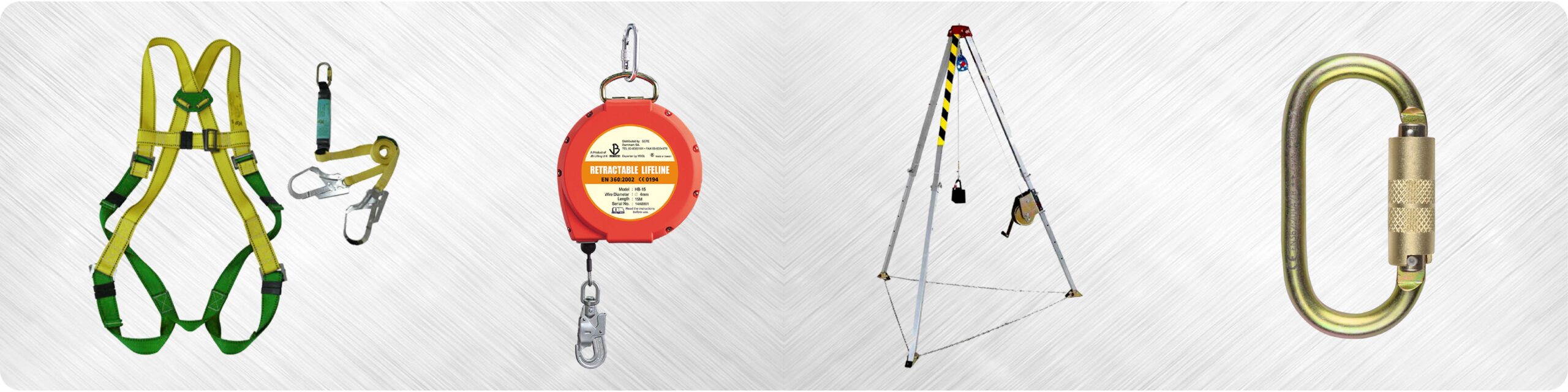
A comprehensive understanding of the fall arrest system is crucial for ensuring its effectiveness. The system is comprised of several key components, each playing a vital role in protecting the worker in the event of a fall. The primary components include the harness, lanyard, and anchorage connector.
- Harness: The harness is designed to distribute the impact forces of a fall across the worker’s body, minimizing the risk of injury. It is typically made of durable webbing and features multiple adjustment points for a secure and comfortable fit.
- Lanyard: The lanyard connects the harness to the anchorage point, providing a secure link between the worker and the fall protection system. Lanyards can be fixed-length or self-retracting, depending on the specific application.
- Anchorage Connector: The anchorage connector provides a secure attachment point for the lanyard, typically connected to a structural element capable of withstanding the forces generated during a fall.
These components work together in a coordinated manner to arrest a fall and minimize the potential for injury. In the event of a fall, the lanyard extends, and the energy absorber (if equipped) deploys to dissipate the impact forces. The harness keeps the worker securely connected to the system, while the anchorage connector ensures a reliable attachment point. The synergy of these components is paramount to the system’s overall effectiveness.
It’s also critical to ensure compatibility between the components of your fall protection system. Mismatched components can compromise the system’s integrity and increase the risk of failure during a fall. Always refer to the manufacturer’s instructions for guidance on component compatibility.
Step 1: Daily Pre-Use Inspection – Your First Line of Defense
The daily pre-use inspection is your first and most critical line of defense against fall hazards. This simple yet essential step involves a thorough examination of your fall protection equipment before each use. Its purpose is to identify any signs of damage, wear, or malfunction that could compromise the equipment’s performance.
Think of this inspection as more than just a formality; it’s a vital safety procedure that can prevent serious injury or even save your life. By taking a few minutes to carefully inspect your equipment, you can identify potential problems before they escalate into dangerous situations. Remember, even seemingly minor defects can significantly reduce the effectiveness of your fall protection system.
Skipping or rushing the daily inspection can have severe consequences. Overlooking a damaged lanyard or a faulty harness buckle can lead to equipment failure during a fall, resulting in serious injury or death. A comprehensive inspection protocol significantly increases the safety and peace of mind for everyone using the equipment.
Step 2: Harness Inspection – Checking for Damage and Wear
The harness is a critical component of your fall protection equipment, and a thorough inspection is essential to ensure its integrity. Begin by carefully examining the harness webbing for any signs of cuts, tears, abrasions, or chemical damage. These types of damage can significantly weaken the webbing and compromise its ability to withstand the forces of a fall. Chemical damage, especially, can be difficult to spot, but may leave the webbing feeling stiff or brittle.
Next, inspect the D-rings and buckles for any signs of deformation, corrosion, or improper function. D-rings should be securely attached to the harness and free from cracks or bends. Buckles should operate smoothly and securely, ensuring a reliable connection. Corrosion can weaken the metal components and make them more susceptible to failure.
Pay close attention to the stitching throughout the harness. Look for any loose, frayed, or broken stitches, as these can indicate weakening of the harness structure. Stitching is a critical element of the harness’s strength, and any damage should be taken seriously. We once encountered a situation in our Houston operations where a seemingly minor stitch issue on a harness turned out to be a critical failure point during testing, highlighting the importance of meticulous inspection.
[IMAGE: Close-up photo showing examples of harness damage (cuts, tears, abrasion) and corrosion on metal parts.]
Step 3: Lanyard Inspection – Ensuring a Secure Connection
The lanyard is another vital link in your fall protection system, and a careful inspection is crucial to ensure a secure connection. Begin by thoroughly inspecting the lanyard for any cuts, fraying, or kinking. These types of damage can significantly weaken the lanyard and compromise its ability to withstand the forces of a fall. Kinking, in particular, can create stress points that lead to premature failure.
Verify the proper functioning of the snap hooks and carabiners. Ensure that the gates operate smoothly and lock securely. Check for any signs of damage, such as bending, cracking, or corrosion. The snap hooks and carabiners are responsible for connecting the lanyard to the harness and anchorage point, so their proper function is essential for safety.
If your lanyard is equipped with an energy absorber, it’s crucial to check for any signs of deployment. An energy absorber that has been deployed indicates that the lanyard has been subjected to a fall and should be immediately removed from service. Deployment may be indicated by tearing or deformation of the energy absorber pack.
For self-retracting lanyards (SRLs), inspect the unit for proper retraction and locking. The lanyard should retract smoothly and quickly, and the locking mechanism should engage immediately when subjected to a sudden force. If the SRL fails to retract or lock properly, it should be removed from service and inspected by a qualified technician.
[IMAGE: Photo demonstrating how to properly inspect a lanyard snap hook, including checking the gate and locking mechanism.]
Step 4: Anchorage Point Assessment – Is it Strong Enough?
The anchorage point is the foundation of your fall protection system, and its strength and suitability are paramount to your safety. A proper anchorage point must meet specific requirements to ensure it can withstand the forces generated during a fall. OSHA regulations mandate that an anchorage point must be capable of supporting at least 5,000 pounds per worker attached, or be designed, installed, and used under the supervision of a qualified person as part of a complete personal fall arrest system which maintains a safety factor of at least two.
Different types of anchorage connectors are available, including beam clamps, D-rings, and concrete anchors. The choice of anchorage connector will depend on the specific application and the available structural elements. Ensure that the connector is compatible with the anchorage point and is properly installed according to the manufacturer’s instructions.
It’s crucial to avoid using unsuitable anchorage points, such as pipes or railings that are not specifically designed for fall arrest. These types of structures may not be strong enough to withstand the forces of a fall and could fail, resulting in serious injury or death. Never assume that a structure is suitable for use as an anchorage point without proper verification.
Verify that the anchorage point has been inspected and certified by a qualified person, if applicable. Some anchorage points may require periodic inspection and certification to ensure they meet the required strength and safety standards. Maintain records of these inspections and certifications for future reference. Our SSTC’s Dubai team stresses that improper anchor points are a common mistake, often requiring on-site consultations. They often find workers unknowingly using pipes or conduit assuming it has been designed to withstand significant impact.
[IMAGE: Illustration showing examples of acceptable and unacceptable anchorage points.]
Step 5: Proper Fit and Adjustment – A Snug Fit Saves Lives
Proper fit and adjustment of your fall arrest harness are critical for ensuring its effectiveness. A harness that is too loose or too tight can compromise its ability to protect you during a fall. The harness should fit snugly but comfortably, allowing for freedom of movement without restricting circulation.
When donning the harness, start by loosening all straps. Then, step into the harness and pull it up over your shoulders. Fasten the leg straps, ensuring they are snug but not too tight. Adjust the chest strap so that it sits across your chest, typically about six inches below your collarbone. Finally, adjust the shoulder straps to ensure a snug and comfortable fit.
Check for proper fit by using the “two-finger rule.” You should be able to slide two fingers between the straps and your body. If you can fit more than two fingers, the straps are too loose. If you can’t fit two fingers, the straps are too tight. A properly fitted harness will distribute the impact forces of a fall evenly across your body, minimizing the risk of injury.
[IMAGE: A series of photos demonstrating the correct way to put on and adjust a fall arrest harness.]
Step 6: Clearance Calculation – Avoiding Ground Contact
Calculating the required fall clearance distance is essential for preventing ground contact during a fall. Fall clearance is the vertical distance required below the anchorage point to ensure that a worker does not strike the ground or any other obstruction during a fall. Failing to properly calculate fall clearance can lead to serious injury or death.
Several factors must be considered when calculating fall clearance, including:
- Lanyard Length: The length of the lanyard, including any deceleration device.
- Deceleration Distance: The distance the energy absorber extends during a fall.
- Worker Height: The height of the worker from the anchorage point to their feet.
- Safety Factor: An additional safety margin to account for variations in fall dynamics.
A simple formula for determining fall clearance is: Fall Clearance = Lanyard Length + Deceleration Distance + Worker Height + Safety Factor. Online calculators and resources are also available to assist with fall clearance calculations.
It’s also crucial to consider the potential for swing falls. A swing fall occurs when a worker falls from a position that is not directly below the anchorage point. In this scenario, the worker may swing like a pendulum, increasing the potential for striking an object or the ground. To minimize the risk of swing falls, position the anchorage point directly above the work area whenever possible.
[IMAGE: Diagram illustrating the components of a fall clearance calculation, including lanyard length, deceleration distance, and safety factor.]
Step 7: Fall Protection Training – Knowledge is Power
Comprehensive fall protection training is essential for ensuring that workers understand the hazards associated with working at heights and how to use fall protection equipment safely and effectively. Training should cover a wide range of topics, including hazard identification, equipment inspection, proper use, and rescue procedures. Workers who are not properly trained are at a significantly higher risk of being injured in a fall.
Fall protection training should cover the following topics:
- Hazard Identification: Identifying potential fall hazards in the workplace.
- Equipment Inspection: How to properly inspect fall protection equipment for damage or defects.
- Proper Use: How to properly don, adjust, and use fall protection equipment.
- Rescue Procedures: What to do in the event of a fall, including how to rescue a suspended worker.
Refresher training should be conducted periodically to reinforce key concepts and ensure that workers stay up-to-date on the latest safety procedures. The frequency of refresher training will depend on the specific requirements of your industry and the complexity of the work environment.
“Effective fall protection is not just about having the right equipment; it’s about having the right knowledge and skills to use it safely.” – John Smith, Certified Safety Professional
Step 8: Rescue Plan – What Happens After a Fall?
A written rescue plan is essential for ensuring a timely and effective rescue in the event of a fall. Suspension trauma, also known as orthostatic intolerance, can occur when a worker is suspended in a harness for an extended period of time. This condition can lead to serious injury or death if the worker is not rescued promptly.
A good rescue plan should include the following components:
- Trained Personnel: Designated personnel who are trained in rescue procedures.
- Appropriate Rescue Equipment: The necessary equipment for safely rescuing a suspended worker, such as a rescue pole or a descent device.
- Communication Protocols: Clear communication protocols for notifying rescue personnel and coordinating the rescue effort.
The rescue plan should be practiced regularly to ensure that everyone knows their roles and responsibilities. Regular drills can help identify any weaknesses in the plan and allow for adjustments to be made. We once helped a client implement a suspension trauma mitigation system. Their proactive approach significantly improved worker safety.
Step 9: Regular Equipment Inspections – Going Beyond the Daily Check
In addition to the daily pre-use inspection, regular formal inspections by a competent person are essential for maintaining the integrity of your fall protection equipment. OSHA regulations require that fall protection equipment be inspected at least annually, or more frequently if conditions warrant. These inspections should be conducted by a qualified individual who has the knowledge and experience to identify potential hazards and defects.
Formal inspections should include a thorough examination of all components of the fall protection system, including the harness, lanyard, anchorage connector, and any other related equipment. The inspection should be documented in detail, including the date of the inspection, the name of the inspector, and any findings or recommendations.
Documentation is key to ensuring compliance and maintaining a safe work environment. Keep records of all inspections, maintenance, and repairs for future reference.
| Inspection Type |
Frequency |
Responsibility |
Documentation |
| Pre-Use (Daily) |
Before Each Use |
User |
Visual Check Log |
| Formal Inspection |
Annually (Minimum) |
Competent Person |
Detailed Inspection Report |
Troubleshooting Common Issues
Even with diligent inspection and maintenance, common issues can arise with fall protection equipment. Here are a few troubleshooting tips:
- Harness Fit Problems: “My harness feels too tight/loose.” – Ensure all straps are properly adjusted. Loosen or tighten as needed, following the two-finger rule. If discomfort persists, try a different size or model of harness.
- Lanyard Hook Issues: “The lanyard hook is difficult to open/close.” – Apply a silicone-based lubricant to the hook mechanism. If the problem persists, replace the hook or the entire lanyard.
- Anchorage Concerns: “I’m not sure if my anchorage point is strong enough.” – Consult with a qualified engineer or safety professional to assess the anchorage point. Do not use the anchorage point until it has been verified as safe.
- SRL (Self-Retracting Lanyard) Issues: “The SRL is not retracting smoothly.” – Check for kinks or obstructions in the lifeline. Clean the lifeline with a mild soap and water solution. If the problem persists, remove the SRL from service and have it inspected by a qualified technician.
Conclusion: Your Commitment to Fall Protection
You’ve now armed yourself with the knowledge to ensure your fall protection equipment is truly protecting you. We’ve covered the essential steps for inspecting, fitting, and maintaining your equipment, as well as the importance of training and rescue planning. Remember, regular inspection, proper fit, and comprehensive training are vital for preventing falls and saving lives. This proactive approach dramatically increases safety on any work site. By incorporating these practices into your daily routine, you can significantly reduce the risk of falls and create a safer work environment for yourself and your colleagues. We are committed to providing you with the highest quality fall protection equipment and training to help you stay safe on the job.
FAQ Section
Q: How often should I inspect my fall protection equipment?
A: You should perform a pre-use inspection before each use of the equipment. In addition, a competent person should conduct a formal inspection at least annually, or more frequently if conditions warrant.
Q: What should I do if I find damage to my fall protection equipment?
A: If you find any damage or defects during the inspection, immediately remove the equipment from service and do not use it. Tag the equipment as “out of service” and contact your supervisor or safety manager for further instructions.
Q: Can I use different brands of fall protection equipment together?
A: It is generally recommended to use components from the same manufacturer to ensure compatibility and proper system performance. If you must use components from different manufacturers, consult with a qualified person to verify that the components are compatible and meet all applicable safety standards.
Q: What is suspension trauma, and how can it be prevented?
A: Suspension trauma is a condition that can occur when a worker is suspended in a harness for an extended period of time, leading to a drop in blood pressure and potential organ damage. To prevent suspension trauma, it is essential to have a rescue plan in place and to rescue suspended workers as quickly as possible. Suspension trauma straps can also be used to provide support and improve circulation while awaiting rescue.
Q: What are the OSHA requirements for fall protection training?
A: OSHA requires that employers provide fall protection training to all workers who may be exposed to fall hazards. The training must cover topics such as hazard identification, equipment inspection, proper use, and rescue procedures. Refresher training must be provided periodically to ensure that workers stay up-to-date on the latest safety procedures. OSHA fall protection regulations are found in 29 CFR 1926 Subpart M for construction and 29 CFR 1910 Subpart D for general industry.
Q: How do I choose the right type of lanyard for my job?
A: The choice of lanyard will depend on the specific application and the potential fall distance. Fixed-length lanyards are suitable for situations where the fall distance is known and limited. Self-retracting lanyards (SRLs) provide greater freedom of movement and are suitable for situations where the fall distance may vary. Energy-absorbing lanyards are recommended for situations where a longer fall distance is possible, as they can help to reduce the impact forces on the worker’s body.
Q: What is an anchorage point, and how do I know if it is strong enough?
A: An anchorage point is a secure attachment point for the lanyard. OSHA regulations require that an anchorage point be capable of supporting at least 5,000 pounds per worker attached, or be designed, installed, and used under the supervision of a qualified person as part of a complete personal fall arrest system which maintains a safety factor of at least two. If you are unsure whether an anchorage point is strong enough, consult with a qualified engineer or safety professional to assess its suitability.
Q: Where can I find fall protection training courses?
A: Fall protection training courses are offered by a variety of organizations, including safety training companies, community colleges, and trade associations. You can also find online training courses, but it is important to ensure that the course is reputable and meets all applicable safety standards. Safe and Secure Trading Company offers a variety of fall protection training courses to meet your needs.
Q: What are the long-term storage requirements for fall protection equipment?
A: Always refer to the manufacturer’s instructions for specific storage guidelines. Generally, store equipment in a clean, dry environment away from direct sunlight, extreme temperatures, and corrosive substances. Regularly inspect stored equipment for signs of degradation before its next use.