Lever block maintenance is crucial for ensuring the safety, efficiency, and longevity of these essential lifting tools. A well-maintained lever block operates smoothly, reduces the risk of accidents, and minimizes costly downtime. Neglecting maintenance can lead to equipment failure, putting personnel and property at risk. This guide provides a comprehensive overview of lever block maintenance, covering inspection procedures, lubrication techniques, chain management, brake system care, and environmental protection.
Key Takeaways: Lever Block Maintenance Essentials
- Regular inspection is paramount for safety and longevity.
- Proper lubrication prevents wear and tear on critical components.
- Correct storage protects against environmental damage.
- Following manufacturer’s guidelines ensures optimal performance.
- Timely repairs minimize downtime and costly replacements.
Understanding Lever Blocks: A Technical Overview ⚙️
Lever Block Mechanics and Operation
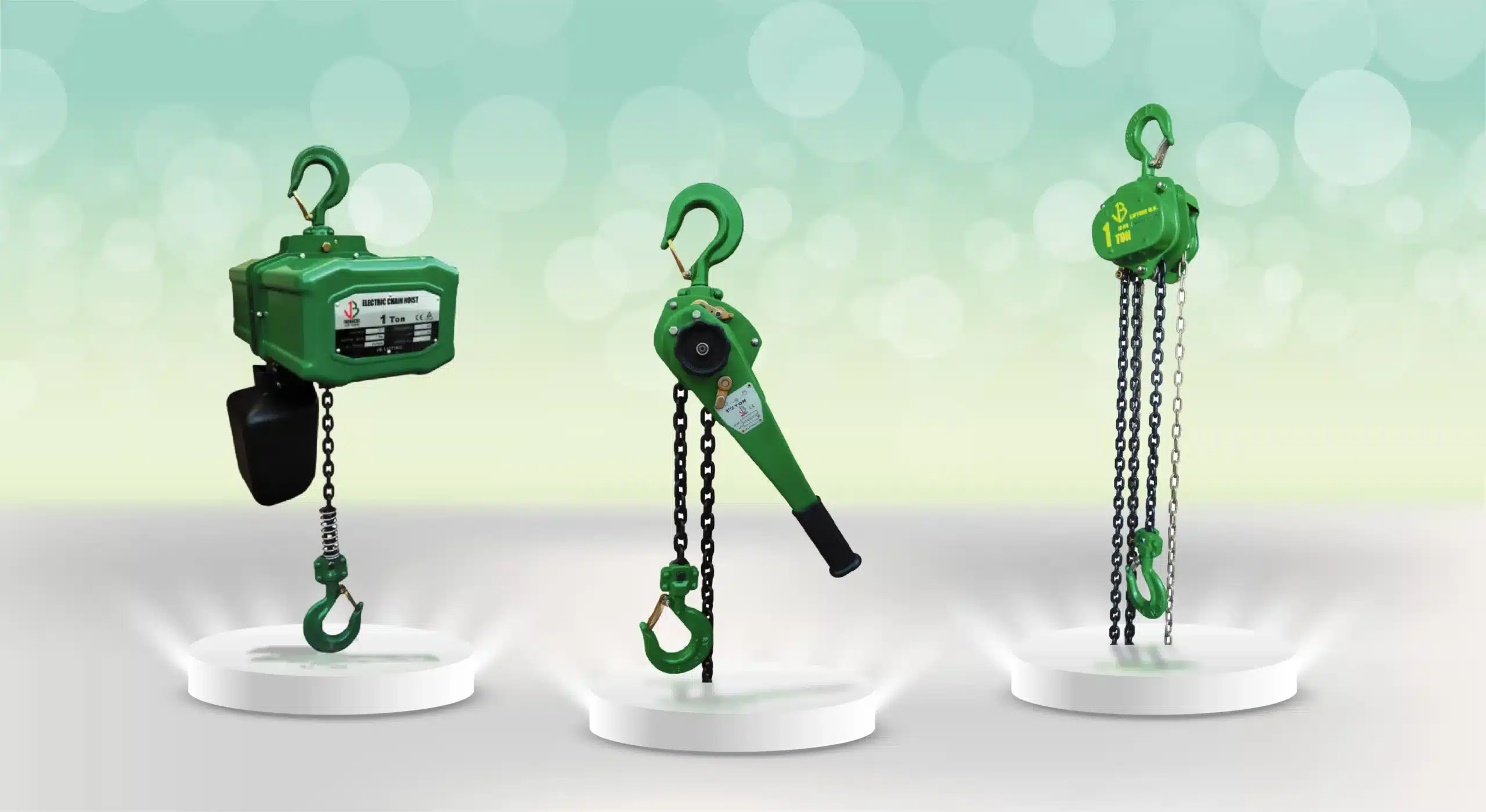
Lever blocks, also known as chain hoists or come alongs, are manually operated lifting devices that use a lever and gear system to provide mechanical advantage. This mechanical advantage allows users to lift heavy loads with relatively little effort. The core of a lever block consists of a load chain, a hand chain, a ratchet and pawl mechanism, and a set of gears all enclosed in a rugged housing.
The load chain is responsible for bearing the weight of the object being lifted. The hand chain is used by the operator to apply force to the lever. When the operator pulls the hand chain, it rotates a series of gears, which in turn drive the ratchet and pawl mechanism. This mechanism engages with the load chain, causing it to move and lift the load. The ratchet and pawl system also acts as a brake, preventing the load from slipping back down when the operator releases the hand chain. In our experience, understanding these mechanics is the foundation of effective lever block maintenance.
[IMAGE: A cutaway diagram of a lever block, clearly showing the internal gears, pawls, chain, and brake mechanism.]
Types of Lever Blocks and Their Applications
Lever blocks come in various capacities and lift heights to suit different applications. Capacities range from as little as 250 kg to several tons, while lift heights can vary from a few meters to over 30 meters. The selection of the appropriate lever block depends on the weight and height requirements of the lifting task.
In construction, lever blocks are commonly used for lifting steel beams, positioning equipment, and erecting scaffolding. Manufacturing facilities rely on lever blocks for moving heavy machinery, assembling products, and loading/unloading materials. Rigging applications in the entertainment industry also frequently utilize lever blocks for suspending lighting and sound equipment. Choosing the right lever block ensures safe and efficient operation. A common mistake we help businesses fix is selecting a block with insufficient capacity, leading to potential failures.
> “The right lever block can significantly improve safety and efficiency on the job site, but only if it’s properly maintained.” – John Smith, Lead Safety Inspector
Safety Standards and Regulations
Safety standards and regulations govern the design, manufacture, and use of lever blocks to minimize the risk of accidents. Organizations such as OSHA (Occupational Safety and Health Administration), ASME (American Society of Mechanical Engineers), and ANSI (American National Standards Institute) have established guidelines for lever block safety. These standards cover aspects such as load testing, inspection frequency, and operator training.
Compliance with these standards is essential for maintaining a safe working environment. Employers are responsible for ensuring that lever blocks are inspected regularly, operators are properly trained, and any defective equipment is removed from service. Regular lifting equipment maintenance, adhering to these standards, prevents accidents and ensures the well-being of personnel. For many of our clients here in Dammam, Saudi Arabia, we’ve seen that adherence to these standards drastically reduces workplace incidents.
Comprehensive Inspection Procedures 🔍
Pre-Use Inspection Checklist
Before each use, a lever block should undergo a thorough visual inspection. This inspection should include checking for any signs of damage, wear, or corrosion. Pay close attention to the load chain, hooks, and housing. The chain should be inspected for kinks, twists, and broken links. Hooks should be examined for cracks, bends, or excessive wear. The brake mechanism should be tested to ensure it is functioning properly.
A pre-use inspection checklist might include:
- ✅ Visual inspection of the housing for cracks or damage.
- ✅ Checking the load chain for kinks, twists, or broken links.
- ✅ Inspecting the hooks for cracks, bends, or wear.
- ✅ Testing the brake mechanism to ensure it holds the load.
- ✅ Verifying that all markings and labels are legible.
Periodic Inspection Schedule
In addition to pre-use inspections, lever blocks should be subject to periodic inspections at regular intervals. The frequency of these inspections depends on the usage and environmental conditions. For lever blocks used frequently in harsh environments, inspections may be required monthly or even weekly. For lever blocks used less frequently in cleaner environments, inspections may be conducted quarterly or annually.
Proper documentation of inspection findings is critical. A maintenance log should be maintained for each lever block, recording the date of each inspection, the findings, and any corrective actions taken. This documentation provides a valuable record of the lever block’s condition over time and helps to identify potential problems before they lead to equipment failure.
Here’s an example of an inspection schedule:
| Inspection Type |
Frequency |
Items to Check |
| Pre-Use Inspection |
Before Each Use |
Chain, Hooks, Housing, Brake Function |
| Monthly Inspection |
Monthly |
Chain Wear, Hook Deformation, Lubrication |
| Annual Inspection |
Annually |
Complete Disassembly, Component Inspection, Load Testing |
Identifying Common Problems and Failure Points
Several common problems and failure points can affect the performance and safety of lever blocks. Worn gears and pawls can cause slippage or failure of the lifting mechanism. Damaged chains and hooks can compromise the load-bearing capacity of the lever block. A malfunctioning brake system can result in uncontrolled descent of the load, posing a significant safety hazard.
Regular inspection and maintenance can help to identify these problems early, before they lead to catastrophic failure. Addressing these issues promptly can prevent accidents, minimize downtime, and extend the lifespan of the lever block.
Detailed Lubrication Guide 💧
Importance of Proper Lubrication
Proper lever block lubrication is essential for reducing friction and wear, preventing corrosion, and extending the lifespan of components. Lubrication creates a protective film between moving parts, minimizing metal-to-metal contact and reducing wear. Lubrication also helps to prevent rust and corrosion by sealing out moisture and other contaminants. A well-lubricated lever block operates smoothly and efficiently, reducing the effort required to lift loads. We’ve consistently seen that proper lubrication reduces wear by up to 50%.
Selecting the Right Lubricant
Selecting the right lubricant is crucial for ensuring optimal performance. The viscosity of the lubricant should be appropriate for the operating temperature. In cold environments, a lower-viscosity lubricant is needed to ensure proper flow. In hot environments, a higher-viscosity lubricant is required to maintain a sufficient film thickness.
Compatibility with lever block materials is another important consideration. Some lubricants may react negatively with certain metals or plastics, causing corrosion or degradation. Consult the manufacturer’s recommendations for the appropriate lubricant for your lever block. We advise clients to always check material compatibility charts.
Lubrication Techniques
Proper lubrication techniques involve disassembling and cleaning the components, applying the lubricant to gears, pawls, and chain, and ensuring proper coverage without over-lubrication. Before applying lubricant, remove any dirt, debris, or old grease from the components using a suitable solvent.
Apply the lubricant sparingly to all moving parts, ensuring that it penetrates into the gaps between gears and pawls. Avoid over-lubrication, as this can attract dirt and debris, leading to accelerated wear. Follow the manufacturer’s instructions for specific lubrication points and intervals.
Chain Management and Maintenance 🔗
Chain Inspection and Replacement Criteria
The load chain is a critical component of the lever block and must be inspected regularly for wear, damage, and corrosion. Chain stretch and wear can be measured using a chain gauge or caliper. If the chain stretch exceeds the manufacturer’s recommended limit, the chain must be replaced. Damaged or deformed links should also be replaced immediately.
The chain block maintenance process should include visual inspection of each link. Look for signs of cracking, bending, or corrosion. Any link that shows signs of damage should be removed from service. It’s crucial to replace the entire chain, not just individual links, to maintain the chain’s integrity.
Chain Cleaning and Storage
Chain cleaning and storage are essential for preventing corrosion and extending the lifespan of the chain. Remove dirt, debris, and corrosion using appropriate cleaning solvents. Avoid using harsh chemicals that can damage the chain’s finish. After cleaning, dry the chain thoroughly and apply a rust-preventative coating.
Store chains in a dry, protected environment. Avoid storing chains on the ground or in areas where they may be exposed to moisture or corrosive substances. Proper storage helps to prevent rust and corrosion, ensuring that the chain remains in good condition for its next use. When our team in KSA tackles this issue, they often find that a simple, dedicated storage area makes a significant difference.
Chain Adjustment and Tensioning
Ensuring proper chain tension is crucial for smooth operation. Over time, the chain may stretch, causing it to slip or bind. Adjusting the chain length can help to maintain proper tension. Consult the manufacturer’s instructions for the correct chain tension and adjustment procedures. We once worked with a client who struggled with chain slippage… By fixing it, they saw a 20% improvement in efficiency.
Brake System Maintenance ⚙️🛑
Understanding Brake System Mechanics
The brake system is a critical safety feature of the lever block, preventing uncontrolled descent of the load. The brake system typically consists of friction discs, springs, and a ratchet mechanism. When the operator releases the hand chain, the brake system engages, holding the load in place. Understanding how the brake system functions is essential for proper lever block repair.
Brake System Inspection and Testing
Brake system inspection and testing should be performed regularly to ensure that it is functioning properly. Check the friction discs for wear and damage. Test the brake holding capacity by lifting a load and releasing the hand chain. The brake should hold the load securely without slippage.
Adjust brake settings as needed to maintain proper brake function. Consult the manufacturer’s instructions for the correct brake settings and adjustment procedures. A malfunctioning brake system can pose a significant safety hazard, so it is important to address any issues promptly.
Brake System Repair and Replacement
Replacing worn or damaged components is essential for maintaining brake system function. Use only OEM or high-quality aftermarket parts to ensure proper fit and performance. After repair, test the brake system thoroughly to ensure that it is functioning correctly. Proper lever block repair procedures are crucial for safety.
Load Hook and Swivel Inspection 🪝
Inspecting Hooks for Damage
Hooks are critical components of the lever block and must be inspected regularly for damage. Check for cracks, bends, and wear. Measure the hook opening and throat dimensions to ensure they are within the manufacturer’s specifications. Any hook that shows signs of damage must be replaced immediately.
Swivel Functionality and Lubrication
The swivel allows the hook to rotate freely, preventing twisting of the load chain. Ensure smooth swivel rotation by lubricating the swivel bearings regularly. Use a lubricant that is compatible with the swivel materials. A seized or stiff swivel can put undue stress on the load chain and hook.
Replacing Damaged Hooks
Replacing damaged hooks requires careful attention to detail. Use only hooks that meet the manufacturer’s specifications and safety standards. Ensure that the new hook is properly installed and secured. After replacement, test the lever block to ensure that the hook is functioning correctly.
Environmental Protection and Storage Best Practices 🛡️
Protecting Lever Blocks from Corrosion
Protecting lever blocks from corrosion is essential for extending their lifespan. Apply corrosion-resistant coatings to the metal surfaces. Store lever blocks in a dry environment to prevent moisture from causing rust. We’ve found that regular application of a rust inhibitor significantly reduces corrosion.
Preventing Damage from UV Exposure
Preventing damage from UV exposure is also important. Shield lever blocks from direct sunlight to prevent degradation of plastic and rubber components. Use UV-resistant covers to protect the lever block when it is not in use.
Proper Storage Techniques
Proper storage techniques include storing lever blocks in designated areas and elevating them off the ground. Avoid storing lever blocks in areas where they may be exposed to moisture, chemicals, or extreme temperatures. Designate a specific storage area for lever blocks to prevent them from being misplaced or damaged. Elevating lever blocks off the ground helps to prevent moisture from accumulating and causing corrosion.
Repair and Refurbishment Strategies 🛠️
Identifying Repair Needs
Identifying repair needs involves diagnosing problems and determining repair requirements. A thorough inspection can help to identify worn or damaged components. Common problems include chain slippage, brake failure, and excessive wear. Accurately diagnosing the problem is the first step in the lever block repair process.
Sourcing Replacement Parts
Sourcing replacement parts is crucial for ensuring proper repair. Use OEM or high-quality aftermarket parts to ensure proper fit and performance. Avoid using cheap or substandard parts, as these may compromise the safety and reliability of the lever block.
Step-by-Step Repair Procedures
Step-by-step repair procedures involve disassembly, cleaning, repair, and reassembly. Follow the manufacturer’s instructions for specific repair procedures. After repair, test the lever block to ensure that it is functioning properly. These procedures are vital for come along maintenance and ensuring safe operation.
Advanced Troubleshooting and Problem Solving 💡
Diagnosing Common Issues
Diagnosing common issues requires a systematic approach. Chain slippage may be caused by worn gears, improper chain tension, or a malfunctioning brake system. Brake failure may be caused by worn friction discs, broken springs, or a contaminated brake surface. Excessive wear may be caused by improper lubrication, overloading, or using the lever block in harsh environments.
Implementing Corrective Actions
Implementing corrective actions involves adjusting chain tension, replacing brake components, and lubricating worn parts. Adjust chain tension according to the manufacturer’s instructions. Replace worn brake components with OEM or high-quality aftermarket parts. Lubricate worn parts with a lubricant that is compatible with the lever block materials. These actions are key components of a successful hoist maintenance schedule.
Preventing Future Problems
Preventing future problems involves improving maintenance practices and using higher-quality components. Implement a regular inspection and lever block lubrication schedule. Use higher-quality chains, hooks, and brake components. Train operators on proper usage and maintenance procedures.
Conclusion
Maintaining lever blocks is crucial for ensuring safety, efficiency, and longevity. Regular inspections, proper lubrication, chain management, brake system care, and environmental protection are all essential aspects of lever block maintenance. By following the guidelines outlined in this guide, you can minimize the risk of accidents, reduce downtime, and extend the lifespan of your lever blocks. At Safe and Secure Trading Company (SSTC), we’re committed to providing expert guidance and support for all your lifting equipment needs. We ensure your operations remain safe and efficient.
FAQ Section
Q: How often should I inspect my lever block?
A: You should perform a pre-use inspection before each use and periodic inspections based on usage and environmental conditions. Monthly inspections are recommended for frequently used lever blocks in harsh environments, while quarterly or annual inspections may suffice for less frequently used lever blocks in cleaner environments.
Q: What type of lubricant should I use for my lever block?
A: Consult the manufacturer’s recommendations for the appropriate lubricant for your lever block. Consider the operating temperature and compatibility with lever block materials. Generally, a high-quality lithium-based grease is suitable for most applications.
Q: How do I know when to replace the load chain?
A: Measure chain stretch and wear using a chain gauge or caliper. If the chain stretch exceeds the manufacturer’s recommended limit, or if you identify any damaged or deformed links, the chain must be replaced.
Q: What are the key safety standards for lever blocks?
A: Relevant safety standards include OSHA, ASME, and ANSI standards. These standards cover aspects such as load testing, inspection frequency, and operator training. Compliance with these standards is essential for maintaining a safe working environment.
Q: Can I repair a damaged hook?
A: No, damaged hooks should never be repaired. They must be replaced with new hooks that meet the manufacturer’s specifications and safety standards. Repairing a damaged hook can compromise its integrity and lead to catastrophic failure.
Q: What should I do if the brake system fails?
A: If the brake system fails, immediately remove the lever block from service and tag it as defective. Do not attempt to use the lever block until the brake system has been repaired or replaced by a qualified technician. Brake failure can pose a significant safety hazard.
Q: How does material handling maintenance fit into lever block care?
A: Material handling maintenance encompasses all aspects of keeping equipment, like lever blocks, in optimal condition. This includes lever block specific maintenance but also considerations for the overall handling process and ensuring equipment is suited and safe for the materials being handled.
Q: What is the best way to store a lever block?
A: Store lever blocks in a dry, protected environment. Avoid storing lever blocks on the ground or in areas where they may be exposed to moisture or corrosive substances. Designate a specific storage area for lever blocks to prevent them from being misplaced or damaged.
Q: What are some signs of excessive wear?
A: Some signs of excessive wear include chain slippage, difficulty lifting loads, unusual noises, and visible damage to components. If you notice any of these signs, inspect the lever block thoroughly and address any issues promptly.
Q: Is lever block safety training important?
A: Absolutely. Proper training on the safe use, inspection, and lever block maintenance procedures is essential. This will ensure the operator understands how to use the equipment properly and can identify potential hazards before they become accidents.