Lever Block Safety: A Complete Guide
Introduction: The Critical Role of Lever Block Safety
The High Stakes of Lifting Operations
Lifting operations, whether in construction, manufacturing, or warehousing, inherently involve significant risk. A dropped load, a malfunctioning piece of equipment, or a lapse in judgment can lead to serious injuries or even fatalities. Ensuring the safety of these operations is paramount, and at Safe and Secure Trading Company (SSTC), we understand the critical role that proper equipment and procedures play in mitigating these risks.
The consequences of neglecting workplace safety are far-reaching, impacting not only the immediate victims but also their families, colleagues, and the company’s reputation. Beyond the human cost, accidents can result in costly downtime, legal liabilities, and damage to equipment and property. Therefore, a proactive approach to lever block safety is not just a matter of compliance; it’s a fundamental responsibility.
Why Lever Block Safety Must Be a Priority
Lever blocks, also known as chain hoists or come alongs, are indispensable tools for lifting and positioning heavy loads in a variety of industries. Their versatility and ease of use make them a common choice for many lifting tasks. However, their widespread use also means that accidents involving lever blocks are unfortunately common. These accidents often stem from overloading, improper usage, inadequate maintenance, or lack of training.
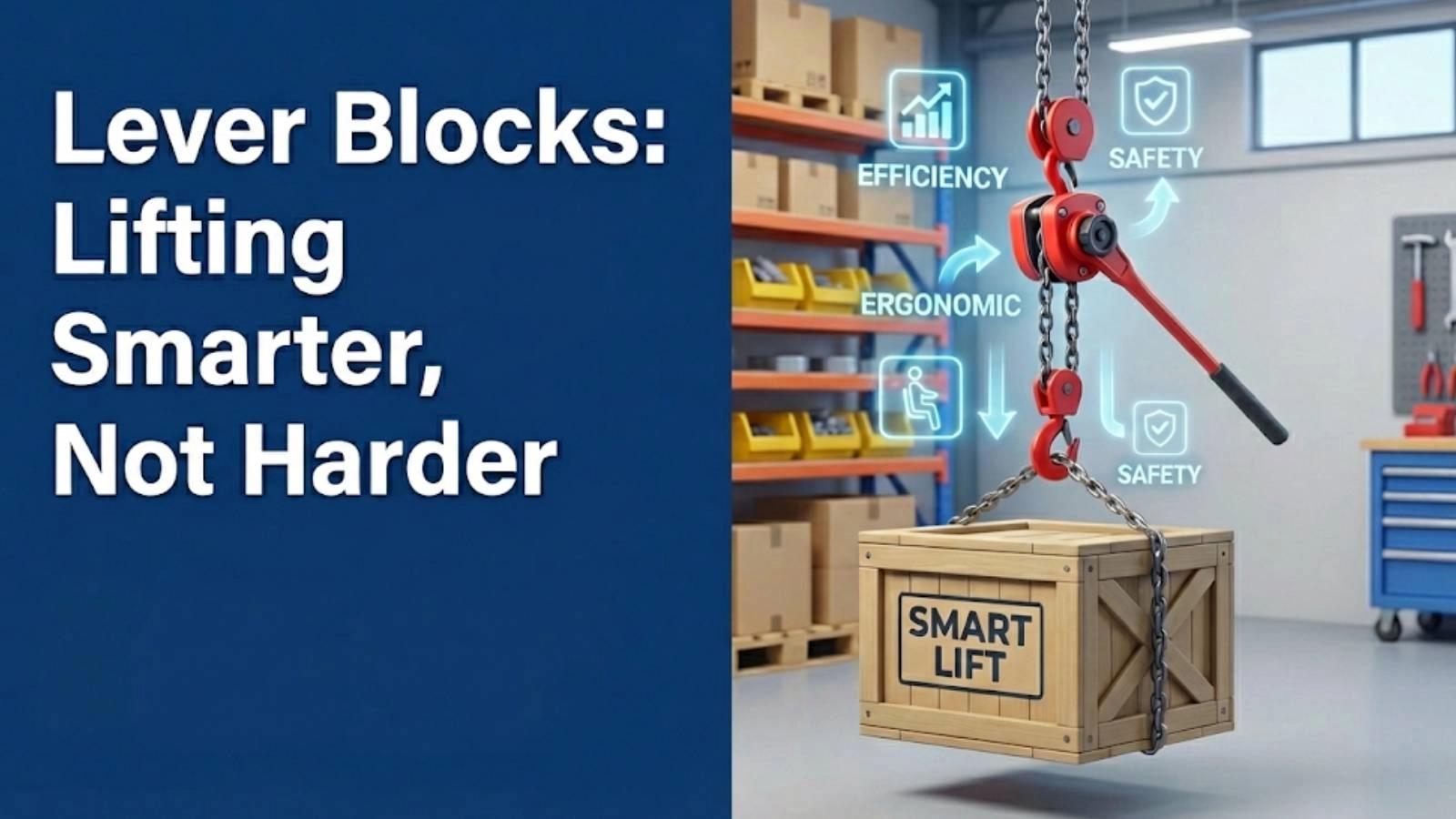
Prioritizing lever block safety is essential to prevent these accidents and protect workers from harm. This requires a comprehensive approach that includes regular inspections, proper maintenance, adherence to safe operating procedures, and thorough training for all personnel involved in lifting operations. By implementing these measures, we can significantly reduce the risk of accidents and create a safer working environment. At SSTC, we believe that every worker has the right to a safe workplace, and we are committed to providing the resources and expertise to help our clients achieve this goal. Our team in Dubai frequently emphasizes the importance of daily checks as a first line of defense.
Understanding Lever Blocks: A Safety-Focused Overview
What is a Lever Block and How Does It Work?
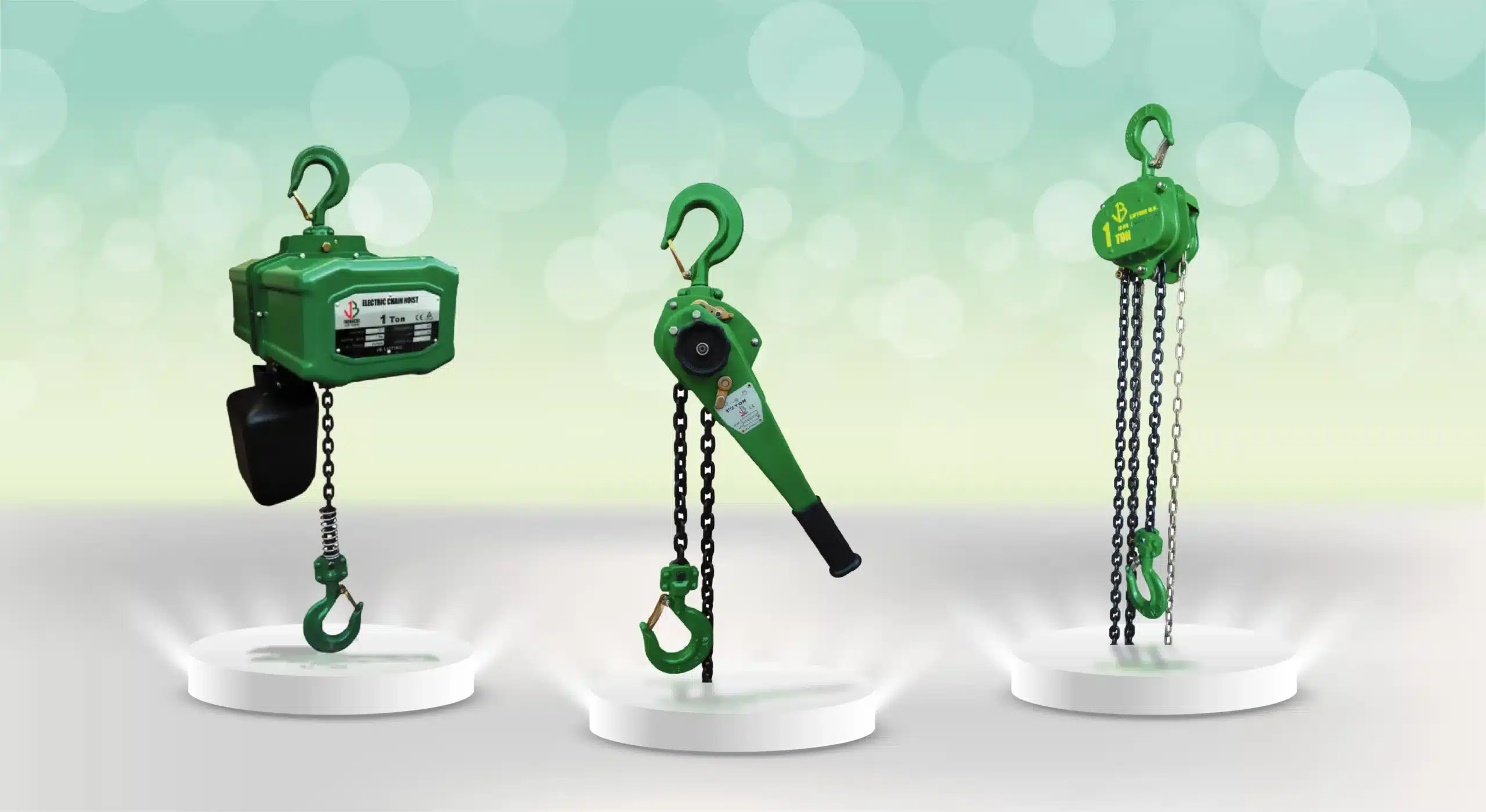
A lever block is a manually operated lifting device used to raise, lower, or pull heavy loads using a lever and a chain. It works on the principle of mechanical advantage, allowing a user to lift a load far heavier than they could lift manually. The user pulls on a lever, which rotates a ratchet mechanism. This mechanism engages with the load chain, causing it to move and lift or lower the load.
The main components of a lever block include the housing, lever, load chain, hooks (upper and lower), ratchet mechanism, and brake. The housing protects the internal components from damage and provides a secure structure for the block. The lever is used to apply force and operate the lifting mechanism. The load chain is responsible for supporting the weight of the load. The hooks are used to attach the lever block to the load and the anchor point. The ratchet mechanism converts the lever’s motion into linear movement of the chain. The brake is crucial for holding the load in place and preventing it from slipping.
Key Components Affecting Safety
Several key components directly impact the safety of a lever block. The load chain is arguably the most critical. It must be made of high-strength alloy steel and be regularly inspected for wear, damage, and corrosion. The hooks must also be made of high-strength steel and equipped with safety latches to prevent the load from accidentally slipping off. The lever and ratchet mechanism must be properly maintained to ensure smooth and reliable operation. The brake is essential for holding the load securely and must be regularly tested to ensure it is functioning correctly.
Understanding the function and condition of each component is crucial for ensuring lever block safety. Regular inspections and maintenance are essential to identify and address any potential problems before they lead to accidents. For instance, we once had a client who overlooked a minor crack in a hook, which later resulted in a complete hook failure during a critical lift.
Common Lever Block Accidents: Identifying the Hazards
Overloading: The Primary Cause of Failures
Overloading is one of the most common and dangerous causes of lever block failures. Exceeding the lever block’s rated capacity puts excessive stress on its components, potentially leading to breakage, deformation, or complete failure. Overloading can occur due to miscalculation of the load weight, using a lever block with an insufficient capacity, or unknowingly lifting a load that exceeds the block’s rating.
The consequences of overloading can be catastrophic. A sudden failure can cause the load to drop, resulting in serious injuries to workers, damage to equipment, and significant disruption to operations. It is imperative to always know the weight of the load and to use a lever block with an appropriate capacity and a sufficient safety margin. We at SSTC recommend a safety factor of at least 2:1 for most lifting applications.
Improper Slinging Techniques: A Recipe for Disaster
Improper slinging techniques can also lead to lever block accidents. Using incorrect sling angles, failing to protect slings from sharp edges, or using damaged or unsuitable slings can compromise the stability and security of the load. Sling angles significantly affect the load on each sling leg. As the angle increases, the tension on each leg also increases. Exceeding the sling’s rated capacity can cause it to break, resulting in a dropped load.
Protecting slings from sharp edges is crucial to prevent cuts and abrasions that can weaken the sling. Using appropriate edge protection, such as padding or corner protectors, can significantly extend the life of the sling and prevent accidents. Similarly, using damaged or unsuitable slings is a recipe for disaster. Always inspect slings before each use and discard any slings that show signs of wear, damage, or corrosion.
Lack of Inspection and Maintenance: The Silent Threat
A lack of regular inspection and maintenance can allow minor problems to escalate into major hazards. Wear, corrosion, and damage can gradually weaken the lever block’s components, increasing the risk of failure. Without regular inspections, these problems may go unnoticed until it’s too late. For example, a corroded chain may appear functional but can suddenly snap under load.
Regular maintenance, including lubrication, cleaning, and replacement of worn parts, is essential to keep the lever block in good working condition and prevent accidents. Neglecting maintenance can lead to malfunctions, reduced lifting capacity, and increased risk of failure. We recommend following a strict inspection and maintenance schedule, as outlined by the manufacturer and relevant safety standards.
“The best way to prevent lever block accidents is to be proactive and address potential problems before they become hazards.” – John Smith, Lead Safety Inspector
Pre-Use Inspection: Your First Line of Defense
Visual Checks: Looking for Obvious Damage
Before each use, a thorough visual inspection of the lever block is essential. This includes checking the housing for cracks, dents, or other damage. Inspect the lever for bending or damage that could affect its operation. Examine the load chain for signs of wear, corrosion, or stretching. Look for any obvious defects that could compromise the lever block’s integrity.
Pay close attention to the hooks, ensuring they are not bent, cracked, or deformed. Verify that the safety latches are functioning properly and securely engage the hook. Check the area around the ratchet mechanism for any signs of damage or debris that could interfere with its operation. A small amount of time spent on visual checks can prevent significant incidents.
Chain Inspection: Identifying Wear and Tear
The load chain is a critical component of the lever block, and its condition directly affects the safety of lifting operations. Inspect the chain links for wear, corrosion, stretching, or twisting. Measure the chain’s diameter to ensure it meets the manufacturer’s specifications. Look for any signs of damage, such as nicks, gouges, or cracks.
Pay particular attention to the areas of the chain that come into contact with the load wheels and sprockets, as these areas are subject to the most wear. Discard any chain that shows signs of excessive wear, damage, or corrosion. Replacing a worn chain is a relatively inexpensive way to prevent a potentially catastrophic failure. Our experience suggests that chains used in harsh environments require more frequent inspections.
Hook Inspection: Checking for Cracks and Deformations
The hooks are another critical component that must be carefully inspected before each use. Check the hooks for cracks, bending, twisting, or deformation. Use a calibrated gauge to measure the hook’s opening and compare it to the manufacturer’s specifications. Any hook that is bent, cracked, or deformed must be immediately removed from service.
Ensure that the safety latches are functioning properly and securely engage the hook. The safety latches prevent the load from accidentally slipping off the hook. If the safety latch is damaged or missing, the hook must be replaced. A hook failure can result in a dropped load and serious injuries.
| Inspection Item |
What to Look For |
Action Required |
| Housing |
Cracks, dents, damage |
Remove from service if damaged |
| Lever |
Bending, damage |
Remove from service if damaged |
| Load Chain |
Wear, corrosion, stretching |
Remove from service if damaged or worn |
| Hooks |
Cracks, bending, deformation |
Remove from service if damaged |
| Safety Latches |
Proper function, secure engagement |
Replace if damaged or missing |
Safe Operating Procedures: Step-by-Step Guide
Proper Attachment and Slinging Techniques
Proper attachment and slinging techniques are crucial for ensuring the stability and security of the load. Always use appropriate slings and attachments that are rated for the weight of the load. Ensure that the slings are properly attached to the load and the lever block, using correct hitch configurations. Avoid using damaged or unsuitable slings.
When using multiple slings, ensure that the load is evenly distributed among the slings. Use spreader bars or lifting beams to maintain proper sling angles and prevent excessive stress on the slings. Protect slings from sharp edges using padding or corner protectors. Secure the load properly to prevent it from shifting or falling during lifting operations.
Applying Force: Avoiding Jerky Movements
When operating the lever block, apply force smoothly and gradually. Avoid jerky or sudden movements, which can create excessive stress on the lever block and the load. Jerky movements can also cause the load to swing or become unstable, increasing the risk of accidents. A smooth, controlled lifting operation is essential for safety.
Use the lever in a consistent and controlled manner, maintaining a steady pace. Avoid overexerting yourself, as this can lead to fatigue and loss of control. If the lever block is difficult to operate, stop and inspect it for any problems. Forcing the lever can damage the mechanism and increase the risk of failure.
Load Control: Preventing Swings and Unintended Movement
Controlling the load during lifting operations is essential to prevent swings and unintended movement. Use tag lines to guide the load and prevent it from swinging into obstacles or personnel. Ensure that the load is properly balanced and stable before lifting it. Avoid lifting loads in windy conditions, which can make it difficult to control the load.
Lower the load slowly and carefully, avoiding sudden stops or drops. Use hand signals to communicate with other members of the lifting team. Keep the area around the lifting operation clear of obstacles and personnel. A well-coordinated and controlled lifting operation is essential for preventing accidents.
Load Weight Calculation: Preventing Overloads
Understanding the Lever Block’s Capacity
Every lever block has a specific rated capacity, which is the maximum weight it is designed to lift safely. This capacity is typically marked on the lever block’s housing. It is crucial to understand and respect the lever block’s capacity to prevent overloading. Never exceed the rated capacity of the lever block.
Using a lever block with an insufficient capacity can lead to catastrophic failure. Always select a lever block that is appropriate for the weight of the load. If you are unsure about the weight of the load, err on the side of caution and use a lever block with a higher capacity.
Calculating Load Weight Accurately
Accurately calculating the load weight is essential to prevent overloading. Use a reliable weighing device, such as a load cell or a crane scale, to determine the weight of the load. If you cannot weigh the load directly, use engineering calculations to estimate the weight based on the materials and dimensions of the load.
Consider the weight of any additional equipment, such as slings, shackles, and lifting beams, when calculating the total load weight. Add the weight of these items to the weight of the load to determine the total weight that the lever block will be lifting.
Using Load Charts and Safety Factors
Load charts provide information about the lifting capacity of the lever block under different conditions, such as sling angles and lifting configurations. Consult the load chart to ensure that the lever block is capable of safely lifting the load in the intended configuration.
Apply a safety factor to the lever block’s rated capacity to provide a margin of safety. A safety factor is a multiplier that reduces the maximum allowable load to account for uncertainties and potential variations in the load weight. At SSTC, we generally recommend a safety factor of at least 2:1 for most lifting applications, but more conservative safety factors may be required for critical lifts or hazardous environments.
Essential Maintenance and Storage Practices
Lubrication: Keeping Moving Parts Smooth
Regular lubrication is essential for keeping the lever block’s moving parts smooth and functioning properly. Lubrication reduces friction, prevents wear, and protects against corrosion. Use a high-quality lubricant that is recommended by the lever block manufacturer. Apply lubricant to the chain, hooks, lever mechanism, and other moving parts on a regular basis.
Follow the manufacturer’s instructions for lubrication frequency and application methods. Avoid over-lubricating the lever block, as this can attract dirt and debris. Wipe off any excess lubricant to prevent it from dripping onto the load or the surrounding area.
Chain Maintenance: Preventing Rust and Corrosion
The load chain is susceptible to rust and corrosion, especially in humid or corrosive environments. Regular chain maintenance is essential to prevent rust and corrosion and extend the life of the chain. Clean the chain regularly to remove dirt, debris, and contaminants.
Apply a rust-inhibiting lubricant to the chain to protect it from corrosion. Inspect the chain regularly for signs of rust or corrosion. If rust or corrosion is present, remove it with a wire brush or a chemical rust remover. If the rust or corrosion is severe, replace the chain.
Proper Storage: Protecting Against Damage
Proper storage is essential to protect the lever block from damage and extend its life. Store the lever block in a clean, dry environment away from direct sunlight, extreme temperatures, and corrosive chemicals. Hang the lever block from a suitable rack or hanger to prevent it from resting on the floor.
Protect the lever block from physical damage by storing it in a designated storage area. Avoid storing heavy objects on top of the lever block. Cover the lever block with a protective cover to prevent dust and debris from accumulating on it.
Training and Competency: Investing in Your Team
Formal Training Programs: A Necessity, Not an Option
Formal training programs are a necessity, not an option, for ensuring lever block safety. Training programs provide workers with the knowledge and skills they need to operate lever blocks safely and effectively. Training should cover topics such as lever block operation, inspection, maintenance, load weight calculation, slinging techniques, and safe operating procedures.
Training programs should be conducted by qualified instructors who have extensive experience in lifting operations. The training should include both classroom instruction and hands-on practice. Workers should be required to demonstrate their competency in operating lever blocks before being allowed to use them on the job.
Regular Refresher Courses: Reinforcing Safe Practices
Regular refresher courses are essential for reinforcing safe practices and keeping workers up-to-date on the latest safety standards and procedures. Refresher courses should be conducted at least annually or more frequently if there are changes in safety regulations or operating procedures.
Refresher courses should review key safety topics, such as lever block operation, inspection, maintenance, load weight calculation, slinging techniques, and safe operating procedures. The courses should also address any new hazards or risks that have been identified since the last training session.
Competency Assessments: Ensuring Proficiency
Competency assessments are essential for ensuring that workers are proficient in operating lever blocks safely. Competency assessments should be conducted regularly to evaluate workers’ knowledge, skills, and ability to apply safe operating procedures. Assessments can include written tests, practical demonstrations, and on-the-job observations.
Workers who fail to meet the required competency standards should be provided with additional training or mentoring until they can demonstrate proficiency. Competency assessments should be documented and maintained as part of the worker’s training record.
Troubleshooting Common Lever Block Issues
Chain Binding or Jamming: Causes and Solutions
Chain binding or jamming is a common issue that can occur with lever blocks. This can be caused by several factors, including a dirty or corroded chain, a damaged chain link, misalignment of the chain on the load wheel, or overloading. When the chain binds or jams, it can be difficult or impossible to operate the lever block.
To resolve chain binding or jamming, first inspect the chain for dirt, corrosion, or damage. Clean and lubricate the chain if necessary. If there is a damaged chain link, replace the chain. Ensure that the chain is properly aligned on the load wheel. If the lever block is overloaded, reduce the load to within the rated capacity.
Lever Mechanism Malfunctions: Identifying and Addressing Problems
The lever mechanism can malfunction due to wear, damage, or lack of lubrication. Common problems include a stiff or difficult-to-operate lever, a lever that slips or does not engage properly, or a lever that is bent or broken. These malfunctions can make it difficult or impossible to operate the lever block safely.
To identify and address lever mechanism malfunctions, first inspect the lever for wear, damage, or bending. Lubricate the lever mechanism to ensure smooth operation. If the lever is damaged, replace it. If the lever mechanism is slipping or not engaging properly, inspect the ratchet mechanism for wear or damage. Replace any worn or damaged parts.
Hook Deformations: When to Replace
Hook deformations, such as bending, twisting, or opening, can significantly reduce the hook’s strength and increase the risk of failure. Hooks can become deformed due to overloading, improper use, or impact damage. A deformed hook should be immediately removed from service and replaced.
To determine if a hook is deformed, use a calibrated gauge to measure the hook’s opening. Compare the measurement to the manufacturer’s specifications. If the hook’s opening exceeds the allowable limit, replace the hook. Also, inspect the hook for cracks or other damage. Any hook that is cracked or damaged must be replaced.
Regulatory Compliance: Adhering to Safety Standards
OSHA Regulations: Understanding Your Obligations
The Occupational Safety and Health Administration (OSHA) sets forth regulations for overhead lifting and material handling safety, which include specific requirements for lever blocks. Employers are obligated to comply with these regulations to ensure a safe working environment for their employees. Understanding these obligations is crucial for maintaining workplace safety and avoiding penalties.
OSHA regulations cover topics such as lever block inspection, maintenance, operation, and training. Employers must ensure that lever blocks are inspected regularly, maintained in good working condition, and operated safely by trained personnel. Failure to comply with OSHA regulations can result in fines, citations, and legal liabilities.
ANSI Standards: Following Industry Best Practices
The American National Standards Institute (ANSI) develops voluntary consensus standards for a wide range of industries, including lifting equipment safety. ANSI standards provide guidance on the design, construction, inspection, maintenance, and operation of lever blocks. Following ANSI standards is considered an industry best practice for ensuring lever block safety.
ANSI standards are not legally binding, but they are often referenced in OSHA regulations and other legal documents. Compliance with ANSI standards demonstrates a commitment to safety and can help employers avoid accidents and injuries.
Local Regulations: Ensuring Compliance
In addition to OSHA regulations and ANSI standards, local regulations may also apply to lever block safety. These regulations can vary depending on the state, city, or municipality. Employers must be aware of and comply with all applicable local regulations.
Local regulations may address topics such as permitting requirements, inspection procedures, and training requirements. Contact your local regulatory agency to determine the specific requirements for lever block safety in your area.
The Future of Lever Block Safety: Innovations and Trends
Smart Lever Blocks: Integrated Safety Features
Smart lever blocks are emerging as a new trend in lifting equipment safety. These lever blocks incorporate sensors, microprocessors, and wireless communication technology to provide real-time data on load weight, lifting height, and other critical parameters. This data can be used to monitor lever block performance, detect potential problems, and prevent accidents.
Smart lever blocks can also be integrated with other safety systems, such as alarms, interlocks, and remote monitoring systems. These integrated systems can provide an additional layer of safety and help to prevent overloading, improper use, and other hazards.
Advanced Materials: Enhancing Strength and Durability
Advanced materials, such as high-strength alloys and composite materials, are being used to enhance the strength and durability of lever blocks. These materials can reduce the weight of the lever block while increasing its lifting capacity and resistance to wear, corrosion, and damage.
Using advanced materials can also extend the life of the lever block and reduce maintenance costs. Lighter and more durable lever blocks can also improve worker safety by reducing the risk of fatigue and injuries.
Remote Monitoring: Real-Time Safety Data
Remote monitoring systems are being used to track the performance of lever blocks in real-time. These systems can collect data on load weight, lifting height, operating hours, and other parameters. This data can be used to identify potential problems, such as overloading or improper use, and to schedule maintenance.
Remote monitoring systems can also provide alerts and notifications when critical parameters exceed pre-set limits. This allows safety managers to take immediate action to prevent accidents and injuries.
Conclusion: Creating a Culture of Lever Block Safety
Recap of Achievement
In this guide, we’ve covered the critical aspects of lever block safety, from understanding the equipment and identifying hazards to implementing safe operating procedures, maintenance practices, and training programs. By prioritizing lever block safety, we can create a safer working environment for all personnel involved in lifting operations. Remember, a proactive approach that includes regular inspections, proper maintenance, and thorough training is the key to preventing accidents and protecting workers from harm.
FAQ Section
Q: How often should lever blocks be inspected?
A: Lever blocks should be inspected before each use and at regular intervals, such as monthly or quarterly, depending on the frequency of use and the severity of the operating environment.
Q: What should I do if I find a defect during a lever block inspection?
A: If you find a defect during a lever block inspection, immediately remove the lever block from service and tag it as “out of service.” Do not use the lever block until it has been repaired or replaced by a qualified technician.
Q: Can I repair a damaged lever block myself?
A: Repairs to lever blocks should only be performed by qualified technicians who have the necessary training and expertise. Improper repairs can compromise the safety of the lever block and increase the risk of accidents.
Q: What is the proper way to store a lever block?
A: Lever blocks should be stored in a clean, dry environment away from direct sunlight, extreme temperatures, and corrosive chemicals. Hang the lever block from a suitable rack or hanger to prevent it from resting on the floor.
Q: How can I ensure that my workers are properly trained in lever block safety?
A: Provide workers with formal training programs that cover lever block operation, inspection, maintenance, load weight calculation, slinging techniques, and safe operating procedures. Conduct regular refresher courses and competency assessments to reinforce safe practices and ensure proficiency.
Q: What is a safety factor, and why is it important?
A: A safety factor is a multiplier that reduces the maximum allowable load to account for uncertainties and potential variations in the load weight. It provides a margin of safety to prevent overloading and reduce the risk of accidents. At SSTC, we recommend a safety factor of at least 2:1 for most lifting applications.
Q: What are some common causes of lever block accidents?
A: Common causes of lever block accidents include overloading, improper slinging techniques, lack of inspection and maintenance, and inadequate training.
Q: How can I prevent overloading a lever block?
A: Always know the weight of the load and use a lever block with an appropriate capacity and a sufficient safety margin. Use a reliable weighing device to determine the weight of the load. Consult the lever block’s load chart to ensure that it is capable of safely lifting the load in the intended configuration.
Q: What are the key components of a lever block that affect safety?
A: The key components of a lever block that affect safety include the load chain, hooks, lever mechanism, and brake. These components must be regularly inspected and maintained to ensure they are in good working condition.
Q: What should I do if the lever block chain binds or jams?
A: If the lever block chain binds or jams, stop using the lever block immediately and inspect the chain for dirt, corrosion, or damage. Clean and lubricate the chain if necessary. If there is a damaged chain link, replace the chain. Ensure that the chain is properly aligned on the load wheel. If the lever block is overloaded, reduce the load to within the rated capacity.
By following these guidelines and prioritizing lever block safety, we can create a safer and more productive working environment for everyone. Remember, safety is not just a set of rules; it’s a mindset that we must cultivate every day.