Lever block techniques are essential for anyone involved in lifting and rigging operations. These versatile tools offer a powerful mechanical advantage, making it easier to lift heavy loads with minimal effort. At Safe and Secure Trading Company (SSTC), we emphasize the importance of understanding and mastering these techniques to ensure safe and efficient lifting practices.
Introduction to Lever Block Techniques
What is a Lever Block?
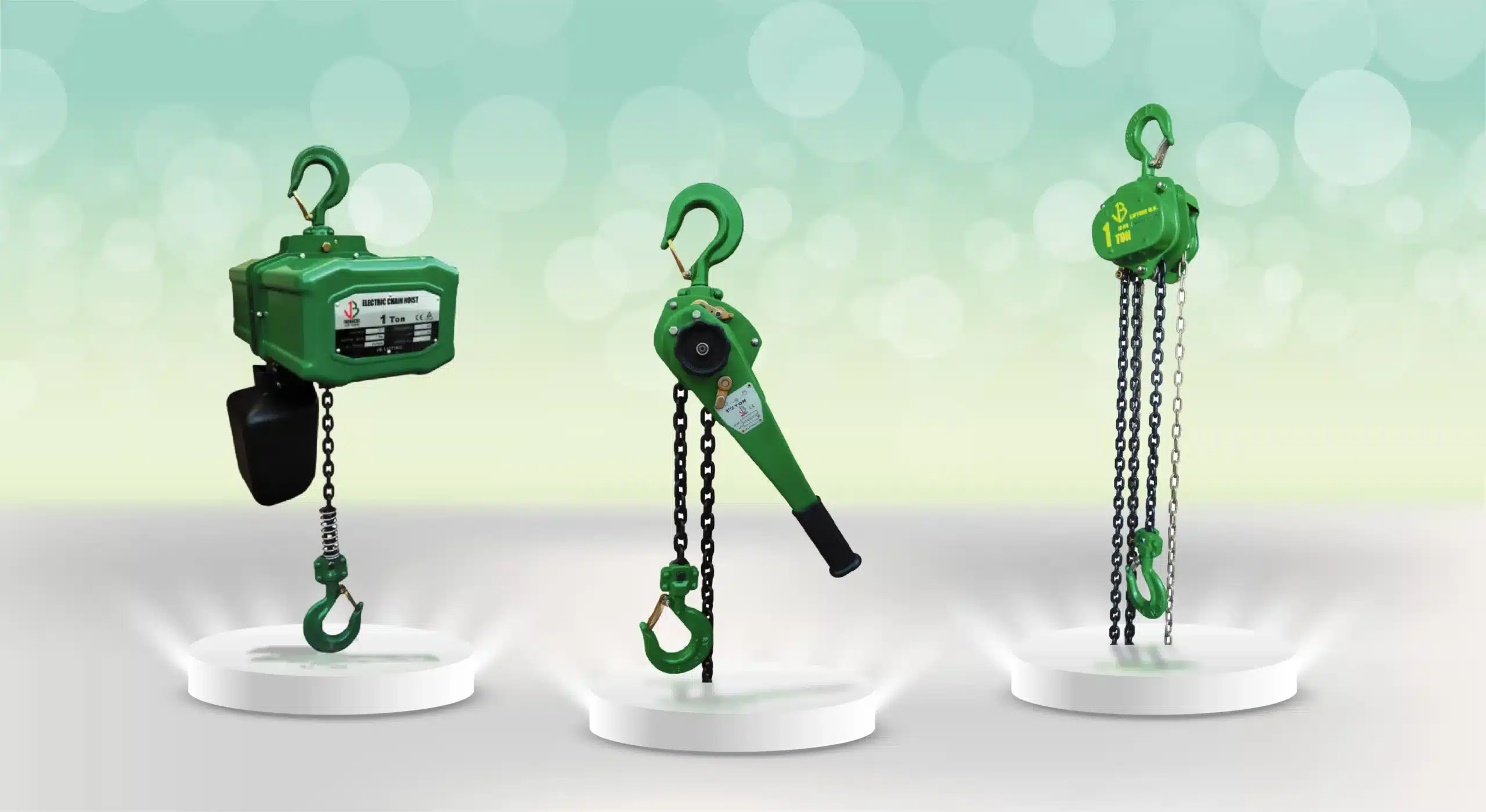
A lever block, also known as a come along tool or lever hoist, is a portable manual lifting device used to raise, lower, or pull heavy loads. It operates using a lever mechanism that provides significant mechanical advantage, allowing a single person to lift loads far exceeding their own strength. These tools are invaluable in situations where powered lifting equipment is unavailable or impractical.
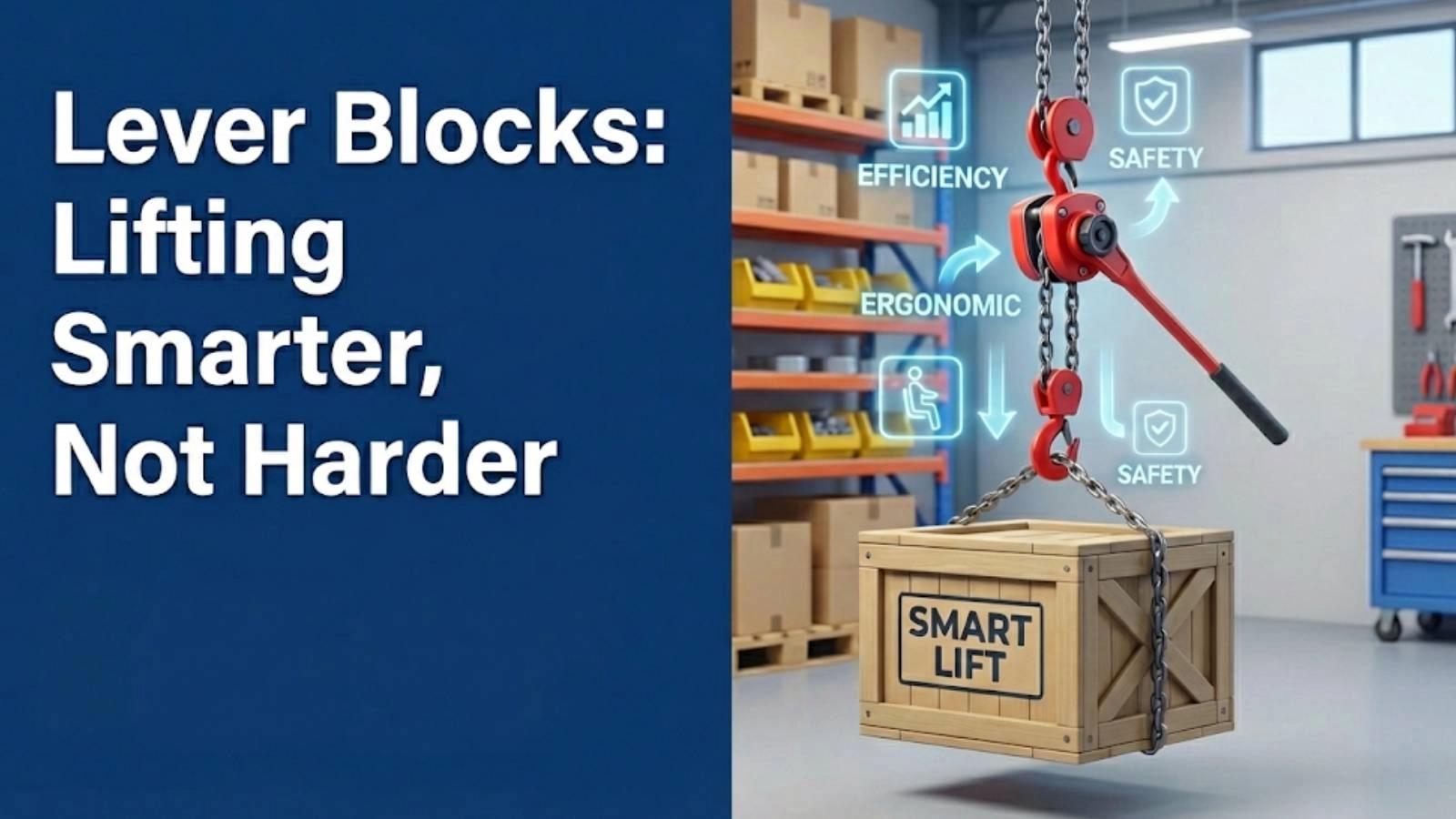
The benefits of using a lever block are numerous. Their portability makes them ideal for use in various locations, from construction sites to automotive repair shops. Their ease of use means that with proper training, workers can quickly and safely perform lifting tasks. The mechanical advantage they provide reduces the physical strain on operators, minimizing the risk of injury. Consider a scenario where a construction crew needs to lift a heavy steel beam into place. Using a lever block, they can precisely position the beam without the need for a crane, saving time and resources.
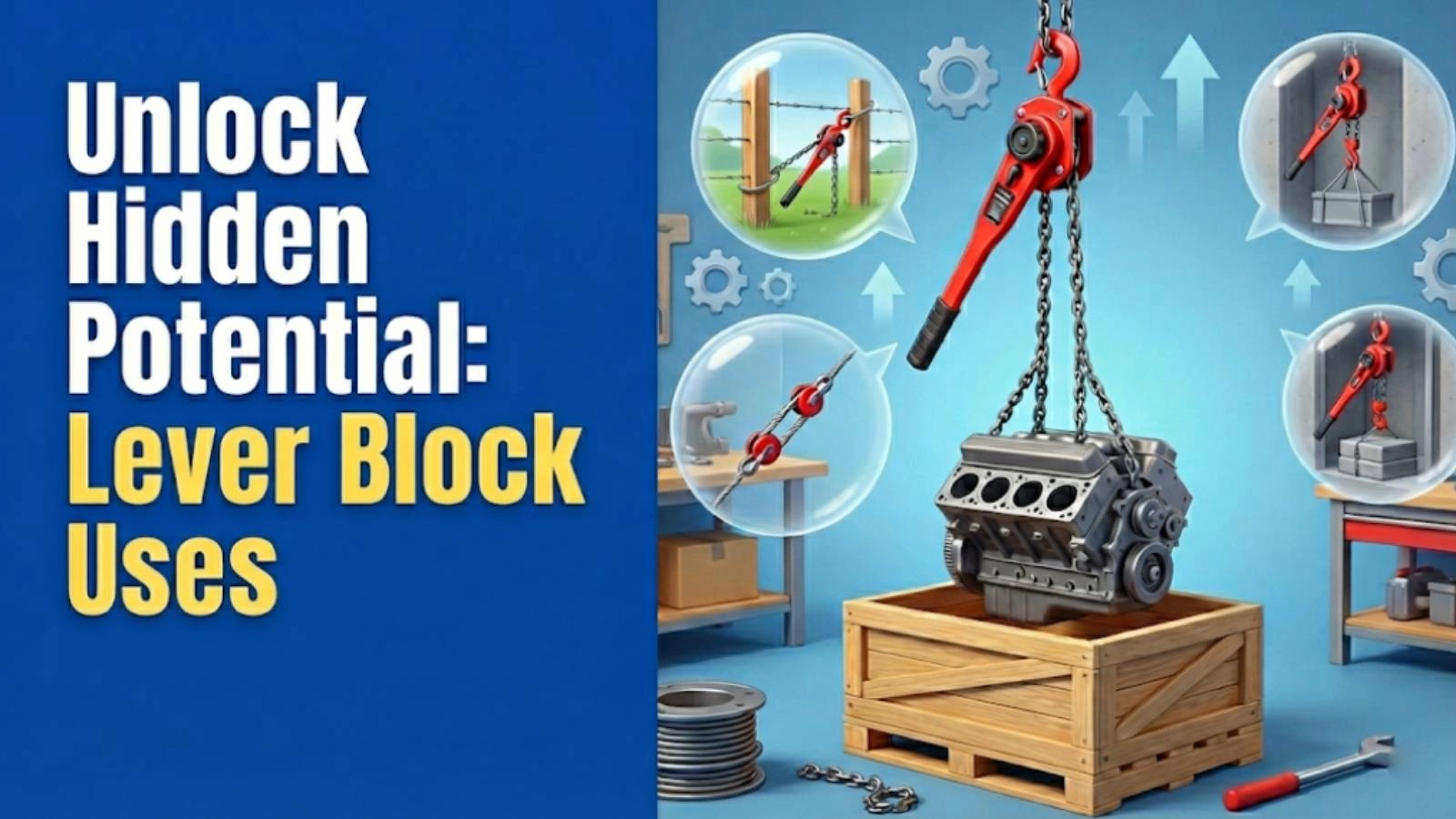
Lever blocks find applications in a wide range of industries, including construction, automotive repair, forestry, and rigging. In construction, they are used for lifting materials, aligning structures, and tensioning cables. In automotive repair, they are essential for engine removal, chassis alignment, and bodywork. Riggers rely on lever blocks for load securement and precise positioning of heavy equipment.
Why are Lever Block Techniques Important?
Safety is paramount when lifting heavy loads. Improper use of lever blocks can lead to serious accidents, including dropped loads, equipment failure, and personal injury. According to the Bureau of Labor Statistics, approximately 20% of all workplace injuries are related to manual materials handling, highlighting the need for safe lifting practices. Proper training and adherence to safety protocols are crucial to mitigating these risks.
Potential hazards of improper lever block usage include:
- Dropped Loads: Occur when the lever block fails due to overloading or improper attachment.
- Equipment Failure: Caused by using damaged or poorly maintained equipment.
- Personal Injury: Results from being struck by falling loads or operating the lever block unsafely.
- Overexertion: Straining muscles due to attempting to lift beyond the lever block’s capacity.
To prevent these hazards, it’s essential to implement comprehensive safety measures. These measures should include regular equipment inspections, proper training for operators, and strict adherence to load limits. For example, our team in Dubai always emphasizes the importance of pre-lift checks to ensure all equipment is in optimal condition.
Proper training is the cornerstone of safe lever block operation. Operators must be trained on the correct techniques for attaching, operating, and maintaining the equipment. They should also be knowledgeable about load limits, rigging principles, and emergency procedures. Regular inspections are equally important. Before each use, the lever block should be thoroughly inspected for signs of damage, wear, or corrosion. Any suspect equipment should be taken out of service immediately.
Essential Components of a Lever Block
Understanding the Chain and Hooks
The chain and hooks are critical components of a lever block, directly responsible for lifting and securing the load. Understanding their types, load capacities, and safety features is essential for safe operation. Different types of chains are available, each with specific load capacities, or Working Load Limits (WLL). Alloy steel chains are commonly used due to their high strength and durability. The WLL is clearly marked on the lever block and should never be exceeded.
Hook safety latches play a crucial role in preventing accidental disengagement of the load. These latches ensure that the lifting sling or chain remains securely attached to the hook during the lifting operation. Always verify that the safety latches are in good working order and properly engaged before lifting any load. We once had a client who skipped this step, resulting in a near-miss incident. Always double-check the latches!
[IMAGE: Close-up of a lever block chain and hook with labeled parts]
The Lever Mechanism and its Function
The lever mechanism is the heart of the lever block, providing the mechanical advantage necessary to lift heavy loads with minimal effort. This mechanism typically consists of a series of gears and levers that multiply the applied force. The lever ratio determines the amount of force required to lift a given load. For example, a lever block with a 20:1 ratio means that for every 1 pound of force applied to the lever, the block can lift 20 pounds.
Smooth lever operation is essential for efficient and safe lifting. The lever should move freely and engage the chain without binding or slipping. Any resistance or unusual noise may indicate internal damage or wear. If the lever operation is not smooth, it can lead to jerky movements, potentially destabilizing the load.
Identifying Critical Wear Points
Regular inspection for wear, damage, and corrosion is crucial for maintaining the safety and reliability of lever blocks. Common wear points include chain links, hooks, gears, and the lever mechanism itself. Chain links should be inspected for stretching, bending, or cracks. Hooks should be checked for deformation, cracks, and proper latch operation. Gears should be examined for worn teeth or signs of damage.
Wear, damage, and corrosion can significantly reduce the load capacity of the lever block and increase the risk of failure. Corrosion, especially in marine environments, can weaken the metal components. Damaged or worn parts should be replaced immediately by a qualified technician. We always recommend keeping a log of inspections and maintenance to track the condition of your lever blocks.
Pre-Use Inspection Checklist
Visual Inspection of the Chain and Hooks
Before each use, a thorough visual inspection of the chain and hooks is essential. Start by examining the chain for any signs of damage, such as kinks, twists, cuts, or corrosion. Pay close attention to individual links, ensuring they are not stretched or deformed. Next, inspect the hooks for cracks, bends, or wear. Check that the hook safety latches are present and functioning correctly, snapping securely into place.
If any damage is found during the visual inspection, the lever block must be removed from service immediately. Using damaged equipment can lead to catastrophic failure and serious injury. It’s always better to err on the side of caution and replace any suspect parts.
[IMAGE: Example of a damaged chain link that needs replacement]
Testing the Lever Mechanism
The lever mechanism should be tested before each use to ensure smooth operation and proper engagement. Operate the lever through its full range of motion, checking for any resistance, binding, or unusual noises. Ensure that the lever engages the chain smoothly and securely, without slipping. If the lever is equipped with a locking mechanism, verify that it functions correctly.
Signs of internal damage or wear in the lever mechanism include excessive play, difficulty engaging the chain, or unusual noises during operation. If any of these signs are present, the lever block should be inspected by a qualified technician. Continuing to use a damaged lever mechanism can lead to sudden failure and serious injury.
Verifying Load Capacity (WLL)
The Working Load Limit (WLL) is the maximum load that the lever block is designed to lift safely. The WLL is clearly marked on the lever block, typically on a metal tag or embossed on the housing. Always locate and understand the WLL before attempting to lift any load. Never exceed the WLL under any circumstances.
Overloading the lever block can lead to catastrophic failure, resulting in dropped loads and potential injury. Always use a lever block with a WLL that is appropriate for the load being lifted. If the load is close to the WLL, consider using a lever block with a higher capacity to provide a safety margin. According to a recent study by the Industrial Safety Council, 30% of lever block failures are attributed to overloading.
Safe Lifting Procedures: A Step-by-Step Guide
Step 1: Securely Attaching the Lever Block
Properly securing the lever block to a suitable anchor point is critical for safe lifting. The anchor point must be strong enough to support the intended load and should be inspected for any signs of damage or weakness. Use slings or other rigging hardware to distribute the load evenly across the anchor point. Ensure that the sling is properly rated for the load and is in good condition.
Methods for attaching the lever block include:
- Direct Attachment: Connecting the lever block directly to a structural member using a shackle or hook.
- Sling Attachment: Using a sling wrapped around a structural member to create a secure anchor point.
- Beam Clamp Attachment: Utilizing a beam clamp specifically designed for attaching lifting equipment to I-beams.
[IMAGE: Correctly attaching a lever block to a steel I-beam using a sling]
Step 2: Connecting the Load
Safely attaching the load to the lever block hook is essential for preventing slippage or accidental disengagement. Use appropriate lifting straps, chains, or slings to secure the load. Ensure that the lifting gear is properly rated for the load and is in good condition. Avoid sharp edges or pinch points that could damage the lifting gear.
Techniques for safely connecting the load include:
- Choker Hitch: Wrapping a sling around the load and passing one end through the loop on the other end.
- Basket Hitch: Using a sling to cradle the load, with both ends attached to the lever block hook.
- Vertical Hitch: Attaching the load directly to the lever block hook using a shackle or eye bolt.
Step 3: Operating the Lever Block
Operate the lever mechanism smoothly and efficiently to raise or lower the load. Maintain a safe distance from the load during lifting, and avoid standing directly underneath it. Use a steady, controlled motion to operate the lever, avoiding jerky or sudden movements that could destabilize the load. If the lever block is equipped with a brake, ensure that it is functioning correctly before lifting the load.
When operating the lever block, follow these guidelines:
- Use Both Hands: Use both hands to operate the lever, providing better control and stability.
- Maintain a Firm Grip: Keep a firm grip on the lever to prevent slippage.
- Avoid Overextending: Do not overextend yourself when operating the lever.
Step 4: Monitoring the Lift
Continuously monitor the load, the lever block, and the surrounding environment during the lift. Watch for signs of instability, slippage, or equipment malfunction. Be prepared to stop the lift immediately if any issues are detected. Communicate clearly with any other personnel involved in the lifting operation.
During the lift, pay attention to:
- Load Stability: Ensure the load remains balanced and does not shift unexpectedly.
- Lever Block Operation: Monitor the lever block for any signs of strain or malfunction.
- Surrounding Environment: Watch for any obstacles or hazards in the lifting path.
Advanced Techniques and Tips
Using Multiple Lever Blocks for Heavy Loads
When lifting very heavy loads, it may be necessary to use multiple lever blocks to distribute the weight. Ensure that the load is evenly distributed across all lever blocks to prevent overloading any individual block. Synchronize the operation of multiple lever blocks to ensure smooth and even lifting. Using multiple lever blocks requires careful planning and coordination.
To ensure equal load distribution:
- Use a Spreader Beam: Employ a spreader beam to distribute the load evenly across multiple lifting points.
- Monitor Load Cells: Use load cells to monitor the weight on each lever block.
- Adjust Lifting Points: Fine-tune the lifting points to equalize the load.
Rigging Techniques for Complex Lifts
Complex lifts may require advanced rigging techniques, such as using snatch blocks and spreaders. Snatch blocks can be used to redirect the lifting force, allowing for greater flexibility in positioning the load. Spreaders can be used to distribute the load across multiple lifting points, preventing stress on individual components. Consult with a qualified rigger for complex lifts to ensure safety and stability.
> “Proper planning and execution are crucial for complex lifts. Always consult with a qualified rigger and use appropriate rigging hardware.” – John Smith, Lead Safety Inspector
[IMAGE: Diagram showing how to use a snatch block to redirect lifting force]
Troubleshooting Common Issues
Chain Binding or Jamming
Chain binding or jamming can occur due to several factors, including improper lubrication, damaged chain links, or foreign objects lodged in the chain. To resolve chain binding, first, inspect the chain for any visible damage or obstructions. Remove any foreign objects and lubricate the chain with a suitable lubricant. If the binding persists, replace the damaged chain links.
Proper chain lubrication is essential for preventing binding and ensuring smooth operation. Use a lubricant specifically designed for chains and apply it regularly. Avoid using excessive amounts of lubricant, as this can attract dirt and debris.
Slipping Loads
Slipping loads can be caused by improper rigging, worn hooks, or exceeding the WLL. To prevent slipping loads, ensure that the load is properly rigged using appropriate lifting gear. Inspect the hooks for wear or damage and replace them if necessary. Never exceed the WLL of the lever block.
Corrective actions to prevent further slippage include:
- Re-Rig the Load: Adjust the rigging to ensure a more secure connection.
- Use a Higher Capacity Lever Block: If the load is close to the WLL, use a lever block with a higher capacity.
- Inspect Lifting Gear: Thoroughly inspect all lifting gear for wear or damage.
Lever Mechanism Failure
Lever mechanism failure can be caused by internal damage, wear, or overloading. If the lever mechanism fails, the lever block must be removed from service immediately. Diagnose the cause of the failure and determine whether the lever block can be repaired or needs to be replaced. Minor repairs may be possible, but major failures typically require replacement.
When to repair vs. replace a damaged lever block:
| Issue |
Repair or Replace |
Notes |
| Minor Gear Wear |
Repair |
If wear is minimal and gears are still functional. |
| Cracked Housing |
Replace |
Compromises structural integrity. |
| Broken Lever |
Replace |
Critical safety component. |
| Chain Damage |
Repair |
Replace damaged links if possible, otherwise replace chain. |
| Hook Damage |
Replace |
Hooks are a critical load-bearing component. |
| Significant Internal Wear |
Replace |
Cost of repair may exceed replacement cost. |
Maintenance and Storage Best Practices
Cleaning and Lubricating the Lever Block
Regular cleaning and lubrication are essential for maintaining the performance and longevity of the lever block. Use a mild detergent and water to clean the lever block, removing any dirt, grease, or debris. After cleaning, lubricate the chain and lever mechanism with a suitable lubricant.
Recommended lubricants include:
- Chain Lubricant: Specifically designed for lubricating chains and preventing corrosion.
- Penetrating Oil: Useful for loosening stuck parts and lubricating hard-to-reach areas.
Proper Storage Techniques
Proper storage is crucial for protecting the lever block from damage and corrosion. Store the lever block in a dry, protected environment, away from extreme temperatures or corrosive chemicals. Avoid storing the lever block on the ground, where it can be exposed to moisture and dirt.
To prevent damage during storage:
- Hang the Lever Block: Suspend the lever block from a hook or hanger.
- Cover the Lever Block: Use a cover to protect the lever block from dust and moisture.
Regular Inspection and Certification
Regular inspections by a qualified technician are essential for ensuring the ongoing safety and reliability of the lever block. Inspections should be performed at least annually, or more frequently if the lever block is used in harsh environments. Certification provides documented proof that the lever block has been inspected and meets all applicable safety standards.
Understanding certification requirements and documentation is important for compliance and safety. Keep records of all inspections and certifications, and ensure that the lever block is recertified as required. 2026 marks our commitment to upholding rigorous safety standards, and we encourage all users to adhere to the same.
Conclusion: Mastering Lever Block Techniques for Safe and Efficient Lifting
Recap of Achievement
In this comprehensive guide, we have covered the essential lever block techniques, from understanding the components to performing safe lifting procedures. We’ve emphasized the importance of pre-use inspections, proper rigging, and regular maintenance. By following these guidelines, you can ensure safe and efficient lifting operations, minimizing the risk of accidents and injuries.
Mastering lever block techniques requires a commitment to safety and continuous learning. We at Safe and Secure Trading Company are dedicated to providing the knowledge and resources you need to succeed. With our expertise and your dedication, we can create a safer working environment for everyone.
FAQ Section
Q: What is the Working Load Limit (WLL)?
A: The Working Load Limit (WLL) is the maximum weight a lever block is designed to lift safely. This limit is clearly marked on the device and must never be exceeded.
Q: How often should I inspect my lever block?
A: A visual inspection should be performed before each use. A more thorough inspection by a qualified technician should be done at least annually, or more frequently if the lever block is used in harsh conditions.
Q: What are the signs of a damaged chain?
A: Signs of a damaged chain include kinks, twists, cuts, corrosion, stretched links, and deformed links. Any of these issues require immediate replacement of the chain.
Q: Can I repair a damaged lever block myself?
A: Minor repairs, such as lubricating the chain, can be performed by the operator. However, any significant repairs, such as replacing worn gears or hooks, should be performed by a qualified technician.
Q: What type of lubricant should I use on my lever block?
A: Use a lubricant specifically designed for chains and gears. Avoid using general-purpose lubricants, as they may not provide adequate protection and could attract dirt and debris.
Q: How do I store my lever block properly?
A: Store the lever block in a dry, protected environment, away from extreme temperatures or corrosive chemicals. Hang the lever block from a hook or hanger, and cover it to protect it from dust and moisture.
Q: What should I do if the lever block chain is binding?
A: Inspect the chain for any visible damage or obstructions. Remove any foreign objects and lubricate the chain with a suitable lubricant. If the binding persists, replace the damaged chain links.
Q: Is it safe to use multiple lever blocks to lift a heavy load?
A: Yes, but it requires careful planning and coordination. Ensure the load is evenly distributed across all lever blocks to prevent overloading any individual block. Using a spreader beam is highly recommended.
Q: What is the purpose of the hook safety latch?
A: The hook safety latch prevents accidental disengagement of the load by ensuring that the lifting sling or chain remains securely attached to the hook during the lifting operation.
Q: What qualifications should a rigger have for complex lifting operations?
A: A qualified rigger should have documented training and experience in rigging techniques, load calculation, and safety procedures. They should also be familiar with relevant industry standards and regulations.