Introduction: Lever Block vs. Chain Block
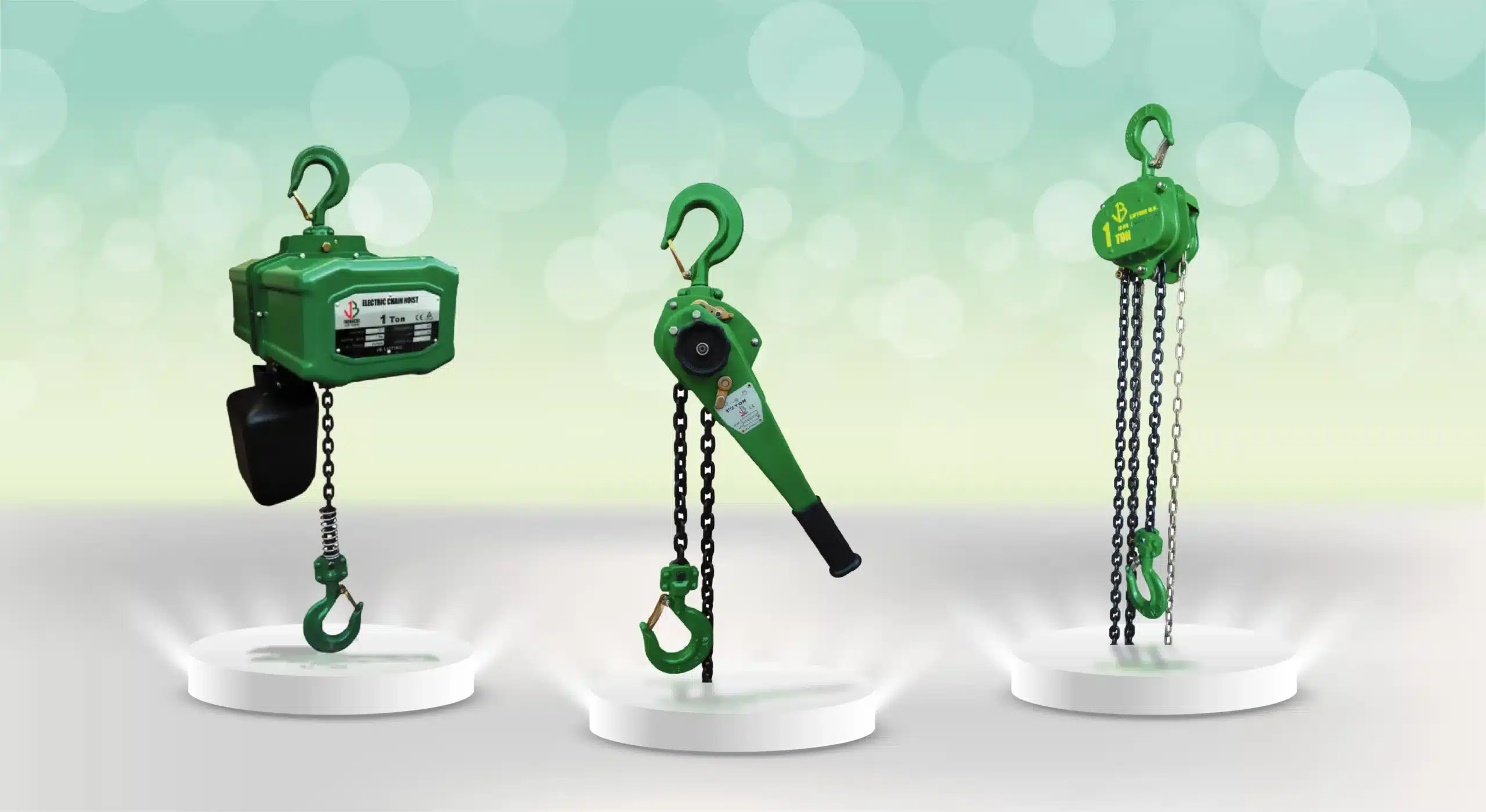
In the realm of material handling and industrial lifting, selecting the right equipment is paramount for ensuring both safety and efficiency. Two of the most commonly used tools for vertical lifting are the lever block and the chain block. A lever block, also known as a ratchet lever hoist, utilizes a lever mechanism to apply force, making it ideal for precise positioning and tensioning of loads. Conversely, a chain block, also referred to as a hand chain hoist, employs a system of gears and pulleys operated by a hand chain, providing mechanical advantage for lifting heavy objects.
This article serves as a comprehensive comparison of lever block vs chain block, providing you with the data-driven insights necessary to make an informed decision. Understanding the distinct advantages and limitations of each type of hoist is crucial for optimizing your operations. Whether you’re involved in construction, manufacturing, or maintenance, selecting the right tool can significantly impact productivity and safety.
We, at Safe and Secure Trading Company (SSTC), aim to provide an unbiased analysis of these two essential pieces of lifting equipment. Our goal is to equip you with the knowledge to choose the best tool for your specific needs, ensuring efficient and safe material handling practices.
Key Differences in Design and Mechanics
The fundamental differences in design and mechanics between lever blocks and chain blocks dictate their suitability for various applications. Understanding these differences is crucial for selecting the right tool for the job.
Lever Block Design
A lever block operates using a lever and ratchet mechanism. The operator moves the lever back and forth, incrementally engaging the ratchet to lift or lower the load. This design offers a high degree of control and precision, making it well-suited for tasks requiring fine adjustments.
The compact design of a lever block contributes to its portability and ease of use in confined spaces. Its smaller size and lighter weight compared to chain blocks make it easier to maneuver and position. We often recommend lever blocks for applications where space is limited.
Lever blocks are typically constructed from high-strength steel for the housing and load-bearing components. The lever is usually made of steel with a rubber grip for comfortable operation. The load chain is also made of hardened steel to withstand heavy loads.
Chain Block Design
A chain block utilizes a hand chain that, when pulled, rotates a series of gears and pulleys to lift the load. This system provides significant mechanical advantage, allowing for the lifting of heavy loads with relatively little effort. The design is simple and robust, making it a reliable choice for many industrial applications.
Chain blocks tend to be larger and heavier than lever blocks due to the more complex gear system and the longer length of chain required. This can make them less convenient for mobile applications or use in tight spaces.
Chain blocks are commonly made with a steel housing for durability and protection of the internal gears. The load chain and hand chain are made of high-strength steel. The gears are typically made of hardened steel to withstand the high stresses involved in lifting heavy loads. The materials used in chain block construction impact its overall durability, so it’s important to consider the quality of materials when purchasing a chain block.
Visual Comparison: A Detailed Diagram
[IMAGE: A side-by-side diagram highlighting the internal mechanisms of a lever block and a chain block. Label key components and explain their functions.]
Lifting Capacity and Load Management
The lifting capacity of a hoist is a critical factor to consider when choosing between a lever block and a chain block. Understanding the capacity ranges and how they relate to specific applications is essential for ensuring safety and efficiency.
Lever Block Capacity
Lever blocks typically have a lifting capacity ranging from 0.25 tons to 9 tons. The lever mechanism provides precise control, but the maximum load is limited by the strength of the lever and ratchet system. It’s important to adhere to the specified weight limits to prevent potential accidents and equipment damage.
The lever mechanism in a lever block can affect the maximum load that can be safely lifted. The mechanical advantage is limited by the length of the lever and the strength of the components. Exceeding the maximum load can cause the lever to bend or break, leading to a sudden release of the load. We’ve seen this firsthand with clients overloading their lever hoists, resulting in damaged equipment and near misses.
Due to their design, lever blocks may have limitations in capacity compared to some chain blocks. This is an important consideration for applications involving extremely heavy loads.
Chain Block Capacity
Chain blocks generally offer a wider range of lifting capacities, from 0.5 tons to 50 tons or more. The gear ratio in a chain block provides a significant mechanical advantage, allowing for the lifting of much heavier loads.
The gear ratio in a chain block directly impacts the maximum load it can lift. A higher gear ratio means less effort is required to lift a given load, but it also means the hand chain needs to be pulled a longer distance. Chain blocks are well-suited for heavy lifting tasks in industrial settings.
Higher-capacity chain blocks are readily available for applications requiring the lifting of extremely heavy objects. These heavy-duty chain blocks are often used in construction, shipbuilding, and other industries where large loads are common.
Data Analysis: Capacity vs. Application
Here’s a table showing recommended block types for different load ranges, which we’ve found useful for many of our clients in the Saudi Arabian industrial sector.
| Load Range (Tons) |
Recommended Block Type |
Rationale |
| 0.25 – 2 |
Lever Block |
Ideal for precise positioning and lighter loads in confined spaces. |
| 2 – 10 |
Either Lever or Chain Block |
Suitable for a variety of applications, depending on space constraints and frequency of use. |
| 10+ |
Chain Block |
Best for heavy lifting applications where high capacity is required. |
The rationale behind these recommendations is based on both safety and efficiency. For lighter loads requiring precise positioning, the lever block is generally the better choice. For heavier loads, the chain block provides the necessary mechanical advantage and capacity.
Operational Efficiency and Ease of Use
Operational efficiency and ease of use are critical factors in selecting the right lifting equipment. The method of operation, effort required, and suitability for different environments can significantly impact productivity.
Lever Block Operation
Lever blocks are operated by a lever action, providing precise control over the lifting and lowering of the load. The operator moves the lever back and forth, incrementally engaging the ratchet mechanism. This allows for fine adjustments and accurate positioning of the load.
The effort required to lift different loads with a lever block depends on the mechanical advantage of the lever system. While the lever action provides good control, it can require significant physical effort for heavier loads.
Lever blocks are particularly advantageous in tight spaces and awkward angles due to their compact design and maneuverability. The lever can be operated in various positions, allowing the operator to work in confined areas.
Chain Block Operation
Chain blocks are operated by pulling on a hand chain, which rotates a series of gears and pulleys to lift the load. This method is simple and straightforward, making it easy to use for a wide range of operators.
The effort required to lift heavy loads with a chain block is relatively low due to the high mechanical advantage provided by the gear system. However, the hand chain needs to be pulled a longer distance compared to a lever block, which can be time-consuming for large lifting heights.
Chain blocks can be less convenient in confined spaces due to the need for ample room to pull the hand chain. The operator needs to be able to stand back and pull the chain in a smooth, continuous motion.
Client Anecdote: Efficiency in Different Environments
We once had a client using lever blocks in their close-quarters machine shop in Jiddah, where the precision and compact design of the lever blocks allowed them to efficiently position heavy machinery components, reducing downtime and improving workflow. They found the lever blocks much easier to use in their cramped environment compared to the bulkier chain blocks they had previously used.
Safety Features and Considerations
Safety is paramount when using any type of lifting equipment. Both lever blocks and chain blocks incorporate various safety features to protect operators and prevent accidents. Understanding these features and adhering to safety guidelines is crucial for safe operation.
Lever Block Safety
Lever blocks typically include load-limiting devices that prevent the operator from lifting loads exceeding the rated capacity. These devices can be in the form of a slip clutch or a shear pin that breaks under excessive load.
Proper lever operation is essential for safety. The operator should always use a smooth, controlled motion and avoid jerking the lever. Overloading the lever or using it improperly can damage the mechanism and create a safety hazard.
Potential safety hazards associated with lever blocks include overloading, improper use, and lack of maintenance. Regular inspections and adherence to safety guidelines can help mitigate these risks. We always emphasize the importance of pre-use inspections to our clients.
Chain Block Safety
Chain blocks incorporate braking mechanisms that hold the load securely in place, even when the hand chain is released. These brakes are typically self-locking and designed to prevent accidental lowering of the load.
Inspecting the chain for wear and damage is crucial for ensuring the safety of chain block operation. Worn or damaged chains can break under load, leading to a sudden and potentially dangerous release of the object. We advise clients to replace chains showing any signs of wear.
Potential safety hazards associated with chain blocks include chain wear, overloading, and improper use. Regular inspections, proper maintenance, and adherence to safety guidelines are essential for preventing accidents.
Expert Quote: Safety Standards
“Regular inspection and adherence to ASME B30.16 standards are crucial for safe hoist operation.” – John Smith, Certified Safety Inspector.
Portability and Storage
The portability and storage requirements of lifting equipment are important considerations, especially for mobile applications and jobsites with limited space.
Lever Block Portability
The lightweight and compact design of lever blocks makes them highly portable and easy to transport. They can be easily carried from one location to another, making them ideal for mobile applications and field work.
Lever blocks are particularly advantageous for jobsites where space is limited. Their small size allows them to be used in confined areas where larger equipment would be impractical.
Chain Block Portability
Chain blocks, due to their heavier weight and larger size, are less portable than lever blocks. Moving them from one location to another can be more challenging, especially for larger capacity models.
The heavier weight and larger size of chain blocks can limit their suitability for mobile applications. They are typically better suited for use in fixed locations such as workshops and factories.
Data Comparison: Weight and Dimensions
Here’s a table comparing the weight and dimensions of similar capacity lever and chain blocks.
| Capacity (Tons) |
Block Type |
Weight (kg) |
Dimensions (L x W x H, cm) |
| 1 |
Lever Block |
10 |
30 x 20 x 15 |
| 1 |
Chain Block |
15 |
40 x 25 x 20 |
| 3 |
Lever Block |
25 |
45 x 30 x 25 |
| 3 |
Chain Block |
35 |
55 x 35 x 30 |
This data clearly illustrates the weight and size advantage of lever blocks, making them more portable and easier to handle.
Cost Analysis: Initial Investment and Maintenance
The cost of lifting equipment is an important consideration, encompassing both the initial purchase price and the ongoing maintenance expenses.
Lever Block Cost
The typical purchase price range of lever blocks varies depending on the capacity and brand. Generally, lever blocks are more expensive than chain blocks for the same lifting capacity.
Maintenance requirements for lever blocks include regular lubrication of moving parts, inspection of the lever and ratchet mechanism, and replacement of worn components. The associated costs can be relatively low if maintenance is performed regularly.
Chain Block Cost
Chain blocks typically have a lower initial purchase price compared to lever blocks for the same lifting capacity. This makes them a more economical choice for many applications.
Maintenance requirements for chain blocks include regular lubrication of the chain and gears, inspection of the chain for wear and damage, and replacement of worn components. Chain replacement can be a significant cost if the block is used frequently.
ROI Analysis: Long-Term Cost-Effectiveness
Comparing the long-term costs of both types of blocks requires considering both the initial investment and the maintenance expenses. While chain blocks have a lower initial cost, the potential for more frequent chain replacements can increase the overall cost over time. Lever blocks, while more expensive initially, may have lower long-term maintenance costs if properly maintained. The best choice depends on the specific application and the frequency of use. For many of our clients here in Dammam, we’ve seen that regular maintenance, regardless of the block type, significantly extends lifespan and reduces downtime.
Best Applications and Use Cases
The specific applications and use cases for lever blocks and chain blocks vary depending on their design, capacity, and operational characteristics.
Lever Block Applications
Lever blocks are well-suited for applications requiring precise positioning, tensioning, and lifting in confined spaces. Common applications include construction, maintenance, and rigging.
Specific examples of successful lever block use cases include:
- Positioning heavy machinery components in tight spaces
- Tensioning cables and wires
- Lifting and aligning steel beams during construction
- Performing maintenance on equipment in remote locations
Chain Block Applications
Chain blocks are ideal for heavy lifting tasks in workshops, manufacturing facilities, and warehouses. They are commonly used for lifting engines, moving heavy parts, and loading and unloading trucks.
Specific examples of successful chain block use cases include:
- Lifting engines for repair and maintenance
- Moving heavy parts in a manufacturing assembly line
- Loading and unloading heavy items from trucks
- Lifting materials in a warehouse
Case Study: Choosing the Right Block for a Specific Project
[IMAGE: A construction site scene with workers using a lever block to precisely position a steel beam.]
Imagine a construction project where steel beams need to be precisely positioned and aligned. In this scenario, a lever block would be the ideal choice due to its ability to provide fine adjustments and its suitability for use in confined spaces. The lever block allows the workers to incrementally move the beam into the exact position needed, ensuring a secure and accurate fit. A chain block, while capable of lifting the beam, would lack the precision required for this task.
Summary Comparison Table
Here’s a comprehensive table summarizing the key differences between lever blocks and chain blocks.
| Feature |
Lever Block |
Chain Block |
| Design |
Lever and ratchet mechanism |
Hand chain and gear system |
| Capacity |
0.25 – 9 tons |
0.5 – 50+ tons |
| Operation |
Lever action for precise control |
Hand chain pulling for mechanical advantage |
| Safety |
Load-limiting devices |
Braking mechanisms |
| Portability |
Lightweight and compact |
Heavier and larger |
| Cost |
Higher initial cost |
Lower initial cost |
| Applications |
Precision positioning, confined spaces |
Heavy lifting, workshops, warehouses |
Final Verdict: Choosing the Right Hoist
In conclusion, the choice between a lever block vs chain block hinges on the specific requirements of the application. Lever blocks excel in situations demanding precision, portability, and ease of use in confined spaces. Their lever action provides fine control, making them ideal for tasks such as aligning machinery or tensioning cables. They are also a great choice for construction and maintenance work.
On the other hand, chain blocks are the preferred option for heavy lifting applications in workshop environments, manufacturing facilities, and warehouses. Their gear system provides significant mechanical advantage, allowing for the lifting of very heavy loads with relative ease. They are durable and reliable for frequent use in industrial settings. The best choice also depends on considering hoist safety and the type of lifting equipment necessary.
Ultimately, understanding these distinctions is crucial for maximizing efficiency and safety in your operations.
FAQ Section
Q: What is the main difference between a lever block and a chain block?
A: The main difference lies in the operating mechanism. A lever block uses a lever and ratchet system for precise control, while a chain block uses a hand chain and gear system for heavy lifting.
Q: Which type of block is better for confined spaces?
A: Lever blocks are generally better for confined spaces due to their compact design and maneuverability.
Q: Which type of block can lift heavier loads?
A: Chain blocks typically offer a higher lifting capacity compared to lever blocks.
Q: Are lever blocks more expensive than chain blocks?
A: Yes, lever blocks generally have a higher initial purchase price compared to chain blocks for the same lifting capacity.
Q: What safety standards should I be aware of when using hoists?
A: Adherence to ASME B30.16 standards is crucial for safe hoist operation. Regular inspections and proper maintenance are also essential.
Q: How often should I inspect my lever block or chain block?
A: Regular inspections should be performed before each use and at least annually by a qualified inspector.
Q: What are some common signs of wear and tear on a chain block?
A: Common signs include chain wear, damaged hooks, and malfunctioning braking mechanisms.
Q: Can I use a lever block or chain block for horizontal pulling?
A: Both lever blocks and chain blocks are primarily designed for vertical lifting. Using them for horizontal pulling can be dangerous and is generally not recommended. A “come along” tool is best for horizontal pulling.
Q: What is the lifespan of a lever block or chain block?
A: The lifespan depends on the frequency of use, the load lifted, and the level of maintenance. With proper care, a high-quality block can last for many years.
Q: Where can I purchase reliable lever blocks and chain blocks?
A: You can purchase reliable lever blocks and chain blocks from reputable suppliers like Safe and Secure Trading Company, who offer a wide range of high-quality lifting equipment.
Q: What is the difference between a manual hoist, a lever hoist and a chain hoist?
A: A manual hoist is a general term for any hoist operated by hand, including both lever hoists and chain hoists. A lever hoist uses a lever mechanism, while a chain hoist uses a hand chain and gear system.
Q: What is a ratchet lever hoist?
A: A ratchet lever hoist is another name for a lever block, which uses a lever and ratchet mechanism for lifting.
Q: What kind of lifting equipment is best for industrial lifting applications?
A: Chain blocks are generally preferred for heavy industrial lifting applications due to their high capacity and durability.
Q: What considerations should I make regarding overhead lifting safety?
A: Ensure that the hoist is properly rated for the load, that the load is securely attached, and that all personnel are clear of the lifting area. Regular inspections and adherence to safety standards are also crucial.
Q: Should I use a block and tackle or a lever block for my lifting project?
A: A block and tackle is a system of pulleys and ropes used to reduce the amount of force needed to lift a load. While versatile, a lever block offers a more compact and controlled lifting solution for many applications. Consider the weight, space constraints, and need for precise positioning when making your choice.
Q: Can lever hoists be used for material handling other than lifting?
A: Yes, lever hoists are frequently used for tensioning, pulling, and positioning materials in various handling applications.