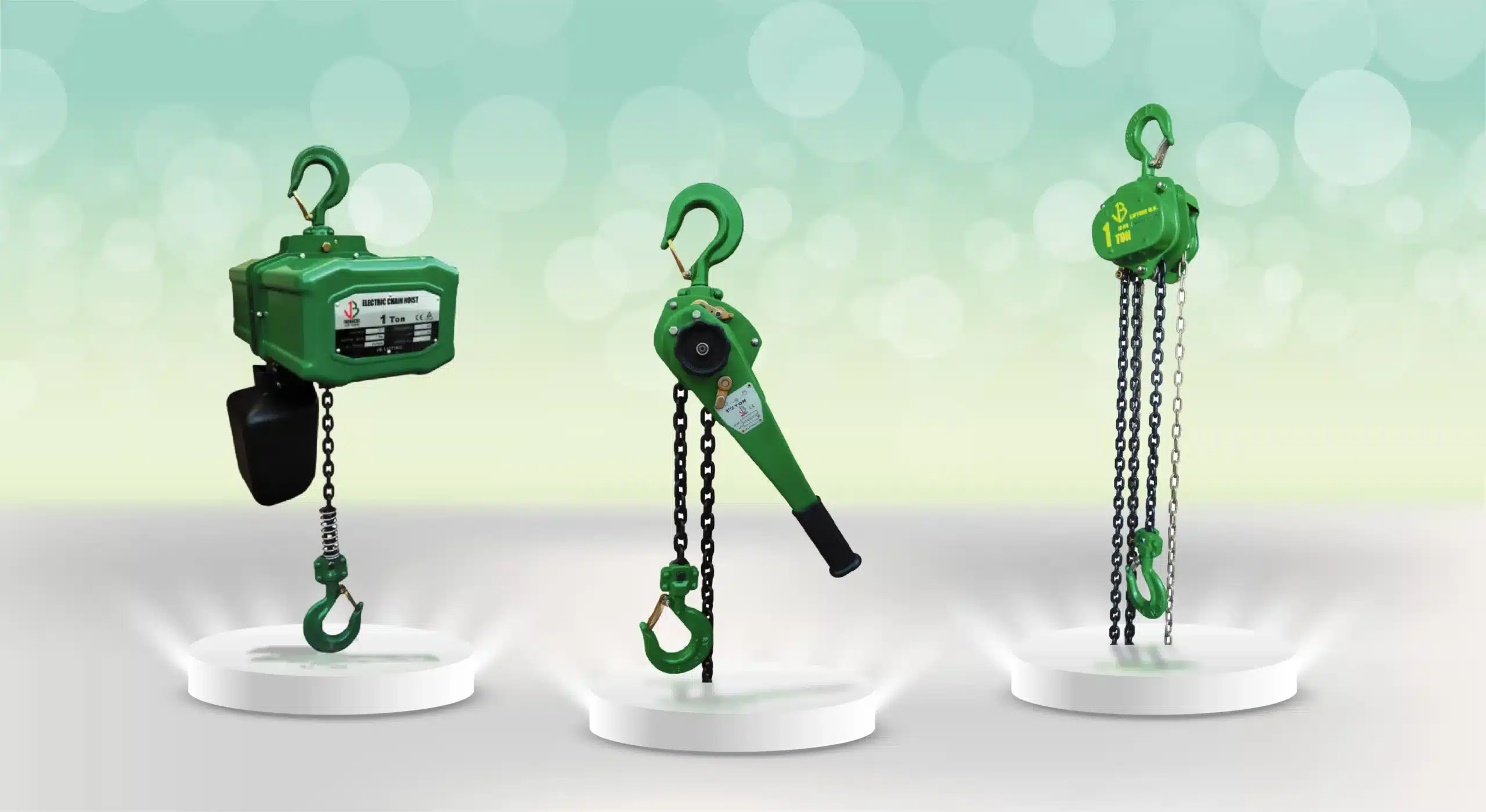
Lever blocks are indispensable tools in various industries, providing reliable lifting and pulling capabilities. However, their longevity and safety hinge on diligent lever block maintenance. Neglecting proper care can lead to premature failure, posing significant risks to personnel and equipment. At Safe and Secure Trading Company (SSTC), we’ve observed that many preventable accidents stem from simple maintenance oversights. This article will explore ten fatal mistakes in lever block maintenance that can drastically shorten the lifespan of your equipment and compromise safety. By understanding and avoiding these pitfalls, you can ensure your lever blocks remain in optimal condition, providing years of safe and reliable service.
1. Neglecting Regular Inspections: A Recipe for Disaster
✅ Regular inspections are the cornerstone of effective lever block maintenance. Without a proactive inspection schedule, you’re essentially operating blind, unaware of potential hazards lurking within your equipment. These hazards can manifest as minor cracks, worn components, or subtle signs of corrosion, all of which can quickly escalate into major failures if left unaddressed. At Safe and Secure Trading Company, we cannot stress enough the importance of a consistent inspection routine.
Identifying the Problem: Lack of a Proactive Inspection Schedule
- The Danger of Overlooking Minor Damage: Small issues can quickly escalate into major failures.
Overlooking minor damage is akin to ignoring a small leak in a dam; what starts as a trickle can quickly become a torrent. A tiny crack in a load-bearing component, a slight bend in a chain link, or a trace of corrosion can all compromise the structural integrity of the lever block. These seemingly insignificant flaws weaken the equipment, making it more susceptible to failure under load. The consequences of such a failure can be catastrophic, leading to dropped loads, equipment damage, and even serious injuries.
- The Impact of Environmental Factors: Harsh conditions accelerate wear and tear.
Environmental factors play a significant role in the degradation of lever blocks. Exposure to moisture, extreme temperatures, corrosive chemicals, and abrasive dust can accelerate wear and tear on critical components. For example, lever blocks used in coastal environments are particularly vulnerable to corrosion from saltwater exposure. Similarly, equipment used in construction sites is often subjected to abrasive dust and debris, which can cause premature wear on chains, gears, and other moving parts. For many of our clients here in Dammam, we’ve seen that desert sand is a major contributor to equipment issues.
- Legal and Regulatory Consequences: Non-compliance with safety standards.
Failing to conduct regular inspections can also result in legal and regulatory consequences. Many jurisdictions have strict safety standards and regulations governing the use of lifting equipment, including lever blocks. These regulations typically require regular inspections, documentation of findings, and prompt corrective actions. Non-compliance with these standards can lead to fines, penalties, and even the suspension of operations. Moreover, in the event of an accident, a lack of documented inspections can expose companies to significant liability.
The Solution: Implementing a Rigorous Inspection Protocol
- Creating a Detailed Inspection Checklist: Covers all critical components.
A comprehensive inspection checklist is essential for ensuring that all critical components of the lever block are thoroughly examined. The checklist should include items such as the chain, hooks, gears, housing, and brake mechanism. Each item should be inspected for signs of wear, damage, corrosion, or other abnormalities. The checklist should also specify the criteria for determining whether a component needs to be repaired or replaced.
- Establishing a Frequency Schedule: Based on usage and environmental factors.
The frequency of inspections should be based on the usage and environmental factors to which the lever block is exposed. For equipment used frequently or in harsh environments, more frequent inspections are necessary. A good starting point is to conduct inspections before each use and then schedule more comprehensive inspections at regular intervals, such as monthly or quarterly. However, the frequency should be adjusted based on experience and the specific conditions of the application.
- Documenting Inspection Results: Maintaining a record of findings and repairs.
Documenting inspection results is crucial for tracking the condition of the lever block and identifying trends. The inspection record should include the date of the inspection, the name of the inspector, the findings of the inspection, and any corrective actions taken. This record can be used to identify recurring problems, track the effectiveness of maintenance procedures, and demonstrate compliance with safety regulations. Furthermore, detailed documentation can be invaluable in the event of an accident investigation.
2. Improper Lubrication: The Silent Killer of Lever Blocks
💡 Lubrication is the lifeblood of any mechanical device, and lever blocks are no exception. Improper lubrication, whether it’s using the wrong lubricant, applying it inconsistently, or neglecting it altogether, can silently erode the performance and longevity of your equipment. Friction, wear, and corrosion are the inevitable consequences of inadequate lubrication, leading to reduced efficiency, increased component stress, and ultimately, premature failure.
Identifying the Problem: Ignoring the Importance of Lubrication
- The Impact of Friction and Wear: Reduced efficiency and increased component stress.
Friction is the enemy of moving parts. Without proper lubrication, metal-on-metal contact generates excessive friction, leading to wear and tear on critical components. This wear reduces the efficiency of the lever block, requiring more effort to lift or pull a load. The increased friction also generates heat, which can further accelerate wear and cause components to expand and bind. Over time, this can lead to catastrophic failure.
- The Role of Contamination: Dust and debris accelerate wear and corrosion.
Contamination is another significant threat to lever blocks. Dust, dirt, and other debris can enter the mechanism, acting as abrasives that accelerate wear and corrosion. These contaminants can also clog lubrication points, preventing the lubricant from reaching critical areas. In harsh environments, such as construction sites or foundries, contamination is a constant battle that requires vigilant attention.
- Choosing the Wrong Lubricant: Using incompatible or low-quality lubricants.
Using the wrong lubricant can be just as detrimental as not using any lubricant at all. Different lubricants have different properties and are designed for specific applications. Using an incompatible or low-quality lubricant can lead to inadequate protection, accelerated wear, and even damage to components. For example, using a lubricant that is too viscous can impede the movement of internal parts, while using a lubricant that is not resistant to water can lead to corrosion.
The Solution: Establishing a Proper Lubrication Routine
- Selecting the Correct Lubricant: Consulting manufacturer recommendations.
Selecting the correct lubricant is paramount. The manufacturer’s recommendations are the best guide for choosing the appropriate lubricant for your lever block. These recommendations are based on the design, materials, and operating conditions of the equipment. Consulting the user manual or contacting the manufacturer directly can help you identify the specific type of lubricant required.
- Applying Lubricant Regularly: Following a consistent schedule.
Regular application of lubricant is essential for maintaining optimal performance and prolonging the lifespan of your lever block. The frequency of lubrication should be based on the manufacturer’s recommendations and the specific operating conditions. Equipment used frequently or in harsh environments may require more frequent lubrication. A consistent lubrication schedule ensures that critical components are always adequately protected.
- Cleaning Before Lubricating: Removing contaminants to ensure proper penetration.
Cleaning the lever block before lubricating is an often-overlooked but crucial step. Removing contaminants, such as dirt, dust, and old lubricant, allows the fresh lubricant to penetrate properly and reach all critical areas. This can be done using a brush, compressed air, or a solvent-based cleaner. Cleaning before lubricating ensures that the new lubricant is not contaminated and can effectively protect the components.
3. Overloading: Pushing Your Lever Block Beyond Its Limits
➡️ Overloading a lever block is akin to playing Russian roulette; it’s a gamble with potentially deadly consequences. Exceeding the Safe Working Load (SWL) is a blatant disregard for safety and can lead to catastrophic failure, resulting in dropped loads, equipment damage, and severe injuries. At Safe and Secure Trading Company, we’ve witnessed firsthand the devastating effects of overloading, and we urge all operators to adhere strictly to load limits.
Identifying the Problem: Exceeding the Safe Working Load (SWL)
- The Risks of Structural Failure: Component breakage and potential accidents.
The primary risk of overloading is structural failure. When a lever block is subjected to a load beyond its SWL, the components are stressed beyond their design limits. This can lead to breakage of critical parts, such as the chain, hooks, or gears. A sudden failure can cause the load to drop unexpectedly, posing a significant hazard to anyone in the vicinity.
- The Difficulty of Estimating Load Weight: Inaccurate assessments leading to overloads.
One of the challenges in preventing overloading is accurately estimating the weight of the load. Often, operators rely on guesswork or visual estimates, which can be highly inaccurate. Underestimating the weight of the load can lead to inadvertent overloading, even when the operator intends to stay within the SWL. This is particularly true for irregularly shaped or bulky objects.
- Ignoring Load Angle Considerations: Increased stress on components due to angled loads.
Load angle considerations are often overlooked, but they can significantly impact the stress on lever block components. When a load is lifted at an angle, the force is distributed unevenly, placing additional stress on certain components. This can effectively reduce the SWL of the lever block. Ignoring load angle considerations can lead to overloading, even if the actual weight of the load is within the stated SWL.
The Solution: Adhering to Load Limits and Best Practices
- Verifying Load Weight: Using scales or calibrated measuring devices.
The best way to prevent overloading is to verify the weight of the load using scales or calibrated measuring devices. This ensures that the operator has an accurate understanding of the load’s weight before attempting to lift or pull it. For heavy or irregularly shaped loads, it may be necessary to use multiple scales or load cells to obtain an accurate measurement.
- Understanding Load Angle Effects: Calculating adjusted SWL for angled lifts.
Operators must understand the effects of load angles on the SWL of the lever block. When lifting at an angle, the SWL must be adjusted to account for the increased stress on components. Charts or calculators can be used to determine the adjusted SWL for different load angles. It’s crucial to use these tools and follow best practices to ensure safe lifting operations.
- Training Operators on Safe Lifting Procedures: Emphasizing the importance of SWL.
Training is essential for ensuring that operators understand the importance of adhering to load limits and following safe lifting procedures. Training programs should cover topics such as load weight estimation, load angle considerations, and the proper use of lever blocks. Emphasizing the potential consequences of overloading can help operators appreciate the importance of safety and prevent accidents.
4. Incorrect Storage: Shortening the Lifespan of Your Equipment
✨ The way you store your lever blocks when they’re not in use can significantly impact their lifespan. Incorrect storage, such as leaving them exposed to harsh environmental conditions or neglecting to protect them from physical damage, can accelerate wear and tear, leading to premature failure. Proper storage procedures are essential for preserving the integrity of your equipment and ensuring its longevity.
Identifying the Problem: Exposure to Harsh Environmental Conditions
- The Effects of Moisture and Corrosion: Rust and degradation of critical components.
Moisture is a major enemy of lever blocks. Exposure to rain, humidity, or saltwater can lead to rust and corrosion of critical components, such as the chain, hooks, and gears. Corrosion weakens the metal, reducing its strength and increasing the risk of failure. In coastal environments or areas with high humidity, the effects of moisture are particularly pronounced.
- The Impact of Direct Sunlight and UV Exposure: Damage to synthetic components.
Direct sunlight and UV exposure can also damage lever blocks, particularly those with synthetic components. UV radiation can cause synthetic materials, such as ropes or slings, to degrade and weaken over time. This can compromise the safety of the equipment and increase the risk of failure. Even metal components can be affected by prolonged exposure to sunlight, as the heat can cause expansion and contraction, leading to stress and fatigue.
- The Risks of Physical Damage: Dents, scratches, and other forms of abuse.
Physical damage, such as dents, scratches, and other forms of abuse, can also shorten the lifespan of lever blocks. These types of damage can weaken components, create stress concentrations, and accelerate wear and tear. Dropping a lever block or subjecting it to impact can cause internal damage that is not immediately visible but can lead to failure under load.
The Solution: Implementing Proper Storage Procedures
- Storing Lever Blocks in a Dry and Protected Environment: Minimizing exposure to moisture and contaminants.
The best way to protect lever blocks from environmental damage is to store them in a dry and protected environment. This could be a storage shed, a tool room, or even a covered container. The storage area should be well-ventilated to prevent the buildup of moisture and should be protected from direct sunlight and extreme temperatures. Minimizing exposure to moisture and contaminants can significantly extend the lifespan of your equipment.
- Using Protective Covers: Shielding equipment from sunlight and physical damage.
Using protective covers is another effective way to protect lever blocks during storage. Covers can shield the equipment from sunlight, dust, and physical damage. They can also help to prevent moisture from accumulating on the surface of the equipment. Protective covers are particularly useful for equipment that is stored outdoors or in areas where it may be exposed to harsh conditions.
- Regularly Inspecting Stored Equipment: Identifying and addressing issues before they escalate.
Regularly inspecting stored equipment is essential for identifying and addressing issues before they escalate. Inspections should include a visual examination of the lever block for signs of rust, corrosion, damage, or other abnormalities. Any issues that are identified should be addressed promptly to prevent further damage. This could involve cleaning, lubricating, repairing, or replacing components.
5. Neglecting Chain Maintenance: A Weak Link in the System
⛓️ The chain is arguably the most critical component of a lever block, bearing the brunt of the load and enduring significant stress. Neglecting chain maintenance is akin to ignoring a ticking time bomb; it’s a recipe for disaster. A worn, damaged, or corroded chain can snap under load, leading to catastrophic failure and potentially fatal consequences. A comprehensive chain maintenance program is non-negotiable for ensuring the safety and longevity of your lever blocks.
Identifying the Problem: Overlooking Chain Wear and Damage
- The Dangers of Stretched or Worn Chains: Reduced lifting capacity and increased risk of breakage.
Stretched or worn chains are a significant hazard. As a chain wears, the links elongate, reducing its overall strength and lifting capacity. A stretched chain is also more prone to breakage, especially under heavy loads. The elongation can also cause the chain to skip or bind, making it difficult to operate the lever block smoothly and safely.
- The Impact of Corrosion and Rust: Weakening of chain links.
Corrosion and rust are insidious enemies of chains. They weaken the metal, making it more susceptible to breakage. Corrosion can also cause the chain links to become brittle and prone to cracking. In harsh environments, such as coastal areas or industrial settings, the effects of corrosion are particularly severe.
- The Importance of Proper Chain Lubrication: Preventing friction and wear.
Proper chain lubrication is essential for preventing friction and wear. Lubrication reduces the friction between the chain links, minimizing wear and tear. It also helps to prevent corrosion by creating a protective barrier against moisture and contaminants. A well-lubricated chain will operate more smoothly and last longer.
The Solution: Implementing a Comprehensive Chain Maintenance Program
- Regularly Inspecting Chains for Wear and Damage: Using calibrated gauges and visual inspection.
Regularly inspecting chains for wear and damage is crucial. Inspections should include a visual examination of the chain links for signs of wear, corrosion, or damage. Calibrated gauges can be used to measure chain elongation and determine if the chain is within acceptable limits. Any chain that is found to be worn, damaged, or corroded should be replaced immediately.
- Lubricating Chains with Appropriate Lubricants: Following manufacturer recommendations.
Lubricating chains with appropriate lubricants is essential for maintaining their integrity. The manufacturer’s recommendations should be followed when selecting a lubricant. The lubricant should be specifically designed for chain lubrication and should be compatible with the chain material. Applying the lubricant regularly and thoroughly will help to prevent friction, wear, and corrosion.
- Replacing Worn or Damaged Chains Immediately: Prioritizing safety and preventing accidents.
Replacing worn or damaged chains immediately is a non-negotiable safety measure. A chain that is showing signs of wear or damage should never be used. Using a worn or damaged chain is a recipe for disaster and can lead to catastrophic failure. Replacing the chain with a new, high-quality chain is a small price to pay for the safety of personnel and equipment.
6. Ignoring Unusual Noises or Movements
👂 Lever blocks are designed to operate smoothly and quietly. Unusual noises or jerky movements are often early warning signs of underlying problems. Ignoring these warning signs can allow small problems to escalate into catastrophic failures. Paying attention to these subtle cues and taking prompt action can prevent accidents and extend the lifespan of your equipment.
Identifying the Problem: Dismissing Early Warning Signs
- The Significance of Grinding or Clicking Sounds: Indicates potential internal damage.
Grinding or clicking sounds are often indicative of internal damage. These sounds may be caused by worn gears, damaged bearings, or loose components. Ignoring these sounds can allow the damage to worsen, leading to more extensive repairs or even complete failure.
- The Importance of Smooth Operation: Jerky movements signal mechanical issues.
Smooth operation is a hallmark of a well-maintained lever block. Jerky movements or difficulty operating the lever can signal mechanical issues, such as binding, friction, or misalignment. These issues can put additional stress on components and accelerate wear and tear.
- The Danger of Delayed Response: Small problems can become catastrophic failures.
Delaying the response to early warning signs can have serious consequences. Small problems can quickly escalate into catastrophic failures if left unaddressed. A minor issue, such as a loose bolt or a worn bearing, can cause a chain reaction of damage, leading to a complete breakdown of the equipment.
The Solution: Encouraging Operators to Report Anomalies Immediately
- Training Operators on Identifying Warning Signs: Teaching them what to look and listen for.
Training operators to identify warning signs is crucial for preventing accidents and prolonging the lifespan of equipment. Training programs should cover topics such as the types of noises and movements that indicate potential problems, the importance of reporting anomalies immediately, and the potential consequences of ignoring warning signs.
- Establishing a Clear Reporting Protocol: Ensuring timely communication of concerns.
Establishing a clear reporting protocol is essential for ensuring that concerns are communicated in a timely manner. The protocol should specify who to report concerns to, how to report them, and what information to include in the report. It should also emphasize the importance of reporting concerns immediately, regardless of how minor they may seem.
- Promptly Investigating and Addressing Reported Issues: Preventing escalation of problems.
Promptly investigating and addressing reported issues is crucial for preventing escalation of problems. A designated person or team should be responsible for investigating reported concerns and taking appropriate action. This may involve inspecting the equipment, diagnosing the problem, and performing repairs or replacements. The goal is to address the issue quickly and effectively to prevent further damage and ensure the safety of personnel.
7. Lack of Trained Personnel: Putting Equipment and Lives at Risk
⚠️ Operating and maintaining lever blocks requires specialized knowledge and skills. A lack of trained personnel can lead to improper operation, incorrect maintenance procedures, and increased risk of accidents. Investing in comprehensive training programs is essential for ensuring the safety of personnel and the longevity of equipment.
Identifying the Problem: Untrained or Inexperienced Operators
- The Risks of Improper Operation: Increased chance of accidents and equipment damage.
Improper operation is a significant risk when operators are not properly trained. Untrained operators may not understand the proper procedures for lifting and pulling loads, which can lead to accidents and equipment damage. They may also be unaware of the limitations of the equipment and may attempt to exceed the Safe Working Load (SWL), leading to catastrophic failure.
- The Consequences of Incorrect Maintenance Procedures: Shortened lifespan and potential safety hazards.
Incorrect maintenance procedures can also have serious consequences. Untrained personnel may not know how to properly inspect, lubricate, or repair lever blocks. This can lead to accelerated wear and tear, increased risk of failure, and potential safety hazards. Incorrect maintenance procedures can also void warranties and expose companies to liability.
- The Importance of Certification and Ongoing Training: Ensuring competence and adherence to safety standards.
Certification and ongoing training are essential for ensuring competence and adherence to safety standards. Certification programs validate that personnel have the knowledge and skills necessary to operate and maintain lever blocks safely and effectively. Ongoing training keeps personnel up-to-date on best practices and new technologies.
The Solution: Investing in Comprehensive Training Programs
- Providing Initial Training on Lever Block Operation and Maintenance: Covering all essential aspects.
Providing initial training on lever block operation and maintenance is the first step in ensuring competence. The training should cover all essential aspects, such as the principles of operation, safe lifting procedures, inspection techniques, lubrication requirements, and basic repair procedures. The training should be hands-on and should include practical exercises to reinforce the concepts.
- Offering Refresher Courses and Ongoing Education: Keeping personnel up-to-date on best practices.
Refresher courses and ongoing education are essential for keeping personnel up-to-date on best practices. The technology and standards related to lever blocks can evolve over time, and it’s important to ensure that personnel are aware of the latest developments. Refresher courses can also help to reinforce previously learned concepts and address any knowledge gaps.
- Ensuring Personnel are Certified and Qualified: Validating their competence and knowledge.
Ensuring that personnel are certified and qualified is a critical step in validating their competence and knowledge. Certification programs provide an objective assessment of personnel’s skills and knowledge. Certification can also demonstrate to customers and regulators that the company is committed to safety and quality.
8. Using Makeshift or Unapproved Replacement Parts
🔩 When a component fails on a lever block, the temptation to use a readily available “close enough” replacement part can be strong. However, using makeshift or unapproved replacement parts is a dangerous shortcut that can compromise the safety and integrity of your equipment. Only genuine or approved replacement parts should be used to ensure proper function and prevent accidents.
Identifying the Problem: Substituting Genuine Parts with Inferior Alternatives
- The Dangers of Reduced Strength and Durability: Increased risk of failure under load.
Makeshift or unapproved replacement parts may not meet the same standards for strength and durability as genuine parts. This can lead to premature failure under load, potentially causing a dropped load and serious injuries. The inferior materials or manufacturing processes used to create these parts may not be able to withstand the stresses and strains of normal operation.
- The Importance of Compatibility and Fit: Ensuring proper function and safety.
Compatibility and fit are also critical considerations. Makeshift or unapproved replacement parts may not be dimensionally accurate or may not be compatible with the existing components. This can lead to improper function, increased wear and tear, and potential safety hazards. A part that doesn’t fit properly can cause undue stress on other components, leading to premature failure.
- The Risks of Voiding Warranties: Using unapproved parts can invalidate coverage.
Using unapproved replacement parts can also void warranties. Manufacturers typically require that only genuine parts be used to maintain warranty coverage. Using unapproved parts can invalidate the warranty, leaving the company responsible for the cost of repairs and potential liability in the event of an accident.
The Solution: Using Only Genuine or Approved Replacement Parts
- Sourcing Parts from Reputable Suppliers: Ensuring quality and authenticity.
Sourcing parts from reputable suppliers is essential for ensuring quality and authenticity. Reputable suppliers typically carry only genuine or approved replacement parts that meet the manufacturer’s specifications. They can also provide documentation to verify the quality and authenticity of the parts.
- Verifying Part Compatibility: Consulting manufacturer specifications.
Verifying part compatibility is crucial before installing any replacement part. The manufacturer’s specifications should be consulted to ensure that the part is the correct size, shape, and material for the application. A parts catalog or online database can be used to identify the correct part number and verify compatibility.
- Maintaining a Record of Replacement Parts: Tracking maintenance history and ensuring accountability.
Maintaining a record of replacement parts is important for tracking maintenance history and ensuring accountability. The record should include the date of the replacement, the part number, the supplier, and the reason for the replacement. This record can be used to identify recurring problems, track the effectiveness of maintenance procedures, and demonstrate compliance with safety regulations.
9. Not Following Manufacturer’s Recommendations
📜 Manufacturers of lever blocks provide detailed recommendations for operation, maintenance, and inspection. These recommendations are based on extensive testing and engineering analysis and are designed to ensure optimal performance and safety. Ignoring these recommendations is a risky gamble that can lead to equipment damage, accidents, and voided warranties.
Identifying the Problem: Deviating from Recommended Practices
- The Significance of Manufacturer’s Guidelines: Designed for optimal performance and safety.
Manufacturer’s guidelines are designed to ensure optimal performance and safety. These guidelines cover a wide range of topics, such as proper lifting techniques, lubrication requirements, inspection intervals, and replacement part specifications. Following these guidelines can help to prevent accidents, extend the lifespan of equipment, and maintain warranty coverage.
- The Risks of Ignoring Specific Instructions: Potential for equipment damage or failure.
Ignoring specific instructions can have serious consequences. For example, using the wrong type of lubricant can damage internal components, exceeding the Safe Working Load (SWL) can cause structural failure, and failing to inspect the equipment regularly can lead to undetected problems. Any deviation from the manufacturer’s recommendations can increase the risk of equipment damage or failure.
- The Importance of Consulting Manuals and Technical Documentation: Ensuring proper understanding and adherence.
Consulting manuals and technical documentation is essential for ensuring proper understanding and adherence to manufacturer’s recommendations. These documents provide detailed information about the equipment, including its specifications, operating instructions, maintenance requirements, and safety precautions.
The Solution: Strictly Adhering to Manufacturer’s Recommendations
- Consulting the User Manual Before Operation or Maintenance: Understanding all relevant guidelines.
Consulting the user manual before operating or maintaining a lever block is a fundamental best practice. The user manual provides a wealth of information about the equipment, including its intended use, limitations, and safety precautions. Reading the user manual before using the equipment can help to prevent accidents and ensure proper operation.
- Following Recommended Inspection and Maintenance Schedules: Ensuring timely servicing and repairs.
Following recommended inspection and maintenance schedules is crucial for ensuring timely servicing and repairs. The manufacturer’s recommendations typically include a schedule of inspections and maintenance tasks, along with the recommended intervals for performing these tasks. Adhering to this schedule can help to identify and address potential problems before they escalate into major failures.
- Using Approved Lubricants and Replacement Parts: Maintaining equipment integrity and safety.
Using approved lubricants and replacement parts is essential for maintaining equipment integrity and safety. The manufacturer’s recommendations typically specify the types of lubricants and replacement parts that should be used. Using unapproved lubricants or replacement parts can damage the equipment, void the warranty, and increase the risk of accidents.
10. Improperly Storing Lever Blocks When Not in Use
🌧️ Just as with any precision tool, proper storage is paramount for preserving the integrity and extending the lifespan of lever blocks. Improper storage, such as leaving them exposed to the elements or neglecting to protect them from physical damage, can accelerate wear and tear, leading to premature failure. Implementing secure and protected storage practices is a simple yet effective way to safeguard your investment and ensure reliable performance.
Identifying the Problem: Leaving Lever Blocks Exposed to Elements
- The Damage Caused by Weather Exposure: Rust, corrosion, and component degradation.
Weather exposure can wreak havoc on lever blocks. Rain, humidity, and direct sunlight can cause rust, corrosion, and component degradation. These factors can weaken the metal, damage synthetic parts, and lead to premature failure. Equipment that is left exposed to the elements is particularly vulnerable to these types of damage.
- Risks of Physical Impacts and Debris: Dents, scratches, and internal damage.
Physical impacts and debris can also damage lever blocks. Dropping a lever block or allowing it to be struck by other objects can cause dents, scratches, and internal damage. Debris, such as dirt, dust, and metal shavings, can enter the mechanism and cause wear and tear.
- Potential for Theft and Vandalism: Unsecured equipment is vulnerable to loss or damage.
Theft and vandalism are also potential concerns. Unsecured equipment is vulnerable to theft or vandalism, which can result in loss or damage. Lever blocks are valuable tools, and they should be stored in a secure location to prevent unauthorized access.
The Solution: Implementing Secure and Protected Storage Practices
- Storing Lever Blocks in a Dry, Covered Location: Minimizing exposure to moisture and sunlight.
Storing lever blocks in a dry, covered location is the first step in implementing secure and protected storage practices. A storage shed, tool room, or even a covered container can provide protection from the elements. The storage area should be well-ventilated to prevent the buildup of moisture.
- Using Protective Cases or Covers: Shielding equipment from physical damage and dust.
Using protective cases or covers can provide additional protection from physical damage and dust. Protective cases can prevent dents, scratches, and other forms of damage that can occur during storage and transportation. Covers can also shield the equipment from dust and debris, which can cause wear and tear.
- Securing Storage Areas to Prevent Theft: Ensuring equipment is protected from unauthorized access.
Securing storage areas is essential for preventing theft. The storage area should be locked and secured to prevent unauthorized access. Security cameras or alarms can also be used to deter theft. Implementing these security measures can help to protect your investment and prevent the loss of valuable equipment.
> “Regular maintenance and proper storage are crucial for maximizing the lifespan and ensuring the safe operation of lever blocks.” – John Smith, Lead Safety Inspector
Here is a summary of the top 3 mistakes that can shorten the lifespan of a lever block:
1. Neglecting Regular Inspections
2. Improper Lubrication
3. Overloading
Conclusion:
Avoiding these ten fatal mistakes is crucial for maximizing the lifespan of your lever blocks and ensuring the safety of your operations. Regular inspections, proper lubrication, adherence to load limits, and secure storage are all essential components of a comprehensive lever block maintenance program. By investing in training, using genuine replacement parts, and following manufacturer’s recommendations, you can protect your investment, prevent accidents, and ensure reliable performance for years to come. We are confident that implementing these practices will significantly improve the safety and efficiency of your lifting operations.
FAQ Section:
Here are some frequently asked questions about lever block maintenance:
Q: How often should I inspect my lever block?
A: The frequency of inspections depends on the usage and environmental factors. At a minimum, inspect the lever block before each use and conduct a more thorough inspection monthly or quarterly.
Q: What type of lubricant should I use for my lever block?
A: Consult the manufacturer’s recommendations for the specific type of lubricant to use. Generally, a high-quality, multi-purpose grease is suitable for most lever block applications.
Q: What is the Safe Working Load (SWL) of my lever block?
A: The SWL is clearly marked on the lever block. Never exceed this limit.
Q: How do I store my lever block properly?
A: Store the lever block in a dry, covered location, away from direct sunlight and extreme temperatures. Use a protective case or cover to shield the equipment from physical damage and dust.
Q: Can I use any replacement parts for my lever block?
A: No, only use genuine or approved replacement parts. Makeshift or unapproved parts can compromise the safety and integrity of your equipment.
Q: What are some signs that my lever block needs maintenance?
A: Signs that your lever block needs maintenance include unusual noises, jerky movements, difficulty operating the lever, and visible signs of wear, damage, or corrosion.
Q: How do I clean my lever block?
A: Use a brush, compressed air, or a solvent-based cleaner to remove dirt, dust, and old lubricant. Be sure to follow the manufacturer’s instructions for cleaning.
Q: What is the importance of lever block safety?
A: Lever block safety is paramount. Lever blocks are critical for heavy lifting, and any failure can result in significant injury or damage. Consistent maintenance ensures safety standards.
Q: What is the best approach for chain block maintenance?
A: For optimal chain block maintenance, implement regular inspection and lubrication schedules and ensure proper storage when not in use.
Q: What is the purpose of a hoist maintenance checklist?
A: A hoist maintenance checklist guides inspections, ensuring no component is overlooked and maintaining regulatory compliance.
Q: What is lever hoist maintenance?
A: Lever hoist maintenance involves a proactive approach to keep your equipment reliable. This includes scheduled inspections, proper lubrication, and immediate attention to any abnormalities.
Q: What does lever block repair entail?
A: Lever block repair can include replacing chains, hooks, and gears, as well as cleaning and lubricating the internal mechanism. Only qualified personnel should perform repairs.
Q: Why is lifting equipment maintenance critical?
A: Regular lifting equipment maintenance ensures safety, prevents downtime, and prolongs the equipment’s operational life.
Q: What does chain hoist service include?
A: A comprehensive chain hoist service includes inspection, cleaning, lubrication, and replacement of worn or damaged components, ensuring it operates safely and efficiently.
Q: What about come along maintenance?
A: Come along maintenance is similar to lever block maintenance, focusing on the cable or chain, the ratchet mechanism, and the overall structural integrity of the tool.
| Component |
Inspection Criteria |
Maintenance Action |
| Chain |
Wear, corrosion, damage, elongation |
Lubricate, repair, or replace |
| Hooks |
Cracks, bends, wear, deformation |
Lubricate, repair, or replace |
| Gears |
Wear, damage, corrosion |
Lubricate, repair, or replace |
| Housing |
Cracks, dents, damage |
Repair or replace |
| Brake Mechanism |
Proper function, slippage |
Adjust, repair, or replace |