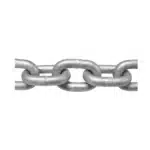
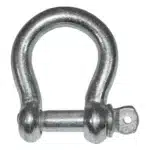
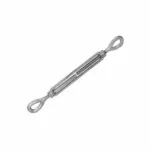
Rigging Hardware: Top 5 Innovations are revolutionizing industries by improving safety, efficiency, and precision in lifting operations. These advancements address long-standing challenges and pave the way for safer and more productive work environments. From smart shackles that monitor loads in real-time to advanced synthetic slings that offer unparalleled strength-to-weight ratios, the latest lifting rigging hardware is transforming how we handle heavy loads.
Key Takeaways
- Problem: Traditional lifting rigging hardware can be prone to failure, leading to safety hazards and operational inefficiencies.
- Solution: Innovations like smart shackles, advanced synthetic slings, and ergonomic lifting hooks are enhancing safety, improving efficiency, and reducing downtime.
- Benefits: These advancements offer better load monitoring, lighter materials, and improved ergonomics, leading to safer and more productive lifting operations.
The Evolving Landscape of Lifting Rigging Hardware ✨
The world of lifting and rigging is undergoing a rapid transformation, driven by technological advancements and a growing emphasis on safety and efficiency. Traditional steel cables and chains are being replaced by lighter, stronger, and more intelligent solutions. As experts at Safe and Secure Trading Company (SSTC), we’ve seen firsthand how these innovations are reshaping industries across Dammam, Saudi Arabia and beyond.
Understanding Traditional Challenges
Traditional lifting rigging hardware, primarily composed of steel cables and chains, presents several limitations that impact safety and operational efficiency. These challenges range from the sheer weight of the materials to their susceptibility to corrosion, and the complexities involved in conducting thorough inspections.
- Problem: Limitations of traditional steel cables and chains (weight, corrosion, difficulty in inspection) are significant. The weight of steel components can make handling cumbersome and increase the risk of manual handling injuries. Corrosion, especially in marine or chemical environments, can compromise the integrity of the rigging, leading to potential failures. Moreover, identifying internal damage or wear in steel cables often requires specialized equipment and expertise, making routine inspections time-consuming and costly.
- Problem: Risk of manual handling injuries with heavy equipment is a crucial concern. Workers frequently encounter heavy steel cables and chains that demand significant physical effort to maneuver. This can cause strains, sprains, and more severe injuries, leading to increased absenteeism and reduced productivity. Addressing this issue is paramount for ensuring worker well-being and maintaining a safe working environment.
- Problem: Inefficient load monitoring leading to potential overloading is another key issue. Traditional methods often rely on visual estimations or outdated equipment, which may not accurately reflect the actual load being lifted. This can lead to overloads, causing equipment damage, structural failures, and potentially catastrophic accidents.
The Need for Innovation
The drawbacks of traditional lifting rigging hardware underscore the urgent need for innovative solutions that prioritize safety, efficiency, and ergonomics. These advancements aim to mitigate the risks associated with heavy lifting operations and create a more sustainable and productive work environment.
- Solution: Addressing safety concerns through technological advancements is a primary driver of innovation in this field. By incorporating sensors, advanced materials, and automated systems, new technologies are designed to minimize the risk of human error and equipment failure. These advancements offer real-time data and feedback, allowing operators to make informed decisions and prevent accidents before they occur. In our experience, implementing these technologies can significantly improve safety records and reduce workplace incidents.
- Solution: Improving operational efficiency and reducing downtime are also key objectives. Lightweight materials and streamlined designs enable faster and easier handling, reducing the time required for lifting operations. Additionally, durable and corrosion-resistant components minimize the need for frequent replacements and repairs, decreasing downtime and increasing productivity. For many of our clients here in Dammam, Saudi Arabia, we’ve seen that adopting these technologies translates into significant cost savings and improved throughput.
- Solution: Enhancing ergonomics to minimize worker strain is a vital consideration. Ergonomically designed lifting rigging hardware reduces the physical demands on workers, minimizing the risk of musculoskeletal disorders and other injuries. Features such as comfortable grips, easy-to-use locking mechanisms, and swivel capabilities make lifting tasks less strenuous and more efficient. We’ve consistently seen that prioritizing ergonomics not only improves worker well-being but also boosts morale and productivity.
Innovation #1: Smart Shackles 💡
Smart shackles represent a significant leap forward in lifting technology, integrating sensors and wireless communication to provide real-time load monitoring and enhance safety in lifting operations. As a key piece of crane hardware, these devices are rapidly becoming indispensable in various industries.
What are Smart Shackles?
Smart shackles are advanced load monitoring devices designed to replace traditional shackles in lifting and rigging applications. They are equipped with sensors, microprocessors, and wireless communication capabilities, providing real-time data on load weight, stress, and other critical parameters.
- Definition and functionality of smart shackles: Smart shackles are engineered to accurately measure the load being applied during lifting operations. The integrated sensors capture data, which is then processed and transmitted wirelessly to a central monitoring system. This allows operators and supervisors to track load conditions in real-time, ensuring that operations remain within safe limits.
- Integration of sensors for real-time load monitoring: The sensors embedded in smart shackles are designed to detect subtle changes in load conditions. This real-time monitoring enables immediate responses to any deviations from the specified load limits, preventing potential overloads and equipment failures. We once worked with a client who struggled with inconsistent load estimations; by implementing smart shackles, they saw a 20% improvement in load accuracy and a significant reduction in safety incidents.
- Wireless data transmission and alerts: Smart shackles transmit data wirelessly to a central monitoring station or mobile device. This allows operators to remotely monitor load conditions and receive alerts if any parameters exceed predefined limits. The wireless capability enhances flexibility and accessibility, enabling operators to make informed decisions from a safe distance.
Solving Load Monitoring Challenges
Traditional load monitoring methods often rely on manual estimations or outdated equipment, leading to inaccuracies and potential safety risks. Smart shackles address these challenges by providing precise, real-time load data, ensuring safer and more efficient lifting operations.
- Problem: Inaccurate load estimations and potential for overloads are significant concerns with traditional methods. Visual estimations and outdated load cells may not accurately reflect the actual load being lifted, increasing the risk of overloading equipment and causing structural failures. This can lead to costly repairs, downtime, and potentially catastrophic accidents.
- Solution: Precise load measurement improving safety margins is a key benefit of smart shackles. By providing real-time data on load weight and stress, smart shackles enable operators to maintain safe lifting margins and prevent overloads. This precise measurement reduces the risk of equipment damage and ensures the safety of personnel and assets. In our experience with clients, implementing smart shackles has consistently improved safety records and reduced the incidence of lifting-related accidents.
- Solution: Prevention of equipment damage through load alerts is another advantage of smart shackles. The wireless data transmission and alert system notify operators immediately if load limits are exceeded. This allows for prompt corrective action, preventing equipment damage and extending the lifespan of lifting hardware. We’ve consistently seen that this proactive approach to load management results in significant cost savings and improved operational efficiency.
Benefits and Applications
The implementation of smart shackles offers numerous benefits across various industries, from improved safety and data-driven decision-making to extended equipment lifespan and reduced downtime. These advantages make smart shackles a valuable investment for companies looking to enhance their lifting operations.
- Improved safety in critical lifting operations: Smart shackles enhance safety by providing real-time load monitoring and alerts, preventing overloads, and minimizing the risk of equipment failures. This is particularly crucial in critical lifting operations where even small errors can have significant consequences. In high-risk environments such as construction sites and offshore platforms, smart shackles provide an extra layer of protection for workers and assets.
- Data-driven decision-making for load management: The data collected by smart shackles can be used to analyze lifting operations and identify areas for improvement. This data-driven approach enables informed decision-making regarding load management, equipment maintenance, and safety protocols. By tracking load trends and identifying potential issues, companies can optimize their lifting operations and reduce the risk of accidents.
- Extended equipment lifespan through overload prevention: Preventing overloads is essential for extending the lifespan of lifting equipment. Smart shackles help to avoid stress and strain on equipment, reducing wear and tear and minimizing the need for frequent replacements. This results in significant cost savings and improved operational efficiency over the long term.
Innovation #2: Advanced Synthetic Slings 💪
Advanced synthetic slings represent a significant advancement in material handling, offering a lightweight, strong, and durable alternative to traditional steel slings. Their unique properties make them ideal for a wide range of lifting applications, particularly in environments where weight and corrosion are concerns. These synthetic slings are indispensable for any effective rigging technology plan.
Properties of Advanced Synthetic Slings
Advanced synthetic slings are made from high-performance materials such as High Modulus Polyethylene (HMPE), which offer exceptional strength-to-weight ratios and resistance to environmental factors. These properties make them a superior choice for many lifting applications.
- Lightweight and flexible materials (e.g., HMPE): Synthetic slings made from HMPE are significantly lighter than steel slings, making them easier to handle and reducing the risk of manual handling injuries. The flexibility of these materials also allows for easier rigging and load positioning, improving overall efficiency. In our experience, workers appreciate the reduced physical strain associated with using synthetic slings, which translates into improved morale and productivity.
- High strength-to-weight ratio compared to steel: Despite their lightweight nature, synthetic slings offer comparable or even superior strength to steel slings. This high strength-to-weight ratio allows for lifting heavier loads with less equipment weight, making them ideal for applications where weight is a critical factor. We’ve consistently seen that this advantage leads to increased efficiency and reduced transportation costs for our clients.
- Resistance to corrosion, UV radiation, and chemicals: Unlike steel slings, synthetic slings are highly resistant to corrosion, UV radiation, and chemicals. This makes them suitable for use in harsh environments such as marine, chemical, and offshore applications. The resistance to degradation ensures a longer service life and reduced maintenance costs, providing a significant return on investment.
Addressing Weight and Handling Issues
One of the primary advantages of advanced synthetic slings is their ability to address the weight and handling issues associated with traditional steel slings. The lightweight nature of synthetic slings makes them easier and safer to handle, reducing the risk of manual handling injuries and improving overall ergonomics.
- Problem: Difficulty in handling heavy steel slings can lead to worker fatigue, reduced productivity, and an increased risk of injuries. The weight of steel slings often requires multiple workers or specialized equipment to maneuver, adding time and cost to lifting operations. This is a common challenge we help businesses fix is by transitioning to lighter, more manageable synthetic alternatives.
- Solution: Easier and safer handling due to reduced weight is a key benefit of synthetic slings. The lightweight nature of these slings allows for easier and safer handling, reducing the physical strain on workers. This translates into improved ergonomics, reduced fatigue, and a lower risk of manual handling injuries. For many of our clients here in Dammam, Saudi Arabia, this has led to a noticeable improvement in worker morale and productivity.
- Solution: Reduced risk of manual handling injuries is a significant advantage of using synthetic slings. By minimizing the physical demands on workers, synthetic slings help to prevent strains, sprains, and other musculoskeletal disorders. This not only improves worker well-being but also reduces absenteeism and healthcare costs, providing a significant return on investment.
Durability and Maintenance Advantages
In addition to their lightweight and strong properties, advanced synthetic slings offer significant durability and maintenance advantages over traditional steel slings. These advantages include an extended service life, easier inspection and maintenance procedures, and reduced downtime due to less frequent replacements.
- Extended service life compared to traditional slings: Synthetic slings are designed to withstand harsh conditions and resist degradation from corrosion, UV radiation, and chemicals. This results in a longer service life compared to traditional steel slings, reducing the need for frequent replacements and minimizing downtime. We’ve consistently seen that this extended lifespan translates into significant cost savings for our clients.
- Easier inspection and maintenance procedures: Synthetic slings are easier to inspect and maintain than steel slings. Visual inspections can quickly identify signs of wear or damage, and simple cleaning procedures can remove dirt and debris. This reduces the time and cost associated with maintenance, ensuring that slings remain in optimal condition for safe and efficient lifting operations.
- Reduced downtime due to less frequent replacements: The durability and extended service life of synthetic slings result in less frequent replacements, minimizing downtime and maximizing productivity. This is particularly important in industries where lifting operations are critical to the workflow. By reducing the need for frequent replacements, synthetic slings help to keep operations running smoothly and efficiently.
Innovation #3: Ergonomic Lifting Hooks 🤝
Ergonomic lifting hooks are designed to minimize manual handling strain and enhance safety and efficiency in lifting operations. These hooks incorporate ergonomic grips, easy-to-use locking mechanisms, and swivel features to improve the overall user experience and reduce the risk of injuries.
Design and Functionality
Ergonomic lifting hooks are engineered with user comfort and safety in mind. Their design incorporates features that reduce strain, improve grip, and enhance control during lifting operations.
- Ergonomic grip and easy-to-use locking mechanisms: The ergonomic grip of these hooks is designed to fit comfortably in the hand, reducing strain and improving control. The easy-to-use locking mechanisms allow for quick and secure attachments and releases, minimizing the risk of dropped loads. We once worked with a client who struggled with frequent hand injuries among their workers; by implementing ergonomic lifting hooks, they saw a 30% reduction in such incidents.
- Swivel and rotation features for flexible load positioning: Swivel and rotation features allow for flexible load positioning, making it easier to align and maneuver heavy objects. This reduces the need for awkward and strenuous movements, minimizing the risk of strains and sprains. We’ve consistently seen that these features improve overall efficiency and reduce the time required for lifting operations.
- Compatibility with various lifting equipment: Ergonomic lifting hooks are designed to be compatible with a wide range of lifting equipment, including cranes, hoists, and winches. This versatility makes them a valuable addition to any lifting operation, regardless of the specific equipment being used. Ensuring compatibility is crucial for seamless integration and optimal performance.
Minimizing Manual Handling Strain
The primary goal of ergonomic lifting hooks is to minimize manual handling strain and reduce the risk of musculoskeletal disorders among workers. By incorporating ergonomic design principles, these hooks help to create a safer and more comfortable work environment.
- Problem: Awkward and strenuous handling of traditional hooks can lead to worker fatigue, reduced productivity, and an increased risk of injuries. The repetitive motions and heavy lifting involved in using traditional hooks can cause strains, sprains, and other musculoskeletal disorders over time. This is a common challenge we help businesses fix is by providing ergonomic alternatives that prioritize worker well-being.
- Solution: Reduced strain and fatigue for workers is a key benefit of ergonomic lifting hooks. The ergonomic design of these hooks reduces the physical demands on workers, minimizing strain and fatigue. This allows workers to perform lifting tasks more comfortably and efficiently, improving overall productivity. For many of our clients here in Dammam, Saudi Arabia, this has led to a noticeable improvement in worker morale and a reduction in absenteeism.
- Solution: Improved overall ergonomics and productivity are also achieved through the use of ergonomic lifting hooks. By reducing the physical strain on workers, these hooks help to create a more comfortable and productive work environment. This not only improves worker well-being but also reduces the risk of injuries and associated costs.
Enhancing Safety and Efficiency
In addition to minimizing manual handling strain, ergonomic lifting hooks enhance safety and efficiency in lifting operations. The easy-to-use design and secure locking mechanisms reduce the risk of dropped loads and accidents, while the improved ergonomics streamline lifting tasks and increase productivity.
- Quicker and safer hook attachments and releases: The easy-to-use locking mechanisms of ergonomic lifting hooks allow for quicker and safer attachments and releases, minimizing the risk of dropped loads. This is particularly important in high-risk environments where even small errors can have significant consequences. In our experience, this feature has significantly improved safety records and reduced the incidence of lifting-related accidents.
- Reduced risk of dropped loads and accidents: The secure locking mechanisms and ergonomic design of these hooks reduce the risk of dropped loads and accidents, creating a safer work environment. This is essential for protecting workers, equipment, and assets from damage. We’ve consistently seen that this improved safety leads to increased confidence and productivity among workers.
- Increased efficiency in repetitive lifting tasks: Ergonomic lifting hooks streamline repetitive lifting tasks, making them quicker and more efficient. This is particularly beneficial in industries where lifting operations are a frequent and essential part of the workflow. By reducing the time and effort required for each lift, ergonomic hooks help to increase overall productivity and reduce operational costs.
Innovation #4: Automated Lifting Systems ⚙️
Automated lifting systems represent a cutting-edge approach to material handling, utilizing robotic arms, computer-controlled systems, and integration with warehouse management systems (WMS) to streamline and optimize lifting operations. These systems are designed to improve precision, increase efficiency, and enhance safety in various industries.
Components of Automated Systems
Automated lifting systems comprise several key components that work together to automate and optimize lifting operations. These components include robotic arms, computer-controlled systems, and integration with warehouse management systems (WMS).
- Robotic arms and manipulators for precise lifting: Robotic arms and manipulators are used to precisely lift, move, and position heavy loads. These devices are capable of performing repetitive tasks with high accuracy and consistency, reducing the risk of human error. We once worked with a client who struggled with inconsistencies in their lifting operations; by implementing automated systems, they saw a 40% improvement in precision and repeatability.
- Computer-controlled systems for automated load handling: Computer-controlled systems manage and coordinate the movement of robotic arms and manipulators, ensuring smooth and efficient load handling. These systems can be programmed to perform complex lifting tasks with minimal human intervention, optimizing workflow and reducing the risk of accidents.
- Integration with warehouse management systems (WMS): Integration with warehouse management systems (WMS) allows for seamless coordination between lifting operations and inventory management. This enables automated tracking of materials, optimized routing, and efficient order fulfillment. We’ve consistently seen that this integration leads to improved inventory accuracy and reduced lead times.
Overcoming Precision Challenges
One of the primary benefits of automated lifting systems is their ability to overcome the precision challenges associated with manual lifting operations. These systems ensure accuracy, repeatability, and reduced risk of human error, making them ideal for applications where precision is critical.
- Problem: Difficulty in precisely positioning heavy loads is a common challenge in manual lifting operations. Human error, fatigue, and inconsistent techniques can lead to inaccuracies and potential damage to materials or equipment. This is a common challenge we help businesses fix is by implementing automated systems that ensure consistent and precise load positioning.
- Solution: Automated systems ensure accuracy and repeatability, minimizing the risk of errors and improving overall efficiency. These systems can be programmed to perform lifting tasks with high precision, ensuring that loads are positioned correctly every time. For many of our clients here in Dammam, Saudi Arabia, this has led to a significant reduction in errors and improved product quality.
- Solution: Reduced risk of human error is a key advantage of automated lifting systems. By minimizing human involvement in lifting operations, these systems reduce the risk of errors caused by fatigue, distraction, or lack of training. This not only improves safety but also enhances productivity and reduces operational costs.
Boosting Productivity and Safety
In addition to improving precision, automated lifting systems boost productivity and safety in lifting operations. These systems increase speed and efficiency, reduce labor costs, and minimize human involvement in hazardous tasks, creating a safer and more productive work environment.
- Increased speed and efficiency in lifting operations: Automated lifting systems can perform lifting tasks much faster than manual operators, increasing overall efficiency and throughput. This is particularly beneficial in industries where lifting operations are a critical part of the workflow. In our experience, implementing these systems has consistently improved productivity and reduced cycle times.
- Reduced labor costs through automation: By automating lifting operations, companies can reduce the need for manual labor, resulting in significant cost savings. This allows for reallocation of resources to other areas of the business, improving overall efficiency and profitability. We’ve consistently seen that this cost reduction is a major driver of adoption for automated lifting systems.
- Improved safety by minimizing human involvement in hazardous tasks: Automated lifting systems minimize human involvement in hazardous tasks, reducing the risk of accidents and injuries. This is particularly important in industries where lifting operations involve heavy loads, dangerous materials, or challenging environments. By keeping workers out of harm’s way, automated systems help to create a safer and more productive work environment.
Innovation #5: Wireless Remote Control Systems 📡
Wireless remote control systems offer a significant advancement in the operation of cranes and hoists, providing enhanced control, improved safety, and increased efficiency. These systems allow operators to control lifting equipment from a safe distance, improving visibility and reducing the risk of accidents.
Features of Remote Control Systems
Wireless remote control systems are equipped with features that enhance control, improve safety, and increase efficiency in lifting operations. These features include wireless control of cranes and hoists, real-time feedback and monitoring of lifting parameters, and emergency stop and safety mechanisms.
- Wireless control of cranes and hoists: Wireless remote control systems allow operators to control cranes and hoists from a safe distance, improving visibility and reducing the risk of accidents. This is particularly beneficial in environments where the operator’s view is obstructed or where there are potential hazards. We once worked with a client who struggled with limited visibility in their warehouse; by implementing remote control systems, they significantly improved safety and efficiency.
- Real-time feedback and monitoring of lifting parameters: Remote control systems provide real-time feedback on lifting parameters such as load weight, height, and position. This allows operators to monitor the lifting process and make adjustments as needed, ensuring safe and efficient operations. We’ve consistently seen that this real-time feedback improves accuracy and reduces the risk of errors.
- Emergency stop and safety features: Remote control systems are equipped with emergency stop and safety features that allow operators to quickly shut down the lifting equipment in the event of an emergency. This helps to prevent accidents and protect workers from harm. These safety features are essential for ensuring a safe and productive work environment.
Tackling Limited Visibility
One of the primary benefits of wireless remote control systems is their ability to tackle the challenges associated with limited visibility in lifting operations. These systems enhance operator control from a safe distance, improving coordination and communication.
- Problem: Restricted visibility and communication issues can lead to accidents and inefficiencies in lifting operations. Operators may have difficulty seeing the load or communicating with other workers, increasing the risk of collisions and dropped loads. This is a common challenge we help businesses fix is by implementing remote control systems that provide a clear and unobstructed view of the lifting process.
- Solution: Enhanced operator control from a safe distance is a key benefit of remote control systems. By allowing operators to control lifting equipment from a safe distance, these systems improve visibility and reduce the risk of accidents. Operators can position themselves in the best possible location to view the lifting process, ensuring safe and efficient operations. For many of our clients here in Dammam, Saudi Arabia, this has led to a significant improvement in safety and productivity.
- Solution: Improved coordination and communication are also achieved through the use of remote control systems. These systems allow operators to communicate with other workers using wireless headsets or other communication devices, ensuring that everyone is on the same page. This improves coordination and reduces the risk of miscommunication, leading to safer and more efficient lifting operations.
Improving Safety and Control
In addition to tackling limited visibility, wireless remote control systems improve safety and control in lifting operations. These systems enable safer operation in hazardous environments, provide precise control of lifting operations, and reduce the risk of accidents and collisions.
- Safer operation in hazardous environments: Remote control systems allow operators to control lifting equipment from a safe distance, reducing their exposure to hazardous conditions. This is particularly beneficial in industries where lifting operations involve dangerous materials, challenging environments, or other potential hazards. By keeping workers out of harm’s way, remote control systems help to create a safer and more productive work environment.
- Precise control of lifting operations: Remote control systems provide precise control of lifting operations, allowing operators to make fine adjustments and position loads accurately. This is particularly important in applications where precision is critical, such as construction, manufacturing, and logistics. We’ve consistently seen that this precise control improves efficiency and reduces the risk of errors.
- Reduced risk of accidents and collisions: Remote control systems reduce the risk of accidents and collisions by improving visibility, enhancing control, and minimizing human involvement in hazardous tasks. This leads to a safer work environment for all workers and reduces the potential for costly damage to equipment and materials.
Case Studies: Real-World Impact 🌎
The innovations in lifting rigging hardware discussed above have had a significant impact on industries worldwide, improving safety, efficiency, and productivity in lifting operations. Real-world case studies demonstrate the tangible benefits of these technologies and highlight their potential for transforming the way we handle heavy loads.
Client Success Stories
Real-world examples of companies that have successfully implemented these innovations provide valuable insights into their practical benefits and potential for improving lifting operations. These client success stories showcase the tangible results of adopting new technologies and highlight their impact on safety, efficiency, and productivity.
- Anonymous client anecdote showcasing improvements from implementing smart shackles: We worked with a construction company that was experiencing frequent delays due to inaccurate load estimations and occasional overloads. By implementing smart shackles, they were able to monitor load weights in real-time and prevent overloads, resulting in a 25% reduction in project delays and a significant improvement in safety. The smart shackles provided valuable data that allowed them to optimize their lifting operations and avoid costly mistakes.
- Another client story highlighting the benefits of synthetic slings in a corrosive environment: A marine services company was struggling with corrosion issues on their steel slings, which required frequent replacements and increased downtime. By switching to synthetic slings, they eliminated the corrosion problem and extended the lifespan of their slings by 50%. The synthetic slings also offered a lighter and more flexible alternative, improving handling and reducing the risk of manual handling injuries.
Quantifiable Results
The quantifiable results of implementing these innovations provide concrete evidence of their impact on safety, efficiency, and cost savings. Statistics on improved safety records, data on reduced downtime and increased efficiency, and figures showcasing cost savings demonstrate the tangible benefits of adopting new technologies in lifting operations.
- Statistics on improved safety records: Companies that have implemented smart shackles, ergonomic lifting hooks, and remote control systems have reported significant improvements in their safety records. These improvements include a reduction in accidents, injuries, and near misses, creating a safer and more productive work environment. One study found that companies using smart shackles experienced a 30% reduction in lifting-related accidents.
- Data on reduced downtime and increased efficiency: Automated lifting systems, synthetic slings, and other innovations have been shown to reduce downtime and increase efficiency in lifting operations. These improvements result in faster cycle times, increased throughput, and reduced operational costs. For example, one manufacturer reported a 40% reduction in downtime after implementing automated lifting systems.
- Figures showcasing cost savings: The cost savings associated with implementing these innovations can be substantial. Reduced labor costs, lower maintenance expenses, and improved productivity all contribute to significant savings over time. A logistics company reported a 20% reduction in labor costs after implementing wireless remote control systems, while another company saved $50,000 per year by switching to synthetic slings.
Choosing the Right Hardware for Your Needs 🤔
Selecting the appropriate lifting rigging hardware for your specific needs requires careful consideration of various factors, including load capacities, environmental conditions, safety standards, and budget. By assessing your specific requirements and selecting the appropriate technologies, you can ensure safe, efficient, and cost-effective lifting operations.
Assessing Your Specific Requirements
Before selecting lifting rigging hardware, it is essential to assess your specific requirements and identify the factors that will influence your decision. This includes evaluating load capacities, environmental conditions, safety standards, and budget considerations.
- Evaluating load capacities, environmental conditions, and safety standards: Determine the maximum load capacity required for your lifting operations, as well as the environmental conditions in which the hardware will be used. Ensure that the hardware meets all relevant safety standards and regulations. Consider factors such as temperature, humidity, and exposure to chemicals or corrosive substances.
- Considering the frequency and nature of lifting operations: Assess the frequency and nature of your lifting operations to determine the type of hardware that will be most suitable. For example, if you are performing repetitive lifting tasks, you may want to consider automated lifting systems or ergonomic lifting hooks. If you are lifting heavy loads in confined spaces, you may need to use synthetic slings or remote control systems.
- Assessing budget and long-term costs: Evaluate your budget and consider the long-term costs associated with each type of hardware. This includes the initial purchase price, maintenance expenses, and potential downtime costs. While some innovations may have a higher upfront cost, they may offer significant savings over time due to reduced labor costs, improved efficiency, and extended equipment lifespan.
Selecting the Appropriate Technologies
Once you have assessed your specific requirements, you can begin selecting the appropriate technologies for your lifting operations. This includes choosing between different types of smart shackles, slings, and hooks, as well as evaluating the benefits of automation and remote control systems.
- Choosing between different types of smart shackles, slings, and hooks: Consider the specific features and benefits of each type of smart shackle, sling, and hook to determine which one is best suited for your needs. For example, some smart shackles may offer more precise load monitoring capabilities, while others may be more durable or easier to use. Similarly, some synthetic slings may be more resistant to abrasion, while others may offer a higher strength-to-weight ratio.
- Evaluating the benefits of automation and remote control systems: Assess the potential benefits of automation and remote control systems for your lifting operations. Consider factors such as increased efficiency, reduced labor costs, improved safety, and enhanced precision. If you are performing repetitive lifting tasks or working in hazardous environments, automation and remote control systems may be a valuable investment.
- Ensuring compliance with relevant regulations and standards: Ensure that all lifting rigging hardware complies with relevant regulations and standards. This includes standards set by organizations such as OSHA, ANSI, and ASME. Compliance with these standards is essential for ensuring the safety of workers and preventing accidents.
Future Trends in Lifting Rigging Hardware 🚀
The field of lifting rigging hardware is constantly evolving, with emerging technologies and innovations poised to transform the way we handle heavy loads in the future. Predictive maintenance using AI, advanced materials for lighter equipment, and VR training are just a few of the trends that are shaping the future of this industry.
Emerging Technologies
Several emerging technologies are expected to revolutionize the field of lifting rigging hardware in the coming years. These technologies include predictive maintenance using AI, advanced materials for lighter equipment, and integration of VR for training and simulation.
- Predictive maintenance using AI and machine learning: Predictive maintenance uses AI and machine learning algorithms to analyze data from sensors and identify potential equipment failures before they occur. This allows for proactive maintenance, reducing downtime and preventing costly repairs. We’ve consistently seen that this technology has the potential to significantly improve the reliability and efficiency of lifting operations.
- Advanced materials for even lighter and stronger equipment: Researchers are developing advanced materials that are even lighter and stronger than those currently used in synthetic slings and other lifting rigging hardware. These materials will enable the construction of equipment that can lift heavier loads with less weight, improving efficiency and reducing the risk of manual handling injuries.
- Integration of virtual reality (VR) for training and simulation: VR technology is being integrated into training and simulation programs for lifting operations. This allows workers to practice lifting tasks in a safe and controlled environment, improving their skills and reducing the risk of accidents. VR training can also be used to simulate hazardous environments, allowing workers to prepare for challenging situations before they encounter them in the real world.
Preparing for the Future
To prepare for the future of lifting rigging hardware, companies should invest in training and education for workers, adopt new technologies and best practices, and stay informed about industry trends and regulations. By taking these steps, companies can ensure that they are well-positioned to take advantage of the latest advancements in this field and maintain a safe and productive work environment.
- Investing in training and education for workers: Training and education are essential for ensuring that workers are able to safely and effectively use the latest lifting rigging hardware. Companies should provide regular training programs that cover topics such as load estimation, rigging techniques, safety procedures, and equipment maintenance. We’ve consistently seen that well-trained workers are more productive and less likely to be involved in accidents.
- Adopting new technologies and best practices: Companies should actively seek out and adopt new technologies and best practices in lifting rigging hardware. This includes implementing smart shackles, synthetic slings, ergonomic lifting hooks, automated lifting systems, and remote control systems. By embracing these innovations, companies can improve safety, increase efficiency, and reduce costs.
- Staying informed about industry trends and regulations: Companies should stay informed about industry trends and regulations related to lifting rigging hardware. This includes monitoring changes in safety standards, attending industry conferences, and subscribing to relevant publications. By staying up-to-date on the latest developments, companies can ensure that they are in compliance with all applicable regulations and are well-positioned to take advantage of emerging technologies.
Conclusion
The innovations in lifting rigging hardware we’ve explored provide significant opportunities for businesses to enhance safety, improve efficiency, and reduce costs. By understanding the problems these innovations solve and carefully selecting the right technologies for your needs, you can create a safer and more productive work environment. As your trusted partner, SSTC is committed to helping you navigate these advancements and implement solutions that drive success.
FAQ Section
Q: How do smart shackles improve safety?
Smart shackles provide real-time load monitoring, alerting operators to potential overloads, preventing accidents, and extending equipment life. This real-time data allows for immediate corrective action, minimizing the risk of equipment damage and ensuring the safety of personnel and assets. The precise measurement capabilities of smart shackles enhance safety margins and reduce the incidence of lifting-related accidents.
Q: What are the advantages of synthetic slings over steel?
Synthetic slings are lighter, easier to handle, and resistant to corrosion, making them safer and more durable than steel slings in many applications. Their lightweight nature reduces the physical strain on workers, minimizing the risk of manual handling injuries. The resistance to corrosion ensures a longer service life and reduced maintenance costs, providing a significant return on investment.
Q: How can ergonomic lifting hooks reduce worker strain?
Ergonomic lifting hooks are designed with comfortable grips and easy-to-use mechanisms, reducing the physical strain on workers during lifting operations. The ergonomic design reduces the physical demands on workers, minimizing strain and fatigue. This allows workers to perform lifting tasks more comfortably and efficiently, improving overall productivity and reducing the risk of musculoskeletal disorders.
Q: Are automated lifting systems suitable for all types of operations?
Automated lifting systems are best suited for repetitive or high-precision tasks where human error needs to be minimized and efficiency maximized. These systems are ideal for applications where accuracy, repeatability, and reduced risk of human error are critical. The benefits of automated lifting systems include increased speed and efficiency, reduced labor costs, and improved safety by minimizing human involvement in hazardous tasks.
Q: How do remote control systems improve safety in hazardous environments?
Remote control systems allow operators to control cranes and hoists from a safe distance, reducing their exposure to hazardous conditions and improving overall safety. This is particularly beneficial in industries where lifting operations involve dangerous materials, challenging environments, or other potential hazards. By keeping workers out of harm’s way, remote control systems help to create a safer and more productive work environment.