Rigging screws are essential components in a wide range of applications, from securing heavy loads in construction to adjusting tension in cable systems. Understanding how to properly select, install, inspect, and maintain these devices is critical for ensuring safety and preventing costly accidents. This comprehensive guide will provide you with the knowledge and best practices necessary to confidently use rigging screws in your operations.
Key Takeaways
- Proper Selection: Choosing the correct rigging screw for the load and application is paramount to safety. Consider the Safe Working Load (SWL), material, and end fitting types.
- Correct Installation: Ensuring adequate thread engagement and adhering to torque specifications are essential for preventing failures. Avoid over-tightening and side loading.
- Regular Inspections: Frequent visual inspections for corrosion, cracks, and deformation can identify potential problems before they lead to accidents.
- Maintenance is Key: Implementing a lubrication and cleaning program extends the lifespan of rigging screws and maintains their performance.
- Safety First: Always use appropriate Personal Protective Equipment (PPE) and follow established safety protocols when working with rigging screws.
Understanding Rigging Screws: An Introduction ✨
Rigging screws, also known as turnbuckles, are mechanical devices used to adjust the tension or length of ropes, cables, tie rods, and other tensioning systems. They consist of a metal frame, often referred to as the body, and two end fittings that are threaded into the body. By rotating the body, the end fittings move inward or outward, thus adjusting the overall length and tension of the connected components.
What are Rigging Screws?
Rigging screws provide a simple yet effective means of applying and adjusting tension in various applications. These applications span from securing cargo on ships to providing structural support in buildings. The basic function of a rigging screw is to provide adjustability, allowing for fine-tuning of tension to achieve the desired stability or alignment.
Common terminology associated with rigging screws includes:
- Body: The central part of the rigging screw, typically a hollow tube or open frame with internal threads.
- End Fittings: The components attached to the body, which connect to the load or structure. Common types include jaw ends, eye ends, and stub ends.
- Jaw End: A U-shaped fitting that connects to another component using a pin or bolt.
- Eye End: A closed loop fitting used for connecting to shackles or other looped components.
- Stub End: A threaded end used for direct connection to a threaded hole or fitting.
- Take-up: The amount of adjustment the rigging screw can provide, i.e., the difference between its minimum and maximum lengths.
Why are Rigging Screws Important?
Rigging screws are essential because they provide a reliable and adjustable method for securing loads and maintaining tension in various systems. Their ability to be finely adjusted makes them ideal for applications where precision is crucial, such as aligning structures or tensioning cables.
The consequences of rigging screw failure can be severe. A failed rigging screw can lead to:
- Loss of Load: If a rigging screw fails under load, the supported object can fall, causing damage, injury, or even death.
- Structural Instability: In structural applications, failure can compromise the integrity of the entire structure.
- Equipment Damage: The sudden release of tension can damage connected equipment or machinery.
> “Proper selection and maintenance of rigging screws are paramount to ensuring the safety and reliability of lifting and tensioning operations.” – John Smith, Lead Safety Inspector
Identifying Common Problems with Rigging Screws ⚠️
Several issues can compromise the performance and safety of rigging screws. Recognizing these problems early can prevent accidents and extend the lifespan of your equipment.
Problem: Incorrect Selection
One of the most common mistakes is selecting a rigging screw that is not appropriate for the intended load or application. This can lead to overloading, premature failure, and dangerous situations.
- Undersized rigging screws for the load: Using a screw with a Safe Working Load (SWL) lower than the actual load being applied is a critical error. This overstress can cause the screw to yield, deform, or even break.
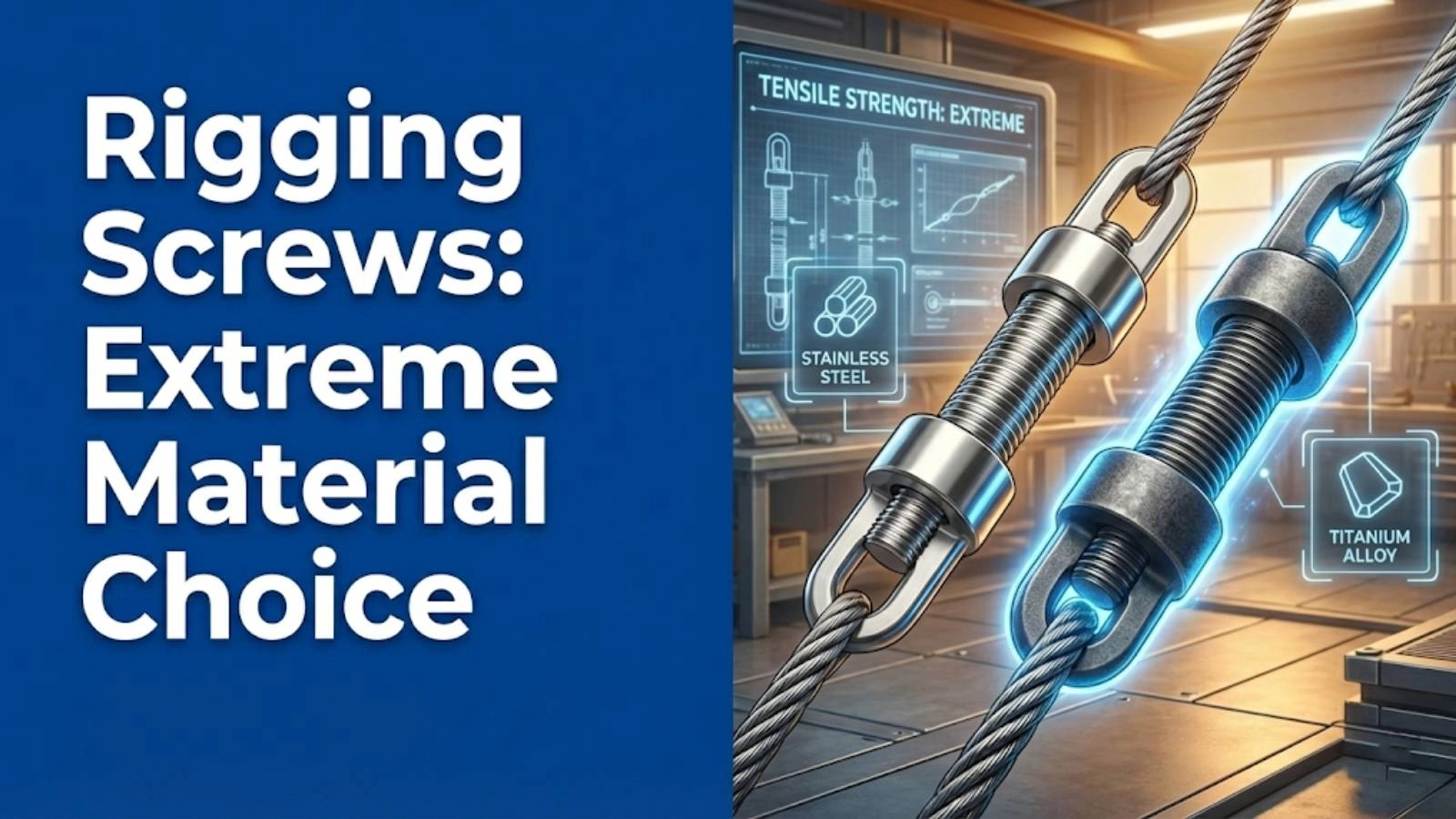
- Using the wrong material: Stainless steel is often selected for its corrosion resistance, but it may not have the strength required for high-stress applications. Alloy steel rigging screws provide significantly higher strength but may require protective coatings to prevent corrosion.
Problem: Improper Installation
Even if the correct rigging screw is selected, improper installation can drastically reduce its performance and lifespan.
- Over-tightening leading to thread damage: Applying excessive torque during installation can strip the threads, weakening the connection and making it prone to failure.
- Insufficient thread engagement creating instability: Failing to engage enough threads between the end fittings and the body can result in a weak and unstable connection. The load is then distributed over fewer threads, increasing the risk of stripping or shearing.
Problem: Lack of Regular Inspection
Regular inspections are crucial for identifying potential problems before they escalate into failures. Neglecting this step can lead to undetected corrosion, deformation, or cracks.
- Corrosion and rust weakening the screw: Exposure to moisture and harsh environments can cause corrosion, which weakens the metal and reduces the screw’s load capacity.
- Deformation or cracks from overloading: Overloading a rigging screw can cause it to deform or develop cracks, which compromise its structural integrity.
Problem: Neglecting Maintenance
Proper maintenance, including lubrication and cleaning, is essential for keeping rigging screws in good working condition.
- Lack of lubrication causing seizing: Without lubrication, the threads can bind and seize, making it difficult or impossible to adjust the screw. This also increases the risk of thread damage during adjustment.
- Ignoring worn or damaged components: Failing to replace worn or damaged components, such as bent end fittings or stripped threads, can compromise the entire assembly.
Solution: Choosing the Right Rigging Screw ✅
Selecting the correct rigging screw is paramount for ensuring safety and reliability. This involves considering the load requirements, material properties, and the specific application.
Matching the Screw to the Load
The most critical factor in selecting a rigging screw is ensuring it can safely handle the intended load.
- Understanding Safe Working Load (SWL) and breaking strength: The SWL is the maximum load that should be applied to the rigging screw under normal working conditions. The breaking strength, also known as the minimum breaking load (MBL), is the load at which the screw is expected to fail. The SWL is typically a fraction of the breaking strength, often with a safety factor of 5:1 or higher.
- Consulting load charts and engineering specifications: Always refer to the manufacturer’s load charts and engineering specifications to determine the appropriate SWL for the specific rigging screw model. These charts provide detailed information on the screw’s capacity under various conditions.
Material Selection
The material of the rigging screw must be appropriate for the environment and the type of load being applied.
- Alloy steel vs. stainless steel vs. galvanized steel:
Alloy Steel: Offers high strength and is suitable for heavy-duty applications. However, it is susceptible to corrosion and requires protective coatings.
Stainless Steel: Provides excellent corrosion resistance and is ideal for marine environments or applications where hygiene is critical. However, it is generally less strong than alloy steel.
Galvanized Steel: Offers a balance of strength and corrosion resistance. The galvanization process applies a protective zinc coating to the steel, which helps prevent rust.
- Considering environmental factors: In corrosive environments, such as coastal areas or chemical plants, stainless steel or galvanized steel rigging screws are recommended. For high-strength applications in non-corrosive environments, alloy steel may be the best choice.
End Fitting Types
The end fitting type must be compatible with the components to which the rigging screw will be connected.
- Jaw end, eye end, stub end:
Jaw End: Used for connecting to components with clevises or pins. They provide a strong and secure connection.
Eye End: Used for connecting to shackles, hooks, or other looped components. They allow for easy attachment and detachment.
Stub End: Used for direct connection to threaded holes or fittings. They provide a direct and rigid connection.
- Choosing the right fitting for the application: Select the end fitting type that provides the most secure and convenient connection for the specific application. Consider the ease of installation and removal, as well as the load-bearing capacity of the fitting.
| Material |
Strength |
Corrosion Resistance |
Typical Applications |
| Alloy Steel |
High |
Low (Requires Coating) |
Heavy-duty lifting, structural support |
| Stainless Steel |
Moderate |
High |
Marine environments, food processing |
| Galvanized Steel |
Moderate |
Moderate |
General-purpose applications |
Solution: Proper Installation Techniques 🛠️
Correct installation is crucial for maximizing the performance and lifespan of rigging screws. Improper installation can lead to premature failure and dangerous situations.
Ensuring Correct Thread Engagement
Adequate thread engagement is essential for distributing the load evenly and preventing thread stripping.
- Minimum thread engagement requirements: As a general rule, the end fittings should be threaded into the body until at least 1.5 times the diameter of the thread is engaged. For example, if the thread diameter is 10 mm, there should be at least 15 mm of thread engagement.
- Using thread locking compounds: Thread locking compounds, such as Loctite, can be used to prevent the end fittings from loosening due to vibration or movement. Apply the compound to the threads before installation, following the manufacturer’s instructions.
Torque Specifications
Over-tightening can damage the threads and reduce the screw’s load capacity.
- Avoiding over-tightening: Do not exceed the manufacturer’s recommended torque specifications. Over-tightening can strip the threads or cause the screw to yield.
- Using a calibrated torque wrench: Use a calibrated torque wrench to ensure the correct amount of torque is applied. This will help prevent over-tightening and ensure a consistent installation.
Alignment Considerations
Preventing side loading is crucial for maintaining the integrity of the rigging screw.
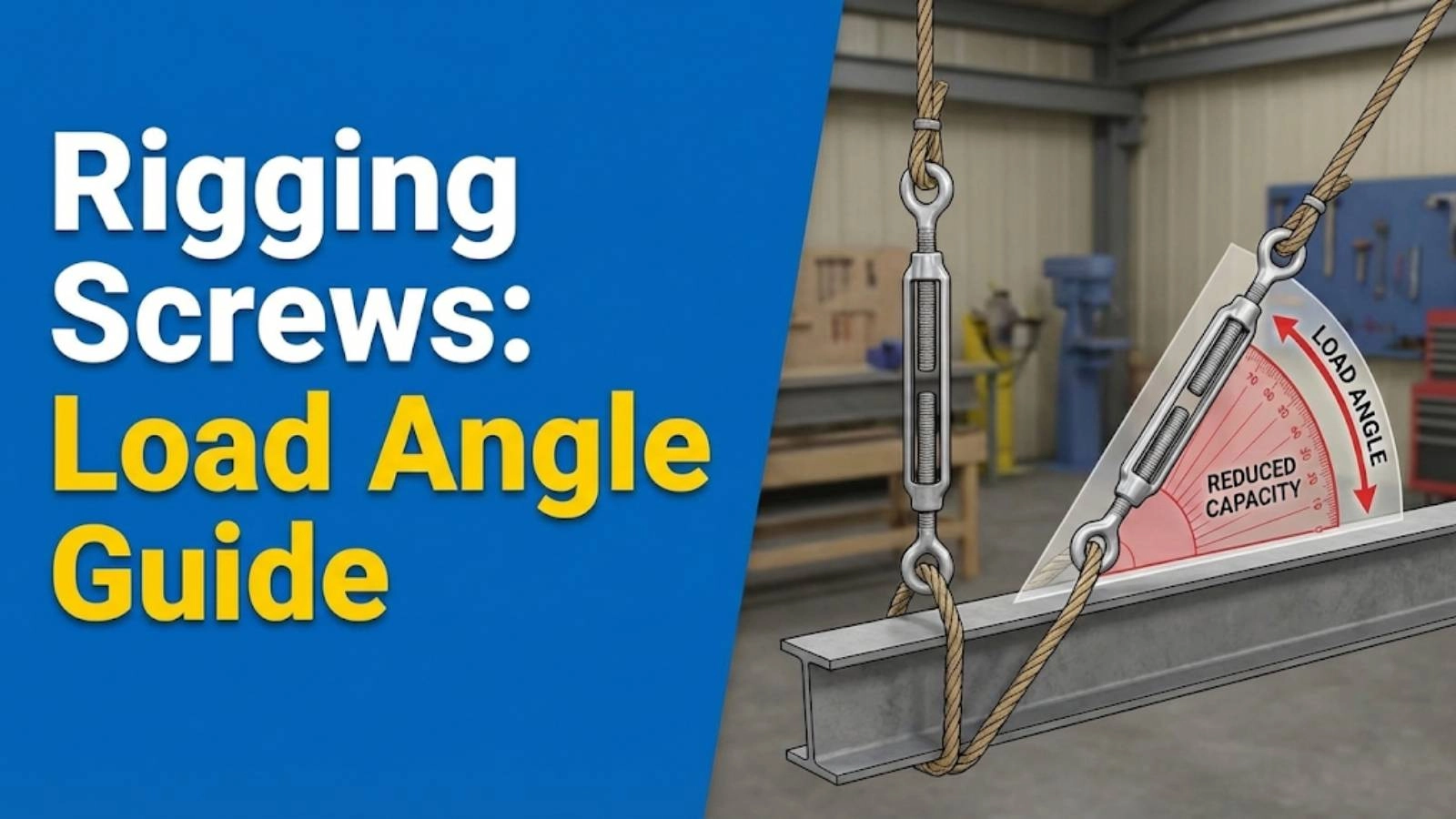
- Preventing side loading: Ensure that the load is applied in a straight line along the axis of the rigging screw. Side loading can cause bending and premature failure.
- Using swivel fittings if necessary: If side loading is unavoidable, use swivel fittings to allow the rigging screw to align with the load. Swivel fittings allow the end fittings to rotate, preventing bending and stress on the screw.
Solution: Regular Inspection Procedures 🔍
Regular inspections are essential for identifying potential problems before they lead to failures. A thorough inspection program should include visual checks and periodic testing.
Visual Inspection Checklist
A comprehensive visual inspection should be performed regularly to check for signs of damage or wear.
- Checking for corrosion, cracks, and deformation: Look for any signs of rust, pitting, cracks, or bending. These can indicate that the rigging screw has been overloaded or exposed to harsh conditions.
- Inspecting threads for damage: Check the threads for stripped, worn, or damaged areas. Damaged threads can significantly reduce the screw’s load capacity.
Frequency of Inspections
The frequency of inspections should be based on the severity of the application and the environmental conditions.
- Daily inspections for high-risk applications: In high-risk applications, such as lifting heavy loads or supporting critical structures, daily inspections are recommended.
- Periodic inspections for general use: For general-use applications, periodic inspections should be performed at least monthly or quarterly, depending on the usage and environmental conditions.
Documenting Inspections
Maintaining records of inspections is crucial for tracking the condition of rigging screws and identifying trends.
- Maintaining records of inspection dates and findings: Keep a log of all inspections, including the date, inspector’s name, and any findings.
- Using a checklist or logbook: Use a checklist or logbook to ensure that all critical areas are inspected and that the inspection is performed consistently.
Solution: Implementing a Maintenance Program ⚙️
A well-designed maintenance program can significantly extend the lifespan of rigging screws and ensure their continued performance.
Lubrication Guidelines
Proper lubrication is essential for preventing seizing and reducing wear.
- Choosing the right lubricant: Use a lubricant that is specifically designed for rigging screws. Look for a lubricant that is resistant to water and corrosion.
- Frequency of lubrication: Lubricate the threads and moving parts of the rigging screw at least monthly or more frequently in harsh environments.
Cleaning Procedures
Regular cleaning helps remove dirt, debris, and corrosion that can damage the rigging screw.
- Removing dirt, debris, and corrosion: Use a wire brush or solvent to remove any dirt, debris, or corrosion from the threads and body of the rigging screw.
- Using appropriate cleaning agents: Use a cleaning agent that is compatible with the material of the rigging screw. Avoid using harsh chemicals that can damage the metal.
Replacement Schedule
Rigging screws should be replaced when they show signs of wear, damage, or corrosion.
- Identifying when to replace rigging screws: Replace rigging screws that have cracks, deformation, or significant corrosion. Also, replace screws that have been overloaded or subjected to excessive wear.
- Following manufacturer’s recommendations: Follow the manufacturer’s recommendations for replacement intervals. Some manufacturers provide specific guidelines based on the application and environmental conditions.
Safety Best Practices When Using Rigging Screws 🛡️
Safety should always be the top priority when working with rigging screws. Following these best practices can help prevent accidents and injuries.
Personal Protective Equipment (PPE)
Always wear appropriate PPE when working with rigging screws.
- Wearing gloves, safety glasses, and hard hats: Gloves protect your hands from cuts and abrasions, safety glasses protect your eyes from debris, and hard hats protect your head from falling objects.
Load Testing
Regular load testing helps ensure that the rigging screws can safely handle the intended load.
- Performing proof load tests: Conduct proof load tests to verify the rigging screw’s load capacity. A proof load test involves applying a load that is higher than the SWL but lower than the breaking strength.
- Documenting test results: Keep records of all load tests, including the date, test load, and results.
Communication and Coordination
Clear communication is essential for safe rigging operations.
- Ensuring clear communication between riggers: Use clear and concise communication to coordinate lifting and tensioning operations.
- Using hand signals or radios: Use hand signals or radios to communicate between riggers, especially when operating heavy machinery or working in noisy environments.
Case Studies: Learning from Real-World Examples 📚
Examining real-world examples of rigging screw failures can provide valuable insights and highlight the importance of proper selection, installation, inspection, and maintenance.
Case Study 1: Preventing a Crane Collapse
A crane collapse was narrowly avoided when a rigger noticed a severely corroded rigging screw on the crane’s boom.
- Identifying the root cause: The root cause was a lack of regular inspection and maintenance. The rigging screw had been exposed to moisture and salt air, leading to severe corrosion.
- Implementing corrective actions: The corroded rigging screw was immediately replaced, and a comprehensive inspection and maintenance program was implemented for all rigging equipment on the crane.
Case Study 2: Avoiding a Marine Accident
A marine accident was averted when a sailor discovered a cracked rigging screw on a sailboat’s mast.
- Analyzing the failure: The failure was attributed to metal fatigue caused by repeated stress and vibration.
- Improving maintenance procedures: The sailboat owner implemented a more rigorous inspection and maintenance schedule, including regular checks for cracks and deformation.
Case Study 3: Ensuring Safe Lifting Operations
A lifting operation was halted when a rigger noticed an overloaded rigging screw on a lifting sling.
- Reviewing the incident: The incident was caused by using a rigging screw with an insufficient SWL for the load being lifted.
- Enhancing training programs: The company enhanced its training programs to ensure that all riggers are knowledgeable about load capacities and proper rigging techniques.
Rigging Screws: The Future Trends 🚀
The future of rigging screws is likely to be shaped by advancements in technology and materials.
Smart Rigging
The integration of sensors and data analytics is transforming the rigging industry.
- Integration of sensors for load monitoring: Smart rigging systems use sensors to monitor the load on rigging screws in real-time. This data can be used to prevent overloading and identify potential problems before they lead to failures.
Advanced Materials
New materials are being developed to improve the strength, weight, and corrosion resistance of rigging screws.
- Use of composite materials for lighter weight: Composite materials, such as carbon fiber, offer high strength-to-weight ratios and excellent corrosion resistance. These materials are being used to develop lighter and more durable rigging screws.
Improved Designs
Ergonomic designs are making rigging screws easier and safer to use.
- Ergonomic designs for ease of use: New designs are incorporating features that make rigging screws easier to adjust and handle, such as improved grips and smoother threads.
Conclusion
Mastering the use of rigging screws involves understanding their purpose, selecting the right type for the job, installing them correctly, and maintaining them diligently. Regular inspections, proper lubrication, and adherence to safety guidelines are crucial for preventing accidents and ensuring the longevity of these essential components. By following the practices outlined in this guide, you can significantly enhance the safety and efficiency of your operations. At Safe and Secure Trading Company (SSTC), we’re committed to providing our clients with the highest quality rigging equipment and expert guidance to ensure safe and secure operations. We’ve seen firsthand the impact of diligent maintenance and correct usage, and we encourage you to prioritize these practices.
FAQ Section
- What is the lifespan of a rigging screw?
The lifespan of a rigging screw depends on several factors, including the material, the environment, the load, and the frequency of use. With proper maintenance and regular inspections, a high-quality rigging screw can last for many years. However, it’s essential to replace rigging screws that show signs of wear, damage, or corrosion, regardless of their age.
- How do I choose the right size rigging screw?
To choose the right size rigging screw, you must first determine the maximum load that will be applied to the screw. Then, consult the manufacturer’s load charts and engineering specifications to select a rigging screw with a Safe Working Load (SWL) that is greater than the maximum load. Also, consider the material, end fitting type, and environmental conditions when making your selection.
- What are the common signs of rigging screw failure?
* Common signs of rigging screw failure include corrosion, cracks, deformation, stripped threads, and difficulty adjusting the screw. If you notice any of these signs, the rigging screw should be removed from service immediately and replaced. Additionally, any rigging screw that has been overloaded or subjected to excessive wear should be replaced, even if it does not show any visible signs of damage.