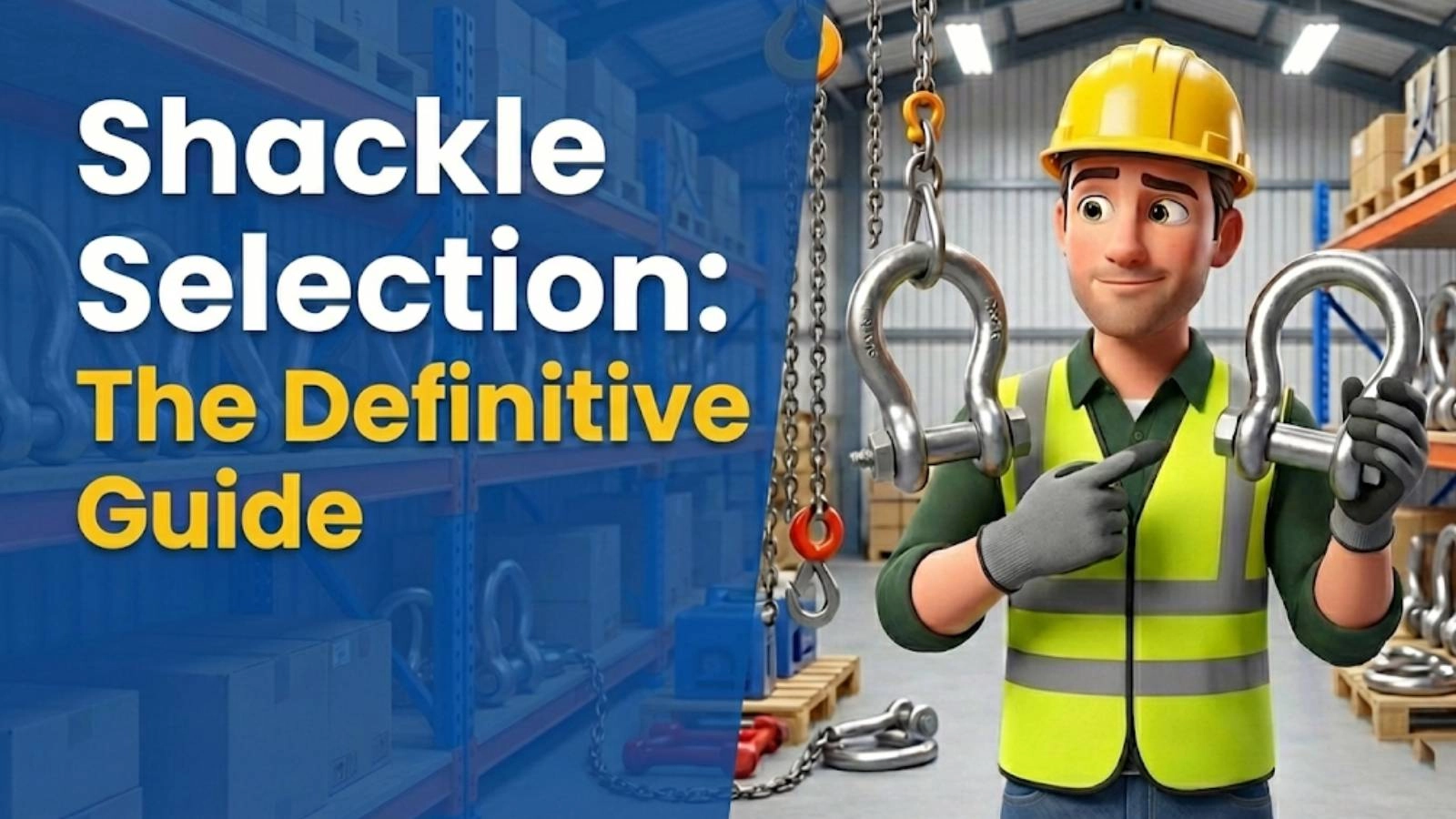
Lifting shackle failures can lead to serious accidents, injuries, and costly damages. Understanding the common causes of these failures is crucial for maintaining a safe working environment. At Safe and Secure Trading Company (SSTC), we prioritize safety above all else. That’s why we’ve compiled this comprehensive guide to help you spot and prevent lifting shackle failures. By identifying potential hazards and implementing proactive measures, you can significantly reduce the risk of accidents and ensure the integrity of your lifting operations.
1. ➡️ Overloading: The Silent Shackle Killer
Overloading is one of the most prevalent causes of lifting shackle failures. It occurs when a shackle is subjected to a load exceeding its Working Load Limit (WLL). This can lead to immediate breakage or, more insidiously, gradual deformation and weakening of the shackle. Understanding and adhering to the shackle’s WLL is therefore paramount to preventing such failures and ensuring the safety of personnel and equipment.
Understanding the Working Load Limit (WLL)
The Working Load Limit (WLL) represents the maximum weight a shackle is designed to safely support under normal operating conditions. This limit is clearly marked on the shackle itself, and it’s crucial to never exceed it. Exceeding the WLL can cause the shackle to deform, crack, or even break entirely, leading to catastrophic consequences. Ignoring the WLL is a direct violation of safe lifting practices and puts everyone at risk.
How to Calculate Safe Load Limits
Calculating safe load limits involves more than just looking at the WLL. Factors such as sling angles and load distribution must be considered. A simple formula to calculate the safe load limit is: Safe Load = WLL / Safety Factor. For example, if a shackle has a WLL of 10 tons and a safety factor of 4, the safe load is 2.5 tons. When using multiple slings, remember to account for the increased tension on the shackles due to the sling angles. The greater the angle, the higher the tension.
Practical Examples of Overloading
Overloading often occurs in real-world scenarios due to misjudging the weight of a load or uneven load distribution. For instance, lifting a container with a weight exceeding the shackle’s WLL, even if only slightly, can compromise its integrity. Similarly, uneven load distribution, where one shackle bears a disproportionate amount of weight, can also lead to overloading and subsequent failure. For many of our clients here in Dammam, we’ve seen that inadequate training in weight estimation and load distribution is a significant contributing factor to overloading incidents.
2. ➡️ Corrosion: The Rust That Destroys
Corrosion is another significant factor contributing to lifting shackle failures. Over time, exposure to moisture, chemicals, and other environmental elements can weaken the metal, compromising its structural integrity. Regular inspections and preventative measures are essential to combat corrosion and ensure the longevity of your shackles.
Identifying Types of Corrosion
Several types of corrosion can affect shackles, including rust, pitting, and galvanic corrosion. Rust, the most common form, occurs when iron or steel is exposed to oxygen and moisture. Pitting corrosion creates small holes on the surface, weakening the metal. Galvanic corrosion happens when two dissimilar metals are in contact in the presence of an electrolyte, leading to accelerated corrosion of one metal. Each type of corrosion poses a threat to shackle integrity.
The Role of Environmental Factors
Environmental factors play a crucial role in accelerating corrosion. Saltwater environments, common in coastal regions, are particularly corrosive. Chemical exposure, especially to acids and alkalis, can also rapidly degrade shackles. Extreme temperatures can exacerbate corrosion processes. In environments like those around Jubail Industrial City, where chemical plants are prevalent, the risk of corrosion is heightened, making regular inspections and maintenance even more critical.
Preventative Measures Against Corrosion
Preventative measures are vital to minimize corrosion and extend the life of your shackles. Regular cleaning to remove dirt and contaminants is essential. Lubrication creates a protective barrier against moisture. Applying protective coatings, such as paint or specialized anti-corrosion compounds, can further shield the shackle from the elements. These practices are crucial in maintaining the integrity of shackles, especially in harsh environments.
3. ➡️ Improper Shackle Pin Usage: A Critical Mistake
Improper shackle pin usage is a common but often overlooked cause of lifting shackle failures. Using the wrong type of pin, failing to properly install it, or operating with a loose or missing pin can significantly compromise the shackle’s safety and lead to catastrophic accidents. Ensuring correct pin usage is paramount for safe lifting operations.
The Right Pin for the Right Shackle
Using the correct type and size of shackle pin is crucial for ensuring the shackle’s integrity. Shackles are designed to work with specific pins, and using a mismatched pin can compromise safety. For example, using an oversized pin can damage the shackle’s threads, while an undersized pin may not be strong enough to handle the load. Always refer to the manufacturer’s specifications to ensure you are using the correct pin for the shackle.
Correct Installation Techniques
Proper installation is key to ensuring the shackle pin functions correctly. First, ensure the pin threads are clean and lubricated. Then, thread the pin into the shackle body hand-tight. Finally, use a wrench to tighten the pin to the manufacturer’s recommended torque. Over-tightening can damage the threads, while under-tightening can cause the pin to loosen during operation. Correct installation is essential for maintaining the shackle’s load-bearing capacity.
Consequences of Loose or Missing Pins
Operating with loose or missing shackle pins is extremely dangerous. A loose pin can gradually work its way out during operation, leading to load slippage and potential equipment damage or personal injury. A missing pin renders the shackle completely unsafe and incapable of supporting any load. Regular inspections should always include checking the tightness and presence of shackle pins to prevent these hazardous situations.
4. ➡️ Side Loading: The Off-Axis Hazard
Side loading occurs when a load is applied to a shackle at an angle, rather than in a straight line. This introduces uneven stress on the shackle, significantly reducing its WLL and increasing the risk of failure. Understanding and mitigating side loading is essential for maintaining safe lifting operations.
Understanding Side Loading Forces
Side loading forces create bending stresses on the shackle, which it is not designed to withstand. These stresses concentrate at the pin and bow of the shackle, potentially causing deformation or fracture. Even a slight angle can drastically reduce the shackle’s effective WLL. Therefore, it is crucial to understand how side loading affects shackle capacity and to take steps to minimize its occurrence.
Recognizing Situations That Cause Side Loading
Side loading commonly occurs in situations involving angled lifts or when shackles are used as connecting links between two offset points. For example, if a sling is attached to a shackle at an angle, the resulting force will create side loading. Similarly, using a shackle to connect two chains that are not aligned can also introduce side loading. Identifying these scenarios is the first step in mitigating the hazard.
Mitigation Techniques for Side Loading
Several techniques can be used to mitigate side loading. Swivel hoist rings allow the load to align itself with the lifting direction, eliminating angled forces. Spreader bars distribute the load evenly, preventing side loading on individual shackles. Adjusting lift angles to be as close to vertical as possible also minimizes side loading. Choosing the right equipment and employing proper lifting techniques are key to preventing this hazard.
5. ➡️ Wear and Tear: The Inevitable Decline
Wear and tear is an inevitable consequence of regular use. Over time, shackles can experience cracks, deformation, and excessive elongation, all of which compromise their structural integrity. Establishing a regular inspection schedule and implementing proper storage and handling practices can help mitigate wear and tear and prolong the lifespan of your shackles.
Identifying Signs of Wear and Tear
Visual indicators of wear and tear include cracks, deformation, and excessive elongation. Cracks can appear on the bow or pin of the shackle and are a clear sign of damage. Deformation, such as bending or twisting, indicates that the shackle has been subjected to excessive stress. Excessive elongation, where the shackle stretches beyond its original dimensions, also suggests weakening of the metal. Any of these signs warrant immediate removal of the shackle from service.
Establishing a Regular Inspection Schedule
Routine shackle inspections are crucial for identifying wear and tear before it leads to failure. The frequency of inspections should depend on the intensity of use and the operating environment. For heavy-duty applications, daily inspections are recommended. For less frequent use, weekly or monthly inspections may suffice. A shackle inspection checklist should include checking for cracks, deformation, corrosion, and proper pin installation.
Proper Storage and Handling Practices
Improper storage and rough handling can accelerate wear and tear. Shackles should be stored in a dry, clean environment, away from corrosive substances. Avoid dropping or dragging shackles, as this can cause damage. When not in use, shackles should be properly organized and protected from the elements. Implementing these practices can significantly extend the lifespan of your shackles.
6. 💡 The Importance of Shackle Material
The material from which a shackle is made significantly impacts its strength, durability, and suitability for different applications. Understanding the properties of different shackle materials is essential for selecting the right shackle for the job and ensuring safe lifting operations.
Different Shackle Materials: Carbon Steel vs. Alloy Steel
Carbon steel and alloy steel are the two primary materials used in shackle construction. Carbon steel shackles are more common and cost-effective but are less strong and durable than alloy steel shackles. Alloy steel shackles offer superior strength, resistance to wear and tear, and performance in extreme temperatures. The choice between the two depends on the specific requirements of the lifting application.
Choosing the Right Material for the Job
Selecting the appropriate shackle material depends on several factors, including load requirements, environmental conditions, and safety factors. For heavy-duty lifting and harsh environments, alloy steel shackles are the preferred choice due to their superior strength and durability. For lighter loads and less demanding environments, carbon steel shackles may be sufficient. Always consider the specific needs of the job when selecting shackle material.
Material Certification and Traceability
Verifying material certifications and ensuring shackles are traceable to their original manufacturer is crucial for quality assurance. Material certifications confirm that the shackle meets industry standards and specifications. Traceability allows you to trace the shackle back to its manufacturing origin, ensuring accountability and quality control. Always request material certifications and traceability information when purchasing shackles.
7. 💡 Load Angle Considerations
Load angle significantly affects the effective Working Load Limit (WLL) of a shackle. As the angle between the load and the vertical increases, the stress on the shackle increases, reducing its lifting capacity. Understanding how load angle impacts shackle capacity is essential for safe lifting operations.
How Load Angle Affects Shackle Capacity
Increasing the load angle reduces the effective WLL of the shackle because the force is no longer applied directly along the shackle’s axis. Instead, it is distributed into horizontal and vertical components, with the horizontal component creating side loading. The greater the angle, the larger the horizontal component and the greater the stress on the shackle.
Using Load Angle Charts
Load angle charts provide a visual representation of how load angle affects shackle capacity. These charts typically show the percentage of the WLL that can be safely applied at different angles. By consulting a load angle chart, you can determine the safe lifting capacity of a shackle based on the specific angle of the lift. These charts are invaluable tools for planning and executing safe lifting operations.
Best Practices for Managing Load Angles
To minimize the impact of load angle, aim to keep the angle as close to vertical as possible. Using longer slings can help reduce the angle. Spreader bars can also be used to maintain a vertical lift, even when the load is wide. Always consult load angle charts and follow best practices to ensure safe working conditions.
8. 💡 Shackle Maintenance and Lubrication
Proper maintenance and lubrication are essential for extending the lifespan of shackles and ensuring their continued safe operation. Lubrication reduces friction, prevents corrosion, and allows for smooth movement of the pin. Regular maintenance helps identify potential problems before they lead to failure.
Why Lubrication is Essential
Lubrication is essential for reducing friction between the pin and the shackle body, preventing wear and tear. It also creates a protective barrier against moisture and contaminants, minimizing corrosion. Proper lubrication ensures smooth pin movement, making it easier to tighten and loosen the pin. Regular lubrication is a simple but effective way to prolong the life of your shackles.
Recommended Lubricants and Application Methods
The appropriate lubricant depends on the shackle type and the operating environment. For general applications, a high-quality multi-purpose grease is suitable. For saltwater environments, use a marine-grade grease that is resistant to water washout. Apply the lubricant to the pin threads and the bearing surfaces of the shackle body. Ensure the lubricant is evenly distributed for optimal protection.
Developing a Maintenance Schedule
A documented shackle maintenance schedule should include regular cleaning, lubrication, and inspections. The frequency of these tasks depends on the intensity of use and the operating environment. For heavy-duty applications, daily lubrication and weekly inspections are recommended. For less frequent use, weekly lubrication and monthly inspections may suffice. Keeping a record of maintenance activities helps ensure that shackles are properly cared for.
9. 💡 User Training and Competency
Proper training and competency are essential for ensuring that personnel involved in lifting operations understand the risks associated with shackle use and are capable of performing their duties safely. Qualified personnel are more likely to identify potential hazards and follow safe lifting practices.
The Importance of Qualified Personnel
Qualified personnel have the knowledge, skills, and experience necessary to perform lifting operations safely. They understand load limits, inspection procedures, and hazard recognition. They are also aware of the consequences of improper shackle use and are committed to following safety regulations. Hiring and training qualified personnel is a crucial investment in safety.
Essential Training Topics
Shackle safety training programs should cover several key topics, including Working Load Limits (WLL), inspection procedures, hazard recognition, proper pin usage, and side loading. Trainees should also learn how to calculate safe load limits, use load angle charts, and perform routine maintenance. Comprehensive training is essential for ensuring safe lifting operations.
Continuous Education and Refresher Courses
Ongoing training and refresher courses are essential for keeping personnel up-to-date on best practices and safety regulations. The lifting industry is constantly evolving, with new technologies and safety standards emerging regularly. Continuous education ensures that personnel remain competent and aware of the latest developments. Refresher courses reinforce key concepts and address any gaps in knowledge.
10. ✨ Top 3 Tips for Shackle Safety: A Quick Recap
Here’s a quick summary of the most important points:
- Tip 1: Always verify the WLL and never exceed it.
- Tip 2: Inspect shackles regularly for wear, corrosion, and damage.
- Tip 3: Ensure proper pin usage and avoid side loading.
11. 🧑💻 Expert Quote
“Shackle failure is often a result of neglecting the basics: understanding load limits, performing regular inspections, and using the right equipment for the job.” – John Smith, Certified Rigging Inspector
12. 📊 Shackle Failure Statistics
Did you know? A recent study showed that 40% of lifting shackle failures are due to overloading or improper use. This underscores the importance of proper training and adherence to safety guidelines.
| Failure Type |
Percentage of Failures |
Preventative Measures |
| Overloading |
40% |
Adhere to WLL, calculate safe load limits |
| Corrosion |
25% |
Regular cleaning, lubrication, protective coatings |
| Improper Pin Usage |
15% |
Use correct pin, proper installation techniques |
| Side Loading |
10% |
Swivel hoist rings, spreader bars, adjust lift angles |
| Wear and Tear |
10% |
Regular inspections, proper storage and handling |
Conclusion
Understanding the common causes of lifting shackle failures, such as overloading, corrosion, improper pin usage, side loading, and wear and tear, is crucial for maintaining a safe working environment. By implementing preventative measures like regular inspections, proper maintenance, and thorough training, you can significantly reduce the risk of accidents and ensure the integrity of your lifting operations. At Safe and Secure Trading Company, we are committed to providing you with the knowledge and resources necessary to promote safe lifting practices. We strive to ensure your operational safety by helping you avoid lifting shackle failures at all costs.
FAQ Section
Q: How often should I inspect my lifting shackles?
A: The frequency of inspection depends on the usage and environment. For heavy-duty applications, daily inspections are recommended. For less frequent use, weekly or monthly inspections may be sufficient. Always inspect shackles before each use for any signs of damage or wear. Following a shackle inspection checklist is extremely helpful.
Q: What is the most common cause of shackle failure?
A: Overloading is the most common cause of lifting shackle failures. Exceeding the Working Load Limit (WLL) can lead to immediate breakage or gradual deformation and weakening of the shackle. Always verify the WLL and ensure it is not exceeded.
Q: How does corrosion affect lifting shackles?
A: Corrosion weakens the metal of the shackle, compromising its structural integrity. Over time, exposure to moisture, chemicals, and other environmental elements can lead to rust, pitting, and other forms of corrosion. Regular cleaning, lubrication, and protective coatings can help minimize corrosion.
Q: What should I do if I find a crack in a lifting shackle?
A: If you find a crack in a lifting shackle, immediately remove it from service. Do not attempt to repair or use the cracked shackle. Replace it with a new shackle that meets the required specifications.
Q: Is it safe to use a shackle pin that is slightly bent?
A: No, it is not safe to use a shackle pin that is bent. A bent pin indicates that the shackle has been subjected to excessive stress and the pin may be weakened. Replace the bent pin with a new, straight pin that meets the manufacturer’s specifications.
Q: How can I prevent side loading on lifting shackles?
A: To prevent side loading, use swivel hoist rings, spreader bars, or adjust lift angles to minimize the angle between the load and the shackle. Ensure that the load is applied in a straight line along the shackle’s axis.
Q: What type of lubricant should I use on lifting shackles?
A: For general applications, a high-quality multi-purpose grease is suitable. For saltwater environments, use a marine-grade grease that is resistant to water washout. Apply the lubricant to the pin threads and the bearing surfaces of the shackle body.
Q: What is the difference between carbon steel and alloy steel shackles?
A: Carbon steel shackles are more common and cost-effective but are less strong and durable than alloy steel shackles. Alloy steel shackles offer superior strength, resistance to wear and tear, and performance in extreme temperatures.
Q: How important is user training in preventing shackle failures?
A: User training is crucial for preventing shackle failures. Properly trained personnel understand load limits, inspection procedures, hazard recognition, and proper shackle usage. Training helps to ensure that lifting operations are performed safely and that potential hazards are identified and addressed. Understanding safe lifting practices is essential in the prevention of shackle failure causes.
Q: Where can I find information on shackle load limits?
A: Shackle load limits, or Working Load Limits (WLL), are typically marked directly on the shackle itself. Additionally, you can find this information in the manufacturer’s specifications, load angle charts, and safety manuals. Always consult these resources before using a shackle to ensure you are operating within safe limits.