Lifting Shackle Lifespan: What’s Trending Now?
The Increasing Focus on Proactive Rigging Safety
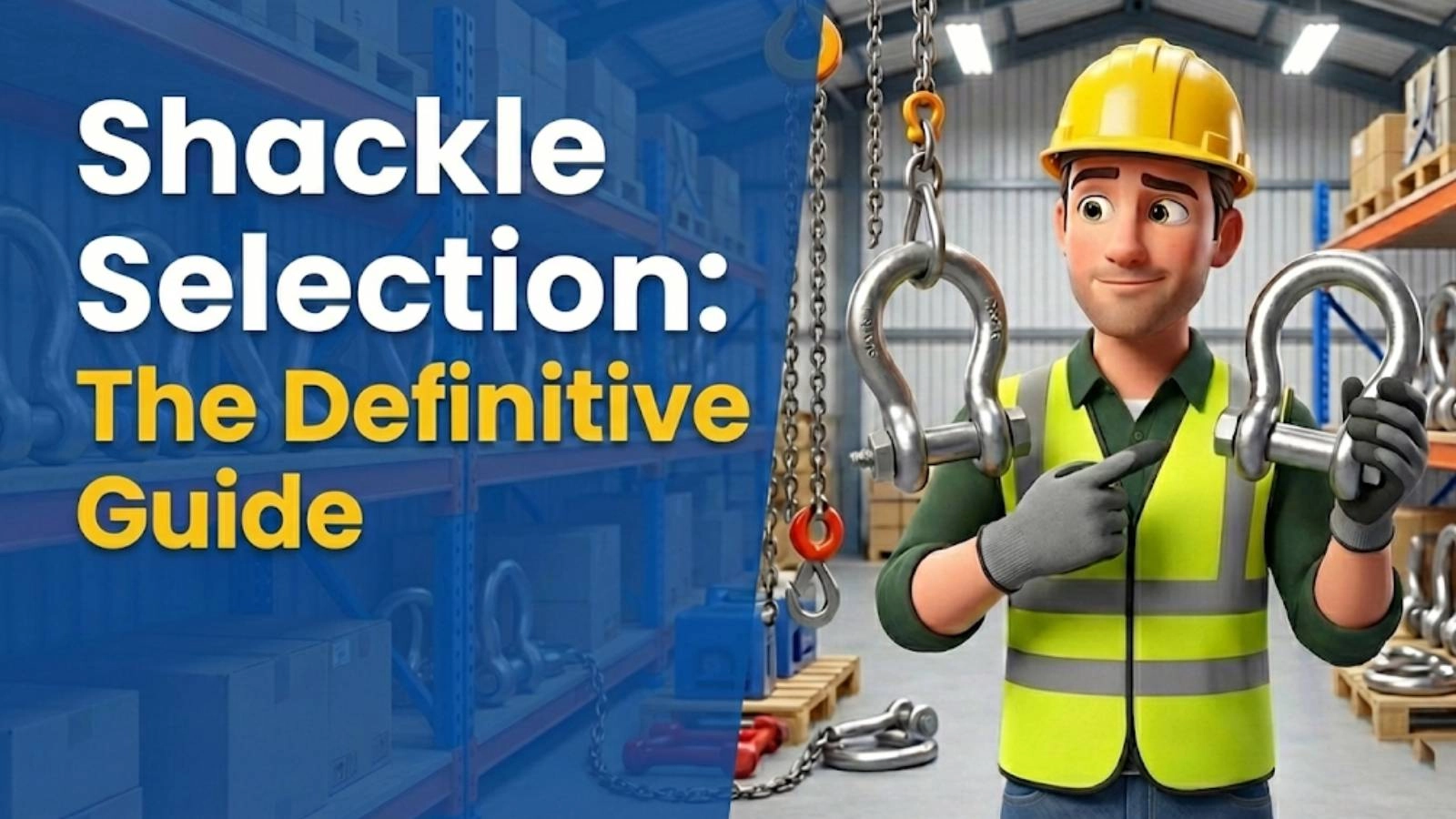
In the world of lifting operations, the emphasis is increasingly on proactive safety measures. Instead of reacting to accidents, the modern approach is to prevent them altogether. This involves meticulous planning, rigorous inspections, and the use of high-quality lifting equipment, particularly lifting shackles. Companies are now recognizing that investing in proactive safety is not just ethically responsible, but also financially prudent, minimizing downtime and potential liabilities. We believe that this focus on prevention is crucial for creating a safer working environment for everyone involved.
The Shift Towards Digital Inspection Tools
Technology is rapidly transforming how we approach lifting shackle inspections and lifespan tracking. Traditional visual inspections are being augmented, and in some cases replaced, by digital tools that offer greater accuracy and efficiency. These tools include handheld devices that can measure wear and tear, software platforms that track inspection records, and even sensors that monitor load and stress levels in real-time. By leveraging these technologies, companies can gain a more comprehensive understanding of shackle condition and predict potential failures before they occur. This data-driven approach is revolutionizing the industry, allowing for better-informed decision-making and improved safety outcomes.
The Role of Enhanced Training Programs
The best technology and equipment are only as good as the people who use them. That’s why enhanced training programs are essential for ensuring personnel are up-to-date on shackle inspection and usage best practices. These programs should cover everything from basic shackle types and applications to advanced inspection techniques and troubleshooting procedures. Furthermore, training should be ongoing, with regular refreshers and updates to reflect the latest industry standards and technological advancements. By investing in comprehensive training, companies can empower their employees to identify potential hazards, make informed decisions, and contribute to a safer working environment.
Understanding the Factors Affecting Lifting Shackle Lifespan
Material Composition and Manufacturing Quality
The lifespan of a lifting shackle is significantly influenced by its material composition and the quality of its manufacturing process. Typically, shackles are made from carbon steel or alloy steel. Alloy steel shackles generally offer higher strength-to-weight ratios and better resistance to deformation under load, making them a preferred choice for heavy-duty applications. The manufacturing process, including forging, heat treatment, and finishing, also plays a critical role. High-quality manufacturing ensures the shackle is free from defects, such as cracks or inclusions, which can compromise its strength and reduce its lifespan. We know that using shackles made from reputable manufacturers and adhering to recognized standards is essential for ensuring their reliability.
Load Type and Frequency
The type and frequency of the load a lifting shackle experiences are major determinants of its lifespan. Static loads, which are constant and unchanging, generally have less impact on shackle fatigue compared to dynamic loads. Dynamic loads, such as those experienced during lifting and lowering operations, can induce stress concentrations and lead to fatigue cracking over time. The frequency of these load cycles is also a factor; the more frequently a shackle is subjected to dynamic loads, the faster it will fatigue and the shorter its lifespan will be. When our team in Dubai tackles this issue, they often find that using shackles with appropriate WLL and employing smooth, controlled lifting techniques can significantly extend shackle lifespan.
Environmental Conditions: Corrosion and Wear
Environmental conditions, such as exposure to moisture, chemicals, and abrasive materials, can significantly impact the lifting shackle lifespan. Corrosion, particularly rust, is a common problem that can weaken the shackle and make it more susceptible to failure. Chemical exposure, especially to acids or alkalis, can also corrode the shackle material, reducing its strength. Abrasive environments, where the shackle is exposed to friction and wear, can gradually erode the shackle’s surface, reducing its cross-sectional area and load-bearing capacity. Regular cleaning, lubrication, and the use of protective coatings can help mitigate the effects of these environmental factors and extend shackle lifespan.
Spotting the Warning Signs: Shackle Inspection Essentials
Pre-Lift Visual Inspection: A Daily Must
A pre-lift visual inspection is a fundamental step in ensuring rigging safety. Before each lifting operation, the shackle should be thoroughly examined for any signs of damage or wear. This includes checking for cracks, deformation, corrosion, and excessive wear on the shackle body, pin, and threads. The pin should be properly seated and secured, and the threads should be clean and undamaged. Any shackle that exhibits these defects should be immediately removed from service. We’ve seen cases where a simple pre-lift inspection has averted potentially catastrophic accidents.
Periodic Thorough Inspections: Following the Standards
In addition to daily visual inspections, periodic thorough inspections should be conducted by qualified personnel following recognized standards such as OSHA and ASME. These inspections involve a more detailed examination of the shackle, including dimensional measurements to check for elongation or deformation. Non-destructive testing (NDT) methods, such as ultrasonic testing or magnetic particle testing, may be used to detect subsurface cracks or other defects. The frequency of periodic inspections should be determined based on the shackle’s usage, environmental conditions, and the severity of the lifting operations. These periodic inspections help identify potential problems that may not be apparent during a visual inspection.
Documenting Inspections: Creating a Maintenance Log
Maintaining a detailed maintenance log is crucial for tracking lifting shackle lifespan and ensuring compliance with safety regulations. The log should include records of all inspections, including the date, inspector’s name, shackle identification number, and any findings or observations. Any repairs or replacements should also be documented. By tracking inspection records, companies can identify trends, such as increased wear or corrosion in certain environments, and adjust their maintenance practices accordingly. A well-maintained maintenance log provides valuable information for making informed decisions about shackle replacement and helps ensure the continued safety of lifting operations.
Proactive Maintenance for Extending Shackle Lifespan
Proper Cleaning and Lubrication Techniques
Proper cleaning and lubrication are essential for extending lifting shackle lifespan. Shackles should be regularly cleaned to remove dirt, debris, and contaminants that can accelerate corrosion and wear. A mild detergent and water solution can be used for cleaning, followed by thorough rinsing and drying. After cleaning, the shackle should be lubricated with a suitable lubricant to reduce friction and prevent corrosion. The lubricant should be applied to the pin, threads, and any other moving parts. Regular cleaning and lubrication can significantly reduce wear and tear and extend shackle lifespan.
Correct Storage Practices
Correct storage practices are vital for protecting shackles from environmental damage when not in use. Shackles should be stored in a clean, dry environment, away from direct sunlight, moisture, and chemicals. If possible, store shackles indoors in a designated storage area. When storing shackles outdoors, protect them from the elements by covering them with a waterproof tarp or storing them in a weather-resistant container. Avoid storing shackles on the ground, where they can be exposed to moisture and dirt. Proper storage practices help prevent corrosion, degradation, and other forms of damage that can reduce shackle lifespan.
When to Retire a Shackle: Identifying Unsafe Conditions
Determining when to retire a shackle is a critical decision that should be based on established criteria and sound judgment. A shackle should be immediately removed from service if it exhibits any of the following conditions: cracks, deformation, excessive wear (more than 10% reduction in cross-sectional area), corrosion that has significantly reduced the shackle’s strength, damaged or stripped threads, or any other condition that compromises its structural integrity. The decision to retire a shackle should be made by a qualified person who is familiar with shackle inspection criteria and has the authority to remove unsafe equipment from service. Remember, erring on the side of caution is always the best approach when it comes to rigging safety.
Choosing the Right Shackle for the Job: A Modern Approach
Understanding Different Shackle Types and Their Applications
Selecting the correct shackle type for a specific lifting application is crucial for ensuring safety and efficiency. The two primary shackle types are bow shackles and D shackles (also known as chain shackles). Bow shackles have a larger, more rounded shape, which allows for a wider sling angle and greater flexibility in connecting to different types of lifting equipment. D shackles, on the other hand, have a narrower, more linear shape, making them ideal for straight-line pulls and applications where space is limited. Shackles are also available in different materials, such as alloy steel and carbon steel, each with its own strength and durability characteristics. Understanding the specific requirements of the lifting operation and selecting the appropriate shackle type is essential for safe and effective rigging.
Calculating Working Load Limit (WLL) and Safety Factors
Calculating the Working Load Limit (WLL) and safety factors is a critical step in ensuring shackles are appropriately rated for the load. The WLL is the maximum weight that a shackle is designed to safely lift. It is typically marked on the shackle itself and should never be exceeded. Safety factors are used to account for uncertainties in load calculations, variations in material strength, and the potential for dynamic loading. A typical safety factor for lifting shackles is 4:1 or 5:1, meaning the shackle’s breaking strength is four or five times greater than its WLL. When calculating the WLL, it is essential to consider the weight of the load, the lifting angle, and any dynamic forces that may be present. Overloading a shackle can lead to catastrophic failure and serious accidents.
New Innovations in Shackle Design and Materials
The field of lifting shackle design and materials is constantly evolving, with new innovations emerging to improve safety, durability, and performance. One notable trend is the development of high-performance shackles made from advanced alloys that offer increased strength-to-weight ratios. These shackles are lighter and stronger than traditional shackles, making them ideal for demanding applications. Another innovation is the integration of sensor technology into shackles, allowing for real-time monitoring of load and stress levels. This data can be used to predict potential failures and optimize maintenance schedules. We anticipate that these and other innovations will continue to drive improvements in shackle design and performance in the years to come.
The Cost of Neglect: Real-World Consequences
Case Studies of Shackle Failures and Accidents
Examining case studies of shackle failures and accidents provides valuable lessons for preventing future incidents. These case studies often reveal common causes of shackle failure, such as overloading, improper use, inadequate inspection, and lack of maintenance. By analyzing these incidents, companies can identify potential hazards in their own operations and implement corrective actions to mitigate risks. For example, a case study might highlight the importance of using shackles with the correct WLL for the load being lifted or the need for regular inspections to detect corrosion or wear. Learning from past mistakes is essential for creating a safer working environment.
The Financial Impact of Downtime and Replacements
Neglecting shackle maintenance and safety can have significant financial consequences. Shackle failures can lead to downtime, as lifting operations are suspended while the damaged shackle is replaced and the cause of the failure is investigated. In addition to the cost of replacing the shackle, there may be costs associated with lost productivity, equipment damage, and potential fines or legal liabilities. By investing in proactive maintenance and safety measures, companies can avoid these costly consequences and ensure the smooth operation of their lifting activities.
Maintaining a Culture of Safety: Leadership’s Role
Leadership plays a crucial role in promoting responsible rigging practices and fostering a culture of safety. Leaders should set clear expectations for shackle inspection, maintenance, and usage, and they should provide the resources and training necessary for employees to meet those expectations. They should also lead by example, demonstrating a commitment to safety in their own actions and decisions. By creating a culture of safety, leaders can empower employees to identify potential hazards, make informed decisions, and contribute to a safer working environment for everyone.
Leveraging Technology for Lifespan Prediction
Non-Destructive Testing (NDT) Methods
Non-Destructive Testing (NDT) methods are crucial for assessing shackle integrity without causing damage. Techniques like ultrasonic testing use sound waves to detect internal flaws such as cracks or voids that are invisible to the naked eye. Magnetic particle testing identifies surface and near-surface defects by applying a magnetic field and observing particle accumulation at flaw locations. These NDT methods provide a deeper insight into the material’s condition, helping predict potential failure points long before they become critical. Regular NDT inspections, especially in high-stress environments, are vital for extending shackle lifespan and preventing accidents.
Sensor Technology and Real-Time Monitoring
The integration of sensor technology into lifting shackles is revolutionizing rigging safety. Sensors embedded in shackles can track various parameters such as load, stress, temperature, and vibration in real-time. This data is transmitted wirelessly to a central monitoring system, allowing operators to observe shackle performance during operation. By monitoring these parameters, potential overloads, stress concentrations, or environmental effects can be detected immediately, enabling proactive interventions. Real-time monitoring not only enhances safety but also provides valuable data for predicting shackle lifespan and optimizing maintenance schedules.
Data Analysis and Predictive Maintenance
Data analysis plays a pivotal role in optimizing maintenance schedules and extending lifting shackle lifespan. The data collected from sensor-equipped shackles and NDT inspections can be analyzed to identify trends, predict potential failures, and optimize maintenance intervals. Predictive maintenance uses algorithms and machine learning to forecast when a shackle is likely to fail based on its usage patterns and environmental conditions. By shifting from reactive to predictive maintenance, companies can reduce downtime, lower maintenance costs, and significantly extend the lifespan of their lifting shackles, ensuring safer and more efficient operations.
Best Practices for Training and Certification
Comprehensive Rigging Training Programs
Comprehensive rigging training programs are essential for ensuring personnel are competent in shackle inspection and usage. These programs should cover a wide range of topics, including shackle types, applications, inspection procedures, load calculations, and safety protocols. Training should be hands-on, allowing participants to practice inspecting shackles, calculating WLL, and rigging loads under the supervision of experienced instructors. Furthermore, training should be tailored to the specific types of lifting operations performed by the company. We’ve found that companies that invest in comprehensive rigging training programs experience fewer accidents and improved overall safety performance.
Staying Up-to-Date with Industry Standards
Staying current with industry standards is vital for maintaining a safe and compliant rigging operation. Standards such as those published by OSHA, ASME, and ANSI are regularly updated to reflect new technologies, best practices, and lessons learned from past incidents. Companies should regularly review and update their training materials and procedures to align with the latest industry standards. This includes subscribing to industry publications, attending conferences and seminars, and participating in industry associations. By staying up-to-date with industry standards, companies can ensure their employees are using the most current and effective rigging practices.
Promoting a Culture of Continuous Improvement
Promoting a culture of continuous improvement is essential for sustaining a high level of rigging safety. This involves encouraging employees to provide feedback on existing procedures, identify potential hazards, and suggest improvements. Companies should also conduct regular audits and assessments of their rigging operations to identify areas for improvement. Furthermore, they should track key performance indicators (KPIs), such as the number of incidents, near misses, and inspection findings, to measure the effectiveness of their safety programs. By fostering a culture of continuous improvement, companies can create a dynamic and proactive approach to rigging safety.
The Future of Lifting Shackle Lifespan Management
Advancements in Material Science
Advancements in material science promise to significantly enhance lifting shackle lifespan. Researchers are exploring new alloys and coatings with superior strength, corrosion resistance, and fatigue properties. For example, advanced high-strength steels and titanium alloys are being developed for shackles used in extreme environments. New coatings, such as graphene-based coatings, offer enhanced protection against corrosion and wear. These material innovations will lead to shackles that are more durable, reliable, and capable of withstanding harsh operating conditions, ultimately extending their lifespan and improving safety.
The Impact of Automation and Robotics
Automation and robotics are transforming rigging practices, leading to improved safety and efficiency. Automated lifting systems use sensors and control systems to precisely manage load handling, reducing the risk of human error and accidents. Robots can be used to perform inspections in hazardous environments, eliminating the need for human exposure. As automation and robotics become more prevalent, rigging operations will become safer, more efficient, and less reliant on manual labor, further extending shackle lifespan through optimized usage.
Sustainable Rigging Solutions
The focus on sustainable rigging solutions is growing, driven by environmental concerns and a desire to reduce waste. This includes using environmentally friendly materials, such as recycled steel, and implementing practices to minimize the environmental impact of rigging operations. For example, using biodegradable lubricants and reducing energy consumption during manufacturing. By embracing sustainable rigging solutions, companies can not only protect the environment but also improve their bottom line and enhance their reputation.
Conclusion
Throughout this comprehensive guide, we’ve explored various facets of maximizing lifting shackle lifespan, from understanding material properties and environmental impacts to leveraging advanced technologies and fostering a culture of safety. By implementing these best practices, you’re not only extending the lifespan of your lifting shackles but also significantly enhancing the safety and efficiency of your lifting operations. Remember, investing in proactive maintenance, rigorous inspections, and comprehensive training is an investment in the well-being of your team and the long-term success of your organization.
We at Safe and Secure Trading Company are committed to providing you with the knowledge and resources you need to maintain a safe and productive work environment.
FAQ Section
Q: How often should I inspect my lifting shackles?
A: Lifting shackles should undergo a pre-lift visual inspection before each use to identify any obvious signs of damage or wear. In addition to the daily visual inspection, you should conduct periodic thorough inspections by a qualified person, following standards such as OSHA or ASME. The frequency of these thorough inspections should be determined based on the shackle’s usage, environmental conditions, and the severity of the lifting operations.
Q: What are the most common causes of shackle failure?
A: The most common causes of shackle failure include overloading, improper use, inadequate inspection, and lack of maintenance. Overloading occurs when a shackle is subjected to a load that exceeds its Working Load Limit (WLL). Improper use includes using the wrong type of shackle for the application, using a shackle with a damaged pin, or using a shackle at an excessive angle. Inadequate inspection fails to detect damage or wear that can compromise the shackle’s strength. Lack of maintenance can lead to corrosion, wear, and other forms of degradation that reduce shackle lifespan.
Q: How do I determine the correct size and type of shackle for my lifting application?
A: To determine the correct size and type of shackle, you need to consider the weight of the load, the lifting angle, and any dynamic forces that may be present. The shackle’s Working Load Limit (WLL) should be greater than the total weight of the load, including any additional weight from slings or other lifting equipment. The shackle type (bow or D) should be selected based on the application. Bow shackles are better for wider sling angles, while D shackles are better for straight-line pulls. You should also consider the material of the shackle (alloy steel or carbon steel) based on the environmental conditions and the required strength.
Q: What is the proper way to store lifting shackles when they are not in use?
A: When not in use, lifting shackles should be stored in a clean, dry environment, away from direct sunlight, moisture, and chemicals. If possible, store shackles indoors in a designated storage area. When storing shackles outdoors, protect them from the elements by covering them with a waterproof tarp or storing them in a weather-resistant container. Avoid storing shackles on the ground, where they can be exposed to moisture and dirt. Proper storage practices help prevent corrosion, degradation, and other forms of damage that can reduce shackle lifespan.
Q: Can I repair a damaged lifting shackle, or should I replace it?
A: In most cases, damaged lifting shackles should be replaced rather than repaired. Repairing a shackle can be difficult and may not restore its original strength and integrity. Welding or other forms of repair can introduce new stress concentrations or defects that can lead to failure. If a shackle is damaged, it should be immediately removed from service and replaced with a new shackle that meets the required specifications.
Q: What is the role of lifting equipment inspection in prolonging shackle lifespan?
A: Lifting equipment inspection plays a critical role in prolonging shackle lifespan. Regular inspections help identify potential problems early, such as corrosion, wear, or damage, before they lead to failure. By detecting these issues early, you can take corrective actions, such as cleaning, lubricating, or replacing the shackle, to prevent further degradation and extend its lifespan. Inspections also help ensure that shackles are being used properly and that they are not being subjected to overloading or other forms of abuse.
Q: How does corrosion affect the lifting shackle lifespan, and what can be done to prevent it?
A: Corrosion is a major factor that can significantly reduce lifting shackle lifespan. Corrosion, particularly rust, weakens the shackle material, making it more susceptible to failure. To prevent corrosion, you should regularly clean and lubricate shackles with a suitable lubricant. You should also store shackles in a dry environment when they are not in use. In corrosive environments, consider using shackles made from corrosion-resistant materials, such as stainless steel or galvanized steel. Applying protective coatings, such as paint or epoxy, can also help prevent corrosion.
Q: What are the industry standards that govern shackle maintenance and inspection?
A: Several industry standards govern shackle maintenance and inspection, including those published by OSHA, ASME, and ANSI. OSHA standards provide general requirements for rigging equipment and practices. ASME standards provide more detailed specifications for shackle design, manufacturing, and inspection. ANSI standards provide guidelines for shackle usage and maintenance. These standards are regularly updated to reflect new technologies, best practices, and lessons learned from past incidents. Companies should familiarize themselves with these standards and ensure that their rigging operations comply with the latest requirements.
Q: How can I use technology to better manage and predict lifting shackle lifespan?
A: Technology offers several ways to better manage and predict lifting shackle lifespan. Non-Destructive Testing (NDT) methods, such as ultrasonic testing and magnetic particle testing, can be used to detect subsurface cracks or other defects that are not visible to the naked eye. Sensor technology can be integrated into shackles to monitor load, stress, temperature, and vibration in real-time. Data analysis and predictive maintenance techniques can be used to analyze inspection data and sensor data to identify trends, predict potential failures, and optimize maintenance schedules.
Q: What is the importance of understanding WLL (safe working load) in maximizing the lifespan of a lifting shackle?
A: Understanding the Working Load Limit (WLL), also known as the safe working load, is paramount for maximizing the lifespan of a lifting shackle. The WLL is the maximum load a shackle is designed to safely support without the risk of failure. Exceeding the WLL can lead to immediate shackle failure or, more subtly, to accelerated fatigue and reduced lifespan. Using shackles within their designated WLL ensures they operate within their design parameters, minimizing stress and wear. Regular training on proper load calculation and adherence to WLL guidelines are essential practices for safe and efficient lifting operations.
Q: How does shackle maintenance, including cleaning and lubrication, contribute to its overall lifespan?
A: Shackle maintenance, particularly consistent cleaning and lubrication, significantly contributes to its lifespan by mitigating the effects of corrosion and wear. Cleaning removes abrasive particles like dirt and grit that can cause surface damage and accelerate wear. Lubrication reduces friction between moving parts, such as the pin and the shackle body, preventing galling and reducing wear during use. Regular maintenance not only preserves the shackle’s structural integrity but also ensures smooth operation, making inspections more effective and ultimately extending the shackle’s service life.