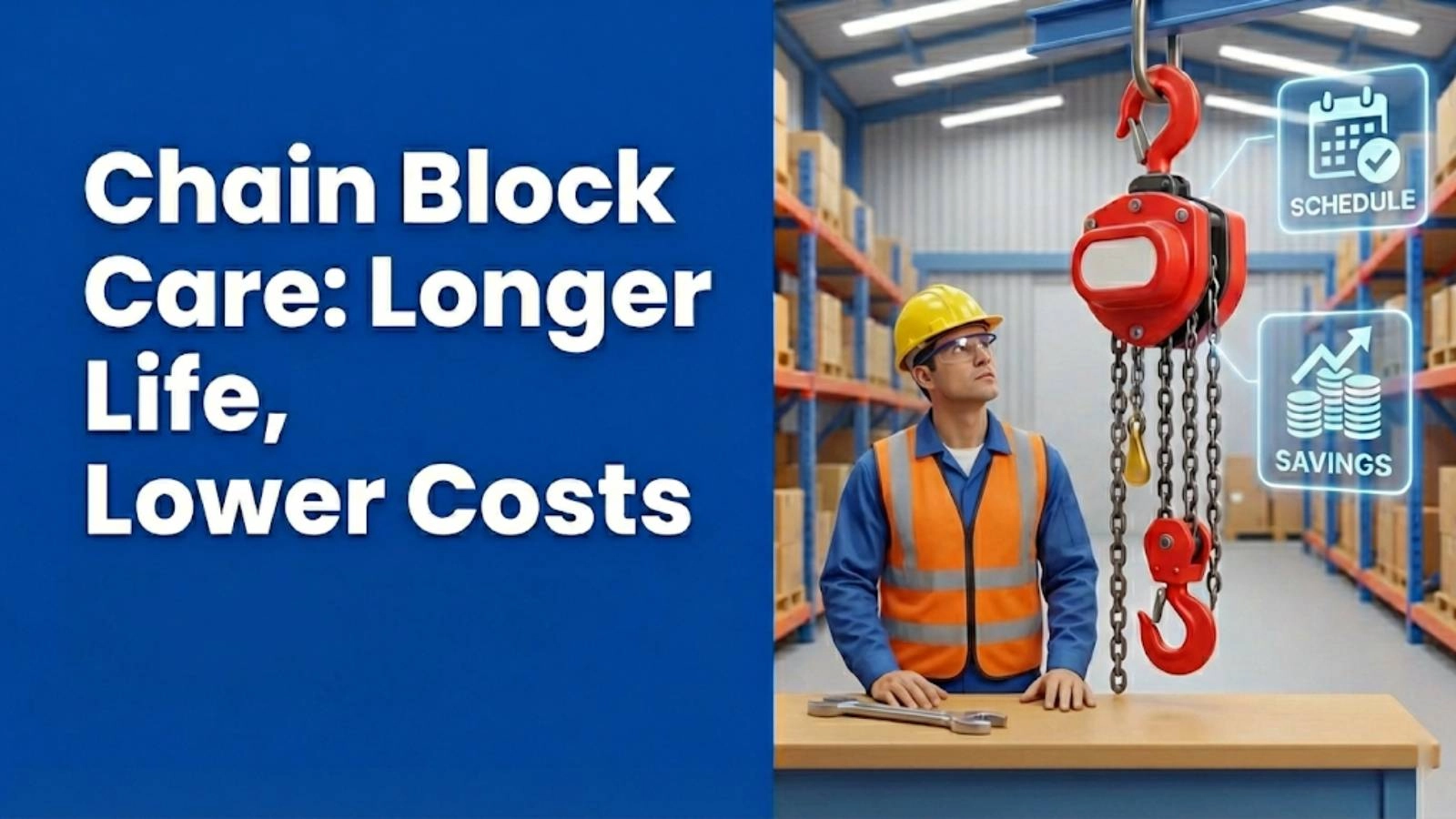
Manual chain blocks are indispensable tools for various lifting applications, prized for their simplicity, reliability, and cost-effectiveness. Whether you’re in construction, manufacturing, or automotive repair, a manual chain block can provide the necessary lifting power without requiring an external power source. This guide will provide a comprehensive overview of manual chain blocks, covering their mechanics, applications, safety practices, maintenance, and more. Understanding these aspects is crucial for selecting the right chain block and ensuring safe and efficient operation.
Key Takeaways
- Manual chain blocks are cost-effective, reliable lifting solutions ideal for locations without power.
- Understanding the working load limit (WLL) and safety factors is crucial for safe operation.
- Regular inspection and maintenance are essential to prolong chain block lifespan and prevent accidents.
- Proper training is vital for safe and efficient operation of manual chain blocks.
Understanding Manual Chain Blocks: A Comprehensive Overview ✨
What is a Manual Chain Block?
A manual chain block, also known as a chain fall or hand chain hoist, is a mechanical lifting device used to raise and lower heavy loads using a hand chain. Its basic principle of operation relies on mechanical advantage, where a small force applied to the hand chain is multiplied to lift a much heavier load. The key components include the load chain, hand chain, hooks, gears, and housing. The load chain is the chain that supports the weight being lifted, while the hand chain is used by the operator to apply force. The hooks attach the chain block to the load and the support structure. Gears within the housing provide the mechanical advantage needed to lift heavy objects.
The mechanical advantage is achieved through a system of gears. When the operator pulls the hand chain, it rotates a series of gears within the chain block, which in turn pull on the load chain. The gear ratios are designed to multiply the applied force, allowing the operator to lift loads that would otherwise be impossible to lift manually. The housing protects the internal components from damage and ensures the gears are properly aligned.
Chain Block vs. Other Lifting Equipment
When choosing lifting equipment, it’s important to understand the differences between a manual chain block and other options, such as electric hoists and lever hoists. Electric hoists offer the advantage of powered lifting, making them faster and easier to operate for repetitive or very heavy lifting tasks. However, they require a power source and are typically more expensive than manual chain blocks. In our experience, the initial cost savings are considerable.
Lever hoists, also known as come alongs, are another type of manual lifting device that uses a lever to raise and lower loads. While lever hoists are more compact and portable than chain blocks, they generally have a lower lifting capacity and are better suited for pulling or tensioning applications rather than vertical lifting. A common mistake we help businesses fix is selecting a lever hoist for a job that requires the vertical lifting capability of a chain block.
The choice between a manual chain block, electric hoist, and lever hoist depends on the specific application requirements. Manual chain blocks are ideal for situations where a power source is not available, or the lifting frequency is low. They offer a cost-effective and reliable solution for a wide range of lifting tasks.
Chain Block Applications: Where They Excel 🏗️
Manual chain blocks are versatile tools used in various industries due to their reliability and ease of use. Here are some specific applications where they excel:
- Construction sites: Chain blocks are commonly used for lifting construction materials such as steel beams, concrete forms, and pipes. They are also used for positioning equipment like generators and compressors.
- Workshops and garages: In workshops and garages, manual chain blocks are essential for engine lifting, machinery maintenance, and moving heavy parts. They allow mechanics and technicians to safely and efficiently handle heavy components.
- Manufacturing plants: Manufacturing plants utilize chain blocks on assembly lines for lifting and positioning heavy parts, such as machine components and raw materials. They are also used for maintenance tasks, such as replacing heavy machine parts.
- Remote locations without power access: Manual chain blocks are particularly useful in remote locations where electrical power is not readily available. They can be used for a variety of tasks, such as lifting equipment for repairs or moving supplies in areas without infrastructure. For many of our clients here in Dammam, Saudi Arabia, we’ve seen that the portability and lack of need for electricity make manual chain blocks invaluable on remote job sites.
Key Specifications and Selection Criteria ⚙️
Working Load Limit (WLL) and Safety Factor
Understanding the Working Load Limit (WLL) and safety factor is crucial for the safe and effective use of a manual chain block. The WLL is the maximum weight a chain block is designed to lift safely. Exceeding the WLL can lead to equipment failure, property damage, and serious injury. Always ensure that the load being lifted is within the chain block’s rated WLL.
The safety factor is a ratio that indicates how much stronger the chain block is than its WLL. For example, a chain block with a WLL of 1 ton and a safety factor of 4:1 can theoretically withstand a load of 4 tons before failing. The safety factor accounts for variations in material strength, manufacturing tolerances, and unforeseen stresses during operation.
Several factors influence the WLL, including the material strength of the chain and hooks, the design of the gears and housing, and the quality of manufacturing and testing. Chain blocks used in critical applications require higher safety factors to minimize the risk of failure. We once worked with a client who struggled with equipment failures due to overloading. By implementing a strict adherence to WLL guidelines and safety factors, they saw a 20% reduction in equipment downtime.
Lift Height and Chain Length
Determining the required lift height is essential when selecting a manual chain block. The lift height is the maximum vertical distance the chain block can raise a load. Consider the height of the lifting task and any obstructions that may limit the available headroom. Inadequate lift height can prevent you from completing the task safely and efficiently.
The necessary chain length depends on the lift height and the headroom available. Headroom is the distance between the top of the load and the point where the chain block is suspended. Ensure that the chain length is sufficient to accommodate the required lift height and any additional headroom needed for proper operation.
Custom chain lengths are available for specialized applications. If the standard chain length is not sufficient, you can order a chain block with a custom chain length to meet your specific needs. However, be sure that any custom chain meets the same safety and quality standards as the original chain. When our team in KSA tackles this issue, they often find that a detailed site assessment helps in determining the exact chain length needed, avoiding costly mistakes.
Materials and Construction
The quality of materials and construction significantly impacts the durability and reliability of a manual chain block. High-quality materials, such as alloy steel and heat-treated components, ensure that the chain block can withstand the stresses of heavy lifting. Alloy steel provides high strength and resistance to deformation, while heat treatment increases the hardness and durability of the components.
Corrosion resistance is crucial for chain blocks used in harsh environments. Coatings and galvanization protect the chain block from rust and corrosion, extending its lifespan and maintaining its performance. Galvanized chain blocks are particularly suitable for outdoor applications or environments with high humidity or exposure to chemicals.
Robust construction ensures that the chain block can withstand the rigors of daily use. Look for chain blocks with reinforced housings, heavy-duty hooks, and precision-machined gears. These features enhance the chain block’s durability and provide reliable performance over an extended service life.
Safe Operation Practices: Preventing Accidents ⚠️
Pre-Use Inspection Checklist
Before each use, it’s crucial to perform a thorough inspection of the manual chain block to identify any potential issues that could compromise safety. Here’s a checklist to follow:
- Visual inspection of the chain: Check the load chain for signs of wear, damage, or lubrication. Look for stretched, bent, or cracked links. Ensure the chain is properly lubricated to reduce friction and prevent corrosion.
- Hook inspection: Inspect the hooks for deformation, cracks, or safety latch integrity. Ensure the safety latches are functioning correctly to prevent the load from slipping off the hook. Replace any damaged or deformed hooks immediately.
- Housing inspection: Check the housing for damage or loose bolts. Ensure all bolts are tightened to the manufacturer’s specifications. Look for any signs of cracks or deformation in the housing.
Regular pre-use inspections can help identify potential problems before they lead to accidents.
Proper Lifting Techniques
Using proper lifting techniques is essential for the safe and efficient operation of a manual chain block. Here are some key techniques to follow:
- Avoiding side loading and angled pulls: Always lift loads vertically to prevent side loading, which can damage the chain block and cause the load to swing uncontrollably. Ensure the load is directly below the chain block to avoid angled pulls.
- Using the correct hand chain force: Apply smooth, controlled movements to the hand chain. Avoid jerking or excessive force, which can overload the chain block and cause it to fail. Use a steady, consistent pull to raise and lower the load.
- Ensuring load stability: Center the load beneath the hook to ensure stability. Use slings or other lifting accessories to distribute the load evenly and prevent it from shifting during lifting.
Load Management and Overload Prevention
Proper load management is crucial for preventing overloads and ensuring the safe operation of a manual chain block. Here are some essential practices:
- Never exceeding the WLL: Always verify the weight of the load before lifting it. Use load monitoring devices, such as dynamometers, to ensure the load is within the chain block’s rated WLL.
- Understanding the effects of shock loading: Avoid shock loading, which occurs when a load is suddenly applied to the chain block. Shock loading can significantly increase the stress on the chain block and cause it to fail. Lift loads smoothly and gradually to minimize the risk of shock loading.
- Regularly inspecting the chain for signs of wear: Inspect the chain regularly for signs of wear, such as stretched links, corrosion, or cracks. Replace the chain if any of these conditions are present.
“Safety should always be the top priority when using lifting equipment. Proper training and adherence to safety guidelines are essential for preventing accidents.” – John Smith, Lead Safety Inspector
Maintenance and Longevity: Extending Chain Block Life 🛠️
Lubrication: Frequency and Type
Proper lubrication is essential for maintaining the performance and longevity of a manual chain block. Lubrication reduces friction, prevents wear, and protects against corrosion. Here are some guidelines for lubrication:
- Importance of proper lubrication: Lubrication reduces friction between moving parts, such as the chain, gears, and bearings. This reduces wear and tear, extends the lifespan of the chain block, and ensures smooth operation.
- Recommended lubricants for chain blocks: Use a high-quality lubricant specifically designed for chain blocks. These lubricants typically contain additives that provide excellent wear protection, corrosion resistance, and extreme pressure performance.
- Lubrication points: Lubricate the chain, gears, and bearings regularly. Apply lubricant to the entire length of the chain, ensuring it penetrates between the links. Lubricate the gears and bearings through the lubrication points provided on the chain block.
Chain Inspection and Replacement
Regular chain inspection is crucial for identifying signs of wear, damage, or corrosion. The chain is one of the most critical components of the chain block, and its condition directly affects the safety of the lifting operation.
- Regular inspection intervals: Perform visual inspections before each use and more detailed inspections at regular intervals, such as monthly or quarterly, depending on the frequency of use and the severity of the operating environment.
- Criteria for chain replacement: Replace the chain if it shows signs of excessive wear, elongation, or damage, such as cracks, bends, or corrosion. Use a chain gauge to measure the chain’s elongation and compare it to the manufacturer’s specifications.
- Proper chain disposal methods: Dispose of worn or damaged chains properly to prevent them from being used again. Cut the chain into short lengths to render it unusable and dispose of it as scrap metal.
Storage and Environmental Considerations
Proper storage and environmental protection are essential for preventing damage and extending the lifespan of a manual chain block. Here are some key considerations:
- Protecting the chain block from the elements: Store the chain block in a dry, sheltered location to protect it from rust and corrosion. Avoid storing it in direct sunlight or extreme temperatures, which can damage the components.
- Proper storage to prevent damage and contamination: Store the chain block in a clean, organized manner to prevent damage and contamination. Keep it away from dirt, dust, and other contaminants that can degrade its performance.
- Environmental factors affecting chain block performance: Be aware of environmental factors, such as humidity, temperature, and exposure to chemicals, that can affect chain block performance. Take steps to mitigate these factors, such as using corrosion-resistant chain blocks in humid environments and protecting them from chemical exposure.
Advanced Features and Customization Options 🎨
Overload Protection Mechanisms
Overload protection mechanisms are designed to prevent the chain block from being overloaded, which can cause damage and increase the risk of accidents.
- Types of overload protection devices: Common types of overload protection devices include clutch mechanisms and slip clutches. These devices automatically disengage the lifting mechanism when the load exceeds the rated WLL.
- Benefits of overload protection: Overload protection prevents damage to the chain block, enhances safety by preventing overloads, and reduces the risk of accidents and injuries.
- Calibration and maintenance of overload protection systems: Calibrate overload protection systems regularly to ensure they are functioning correctly. Maintain these systems according to the manufacturer’s recommendations, including inspecting and lubricating the components.
Load Binders and Chain Shorteners
Load binders and chain shorteners are accessories used to secure loads and adjust chain length for specific applications.
- Using load binders to secure loads: Load binders are used to tighten and secure loads, preventing them from shifting or falling during lifting. They are commonly used in conjunction with chain blocks to provide additional security.
- Chain shorteners: Chain shorteners are used to adjust the chain length to accommodate different lifting heights or load configurations. They allow you to shorten the chain without cutting or replacing it.
- Safety considerations when using load binders and chain shorteners: Ensure that load binders and chain shorteners are properly rated for the load being lifted. Inspect them regularly for signs of wear or damage and replace them if necessary.
Custom Chain Block Designs
Custom chain block designs are available for specialized applications that require unique features or configurations.
- Specialized chain blocks for specific applications: Specialized chain blocks are available for applications such as low headroom lifting, explosion-proof environments, and corrosive environments. These chain blocks are designed to meet the specific requirements of these applications.
- Custom chain lengths and configurations: Custom chain lengths and configurations can be ordered to accommodate unique lifting requirements. This allows you to tailor the chain block to your specific needs.
- Modifications for unique lifting requirements: Modifications can be made to chain blocks to accommodate unique lifting requirements, such as adding swivel hooks, extended hand chains, or other specialized features.
Standards and Regulations: Ensuring Compliance ✅
OSHA Standards for Lifting Equipment
The Occupational Safety and Health Administration (OSHA) sets standards for the safe use of lifting equipment in the workplace.
- Overview of relevant OSHA regulations: OSHA regulations cover aspects such as inspection, maintenance, and operation of lifting equipment, including manual chain blocks. Employers are required to comply with these regulations to ensure the safety of their employees.
- Compliance requirements for chain block operation and maintenance: Compliance requirements include performing regular inspections, maintaining records of inspections and maintenance, and training employees on the safe operation of chain blocks.
- Record-keeping and documentation: Maintain records of inspections, maintenance, and training to demonstrate compliance with OSHA regulations. These records should be kept up-to-date and readily available for review.
ASME Standards for Hoists and Lifting Devices
The American Society of Mechanical Engineers (ASME) develops standards for the design, construction, and operation of hoists and lifting devices.
- Understanding ASME standards for design and performance: ASME standards provide guidelines for the design and performance of chain blocks, ensuring they meet specific safety and reliability requirements.
- Certification and testing requirements: Chain blocks must be certified and tested to meet ASME standards. This ensures that they have been designed and manufactured to meet specific performance criteria.
- Staying up-to-date with the latest revisions: Stay up-to-date with the latest revisions of ASME standards to ensure that your chain blocks meet the most current safety and performance requirements.
International Standards and Certifications
International standards and certifications, such as ISO standards and CE marking, provide additional assurance of chain block quality and safety.
- Overview of ISO and other international standards: ISO standards provide a framework for quality management and assurance. Other international standards, such as those developed by the European Union, may also apply to chain blocks.
- Importance of certifications: Certifications such as CE marking demonstrate that the chain block meets the requirements of applicable standards and regulations.
- Ensuring compliance in global operations: Ensure that chain blocks used in global operations comply with the standards and regulations of the countries in which they are used.
Troubleshooting Common Issues 🔧
Chain Slippage and Jamming
Chain slippage and jamming are common issues that can occur with manual chain blocks.
- Causes of chain slippage: Chain slippage can be caused by wear, contamination, or improper tension. Wear can cause the chain links to become elongated, reducing their grip on the gears. Contamination, such as dirt or grease, can reduce friction between the chain and gears. Improper tension can cause the chain to slip or jump off the gears.
- Troubleshooting and repair techniques: To troubleshoot chain slippage, first inspect the chain for wear or contamination. Clean and lubricate the chain to improve its grip on the gears. Adjust the chain tension if necessary. If the chain is excessively worn, replace it.
- Preventive measures: To prevent chain slippage, lubricate the chain regularly, keep it clean, and inspect it for wear. Avoid overloading the chain block, as this can cause the chain to stretch or break.
Hook Damage and Deformation
Hook damage and deformation can compromise the safety of a chain block.
- Identifying hook damage: Inspect the hooks for cracks, bending, or wear. Cracks can weaken the hook and cause it to break. Bending can distort the hook’s shape, making it difficult to secure the load. Wear can reduce the hook’s strength and gripping ability.
- Repair or replacement procedures: If a hook is damaged or deformed, it should be repaired or replaced immediately. Minor damage, such as small cracks or bends, may be repairable by a qualified technician. However, if the damage is severe, the hook should be replaced.
- Preventive measures: To prevent hook damage, avoid overloading the chain block, as this can stress the hooks. Use proper lifting techniques to avoid side loading or shock loading, which can damage the hooks. Store the chain block in a safe place to prevent the hooks from being damaged by impact or abrasion.
Gearbox Problems and Failures
Gearbox problems can affect the performance and reliability of a chain block.
- Causes of gearbox problems: Gearbox problems can be caused by lack of lubrication, overload, or contamination. Lack of lubrication can cause the gears to wear excessively. Overload can stress the gears and cause them to break. Contamination, such as dirt or metal particles, can damage the gears and reduce their efficiency.
- Troubleshooting and repair techniques: To troubleshoot gearbox problems, first check the lubricant level and condition. If the lubricant is low or contaminated, replenish or replace it. Inspect the gears for wear or damage. If the gears are worn or damaged, they should be replaced by a qualified technician.
- Preventive measures: To prevent gearbox problems, lubricate the gears regularly, avoid overloading the chain block, and protect it from contamination. Use a high-quality lubricant specifically designed for chain blocks. Store the chain block in a clean, dry place to prevent contamination.
Case Studies: Real-World Applications 🏢
Chain Block Use in Manufacturing
In a manufacturing plant, chain blocks are used to lift and position heavy parts during assembly. For example, a chain block might be used to lift a heavy engine block onto a conveyor belt for further processing. This application requires precise control and smooth operation to avoid damaging the engine block or injuring workers.
- Efficiency gains and cost savings: By using chain blocks, the manufacturing plant can improve efficiency and reduce costs. Chain blocks allow workers to lift and position heavy parts quickly and easily, without the need for forklifts or other heavy equipment. This reduces labor costs and improves productivity.
- Safety improvements: Chain blocks can also improve safety in the manufacturing plant. By using chain blocks to lift heavy parts, workers can reduce the risk of back injuries or other musculoskeletal disorders. Chain blocks also provide a more stable and controlled lifting process, reducing the risk of accidents.
Chain Block Use in Construction
On a construction site, chain blocks are used to lift and position materials such as steel beams, concrete forms, and pipes. For example, a chain block might be used to lift a steel beam into place for welding. This application requires a high lifting capacity and durability to withstand the rigors of the construction environment.
- Challenges and solutions: One challenge in construction is the limited availability of power. Chain blocks provide a solution by allowing workers to lift heavy materials without the need for electricity. Another challenge is the uneven terrain and confined spaces on construction sites. Chain blocks are compact and portable, making them ideal for use in these environments.
- Lessons learned: The use of chain blocks on construction sites has shown that they are a reliable and cost-effective solution for lifting heavy materials. However, it is important to use chain blocks properly and to follow safety guidelines to prevent accidents.
Chain Block Use in Automotive Repair
In an auto repair shop, chain blocks are used to lift engines, transmissions, and other heavy components for repair or replacement. For example, a chain block might be used to lift an engine out of a car for overhaul. This application requires precision and control to avoid damaging the engine or the car.
- Benefits and limitations: Chain blocks offer several benefits in auto repair, including their low cost, portability, and ease of use. However, they also have some limitations, such as their limited lifting capacity and the need for manual operation.
- Best practices: Best practices for using chain blocks in auto repair include inspecting the chain block before each use, using proper lifting techniques, and avoiding overloading the chain block. It is also important to use a chain block with the appropriate lifting capacity for the job.
Conclusion
Manual chain blocks are a versatile and reliable lifting solution for a wide range of applications, providing a cost-effective and efficient way to lift heavy loads without the need for electrical power. Their mechanical advantage makes them ideal for construction sites, manufacturing plants, workshops, and remote locations. By understanding their mechanics, applications, safety protocols, and maintenance needs, you can ensure safe and efficient operation. As the team at Safe and Secure Trading Company (SSTC), we advise that you invest in thorough training for your team and maintain meticulous inspection schedules to maximize the lifespan and safety of your chain blocks.
FAQ Section
What is the maximum load a manual chain block can lift?
The maximum load a manual chain block can lift depends on its rated Working Load Limit (WLL), which can range from 0.5 tons to 50 tons or more. Always check the WLL of the chain block before use and never exceed it.
How often should I inspect my chain block?
You should inspect your chain block before each use for any signs of wear, damage, or corrosion. More detailed inspections should be performed at regular intervals, such as monthly or quarterly, depending on the frequency of use and the severity of the operating environment.
What type of lubricant should I use for my chain block?
Use a high-quality lubricant specifically designed for chain blocks. These lubricants typically contain additives that provide excellent wear protection, corrosion resistance, and extreme pressure performance.
Can I use a chain block in wet conditions?
Yes, you can use a chain block in wet conditions, but you should take extra precautions to prevent corrosion. Use a chain block with corrosion-resistant components and lubricate it frequently.
Where can I find replacement parts for my chain block?
You can find replacement parts for your chain block from the manufacturer or from authorized distributors. Be sure to use only genuine replacement parts to ensure the safety and reliability of your chain block.