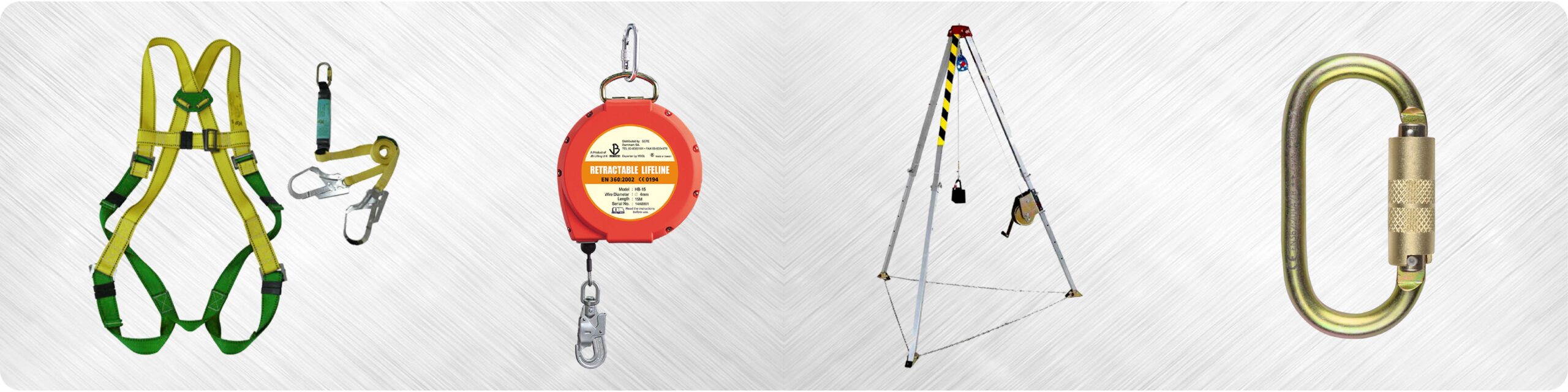
The dangers of PFAS in fall protection are a growing concern for businesses committed to worker safety and environmental responsibility. At Safe and Secure Trading Company (SSTC), we understand these concerns and are dedicated to providing information and solutions to help you navigate this complex issue. This article will explore the risks associated with PFAS in fall protection equipment and guide you through the steps you can take to ensure a safer working environment.
The Silent Threat: Understanding PFAS in Fall Protection
Per- and polyfluoroalkyl substances (PFAS) are a class of man-made chemicals that have been used in a wide variety of products, including fall protection equipment. Their unique properties, such as water and oil resistance, have made them valuable in many applications. However, their persistence in the environment and potential health risks have raised serious concerns.
What are PFAS and Why are They a Concern?
PFAS, or per- and polyfluoroalkyl substances, are a group of thousands of synthetic chemicals. They are characterized by a chain of carbon atoms bonded to fluorine atoms. This unique chemical structure gives PFAS exceptional stability and resistance to heat, water, and oil. This makes them useful in a wide range of products, from non-stick cookware to firefighting foam and, relevantly, textiles used in safety gear like fall protection.
The very properties that make PFAS so useful also make them incredibly persistent in the environment. They do not break down easily and can remain in soil, water, and air for extended periods. This persistence, combined with their widespread use, has led to PFAS contamination being detected globally.
The Problem: Why PFAS persistence in the environment and human body is alarming.
The alarming aspect of PFAS lies in their persistence. These “forever chemicals” accumulate over time, both in the environment and within living organisms, including humans. Once PFAS enter the body, they can remain there for years, leading to potential health problems with continued exposure.
The environmental impact is equally concerning. PFAS contamination can affect water sources, impacting drinking water quality and harming aquatic ecosystems. Addressing this widespread contamination requires significant resources and long-term strategies.
Exposure Routes: How workers can be exposed to PFAS through fall protection equipment.
Workers can be exposed to PFAS through various routes when using fall protection equipment containing these chemicals. The most common route is through direct skin contact with the equipment. PFAS can also be inhaled if they become airborne, such as during the manufacturing process or when the equipment is cleaned or degraded.
Another potential exposure route is through the ingestion of contaminated water or food. If PFAS leach from the equipment into the surrounding environment, they can contaminate water sources and enter the food chain. Understanding these exposure routes is crucial for implementing effective safety measures.
Health Risks: Detailing the potential health consequences of PFAS exposure.
Exposure to PFAS has been linked to a range of potential health effects. These include:
- Immune system effects: PFAS exposure can weaken the immune system, making individuals more susceptible to infections.
- Liver damage: Studies have shown that PFAS can cause liver damage and increase the risk of liver cancer.
- Thyroid disruption: PFAS can interfere with thyroid hormone production, leading to thyroid disorders.
- Reproductive and developmental effects: PFAS exposure has been linked to reduced fertility, pregnancy complications, and developmental problems in children.
- Increased cholesterol levels: PFAS can increase cholesterol levels, potentially leading to heart disease.
It’s important to note that the severity of these health effects can vary depending on the level and duration of exposure. At Safe and Secure Trading Company, we prioritize educating our clients about these potential risks so they can make informed decisions about their fall protection equipment.
The Problem: PFAS Contamination in Fall Protection Equipment
Fall protection equipment often relies on materials that are water-resistant and durable. Unfortunately, these are properties that PFAS can provide, making them a common component in various parts of safety gear.
Common Materials: Identifying which fall protection components often contain PFAS.
PFAS are frequently found in the following components of fall protection equipment:
- Harness webbing: The webbing used in harnesses is often treated with PFAS to provide water and stain resistance.
- Lanyards: Similarly, lanyards may contain PFAS for enhanced durability and water repellency.
- Rain gear: Outer layers of rain gear worn for fall protection may contain PFAS.
- Coatings: Coatings applied to metal parts or other components can also contain PFAS to prevent corrosion and improve performance.
Identifying these common sources of PFAS is the first step in assessing the potential risks in your workplace.
Water Resistance: How PFAS are used to provide water resistance to safety gear.
PFAS are exceptionally effective at repelling water and other liquids. This is because the fluorine-carbon bond is one of the strongest chemical bonds known, making PFAS resistant to degradation and breakdown. When applied to fall protection equipment, PFAS create a barrier that prevents water from penetrating the material, keeping workers dry and comfortable in wet conditions.
This water resistance is particularly important for maintaining the integrity and performance of fall protection equipment. Wet webbing, for example, can lose strength and become more prone to failure. PFAS help to prevent this by keeping the equipment dry.
Durability Concerns: Why manufacturers might choose PFAS despite the risks.
Despite the known risks, manufacturers might choose to use PFAS in fall protection equipment for several reasons:
- Enhanced durability: PFAS can significantly extend the lifespan of equipment by protecting it from wear and tear, water damage, and chemical degradation.
- Improved performance: PFAS can enhance the performance of equipment by providing water resistance, stain resistance, and reduced friction.
- Cost-effectiveness: In some cases, PFAS may be a more cost-effective solution compared to alternative materials that offer similar performance characteristics.
- Meeting industry standards: Some industry standards may indirectly encourage the use of PFAS by requiring certain performance characteristics that are difficult to achieve without them.
At SSTC, we understand that manufacturers face complex challenges in balancing performance, cost, and safety. We work closely with our suppliers to encourage the development and adoption of safer alternatives.
The Hidden Danger: Explaining how PFAS can leach out of equipment over time.
Even when PFAS are incorporated into materials, they are not permanently bound. Over time, PFAS can leach out of the equipment through wear and tear, washing, or exposure to environmental factors. This leaching can lead to:
- Direct exposure: Workers can be exposed to PFAS through skin contact with the contaminated equipment.
- Environmental contamination: PFAS can leach into the soil and water, contributing to environmental contamination.
- Reduced equipment performance: As PFAS leach out, the equipment may lose its water resistance and other desirable properties.
Understanding this leaching process is crucial for implementing proper handling and disposal practices to minimize PFAS exposure and environmental impact. As our team in Dubai has observed, regular inspection and maintenance of equipment are essential to identify signs of degradation and potential PFAS release.
Problem: The Vicious Cycle of PFAS Exposure in the Workplace
The presence of PFAS in the workplace can create a concerning cycle of exposure, accumulation, and environmental contamination. Understanding this cycle is critical for developing effective prevention strategies.
Initial Exposure: How PFAS enters the worker’s body through skin contact or inhalation.
The cycle begins with initial exposure, which can occur in several ways:
- Skin contact: Workers can be exposed to PFAS through direct skin contact with contaminated fall protection equipment. This is particularly common when handling or wearing equipment that contains PFAS-treated materials.
- Inhalation: PFAS can become airborne during the manufacturing process, cleaning, or degradation of equipment. Workers can inhale these airborne particles, leading to respiratory exposure.
- Ingestion: Although less common, workers can also be exposed to PFAS through the ingestion of contaminated water or food. This can occur if PFAS leach from equipment into the surrounding environment and contaminate water sources.
Once PFAS enter the body, they can begin to accumulate over time.
Bioaccumulation: The process of PFAS building up in the body over time.
Bioaccumulation is the process by which PFAS build up in the body over time. Because PFAS are persistent and do not break down easily, they can remain in the body for years. With repeated exposure, the concentration of PFAS in the body can gradually increase, leading to potential health problems.
The rate of bioaccumulation can vary depending on several factors, including the level and frequency of exposure, individual metabolism, and the specific type of PFAS. Some PFAS are more readily absorbed and retained by the body than others.
Environmental Impact: The long-term consequences of PFAS leaching into the environment from disposal.
The environmental impact of PFAS is a significant concern. When PFAS-containing equipment is disposed of, the chemicals can leach into the soil and water, contaminating the environment. This contamination can have long-term consequences, including:
- Water contamination: PFAS can contaminate drinking water sources, posing a risk to public health.
- Soil contamination: PFAS can persist in the soil for decades, affecting plant growth and potentially entering the food chain.
- Wildlife exposure: Animals can be exposed to PFAS through contaminated water and food, leading to potential health effects.
- Ecosystem disruption: PFAS contamination can disrupt ecosystems, affecting the health and balance of plant and animal communities.
Addressing this environmental contamination requires significant resources and long-term strategies.
The Systemic Problem: How current regulations may not adequately address PFAS in the workplace.
While regulations regarding PFAS are evolving, they may not yet fully address the risks in the workplace. Current regulations often focus on drinking water standards and environmental remediation, but may not specifically address the use of PFAS in fall protection equipment or other workplace products.
This lack of comprehensive regulation can leave workers vulnerable to PFAS exposure. It is important for employers to take proactive steps to assess and mitigate PFAS risks in their workplaces, even in the absence of specific regulatory requirements.
Mythbusting: Common Misconceptions About PFAS and Fall Protection
It’s important to dispel some common myths surrounding PFAS and fall protection to ensure informed decision-making.
Myth #1: “PFAS are only a problem in drinking water.”
While PFAS contamination in drinking water is a significant concern, it is not the only source of exposure. PFAS can also be found in a wide range of products, including fall protection equipment, food packaging, and firefighting foam. Exposure through these other sources can contribute to the overall PFAS burden in the body.
Therefore, it is important to consider all potential sources of PFAS exposure, not just drinking water.
Myth #2: “All fall protection equipment is PFAS-free.”
Unfortunately, this is not the case. Many fall protection products still contain PFAS to provide water resistance and durability. While some manufacturers are transitioning to PFAS-free alternatives, it is important to carefully check the product specifications to determine whether a particular product contains PFAS.
Do not assume that all fall protection equipment is PFAS-free. Always verify the PFAS content before making a purchase.
Myth #3: “The amount of PFAS in my equipment is too small to matter.”
Even small amounts of PFAS can be concerning, as they can accumulate in the body over time. Repeated exposure to even low levels of PFAS can lead to a gradual increase in the body’s PFAS burden, potentially resulting in adverse health effects.
Therefore, it is important to minimize exposure to PFAS as much as possible, even if the amounts seem small.
Solution: Assessing the Risks of PFAS in Your Current Equipment
A thorough assessment of your current fall protection equipment is the first step in mitigating PFAS risks.
Material Review: How to check the manufacturer’s specifications for PFAS content.
The most reliable way to determine whether your equipment contains PFAS is to check the manufacturer’s specifications. Look for information on the materials used in the equipment and whether they have been treated with PFAS or other fluorinated chemicals.
Manufacturers are increasingly providing this information to help customers make informed decisions. If the information is not readily available, contact the manufacturer directly to inquire about the PFAS content of their products.
Risk Assessment: Evaluating the potential for PFAS exposure in your workplace.
A risk assessment is a systematic process for identifying and evaluating potential hazards in the workplace. When it comes to PFAS, a risk assessment should consider:
- The types of fall protection equipment used in your workplace.
- The PFAS content of that equipment.
- The frequency and duration of worker exposure to the equipment.
- The potential routes of exposure (skin contact, inhalation, ingestion).
- The potential health effects of PFAS exposure.
Based on this assessment, you can prioritize the risks and develop strategies to mitigate them.
Expert Consultation: When to seek professional help in assessing PFAS risks.
Assessing PFAS risks can be complex, particularly if you have a wide range of equipment or limited information about the PFAS content. In these cases, it may be beneficial to seek professional help from an environmental health and safety consultant.
A consultant can help you:
- Identify potential sources of PFAS exposure in your workplace.
- Conduct a comprehensive risk assessment.
- Develop a PFAS management plan.
- Train your workers on PFAS risks and safety procedures.
Prioritization: Determining which equipment poses the greatest risk and needs immediate attention.
Not all equipment poses the same level of risk. Prioritize equipment that:
- Contains high levels of PFAS.
- Is used frequently.
- Comes into direct contact with workers’ skin.
- Is showing signs of wear and tear, which could lead to PFAS leaching.
Focus your initial efforts on replacing or mitigating the risks associated with this high-priority equipment.
Solution: Choosing Safer Alternatives for Fall Protection
Fortunately, safer alternatives to PFAS-containing fall protection equipment are becoming increasingly available.
PFAS-Free Options: Identifying fall protection equipment made with alternative materials.
When selecting new fall protection equipment, look for products that are explicitly labeled as “PFAS-free” or “fluorine-free.” These products are made with alternative materials that do not contain PFAS.
Some common alternatives include:
- Silicone-based water repellents: These repellents provide water resistance without the use of PFAS.
- Wax-based coatings: Wax coatings can provide water resistance and durability.
- Polyurethane coatings: Polyurethane coatings can offer a durable and water-resistant finish.
- High-density fabrics: Tightly woven fabrics can provide inherent water resistance.
Performance Testing: Ensuring that PFAS-free alternatives meet the necessary safety standards.
Before switching to PFAS-free alternatives, it is essential to ensure that they meet the necessary safety standards and performance requirements. Look for products that have been tested and certified by independent organizations, such as ANSI or CSA.
These certifications indicate that the equipment has been rigorously tested and meets specific performance criteria, such as strength, durability, and fall protection capabilities.
Supplier Evaluation: Choosing reputable suppliers committed to sustainable practices.
When sourcing fall protection equipment, choose suppliers who are committed to sustainable practices and transparency about the materials used in their products. Ask your suppliers about their policies on PFAS and whether they offer PFAS-free alternatives.
A reputable supplier should be able to provide you with detailed information about the materials used in their products and their environmental impact.
Cost Considerations: Balancing cost with the long-term benefits of PFAS-free equipment.
While PFAS-free alternatives may sometimes be more expensive upfront, it is important to consider the long-term benefits:
- Reduced health risks: Minimizing worker exposure to PFAS can reduce the risk of health problems and associated healthcare costs.
- Environmental protection: Choosing PFAS-free equipment can help to protect the environment from contamination.
- Enhanced reputation: Demonstrating a commitment to worker safety and environmental responsibility can enhance your company’s reputation.
- Potential cost savings: As regulations on PFAS become stricter, companies that have already transitioned to PFAS-free alternatives may be better positioned to comply and avoid potential fines and penalties.
Solution: Implementing Best Practices for Handling and Disposal
Even with PFAS-containing equipment, proper handling and disposal practices can minimize exposure and environmental impact.
Safe Handling: Guidelines for minimizing PFAS exposure during equipment use.
Follow these guidelines to minimize PFAS exposure during equipment use:
- Wear gloves: Wear gloves when handling equipment that may contain PFAS to prevent skin contact.
- Wash hands: Wash your hands thoroughly with soap and water after handling equipment.
- Avoid contact with food and drinks: Do not eat or drink while handling equipment to prevent accidental ingestion.
- Use proper ventilation: If the equipment is being used in an enclosed space, ensure proper ventilation to minimize inhalation of airborne particles.
Proper Cleaning: Recommended cleaning methods that won’t exacerbate PFAS release.
When cleaning fall protection equipment, follow the manufacturer’s instructions carefully. Avoid using harsh chemicals or abrasive cleaners, as these can damage the equipment and exacerbate PFAS release.
Instead, use mild soap and water and a soft brush or cloth. Rinse the equipment thoroughly and allow it to air dry. Do not use heat to dry the equipment, as this can also promote PFAS release.
Responsible Disposal: How to dispose of PFAS-containing equipment safely.
When disposing of PFAS-containing equipment, do not simply throw it in the regular trash. Instead, follow these guidelines:
- Check local regulations: Check with your local waste management authority for specific regulations on the disposal of PFAS-containing materials.
- Contact a hazardous waste disposal company: Consider contacting a hazardous waste disposal company to properly dispose of the equipment.
- Label the equipment: Clearly label the equipment as containing PFAS to alert waste handlers.
Employee Training: Educating workers about the risks of PFAS and best practices.
Employee training is essential for minimizing PFAS exposure in the workplace. Training should cover:
- What PFAS are and where they are found.
- The potential health effects of PFAS exposure.
- How to identify PFAS-containing equipment.
- Safe handling and cleaning practices.
- Proper disposal procedures.
Regular training can help to raise awareness and ensure that workers are following best practices to minimize PFAS exposure.
SSTC’s Commitment: Protecting Workers and the Environment
Safe and Secure Trading Company (SSTC) is committed to protecting workers and the environment by addressing the PFAS issue in fall protection equipment.
Our Approach: How Safe and Secure Trading Company (SSTC) is addressing the PFAS issue.
Our approach to addressing the PFAS issue involves:
- Sourcing PFAS-free alternatives: We are actively working to source PFAS-free fall protection equipment whenever possible.
- Working with suppliers: We are collaborating with our suppliers to encourage the development and adoption of safer alternatives.
- Providing transparent information: We are committed to providing clear and transparent information about the PFAS content of our products.
- Educating our customers: We are dedicated to educating our customers about the risks of PFAS and best practices for minimizing exposure.
Sourcing Standards: Our commitment to sourcing PFAS-free fall protection equipment where possible.
We are actively working to source PFAS-free fall protection equipment whenever possible. This involves:
- Prioritizing PFAS-free products: We prioritize PFAS-free products when making purchasing decisions.
- Conducting due diligence: We conduct thorough due diligence to ensure that our suppliers are committed to sustainable practices.
- Working with manufacturers: We work closely with manufacturers to encourage the development and production of PFAS-free alternatives.
Dubai Operations: How our team in Dubai is working with suppliers to develop safer alternatives.
Our team in Dubai is actively engaged in working with suppliers to develop safer alternatives to PFAS-containing fall protection equipment. This involves:
- Collaborating with manufacturers: Our team collaborates with manufacturers to identify and develop innovative solutions.
- Conducting research: We conduct research on alternative materials and technologies.
- Providing technical support: We provide technical support to manufacturers to help them transition to PFAS-free alternatives.
- Promoting sustainable practices: We promote sustainable practices throughout our supply chain.
Transparency: Providing clear information about the PFAS content of our products.
We are committed to providing clear and transparent information about the PFAS content of our products. This includes:
- Labeling products: We clearly label our products with information about their PFAS content.
- Providing safety data sheets: We provide safety data sheets (SDS) that contain detailed information about the chemicals used in our products.
- Answering customer inquiries: We are always available to answer customer inquiries about the PFAS content of our products.
Taking Action: Steps to Prioritize PFAS-Free Fall Protection
Taking proactive steps is essential to prioritize PFAS-free fall protection in your workplace.
Conduct an Inventory: Review all fall protection equipment for potential PFAS content.
Begin by conducting a thorough inventory of all fall protection equipment in your workplace. Review the manufacturer’s specifications for each item to determine whether it contains PFAS.
Keep a detailed record of the PFAS content of each piece of equipment.
Develop a Policy: Create a company policy on PFAS use in PPE.
Develop a comprehensive company policy on PFAS use in PPE. This policy should:
- Outline your company’s commitment to reducing or eliminating PFAS use.
- Establish procedures for assessing and mitigating PFAS risks.
- Specify the types of PFAS-free alternatives that are preferred.
- Provide guidelines for safe handling and disposal of PFAS-containing equipment.
- Assign responsibilities for implementing the policy.
Educate Your Team: Provide comprehensive training on PFAS risks and safety procedures.
Provide comprehensive training to your team on PFAS risks and safety procedures. This training should cover:
- What PFAS are and where they are found.
- The potential health effects of PFAS exposure.
- How to identify PFAS-containing equipment.
- Safe handling and cleaning practices.
- Proper disposal procedures.
- Your company’s policy on PFAS use in PPE.
Stay Informed: Keep up-to-date on the latest research and regulations regarding PFAS.
Stay informed about the latest research and regulations regarding PFAS. This will help you to:
- Stay ahead of potential regulatory changes.
- Identify new PFAS-free alternatives.
- Refine your risk assessment and mitigation strategies.
- Ensure that your company is following best practices for PFAS management.
| Action Item |
Description |
Responsibility |
Timeline |
| Inventory Assessment |
Review all fall protection equipment for PFAS content. |
Safety Manager |
Within 2 weeks |
| Policy Development |
Create a company policy on PFAS use in PPE. |
Legal & Safety Team |
Within 1 month |
| Employee Training |
Provide training on PFAS risks and safety procedures. |
Training Department |
Ongoing |
> “The shift towards PFAS-free fall protection is not just about compliance; it’s about a fundamental commitment to worker well-being and environmental stewardship. By understanding the risks and adopting safer alternatives, we can create a healthier and more sustainable workplace.” – Dr. Anya Sharma, Environmental Health Specialist
Conclusion: Protecting Your Workforce and the Future
Understanding the dangers of PFAS in fall protection is crucial for protecting worker health and the environment. By assessing risks, choosing safer alternatives, and implementing best practices, you can create a safer and more sustainable workplace. We at SSTC are here to guide you every step of the way, offering our expertise and support.
FAQ Section
Q: What are PFAS?
A: PFAS (per- and polyfluoroalkyl substances) are a group of man-made chemicals that are resistant to heat, water, and oil. They have been used in a variety of products, including fall protection equipment.
Q: Why are PFAS a concern?
A: PFAS are persistent in the environment and can accumulate in the human body over time. Exposure to PFAS has been linked to a range of potential health effects.
Q: How can workers be exposed to PFAS through fall protection equipment?
A: Workers can be exposed to PFAS through skin contact, inhalation, or ingestion.
Q: What are some PFAS-free alternatives for fall protection equipment?
A: Some PFAS-free alternatives include silicone-based water repellents, wax-based coatings, and polyurethane coatings.
Q: How can I minimize PFAS exposure in my workplace?
A: You can minimize PFAS exposure by conducting a risk assessment, choosing safer alternatives, implementing best practices for handling and disposal, and educating your workers.
Q: What is SSTC doing to address the PFAS issue?
A: SSTC is committed to protecting workers and the environment by sourcing PFAS-free alternatives, working with suppliers to develop safer products, providing transparent information, and educating our customers.
Q: How do I clean my fall protection equipment safely?
A: Clean your fall protection equipment with mild soap and water and a soft brush or cloth. Avoid using harsh chemicals or abrasive cleaners.
Q: Where can I dispose of PFAS-containing equipment?
A: Contact your local waste management authority or a hazardous waste disposal company for proper disposal procedures.
Q: Are there regulations regarding PFAS in fall protection equipment?
A: Regulations regarding PFAS are evolving. Stay informed about the latest research and regulations in your area.
Q: How can I assess the risk of PFAS exposure in my workplace?
A: Conduct a thorough inventory of your fall protection equipment, review the manufacturer’s specifications, and consider seeking professional help from an environmental health and safety consultant.