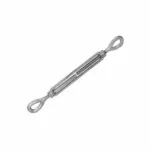
Rigging screws are essential components in various industries, from construction to marine operations. These seemingly simple devices play a crucial role in securing loads, adjusting tension, and ensuring the stability of structures. However, their proper use and maintenance are often overlooked, leading to dangerous situations and costly failures. Understanding and avoiding common rigging screw mistakes is paramount for anyone involved in lifting, securing, or tensioning applications.
The potential consequences of improper use and maintenance of rigging screws can be severe. A failure can result in dropped loads, structural instability, equipment damage, and, most tragically, serious injuries or fatalities. A seemingly small oversight in inspection or assembly can quickly escalate into a catastrophic event.
This guide aims to equip both beginners and experienced professionals with the knowledge to avoid common and potentially fatal rigging screw mistakes. By understanding the principles of safe rigging practices, you can significantly reduce the risk of accidents, improve operational efficiency, and ensure the long-term reliability of your equipment. We’ll walk you through the most frequent errors that can lead to rigging screw failure and provide actionable tips to implement safe practices.
1. ✅ Ignoring Load Capacity Limits
Understanding and adhering to load capacity limits is the foundational principle of safe rigging practices. Exceeding these limits is one of the most common and dangerous rigging screw mistakes. A rigging screw’s ability to safely bear a load is determined by its design, materials, and manufacturing process. Ignoring these limits can lead to immediate and catastrophic failure.
Understanding Working Load Limit (WLL) vs. Breaking Strength
The Working Load Limit (WLL) is the maximum load that a rigging screw is designed to safely support under normal operating conditions. It’s crucial to differentiate the WLL from the breaking strength, which is the point at which the rigging screw will fail. The WLL is typically a fraction of the breaking strength, incorporating a safety factor to account for dynamic loads, wear and tear, and other variables. This safety factor is essential for ensuring the integrity of the rigging system.
How to identify the WLL marked on the rigging screw
The WLL is usually stamped or engraved directly onto the body of the rigging screw. It is typically expressed in weight units such as kilograms (kg), tons (t), or pounds (lbs). Look for markings such as “WLL,” “SWL” (Safe Working Load), or “Rated Capacity.” If the WLL is not clearly marked or is illegible, the rigging screw should not be used. It’s important to know that some older rigging screws might use imperial units, while newer ones are more likely to use metric units. Always double-check to avoid confusion and potential errors.
The danger of exceeding the WLL and how it can lead to failure
Exceeding the WLL puts the rigging screw under excessive stress, which can cause deformation, cracking, and ultimately, failure. This can happen suddenly and without warning, leading to dropped loads, equipment damage, and potential injuries. Overloading can also weaken the rigging screw, making it more susceptible to failure in subsequent lifts even if the WLL is not exceeded. The consequences of such rigging screw failure can be catastrophic.
Actionable Tip: Always double-check the WLL before each lift and never exceed it. We recommend using a load cell or other measuring device to accurately determine the weight of the load.
Here’s an example of what can happen when load limits are ignored:
> “We investigated a case where a construction crew tried to lift a precast concrete panel using rigging screws that were clearly undersized. The screws snapped under the load, causing the panel to fall and nearly hit a worker. A proper assessment of the load and selection of appropriately rated rigging hardware could have prevented this incident.” – John Smith, Lead Safety Inspector
For many of our clients here in Dammam, we’ve seen that properly training personnel on WLL is the single most effective step in preventing accidents.
Example: A construction company attempted to lift a 5-ton concrete block using rigging screws with a WLL of 3 tons. The rigging screws failed under the excessive load, causing the block to fall and damage a nearby vehicle and narrowly missing several workers. This incident highlighted the critical importance of verifying the WLL of all rigging components and ensuring they are adequate for the intended load.
2. 💡 Neglecting Regular Inspections
Regular inspections are vital for identifying potential problems before they lead to rigging screw failure. Like any mechanical component, rigging screws are subject to wear, corrosion, and damage over time. Regular inspections help detect these issues early, allowing for timely repairs or replacements.
Why regular inspection is crucial for identifying potential problems
Regular inspection is the first line of defense against rigging screw failure. It allows you to identify signs of wear, corrosion, deformation, and other damage that could compromise the integrity of the rigging screw. Early detection of these issues can prevent a small problem from escalating into a catastrophic failure. Inspections should be performed by trained personnel who understand what to look for and how to assess the severity of any defects.
What to look for during an inspection: corrosion, cracks, deformation, thread damage
During an inspection, pay close attention to the following:
- Corrosion: Look for signs of rust, pitting, or other forms of corrosion, especially in saltwater or humid environments.
- Cracks: Carefully examine the body, threads, and end fittings of the rigging screw for any cracks, even hairline fractures.
- Deformation: Check for bending, twisting, or other forms of deformation that could indicate overloading or excessive stress.
- Thread Damage: Inspect the threads for stripping, flattening, or other damage that could compromise the secure connection.
- Missing or Damaged Parts: Ensure that all parts of the rigging screw are present and in good working order. This includes cotter pins, locking nuts, and other components that prevent accidental loosening.
Establishing a regular inspection schedule based on usage frequency
The frequency of inspections should be based on the usage frequency, environmental conditions, and severity of the application. For frequently used rigging screws in harsh environments, daily inspections may be necessary. For less frequently used rigging screws in controlled environments, monthly or quarterly inspections may suffice. Always err on the side of caution and increase the frequency of inspections if you suspect any potential problems. Here at SSTC, we advise you to follow the safety checklist.
Actionable Tip: Create a simple checklist for rigging screw inspections. Include all the key points mentioned above and ensure that inspectors are properly trained to use the checklist effectively.
Here’s a basic inspection checklist that readers can adapt:
Rigging Screw Inspection Checklist
| Item |
Description |
Pass/Fail |
Notes |
| Corrosion |
Check for rust, pitting, or other signs of corrosion. |
|
Note location and severity of corrosion. |
| Cracks |
Inspect body, threads, and end fittings for cracks. |
|
Note location and size of any cracks. |
| Deformation |
Check for bending, twisting, or other deformation. |
|
Note location and extent of deformation. |
| Thread Damage |
Inspect threads for stripping, flattening, or other damage. |
|
Note type and severity of thread damage. |
| Missing Parts |
Ensure all parts (cotter pins, locking nuts, etc.) are present and undamaged. |
|
Note any missing or damaged parts. |
| Markings |
Verify that WLL markings are legible. |
|
Note if markings are missing or illegible. |
3. ➡️ Improper Assembly Techniques
Improper assembly is a significant contributor to rigging screw failure. Correct assembly ensures that the load is evenly distributed and that the rigging screw is operating within its design parameters. Rushed or careless assembly can lead to premature wear, damage, and ultimately, failure.
Correctly threading and tightening rigging screws
When assembling rigging screws, it is essential to ensure that the threads are properly engaged and tightened to the correct torque. Start by visually inspecting the threads for any damage or debris. Apply a lubricant to the threads to reduce friction and prevent galling. Hand-tighten the rigging screw until the threads are fully engaged. Then, use a wrench to tighten the rigging screw to the manufacturer’s specified torque. Over-tightening can damage the threads, while under-tightening can allow the rigging screw to loosen under load.
Avoiding cross-threading and over-tightening
Cross-threading occurs when the threads of the rigging screw and the mating component are not properly aligned, causing damage to the threads. Avoid cross-threading by carefully aligning the threads before tightening. If you encounter resistance, stop and re-align the threads. Over-tightening can also damage the threads, causing them to strip or deform. Use a torque wrench to ensure that the rigging screw is tightened to the correct torque.
Using proper tools for assembly and adjustment
Using the proper tools is essential for safe and effective assembly and adjustment of rigging screws. Use a wrench that is the correct size for the rigging screw. Avoid using worn or damaged wrenches, as they can slip and cause injury. For tightening to a specific torque, use a calibrated torque wrench. Never use makeshift tools or methods to assemble or adjust rigging screws.
Actionable Tip: Here at Safe and Secure Trading Company, we show the correct tightening method with images or a short video, which helps ensure everyone understands the procedure.
4. ❌ Ignoring Signs of Corrosion
Corrosion is a common enemy of rigging screws, especially in marine and coastal environments. It weakens the metal, reduces its load-bearing capacity, and can lead to sudden and unexpected rigging screw failure. Ignoring signs of corrosion is a dangerous oversight that can have serious consequences.
The different types of corrosion that can affect rigging screws (rust, pitting, etc.)
Several types of corrosion can affect rigging screws, including:
- Rust: The most common type of corrosion, rust is the result of iron or steel reacting with oxygen and moisture. It appears as a reddish-brown coating on the surface of the metal.
- Pitting: Pitting is a localized form of corrosion that creates small holes or pits on the surface of the metal. It can significantly weaken the metal even if the surface damage appears minor.
- Galvanic Corrosion: Galvanic corrosion occurs when two dissimilar metals are in contact in the presence of an electrolyte (such as saltwater). The more active metal corrodes preferentially, while the less active metal is protected.
Environmental factors that accelerate corrosion (saltwater, humidity, chemicals)
Several environmental factors can accelerate corrosion, including:
- Saltwater: Saltwater is highly corrosive due to the presence of chloride ions, which accelerate the corrosion process.
- Humidity: High humidity levels provide the moisture needed for corrosion to occur.
- Chemicals: Exposure to certain chemicals, such as acids and alkalis, can also accelerate corrosion.
Preventing corrosion through proper cleaning and lubrication
Preventing corrosion is essential for extending the life of rigging screws and ensuring their safe operation. The following measures can help prevent corrosion:
- Regular Cleaning: Clean rigging screws regularly to remove dirt, salt, and other contaminants that can promote corrosion.
- Lubrication: Apply a suitable lubricant to the threads and other moving parts to protect them from corrosion.
- Protective Coatings: Consider applying a protective coating, such as galvanizing or epoxy paint, to the rigging screws to provide an extra layer of protection against corrosion.
Actionable Tip: We recommend specific anti-corrosion products suitable for rigging screws, advising our clients to apply them regularly.
5. 🌊 Failing to Protect Threads
The threads of a rigging screw are critical for its structural integrity. Damaged or contaminated threads can significantly reduce the load-bearing capacity of the rigging screw and increase the risk of rigging screw failure. Failing to protect threads during storage, handling, and use is a common mistake that can have serious consequences.
The importance of clean, undamaged threads for secure connections
Clean, undamaged threads are essential for creating a secure and reliable connection. Damaged threads can prevent the rigging screw from being properly tightened, leading to reduced load capacity and increased risk of loosening under load. Contaminated threads can also interfere with proper tightening and increase the risk of corrosion.
How to prevent thread damage during storage and use
To prevent thread damage during storage and use, follow these guidelines:
- Store rigging screws in a clean, dry place: Protect rigging screws from exposure to moisture, dirt, and other contaminants.
- Use thread protectors: Use thread protectors to shield the threads from damage during storage and handling.
- Avoid dropping or banging rigging screws: Handle rigging screws carefully to prevent impact damage to the threads.
- Clean threads before assembly: Clean threads with a wire brush and solvent to remove any dirt or debris before assembly.
Using thread protectors and proper storage methods
Thread protectors are inexpensive and easy to use, yet they provide valuable protection against thread damage. Choose thread protectors that are made of durable material and fit snugly over the threads. When storing rigging screws, keep them organized and separated to prevent them from rubbing against each other and causing damage.
Actionable Tip: We provide specific storage recommendations for rigging screws, ensuring they are protected from the elements and potential damage.
6. 🔩 Mixing and Matching Components
Using mismatched rigging screw components is a recipe for disaster. Rigging screws are designed as integrated systems, and substituting components can compromise their integrity and lead to rigging screw failure.
Why using mismatched rigging screw components can be dangerous
Mismatched components may have different load ratings, thread sizes, or material properties. Using mismatched components can create stress concentrations, reduce the overall strength of the rigging screw, and increase the risk of failure. For example, using a turnbuckle body from one manufacturer with end fittings from another could result in incompatible thread sizes or mismatched material strengths, leading to a compromised connection.
Ensuring compatibility of threads, materials, and load ratings
Before assembling a rigging screw, always verify that all components are compatible. Check that the threads are the same size and type, that the materials are compatible (to avoid galvanic corrosion), and that all components have the same load rating. If you are unsure about the compatibility of components, consult the manufacturer’s specifications or seek advice from a qualified rigging expert.
The importance of using components from the same manufacturer when possible
Using components from the same manufacturer is the best way to ensure compatibility and avoid potential problems. Manufacturers design their components to work together as a system, and using components from different manufacturers can compromise the integrity of that system.
Actionable Tip: Always verify the compatibility of all components before assembly. This is especially crucial when replacing worn or damaged parts.
7. ⚙️ Neglecting Lubrication
Lubrication is essential for reducing friction and wear in rigging screws. Neglecting lubrication can lead to binding, increased stress, and premature failure.
The benefits of lubricating rigging screw threads
Lubricating rigging screw threads reduces friction, making it easier to tighten and adjust the rigging screw. It also helps to prevent galling, a form of wear that occurs when two metal surfaces slide against each other under high pressure. Lubrication also protects the threads from corrosion and helps to extend the life of the rigging screw.
Choosing the right lubricant for the application
Choosing the right lubricant is essential for optimal performance and protection. Consider the following factors when selecting a lubricant:
- Operating temperature: Choose a lubricant that is suitable for the operating temperature range.
- Environmental conditions: Choose a lubricant that is resistant to water, salt, and other contaminants.
- Material compatibility: Choose a lubricant that is compatible with the materials of the rigging screw.
- Load requirements: Choose a lubricant that can withstand the load requirements of the application.
How to apply lubricant correctly to prevent binding and wear
Apply lubricant to the threads of the rigging screw before assembly. Use a brush or applicator to apply a thin, even coat of lubricant to all thread surfaces. After assembly, periodically re-apply lubricant as needed to maintain optimal performance.
Actionable Tip: We recommend specific lubricants suitable for different operating environments, so our clients can select the best product for their needs.
8. 🌡️ Ignoring Temperature Extremes
Extreme temperatures can significantly affect the strength and performance of rigging screws. Ignoring these effects can lead to unexpected failures.
How extreme temperatures can affect the strength and performance of rigging screws
High temperatures can reduce the strength of rigging screws, making them more susceptible to deformation and failure. Low temperatures can make rigging screws brittle, increasing the risk of cracking. Temperature fluctuations can also cause thermal expansion and contraction, which can loosen connections and increase stress.
Selecting rigging screws rated for specific temperature ranges
When selecting rigging screws, consider the operating temperature range of the application. Choose rigging screws that are rated for the expected temperature extremes. Consult the manufacturer’s specifications for temperature derating factors, which indicate how much the load capacity of the rigging screw is reduced at different temperatures.
Adjusting load limits based on temperature conditions
Adjust load limits based on temperature conditions to ensure safe operation. If the operating temperature is significantly higher or lower than the rated temperature, reduce the load limit accordingly. Consult the manufacturer’s specifications for guidance on adjusting load limits based on temperature.
Actionable Tip: Consult manufacturer specifications for temperature derating factors. This information is crucial for ensuring safe operation in extreme temperature conditions.
9. 📝 Skipping Documentation and Record Keeping
Proper documentation and record-keeping are essential for maintaining a safe and reliable rigging system. Skipping these steps can lead to confusion, oversights, and increased risk of accidents.
The importance of maintaining records of inspections, maintenance, and repairs
Maintaining records of inspections, maintenance, and repairs provides a valuable history of the rigging screw’s condition and usage. These records can help identify trends, predict potential problems, and ensure that maintenance is performed on schedule. They can also be used to demonstrate compliance with safety regulations.
Creating a logbook for each rigging screw
Create a logbook for each rigging screw to track its history. The logbook should include the following information:
- Identification number: A unique identifier for the rigging screw.
- Date of purchase: The date the rigging screw was purchased.
- Manufacturer: The name of the manufacturer.
- Model number: The model number of the rigging screw.
- Load rating: The working load limit (WLL) of the rigging screw.
- Inspection dates: The dates of all inspections.
- Inspection findings: A summary of the findings of each inspection.
- Maintenance performed: A record of all maintenance performed on the rigging screw.
- Repairs performed: A record of all repairs performed on the rigging screw.
Tracking load cycles and service life
Tracking load cycles and service life can help predict when a rigging screw is nearing the end of its useful life. Load cycles refer to the number of times a rigging screw has been loaded and unloaded. Service life refers to the total amount of time a rigging screw has been in service. Consult the manufacturer’s specifications for guidance on determining the expected service life of a rigging screw.
Actionable Tip: Here at Safe and Secure Trading Company, we provide a downloadable logbook template to help our clients maintain accurate records of their rigging equipment.
Conclusion: Prioritizing Safety in Rigging Operations
Avoiding rigging screw mistakes is paramount for ensuring the safety and efficiency of rigging operations. From understanding load capacity limits to implementing regular inspections and proper maintenance, each step plays a vital role in preventing accidents and extending the life of your equipment. Remember, neglecting even seemingly minor details can lead to catastrophic consequences.
The most important mistakes to avoid include: Ignoring load capacity limits, neglecting regular inspections, improper assembly techniques, ignoring signs of corrosion, and skipping documentation. Comprehensive training, diligent inspections, and proactive maintenance are crucial for mitigating these risks and ensuring a safe working environment.
Safe and Secure Trading Company (SSTC) is committed to providing our clients with the safest and most reliable rigging solutions. We offer a wide range of high-quality rigging screws, as well as expert advice and training to help you avoid common rigging screw mistakes and maintain a safe and productive operation.
We are here to help you prioritize safety in your rigging operations.
FAQ Section
Q: How often should I inspect my rigging screws?
A: The frequency of inspections depends on the usage frequency, environmental conditions, and severity of the application. For frequently used rigging screws in harsh environments, daily inspections may be necessary. For less frequently used rigging screws in controlled environments, monthly or quarterly inspections may suffice.
Q: What are the signs of a failing rigging screw?
A: Signs of a failing rigging screw include corrosion, cracks, deformation, thread damage, and missing or damaged parts.
Q: Can I repair a damaged rigging screw?
A: It is generally not recommended to repair a damaged rigging screw. If a rigging screw is damaged, it should be replaced with a new one.
Q: What is the difference between WLL and breaking strength?
A: The Working Load Limit (WLL) is the maximum load that a rigging screw is designed to safely support under normal operating conditions. The breaking strength is the point at which the rigging screw will fail. The WLL is typically a fraction of the breaking strength, incorporating a safety factor.
Q: What type of lubricant should I use on my rigging screws?
A: Choose a lubricant that is suitable for the operating temperature range, environmental conditions, material compatibility, and load requirements of the application.
Q: Where can I find the WLL of my rigging screw?
A: The WLL is usually stamped or engraved directly onto the body of the rigging screw.
Q: What should I do if I exceed the WLL of my rigging screw?
A: Immediately stop the lifting operation and lower the load. Inspect the rigging screw for any damage. If any damage is found, replace the rigging screw with a new one.
Q: How can I prevent corrosion on my rigging screws?
A: Prevent corrosion by regularly cleaning and lubricating rigging screws, and by applying protective coatings.
Q: Is it safe to use mismatched components in my rigging system?
A: No, it is not safe to use mismatched components in your rigging system. Always verify that all components are compatible before assembly.
Q: Why is documentation and record-keeping important for rigging screws?
A: Documentation and record-keeping provide a valuable history of the rigging screw’s condition and usage. These records can help identify trends, predict potential problems, and ensure that maintenance is performed on schedule.