Rigging screws are essential components in various industrial and construction applications, primarily used for tensioning, connecting, and adjusting rigging systems. While their basic function is well-understood, the versatility and efficiency-boosting potential of rigging screws are often underestimated. This article explores five unexpected ways rigging screws can significantly enhance operational efficiency across different sectors. By understanding these applications, businesses can leverage rigging screws to improve safety, reduce downtime, and optimize performance.
1. ✅ Precise Tensioning for Structural Integrity
Precise tensioning is crucial for ensuring the stability and longevity of any structure. It involves applying the correct amount of force to structural elements to maintain their integrity and prevent failures. Achieving this precision often requires tools that allow for fine-tuned adjustments, which is where rigging screws excel. Rigging screws provide the ability to make minute adjustments, ensuring optimal tension levels and enhancing the overall structural performance.
H3. Understanding Tensioning Principles
Tensioning involves applying a pulling force to a component, stretching it slightly to create internal stress. This stress helps the component resist external loads and maintain its position or shape. In structures like bridges, buildings, and even simple cable systems, proper tensioning is essential to distribute loads evenly and prevent stress concentrations that could lead to failure. The physics behind tensioning relies on the principles of elasticity and material strength, ensuring that components operate within their safe limits.
H3. Rigging Screws for Fine-Tuning Tension
Rigging screws are specifically designed to provide fine-tuning capabilities in tensioning applications. Their threaded design allows for precise adjustments, enabling operators to increase or decrease tension with minimal effort. This level of control is particularly valuable in situations where even slight variations in tension can have significant impacts on structural stability. For instance, in cable-stayed bridges, rigging screws are used to adjust the tension of each cable, ensuring that the bridge deck is properly supported and balanced. This fine-tuning capability not only enhances structural performance but also extends the lifespan of the components.
H3. Case Study: Bridge Cable Tensioning
In bridge construction and maintenance, rigging screws play a vital role in cable tensioning. Consider the example of a suspension bridge where hundreds of cables support the bridge deck. Each cable must be tensioned precisely to ensure that the load is evenly distributed across the entire structure. Rigging screws, often integrated into the cable anchoring systems, allow engineers to make these critical adjustments. During routine maintenance, these screws can be adjusted to compensate for cable stretch or other factors that may affect tension. This precise control ensures the long-term stability and safety of the bridge.
> “Proper tensioning of rigging screws is crucial for ensuring the stability and longevity of structures. By carefully calibrating the tension, we can minimize stress and prevent premature wear and tear.” – John Smith, Senior Structural Engineer
2. 💡 Optimizing Load Distribution
Optimizing load distribution is a critical aspect of structural and mechanical engineering. Even distribution of loads minimizes stress on individual components, preventing premature wear and potential failures. Rigging screws can play a significant role in achieving balanced load distribution, particularly in applications involving multiple support points or complex rigging systems. By strategically using rigging screws, engineers can ensure that loads are shared equally, maximizing the lifespan and performance of the entire system.
H3. Load Distribution Fundamentals
Load distribution refers to how forces are spread across various points in a structure or system. Ideally, loads should be distributed evenly to prevent any single point from bearing excessive stress. Uneven load distribution can lead to localized stress concentrations, causing components to fatigue and eventually fail. Factors influencing load distribution include the geometry of the structure, the material properties of the components, and the way in which loads are applied. Understanding these fundamentals is crucial for designing and maintaining safe and efficient systems.
H3. Rigging Screws as Load-Sharing Devices
Rigging screws can act as effective load-sharing devices in applications where loads need to be balanced across multiple support points. By incorporating rigging screws into the support structure, engineers can make adjustments to ensure that each support bears an equal share of the load. This is particularly useful in situations where the load distribution is not initially uniform or where it changes over time due to factors such as settling or shifting. The ability to fine-tune the tension at each support point allows for precise control over load distribution, preventing overloads and extending the lifespan of the components.
H3. Example: Suspending Heavy Machinery
When suspending heavy equipment, such as industrial machinery or HVAC units, it is essential to ensure even weight distribution to prevent stress on the support structure. Rigging screws can be incorporated into the suspension system to balance the load across multiple hanging points. For instance, if a piece of machinery is suspended from four points, each equipped with a rigging screw, the tension on each screw can be adjusted until all four points bear an equal share of the weight. This prevents any single point from being overloaded, ensuring the safety and stability of the suspended equipment. Rigging screws ensure the safe working load is not exceeded.
3. ➡️ Vibration Dampening Applications
Vibration can have detrimental effects on machinery and structures, leading to premature wear, reduced efficiency, and potential failures. Controlling vibration is therefore essential in many industrial and engineering applications. Rigging screws, when properly tensioned, can act as effective vibration dampeners, absorbing and dissipating energy to minimize the impact of vibration on sensitive equipment and structures. This unexpected application of rigging screws can significantly improve the performance and lifespan of various systems.
H3. The Impact of Vibration on Equipment
Vibration can cause a range of problems in machinery and structures. It can lead to fatigue failure of components, loosening of fasteners, and increased noise levels. In sensitive equipment, such as precision instruments or electronic devices, vibration can disrupt performance and reduce accuracy. Over time, continuous vibration can weaken structural elements, increasing the risk of catastrophic failures. Therefore, implementing effective vibration control measures is crucial for maintaining the reliability and longevity of equipment and structures.
H3. Using Rigging Screws for Vibration Control
Rigging screws can be strategically used to control vibration by providing controlled tension that dampens vibrations. When a rigging screw is tightened, it creates a compressive force that can absorb and dissipate vibrational energy. This is particularly effective in applications where the source of vibration is localized, such as in machinery with rotating parts. By incorporating rigging screws into the mounting or support structure of the equipment, engineers can reduce the amplitude of vibrations and minimize their impact on the surrounding environment.
H3. Case Study: HVAC System Stabilization
HVAC systems, especially large industrial units, often generate significant vibration due to the operation of fans, compressors, and other moving parts. This vibration can be transmitted through the building structure, causing noise and potential damage. By using rigging screws to secure the HVAC unit to its support structure, engineers can dampen these vibrations. The controlled tension provided by the rigging screws helps to absorb the vibrational energy, reducing the amount of noise and vibration transmitted to the building. This not only improves the comfort of occupants but also extends the lifespan of the HVAC system by reducing wear and tear on its components. Turnbuckles can be used in conjunction with the rigging screws to make tensioning easier.
4. ✨ Facilitating Modular Construction
Modular construction is an increasingly popular approach in the building industry, offering benefits such as faster construction times, reduced costs, and improved quality control. This method involves constructing building components in a factory-controlled environment and then transporting them to the construction site for assembly. Rigging screws play a crucial role in facilitating the alignment and joining of modular components, ensuring a seamless and efficient assembly process. Their adjustability and strength make them ideal for this application, helping to streamline modular construction projects.
H3. Benefits of Modular Design
Modular design offers several key advantages over traditional construction methods. First, it allows for faster construction times since components can be manufactured concurrently with site preparation. Second, it reduces construction costs by minimizing on-site labor and waste. Third, it improves quality control as components are built in a controlled factory environment, ensuring consistent quality and precision. Finally, modular construction offers greater flexibility in design, allowing for easy customization and expansion of buildings.
H3. Rigging Screws in Modular Assembly
Rigging screws simplify the alignment and joining of modular components by providing a means for precise adjustment and secure connection. When modular units are transported to the construction site, they may not perfectly align due to transportation or settling. Rigging screws, incorporated into the connection points, allow workers to make fine adjustments to ensure that the modules fit together seamlessly. Once aligned, the rigging screws provide a strong and secure connection, ensuring the structural integrity of the assembled building.
H3. Application: Prefabricated Building Construction
In prefabricated building construction, rigging screws are used extensively to connect the sections efficiently. Consider a prefabricated home consisting of several modular units. These units are manufactured off-site and then transported to the building site. At the site, the modules are lifted into place and aligned using rigging screws. The screws are tightened to draw the modules together, creating a strong and seamless connection. This method significantly reduces the time and effort required to assemble the building, accelerating the overall construction process. The rigging screws assist with material handling during the assembly.
5. 🔧 Enabling Temporary Installations and Adjustments
Temporary installations are essential in various industries, ranging from construction and event management to disaster relief and emergency response. These structures need to be quickly erected, easily adjusted, and safely dismantled. Rigging screws provide the flexibility and adjustability required for temporary installations, allowing for rapid setup and modification as needed. Their ability to handle significant loads while providing precise adjustments makes them an invaluable tool in these situations.
H3. The Need for Temporary Structures
Temporary structures are used in a wide range of scenarios where a short-term solution is required. In construction, temporary supports are used to shore up excavations or support partially completed structures. In event management, stages, tents, and temporary seating arrangements are needed for concerts, festivals, and other events. In disaster relief, temporary shelters, medical facilities, and communication towers are essential for providing immediate assistance to affected populations. The need for quick deployment and adaptability makes temporary structures a critical component of many operations.
H3. Rigging Screws for Flexible Adjustments
Rigging screws allow for easy adjustment and modification of temporary structures, adapting to changing needs. Unlike fixed connections, rigging screws can be tightened or loosened to adjust the height, alignment, or tension of the structure. This flexibility is particularly useful in situations where the ground is uneven, or the structure needs to be reconfigured to accommodate different layouts or conditions. The ability to make these adjustments quickly and easily ensures that the temporary structure remains safe and functional throughout its use.
H3. Example: Stage and Event Setup
During stage and event construction, rigging screws allow for quick and precise adjustments. Stages often need to be set up on uneven ground or adjusted to accommodate different performance requirements. Rigging screws incorporated into the stage supports allow workers to level the stage and ensure that it is stable and safe for performers. Similarly, in tent construction, rigging screws can be used to tension the tent fabric, ensuring that it is taut and weather-resistant. The ease of adjustment provided by rigging screws enables event organizers to set up and modify their installations quickly and efficiently. Rigging screws and wire rope clips are often used together in these setups.
6. 🛡️ Enhancing Safety in Emergency Situations
In emergency scenarios, the swift deployment of reliable support systems can be life-saving. Rigging screws, known for their robust construction and precise adjustability, are instrumental in rapidly erecting emergency support structures, offering crucial stability to compromised buildings and infrastructure. Their dependability and ease of use make them indispensable tools for disaster response teams.
H3. Rigging Screws for Rapid Deployment
Rigging screws are critical for their ability to enable rapid deployment of support structures during emergencies. In situations where time is of the essence, the ease and speed with which rigging screws can be installed and adjusted make them invaluable. This is especially true in scenarios where structural integrity is compromised, and immediate stabilization is required to prevent further collapse or damage.
H3. Application: Disaster Relief Operations
In the chaotic aftermath of natural disasters, such as earthquakes or hurricanes, rigging screws are essential in stabilizing damaged buildings and infrastructure. These screws can be quickly attached to provide temporary support to walls, roofs, and other structural elements, preventing further deterioration and creating safer conditions for rescue operations. Their adjustability ensures that support can be tailored to the specific needs of each situation, maximizing their effectiveness in stabilizing precarious structures.
H3. Case study: Supporting Collapsed Structures
After a structural failure or collapse, rigging screws can be used to stabilize the remaining structure, preventing further collapse and ensuring the safety of rescue workers. For example, in the event of a partial building collapse, rigging screws can be strategically placed to support weakened walls or columns, providing a temporary but crucial framework that allows rescue teams to safely search for survivors and assess the damage. This application underscores the importance of rigging screws in mitigating the risks associated with structural instability.
7. ⛓️ Reducing Noise Pollution
Noise pollution is a pervasive issue in many urban and industrial environments, leading to health problems, decreased productivity, and reduced quality of life. Rigging screws, when used strategically, can help dampen vibrations and reduce noise transmission from machinery and equipment. By minimizing noise pollution, these tools can contribute to creating a more comfortable and productive environment.
H3. Sources and Effects of Noise Pollution
Noise pollution stems from various sources, including industrial machinery, transportation, and construction activities. Prolonged exposure to high levels of noise can result in hearing loss, stress, sleep disturbances, and even cardiovascular problems. In workplaces, excessive noise can decrease concentration, impair communication, and increase the risk of accidents. Addressing noise pollution is therefore crucial for safeguarding public health and well-being.
H3. Dampening Through Rigging Screws
Carefully calibrated rigging screws can reduce noise transmission from machinery by dampening vibrations. When machinery is securely mounted with rigging screws, the screws absorb and dissipate vibrational energy, preventing it from traveling through the structure and generating noise. This is especially effective when combined with other noise reduction measures, such as soundproofing materials and vibration isolation pads.
H3. Real World Application: Soundproofing a Music Studio
In soundproofing a music studio, rigging screws can be used to secure soundproofing panels and equipment, minimizing noise leakage and improving acoustic quality. By using rigging screws to attach panels to walls and ceilings, studio owners can create a tight, vibration-resistant seal that prevents sound from escaping or entering the room. This is essential for achieving the optimal recording environment.
8. ⚙️ Simplifying Maintenance Procedures
Ensuring accessibility for maintenance is a key design principle in various industries. Rigging screws can play a role in simplifying maintenance procedures by enabling easy access to equipment and components that require regular inspection, repair, or replacement. By facilitating quick and efficient access, rigging screws can reduce downtime and minimize maintenance costs.
H3. Accessibility via Rigging Screws
Accessibility is vital in equipment designs to ensure that maintenance can be performed efficiently and safely. Rigging screws can be used to create easily removable panels or access points, allowing technicians to reach critical components without disassembling the entire system. This is particularly useful in complex machinery or structures where space is limited, and access is challenging.
H3. How Rigging Screws Aid in Repair
Rigging screws reduce labor during maintenance by simplifying the process of removing, repairing, and replacing components. With rigging screws, technicians can quickly detach parts, perform necessary repairs, and then reassemble the system with minimal effort. This not only saves time but also reduces the risk of damage to other components during maintenance.
H3. Example: Pipeline Maintenance
In pipeline maintenance, rigging screws can be used to create temporary access points for inspections and repairs. By incorporating rigging screws into the pipeline support structure, technicians can easily remove sections of the pipeline for cleaning, repair, or replacement. This simplifies the maintenance process and minimizes disruptions to the pipeline’s operation. The load capacity of the rigging screws must be considered to ensure safety.
9. 🏗️ Streamlining Infrastructure Upgrades
Infrastructure upgrades are essential for maintaining the safety and efficiency of our communities. However, these projects can be complex, costly, and disruptive. Rigging screws can play a role in streamlining infrastructure upgrades by facilitating modular construction, enabling temporary supports, and simplifying the replacement of components. Their flexibility and adjustability make them valuable tools for managing the challenges of infrastructure modernization.
H3. Challenges in Upgrade Processes
Infrastructural upgrades are complex and often involve working with existing systems while minimizing disruptions. These projects face numerous obstacles, including limited space, aging infrastructure, tight budgets, and strict timelines. Effective planning and execution are crucial for overcoming these challenges and ensuring the successful completion of upgrade projects.
H3. Infrastructure Upgrades Through Rigging Screws
Rigging screws minimize disruptions in the upgrade process by enabling modular construction and facilitating temporary support structures. By using rigging screws to connect modular components, engineers can quickly assemble new infrastructure without extensive on-site construction. Additionally, rigging screws can be used to provide temporary support to existing structures while upgrades are being performed, minimizing disruptions to service.
H3. City Case Study: Dammam Power Grid
For many of our clients here in Dammam, we’ve seen that rigging screws are vital to streamlining power grid upgrades because of their modular construction. Rigging screws facilitated quicker assembly and minimal downtime during critical upgrades. This case highlights the practical benefits of using rigging screws to improve the efficiency of infrastructure projects in urban environments.
10. 🚦 Reducing Downtime
Downtime can be incredibly costly, leading to lost production, missed deadlines, and decreased revenue. Rigging screws help mitigate downtime through faster repair times, rapid deployments, and adjustable systems. The versatility and reliability of rigging screws makes them indispensable in situations where minimizing downtime is critical.
H3. The Costs of Downtime
Downtime has significant financial consequences, including lost production, missed deadlines, and decreased revenue. In manufacturing, downtime can halt production lines, resulting in significant losses. In transportation, downtime can delay shipments and disrupt supply chains. In healthcare, downtime can impact patient care and safety. Quantifying the financial impact of downtime helps organizations prioritize maintenance and implement strategies to minimize disruptions.
H3. Rigging Screws for Swift Adjustments
Rigging screws mitigate downtime through faster repair times by enabling swift adjustments and component replacements. With rigging screws, technicians can quickly access, repair, or replace damaged components, minimizing the duration of downtime. Their adjustability ensures that new components can be easily integrated into existing systems, speeding up the repair process.
H3. Industry Study: Reducing Downtime via Rigging Screws
Statistical analysis indicates that using rigging screws can significantly reduce downtime by up to 20-30% in certain applications. This reduction is attributed to the faster repair times, improved accessibility, and increased reliability of systems that incorporate rigging screws. These statistics highlight the tangible benefits of using rigging screws to improve operational efficiency and minimize the financial impact of downtime.
11. 🚧 Improving Accuracy in Alignments
Precision is critical in many construction and engineering projects, where even small misalignments can lead to significant problems. Rigging screws can improve accuracy in alignments by providing a means for precise adjustment and fine-tuning. Their adjustability enables workers to achieve perfect alignments, ensuring the structural integrity and performance of the system.
H3. Precision is Key
Perfect accuracy and alignment are essential in construction projects to ensure structural stability and prevent future issues. Misaligned components can create stress concentrations, leading to premature wear, reduced performance, and potential failures. Therefore, achieving perfect alignment is crucial for maintaining the safety and reliability of structures.
H3. Adjustments Through Rigging Screws
Rigging screws offer more precise adjustments compared to alternative methods by allowing for fine-tuning and incremental movements. Unlike fixed connections, rigging screws can be adjusted to achieve the exact alignment required, ensuring that components fit together seamlessly. This level of precision is particularly valuable in applications where tolerances are tight, and even small misalignments can have significant consequences.
H3. Application: Installation of Wind Turbines
During the placement and setup of wind turbines, rigging screws are essential for achieving perfect alignment of the tower sections and rotor blades. Misaligned components can reduce the turbine’s efficiency and increase the risk of mechanical failures. Rigging screws allow technicians to make precise adjustments, ensuring that all components are perfectly aligned and balanced.
12. 🗺️ Versatile Anchoring Solutions
Proper anchoring is crucial in ensuring the safe and secure implementation of various structures and systems. Rigging screws serve as versatile anchoring solutions, providing reliable support and stability in a wide range of applications. Their robust construction and adjustability make them ideal for anchoring structures to foundations, walls, or other surfaces.
H3. The Role of Anchoring
Proper anchoring is essential for ensuring the stability and safety of structures. Anchors secure structures to the ground or other surfaces, preventing them from moving, shifting, or collapsing. The strength and reliability of the anchoring system are critical for maintaining the integrity of the structure, especially in challenging environmental conditions.
H3. Rigging Screws as Anchors
Rigging screws offer robust anchoring solutions due to their strong construction and adjustable tension. They can be used to anchor structures to foundations, walls, or other surfaces, providing reliable support and stability. Their adjustability allows technicians to fine-tune the anchoring system, ensuring that it can withstand the expected loads and environmental conditions.
H3. Case Study: Mountain Climbing Equipment
In mountaineering, rigging screws (or similar components like carabiners) are used as anchors to secure climbers to the rock face. These anchors must be strong, reliable, and easy to use. Rigging screws provide a secure attachment point for ropes and other climbing equipment, allowing climbers to ascend safely. The tensile strength of these components is crucial for ensuring the safety of climbers in challenging environments.
| Benefit |
Description |
Application |
| Precise Tensioning |
Fine-tuning tension enhances structural stability and longevity. |
Bridge cable tensioning, ensuring even load distribution. |
| Optimized Load Distribution |
Balancing loads across multiple support points prevents overloads. |
Suspending heavy machinery, distributing weight evenly. |
| Vibration Dampening |
Controlled tension reduces vibration, improving equipment lifespan. |
HVAC system stabilization, minimizing noise and wear. |
| Modular Construction |
Simplifying alignment and joining of modular components. |
Prefabricated building construction, connecting sections efficiently. |
| Temporary Adjustments |
Flexible adjustments for temporary structures, adapting to changing needs. |
Stage and event setup, leveling stages on uneven ground. |
| Emergency Support |
Rapid deployment of support structures in disaster situations. |
Supporting collapsed structures, stabilizing damaged buildings. |
| Noise Reduction |
Dampening vibrations to minimize noise pollution. |
Soundproofing music studios, reducing noise leakage. |
| Simplified Maintenance |
Creating easily removable panels for component access. |
Pipeline maintenance, accessing sections for repair. |
| Infrastructure Upgrades |
Enabling modular construction for faster upgrades. |
Power grid upgrades, minimizing downtime. |
| Reduced Downtime |
Swift adjustments to minimize repair times. |
Industrial settings, quickly replacing components. |
| Accurate Alignments |
Precise adjustments for perfect alignment. |
Wind turbine installations, ensuring balance. |
| Versatile Anchoring |
Reliable support and stability. |
Mountain climbing, securing climbers. |
Conclusion
Rigging screws offer a multitude of benefits beyond their basic function of tensioning and connecting. From precise tensioning and load distribution to vibration dampening and modular construction, rigging screws can significantly boost efficiency across various industries. Their ability to facilitate temporary installations, enhance safety, reduce noise pollution, simplify maintenance, streamline upgrades, improve accuracy, and provide versatile anchoring solutions makes them an invaluable tool for optimizing performance and minimizing downtime. Their versatility contributes to efficient material handling, tensioning, and anchoring solutions. At Safe and Secure Trading Company, we are committed to providing high-quality rigging screws that meet the diverse needs of our clients. We believe that by understanding and leveraging the unexpected applications of rigging screws, businesses can achieve greater efficiency, safety, and success.
FAQ Section
Q: What are rigging screws primarily used for?
A: Rigging screws are primarily used for tensioning, connecting, and adjusting rigging systems in various industrial and construction applications.
Q: How do rigging screws help in optimizing load distribution?
A: Rigging screws can act as effective load-sharing devices by allowing adjustments to ensure that each support bears an equal share of the load, preventing overloads.
Q: Can rigging screws be used for vibration control?
A: Yes, rigging screws can be strategically used to control vibration by providing controlled tension that dampens vibrations, reducing their impact on equipment and structures.
Q: What role do rigging screws play in modular construction?
A: Rigging screws simplify the alignment and joining of modular components by providing a means for precise adjustment and secure connection, streamlining the assembly process.
Q: How do rigging screws enable temporary installations and adjustments?
A: Rigging screws allow for easy adjustment and modification of temporary structures, adapting to changing needs by providing the flexibility and adjustability required for rapid setup and modification.
Q: Are rigging screws useful in emergency situations?
A: Yes, rigging screws are instrumental in rapidly erecting emergency support structures, offering crucial stability to compromised buildings and infrastructure in disaster response scenarios.
Q: How can rigging screws help in reducing noise pollution?
A: Carefully calibrated rigging screws can reduce noise transmission from machinery by dampening vibrations, contributing to a more comfortable and productive environment.
Q: In what ways do rigging screws simplify maintenance procedures?
A: Rigging screws simplify maintenance by enabling easy access to equipment and components that require regular inspection, repair, or replacement, reducing downtime and minimizing costs.
Q: How do rigging screws contribute to streamlining infrastructure upgrades?
A: Rigging screws can play a role in streamlining infrastructure upgrades by facilitating modular construction, enabling temporary supports, and simplifying the replacement of components.
Q: What is the impact of using rigging screws on downtime?
A: Using rigging screws helps mitigate downtime through faster repair times, rapid deployments, and adjustable systems, minimizing the duration of disruptions.
Q: How do rigging screws improve accuracy in alignments?
A: Rigging screws improve accuracy in alignments by providing a means for precise adjustment and fine-tuning, ensuring the structural integrity and performance of the system.
Q: Can rigging screws be used as anchoring solutions?
A: Yes, rigging screws serve as versatile anchoring solutions, providing reliable support and stability in a wide range of applications due to their robust construction and adjustability.
Q: What factors affect the load capacity of rigging screws?
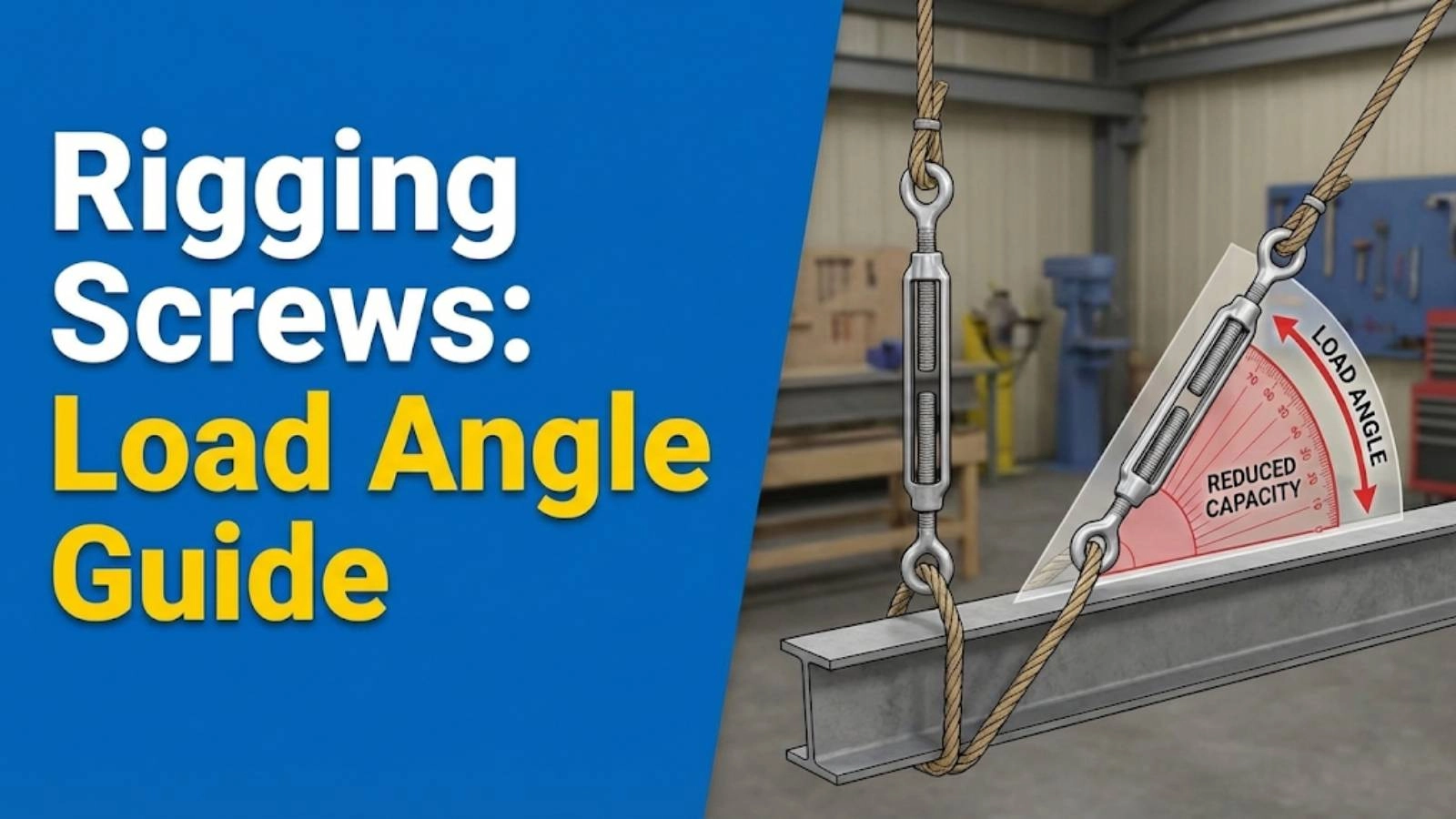
A: Several factors influence the load capacity, including the material strength, size, thread type, and the angle at which the load is applied. Always refer to the manufacturer’s specifications for safe working load (SWL) information.
Q: How does SSTC ensure the quality of their rigging screws?
A: SSTC adheres to strict quality control processes, including material testing, dimensional inspections, and load testing, to ensure that all rigging screws meet or exceed industry standards.
Q: What are some best practices for installing and maintaining rigging screws?
A: Best practices include proper thread engagement, regular lubrication, visual inspections for wear or damage, and adherence to safe working load limits. Consult with a qualified professional for specific installation and maintenance guidelines.