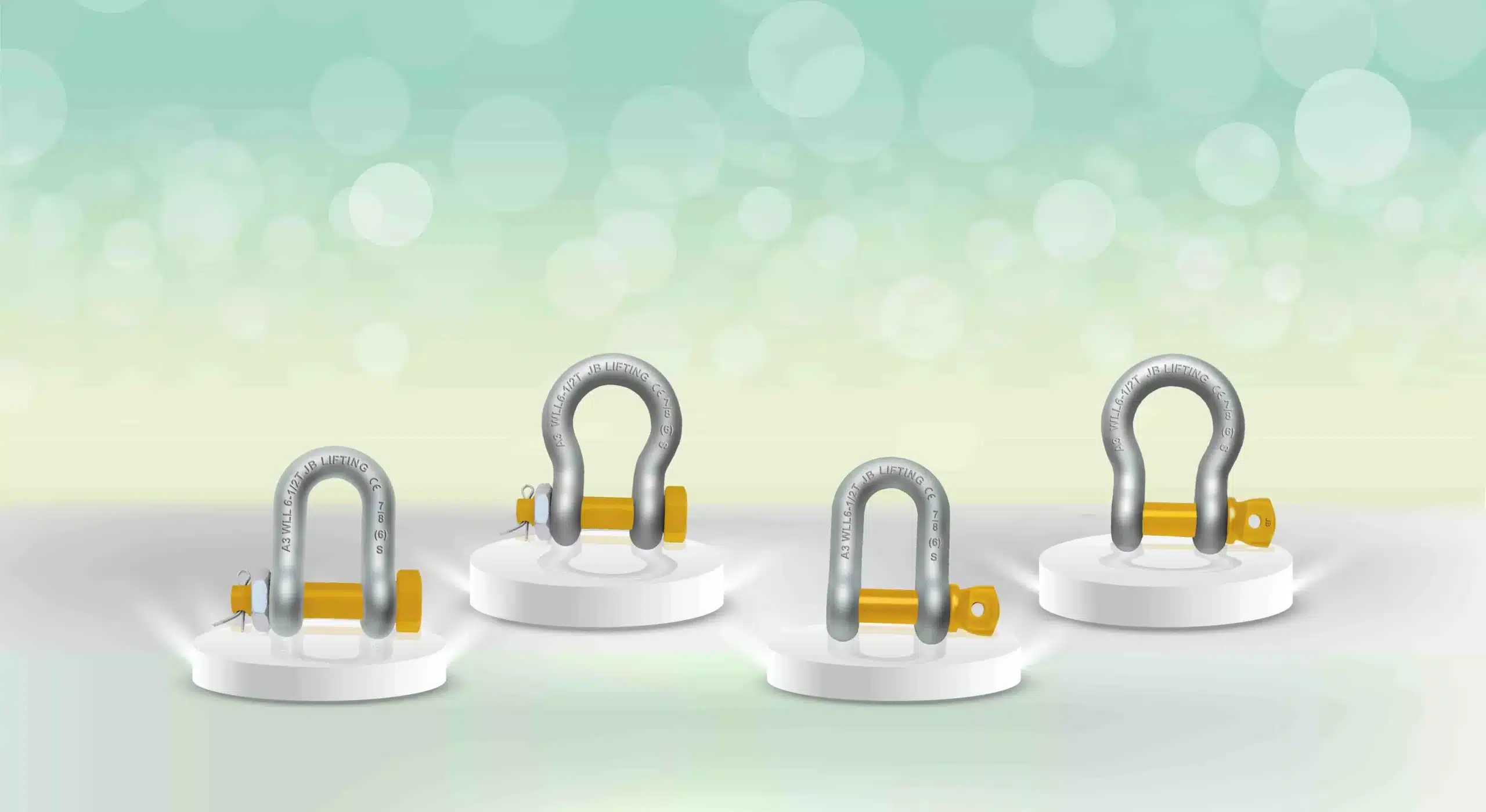
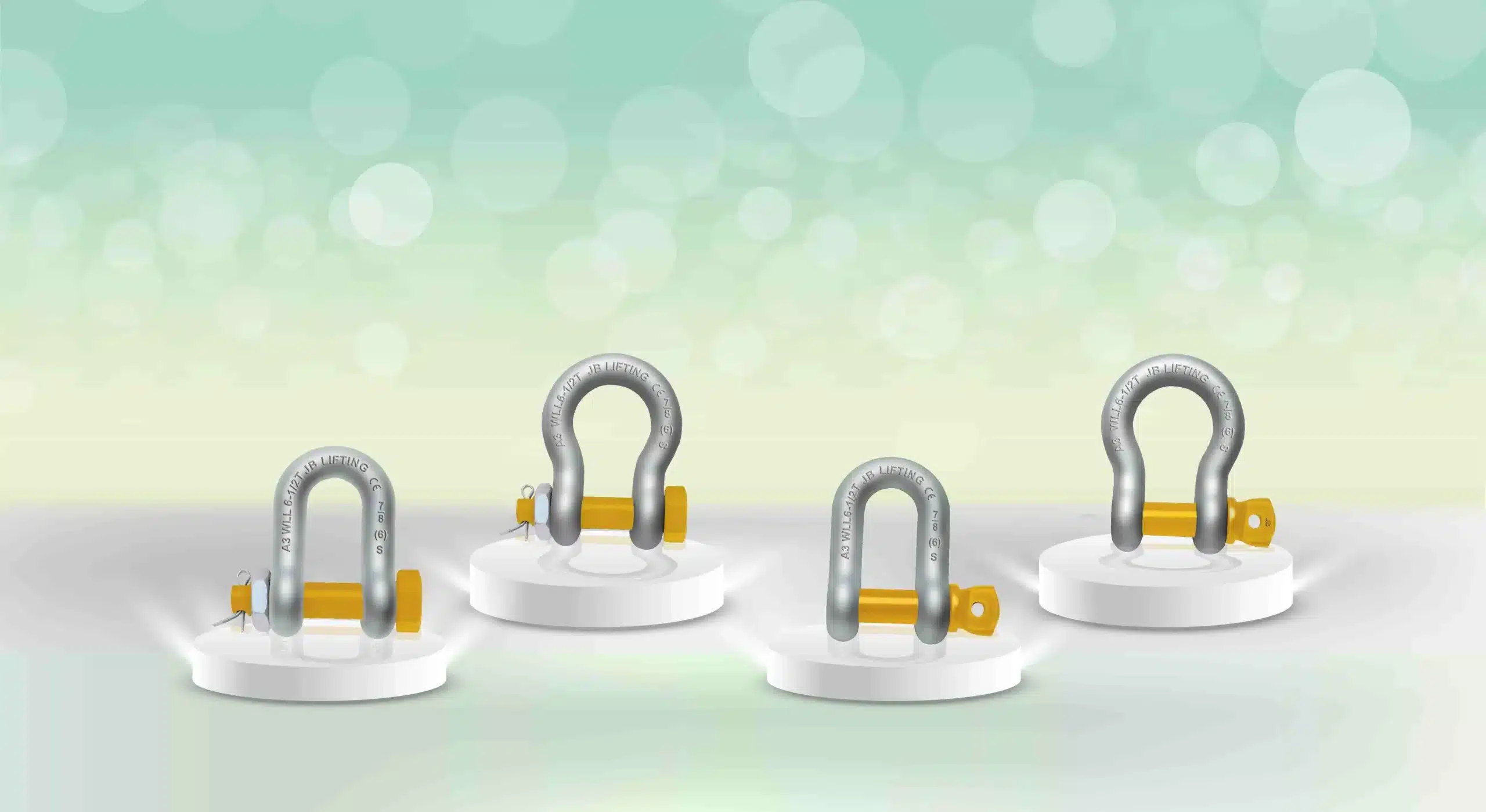
Shackle corrosion prevention is crucial for ensuring the longevity and safety of rigging hardware, particularly in harsh marine environments. Shackles, essential components in lifting and securing systems, are susceptible to various forms of corrosion that can compromise their structural integrity. This article provides a comprehensive guide to understanding, preventing, and managing shackle corrosion to safeguard your operations and investments.
Understanding Shackle Corrosion: A Data-Driven Perspective
The Science of Corrosion: Electrochemical Reactions Explained
Corrosion is fundamentally an electrochemical process where a metal reacts with its environment, leading to its deterioration. This involves the transfer of electrons between the metal and its surroundings. Oxidation occurs when the metal loses electrons, while reduction occurs when another substance gains those electrons.
In the context of shackle corrosion prevention, understanding these reactions is vital. For example, when steel corrodes, iron atoms (Fe) oxidize to form iron ions (Fe2+), releasing electrons. These electrons then participate in reduction reactions, often involving oxygen and water, to form hydroxides, which eventually become rust (iron oxide). The overall process is driven by the difference in electrochemical potential between the metal and its environment.
Electrolytes, such as seawater or even moisture in the air, play a critical role in accelerating corrosion. They provide a medium for the flow of ions, facilitating the electrochemical reactions. The conductivity and composition of the electrolyte significantly influence the corrosion rate. Highly saline water, for instance, is much more corrosive than fresh water due to its higher ion concentration.
Different metals have different electrochemical potentials, which dictate their tendency to corrode. A metal with a more negative potential will corrode preferentially when in contact with a metal with a more positive potential. This principle is the basis of galvanic corrosion, which we’ll discuss further.
“Understanding the underlying electrochemical principles of corrosion is the first step towards implementing effective corrosion prevention strategies.” – Dr. Emily Carter, Materials Science Professor
According to a NACE International study, the annual cost of corrosion in various industries is estimated to be over $2.5 trillion globally. This figure underscores the significant economic impact of corrosion and the importance of proactive shackle corrosion prevention measures.
Types of Corrosion Affecting Shackles: Identifying the Culprits
Shackles are vulnerable to several types of corrosion, each with its unique mechanism and characteristics. Identifying these culprits is essential for implementing targeted prevention strategies.
- Galvanic corrosion: This occurs when two dissimilar metals are in electrical contact in the presence of an electrolyte. The more active metal (anode) corrodes preferentially, while the less active metal (cathode) is protected. For example, if a stainless steel shackle is connected to a carbon steel chain, the carbon steel will corrode at an accelerated rate. To prevent galvanic corrosion, avoid using dissimilar metals in direct contact, or use insulating materials to separate them.
- Pitting corrosion: This is a localized form of corrosion that results in the formation of small holes or pits on the metal surface. Pitting is particularly insidious because it can lead to rapid failure, even with minimal overall material loss. It often occurs in stainless steel due to the breakdown of the passive layer, a thin protective film that forms on the surface. The rate of pit growth can vary significantly depending on the environment, with some pits growing at rates of up to 1 mm per year in aggressive marine conditions.
- Crevice corrosion: This type of corrosion occurs in shielded areas, such as under washers, gaskets, or in gaps between mating surfaces. The restricted access limits oxygen diffusion, creating an electrochemical cell where the metal within the crevice corrodes. Crevice corrosion can be particularly problematic in shackle pins and threads. Proper sealing and the use of corrosion-resistant materials can help prevent crevice corrosion.
- Stress corrosion cracking: This is a failure mechanism that occurs due to the combined effect of tensile stress and a corrosive environment. The stress can be either applied or residual (e.g., from welding). Stress corrosion cracking can lead to sudden and catastrophic failure, even at stress levels below the yield strength of the material. Shackles used in high-stress applications, such as lifting operations, are particularly susceptible to stress corrosion cracking. Using corrosion-resistant alloys and minimizing stress concentrations can help mitigate this risk.
- Erosion corrosion: This occurs when a corrosive fluid flows over a metal surface, removing the protective layer and accelerating corrosion. The rate of erosion corrosion depends on the fluid velocity, the angle of impingement, and the properties of the metal and the fluid. Shackles exposed to high-velocity seawater or abrasive slurries are at risk of erosion corrosion. Streamlining the design and using erosion-resistant materials can help minimize this type of corrosion.
SSTC has investigated several shackle failures caused by stress corrosion cracking in the offshore oil and gas industry. In one case, a high-strength alloy shackle failed prematurely due to the combined effects of chloride-containing seawater and residual stress from manufacturing. This incident highlighted the importance of proper material selection, stress relief, and regular inspection in preventing such failures.
Environmental Factors: Analyzing the Impact
The environment plays a significant role in determining the rate and severity of shackle corrosion prevention. Understanding the key environmental factors is crucial for developing effective corrosion management strategies.
- Salinity: Salt concentration is a primary driver of corrosion in marine environments. Higher salinity increases the conductivity of the electrolyte, accelerating electrochemical reactions. The chloride ions in salt water also disrupt the passive layer on stainless steel, making it more susceptible to pitting and crevice corrosion. Data analysis of corrosion rates in various marine environments shows a strong correlation between salinity and corrosion rates.
- Temperature: Temperature affects the kinetics of corrosion reactions. In general, corrosion rates increase with increasing temperature. This is because higher temperatures provide more energy for the electrochemical reactions to occur. However, the relationship between temperature and corrosion is not always linear, and in some cases, higher temperatures can actually decrease corrosion rates by altering the properties of the electrolyte or the metal surface. Charts showing corrosion rates at different temperatures for various shackle materials can provide valuable insights for material selection.
- Humidity: Moisture is essential for atmospheric corrosion. A thin film of moisture on the metal surface acts as an electrolyte, facilitating electrochemical reactions. The relative humidity determines the amount of moisture that is present on the surface. Corrosion rates typically increase with increasing humidity. In highly humid environments, such as tropical regions, corrosion can be a significant challenge.
- Pollution: Industrial pollutants, such as sulfur dioxide (SO2) and nitrogen oxides (NOx), can significantly accelerate corrosion. These pollutants react with moisture in the air to form acids, which can attack metal surfaces. SO2 is particularly problematic because it can promote the formation of sulfuric acid, which is highly corrosive to steel. The impact of pollution on corrosion is especially pronounced in urban and industrial areas.
- Marine Growth: The accumulation of marine organisms on shackle surfaces can also contribute to corrosion. These organisms can create crevices and block oxygen access, leading to crevice corrosion. Additionally, the metabolic activity of marine organisms can produce corrosive byproducts, such as sulfides. Regular cleaning and the use of antifouling coatings can help prevent marine growth and its associated corrosion risks.
We have observed significantly higher corrosion rates on shackles used in offshore platforms in the Persian Gulf compared to those used in the North Sea. This difference is primarily attributed to the higher salinity and temperature in the Persian Gulf, coupled with the presence of oil-related pollutants.
Shackle Material Selection: A Critical First Line of Defense
Stainless Steel Grades: Comparing Corrosion Resistance
Selecting the appropriate material is a critical step in shackle corrosion prevention. Stainless steel is a popular choice due to its inherent corrosion resistance. However, not all stainless steel grades are created equal.
- Overview of common stainless steel alloys (304, 316, Duplex):
304 Stainless Steel: This is a widely used austenitic stainless steel known for its good corrosion resistance in a variety of environments. It contains approximately 18% chromium and 8% nickel. However, 304 stainless steel is susceptible to pitting and crevice corrosion in chloride-rich environments.
316 Stainless Steel: This is another austenitic stainless steel that offers improved corrosion resistance compared to 304 stainless steel, particularly in chloride environments. It contains approximately 16% chromium, 10% nickel, and 2% molybdenum. The addition of molybdenum enhances its resistance to pitting and crevice corrosion.
Duplex Stainless Steel: This is a family of stainless steels that have a mixed microstructure of austenite and ferrite. Duplex stainless steels offer superior strength and corrosion resistance compared to 304 and 316 stainless steels. They are particularly resistant to stress corrosion cracking.
- Analyzing the PREN (Pitting Resistance Equivalent Number) for each grade: The PREN is a numerical value that provides an indication of the relative resistance of a stainless steel to pitting corrosion. It is calculated using the following formula: PREN = %Cr + 3.3 x %Mo + 16 x %N. Higher PREN values indicate greater resistance to pitting corrosion.
304 Stainless Steel: PREN ≈ 18
316 Stainless Steel: PREN ≈ 25
Duplex Stainless Steel: PREN ≈ 35-45
| Stainless Steel Grade |
Composition (Approximate) |
PREN Value |
Corrosion Resistance |
Typical Applications |
| 304 |
18% Cr, 8% Ni |
18 |
Good in mild environments, susceptible to pitting in chlorides |
General purpose, fresh water applications |
| 316 |
16% Cr, 10% Ni, 2% Mo |
25 |
Improved resistance to pitting and crevice corrosion in chlorides |
Marine environments, chemical processing |
| Duplex |
22% Cr, 5% Ni, 3% Mo |
35-45 |
Excellent resistance to pitting, crevice corrosion, and stress corrosion cracking |
Offshore platforms, high-strength applications |
- Discussing the advantages and disadvantages of each alloy in marine environments: 304 stainless steel is generally not recommended for prolonged use in marine environments due to its susceptibility to pitting and crevice corrosion. 316 stainless steel offers better performance in marine environments, but it can still be susceptible to corrosion under certain conditions. Duplex stainless steels are the preferred choice for demanding marine applications due to their superior corrosion resistance and strength.
- Highlighting the importance of mill certification to verify alloy composition: Mill certification provides assurance that the stainless steel meets the specified chemical composition and mechanical properties. This is crucial for ensuring that the material has the intended corrosion resistance. Always request mill certification when purchasing stainless steel shackles.
Galvanized Steel: Understanding the Protection Mechanism
Galvanized steel is another common material used for shackles. Galvanization involves coating steel with a layer of zinc to provide corrosion protection.
- Explaining the galvanization process and the formation of a zinc coating: Galvanization can be achieved through various methods, including hot-dip galvanizing and electrogalvanizing. Hot-dip galvanizing involves immersing steel in a bath of molten zinc, while electrogalvanizing involves depositing a thin layer of zinc onto the steel surface using an electrochemical process.
- Discussing the sacrificial protection offered by zinc: Zinc is more electrochemically active than steel. Therefore, when galvanized steel is exposed to a corrosive environment, the zinc corrodes preferentially, protecting the underlying steel. This is known as sacrificial protection.
- Analyzing the lifespan of galvanized coatings in different environments: The lifespan of a galvanized coating depends on the thickness of the coating and the corrosivity of the environment. In mild environments, a galvanized coating can last for several decades. However, in aggressive marine environments, the coating may only last for a few years.
- Comparing hot-dip galvanizing vs. electrogalvanizing: Hot-dip galvanizing provides a thicker and more durable coating than electrogalvanizing. Hot-dip galvanized coatings also offer better abrasion resistance. For shackles used in harsh environments, hot-dip galvanizing is the preferred choice.
Data shows that a hot-dip galvanized coating with a thickness of 85 microns can provide corrosion protection for up to 25 years in a rural environment, but only 5-10 years in a marine environment.
Other Corrosion-Resistant Materials: Exploring Alternatives
While stainless steel and galvanized steel are common choices, other materials offer unique advantages for specific shackle applications.
- Nickel-copper alloys (e.g., Monel): These alloys offer excellent corrosion resistance in seawater and other aggressive environments. Monel is particularly resistant to pitting, crevice corrosion, and erosion corrosion. However, nickel-copper alloys are more expensive than stainless steel and galvanized steel.
- Titanium: Titanium is an exceptionally corrosion-resistant metal that is virtually immune to corrosion in seawater. It also has a high strength-to-weight ratio. However, titanium is very expensive and can be difficult to fabricate.
- Polymer coatings: Non-metallic coatings, such as epoxy, polyurethane, and fluoropolymers, can provide a barrier between the metal shackle and the corrosive environment. These coatings can offer good chemical resistance and abrasion resistance. However, they can be susceptible to damage from impact and UV exposure.
A comparative cost analysis of different shackle materials over their lifespan should consider not only the initial material cost but also the cost of maintenance, repair, and replacement due to corrosion.
Applying Protective Coatings: Enhancing Corrosion Resistance
Types of Coatings: A Comprehensive Overview
Protective coatings are widely used to enhance the corrosion resistance of shackles, providing a barrier between the metal and the corrosive environment.
- Epoxy coatings: These are thermosetting polymer coatings that offer excellent adhesion, chemical resistance, and mechanical strength. Epoxy coatings are commonly used as primers or topcoats for shackles. They provide good resistance to corrosion, abrasion, and impact.
- Polyurethane coatings: These are also thermosetting polymer coatings that offer excellent abrasion resistance, UV protection, and flexibility. Polyurethane coatings are often used as topcoats for shackles that are exposed to harsh weather conditions.
- Fluoropolymer coatings (e.g., Teflon): These coatings offer exceptional chemical resistance, low friction, and non-stick properties. Fluoropolymer coatings are often used on shackle pins and threads to reduce friction and prevent seizing.
- Metal spraying (e.g., zinc, aluminum): This involves applying a metallic coating to the shackle surface using thermal spraying techniques. Metal spraying can provide a thick and durable coating that offers excellent corrosion protection. Zinc and aluminum are commonly used for metal spraying due to their sacrificial protection properties.
Analysis of coating adhesion strength reveals that proper surface preparation is crucial for achieving optimal coating performance and long-term corrosion prevention.
Surface Preparation: The Foundation for Effective Coatings
Proper surface preparation is essential for ensuring that protective coatings adhere properly to the shackle surface and provide effective corrosion protection.
- Blast cleaning: This involves using abrasive media, such as sand, grit, or steel shot, to remove rust, scale, and other contaminants from the shackle surface. Blast cleaning creates a clean and roughened surface that promotes coating adhesion.
- Chemical cleaning: This involves using acids or alkalis to remove surface contaminants, such as oil, grease, and salts. Chemical cleaning is often used in conjunction with blast cleaning to ensure that the shackle surface is completely clean.
- Importance of achieving the correct surface profile (roughness): The surface profile, or roughness, is a critical factor in coating adhesion. A properly roughened surface provides more surface area for the coating to bond to, resulting in stronger adhesion. The optimal surface profile depends on the type of coating being applied.
Statistical data demonstrates a strong correlation between surface preparation quality and coating lifespan. Poor surface preparation can reduce coating lifespan by as much as 50%.
Application Techniques: Ensuring Uniform Coverage
The application technique used to apply the protective coating can significantly affect its performance.
- Spray application: This involves using a spray gun to apply the coating to the shackle surface. Spray application is a fast and efficient method for applying coatings to large or complex surfaces. However, it requires skilled operators to ensure uniform coverage.
- Brush application: This involves using a brush to apply the coating to the shackle surface. Brush application is suitable for small areas and repairs. However, it can be difficult to achieve uniform coverage with brush application.
- Dip coating: This involves immersing the shackle in a bath of coating material. Dip coating can provide uniform coverage on complex shapes. However, it can be challenging to control the coating thickness with dip coating.
- Quality control measures during coating application: Quality control measures, such as visual inspection, thickness measurements, and adhesion testing, are essential for ensuring that the coating is applied correctly and meets the required specifications.
Cathodic Protection: Sacrificial Anodes and Impressed Current
Sacrificial Anodes: The Principles of Galvanic Protection
Cathodic protection is a technique used to prevent corrosion by making the metal structure the cathode of an electrochemical cell. This can be achieved using sacrificial anodes.
- Explaining how sacrificial anodes protect steel by preferentially corroding: Sacrificial anodes are made of a metal that is more electrochemically active than the steel being protected. When the anode is connected to the steel structure, it corrodes preferentially, providing cathodic protection to the steel.
- Selecting the appropriate anode material (zinc, aluminum, magnesium): Zinc, aluminum, and magnesium are commonly used as sacrificial anode materials. The choice of anode material depends on the environment and the potential of the steel being protected. Zinc is typically used in seawater, while aluminum and magnesium are used in soil and fresh water.
- Calculating the required anode size and placement for effective protection: The size and placement of the sacrificial anodes are critical for providing effective corrosion protection. The anode size depends on the surface area of the steel being protected, the corrosivity of the environment, and the desired lifespan of the anodes. The anodes should be placed in close proximity to the steel structure to ensure adequate current distribution.
Data indicates that the consumption rate of zinc anodes in seawater is approximately 10 kg per year per 100 square meters of steel surface.
Impressed Current Cathodic Protection (ICCP): Active Corrosion Control
Impressed current cathodic protection (ICCP) is another method of providing cathodic protection.
- Describing the ICCP system and its components: ICCP systems use an external power supply to impress a current onto the steel structure, making it the cathode of an electrochemical cell. The system consists of an anode, a power supply, and a reference electrode.
- Advantages of ICCP over sacrificial anodes in large structures: ICCP is often used for large structures, such as offshore platforms and pipelines, where sacrificial anodes would be impractical or uneconomical. ICCP systems can provide a more uniform and controllable level of protection than sacrificial anodes.
- Monitoring and adjusting the current output for optimal protection: The current output of the ICCP system must be monitored and adjusted to ensure that the steel structure is adequately protected. The reference electrode is used to measure the potential of the steel structure and provide feedback to the power supply.
We have implemented ICCP systems on several offshore platforms in the Middle East, resulting in a significant reduction in corrosion rates and extended asset lifespan.
Design Considerations: Minimizing Corrosion Risks
Avoiding Dissimilar Metal Contact: Preventing Galvanic Corrosion
Careful design considerations can significantly minimize the risk of corrosion.
- Identifying potential galvanic couples in shackle assemblies: When designing shackle assemblies, it is important to identify potential galvanic couples, where dissimilar metals are in electrical contact.
- Using insulating materials (e.g., washers, sleeves) to separate dissimilar metals: Insulating materials, such as plastic washers and sleeves, can be used to separate dissimilar metals and prevent galvanic corrosion.
- Selecting compatible materials with similar electrochemical potentials: When dissimilar metals must be used in the same assembly, it is important to select materials with similar electrochemical potentials to minimize the risk of galvanic corrosion.
Practical examples of galvanic corrosion prevention in shackle design include using stainless steel shackles with stainless steel chains or using insulating sleeves to separate steel shackles from aluminum structures.
Drainage and Ventilation: Reducing Moisture Accumulation
Moisture accumulation can significantly accelerate corrosion.
- Designing structures to promote water runoff and prevent pooling: Structures should be designed to promote water runoff and prevent pooling of water. This can be achieved by incorporating slopes, drainage holes, and other design features.
- Providing adequate ventilation to reduce humidity and condensation: Adequate ventilation can help reduce humidity and condensation, which can contribute to corrosion.
- Using corrosion-resistant fasteners in areas prone to water accumulation: In areas prone to water accumulation, it is important to use corrosion-resistant fasteners, such as stainless steel or galvanized steel fasteners.
Minimizing Stress Concentrations: Preventing Stress Corrosion Cracking
Stress concentrations can increase the risk of stress corrosion cracking.
- Avoiding sharp corners and abrupt changes in geometry: Sharp corners and abrupt changes in geometry can create stress concentrations, which can increase the risk of stress corrosion cracking.
- Using generous radii to distribute stress evenly: Using generous radii can help distribute stress evenly and reduce stress concentrations.
- Proper welding techniques to minimize residual stress: Proper welding techniques, such as stress relief annealing, can help minimize residual stress in welded structures.
Finite element analysis (FEA) can be used to identify potential stress concentration points in shackle designs and optimize the geometry to minimize stress concentrations.
Regular Inspection and Maintenance: Detecting and Addressing Corrosion
Visual Inspection: Identifying Signs of Corrosion
Regular inspection and maintenance are essential for detecting and addressing corrosion before it leads to failure.
- Looking for rust, pitting, cracking, and other signs of corrosion: Visual inspection should focus on identifying signs of corrosion, such as rust, pitting, cracking, and discoloration.
- Documenting the location and severity of corrosion: The location and severity of any corrosion should be documented.
- Using visual aids (e.g., photographs, sketches) to track corrosion progress: Visual aids, such as photographs and sketches, can be used to track the progress of corrosion over time.
Non-Destructive Testing (NDT): Assessing Internal Corrosion
Non-destructive testing (NDT) methods can be used to assess internal corrosion that is not visible during visual inspection.
- Ultrasonic testing: This is used for measuring material thickness and detecting internal flaws.
- Radiographic testing: This is used for imaging internal corrosion using X-rays or gamma rays.
- Magnetic particle testing: This is used for detecting surface cracks and flaws.
- Dye penetrant testing: This is used for identifying surface-breaking defects.
Cleaning and Lubrication: Removing Contaminants and Reducing Friction
Regular cleaning and lubrication can help prevent corrosion and reduce friction.
- Regularly cleaning shackles to remove salt, dirt, and other contaminants: Shackles should be regularly cleaned to remove salt, dirt, and other contaminants that can contribute to corrosion.
- Using appropriate lubricants to reduce friction and prevent seizing: Appropriate lubricants should be used to reduce friction and prevent seizing of shackle pins and threads.
- Selecting lubricants that are compatible with the shackle material: The lubricant should be compatible with the shackle material to avoid any adverse reactions.
Shackle Replacement Criteria: Knowing When to Retire
Establishing Wear Limits: Defining Acceptable Corrosion Levels
Establishing clear wear limits is crucial for determining when a shackle should be retired from service.
- Determining the allowable reduction in shackle diameter due to corrosion: A maximum allowable reduction in shackle diameter due to corrosion should be established.
- Setting limits on the depth and density of pitting corrosion: Limits on the depth and density of pitting corrosion should be set.
- Consulting manufacturer’s specifications and industry standards: Manufacturer’s specifications and industry standards should be consulted when establishing wear limits.
Statistical analysis of shackle failure rates based on corrosion levels can help refine wear limits and improve safety.
Documenting Inspection Results: Maintaining a Record of Shackle Condition
Maintaining a detailed record of shackle condition is essential for tracking corrosion progress and making informed decisions about shackle replacement.
- Creating a shackle logbook to record inspection dates, findings, and actions taken: A shackle logbook should be created to record inspection dates, findings, and any actions taken, such as cleaning, lubrication, or replacement.
- Using a consistent format for documenting inspection results: A consistent format should be used for documenting inspection results to ensure that the data is easily comparable over time.
- Retaining inspection records for future reference and analysis: Inspection records should be retained for future reference and analysis.
Safe Disposal Practices: Preventing Environmental Contamination
Proper disposal of corroded shackles is important for preventing environmental contamination.
- Disposing of corroded shackles in accordance with local regulations: Corroded shackles should be disposed of in accordance with local regulations.
- Recycling shackle materials whenever possible: Shackle materials should be recycled whenever possible.
- Preventing the release of hazardous substances into the environment: Care should be taken to prevent the release of hazardous substances, such as rust inhibitors, into the environment.
Case Studies: Lessons Learned from Shackle Corrosion Failures
Analyzing Real-World Incidents: Understanding the Root Causes
Analyzing real-world incidents of shackle corrosion failures can provide valuable insights into the root causes of corrosion and help prevent future failures.
- Examining case studies of shackle failures in various industries (e.g., marine, construction, oil and gas): Case studies of shackle failures in various industries should be examined to identify common causes of failure.
- Identifying the primary causes of failure (e.g., material selection, corrosion, overloading): The primary causes of failure, such as improper material selection, corrosion, overloading, or improper use, should be identified.
- Analyzing the consequences of shackle failures (e.g., injuries, property damage, environmental impact): The consequences of shackle failures, such as injuries, property damage, and environmental impact, should be analyzed.
Implementing Preventive Measures: Applying the Lessons Learned
Based on the lessons learned from case studies, preventive measures should be implemented to reduce the risk of future shackle failures.
- Developing and implementing corrosion prevention programs based on lessons learned from past failures: Corrosion prevention programs should be developed and implemented based on the lessons learned from past failures.
- Training personnel on shackle inspection, maintenance, and replacement procedures: Personnel should be trained on shackle inspection, maintenance, and replacement procedures.
- Improving shackle design and material selection to enhance corrosion resistance: Shackle designs and material selection should be continuously improved to enhance corrosion resistance.
The Role of Data Analysis in Preventing Future Failures
Data analysis can play a critical role in preventing future shackle failures.
- Using statistical data to identify trends and patterns in shackle corrosion: Statistical data can be used to identify trends and patterns in shackle corrosion.
- Developing predictive models to estimate shackle lifespan based on environmental conditions and usage patterns: Predictive models can be developed to estimate shackle lifespan based on environmental conditions and usage patterns.
- Implementing data-driven strategies to optimize shackle maintenance and replacement schedules: Data-driven strategies can be implemented to optimize shackle maintenance and replacement schedules.
Conclusion: Ensuring Shackle Longevity and Safety
In summary, shackle corrosion prevention hinges on several key methods: selecting appropriate materials like stainless steel, galvanized steel, or specialized alloys; applying protective coatings such as epoxy or polyurethane; implementing cathodic protection using sacrificial anodes or impressed current systems; employing careful design considerations to minimize dissimilar metal contact and stress concentrations; and conducting regular inspection and maintenance.
Taking a proactive approach to corrosion management, based on these principles and data-driven insights, is paramount for ensuring the longevity and safety of your rigging hardware. We at Safe and Secure Trading Company are committed to providing the expertise and solutions you need to protect your assets and personnel.
FAQ Section
Q: What is the most common type of corrosion affecting shackles?
A: Galvanic corrosion is one of the most common types, especially when dissimilar metals are used in the shackle assembly. Pitting corrosion is also prevalent, particularly in stainless steel shackles exposed to chloride-rich environments.
Q: How often should shackles be inspected for corrosion?
A: The frequency of inspection depends on the severity of the environment and the criticality of the application. In harsh marine environments, shackles should be inspected at least monthly, while in milder environments, quarterly inspections may suffice. Always follow manufacturer’s recommendations and industry best practices.
Q: What are some signs that a shackle needs to be replaced due to corrosion?
A: Signs that a shackle needs replacement include significant rust, pitting, cracking, a reduction in diameter beyond the allowable limit, and any other visible damage that compromises its structural integrity. If there is any doubt, the shackle should be retired from service.
Q: Can I use any type of lubricant on shackles to prevent corrosion?
A: No, you should only use lubricants that are specifically designed for use with the shackle material and are compatible with the environment. Avoid using lubricants that can attract dirt or promote corrosion. Consult the shackle manufacturer’s recommendations for suitable lubricants.
Q: What is the best way to clean corroded shackles?
A: The best way to clean corroded shackles depends on the severity of the corrosion. For light corrosion, a wire brush and a mild detergent may be sufficient. For heavier corrosion, blast cleaning or chemical cleaning may be necessary. Always follow appropriate safety precautions when using cleaning chemicals.
Q: Is it possible to repair a corroded shackle?
A: In most cases, it is not recommended to repair a corroded shackle. Corrosion can significantly weaken the metal, and any repair may not restore the shackle to its original strength. It is generally safer and more cost-effective to replace a corroded shackle than to attempt to repair it.
Q: What role does shackle maintenance play in shackle corrosion prevention?
A: Regular shackle maintenance plays a significant role in shackle corrosion prevention. Routine cleaning, proper lubrication, and timely repairs can help prevent the onset and progression of corrosion, which in turn will help to keep your shackles working safely for longer.