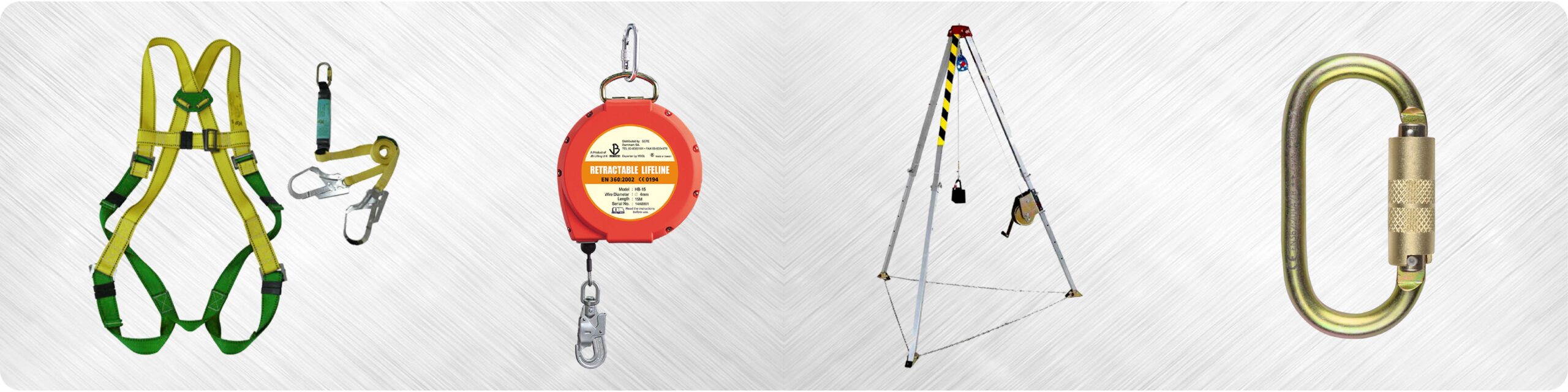
Zero-Fall Workplace: Advanced Fall Protection Guide
The pursuit of a workplace free from fall incidents is not merely an aspirational goal; it’s an ethical imperative and a strategic business advantage. While basic fall protection protocols are widely understood, achieving a true “zero-fall workplace” demands a deeper, more sophisticated approach. It requires embracing advanced fall protection strategies that go beyond compliance, integrating cutting-edge technology, rigorous training, and a proactive safety culture. At Safe and Secure Trading Company (SSTC), we’ve dedicated ourselves to helping businesses across industries, particularly here in Dammam, Saudi Arabia, elevate their safety standards to this advanced level. This comprehensive guide will delve into the intricacies of these strategies, equipping you with the knowledge to transform your approach to working at height.
Key Takeaways
- Proactive, Not Reactive: Achieving a zero-fall workplace requires a shift from merely reacting to incidents to proactively eliminating fall hazards through advanced strategies.
- Beyond Basic Compliance: Modern safety standards and technological advancements demand a move past conventional approaches to integrate sophisticated engineering, administrative, and personal fall protection systems.
- Comprehensive Hazard Assessment: Employing advanced techniques like drone inspections and predictive analytics is crucial for identifying and mitigating elevated risks effectively.
- Hierarchy of Controls Mastery: A deep understanding and application of the hierarchy, prioritizing elimination and sophisticated engineering controls, forms the bedrock of effective advanced fall protection strategies.
- Empowering the Workforce: Robust
competent person training, clear rescue plans, and continuous employee engagement are vital for the successful implementation and sustenance of a zero-fall culture.
- Technological Integration: Leveraging smart PPE, drone inspections, and VR/AR training significantly enhances safety oversight, efficiency, and preparedness in complex environments.
Introduction: Setting the Stage for Advanced Fall Protection
Working at height inherently carries risks, and even a single fall incident can have devastating consequences for individuals, businesses, and reputations. For too long, many organizations have viewed fall protection as a checklist item, satisfied with meeting minimum regulatory requirements. However, in today’s rapidly evolving industrial landscape, with increasingly complex structures and demanding operational environments, this conventional mindset is no longer sufficient. We believe in fostering a safety culture that aspires to a “zero-fall workplace” – an environment where every measure is taken to prevent falls, leveraging the most sophisticated tools and advanced fall protection strategies available.
The Unseen Costs of Falls: Beyond Direct Injuries
The immediate impact of a fall is tragically obvious: severe injury, potential permanent disability, or even fatality. However, the true cost extends far beyond emergency medical treatment and workers’ compensation claims. There are the indirect costs, which often outweigh direct costs by a factor of four to ten. These include lost productivity, damage to equipment, increased insurance premiums, regulatory fines, legal fees, and the profound psychological toll on colleagues and management. We once worked with a client in the construction sector who experienced a non-fatal fall from height. While the injured worker recovered, the ripple effect included a mandatory site shutdown for investigation, significant project delays, a severe dip in team morale, and a substantial increase in their safety audit frequency for the next two years. This incident underscored for them, and for us, that the true financial and human capital cost of a fall is immeasurable.
Why Conventional Approaches Fall Short in Complex Environments
Traditional fall protection often focuses on individual PPE use and basic guardrail installation. While essential, these approaches can be inadequate in dynamic, multi-faceted work environments. Consider, for example, operations on irregular rooflines, temporary structures, or during maintenance of towering industrial equipment. These scenarios present leading edge protection challenges, complex anchorage requirements, and the need for specialized fall arrest systems that go beyond standard equipment. Conventional methods often lack the foresight for such complexities, leading to reactive solutions or, worse, overlooked hazards. In our experience, many businesses mistakenly believe that providing a harness is the complete solution, overlooking the critical need for a holistic system design, PFAS inspection, and robust rescue plans.
The Imperative for a Zero-Fall Culture: A Paradigm Shift
The shift to a zero-fall culture is a paradigm shift from compliance to commitment. It’s about instilling a proactive mindset where safety is integrated into every decision, design, and daily task. This isn’t just about avoiding penalties; it’s about valuing human life, enhancing operational efficiency, and building a resilient, responsible organization. For many of our clients here in Dammam, Saudi Arabia, we’ve seen that embracing advanced fall protection strategies has not only safeguarded their workforce but also improved their overall project delivery timelines and boosted their reputation as industry leaders committed to excellence. It’s an investment that pays dividends in every aspect of the business.
The Evolving Landscape of Fall Protection: Beyond Basics
The field of fall protection is not static; it’s a dynamic discipline continually shaped by new research, regulatory updates, and technological breakthroughs. To maintain a truly safe workplace, organizations must stay abreast of these changes and integrate them into their advanced fall protection strategies.
New Regulatory Demands and Their Impact on Safety Protocols
Regulatory bodies worldwide, including OSHA, and local authorities in regions like KSA, are continually refining standards to address emerging hazards and improve worker safety. These demands often push beyond minimum requirements, emphasizing a more systematic approach to fall prevention. For instance, there’s an increasing focus on the comprehensive development and regular review of rescue plans, the importance of competent person training, and specific requirements for specialized scenarios such as confined space fall protection. When our team in KSA tackles this issue, they often find that clients need significant updates to their existing safety manuals to align with the latest interpretations and best practices, ensuring their fall protection programs are robust and defensible.
Technological Advancements Shaping Modern Fall Prevention
Technology is a game-changer in fall protection. From sophisticated smart PPE that monitors worker location and physiological signs to drone-based inspection systems that can identify hazards without putting personnel at risk, innovation is rapidly enhancing safety capabilities. Advanced materials are making equipment lighter, stronger, and more ergonomic. These innovations allow for more precise hazard assessment for falls and facilitate the implementation of more effective advanced fall protection strategies, moving us closer to that zero-fall ideal. We’ve consistently seen that early adopters of these technologies gain a significant edge in both safety performance and operational efficiency.
Common Misconceptions Hindering Effective Advanced Strategies
Despite advancements, several common misconceptions continue to hinder the adoption of effective advanced fall protection strategies. One prevalent myth is that fall protection is solely about providing a harness – ignoring the critical role of anchorage, connectors, and rescue plans. Another is underestimating the complexity of leading edge protection or assuming generic solutions apply to all elevated work. A common mistake we help businesses fix is the belief that basic training suffices for all scenarios; in reality, specialized competent person training is vital for complex tasks and specific equipment. Overcoming these misconceptions is the first step towards building a truly comprehensive and effective fall protection program.
Comprehensive Fall Hazard Assessment: A Strategic Imperative
A robust hazard assessment for falls is the cornerstone of any effective fall protection program. For advanced fall protection strategies, this assessment must be far more detailed and proactive than a simple visual inspection. It’s about systematically identifying every potential fall risk, understanding its severity, and developing targeted mitigation strategies.
Advanced Techniques for Identifying Elevated Risks (e.g., Drone Inspection, Risk Mapping)
Traditional walk-throughs, while valuable, have limitations, especially in large, complex, or difficult-to-access sites. We advocate for advanced fall protection strategies that leverage innovative techniques. Drone inspections, for example, allow us to safely survey large areas, towering structures, or unstable roofs without exposing personnel to risks. These drones can capture high-resolution imagery and video, enabling precise identification of deteriorated surfaces, inadequate guardrail systems, or potential anchorage points. Risk mapping, another powerful tool, visually plots identified hazards on a site plan, categorizing them by severity and likelihood, and highlighting areas requiring leading edge protection or confined space fall protection. This holistic view helps prioritize interventions and allocate resources effectively.
Site-Specific Challenges: Tailoring Assessments to Unique Environments
Every workplace is unique, presenting its own set of fall hazards. A generic assessment approach will invariably miss critical site-specific challenges. For example, maritime facilities contend with slick surfaces and dynamic vessel movements, while mining operations may involve unstable ground and changing elevations. Even seemingly simple tasks, like ladder safety in an industrial setting, require specific considerations beyond basic compliance. Tailoring hazard assessment for falls means understanding the nuances of the work environment, the specific tasks being performed, and the types of equipment being used. This often involves detailed task analysis and input from the workers themselves, who have invaluable firsthand knowledge of potential dangers.
Integrating Predictive Analytics for Proactive Hazard Mitigation
Moving beyond reactive safety, predictive analytics uses historical data, environmental conditions, and operational parameters to forecast potential fall incidents. By analyzing past near-misses, incident reports, equipment failure rates, and even weather patterns, we can identify trends and anticipate where and when falls are most likely to occur. This allows for proactive intervention, such as implementing enhanced leading edge protection measures in specific zones during certain weather conditions, or increasing PFAS inspection frequency on equipment showing early signs of wear. This data-driven approach is a key component of advanced fall protection strategies, enabling organizations to mitigate hazards before they manifest into incidents.
Hierarchy of Controls for Fall Protection: Advanced Application
The Hierarchy of Controls remains the fundamental principle in fall protection, guiding us to implement the most effective and sustainable solutions first. For advanced fall protection strategies, we emphasize a rigorous application of this hierarchy, always striving for the highest possible level of protection.
Re-evaluating Elimination and Substitution: Engineering Out the Risk
The most effective fall protection is to eliminate the fall hazard entirely or substitute the hazardous task with a safer alternative. While not always feasible, advanced fall protection strategies demand that these options are thoroughly explored before moving down the hierarchy. This could mean prefabricating components at ground level, utilizing modular construction techniques that reduce the need for elevated work, or employing robotic systems for inspection and maintenance tasks at height. We often consult with clients during the design phase of new facilities or processes to identify opportunities to engineer out fall risks, thereby avoiding the need for complex and costly fall arrest systems later on.
Sophisticated Engineering Controls: Guardrails, Netting, and Covers
When elimination isn’t possible, robust engineering controls are the next best solution. These passive systems provide continuous fall protection without requiring active worker intervention.
Guardrail systems, for instance, should be designed not just to meet minimum height and strength requirements but also to integrate seamlessly into the workflow, preventing access to unprotected edges.
Safety netting provides a crucial layer of protection, particularly useful in construction where a wide area needs to be protected below work surfaces. Advanced safety netting is designed for specific load requirements, impact resistance, and ease of installation and removal.
Floor opening covers must be clearly marked, secured against displacement, and capable of supporting anticipated loads. The key to advanced fall protection strategies here is not just installation, but proper design, regular inspection, and integration into the facility’s overall safety architecture.
Administrative Controls: Refined Procedures, Permits, and Work Planning
Administrative controls involve establishing safe work procedures, training, and supervision. These are critical in advanced fall protection strategies to manage residual risks not addressed by engineering controls. This includes detailed work permits for elevated work, strict access controls, specific procedures for ladder safety, and comprehensive competent person training for all personnel working at height. Detailed work planning, including pre-task briefings and identification of potential conflicts, ensures that everyone understands the fall hazards and the planned mitigation measures. Our experience shows that clear, concise administrative controls, consistently enforced, significantly reduce incidents.
Personal Fall Protection Systems (PFPS): The Last Line of Defense, Optimized
Personal Fall Protection Systems (PFPS), encompassing fall arrest systems and fall restraint systems, are the last line of defense in the hierarchy. While essential, they should never be the first or only consideration. When PFPS are necessary, advanced fall protection strategies focus on optimizing their selection, use, and maintenance. This means choosing the right equipment for the specific task and environment, ensuring proper fit and user training, and implementing rigorous PFAS inspection protocols. We often find that a detailed understanding of the system’s components – from anchorage to harness – is lacking, leading to potential misuse or failure.
Active vs. Passive Fall Protection Systems: A Deep Dive
Understanding the fundamental difference between active and passive fall protection systems is crucial for designing comprehensive advanced fall protection strategies. Both play vital roles, but their application and limitations differ significantly.
Passive Systems: Installation, Maintenance, and Limitations (e.g., Guardrails, Safety Netting)
Passive fall protection systems are engineered barriers that, once installed, require no active participation from the worker to function. They are always “on.” Examples include permanent guardrail systems, safety netting, covers for floor openings, and perimeter barriers.
- Installation: Installation must be performed by qualified personnel, adhering strictly to design specifications and load requirements. Improper installation can render them ineffective.
- Maintenance: Regular inspection for damage, corrosion, or displacement is essential. Environmental factors like weather, as well as operational activities, can compromise their integrity.
- Limitations: While highly effective, passive systems may not be feasible in all situations (e.g., open building edges during construction, highly dynamic work zones). They also do not protect workers who need to lean over the edge or perform tasks outside the protected area.
Active Systems: Components, Deployment, and User Engagement (e.g., PFAS, Work Positioning)
Active fall protection systems require conscious engagement from the worker. They are typically worn by the worker and involve connecting to an anchorage point. These include fall arrest systems (designed to stop a fall once it has occurred) and fall restraint systems (designed to prevent a worker from reaching a fall hazard).
- Components: Active systems consist of an anchorage, a body support (harness), and a connector (lanyard, self-retracting lifeline).
- Deployment: Proper donning of the harness, correct connection to a suitable anchorage, and understanding of clearance requirements are critical.
- User Engagement: Their effectiveness hinges entirely on worker training, consistent correct use, and regular
PFAS inspection. A worker failing to tie off or improperly wearing a harness renders the system useless.
Hybrid Systems: Combining Strengths for Enhanced Safety Architectures
In many complex environments, the most effective advanced fall protection strategies involve hybrid systems that combine the strengths of both active and passive approaches. For example, a construction site might utilize guardrail systems on accessible edges, supplemented by safety netting below, while workers operating near unprotected openings or leading edge protection areas are also equipped with fall arrest systems tied off to designated anchorage points. This multi-layered approach provides redundant protection and addresses a wider range of potential hazards.
To illustrate the differences, consider the following:
| Feature |
Passive Fall Protection Systems |
Active Fall Protection Systems |
| Primary Function |
Prevent access to fall hazards |
Prevent a fall or arrest a fall once it occurs |
| Worker Interaction |
No active interaction required from worker |
Requires active engagement (donning, connecting, inspecting) |
| Examples |
Guardrail systems, safety netting, covers, barriers |
Fall arrest systems (PFAS), fall restraint systems, work positioning systems |
| Protection Type |
Collective protection (protects all workers in the area) |
Individual protection (protects the specific worker using it) |
| Suitability |
Fixed perimeters, defined work zones, large areas below |
Dynamic work, irregular surfaces, areas without fixed barriers |
| Key Advantage |
Always “on,” minimal worker training for operation |
Flexibility, highly adaptable to varied tasks and locations |
| Key Disadvantage |
May not be feasible everywhere, limited reach |
Relies on correct worker use and training; requires rescue plan |
Advanced Personal Fall Arrest Systems (PFAS) Components & Best Practices
When PFPS are deemed necessary after rigorous application of the hierarchy of controls, advanced fall protection strategies demand a deep understanding of each component and its optimal application. This is especially true for fall arrest systems, which are designed to save a life during a fall.
Anchorage Selection and Certification for Complex Structures
The anchorage is arguably the most critical component of a fall arrest system, as it must support the entire impact load of a fall. Anchorage requirements extend beyond simply finding something strong enough; they involve careful selection based on the structure type, material, load capacity, and the specific application (e.g., horizontal lifelines, vertical lifelines). For advanced fall protection strategies, this often means engineering solutions for temporary or non-conventional anchorages on complex structures, ensuring they are certified by a qualified person. We ensure our clients understand that inadequate anchorage requirements are a leading cause of fall protection system failure.
Lifelines and Lanyards: Understanding Materials, Self-Retracting Devices (SRDs), and Leading Edge Capabilities
Lifelines and lanyards are the connection between the worker and the anchorage.
- Materials: Modern lanyards come in various materials (webbing, rope, cable) each with specific properties regarding strength, elasticity, and chemical resistance.
- Self-Retracting Devices (SRDs): SRDs (also known as SRAs or “yo-yos”) automatically adjust the line length, minimizing free fall distance and reducing the force on the body during an arrest. They are a cornerstone of
advanced fall protection strategies for their ability to maintain tension and reduce trip hazards.
- Leading Edge Capabilities: Working near a
leading edge protection (an unprotected edge over which a worker could fall and have their lifeline contact before arrest) requires specialized lanyards or SRDs designed to withstand abrasive forces and sharp edges without being compromised. Standard lanyards are not designed for leading edge protection work.
Full-Body Harnesses: Ergonomics, Fit Testing, and Specialized Applications
The full-body harness distributes the impact forces of a fall safely across the worker’s body. Advanced fall protection strategies prioritize harnesses that are not only compliant but also ergonomic, comfortable for extended wear, and suitable for the specific tasks.
- Ergonomics: A well-designed harness minimizes fatigue, allowing workers to perform tasks effectively.
- Fit Testing: Proper fit is non-negotiable. An ill-fitting harness can cause injury during a fall or allow a worker to slip out. Regular fit testing ensures correct sizing and adjustment for each individual.
- Specialized Applications: Some tasks require specialized harnesses, such as those with built-in work positioning D-rings for hands-free work, or those designed for
confined space fall protection with retrieval loops.
Connectors and Deceleration Devices: Inspection and Performance Criteria
Connectors (e.g., carabiners, snap hooks) link various components of the fall arrest system. Deceleration devices (often integrated into lanyards or SRDs) dissipate fall energy, limiting the arrest force on the worker’s body.
- Inspection: Every component, especially connectors, must undergo rigorous
PFAS inspection before each use. They should be free from cracks, deformation, corrosion, or signs of wear. A competent person must also conduct periodic, more thorough inspections.
- Performance Criteria: Understanding the force-limiting capabilities and activation distances of deceleration devices is crucial for calculating adequate fall clearance. We educate our clients on how to verify these criteria against manufacturers’ specifications and ensure that chosen equipment is appropriate for the fall distance and the worker’s weight.
Engineering Controls & System Design for Complex Scenarios
Beyond basic guardrails, advanced fall protection strategies involve sophisticated engineering controls and system designs tailored for the most challenging and dynamic work environments. These solutions are often permanent or semi-permanent, providing a high level of collective protection.
Designing Permanent Fall Protection Systems for Roof Access and Maintenance
Regular access to roofs for maintenance, inspection, or equipment servicing presents continuous fall hazards. Permanent fall protection systems are integral to advanced fall protection strategies for these scenarios. This includes:
- Fixed
Guardrail Systems: Permanently installed around roof perimeters, skylights, and hatch openings.
- Anchor Points and Horizontal Lifelines: Strategically placed anchor points connected by horizontal lifelines allow workers to tie off and move along a roof safely when guardrails are not feasible. These systems require precise engineering to ensure adequate load distribution and minimal deflection.
- Access Systems: Integrated ladder safety solutions, fixed access ladders with cages, or designated access platforms with secure entry and exit points.
Temporary Fall Protection Solutions for Construction and Maintenance Activities
Many construction and maintenance tasks are transient, requiring flexible yet robust temporary advanced fall protection strategies.
- Mobile
Guardrail Systems: Non-penetrating guardrail systems offer quick deployment around temporary work areas or leading edge protection zones without damaging the roof surface.
- Temporary Horizontal Lifelines: Versatile lifeline systems that can be installed for the duration of a specific project, offering a wide range of motion for multiple workers. They require careful planning to ensure correct tensioning and secure anchorage.
- Safety Netting: Deploying
safety netting below work areas provides passive protection for workers and also catches falling debris, enhancing overall site safety. This is particularly valuable for large-scale projects or when working over public access areas.
Leading Edge Protection Systems: Mitigating Dynamic Fall Hazards
Working at or near an unprotected edge where a worker could fall and their lifeline might contact the edge during the fall presents unique challenges. This is where leading edge protection systems become paramount. These aren’t just special lanyards; they are comprehensive solutions that include:
- Specialized SRDs: Designed to withstand contact with sharp edges during a fall.
- Engineered Anchors: Anchors placed specifically to minimize swing falls and potential contact with the leading edge.
- Perimeter Systems: Temporary
guardrail systems or cable systems specifically designed to define and protect the leading edge protection zone. Our team rigorously evaluates each leading edge protection scenario to recommend the most appropriate combination of equipment and system design.
Integration with Structural Elements: Load Calculations and Certification
Crucially, any fall protection system, whether permanent or temporary, must be seamlessly integrated with the existing structural elements of the building or platform. This requires:
- Load Calculations: Ensuring that the structure can withstand the anticipated loads from a fall (including safety factors), especially for
anchorage requirements and horizontal lifelines. This is a critical engineering task.
- Certification: All engineered systems must be certified by a qualified engineer to meet relevant standards (e.g., ANSI, local codes). This certification provides assurance of the system’s integrity and compliance.
Such detailed engineering is fundamental to implementing advanced fall protection strategies that are not just compliant but truly effective and safe.
Competent Person & Qualified Person Roles: Training and Responsibilities
The success of advanced fall protection strategies hinges significantly on the expertise and diligence of designated personnel. The roles of the competent person and qualified person are central to this.
Defining the Roles: Differentiating Competency and Qualification
Understanding the distinction between a competent person and a qualified person is paramount.
Competent Person: An individual designated by the employer who is capable of identifying existing and predictable fall hazards in the surroundings or working conditions which are unsanitary, hazardous, or dangerous to employees, and who has authorization to take prompt corrective measures to eliminate them. This individual has the authority to stop work if necessary. This role emphasizes practical, on-site expertise and immediate decision-making.- Qualified Person: An individual who, by possession of a recognized degree, certificate, or professional standing, or who by extensive knowledge, training, and experience, has successfully demonstrated his ability to solve or resolve problems relating to the subject matter, the work, or the project. This individual often performs design, analytical, and prescriptive roles, particularly concerning
anchorage requirements and system certification.
Advanced Training Modules: Beyond Basic Certification
While basic competent person training provides foundational knowledge, advanced fall protection strategies require training that goes well beyond the minimum. This includes specialized modules on:
- Complex System Design: Understanding the nuances of designing and implementing
fall arrest systems for challenging environments.
Leading Edge Protection Protocols: In-depth training on identifying, assessing, and mitigating leading edge protection hazards, and selecting appropriate equipment.- Rescue Techniques: Comprehensive training on various
rescue plans and techniques for different fall scenarios, including specialized equipment use and first aid for suspension trauma.
- Advanced Equipment Proficiency: Hands-on training with specialized equipment like self-retracting lifelines, horizontal lifelines, and specific
confined space fall protection gear.
Responsibilities in System Design, Inspection, and Incident Investigation
The responsibilities of a competent person and qualified person are far-reaching:
- System Design: A
qualified person is responsible for designing complex fall protection systems, including anchorage requirements and engineering controls like guardrail systems and safety netting.
- Inspection: The
competent person is responsible for daily site inspections, ensuring that fall hazards are identified and eliminated, and that all fall arrest systems and other PPE are in good condition through routine PFAS inspection. A qualified person typically conducts annual comprehensive inspections of engineered systems.
- Incident Investigation: In the unfortunate event of a fall, both roles are critical in the incident investigation, determining root causes, and implementing corrective actions to prevent recurrence.
Continuous Professional Development and Recertification Requirements
The dynamic nature of fall protection demands continuous learning. Advanced fall protection strategies mandate that competent person and qualified person stay current with the latest regulations, technologies, and best practices. This includes regular recertification, attending industry seminars, and participating in workshops focusing on new equipment and techniques. We actively support our clients in establishing robust CPD programs to ensure their key safety personnel remain at the forefront of fall protection expertise.
Developing Robust Emergency Response & Rescue Plans
Even with the most comprehensive advanced fall protection strategies, incidents can occur. Therefore, having robust, site-specific rescue plans is not just a regulatory requirement but an absolute necessity. A prompt and effective rescue can be the difference between a serious injury and a catastrophic outcome, especially for someone suspended in a fall arrest system.
Pre-Planning for Fall Incidents: Site-Specific Rescue Protocols
Effective rescue plans are developed well in advance of any work at height. They are not generic documents but highly specific protocols tailored to the unique conditions of each work site and the types of fall arrest systems being used. This pre-planning includes:
- Hazard Identification: Identifying potential fall locations and the specific challenges each might present for rescue (e.g.,
confined space fall protection requires specialized entry and retrieval).
- Resource Allocation: Designating trained rescue personnel, identifying necessary equipment, and ensuring its immediate availability.
- Communication Protocols: Establishing clear communication chains and methods for alerting emergency services.
- Coordination with External Agencies: Liaising with local emergency responders (fire, ambulance) to familiarize them with site specifics and potential rescue challenges.
Suspension Trauma: Prevention, Recognition, and Rapid Intervention
Suspension trauma (also known as orthostatic intolerance) is a serious risk for workers suspended in a fall arrest system. It occurs when blood pools in the legs, reducing return to the heart, which can lead to unconsciousness, organ damage, and even death in a short period.
- Prevention: Providing suspension relief straps on harnesses, which allow a suspended worker to stand up in their harness and alleviate pressure, is a key preventative measure.
- Recognition: Training personnel to recognize the symptoms of suspension trauma (dizziness, nausea, pale skin, tingling or numbness in legs) in themselves and others.
- Rapid Intervention:
Rescue plans must prioritize rapid rescue (within minutes, not hours) to prevent suspension trauma. This underscores the need for immediately available, trained rescue teams.
Rescue Equipment: Selection, Inspection, and Deployment Strategies
The right rescue equipment is critical. This includes:
- Self-Rescue Devices: Allowing a worker to lower themselves to safety if conscious and capable.
- Assisted Rescue Devices: Manual or automatic descent control devices, retrieval systems, and specialized stretchers or baskets for lowering or raising an injured worker.
- First Aid Kits: Equipped to handle fall-related injuries and basic life support.
All rescue equipment must undergo regular PFAS inspection, be maintained in excellent working order, and stored in easily accessible locations. Deployment strategies must be practiced regularly through drills.
Drills and Training: Ensuring Proficiency and Coordinated Response
The best rescue plans are useless without competent execution. Regular drills and comprehensive training are non-negotiable for advanced fall protection strategies.
- Realistic Scenarios: Drills should simulate various fall scenarios, including those in difficult-to-access areas or involving
leading edge protection.
- Team Coordination: Training should focus on fostering seamless coordination between rescue team members, emphasizing communication and role clarity.
- Competency Refreshers: Regular refreshers ensure rescue personnel remain proficient with equipment and techniques, including
ladder safety during rescue operations and confined space fall protection rescue.
Through rigorous training, our clients build confidence in their ability to respond effectively, ensuring every worker knows that if a fall occurs, a rapid and professional rescue is underway.
Regulatory Compliance and Industry Standards (OSHA, ANSI, ISO)
Achieving a zero-fall workplace requires more than just internal best practices; it demands a deep understanding and rigorous adherence to national and international regulatory frameworks and industry standards. These provide the essential legal and technical benchmarks for advanced fall protection strategies.
Navigating OSHA’s General Industry and Construction Standards
In many parts of the world, OSHA standards serve as a foundational reference for fall protection. They distinguish between General Industry (e.g., manufacturing, warehousing) and Construction (e.g., building erection, demolition), each with specific requirements.
- General Industry: Focuses on guarding floor openings, elevated platforms, and
ladder safety.
- Construction: Emphasizes
fall arrest systems, fall restraint systems, safety netting, guardrail systems, and leading edge protection for dynamic worksites.
Understanding the nuances of these regulations is crucial for compliance. We assist clients in conducting thorough audits against these standards to identify gaps in their advanced fall protection strategies and ensure full legal adherence.
ANSI/ASSP Z359 Series: A Deep Dive into Performance Standards
The American National Standards Institute (ANSI) and the American Society of Safety Professionals (ASSP) Z359 series of standards are widely recognized as the authoritative benchmark for advanced fall protection strategies and equipment performance. Unlike OSHA, which sets minimum legal requirements, ANSI Z359 provides detailed technical specifications for design, performance, inspection, and training for virtually every component of a fall arrest system, fall restraint system, and rescue plan.
- Component Specificity: Standards cover everything from
anchorage requirements (Z359.18) to full-body harnesses (Z359.11) and self-retracting devices (Z359.14).
Competent Person Training: Z359.2 specifically addresses requirements for a managed fall protection program, including competent person training and qualified person responsibilities.
Adopting Z359 is not just about compliance; it’s about embracing industry best practices for robust safety.
International Best Practices: Aligning with ISO 45001 for OHS Management
For organizations operating globally or those striving for world-class safety, aligning advanced fall protection strategies with ISO 45001 (Occupational Health and Safety Management System) is highly beneficial. ISO 45001 provides a framework for managing OH&S risks and opportunities, promoting a proactive approach.
- Systematic Approach: It encourages integrating fall protection into a broader safety management system, emphasizing planning, implementation, evaluation, and improvement.
- Leadership and Worker Participation: ISO 45001 stresses the importance of leadership commitment and active worker participation in safety decisions, which are cornerstones of a zero-fall culture.
- Continuous Improvement: The standard promotes a cycle of continuous improvement, ensuring
advanced fall protection strategies are regularly reviewed and enhanced.
Documentation and Record-Keeping: Ensuring Audit Readiness
Meticulous documentation and record-keeping are often overlooked but are critical for demonstrating compliance and managing an effective fall protection program. This includes:
Hazard Assessment for Falls Reports: Detailed records of identified hazards and mitigation strategies.PFAS Inspection Logs: Records of all equipment inspections, including dates, findings, and corrective actions.- Training Records: Documentation of all
competent person training, ladder safety training, and confined space fall protection training.
Rescue Plans: Current, approved, and accessible rescue plans.- Incident Reports: Comprehensive records of all fall-related incidents and near-misses, along with investigation findings and corrective actions.
These records are vital for internal audits, regulatory inspections, and demonstrating a genuine commitment to advanced fall protection strategies.
Technology & Innovation in Fall Protection
The rapid pace of technological innovation offers unprecedented opportunities to enhance advanced fall protection strategies, moving beyond reactive measures to proactive prevention and sophisticated monitoring.
Smart PPE: Integrating Sensors for Real-time Monitoring and Alerting
Smart Personal Protective Equipment (PPE) represents a significant leap forward. Harnesses, helmets, and even safety vests can now integrate sensors that:
- Detect Falls: Automatically send an alert to supervisors or emergency services if a fall is detected.
- Monitor Biometrics: Track vital signs (heart rate, body temperature) to identify potential fatigue or heat stress, especially in demanding environments.
- Geo-fencing: Alert workers when they approach hazardous zones without being tied off or when they enter restricted
confined space fall protection areas.
This real-time data allows for immediate intervention and adds an invaluable layer of protection, particularly for lone workers or in remote locations.
Drone-Based Inspections: Enhancing Efficiency and Reducing Risk
As mentioned previously, drones are revolutionizing hazard assessment for falls.
- Safe Inspection of Inaccessible Areas: Drones can inspect tall structures, fragile roofs, and areas with
leading edge protection without putting workers at risk.
- High-Resolution Data Capture: They provide detailed visual data, identifying potential
anchorage requirements issues, damaged guardrail systems, or areas requiring safety netting that might otherwise be missed.
- Efficiency: Drone inspections are significantly faster than traditional methods, reducing downtime and costs while improving the frequency and thoroughness of inspections.
This technology is a cornerstone of modern advanced fall protection strategies.
Advanced Materials and Manufacturing in Fall Protection Equipment
Innovations in material science are making fall protection equipment lighter, stronger, and more durable.
- High-Performance Fabrics: Used in harnesses, these materials offer improved breathability, comfort, and resistance to chemicals or extreme temperatures.
- Lightweight Alloys: Used in connectors and anchorages, these alloys increase strength-to-weight ratios, making equipment more manageable without compromising safety.
- Improved Webbing: More abrasion-resistant and durable webbing for lanyards and lifelines, extending equipment lifespan and enhancing safety, particularly for
leading edge protection applications.
These advancements contribute directly to more reliable and user-friendly fall arrest systems.
Virtual Reality (VR) and Augmented Reality (AR) for Immersive Training
VR and AR technologies are transforming competent person training and general worker education.
- Immersive Hazard Identification: VR simulations can place workers in realistic, yet safe, virtual environments where they can identify
hazard assessment for falls and practice mitigation techniques without real-world risks.
Rescue Plans Practice: AR can overlay digital information onto real-world rescue scenarios, guiding trainees through complex rescue plans and equipment deployment.- Equipment Familiarization: VR allows hands-on practice with
fall arrest systems components, PFAS inspection procedures, and correct donning of harnesses in a controlled, repeatable environment.
These immersive tools drastically improve knowledge retention and practical skill development, making training for advanced fall protection strategies more engaging and effective.
Integrating Fall Protection into a Holistic Safety Management System
The most effective advanced fall protection strategies are not standalone programs but are deeply embedded within a broader, holistic safety management system. This integration ensures consistency, sustainability, and continuous improvement across all aspects of organizational safety.
Leadership Commitment and Safety Culture Cultivation
A robust safety culture, driven by unwavering leadership commitment, is the bedrock of a zero-fall workplace. Leaders must visibly champion advanced fall protection strategies, allocate necessary resources, and hold themselves and others accountable for safety performance. This commitment signals to every employee that safety is a core value, not just a priority that shifts with production demands. When employees see management actively participating in hazard assessment for falls and endorsing competent person training, it fosters trust and encourages proactive safety behaviors.
Continuous Improvement Cycles: Audits, Reviews, and Feedback Mechanisms
A static fall protection program will quickly become obsolete. Advanced fall protection strategies demand a continuous improvement cycle, mirroring principles found in ISO 45001.
- Regular Audits: Scheduled internal and external audits assess the effectiveness of
fall arrest systems, guardrail systems, rescue plans, and overall program compliance.
- Performance Reviews: Analyzing incident and near-miss data (including detailed
PFAS inspection logs) to identify trends, root causes, and areas for improvement.
- Feedback Mechanisms: Establishing channels for workers to report hazards, suggest improvements, and provide feedback on equipment or procedures. This direct input is invaluable for refining
advanced fall protection strategies.
Employee Engagement: Fostering Ownership and Participation
Employees are the frontline of safety. Engaging them actively in the development and implementation of advanced fall protection strategies fosters a sense of ownership and significantly improves adherence.
- Safety Committees: Involving workers in safety committees empowers them to contribute to
hazard assessment for falls, policy development, and the selection of fall arrest systems.
- Peer-to-Peer Mentoring: Experienced workers can mentor new hires, reinforcing best practices in
ladder safety and proper PFAS inspection.
- Recognition Programs: Acknowledging and rewarding safe behaviors reinforces positive safety culture and promotes vigilance.
A truly engaged workforce is an organization’s most powerful asset in achieving a zero-fall workplace.
Leveraging Data Analytics for Predictive Safety Management
Integrating fall protection data into a larger safety analytics platform allows for a more predictive approach to safety management. By correlating data from hazard assessment for falls reports, PFAS inspection logs, incident investigations, and even environmental factors, organizations can:
- Identify Leading Indicators: Pinpoint factors that precede incidents, enabling proactive interventions.
- Optimize Resource Allocation: Direct training, equipment upgrades, or additional
leading edge protection to areas of highest risk.
- Measure Effectiveness: Quantify the impact of
advanced fall protection strategies on reducing incidents and improving safety performance.
This data-driven insight transforms fall protection from a reactive necessity into a strategic advantage, aligning with the principles of advanced fall protection strategies.
Conclusion: Sustaining a Zero-Fall Culture
The journey towards a zero-fall workplace, underpinned by advanced fall protection strategies, is an ongoing commitment rather than a destination. It requires continuous vigilance, investment in technology, unwavering dedication to competent person training, and a profound cultural shift that places the value of every human life at its core.
The Economic and Ethical Imperatives of Advanced Fall Protection
The economic benefits of preventing falls are undeniable: reduced direct and indirect costs, enhanced productivity, and a stronger reputation. However, the ethical imperative is even more compelling. Every worker deserves to return home safely at the end of their shift. Embracing advanced fall protection strategies is not just about meeting regulatory obligations; it’s about fulfilling a fundamental moral responsibility to protect your most valuable asset – your people. From meticulous hazard assessment for falls to robust rescue plans, every proactive step reinforces this commitment.
Our Commitment at SSTC to Elevating Workplace Safety Standards
At Safe and Secure Trading Company, we are deeply committed to partnering with organizations like yours to achieve and sustain the highest possible safety standards. Our expertise in advanced fall protection strategies encompasses everything from comprehensive hazard assessment for falls and sophisticated guardrail systems design to specialized competent person training and the development of detailed rescue plans. We pride ourselves on offering solutions that are not only compliant but also practical, innovative, and tailored to your specific operational needs, whether it’s navigating leading edge protection challenges or implementing confined space fall protection protocols. We’ve consistently seen that by elevating safety standards, businesses also elevate their overall operational excellence.
Final Call to Action: Embracing a Proactive Safety Posture
Embrace proactive safety now and secure your workplace for the future.
FAQ Section
What is the primary difference between fall arrest and fall restraint systems?
Fall arrest systems are designed to stop a fall once it has occurred, safely bringing the worker to a stop after they have fallen a short distance. They require a clear fall path. Fall restraint systems, conversely, are designed to prevent a worker from reaching a fall hazard in the first place, thus eliminating the possibility of a fall entirely. This is often achieved by limiting the worker’s range of motion.
How often should fall protection equipment be inspected?
All personal fall protection equipment, including harnesses, lanyards, and self-retracting lifelines, must undergo a thorough PFAS inspection by the user before each use. Additionally, a competent person must perform documented periodic inspections at least every six months, or more frequently as dictated by manufacturer recommendations, severity of use, or environmental conditions.
What role does a “Competent Person” play in fall protection?
A competent person is an individual designated by the employer who is capable of identifying existing and predictable fall hazards, has the knowledge to understand the appropriate advanced fall protection strategies and equipment (like fall arrest systems or guardrail systems), and has the authority to take prompt corrective measures to eliminate them. They are responsible for daily site inspections, overseeing fall protection implementation, and ensuring worker safety.
Can advanced fall protection strategies be applied to small businesses?
Absolutely. While the scale may differ, the principles of advanced fall protection strategies are universally applicable. Small businesses can benefit significantly from conducting a thorough hazard assessment for falls, implementing the hierarchy of controls (even if it’s just basic guardrail systems or better ladder safety), developing clear rescue plans, and investing in appropriate competent person training. The goal remains the same: a zero-fall workplace, scaled to their specific operations and resources.
What are the key elements of an effective fall protection rescue plan?
An effective rescue plan must be site-specific, pre-planned, and readily executable. Key elements include: identifying potential fall locations and unique rescue challenges (e.g., confined space fall protection), designating and training a rescue team, ensuring immediate availability of appropriate rescue equipment, establishing clear communication protocols with internal and external emergency services, and conducting regular drills to ensure proficiency and coordination. The plan must also address the prevention and treatment of suspension trauma.