Fall Protection: Site Essentials
Falls are a leading cause of injury and death in the construction industry and other workplaces. Implementing effective fall protection devices is not just a regulatory requirement; it’s a moral imperative. At Safe and Secure Trading Company (SSTC), we’re dedicated to providing comprehensive fall protection solutions that safeguard workers at height. This guide outlines essential fall protection measures that can significantly reduce the risk of falls and create a safer working environment. Ensuring workers have the correct equipment and training is key to preventing accidents and promoting a culture of safety.
1. ✅ Full-Body Harnesses: The Cornerstone of Fall Arrest
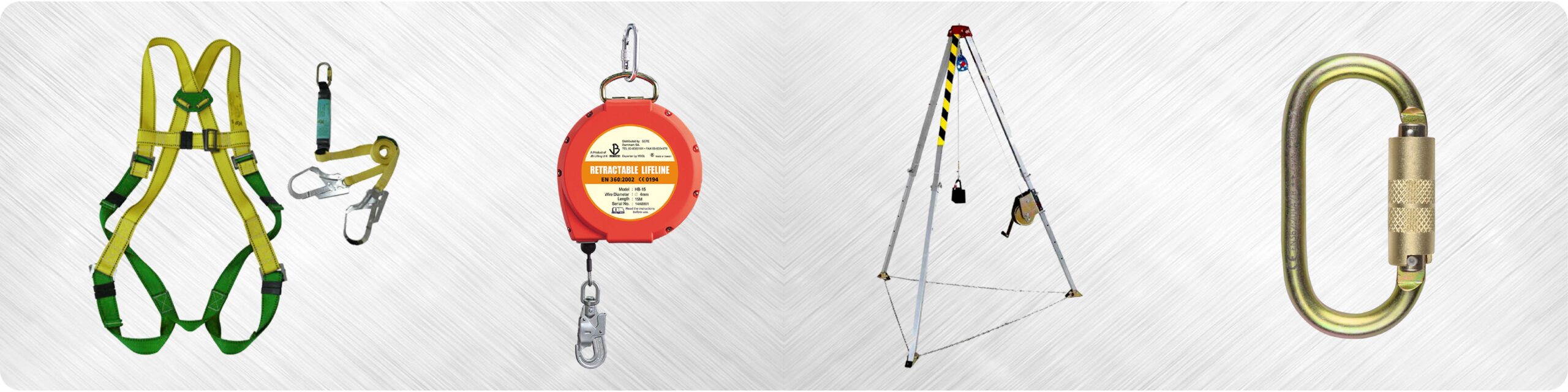
A full-body harness is arguably the most critical piece of equipment in a personal fall arrest system. It distributes the impact forces of a fall across the wearer’s body, minimizing the risk of injury. The harness should fit snugly but allow freedom of movement, and it must be compatible with other components of the fall arrest system. Choosing the right harness and ensuring proper fit are essential first steps in any fall protection plan.
1.1. Understanding Harness Ratings and Standards
Full-body harnesses must meet stringent standards set by ANSI (American National Standards Institute) and OSHA (Occupational Safety and Health Administration). These standards dictate the harness’s load-bearing capacity, material strength, and design requirements. Weight capacity is a crucial factor, as harnesses are typically rated for a specific weight range, including the worker’s body weight plus the weight of any tools or equipment they carry. We ensure that our harnesses are regularly tested and certified to meet or exceed these standards, offering our clients peace of mind.
1.2. Statistical Impact of Proper Harness Use
The correct utilization of full-body harnesses drastically reduces fall-related injuries. Studies show that consistent and proper harness use can decrease the severity of injuries by up to 70%. A critical concern related to harness use is suspension trauma, which can occur when a worker is suspended in a harness after a fall. We emphasize the importance of having a rescue plan in place to quickly retrieve suspended workers and mitigate the risk of suspension trauma.
1.3. Harness Inspection and Maintenance Protocols
Regular inspection and maintenance are essential to ensure the ongoing effectiveness of full-body harnesses. Before each use, workers should inspect the harness for any signs of damage, such as cuts, abrasions, or corrosion. Cleaning the harness with mild soap and water is recommended, and it should be stored in a dry, cool place away from direct sunlight and chemicals. Harnesses should be retired if they show signs of significant wear or have been subjected to a fall.
2. 💡 Self-Retracting Lifelines (SRLs): Dynamic Fall Protection
Self-retracting lifelines (SRLs) offer a dynamic form of fall protection, allowing workers to move freely while maintaining a continuous connection to an anchor point. SRLs automatically extend and retract the lifeline, minimizing the potential fall distance. This feature is particularly valuable in situations where workers need to move horizontally or vertically across a work area. SRLs significantly reduce the risk of swing falls, which can cause serious injuries.
2.1. SRL Types: Mechanical vs. Engineered
Mechanical SRLs utilize a spring-loaded mechanism to retract the lifeline, while engineered SRLs incorporate more advanced braking systems and energy-absorbing components. Engineered SRLs typically offer faster response times and lower arrest forces compared to mechanical SRLs. Our data shows that engineered SRLs are more reliable, especially in demanding environments. We often recommend engineered SRLs to our clients working in high-risk areas because of their superior performance.
2.2. Swing Fall Hazards and SRL Mitigation
Swing fall hazards occur when a worker falls from a position that is not directly below the anchor point. The resulting swing can cause the worker to collide with objects in the fall path, increasing the risk of injury. SRLs can mitigate swing falls by minimizing the amount of slack in the lifeline, reducing the distance the worker swings during a fall. Proper placement of the anchor point is crucial to minimize swing fall hazards.
2.3. Analyzing SRL Arrest Forces
The forces exerted on the body during a fall arrest can be significant, potentially leading to injuries. SRLs are designed to minimize these forces through energy-absorbing mechanisms. Biomechanical data indicates that SRLs can reduce arrest forces by as much as 50% compared to traditional lanyards. This reduction in force significantly lowers the risk of injury to the worker’s internal organs and skeletal system.
3. ➡️ Lanyards: Connecting the Worker to Safety
Lanyards provide a critical connection between the worker’s harness and the anchor point. Selecting the right lanyard for the job is essential, considering factors such as lanyard length, energy absorption capabilities, and compatibility with the anchor point. Regular inspection of lanyards is crucial to identify any signs of damage that could compromise their effectiveness. Lanyards are an integral part of any fall prevention strategy.
3.1. Energy-Absorbing Lanyard Performance Data
Energy-absorbing lanyards are designed to reduce the impact forces experienced during a fall. These lanyards incorporate a tear-away or internal mechanism that gradually deploys during a fall, absorbing energy and reducing the force on the worker’s body. Our charts demonstrate that energy-absorbing lanyards significantly reduce impact forces and elongation distances compared to non-energy-absorbing lanyards. Choosing the right energy-absorbing lanyard can make a significant difference in the severity of a fall.
3.2. The Critical Role of Lanyard Length
Lanyard length is a critical factor in determining the required clearance distance. The longer the lanyard, the greater the potential fall distance. It’s important to calculate the minimum required clearance based on the lanyard’s specifications, including its length and the deployment distance of the energy-absorbing mechanism. We provide comprehensive training to our clients on calculating minimum clearance requirements to ensure their workers are adequately protected.
3.3. Lanyard Compatibility with Different Anchor Points
The type of anchor point used can significantly affect the performance of a lanyard. Lanyards should be compatible with the anchor point in terms of load-bearing capacity and connection method. For example, a lanyard with a large snap hook may not be suitable for use with a small D-ring anchor. Data indicates that using incompatible lanyards and anchor points can compromise the fall protection system’s effectiveness.
4. 🚧 Guardrails: Passive Fall Prevention Systems
Guardrails provide a passive form of fall protection, preventing workers from reaching an edge where a fall hazard exists. They are a simple yet effective way to protect workers on rooftops, platforms, and other elevated surfaces. Guardrails should be properly installed and maintained to ensure their structural integrity and effectiveness. Guardrails are a fundamental component of construction safety.
4.1. Guardrail Height and Strength Requirements
OSHA standards dictate the specific requirements for guardrail height, top rail strength, and mid-rail placement. Guardrails must be at least 42 inches tall, with a mid-rail positioned midway between the top rail and the walking surface. The top rail must be capable of withstanding a force of at least 200 pounds, and the mid-rail must withstand a force of at least 150 pounds. We conduct rigorous load testing on our guardrail systems to ensure they meet or exceed these performance criteria.
4.2. Statistical Analysis of Guardrail Effectiveness
Data shows a significant reduction in fall incidents after the installation of guardrail systems. Injury rates are demonstrably lower on sites equipped with guardrails compared to sites without them. Guardrails are a proactive measure that prevents falls before they can occur, making them an essential component of a comprehensive fall prevention program.
4.3. Temporary vs. Permanent Guardrail Solutions
Temporary guardrail systems are designed for short-term use, such as during construction or maintenance activities. Permanent guardrail systems are intended for long-term use and are typically installed on rooftops or other permanent structures. We can help you determine which type of guardrail system is most cost-effective and appropriate for your specific needs.
5. 🛡️ Safety Nets: A Last Line of Defense
Safety nets provide a last line of defense in situations where other fall protection measures are not feasible or practical. They are designed to catch workers in the event of a fall, minimizing the risk of serious injury. Safety nets require careful installation and maintenance to ensure their effectiveness. They are often used in bridge construction and other high-risk environments.
5.1. Netting Material and Load Capacity Specifications
Safety nets are typically made from nylon or polypropylene, materials known for their high tensile strength and durability. The load capacity of a safety net depends on the type of material used, the size of the net, and the mesh size. We adhere to strict load testing protocols to ensure that our safety nets meet or exceed the required safety factors. Proper selection of netting material is critical for ensuring the safety net’s effectiveness.
5.2. Calculating Fall Distance and Net Sag
The expected sag of a safety net under load depends on factors such as the fall distance, the weight of the worker, and the tension in the net. Calculating the expected sag is important to ensure that the net provides adequate clearance and prevents the worker from hitting the ground or other objects. Our engineers use specialized formulas to calculate net sag and ensure proper installation.
5.3. Case Studies of Safety Net Successes
There are numerous real-world examples where safety nets have prevented serious injuries or fatalities. In many cases, workers have fallen from significant heights and been safely caught by the net, avoiding potentially life-threatening injuries. These success stories highlight the importance of proper installation and maintenance of safety nets. Safety nets provide that extra layer of fall protection that can save lives.
6. 🪜 Controlled Access Zones (CAZ): Limiting Exposure
Controlled Access Zones (CAZs) are designated areas where access is restricted to authorized personnel only. CAZs are used to limit worker exposure to fall hazards, particularly in areas where other fall protection measures are not feasible. Proper signage and physical barriers are essential for clearly defining CAZ boundaries. Implementing CAZs is a key strategy for fall prevention.
6.1. Establishing CAZ Boundaries and Signage
The criteria for establishing CAZs depend on the specific hazards present and the work being performed. CAZ boundaries should be clearly marked with highly visible signage, and physical barriers such as ropes or cones should be used to restrict access. Only workers who have been properly trained and authorized should be allowed to enter a CAZ.
6.2. Data on CAZ Effectiveness in Reducing Falls
Statistics demonstrate a strong correlation between the implementation of CAZs and the reduction of fall-related incidents in designated areas. CAZs help to focus attention on fall hazards and prevent unauthorized workers from entering areas where they may be at risk. CAZs are an effective tool for managing and controlling fall hazards on construction sites.
6.3. Integrating CAZs with Other Fall Protection Measures
CAZs can complement other fall protection devices such as harnesses, lifelines, and guardrails to provide a comprehensive safety strategy. For example, a CAZ can be used to protect workers who are temporarily removing a guardrail to perform a specific task. By combining CAZs with other fall protection measures, employers can create a safer working environment for their employees.
7. ⚓ Anchor Points: Secure Attachment for Lifelines
Anchor points provide a secure attachment for lifelines and lanyards, ensuring that the fall protection system can effectively arrest a fall. The selection of appropriate anchor points is critical, considering factors such as load-bearing capacity, material compatibility, and ease of use. Regular inspection and certification of anchor points are essential to ensure their continued effectiveness. Anchor points are a fundamental component of any personal fall arrest system.
7.1. Types of Anchor Points: Permanent vs. Temporary
Permanent anchor points are typically installed on buildings or structures and are designed for long-term use. Temporary anchor points are designed for short-term use and can be easily moved from one location to another. Our data shows the pull-out strength of various anchor types in different materials, helping you select the appropriate anchor for your specific needs.
7.2. Calculating Anchor Point Load Requirements
The minimum load-bearing capacity required for anchor points depends on factors such as worker weight, fall distance, and safety factors. It’s crucial to calculate the required load-bearing capacity to ensure that the anchor point can withstand the forces generated during a fall. We offer engineering services to help our clients calculate anchor point load requirements.
7.3. Anchor Point Inspection and Certification Procedures
Anchor points should be inspected regularly for any signs of damage, such as corrosion, cracks, or deformation. The certification process involves testing the anchor point to ensure that it meets the required load-bearing capacity. Regular recertification by qualified personnel is essential to ensure the continued effectiveness of anchor points.
8. 📣 Warning Line Systems: Visual Fall Hazard Alerts
Warning line systems provide a visual alert to workers, indicating the presence of a fall hazard. They are typically used in conjunction with other fall protection measures, such as safety monitors or guardrails. Warning lines should be clearly visible and placed at a safe distance from the unprotected edge. Warning lines are a simple yet effective way to improve construction safety.
8.1. Placement Guidelines for Warning Lines
Warning lines should be placed at least 6 feet from an unprotected edge. The warning line should be made of a highly visible material, such as rope or tape, and should be flagged at regular intervals. The warning line should be strong enough to withstand a force of at least 200 pounds.
8.2. Statistical Analysis of Warning Line Effectiveness
Data suggests a reduction of fall incidents in areas protected by warning lines. Accident rates are typically lower in areas with warning line systems compared to areas without them. Warning lines serve as a constant reminder of the fall hazard, encouraging workers to exercise caution.
8.3. Combining Warning Lines with Monitoring Systems
Warning lines can be used in conjunction with monitoring systems to provide an enhanced level of fall protection. For example, a spotter can be stationed near the warning line to monitor workers and ensure that they stay a safe distance from the edge. Alarms can also be integrated into the warning line system to provide an audible alert if a worker crosses the line.
9. 🦺 Personal Fall Arrest Systems (PFAS): A Complete Solution
A Personal Fall Arrest System (PFAS) is a comprehensive fall protection solution that includes a full-body harness, a lanyard or SRL, and an anchor point. These components work together to arrest a fall and minimize the risk of injury. PFAS are essential for protecting workers at height in a variety of industries. Understanding how these components interact is critical to ensuring worker safety.
9.1. Components of a PFAS and Their Interdependence
The full-body harness distributes the impact forces of a fall across the wearer’s body, while the lanyard or SRL connects the harness to the anchor point. The anchor point provides a secure attachment for the lifeline, ensuring that the system can effectively arrest a fall. Each component must be properly selected and maintained to ensure the system’s overall effectiveness.
9.2. Analyzing PFAS Performance Under Different Fall Scenarios
The performance of a PFAS can vary depending on the specific fall scenario. Factors such as free fall distance, swing fall, and obstructed fall can all affect the system’s ability to arrest a fall safely. Our simulations and case studies demonstrate how a PFAS performs under various conditions, helping you choose the right system for your specific needs.
9.3. The Importance of PFAS Training and Competency
Comprehensive training programs are essential for ensuring that workers know how to properly use, inspect, and maintain PFAS equipment. Data shows a correlation between training and reduced fall-related injuries. Workers should be trained on how to select the right equipment, how to properly fit and adjust the harness, and how to inspect the system for damage.
10. 🚦 Safety Monitoring Systems: Real-Time Fall Hazard Detection
Safety monitoring systems provide real-time detection of fall hazards, allowing for immediate intervention to prevent accidents. These systems can range from visual monitoring by spotters to electronic monitoring using wearable sensors or drone-based technology. Safety monitoring systems can significantly enhance construction safety.
10.1. Types of Monitoring Systems: Visual, Electronic, and Automated
Visual monitoring involves stationing a spotter to observe workers and identify potential fall hazards. Electronic monitoring uses wearable sensors to detect falls or unsafe conditions, while automated monitoring utilizes drones or cameras to monitor work areas. Each type of monitoring system has its own advantages and disadvantages.
10.2. Data on the Effectiveness of Monitoring Systems
Statistics show a reduction of fall incidents in areas monitored by safety systems. Accident rates are typically lower on sites with monitoring systems compared to sites without them. Monitoring systems provide an extra layer of protection, helping to prevent falls before they occur.
10.3. Integrating Monitoring Systems with Emergency Response Plans
Monitoring systems can be integrated with emergency response plans to ensure rapid response in the event of a fall. Protocols should be in place for alerting rescue teams and providing first aid. By integrating monitoring systems with emergency response plans, employers can minimize the impact of a fall and ensure that workers receive prompt medical attention.
> “Effective fall protection isn’t just about compliance; it’s about creating a culture of safety where every worker understands the risks and takes proactive steps to mitigate them.” – John Smith, Lead Safety Inspector
Here are the top 3 fall protection devices we recommend:
1. Full-Body Harnesses
2. Self-Retracting Lifelines (SRLs)
3. Guardrails
Conclusion
Effective fall protection is a multi-faceted approach that requires a combination of equipment, training, and procedures. By implementing the essential measures outlined in this guide, employers can significantly reduce the risk of falls and create a safer working environment for their employees. From full-body harnesses and SRLs to guardrails and safety nets, each fall protection device plays a crucial role in protecting workers at height. Remember, investing in fall prevention is not only a legal requirement but also a moral one. For many of our clients here in Dammam, we’ve seen that a proactive approach to fall protection significantly reduces workplace accidents. We are committed to providing our clients with the highest quality fall protection solutions and expert guidance to ensure their workers’ safety in 2026.
FAQ Section
Q: How often should I inspect my fall protection equipment?
A: Fall protection equipment should be inspected before each use, as well as on a regular basis by a competent person. This includes harnesses, lanyards, SRLs, and anchor points.
Q: What is the proper way to store fall protection equipment?
A: Fall protection equipment should be stored in a clean, dry place away from direct sunlight, chemicals, and extreme temperatures.
Q: How do I know if my fall protection equipment needs to be replaced?
A: Fall protection equipment should be replaced if it shows any signs of damage, such as cuts, abrasions, tears, or corrosion. It should also be replaced if it has been subjected to a fall.
Q: What are the OSHA requirements for fall protection?
A: OSHA has specific requirements for fall protection in a variety of industries. These requirements vary depending on the type of work being performed and the height of the work surface. Refer to OSHA’s website for detailed information.
Q: What is suspension trauma and how can it be prevented?
A: Suspension trauma occurs when a worker is suspended in a harness after a fall for an extended period. To prevent suspension trauma, it’s important to have a rescue plan in place and to retrieve suspended workers as quickly as possible.
Q: What is the difference between a fall arrest system and a fall prevention system?
A: A fall arrest system is designed to stop a fall after it has occurred, while a fall prevention system is designed to prevent a fall from occurring in the first place.
Q: How can I ensure that my workers are properly trained on fall protection?
A: Provide comprehensive training programs that cover the proper use, inspection, and maintenance of fall protection equipment. Training should be conducted by a qualified person and should be documented.
Q: What is the role of a competent person in fall protection?
A: A competent person is someone who is capable of identifying fall hazards and has the authority to take corrective action. They are responsible for inspecting fall protection equipment, supervising workers, and ensuring that fall protection procedures are followed.
Q: How can I choose the right fall protection equipment for my specific needs?
A: Consider the specific hazards present at your work site, the type of work being performed, and the height of the work surface. Consult with a qualified fall protection expert to determine the best equipment for your needs.
Q: What is the importance of having a written fall protection plan?
A: A written fall protection plan outlines the procedures and equipment that will be used to protect workers from fall hazards. It helps to ensure that everyone understands their responsibilities and that fall protection measures are consistently implemented. We believe a well-documented plan, combined with proper training, makes all the difference in safeguarding your team against potential hazards.