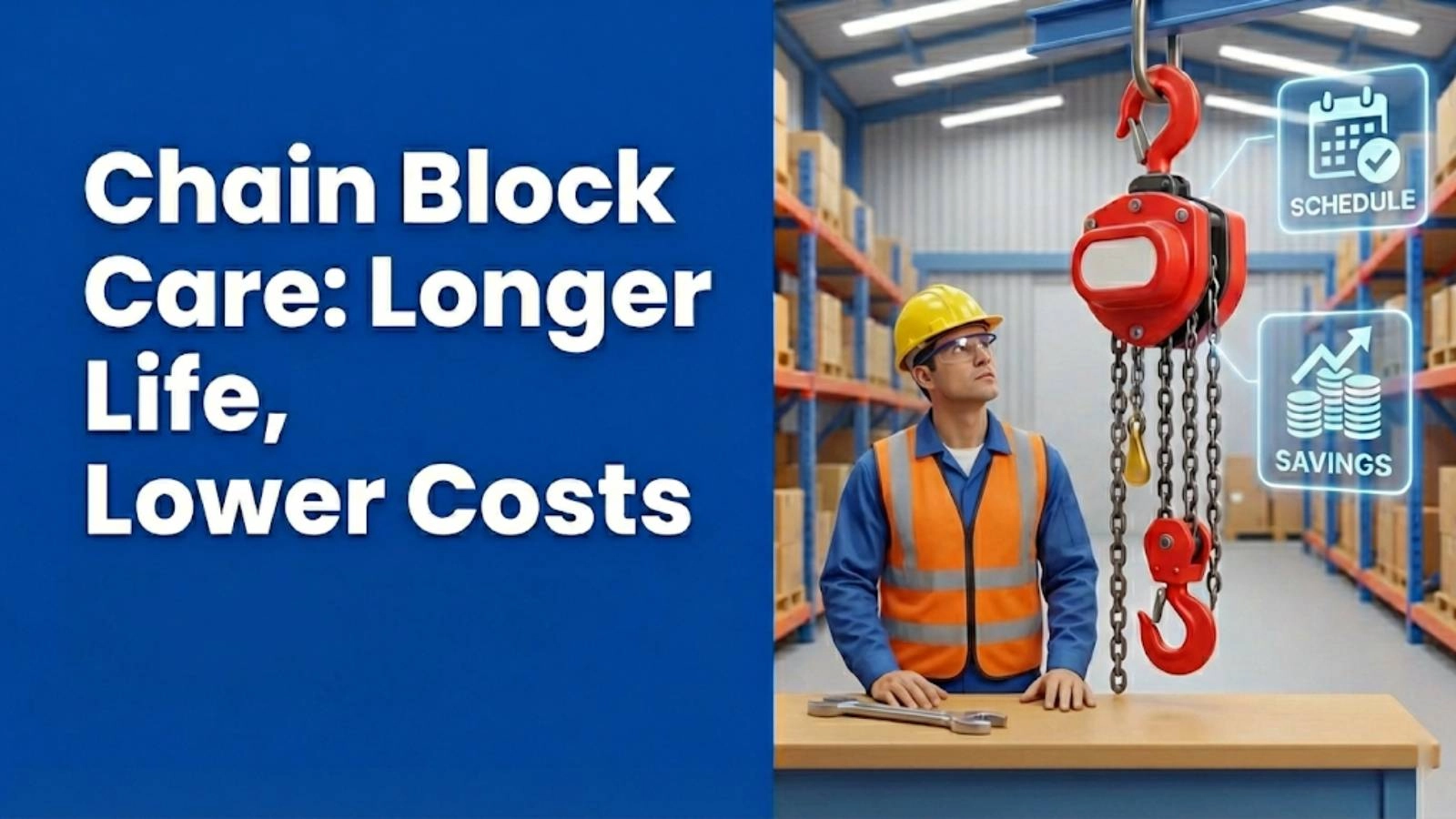
Chain block mistakes can lead to serious accidents and costly downtime. As experts in material handling safety at Safe and Secure Trading Company (SSTC), we’ve seen firsthand the consequences of neglecting proper chain block practices. This list will highlight common chain block mistakes, offering actionable advice to enhance your overhead lifting safety and prevent potential lifting equipment failures. By understanding these potential pitfalls and implementing the correct procedures, you can ensure a safer and more efficient working environment. We are committed to providing you with the knowledge and support you need to avoid these chain block blunders and maintain safe lifting practices.
1. 💡 The Silent Threat: Overlooking Pre-Lift Inspection
Why Inspection Matters
Ignoring pre-lift inspection is like skipping a vital health check-up. Small damages can escalate into significant risks, turning a routine lift into a dangerous situation. We’ve seen firsthand how a simple crack, unnoticed, can lead to catastrophic failure, endangering personnel and causing extensive property damage. Regular inspections are the cornerstone of chain block accident prevention, identifying potential issues before they become critical failures.
What to Check Before Every Lift
Visually inspect the chain for wear, nicks, twists, or stretched links, any of which can compromise its strength. Examine hooks for cracks, distortions, or damage, paying close attention to the latch mechanism. Verify the functionality of the braking mechanism, ensuring smooth operation and secure holding of the load at any point. Don’t forget to check the load capacity markings for legibility, ensuring they match the intended load and are not obscured by dirt or paint. These checks are essential for manual hoist safety and overall material handling safety.
The SSTC Protocol
At SSTC, our teams meticulously follow a pre-lift checklist, ensuring no detail is overlooked. This includes not just visual checks, but also operational tests to ensure everything functions as designed. This rigorous process has significantly reduced incidents in our Dammam operations, where we’ve seen a marked improvement in safety awareness and adherence to protocols. Our commitment to comprehensive inspection reflects our dedication to safe lifting practices.
2. ➡️ The Capacity Conundrum: Exceeding Load Limits
The Danger of Guesswork
Guessing the weight of a load is a recipe for disaster, leading to chain hoist errors that can have severe consequences. Chain blocks have specific load limits for a reason, and exceeding them puts immense stress on components. This can lead to potential failure and serious accidents, including dropped loads and injuries to personnel. It is vital to respect and adhere to the load capacity of your chain block to ensure safe hoist operation.
How to Calculate Load Weight Accurately
Use calibrated scales or consult load charts to determine the precise weight of the load. When in doubt, overestimate rather than underestimate, ensuring a safety margin. Always factor in the weight of any rigging equipment used in conjunction with the chain block, such as slings, shackles, and spreader bars. Accurate weight calculation is a fundamental aspect of overhead lifting safety.
Case Study: A Near Miss
We had a client who routinely overloaded their chain blocks, creating a hazardous work environment. It wasn’t until a near-miss incident, where a chain visibly stretched under excessive load, that they realized the severity of their mistake. We helped them implement a weight verification system, including training on load calculation and proper equipment selection, drastically improving their safety record and preventing potential lifting equipment failures.
3. ⛓️ The Chain Reaction: Ignoring Chain Maintenance
Why Chain Maintenance is Crucial
Neglecting chain maintenance is like ignoring the foundation of a building, allowing gradual degradation to compromise the entire structure. A corroded, dry, or damaged chain is a ticking time bomb, increasing the likelihood of chain block failures. Regular maintenance extends the lifespan of your chain block and significantly reduces the risk of failure, protecting your investment and ensuring safe lifting practices.
Proper Lubrication and Cleaning Techniques
Clean the chain with a suitable solvent to remove dirt, grime, and old lubricant, ensuring a clean surface for effective lubrication. Apply a high-quality chain lubricant, ensuring it penetrates all links to reduce friction and prevent corrosion. Avoid using harsh chemicals that could damage the chain’s integrity, opting for specialized lubricants designed for chain blocks. Proper lubrication and cleaning are key to chain block maintenance.
SSTC’s Recommended Lubricants
We recommend specific lubricants to our clients based on their operating environment, considering factors like temperature, humidity, and exposure to chemicals. In humid coastal regions like Jeddah, corrosion-resistant lubricants are essential to prevent rust and maintain chain integrity. We offer tailored solutions to ensure optimal chain block performance and longevity.
4. ⚓ The Anchoring Abyss: Improper Anchorage Points
Why Anchorage Matters
The anchorage point is the foundation of your lift, providing the necessary support for the entire system. A weak or unsuitable anchorage point can fail under load, causing the entire system to collapse and resulting in serious accidents. Never compromise on the quality and suitability of your anchorage, ensuring it can safely support the weight of the load. Selecting a strong and reliable anchorage point is a critical aspect of safe lifting practices.
Selecting a Safe and Secure Anchorage Point
Ensure the anchorage point is rated to handle at least five times the weight of the load being lifted, providing a significant safety margin. Inspect the anchorage for any signs of damage or weakness, such as cracks, corrosion, or distortion. Use appropriate slings or shackles to connect the chain block to the anchorage point securely, ensuring proper alignment and load distribution. Proper selection and inspection of anchorage points are crucial for overhead lifting safety.
Real-World Example: A Costly Oversight
One of our partners learned this lesson the hard way when an unrated beam was used as an anchor point, leading to a dangerous situation. The beam buckled under the load, causing significant damage and delaying the project. Proper assessment and verification are key, ensuring all anchorage points meet the required safety standards. This incident highlights the importance of thorough planning and adherence to regulations.
5. ⚠️ The Slack Saga: Unnecessary Chain Slack
The Perils of Slack
Excessive chain slack introduces shock loading during lifting, placing undue stress on the chain block’s components. This sudden jolt of force can exceed the chain block’s capacity and cause component failure, potentially leading to dropped loads and injuries. Minimizing chain slack is essential for safe and controlled lifting operations.
Techniques for Minimizing Slack
Take up the slack gradually and smoothly, avoiding jerky or abrupt movements. Ensure the load is properly balanced before lifting, preventing uneven weight distribution. Use a spotter to monitor the chain and load, ensuring proper alignment and tension. These techniques help prevent shock loading and promote safe hoist operation.
SSTC Training Tip
During our training sessions, we emphasize the importance of controlled movements and gradual tensioning of the chain, helping our clients avoid chain hoist errors. This helps prevent shock loading and ensures smoother, safer lifts, minimizing the risk of accidents. Our training programs are designed to enhance material handling safety and promote best practices.
6. 🧤 The Hand Hazard: Incorrect Hand Placement
Why Hand Placement is Important
Improper hand placement can lead to pinched fingers, crushed hands, or even more serious injuries during hoist operation. Always maintain a safe distance from moving parts, protecting yourself from potential hazards. Following safe hand placement techniques is crucial for preventing accidents and ensuring personal safety.
Safe Hand Placement Techniques
Keep your hands clear of the load chain and any pinch points, avoiding direct contact with moving components. Use a gloved hand to guide the chain if necessary, but avoid gripping it tightly, reducing the risk of injury. Use appropriate tools or handles to operate the chain block, maintaining a safe distance from the load.
Expert Quote
“Always respect the power of lifting equipment. A moment of carelessness can lead to a lifetime of regret.” – Abdulaziz Al-Saud, SSTC Safety Manager
7. 🚫 The Angle Anomaly: Side Loading Dangers
Why Side Loading is Risky
Side loading occurs when the load is not directly aligned with the chain block, creating uneven stress on components. This reduces the lifting capacity and increases the risk of failure, potentially causing the chain to snap or the load to drop. Avoiding side loading is crucial for maintaining the integrity of the chain block and ensuring safe lifting practices.
How to Avoid Side Loading
Ensure the load is directly below the chain block, maintaining vertical alignment at all times. Use a spreader bar or other rigging equipment to maintain vertical alignment, distributing the load evenly. Adjust the lifting setup to eliminate any angles or lateral forces on the chain block.
Statistic You Can’t Ignore
According to a recent study by the Industrial Safety Council, 35% of chain block failures are attributed to side loading, highlighting the significant risk associated with this practice. This statistic underscores the importance of proper alignment and load distribution in overhead lifting safety.
8. 🌧️ The Environment Enemy: Ignoring Environmental Factors
Why Environment Matters
Harsh environmental conditions, such as extreme temperatures, humidity, or corrosive substances, can significantly degrade the chain block’s components and reduce its lifespan. Corrosion, rust, and material fatigue can compromise the chain block’s strength and increase the risk of failure. Protecting your chain block from the elements is essential for maintaining its performance and ensuring safe operation.
Protecting Your Chain Block from the Elements
Store the chain block in a dry, protected area when not in use, shielding it from moisture and extreme temperatures. Use corrosion-resistant coatings in harsh environments, preventing rust and degradation. Regularly inspect the chain block for signs of corrosion or damage, addressing any issues promptly. These measures help prolong the lifespan of your chain block and ensure its reliability.
SSTC’s Custom Solutions
For clients operating in highly corrosive environments like oil refineries in Jubail, we offer chain blocks with specialized coatings and materials that withstand harsh chemicals. Our custom solutions are designed to provide superior protection and ensure long-term performance in demanding conditions. We are committed to providing tailored solutions to meet your specific needs.
9. 📅 The Record-Keeping Riddle: Lack of Maintenance Logs
Why Logs are Essential
Detailed maintenance logs provide a valuable record of inspections, repairs, and servicing, offering insights into the chain block’s performance. This information helps track the chain block’s performance, identify potential problems early, and ensure compliance with chain block regulations. Comprehensive record-keeping is essential for proactive maintenance and safe hoist operation.
What to Include in Your Maintenance Log
Record the date of each inspection, the findings, any repairs performed, and the name of the person who conducted the inspection. Note any replacement parts used and their specifications, providing a detailed history of the chain block’s maintenance. Include any relevant observations or recommendations for future maintenance.
SSTC’s Digital Logging System
We encourage our clients to utilize digital logging systems for easier tracking and analysis of maintenance data, streamlining the process and improving efficiency. This allows for proactive maintenance planning and reduces the risk of unexpected lifting equipment failures. Our digital logging system promotes transparency and accountability, enhancing overall material handling safety.
Conclusion
Avoiding these chain block mistakes is crucial for ensuring safe and efficient lifting operations. From thorough pre-lift inspections and accurate load calculations to proper chain maintenance and secure anchorage points, every step plays a vital role in preventing accidents and protecting personnel. Remember the importance of minimizing chain slack, using correct hand placement, and avoiding side loading to maintain the integrity of your equipment. Environmental factors and diligent record-keeping also contribute to the longevity and reliability of your chain blocks. We, at SSTC, are dedicated to providing comprehensive solutions for safe and secure trading.
FAQ Section
Q: How often should I inspect my chain block?
A: We recommend inspecting your chain block before each use and conducting a more thorough inspection at least every three months, or more frequently depending on the usage and operating environment.
Q: What are the signs of a worn or damaged chain?
A: Look for signs of wear, nicks, twists, stretched links, corrosion, or any other visible damage. If you notice any of these issues, remove the chain block from service immediately and have it inspected by a qualified technician.
Q: What type of lubricant should I use on my chain block?
A: Use a high-quality chain lubricant specifically designed for chain blocks. Avoid using harsh chemicals that could damage the chain’s integrity. We can provide recommendations based on your specific operating environment.
Q: How do I determine the correct load capacity for my chain block?
A: The load capacity is clearly marked on the chain block. Never exceed this limit. If you are unsure of the weight of the load, use calibrated scales or consult load charts.
Q: What should I do if my chain block fails during a lift?
A: Immediately stop the lift and assess the situation. Do not attempt to repair the chain block yourself unless you are a qualified technician. Contact us for professional inspection and repair services.
Q: How can I prevent side loading?
A: Ensure the load is directly below the chain block, maintaining vertical alignment at all times. Use a spreader bar or other rigging equipment to maintain vertical alignment if necessary.
Q: What are the regulations regarding chain block usage?
A: Chain block regulations vary depending on your location and industry. We recommend consulting with your local safety authority or industry association to ensure compliance. We can also assist you in understanding and meeting these requirements.
Q: How do I properly store my chain block?
A: Store the chain block in a dry, protected area when not in use. Clean and lubricate the chain before storing it to prevent corrosion.
Q: What training is required for chain block operators?
A: Chain block operators should receive proper training on safe operating procedures, including pre-lift inspections, load calculation, and hazard identification. We offer comprehensive training programs to meet your specific needs.
Q: How do I dispose of a damaged or worn-out chain block?
A: Dispose of damaged or worn-out chain blocks according to your local regulations. We can provide guidance on proper disposal methods and recycling options.