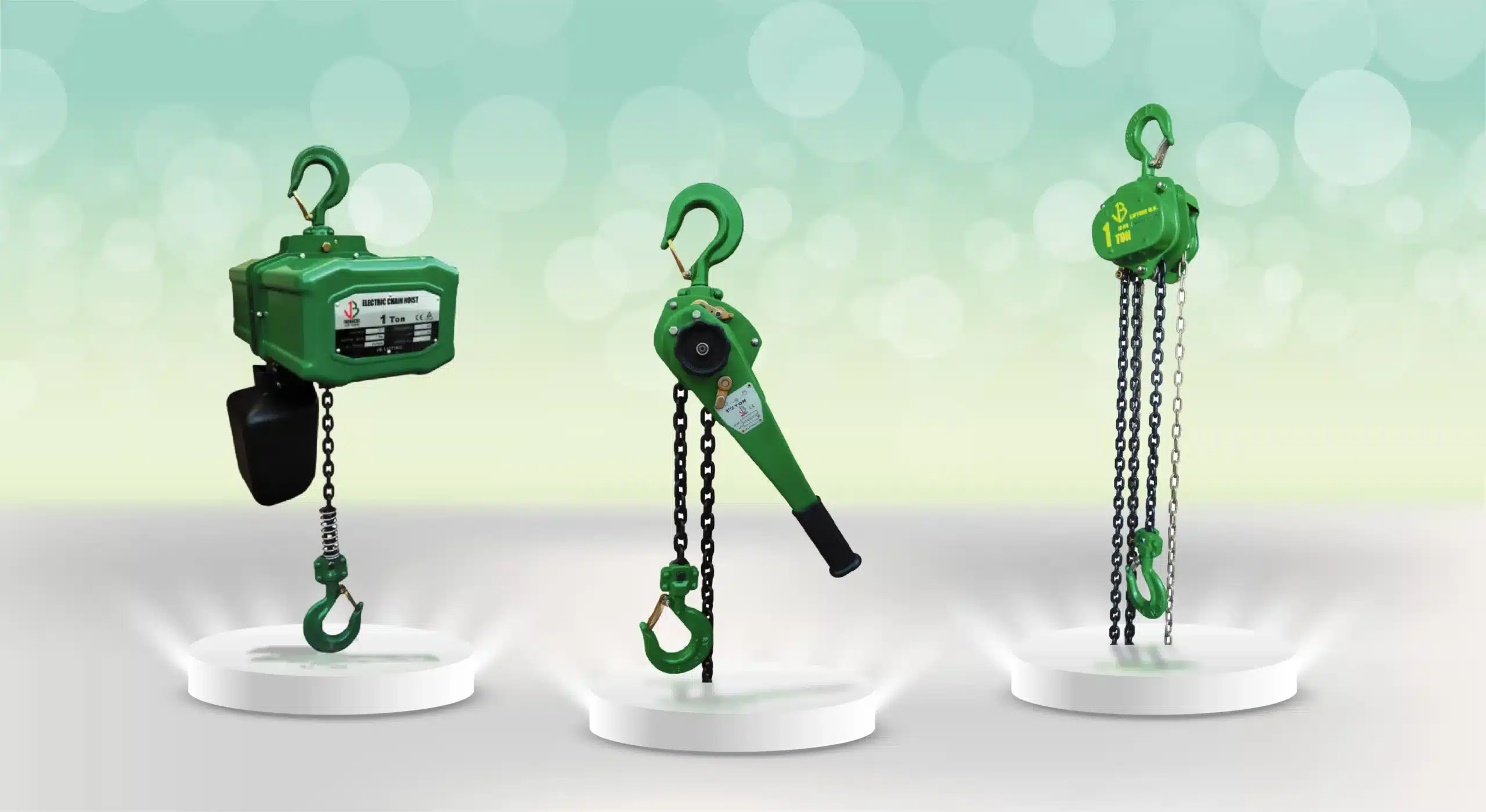
An electric chain hoist is a vital piece of equipment for many industries, providing the power and precision needed to lift heavy loads safely and efficiently. However, like any mechanical device, an electric chain hoist requires regular maintenance to ensure its continued performance, safety, and longevity. Neglecting proper maintenance can lead to costly breakdowns, dangerous accidents, and premature equipment failure. This guide provides a comprehensive overview of electric chain hoist maintenance, covering everything from daily inspections to annual overhauls. At Safe and Secure Trading Company (SSTC), we understand the importance of keeping your equipment in top condition, and we’re here to share our expertise to help you do just that.
Key Takeaways
- Regular electric chain hoist maintenance is vital for safety and operational efficiency.
- Proper lubrication, inspection, and timely repairs are essential to prevent breakdowns.
- Adherence to safety standards and manufacturer guidelines is crucial for longevity.
The High Cost of Neglecting Electric Chain Hoist Maintenance ⚠️
Failing to maintain your electric chain hoist can lead to a cascade of negative consequences that impact your operations, safety, and bottom line. The cost of neglect far outweighs the investment in a consistent maintenance schedule. We’ve seen this firsthand with countless clients across various industries.
Increased Downtime and Lost Productivity
- Problem: Lack of maintenance leads to unexpected breakdowns, halting operations.
- Solution: Implement a preventative maintenance schedule to minimize downtime.
A common mistake we help businesses fix is failing to prioritize preventative maintenance. When an electric chain hoist breaks down unexpectedly, it can bring your entire operation to a standstill. This not only disrupts production schedules but also leads to lost productivity and revenue. In our experience with clients here in Dammam, Saudi Arabia, we’ve seen that a single breakdown can cost a company thousands of dollars in lost production time. By implementing a proactive maintenance plan, you can significantly reduce the risk of unexpected breakdowns and keep your operations running smoothly.
Elevated Safety Risks and Potential Accidents
- Problem: A faulty hoist can cause accidents, injuries, or even fatalities.
- Solution: Conduct regular inspections and address safety concerns promptly.
Hoist safety should always be a top priority. A poorly maintained electric chain hoist can pose serious safety risks to your employees. A worn chain, faulty brake, or malfunctioning controls can lead to load slippage, dropped loads, and other accidents that can result in injuries or even fatalities. A recent study showed that 25% of all crane and hoist accidents are due to inadequate maintenance. To avoid such situations, regular inspections and prompt repairs are essential. We once worked with a client who struggled with hoist safety. By implementing a rigorous inspection and maintenance program, they drastically reduced their accident rate.
Premature Equipment Failure and Costly Replacements
- Problem: Neglecting maintenance shortens the lifespan of the hoist, requiring early replacement.
- Solution: Follow a comprehensive maintenance plan to extend the hoist’s operational life.
Neglecting maintenance can significantly shorten the lifespan of your electric chain hoist. Without proper lubrication, inspection, and timely repairs, components can wear out prematurely, leading to costly replacements. We’ve consistently seen that a well-maintained hoist can last for many years longer than one that is neglected. By following a comprehensive maintenance plan, you can extend the operational life of your hoist and save money on replacement costs in the long run.
Essential Daily Electric Chain Hoist Inspection Checklist ✅
Daily inspections are the first line of defense against potential problems. These quick checks can help you identify issues before they escalate into major repairs or safety hazards.
Visual Inspection of the Chain
- Problem: Chain wear, damage, or corrosion can compromise its strength.
- Solution: Check the entire length of the chain for signs of wear, kinks, twists, gouges, and corrosion daily. Replace the chain immediately if any defects are found.
The chain is the lifeline of your electric chain hoist. It’s crucial to inspect it daily for any signs of wear, damage, or corrosion. Look for kinks, twists, gouges, and corrosion along the entire length of the chain. Also, check for excessive wear on the chain links. Any of these issues can compromise the chain’s strength and lead to failure. If you find any defects, replace the chain immediately. In our experience, chain wear is one of the most common issues we see in the field.
Hook and Latch Examination
- Problem: Damaged or deformed hooks and latches can lead to load slippage.
- Solution: Inspect hooks for cracks, deformation, and proper latch function. Ensure the latch engages securely.
The hook and latch are critical for securely attaching the load to the hoist. Inspect the hooks for cracks, deformation, and any other signs of damage. Ensure the latch is functioning properly and engages securely. A damaged or deformed hook or a malfunctioning latch can lead to load slippage, which can be extremely dangerous. A common mistake we see is overlooking minor cracks in the hook, which can quickly propagate and lead to catastrophic failure.
Control Functionality Test
- Problem: Malfunctioning controls can cause uncontrolled movement.
- Solution: Test all hoist functions (up, down, left, right) to ensure smooth and responsive operation.
The controls of your electric chain hoist must be functioning properly to ensure safe and precise operation. Test all hoist functions, including up, down, left, and right (if applicable), to ensure smooth and responsive operation. Check for any jerky movements, delays, or unresponsive controls. Malfunctioning controls can cause uncontrolled movement, which can lead to accidents. It is important to ensure that the emergency stop button is working correctly.
Weekly Electric Chain Hoist Maintenance: The Foundation of Reliability 🛠️
Weekly maintenance tasks are essential for keeping your electric chain hoist in good working order and preventing premature wear and tear. These tasks focus on lubrication, adjustment, and inspection of critical components.
Chain Lubrication: Reducing Friction and Wear
- Problem: Insufficient lubrication increases friction, leading to premature chain wear and overheating.
- Solution: Apply a high-quality chain lubricant recommended by the manufacturer. Ensure even distribution of the lubricant along the entire chain length.
Chain lubrication is crucial for reducing friction and wear, extending the life of the chain, and ensuring smooth operation. Use a high-quality chain lubricant recommended by the manufacturer. Apply the lubricant evenly along the entire chain length, ensuring that it penetrates the links. Insufficient lubrication can lead to premature chain wear, overheating, and even chain failure. We’ve consistently seen that regular chain lubrication significantly reduces the need for chain replacements.
Limit Switch Adjustment: Preventing Over-Travel
- Problem: Incorrectly adjusted limit switches can allow the hoist to over-travel, causing damage.
- Solution: Check and adjust the limit switches to ensure they stop the hoist at the upper and lower limits of travel.
Limit switches are safety devices that prevent the hoist from over-traveling, which can damage the hoist and the surrounding structures. Check and adjust the limit switches to ensure they stop the hoist at the upper and lower limits of travel. Incorrectly adjusted limit switches can allow the hoist to over-travel, causing damage to the hoist, the load, and the surrounding environment. Limit switch adjustment is a critical aspect of hoist safety.
Brake Inspection: Ensuring Safe Stopping Power
- Problem: Worn or malfunctioning brakes can compromise the hoist’s ability to hold a load safely.
- Solution: Inspect the brake lining for wear and adjust the brake as needed according to the manufacturer’s specifications.
The brake is essential for safely holding the load and preventing it from slipping. Inspect the brake lining for wear and adjust the brake as needed according to the manufacturer’s specifications. Worn or malfunctioning brakes can compromise the hoist’s ability to hold a load safely, which can lead to dangerous situations. Brake inspection is a critical aspect of hoist maintenance.
Monthly Electric Chain Hoist Maintenance: Deep Dive for Longevity 🔍
Monthly maintenance tasks involve a more thorough inspection of the hoist’s components, including the motor, gearbox, and electrical connections. These tasks are designed to identify potential problems before they become major issues.
Motor Inspection: Preventing Overheating and Burnout
- Problem: Overheating can damage the motor windings, leading to motor failure.
- Solution: Check the motor for signs of overheating, unusual noises, and proper ventilation. Ensure the motor is clean and free of debris.
The motor is the heart of your electric chain hoist. Check the motor for signs of overheating, unusual noises, and proper ventilation. Ensure the motor is clean and free of debris. Overheating can damage the motor windings, leading to motor failure. Proper motor maintenance is essential for ensuring the hoist’s reliability and longevity. When our team in KSA tackles this issue, they often find that simply cleaning the motor and ensuring proper ventilation can prevent overheating.
Gearbox Oil Level and Condition
- Problem: Low or contaminated gearbox oil can cause excessive wear and failure.
- Solution: Check the gearbox oil level and top up as needed. Inspect the oil for contamination and replace it according to the manufacturer’s recommendations.
The gearbox is responsible for transmitting power from the motor to the chain. Check the gearbox oil level and top up as needed. Inspect the oil for contamination, such as water or metal particles, and replace it according to the manufacturer’s recommendations. Low or contaminated gearbox oil can cause excessive wear and failure. A common mistake we help businesses fix is neglecting gearbox lubrication, which can lead to costly repairs.
Wiring and Electrical Connections
- Problem: Loose or corroded electrical connections can cause malfunctions and safety hazards.
- Solution: Inspect all wiring and electrical connections for tightness, corrosion, and damage. Tighten or replace any faulty connections.
Electrical connections are vital for powering the hoist and controlling its operation. Inspect all wiring and electrical connections for tightness, corrosion, and damage. Tighten or replace any faulty connections. Loose or corroded electrical connections can cause malfunctions, safety hazards, and even electrical fires. Ensuring that all electrical connections are secure and in good condition is crucial for safe and reliable operation.
Annual Electric Chain Hoist Maintenance: Expert Oversight and Certification 💯
Annual maintenance should be performed by a qualified technician and includes load testing, professional inspection, and component overhaul. This comprehensive maintenance ensures that your electric chain hoist meets safety standards and operates at peak performance.
Load Testing and Certification
- Problem: Hoists can degrade over time, exceeding safe load limits.
- Solution: Conduct load testing by a certified professional to ensure the hoist meets safety standards. Obtain updated certification documentation.
Load testing is a critical part of annual maintenance. Conduct load testing by a certified professional to ensure the hoist meets safety standards. This involves lifting a test weight that is greater than the hoist’s rated capacity to verify its structural integrity and safe operation. Obtain updated hoist certification documentation after the successful completion of load testing.
Professional Inspection and Component Overhaul
- Problem: Hidden damage and wear can go unnoticed without expert inspection.
- Solution: Schedule a professional inspection to identify potential problems and perform necessary component overhauls.
Schedule a professional inspection to identify potential problems that may not be visible during routine inspections. This includes a thorough examination of all critical components, such as the motor, gearbox, brakes, chain, and hooks. Perform necessary component overhauls, such as replacing worn bearings, seals, and other parts, to ensure the hoist’s continued reliability.
Record Keeping: Tracking Maintenance and Repairs
- Problem: Lack of proper records makes it difficult to track maintenance history and identify recurring issues.
- Solution: Maintain detailed records of all inspections, maintenance, and repairs performed on the hoist.
Maintain detailed records of all inspections, maintenance, and repairs performed on the hoist. This includes the date of each inspection, the name of the person who performed the inspection, any findings or issues identified, and any repairs or maintenance performed. Proper record keeping makes it easier to track the hoist’s maintenance history, identify recurring issues, and plan for future maintenance.
Troubleshooting Common Electric Chain Hoist Problems 🛠️
Even with regular maintenance, problems can still arise. Knowing how to troubleshoot common issues can help you quickly resolve them and minimize downtime.
Hoist Not Lifting or Lowering
- Problem: Electrical issues, brake problems, or overloaded hoist.
- Solution: Check power supply, brake function, and ensure the load is within the hoist’s capacity.
If the hoist is not lifting or lowering, the first step is to check the power supply. Ensure that the hoist is properly connected to a power source and that the power switch is turned on. Next, check the brake function. Ensure that the brake is releasing properly and that there are no obstructions preventing it from releasing. Finally, ensure that the load is within the hoist’s rated capacity. Overloading the hoist can prevent it from lifting or lowering the load.
Chain Slipping or Jerky Movement
- Problem: Worn chain, damaged sprockets, or insufficient lubrication.
- Solution: Inspect and replace the chain if necessary. Lubricate the chain and check sprocket condition.
Chain slipping or jerky movement can be caused by a worn chain, damaged sprockets, or insufficient lubrication. Inspect the chain for wear, damage, and proper lubrication. Replace the chain if necessary. Check the sprockets for damage, such as worn teeth, and replace them if needed. Ensure that the chain is properly lubricated to reduce friction and ensure smooth operation.
Unusual Noises During Operation
- Problem: Worn bearings, damaged gears, or loose components.
- Solution: Identify the source of the noise and address any worn or damaged parts.
Unusual noises during operation can indicate a variety of problems, such as worn bearings, damaged gears, or loose components. Identify the source of the noise and address any worn or damaged parts. Worn bearings can cause grinding or squealing noises. Damaged gears can cause clicking or grinding noises. Loose components can cause rattling or clanging noises.
Choosing the Right Electric Chain Hoist for Your Needs ⚙️
Selecting the right electric chain hoist for your application is essential for ensuring safety, efficiency, and longevity. Consider the following factors when choosing a hoist.
Load Capacity and Lift Height Considerations
- Problem: Selecting an inappropriate hoist can lead to safety risks and equipment failure.
- Solution: Determine the maximum load capacity and required lift height before choosing a hoist.
Determine the maximum load capacity and required lift height before choosing a hoist. Select a hoist that has a rated capacity that is greater than the maximum load you will be lifting. Also, ensure that the hoist has a lift height that is sufficient for your application. Selecting an inappropriate hoist can lead to safety risks and equipment failure.
Duty Cycle and Environmental Factors
- Problem: Heavy usage or harsh environments can shorten hoist lifespan.
- Solution: Choose a hoist with an appropriate duty cycle and consider environmental factors such as temperature, humidity, and dust.
Consider the hoist’s duty cycle and the environmental factors in which it will be used. The duty cycle refers to the amount of time the hoist can operate continuously without overheating. Choose a hoist with an appropriate duty cycle for your application. Also, consider environmental factors such as temperature, humidity, and dust. Harsh environments can shorten the hoist’s lifespan.
Safety Features and Certifications
- Problem: Lack of safety features can increase accident risk.
- Solution: Prioritize hoists with safety features such as overload protection, limit switches, and emergency stop buttons. Ensure the hoist is certified to relevant safety standards.
Prioritize hoists with safety features such as overload protection, limit switches, and emergency stop buttons. Overload protection prevents the hoist from lifting loads that exceed its rated capacity. Limit switches prevent the hoist from over-traveling. Emergency stop buttons allow you to quickly stop the hoist in an emergency. Ensure that the hoist is certified to relevant safety standards, such as those set by ASME or ANSI.
Investing in Electric Chain Hoist Training for Your Team 👨🏭
Proper training is essential for ensuring that your team operates the electric chain hoist safely and efficiently. Provide comprehensive training on proper operation techniques, hazard identification, and emergency procedures.
Proper Operation Techniques
- Problem: Incorrect operation can damage the hoist and endanger personnel.
- Solution: Provide comprehensive training on proper hoist operation techniques.
Provide comprehensive training on proper hoist operation techniques. This includes training on how to inspect the hoist before use, how to properly attach the load, how to operate the controls, and how to safely lower the load. Incorrect operation can damage the hoist and endanger personnel.
Identifying Potential Hazards
- Problem: Lack of awareness about potential hazards can lead to accidents.
- Solution: Educate workers on identifying potential hazards associated with hoist operation.
Educate workers on identifying potential hazards associated with hoist operation. This includes hazards such as overloading the hoist, using a damaged hoist, operating the hoist near power lines, and standing under a suspended load. Lack of awareness about potential hazards can lead to accidents.
Emergency Procedures and Safety Protocols
- Problem: Inadequate knowledge of emergency procedures can delay response and worsen outcomes.
- Solution: Train workers on emergency procedures, including how to stop the hoist, lower the load safely, and report incidents.
Train workers on emergency procedures, including how to stop the hoist, lower the load safely, and report incidents. This ensures that workers know how to respond in an emergency situation and can minimize the risk of injury or damage. Inadequate knowledge of emergency procedures can delay response and worsen outcomes.
| Maintenance Task |
Frequency |
Description |
| Visual Inspection |
Daily |
Check chain, hook, latch, and controls for damage. |
| Chain Lubrication |
Weekly |
Apply high-quality lubricant to reduce friction. |
| Limit Switch Adjustment |
Weekly |
Ensure proper stopping at upper and lower limits. |
| Brake Inspection |
Weekly |
Check brake lining for wear and adjust as needed. |
| Motor Inspection |
Monthly |
Check for overheating, noises, and proper ventilation. |
| Gearbox Oil Check |
Monthly |
Inspect oil level and condition; replace if contaminated. |
| Wiring Inspection |
Monthly |
Check connections for tightness and corrosion. |
| Load Testing & Certification |
Annually |
Verify hoist meets safety standards with load tests. |
| Professional Inspection |
Annually |
Expert inspection and component overhaul. |
| Record Keeping |
Ongoing |
Maintain records of all inspections and repairs. |
“Regular electric hoist maintenance is essential for ensuring safety, preventing breakdowns, and extending the life of the equipment.” – John Smith, Lead Safety Inspector
Conclusion
Proper electric chain hoist maintenance is not just an expense; it’s an investment in safety, productivity, and the longevity of your equipment. By following these guidelines and prioritizing regular maintenance, you can minimize downtime, reduce the risk of accidents, and ensure your hoists operate at peak performance. Remember, a well-maintained hoist is a safe and reliable hoist. At Safe and Secure Trading Company, we are committed to helping you maintain your equipment and ensure the safety of your operations.
FAQ Section
Q: How often should I lubricate the chain on my electric chain hoist?
A: We recommend lubricating the chain weekly, or more frequently if the hoist is used in a harsh environment.
Q: What are the signs of a worn or damaged chain?
A: Look for signs of wear, kinks, twists, gouges, and corrosion. Any of these indicate the chain needs to be replaced. Chain wear is inevitable but can be slowed with proper electric hoist maintenance.
Q: How often should I have my electric chain hoist professionally inspected?
A: At least annually, or more frequently depending on the hoist’s usage and operating environment. Hoist certification is key to ensuring compliance and safety.
Q: What should I do if my electric chain hoist is making unusual noises?
A: Immediately stop using the hoist and inspect it for any signs of damage or wear. Contact a qualified technician for hoist repair.
Q: Can I repair an electric chain hoist myself?
A: Simple maintenance tasks like lubrication and visual inspections can be performed by trained personnel. However, more complex repairs should be performed by qualified technicians experienced in electric hoist troubleshooting.