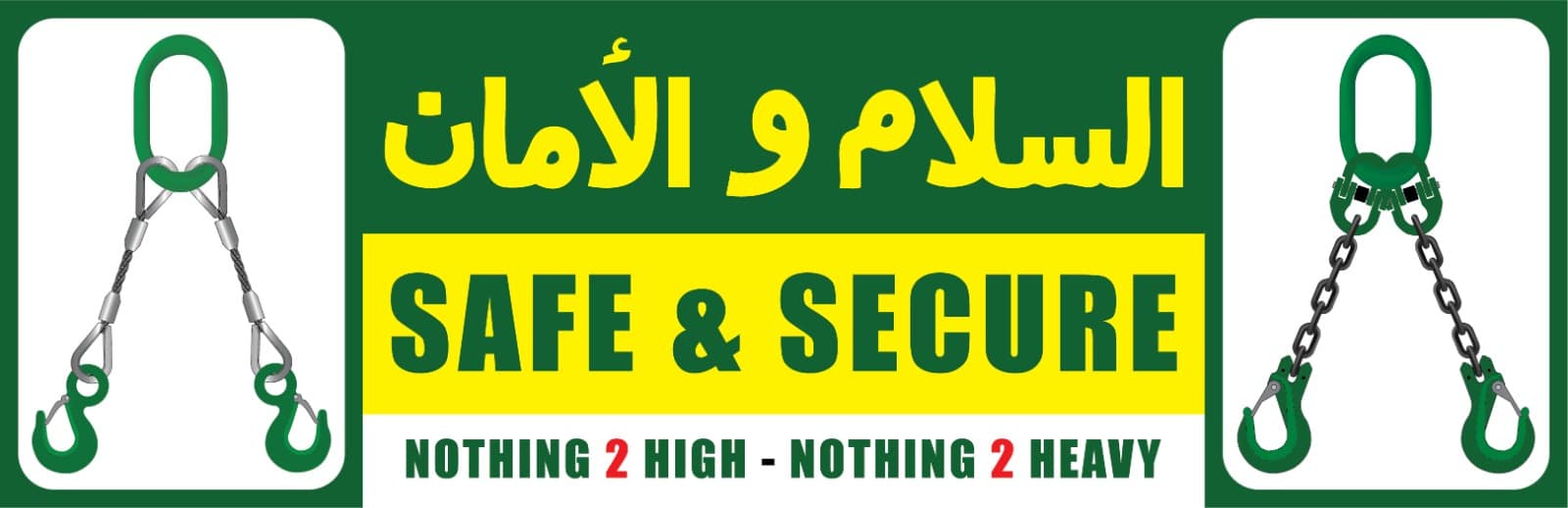
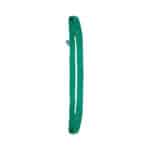
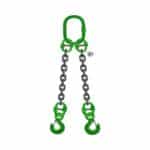
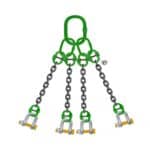
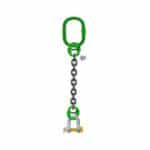
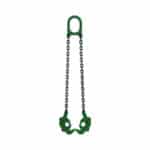
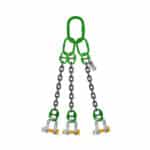
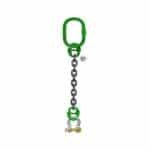
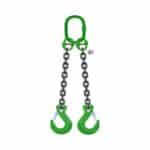
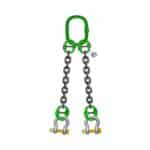
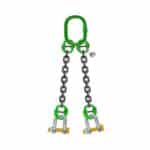
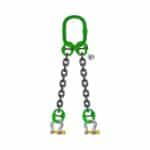
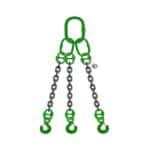
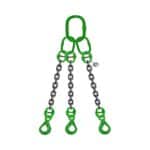
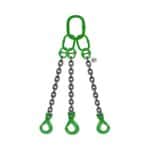
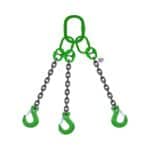
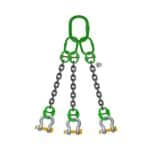
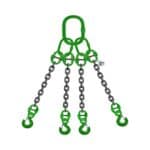
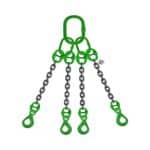
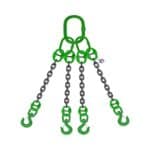
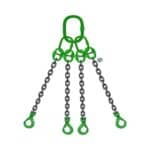
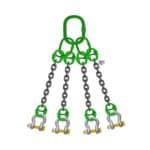
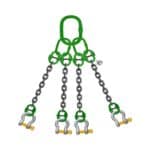
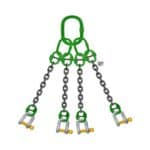
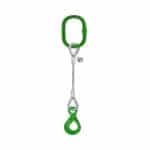
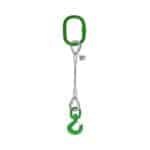
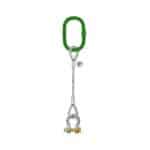
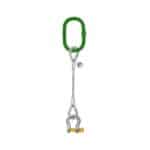
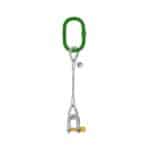
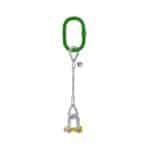
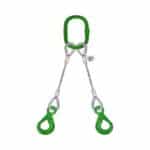
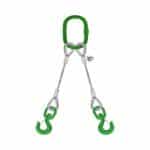
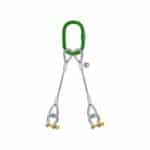
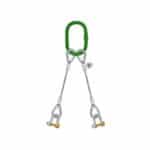
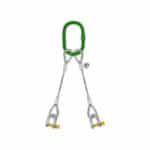
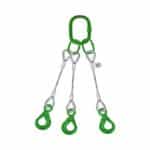
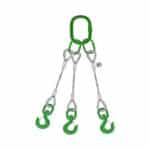
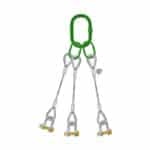
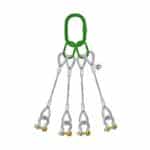
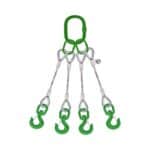
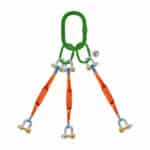
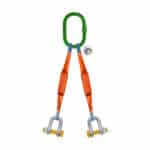
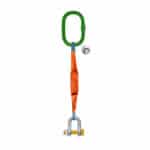
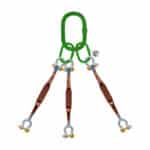
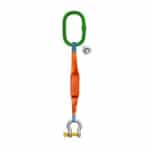
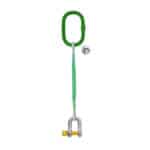
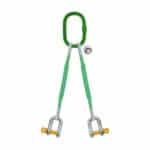
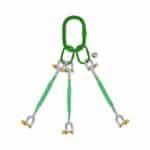
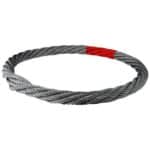
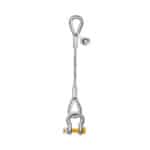
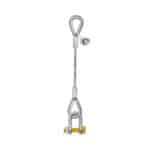
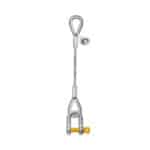
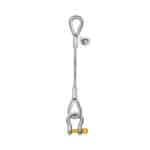
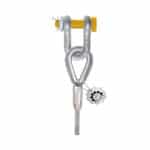
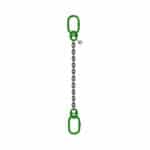
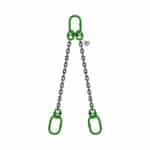
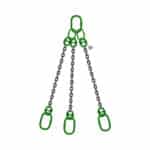
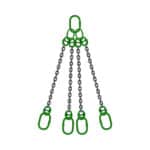
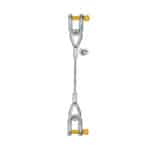
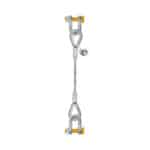
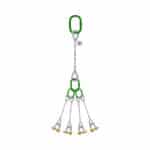
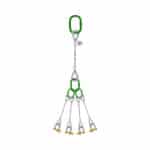
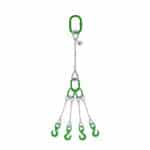
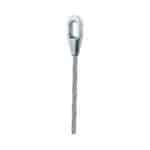
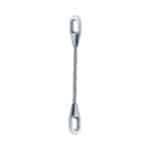
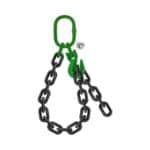
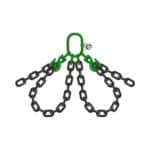
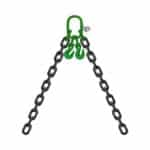
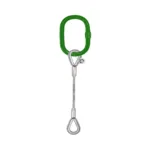
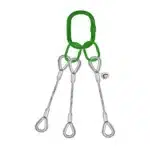
Chain slings are indispensable tools in various lifting operations, providing the strength and flexibility needed to hoist heavy loads safely and efficiently. Understanding the nuances of chain sling components is paramount for anyone involved in overhead lifting, and especially for those responsible for ensuring workplace safety.
Each component, from the master link to the sling hook, plays a vital role in the overall integrity of the sling assembly. Overlooking the importance of these individual parts can lead to serious accidents, equipment damage, and potentially fatal consequences.
Unfortunately, many individuals and companies make preventable errors when it comes to selecting, inspecting, and maintaining chain sling components. These errors range from neglecting proper identification and rating to using makeshift repairs or unapproved parts. Our goal is to provide a comprehensive guide to help you avoid these common pitfalls and ensure the safe and reliable use of chain slings in your operations. We at Safe and Secure Trading Company (SSTC) have seen firsthand the results of both proper and improper use, and this is intended to share our expertise with you.
Mistake #1: Neglecting Proper Identification and Rating
One of the most critical aspects of using chain slings safely is ensuring that you are always aware of the Working Load Limit (WLL). The Working Load Limit, often referred to as the load capacity, represents the maximum weight a sling can safely lift in a specific configuration. Exceeding this limit can cause the sling to fail, leading to dropped loads, equipment damage, and potential injuries.
Using a sling with an obscured or missing identification tag is equally dangerous. Without a clearly marked WLL, it becomes impossible to determine the sling’s safe lifting capacity, increasing the risk of overloading and subsequent failure. We’ve seen this happen all too often, even with experienced crews.
To properly identify the WLL and other crucial information, always locate the identification tag attached to the chain sling. This tag should clearly indicate the WLL for various sling configurations, as well as other important details such as the sling’s serial number, manufacturing date, and grade of alloy chain. Relying on visual estimation alone is a grave mistake, as it is nearly impossible to accurately determine a sling’s capacity without the information provided on the tag. The WLL must always be clearly visible and legible.
Imagine a scenario where a construction crew needs to lift a precast concrete beam weighing approximately 8,000 kilograms. They select a chain sling that appears to be adequately sized, but the identification tag is missing. Without knowing the WLL, they proceed with the lift. Unbeknownst to them, the sling’s actual WLL is only 6,000 kilograms. As the beam is lifted, the chain sling is subjected to forces far exceeding its capacity. Under the excessive stress, a master link fails catastrophically, sending the concrete beam crashing to the ground. The incident results in significant property damage and, fortunately, only minor injuries to the workers nearby. Had the crew taken the time to properly identify the sling’s WLL, or used a sling with a legible tag, this accident could have been avoided.
Mistake #2: Choosing the Wrong Type of Master Link or Sling Hook
The selection of appropriate chain sling components, such as master links and sling hooks, is crucial for ensuring both safety and efficiency in lifting operations. Different types of master links and sling hooks are designed for specific applications, and using the wrong type can compromise the integrity of the entire lifting equipment setup.
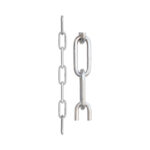
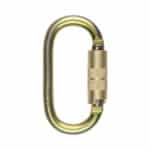
Master links come in various shapes and sizes, each suited for different purposes. Pear-shaped master links, for example, are often used in single-leg chain slings or as connecting links in multi-leg slings. Their design allows for easy connection to shackles or other lifting hardware. Oblong master links, on the other hand, are typically used in multi-leg slings where multiple legs need to be connected to a single lifting point.
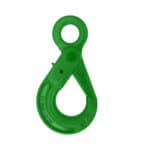
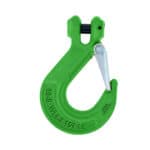
Sling hooks also come in different varieties, with the most common being self-locking and latching hooks. Self-locking sling hooks feature a mechanism that automatically locks the hook closed when a load is applied, preventing accidental disengagement. Latching sling hooks have a spring-loaded latch that must be manually engaged to secure the load.
Using the wrong type of master link or sling hook can have serious consequences. For instance, using a hook that is not designed for the specific load can lead to deformation, bending, or even breakage. Similarly, using a master link that is too small or not rated for the intended load can cause it to fail under stress. Improper selection can also lead to premature wear and tear on the chain sling components, reducing their lifespan and increasing the risk of failure.
Consider a situation where a rigger needs to lift a large steel plate using a four-leg chain sling. They mistakenly use standard latching sling hooks instead of self-locking hooks. As the plate is lifted and maneuvered into position, one of the latches accidentally opens due to contact with another object. The sling hook disengages from the lifting point, causing one leg of the chain sling to become slack. The sudden shift in weight distribution overloads the remaining legs, and the entire chain sling system becomes unstable. The steel plate swings violently, endangering the workers and potentially causing damage to nearby equipment. This incident could have been prevented by simply using self-locking sling hooks, which would have ensured that the hooks remained securely engaged throughout the lifting process.
Mistake #3: Ignoring Regular Inspection Requirements
Regular inspection of chain slings and their chain sling components is not just a good practice; it’s a mandatory requirement under OSHA/ASME standards. These inspections are designed to identify any signs of damage, wear, or deformation that could compromise the sling’s integrity and lead to failure during use.
OSHA/ASME standards specify the frequency of inspections based on the frequency of lifting equipment usage and the severity of the operating environment. In general, chain slings should be inspected:
- Before each use: A visual inspection should be conducted to identify any obvious signs of damage or wear.
- Periodically: A more thorough inspection should be performed at regular intervals, typically monthly or quarterly, depending on the frequency of use and environmental conditions.
- Annually: A comprehensive inspection should be conducted by a qualified person to assess the overall condition of the chain sling and its chain sling components.
Documentation of inspection results is equally important. Maintaining accurate records of inspections helps to track the condition of chain slings over time, identify potential problems early on, and ensure that necessary repairs or replacements are made promptly. We always recommend that you track each inspection by date and inspector to keep a solid log of your lifting equipment.
One of the most common oversights during inspections is failing to thoroughly check for wear, deformation, or cracks in the chain sling components. This includes inspecting the master link, sling hooks, and individual alloy chain links for any signs of damage. Overlooking the condition of latches and safety mechanisms on sling hooks is another frequent mistake. Latches should be in good working order, with no signs of damage or deformation.
Consider a manufacturing plant where chain slings are used daily to move heavy machinery parts. The plant follows a regular inspection schedule, but the inspections are often rushed and superficial. Inspectors primarily focus on the overall appearance of the slings and neglect to closely examine the individual chain sling components. Over time, small cracks and deformations develop in the alloy chain links due to repeated stress and wear. During one particular lift, a chain sling with several damaged links is used to hoist a heavy engine block. As the load is lifted, one of the weakened links fractures, causing the chain sling to fail. The engine block falls to the ground, causing significant damage to the machinery and narrowly missing a worker. This incident highlights the importance of conducting thorough and detailed inspections to identify hidden damage that could lead to catastrophic failure.
Mistake #4: Improper Storage and Handling
The way chain slings are stored and handled when not in use can significantly impact their integrity and lifespan. Improper storage can expose the slings to harsh environmental conditions, physical damage, and other factors that can compromise their strength and reliability.
Storing slings in harsh environments, such as areas with exposure to chemicals, extreme temperatures, or excessive moisture, can accelerate corrosion and degradation of the alloy chain and other chain sling components. Exposure to chemicals can cause the metal to weaken and become brittle, while extreme temperatures can affect the chain’s tensile strength. Excessive moisture can lead to rust and corrosion, further weakening the chain.
Protecting slings from physical damage is equally important. Dropping slings, dragging them across abrasive surfaces, or subjecting them to impact can cause dents, scratches, and other forms of damage that can weaken the alloy chain and other chain sling components.
Correct storage practices include storing slings in a clean, dry area away from direct sunlight, chemicals, and extreme temperatures. Designated storage racks or containers should be used to keep the slings organized and prevent them from being damaged. Slings should be hung or coiled neatly to prevent kinking or tangling.
Consider a construction site where chain slings are routinely left lying on the ground after use. The slings are exposed to rain, mud, and other environmental elements. They are also frequently run over by heavy equipment, causing dents and scratches on the alloy chain links. Over time, the slings become corroded and weakened. During one particular lifting operation, a corroded chain sling is used to hoist a steel beam. As the beam is lifted, one of the weakened links snaps, causing the chain sling to fail. The steel beam falls, striking a worker and causing serious injuries. This accident illustrates the importance of proper storage and handling to prevent environmental damage and physical wear.
Mistake #5: Using Makeshift Repairs or Unapproved Parts
Attempting to repair damaged chain sling components using makeshift methods or non-approved parts is a dangerous and unacceptable practice. Chain slings are critical lifting equipment that must meet stringent safety standards to ensure the safety of workers and equipment.
Welding or other makeshift repairs are strictly prohibited, as they can alter the properties of the alloy chain and other chain sling components, making them weaker and more prone to failure. These types of repairs often introduce imperfections and inconsistencies that can create stress points and compromise the sling’s overall strength.
Using non-OEM (Original Equipment Manufacturer) replacement parts is also risky. Non-OEM parts may not meet the same quality standards as the original components and may not be compatible with the existing chain sling assembly.
The proper procedure for handling damaged slings is to immediately take them out of service. Tag the sling as “out of service” to prevent it from being used accidentally. Consult with a qualified professional or the sling manufacturer for guidance on repair or replacement. In many cases, it is safer and more cost-effective to replace a damaged chain sling than to attempt a repair.
Imagine a machine shop where a chain sling is used to lift heavy engine blocks. One day, a sling hook becomes bent due to an accidental impact. Instead of replacing the damaged hook with an approved part, the shop foreman decides to straighten it using a torch and a hammer. The repaired hook is then put back into service. During the next lifting operation, the straightened hook fails under stress, causing the engine block to fall. The falling engine block damages a nearby machine and narrowly misses a worker. This incident demonstrates the dangers of attempting makeshift repairs and using unapproved parts, which can compromise the integrity of the chain sling and lead to serious accidents.
“Never compromise on safety when it comes to lifting equipment. Always use approved parts and follow manufacturer’s guidelines for repair and maintenance.” – John Smith, Lead Safety Inspector
Mistake #6: Neglecting Load Angle Considerations
Load angles play a critical role in determining the effective Working Load Limit (WLL) of a chain sling. The load angle is the angle between the vertical and the sling leg. As the load angle increases, the stress on the sling legs also increases, reducing the sling’s effective WLL. Neglecting load angle considerations can lead to overloading and potential sling failure.
When a sling is used to lift a load vertically (0-degree angle), the entire weight of the load is distributed evenly among the sling legs. However, as the load angle increases, the force on each leg increases. For example, at a 45-degree load angle, the force on each leg is approximately 1.4 times the weight of the load. At a 60-degree load angle, the force on each leg is approximately 2 times the weight of the load.
To calculate the reduced WLL based on the load angle, you can use the following formula:
Reduced WLL = Original WLL x Cosine (Load Angle)
For example, if a chain sling has an original WLL of 10,000 lbs and is used at a 45-degree load angle, the reduced WLL would be:
Reduced WLL = 10,000 lbs x Cosine (45°) = 10,000 lbs x 0.707 = 7,070 lbs
Best practices for minimizing load angles include using longer slings to reduce the angle between the sling leg and the vertical. Employing spreaders to distribute the load and maintain a more vertical lift is another effective technique.
Consider a scenario where a rigging crew needs to lift a heavy machine using a two-leg chain sling. They use short slings, resulting in a load angle of 60 degrees. The chain sling has a WLL of 5,000 lbs per leg. However, due to the 60-degree load angle, the effective WLL is reduced to 2,500 lbs per leg. The machine weighs 4,000 lbs, so the load is within the original WLL of the sling. However, since the WLL is effectively reduced, the chain sling is overloaded, and one of the legs breaks, causing the machine to fall. This incident highlights the importance of considering load angles and using appropriate sling lengths or spreaders to minimize the angle and maintain a safe lifting capacity. For many of our clients here in Dammam, we’ve seen that load-related issues are a leading cause of accidents.
Mistake #7: Mismatching Components
Compatibility between chain sling components is vital for ensuring the safety and reliability of lifting operations. Mismatching components, such as using a master link and sling hook from different manufacturers or combining components with differing WLL ratings, can compromise the integrity of the entire chain sling assembly.
Using components from different manufacturers can lead to compatibility issues due to variations in design, dimensions, and material properties. Even if the components appear to fit together, they may not function correctly under load, increasing the risk of failure.
Combining components with differing WLL ratings is equally dangerous. The WLL of a chain sling assembly is determined by the component with the lowest rating. Using a master link or sling hook with a lower WLL than the alloy chain can create a weak point in the system, leading to failure under stress.
To ensure component compatibility, always consult manufacturer specifications and guidelines before assembling a chain sling. Purchase complete chain sling assemblies from reputable suppliers who guarantee the compatibility and quality of their products.
Imagine a construction site where a rigger assembles a chain sling using components from different sources. The alloy chain is rated for 10,000 lbs, but the master link is only rated for 5,000 lbs. The rigger is unaware of the mismatched ratings and uses the chain sling to lift a load weighing 7,000 lbs. The load exceeds the WLL of the master link, causing it to fail. The load drops, causing damage to the equipment and narrowly missing a worker. This incident illustrates the importance of ensuring component compatibility and using components with appropriate WLL ratings.
Here is an HTML table showing a quick comparison of components:
| Component |
Considerations |
Potential Risks of Mismatching |
| Master Link |
WLL Rating, Shape, Size |
Overload, Failure, Instability |
| Sling Hook |
WLL Rating, Type (e.g., Latching, Self-Locking) |
Disengagement, Dropped Load, Instability |
| Alloy Chain |
Grade, Size, WLL Rating |
Overload, Chain Breakage, Instability |
Mistake #8: Failing to Train Personnel Adequately
Adequate training for personnel involved in lifting operations is paramount for preventing accidents and injuries. Training ensures that workers understand the proper procedures for selecting, inspecting, and using chain slings safely and effectively.
Training should cover a range of topics, including:
- Sling inspection procedures: How to identify signs of damage, wear, and deformation.
- Proper rigging techniques: How to connect slings to loads and lifting equipment.
- Load angle calculations: How to determine the reduced WLL based on load angles.
- Safe lifting practices: How to communicate effectively during lifting operations and avoid hazards.
A comprehensive training program should include both classroom instruction and hands-on practice. Workers should be given the opportunity to practice inspecting slings, connecting loads, and performing lifts under the supervision of a qualified trainer.
Consider a manufacturing facility where new employees are given only minimal training on lifting equipment. They are not taught how to properly inspect slings or calculate load angles. As a result, they frequently use damaged slings and lift loads at excessive angles. One day, an untrained employee uses a damaged chain sling to lift a heavy die. The sling fails, and the die falls, crushing the employee’s foot. This incident underscores the importance of providing comprehensive training to all personnel involved in lifting operations.
Mistake #9: Overlooking Environmental Factors
Environmental conditions can significantly affect chain sling integrity and safety. Extreme temperatures, corrosion, and exposure to chemicals can all weaken alloy chain and other chain sling components, increasing the risk of failure.
Extreme temperatures can affect the tensile strength of alloy chain. High temperatures can cause the metal to lose strength, while low temperatures can make it brittle. Consult the sling manufacturer’s guidelines for temperature derating factors.
Corrosion caused by exposure to saltwater or chemicals can weaken alloy chain and other metal components. Regular cleaning and lubrication can help to prevent corrosion.
Adapting practices to mitigate environmental risks includes using slings made from corrosion-resistant materials, such as stainless steel, in harsh environments. Implementing more frequent inspections in corrosive environments is another important precaution.
Imagine a marine environment where chain slings are used to load and unload cargo from ships. The slings are constantly exposed to saltwater, which causes them to corrode rapidly. The crew neglects to inspect the slings regularly, and the corrosion goes unnoticed. During one particular lifting operation, a corroded chain sling fails, causing a container to fall into the water. This incident highlights the importance of considering environmental factors and implementing appropriate mitigation measures, such as using corrosion-resistant slings and conducting more frequent inspections.
Conclusion: Best Practices for Chain Sling Component Safety
Avoiding these common mistakes is crucial for ensuring the safe and reliable use of chain slings in any lifting operation. Remember to always prioritize proper identification and rating, choose the right type of master link or sling hook, adhere to regular inspection requirements, and practice proper storage and handling. Never use makeshift repairs or unapproved parts, always consider load angle considerations, and ensure compatibility between components. Most importantly, invest in adequate training for all personnel involved in lifting operations and be mindful of environmental factors. By following these best practices, you can minimize the risk of accidents and create a safer working environment for everyone.
We at Safe and Secure Trading Company (SSTC) are committed to providing high-quality lifting equipment and expert guidance to help you maintain a safe and productive workplace. Remember that your diligence in maintaining your lifting equipment, including performing chain sling inspection, will result in safer conditions.
FAQ Section
Q: How often should chain slings be inspected?
A: Chain slings should be visually inspected before each use, periodically (monthly or quarterly), and annually by a qualified person.
Q: What should I look for during a chain sling inspection?
A: Check for wear, deformation, cracks, corrosion, and damage to latches or safety mechanisms.
Q: What do I do if I find a damaged chain sling?
A: Immediately take the sling out of service and tag it as “out of service.” Consult with a qualified professional for repair or replacement.
Q: Can I repair a damaged chain sling myself?
A: No. Makeshift repairs, such as welding, are strictly prohibited.
Q: How do load angles affect the working load limit of a chain sling?
A: As the load angle increases, the effective WLL of the chain sling decreases.
Q: Where can I find the working load limit (WLL) of a chain sling?
A: The WLL should be clearly marked on the identification tag attached to the chain sling.
Q: Is it okay to use components from different manufacturers when assembling a chain sling?
A: It is generally not recommended, as components may not be compatible. Always consult manufacturer specifications and guidelines.
Q: Why is training important for personnel involved in lifting operations?
A: Training ensures that workers understand the proper procedures for selecting, inspecting, and using chain slings safely and effectively.
Q: How does the environment affect chain sling integrity?
A: Extreme temperatures, corrosion, and exposure to chemicals can weaken alloy chain and other chain sling components.
Q: What is the difference between grade 80 chain and grade 100 chain?
A: Grade 100 alloy chain has a higher tensile strength than grade 80 alloy chain, allowing for a higher WLL for the same chain size.