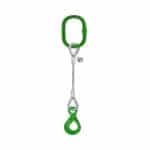
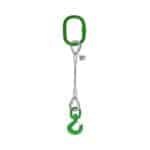
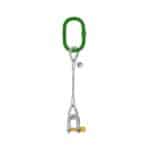
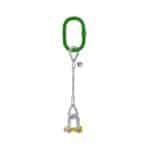
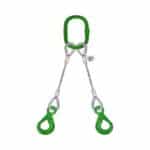
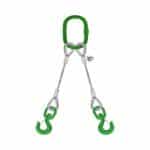
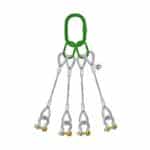
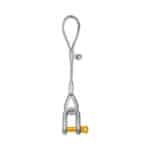
Safe and Secure Trading Company is committed to promoting safe lifting practices. Conducting a thorough chain sling inspection is vital for ensuring the safety of lifting operations. A damaged or improperly maintained chain sling can lead to catastrophic accidents, endangering personnel and causing significant property damage. In this guide, we’ll walk you through the essential steps of a chain sling inspection, helping you identify potential hazards and maintain a safe working environment.
1. ✅ Master Link Inspection: The Foundation of Safety
The master link is a critical component of a chain sling, serving as the primary attachment point to the lifting hook or crane. A thorough chain sling inspection of the master link is crucial for identifying any signs of damage that could compromise the sling’s integrity. We’ve seen that by focusing on this component, companies can significantly reduce the risk of accidents caused by master link failure.
1.1. Checking for Deformation
Deformation, such as bending, twisting, or elongation, can significantly weaken the master link. During a chain sling inspection, carefully examine the master link for any visual signs of these issues. Advanced measurement tools offer precise deformation analysis, allowing you to quantify the extent of the damage and determine if the master link should be removed from service.
1.2. Corrosion and Wear Assessment
Corrosion and wear can gradually degrade the master link, reducing its load-bearing capacity. Identify rust, pitting, and material loss on the master link surface. Here in Jubail, we often see corrosion as a major issue due to the coastal climate. New anti-corrosion coatings extend the lifespan of master links, reducing the frequency of replacements.
1.3. Proper Seating and Alignment
Ensuring the master link is correctly seated within the lifting system is crucial for even load distribution. An improperly seated master link can create stress concentrations, leading to premature failure. Self-aligning master links improve safety and ease of use by automatically adjusting to the correct position.
2. ➡️ Chain Link Examination: Spotting the Weak Points
The individual links in a chain sling bear the brunt of the lifting load, making their condition paramount to overall safety. A regular chain sling inspection helps identify potential weak points that could lead to chain failure. We’ve found that meticulous examination of each link drastically minimizes the risk of unexpected breaks during lifting operations.
2.1. Visual Inspection for Cracks
Surface cracks, especially at stress points like welds, are a major concern. Closely examine each chain link for any visual signs of cracking during the chain sling inspection. Portable ultrasonic testing can detect hidden cracks that are not visible to the naked eye, further enhancing safety.
2.2. Measuring Link Wear: Diameter Reduction
As chain slings are used, the diameter of the links gradually reduces due to wear. Step-by-step instructions on measuring link diameter and comparing it to wear limits are essential for a proper chain sling inspection. Digital calipers with automatic data logging enhance accuracy and simplify the process of tracking wear over time.
2.3. Identifying Stretching and Elongation
Stretching and elongation of chain links indicate that the sling has been subjected to excessive loads. When you perform your chain sling inspection, it is important to measure chain stretch and determine if it exceeds acceptable limits. Laser measurement systems offer real-time stretch monitoring, providing immediate feedback on the sling’s condition.
3. 💡 Sling Tag Verification: Ensuring Compliance
The sling tag provides critical information about the chain sling’s capacity and safe usage. Confirming the information during a chain sling inspection is vital for preventing overloading and misuse. We advise our clients to never use a sling if the tag is missing or illegible, as this poses a significant safety risk.
3.1. Legibility and Completeness
A readable sling tag with all required information is essential. The chain sling inspection should verify the WLL, manufacturer, and any other relevant data. RFID tags provide instant access to sling certification data, eliminating the risk of illegible or missing information.
3.2. Matching Tag to Sling
The tag must correspond to the actual chain sling being inspected. Ensure that the serial number or other identifying marks match the sling itself. QR codes on tags link to online sling history and inspection records, simplifying the verification process and enhancing traceability.
3.3. Understanding Load Limits
Interpreting the working load limit (WLL) and other critical data on the tag is essential. A proper chain sling inspection ensures that users understand the sling’s limitations. Standardized symbols for WLL across all manufacturers are expected to be implemented soon to reduce the risk of confusion.
4. 🔔 End Fitting Checks: Secure Connections
End fittings, such as hooks and eye bolts, are critical for securely connecting the chain sling to the load and lifting equipment. These components must be in good condition to prevent accidental disconnections. As part of your chain sling inspection, these fittings need special attention.
4.1. Hook Inspection: Latch Functionality
Ensure the hook latch operates smoothly and securely. The latch prevents the sling from accidentally disengaging from the load. Self-closing and locking hooks prevent accidental disengagement, enhancing safety and reducing the risk of dropped loads.
4.2. Eye Bolt Assessment: Thread Condition
Inspect eye bolts for damaged or corroded threads. Damaged threads can significantly reduce the eye bolt’s load-bearing capacity. High-strength alloys improve eye bolt durability, reducing the risk of thread damage and corrosion.
4.3. Connecting Link Integrity
Check connecting links for proper closure and secure locking mechanisms. These links ensure a secure connection between the chain sling and other components. Captive connecting links eliminate the risk of accidental opening, providing an extra layer of safety.
5. 🔍 Evidence of Heat Damage: Recognizing Temper Colors
Exposure to excessive heat can alter the metallurgical properties of a chain sling, reducing its strength and making it unsafe for use. Recognizing the signs of heat damage during a chain sling inspection is crucial for preventing accidents. Here at Safe and Secure Trading Company, we consider heat damage as one of the primary reasons to immediately remove a sling from service.
5.1. Identifying Blueing or Discoloration
Look for temper colors, such as blueing or discoloration, indicating heat exposure and loss of strength. These colors are a visual indication that the metal has been compromised. Temperature-sensitive coatings change color upon overheating, providing a clear warning of potential heat damage.
5.2. Assessing the Severity of Damage
Determine the extent of heat damage based on the color and area affected. More extensive discoloration indicates more severe damage. Non-destructive testing methods assess heat damage severity, providing a more accurate assessment of the sling’s condition.
5.3. Removing Damaged Slings from Service
Immediately remove heat-damaged chain slings from operation. These slings should not be used under any circumstances. Mandatory heat damage awareness training for all lifting personnel is essential for preventing the use of compromised slings.
6. ⚙️ Twist and Kink Detection: Preserving Chain Integrity
Twists and kinks can create stress concentrations within the chain sling, reducing its load capacity and increasing the risk of failure. Identifying and addressing these issues during a chain sling inspection is crucial for maintaining the sling’s integrity. We emphasize proper storage and handling techniques to our clients to minimize the risk of twists and kinks.
6.1. Identifying Permanent Deformations
Look for twists and kinks that compromise chain strength. These deformations can permanently weaken the sling. Anti-kink chain designs reduce the risk of twisting, enhancing the sling’s durability and safety.
6.2. Assessing the Impact on Load Capacity
Twists and kinks reduce the sling’s working load limit. A chain sling inspection needs to assess the severity of the damage to determine the appropriate course of action. Online calculators determine load capacity reduction due to damage, providing a quick and easy way to assess the sling’s safe working load.
6.3. Proper Storage to Prevent Twisting
Store chain slings properly to prevent twisting and kinking during non-use. Proper storage helps maintain the sling’s integrity and prolong its lifespan. Dedicated sling racks prevent tangling and damage, ensuring that the slings are ready for use when needed.
7. 📏 Length Measurement: Maintaining Accuracy
Maintaining the correct length of a chain sling is crucial for ensuring proper load distribution and preventing overloading. Regular length measurements during a chain sling inspection can help identify elongation caused by overloading or wear. We recommend recording the original length of each sling to facilitate accurate comparisons during inspections.
7.1. Verifying Original Sling Length
Measure the sling length and compare it to the original specification. Significant deviations from the original length indicate potential issues. Digital records track sling length changes over time, providing a comprehensive history of the sling’s usage and condition.
7.2. Detecting Elongation from Overload
Identify excessive elongation indicating potential overloading. Elongation is a sign that the sling has been subjected to forces beyond its capacity. Load monitoring devices prevent overloading in real time, reducing the risk of damage and accidents.
7.3. Ensuring Equal Load Distribution
Matching sling lengths in multi-leg configurations is essential for equal load distribution. Uneven load distribution can overload individual legs, increasing the risk of failure. Adjustable-length slings ensure equal load distribution, even when dealing with uneven loads.
“Regular chain sling inspections are not just a regulatory requirement, they are a fundamental aspect of workplace safety.” – John Smith, Lead Safety Inspector
Top 3 Checklist Items for Chain Sling Safety:
1. Master Link: Check for deformation and corrosion.
2. Chain Links: Inspect for cracks and measure wear.
3. Sling Tag: Verify legibility and load limits.
By following these guidelines for chain sling inspection, you can proactively identify potential hazards and ensure the safety of your lifting operations. This not only protects your personnel and equipment but also contributes to a more efficient and productive work environment. We are committed to providing the highest quality lifting equipment inspection services to help you maintain a safe and compliant workplace.
Conclusion
This comprehensive guide has outlined the key steps involved in performing a thorough chain sling inspection. By meticulously checking each component, from the master link to the individual chain links and end fittings, you can identify potential weaknesses and prevent accidents before they occur. Regular chain sling inspections are crucial for maintaining overhead lifting safety and ensuring the integrity of your lifting gear inspection program. By implementing these practices, you demonstrate a commitment to industrial safety and the well-being of your workforce. We are confident that these practices will enhance safety and reduce risk.
FAQ Section
Q: How often should I perform a chain sling inspection?
A: The frequency of chain sling inspection depends on the frequency of use and the severity of the operating environment. At a minimum, a competent person should visually inspect chain slings before each use. A more detailed rigging inspection should be performed at least annually, with more frequent inspections recommended for heavy-use applications or harsh environments.
Q: What are the key signs of sling damage I should look for during a chain sling inspection?
A: During a chain sling inspection, look for signs of damage such as:
- Deformation (bending, twisting, elongation) of the master link or chain links
- Cracks, nicks, or gouges in the chain links or end fittings
- Excessive wear (diameter reduction) of the chain links
- Stretching or elongation of the chain
- Corrosion or rust
- Heat damage (blueing or discoloration)
- Illegible or missing sling tag
Q: What should I do if I find damage during a chain sling inspection?
A: If you find any damage during a chain sling inspection, immediately remove the sling from service. Do not attempt to repair the sling yourself. Contact a qualified lifting equipment inspection professional to assess the damage and determine if the sling can be repaired or if it needs to be replaced.
Q: What is the working load limit (WLL) and why is it important?
A: The working load limit (WLL) is the maximum weight a chain sling is designed to safely lift. It is crucial to understand and adhere to the WLL to prevent overloading, which can lead to sling failure and accidents. The WLL is typically marked on the sling tag. Never exceed the WLL of a chain sling.
Q: What are the chain wear limits I should be aware of?
A: Chain wear limits refer to the allowable amount of diameter reduction due to wear on the chain links. These limits are typically specified by the manufacturer or relevant safety standards. Exceeding the chain wear limits indicates that the sling is no longer safe for use and should be removed from service. A chain sling inspection must include measuring the link diameter to ensure compliance.
Q: What is the importance of overhead lifting safety and crane safety in relation to chain sling inspections?
A: Overhead lifting safety and crane safety are paramount in any lifting operation. Chain sling inspections are an integral part of ensuring overhead lifting safety and crane safety. Properly inspected and maintained chain slings reduce the risk of accidents caused by sling failure, protecting personnel and equipment. Training on proper sling inspection criteria is crucial for all personnel involved in lifting operations.
Q: How does the sling inspection checklist aid in maintaining chain sling safety?
A: A sling inspection checklist provides a structured approach to performing chain sling inspections, ensuring that all critical components and potential hazards are thoroughly examined. Using a sling inspection checklist helps to maintain consistency and prevent overlooking important details, ultimately enhancing chain sling safety.
Q: What are the common sling damage signs that should raise concern during an inspection?
A: Common sling damage signs include:
- Cracks or breaks in the chain links or end fittings
- Excessive wear or elongation
- Kinks or twists in the chain
- Heat damage or discoloration
- Corrosion or rust
- Damaged or missing sling tag
Any of these sling damage signs should raise concern and warrant immediate removal of the sling from service.
Q: How can I ensure compliance with industrial safety regulations regarding chain slings?
A: To ensure compliance with industrial safety regulations regarding chain slings:
- Implement a comprehensive lifting equipment inspection program
- Train personnel on proper sling inspection criteria and safe lifting practices
- Maintain accurate records of all chain sling inspections
- Use only certified and properly marked chain slings
- Regularly review and update your industrial safety procedures to reflect current best practices and regulatory requirements
By adhering to these guidelines, you can create a safer work environment and minimize the risk of accidents associated with chain slings.