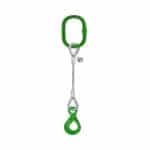
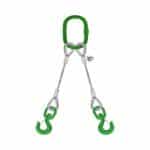
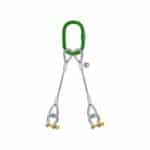
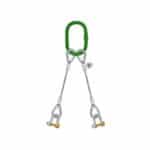
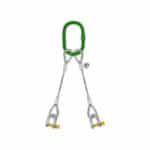
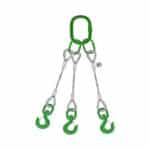
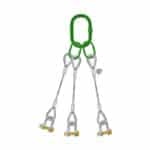
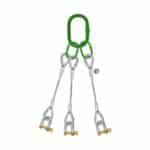
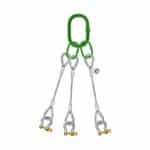
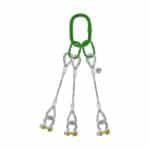
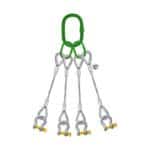
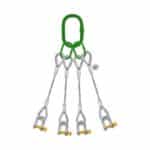
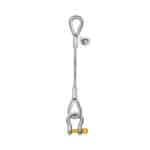
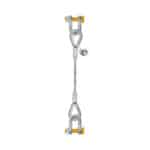
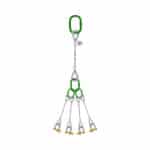
Chain sling mistakes can lead to serious accidents and injuries. Understanding these risks and implementing preventative measures is crucial for overhead lifting safety. As experts at Safe and Secure Trading Company (SSTC), we’re committed to providing the insights you need to ensure a safe working environment. This article outlines common chain sling failures and how to avoid them, providing actionable advice to enhance your safe lifting practices.
1. ❌ Neglecting Pre-Lift Inspections
1.1. Mistake: Skipping Daily Checks
Failing to inspect chain slings before each use is a major oversight that contributes to many chain sling mistakes. Many operators assume the sling is fine if it looked okay yesterday, but damage can occur quickly due to unseen stresses, impacts, or environmental factors. This complacency can lead to catastrophic failures during a lift.
1.2. Solution: Implement a Mandatory Inspection Checklist
To prevent accidents caused by overlooked damage, we recommend implementing a mandatory inspection checklist for all chain slings. This checklist should cover essential inspection points such as wear, distortion, cuts, and corrosion, and must be used before every lift. A well-structured checklist ensures consistency and thoroughness in your chain sling inspection process, significantly reducing the risk of using damaged equipment.
1.3. Actionable Advice: Document Your Inspections
To enhance accountability and track sling condition over time, we advise maintaining a detailed log of all chain sling inspections. This log should include the date of inspection, the name of the inspector, and any issues or damages discovered. Documenting inspections demonstrates due diligence and provides a valuable record for identifying potential problems early on, preventing unsafe chain sling practices.
2. 📐 Incorrect Sling Angle Calculations
2.1. Mistake: Underestimating Sling Stress
One of the most critical chain sling mistakes is underestimating the increased stress on slings at lower angles. Many operators incorrectly assume that a sling rated for a certain weight capacity can handle that weight regardless of the angle. This is a dangerous misconception because as the sling angle decreases, the force exerted on each sling leg increases exponentially.
2.2. Solution: Use Sling Angle Charts and Calculators
To avoid overloading slings due to incorrect angle calculations, we provide readily accessible sling angle charts and calculators. These tools clearly illustrate the reduction in sling capacity as the angle decreases and are essential for planning safe lifting operations. We strongly recommend training all personnel on how to use these charts and calculators accurately to ensure correct sling angle calculation.
2.3. Actionable Advice: Keep Angles Above 45 Degrees
For optimal overhead lifting safety, we always advise configuring lifts to maintain a sling angle of 45 degrees or higher whenever possible. Maintaining a higher angle significantly reduces the stress on the slings and minimizes the risk of failure. In our experience here in Jubail, we’ve found that proactively adjusting lift configurations to maintain optimal angles drastically improves the safety and longevity of chain slings.
3. 🚫 Ignoring Load Weight Limits
3.1. Mistake: Guessing the Weight of the Load
Relying on guesswork to determine the weight of a load is a significant contributor to chain sling mistakes. Overloading slings is a leading cause of lifting accidents, and inaccurate weight estimations make it impossible to select the appropriate rigging equipment. This gamble with safety can have severe consequences.
3.2. Solution: Use Calibrated Weighing Devices
We emphasize the importance of using calibrated weighing devices to accurately determine the weight of any load before lifting. Implementing a policy that requires the use of load cells, crane scales, or other reliable weighing equipment ensures that operators have precise weight information. This practice is fundamental to preventing overloading and maintaining chain sling safety.
3.3. Actionable Advice: Factor in All Components
When calculating the total load weight, we remind you to always factor in the weight of all rigging components, including the chain slings themselves, shackles, hooks, and any other accessories. Overlooking these additional weights can lead to an underestimation of the total load, increasing the risk of overloading the slings. Accurate weight calculation is an integral part of responsible lifting operations.
4. ⛓️ Using Damaged or Worn Slings
4.1. Mistake: Overlooking Signs of Wear and Tear
Operators often ignore obvious signs of damage and wear on chain slings, such as stretched links, cracks, corrosion, or gouges. Rationalizing the use of a damaged sling, even “just this once,” is a dangerous chain sling mistake. These seemingly minor defects can significantly compromise the sling’s integrity and lead to sudden failure under load.
4.2. Solution: Establish Clear Discard Criteria
To prevent the use of compromised chain slings, we advise developing and implementing clear discard criteria based on manufacturer recommendations and industry standards. This criteria should specify the types and severity of damage that require a sling to be removed from service immediately. Training all personnel to recognize these discard conditions is essential for maintaining safe lifting practices.
4.3. Actionable Advice: Remove Damaged Slings Immediately
We recommend establishing a system for immediately removing damaged chain slings from service. This might involve tagging them with a clear “out of service” label and storing them in a designated area, separate from serviceable equipment. This prevents accidental use of damaged slings and ensures that only properly inspected and maintained slings are used in lifting operations.
5. ❌ Improper Sling Attachment
5.1. Mistake: Sharp Edges and Bending
Attaching a chain sling directly to a load with sharp edges without using edge protection is a common and perilous chain sling mistake. The sharp edges can cut or severely weaken the sling fibers. Additionally, bending a sling around a load beyond its rated capacity or bending radius can cause irreversible damage and increase the risk of failure.
5.2. Solution: Use Edge Protection and Proper Lifting Points
To protect chain slings from damage during lifting, we advise using edge protection such as sleeves, pads, or wear plates whenever sharp edges are present. Furthermore, it’s essential to identify and utilize proper lifting points on the load. These points are specifically designed to distribute the load evenly and minimize stress on the slings, enhancing chain sling safety.
5.3. Actionable Advice: Consider Sling Shortening Clutches
For loads with varying lengths or uneven weight distribution, we recommend utilizing chain shortening clutches to adjust the sling length appropriately. This ensures that the load is evenly distributed across all sling legs, preventing overloading of individual slings. Implementing this technique greatly improves the stability and safety of the lift.
6. 🌧️ Neglecting Environmental Factors
6.1. Mistake: Ignoring Corrosion and Temperature
Many operators neglect the impact of environmental factors such as exposure to corrosive substances (e.g., saltwater, chemicals) and extreme temperatures on chain sling integrity. These factors can significantly weaken the sling material, leading to unexpected failures. This chain sling mistake can lead to catastrophic results.
6.2. Solution: Use Appropriate Sling Materials and Coatings
We suggest selecting chain slings made from materials specifically designed to withstand the environmental conditions of your work site. Consider using alloy chains or applying protective coatings for enhanced corrosion resistance. Selecting the right materials prolongs the life of the slings and ensures safe lifting practices even in harsh environments.
6.3. Actionable Advice: Adjust Capacity for Temperature Extremes
Be aware that both high and low temperatures can affect the load-bearing capacity of chain slings. We recommend consulting manufacturer guidelines and relevant industry standards for temperature derating factors. Adjusting the sling capacity based on temperature extremes ensures that the sling operates within safe limits, preventing potential chain sling failures.
7. 📚 Insufficient Training and Communication
7.1. Mistake: Lack of Qualified Riggers
Allowing untrained or unqualified personnel to perform lifting operations is a serious safety hazard and a common chain sling mistake. Communication gaps during lifting operations can also lead to dangerous situations, especially when multiple team members are involved. A lack of expertise and coordination can compromise the entire lifting process.
7.2. Solution: Comprehensive Training Programs
We strongly advocate for implementing comprehensive training programs for all personnel involved in lifting operations. These programs should cover chain sling inspection, proper rigging techniques, load weight estimation, signaling, and emergency procedures. Regular training updates ensure that all team members are well-versed in the latest safety protocols.
7.3. Actionable Advice: Use Standard Hand Signals and Communication Protocols
Establish clear communication protocols, including the use of standard hand signals and radio communication when necessary to avoid chain sling mistakes. Utilizing universally recognized hand signals minimizes misunderstandings and enhances coordination during critical lifting phases. This ensures that all team members are synchronized and aware of the lifting operation’s status.
8. 🧰 Poor Sling Storage and Maintenance
8.1. Mistake: Improper Storage and Cleaning
Leaving chain slings lying on the ground, exposed to the elements, or neglecting to clean them regularly can accelerate wear and corrosion, leading to chain sling mistakes. Improper storage and maintenance practices reduce the lifespan of the slings and increase the risk of hidden damage. Neglecting these factors can severely compromise lifting safety.
8.2. Solution: Dedicated Storage Areas and Cleaning Procedures
We recommend designating a clean, dry storage area specifically for chain slings. Implement a regular cleaning schedule to remove dirt, grease, and other contaminants that can contribute to corrosion and wear. Proper storage and cleaning significantly extend the service life of chain slings.
8.3. Actionable Advice: Lubricate Regularly
We advise lubricating chain slings periodically to reduce friction and prevent rust. Use a lubricant recommended by the manufacturer to maintain optimal performance and protect against environmental damage. Regular lubrication is a simple yet effective way to prolong the life of chain slings and maintain their safe operating condition.
Conclusion
Avoiding chain sling mistakes requires a proactive approach to safety, including regular inspections, proper training, and diligent maintenance. By implementing the actionable advice we’ve provided, you can significantly reduce the risk of accidents and ensure a safer working environment. We are confident that with the right knowledge and practices, you can enhance your overhead lifting safety.
FAQ Section
Q: How often should chain slings be inspected?
A: Chain slings should be inspected before each use, as well as periodically by a qualified inspector. The frequency of periodic inspections depends on the severity of the service conditions, but at least annually. This ensures timely detection and correction of chain sling inspection issues.
Q: What are the key signs of damage to look for during a chain sling inspection?
A: Key signs of damage include stretched links, cracks, corrosion, gouges, and any other visible signs of wear and tear. Refer to the manufacturer’s guidelines and industry standards for specific discard criteria. Addressing these issues directly improves crane sling safety.
Q: How does sling angle affect the capacity of a chain sling?
A: As the sling angle decreases, the stress on each sling leg increases. This reduces the effective lifting capacity of the sling. Always use sling angle charts and calculators to determine the safe working load for a given angle. Keep angles above 45 degrees whenever possible.
Q: What type of lubricant should be used on chain slings?
A: Use a lubricant recommended by the chain sling manufacturer. Typically, a light oil or a lubricant specifically designed for chains is appropriate. Avoid using lubricants that can attract dirt and debris.
Q: How should chain slings be stored when not in use?
A: Chain slings should be stored in a clean, dry area away from direct sunlight and corrosive substances. They should be hung or placed on a rack to prevent them from lying on the ground and accumulating dirt and moisture. Proper chain sling maintenance helps extend their lifespan and reliability.
Q: What training is required for personnel who use chain slings?
A: Personnel who use chain slings should receive comprehensive training in chain sling safety, including inspection procedures, rigging techniques, load weight estimation, signaling, and emergency procedures. Regular refresher courses are recommended.
Q: Can a chain sling be repaired if it is damaged?
A: In most cases, it is not recommended to repair a damaged chain sling. Damaged slings should be removed from service and replaced. Consult the manufacturer for specific guidance. Avoiding chain sling mistakes and prioritizing safety are crucial.
Q: What should I do if I suspect a chain sling is overloaded?
A: Immediately stop the lifting operation and lower the load. Inspect the chain sling for any signs of damage. Recalculate the load weight and ensure that the sling is properly rated for the load. If necessary, use a different sling or rigging configuration.
Q: How do environmental factors affect chain sling capacity and lifespan?
A: Exposure to corrosive substances (e.g., saltwater, chemicals) and extreme temperatures can significantly weaken chain slings. Use slings made from appropriate materials and coatings for the specific environment. Adjust capacity for temperature extremes according to manufacturer guidelines.
Q: What are the common rigging mistakes that can lead to chain sling failure?
A: Common rigging mistakes include using incorrect sling angles, attaching slings to sharp edges without protection, overloading slings, and using damaged or worn slings. Proper training and adherence to safe rigging practices are essential. Addressing these common lifting sling errors helps ensure safer operations.
Q: How important is chain sling inspection in ensuring overhead lifting safety?
“Regular chain sling inspection is the cornerstone of any safe lifting program. It’s not just about compliance; it’s about protecting lives and preventing costly accidents. Every single lift relies on the integrity of your rigging.” – John Smith, Lead Safety Inspector
Q: What is the recommended frequency for professional chain sling inspection?
A: While daily checks are essential, professional inspections should be conducted at least annually, or more frequently depending on usage and environmental conditions. We always advise our clients here in Al-Khobar to conduct thorough chain sling inspection every six months for high-usage environments.
Q: What are the top three chain sling mistakes that lead to failures?
Here’s a quick summary:
1. Skipping Pre-Lift Inspections: Neglecting daily checks.
2. Incorrect Sling Angle Calculations: Underestimating sling stress.
3. Using Damaged Slings: Overlooking wear and tear.