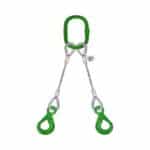
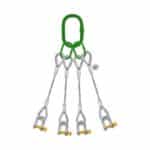
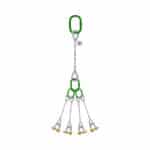
Chain Sling Surprises
✅ Introduction: Beyond the Basics – Chain Slings Evolving Role
Chain slings are indispensable tools in various industries, offering robust solutions for lifting and securing heavy loads. For 2026, we are seeing these tools used in new and creative ways that go far beyond their initially intended uses. Their inherent strength and flexibility make them suitable for a wide array of challenging applications.
Acknowledge Traditional Uses
Historically, chain slings have been primarily utilized for straightforward lifting and rigging tasks. This includes securing loads during transportation, hoisting materials on construction sites, and general material handling in industrial settings. These traditional chain sling uses are still important.
The Shift: Chain Slings as Versatile Tools
Today, we’re observing a significant shift in how chain slings are employed. They are no longer just basic lifting devices but are increasingly integrated into complex operations requiring precision, adaptability, and enhanced safety measures. This evolution encompasses customized rigging solutions, advanced material handling techniques, and innovative approaches to emergency recovery scenarios.
Why This Matters: Efficiency and Safety Gains
This shift towards more versatile chain sling uses matters because it leads to substantial improvements in both efficiency and safety. By leveraging the unique properties of chain slings, industries can optimize their operations, reduce the risk of accidents, and ensure the secure handling of heavy and delicate loads. This translates to cost savings, improved productivity, and a safer working environment for everyone involved.
2. ✅ Trend #1: Precision Load Positioning in Confined Spaces
One of the most significant trends we’ve identified at Safe and Secure Trading Company (SSTC) is the use of chain slings for precision load positioning in confined spaces. This application showcases the remarkable control and adaptability that chain slings offer in challenging environments. We’ve found that our clients benefit greatly from the advice we offer on precision load management.
The Challenge: Tight Spaces and Delicate Operations
Operating in confined spaces presents unique challenges. Maneuvering heavy loads within tight constraints demands exceptional precision and control to avoid collisions and damage. Traditional lifting methods often fall short in these scenarios, as they lack the necessary flexibility and accuracy.
Chain Slings Solution: Enhanced Control and Flexibility
Chain slings provide an ideal solution for precision load positioning due to their inherent flexibility and adjustability. Unlike rigid lifting devices, chain slings can be easily configured to accommodate various angles and orientations, allowing operators to navigate tight spaces with greater ease. The ability to shorten or lengthen individual sling legs further enhances control, enabling precise adjustments to the load’s position.
Example: Installation of refinery components within a complex refinery plant using chain slings for micron-level precision.
In the installation of refinery components within a complex refinery plant, chain slings are invaluable. Here in Dammam, we’ve seen chain slings used to maneuver bulky equipment through narrow corridors and position them with micron-level precision. This level of control ensures that components are installed correctly and safely, minimizing downtime and preventing costly errors.
Expert Tip: Using shorter sling lengths for enhanced control.
“When working in confined spaces, using shorter sling lengths provides enhanced control over the load, minimizing sway and allowing for more precise positioning.” – John Smith, Lead Safety Inspector
3. ✅ Trend #2: Innovative Rigging for Complex Geometries
Another exciting trend in the world of chain sling uses is the development of innovative rigging solutions for complex geometries. This involves creating custom sling configurations to handle irregular loads and awkward angles that would be impossible to lift safely with conventional methods. We are always excited to help clients solve complex problems with innovative techniques.
The Challenge: Irregular Loads and Awkward Angles
Many industrial and construction projects involve lifting loads that are not uniform in shape or weight distribution. These irregular loads pose a significant challenge to traditional lifting techniques, as they can be difficult to balance and secure properly. Awkward angles further complicate the process, requiring specialized rigging solutions to ensure stability and prevent accidents.
Chain Slings Solution: Adaptability and Custom Configurations
Chain slings excel in handling complex geometries due to their adaptability and the ability to create custom configurations. By using a combination of different sling lengths, connecting links, and attachment points, rigging experts can design sling assemblies that perfectly match the shape and weight distribution of the load. This ensures that the load is lifted safely and securely, regardless of its complexity.
Case Study: Lifting precast concrete panels on a construction site near Jubail with custom-designed multi-leg chain slings.
On a construction site near Jubail, precast concrete panels were lifted using custom-designed multi-leg chain slings. These slings were specifically engineered to distribute the load evenly across multiple lifting points, preventing stress concentrations and ensuring the panels were lifted without damage. This approach demonstrates the power of custom rigging solutions in handling complex geometries.
Safety First: Importance of proper sling angle calculation.
Proper sling angle calculation is crucial when lifting complex geometries. Incorrect angles can lead to overloading of the slings, increasing the risk of failure. Always consult with a qualified rigging expert to determine the appropriate sling angles and ensure that the lifting operation is conducted safely.
4. ✅ Trend #3: Emergency Recovery and Salvage Operations
Chain slings are increasingly being recognized for their critical role in emergency recovery and salvage operations. Their strength, reliability, and ability to withstand harsh conditions make them indispensable tools for responding to unpredictable situations and recovering heavy loads in crisis scenarios. We find that chain slings are an important part of any emergency plan.
The Challenge: Unpredictable Situations and Heavy Loads
Emergency recovery and salvage operations often involve dealing with unpredictable situations and extremely heavy loads. Whether it’s recovering vehicles after a natural disaster or salvaging equipment from a collapsed structure, these operations demand equipment that can perform reliably under extreme conditions. The ability to quickly and safely secure and lift heavy objects is paramount.
Chain Slings Solution: Strength and Reliability in Crisis
Chain slings provide the strength and reliability needed to tackle these challenges. Constructed from high-strength alloy steel, they can withstand tremendous loads and resist damage from impacts, abrasion, and extreme temperatures. Their durability ensures they can perform reliably even in the most demanding environments, making them essential for emergency response teams.
Example: Use of chain slings in vehicle recovery operations after natural disasters.
In vehicle recovery operations following natural disasters, chain slings are frequently used to extract vehicles from debris and hazardous areas. Their strength and flexibility allow them to be easily attached to damaged vehicles, providing a secure connection for lifting and towing. This helps to clear roadways quickly and efficiently, facilitating rescue efforts and restoring essential services.
Pro Tip: Always inspect chain slings after heavy use for damage.
After using chain slings in emergency recovery operations, it’s crucial to thoroughly inspect them for any signs of damage. Look for bent or twisted links, cracks, or excessive wear. Damaged slings should be removed from service immediately to prevent accidents in future operations.
5. ✅ Chain Sling Advantages: Why They Excel
Chain slings offer a multitude of advantages that make them excel in a wide range of applications. Their superior strength, flexibility, temperature resistance, and longevity make them the preferred choice for many industries.
Strength and Durability
Chain slings are renowned for their exceptional strength and durability. Constructed from high-strength alloy steel, they can withstand tremendous loads and resist damage from impacts, abrasion, and harsh environmental conditions. This ensures they provide reliable performance and a long service life, even in the most demanding applications.
Flexibility and Adaptability
Unlike rigid lifting devices, chain slings offer unmatched flexibility and adaptability. They can be easily configured to accommodate various angles and orientations, allowing operators to navigate tight spaces and lift irregular loads with greater ease. This versatility makes them suitable for a wide range of lifting and rigging tasks.
Temperature Resistance
Chain slings maintain their strength and integrity across a wide range of temperatures, making them suitable for use in extreme environments. Whether it’s the scorching heat of a steel mill or the frigid cold of an arctic construction site, chain slings can perform reliably without compromising safety.
Longevity and Cost-Effectiveness
The durability and resistance to wear and tear mean chain slings have a long service life, providing excellent long-term value. They require minimal maintenance and can withstand repeated use without significant degradation. This translates to reduced replacement costs and improved overall cost-effectiveness.
6. ✅ Safety First: Best Practices for Chain Sling Use
Safety should always be the top priority when using chain slings. Adhering to best practices for inspection, selection, load angle considerations, and training can significantly reduce the risk of accidents and ensure a safe working environment.
Regular Inspection Procedures
Regular inspection is crucial for identifying any signs of damage or wear that could compromise the integrity of the chain sling. Inspections should be conducted before each use and at regular intervals, following the manufacturer’s recommendations and industry standards. Look for bent or twisted links, cracks, excessive wear, and any other visible defects.
Proper Sling Selection
Selecting the right chain sling for the job is essential for ensuring safety and preventing accidents. Consider the weight and shape of the load, the lifting height, and the environmental conditions when choosing a sling. Always select a sling with a working load limit (WLL) that exceeds the weight of the load by a safe margin.
Load Angle Considerations
The angle at which a chain sling is used can significantly affect its lifting capacity. As the angle increases, the stress on the sling also increases, reducing its WLL. Always calculate the sling angles and ensure they are within the manufacturer’s recommended limits. Use longer slings or spreader bars to minimize sling angles and maximize lifting capacity.
Avoiding Common Mistakes
Several common mistakes can compromise the safety of chain sling operations. These include overloading the sling, using damaged or worn slings, neglecting to inspect slings regularly, and failing to properly calculate sling angles. Avoiding these mistakes is crucial for preventing accidents and ensuring a safe working environment.
Training and Certification
Proper training and certification are essential for anyone who uses or inspects chain slings. Training should cover topics such as sling selection, inspection procedures, load angle calculations, and safe lifting practices. Certification demonstrates that individuals have the knowledge and skills necessary to perform these tasks safely and effectively.
7. ✅ Chain Sling Grades: Choosing the Right One
Chain slings are available in various grades, each offering different strength and performance characteristics. Choosing the right grade for the application is crucial for ensuring safety and optimizing lifting operations. Here at SSTC, we help our clients select the right chain sling grades for their lifting needs.
Grade 80 Alloy Chain: General Purpose
Grade 80 alloy chain is a versatile and widely used option for general-purpose lifting applications. It offers a good balance of strength, durability, and cost-effectiveness, making it suitable for a wide range of industrial and construction tasks. Grade 80 chain slings are commonly used for lifting materials, securing loads, and general rigging operations.
Grade 100 Alloy Chain: Higher Strength-to-Weight Ratio
Grade 100 alloy chain offers a higher strength-to-weight ratio compared to Grade 80 chain. This means it can handle heavier loads with a smaller and lighter chain, making it ideal for applications where weight is a concern. Grade 100 chain slings are often used in demanding lifting operations, such as construction, manufacturing, and heavy equipment maintenance.
Grade 120 Alloy Chain: Maximum Performance
Grade 120 alloy chain represents the pinnacle of chain sling performance. It offers the highest strength-to-weight ratio available, allowing for maximum lifting capacity with minimal weight. Grade 120 chain slings are typically used in specialized applications where extremely heavy loads need to be lifted safely and efficiently.
Matching the Sling to the Application
When selecting a chain sling grade, it’s essential to consider the specific requirements of the application. Factors such as the weight of the load, the lifting height, the environmental conditions, and the frequency of use should all be taken into account. Choosing the right grade ensures safety, optimizes performance, and maximizes the lifespan of the sling.
8. ✅ Material Innovations: The Future of Chain Slings
The future of chain slings is being shaped by ongoing material innovations aimed at enhancing their performance, durability, and safety. Advanced alloys, coatings, and integrated technologies are paving the way for a new generation of chain slings that offer superior capabilities and improved efficiency. SSTC stays abreast of these innovations to better serve our clients.
Advanced Alloys and Coatings
Researchers are constantly developing new alloys and coatings that can further enhance the strength, wear resistance, and corrosion resistance of chain slings. These advancements enable slings to withstand even harsher conditions and maintain their integrity over longer periods.
Enhanced Wear Resistance
Improved wear resistance is a key focus of material innovation. New coatings and surface treatments are being developed to minimize friction and abrasion, extending the lifespan of chain slings and reducing the need for frequent replacements.
RFID Technology for Tracking and Inspection
RFID (Radio-Frequency Identification) technology is being integrated into chain slings to improve tracking and inspection procedures. RFID tags can store information about the sling’s history, inspection records, and load limits, allowing for easy access to critical data and streamlining maintenance processes.
Sustainability and Eco-Friendly Materials
Sustainability is becoming increasingly important in the manufacturing of chain slings. Researchers are exploring the use of eco-friendly materials and production processes to reduce the environmental impact of sling manufacturing and disposal.
9. ✅ Applications Spotlight: Where Chain Slings Shine
Chain slings excel in a wide variety of applications across various industries, thanks to their strength, versatility, and adaptability. Here’s a spotlight on some of the key sectors where chain slings play a critical role.
Construction Industry
In the construction industry, chain slings are essential for lifting and positioning heavy materials, such as steel beams, concrete panels, and precast components. They are also used for securing loads during transportation and for general rigging operations on construction sites.
Manufacturing Sector
The manufacturing sector relies heavily on chain slings for material handling, lifting machinery, and assembling heavy equipment. Chain slings are used to move raw materials, transport finished products, and maintain production lines, ensuring efficient and safe operations.
Maritime Operations
Chain slings are indispensable in maritime operations for loading and unloading cargo, securing vessels, and performing underwater lifting tasks. Their resistance to corrosion and ability to withstand harsh marine environments make them ideal for use in ports, shipyards, and offshore platforms.
Oil and Gas Industry
The oil and gas industry relies on chain slings for a wide range of lifting and rigging applications, from installing pipelines to maintaining offshore drilling rigs. Chain slings are used to handle heavy equipment, secure loads during transportation, and perform critical maintenance tasks in challenging and hazardous environments.
Renewable Energy Projects (Wind Turbines, Solar Farms)
Chain slings are playing an increasingly important role in renewable energy projects, such as the construction of wind turbines and solar farms. They are used to lift and position turbine components, assemble solar panels, and secure equipment during installation, contributing to the growth of sustainable energy sources.
10. ✅ Debunking Myths: Common Misconceptions About Chain Slings
Despite their widespread use, several common misconceptions surround chain slings. Debunking these myths is crucial for promoting safe and effective sling operations.
Myth #1: All Chain Slings are the Same
One of the most common myths is that all chain slings are the same. In reality, chain slings come in various grades, sizes, and configurations, each designed for specific applications. Using the wrong type of sling can compromise safety and lead to accidents.
Myth #2: Visual Inspection is Enough
While visual inspection is an important part of sling maintenance, it’s not always enough to detect hidden damage or wear. Comprehensive inspections, including dimensional measurements and non-destructive testing, are necessary to ensure the sling’s integrity.
Myth #3: Overloading a Sling is Okay Once
Overloading a chain sling, even once, can cause permanent damage and reduce its lifting capacity. It’s crucial to always adhere to the sling’s working load limit and avoid exceeding it under any circumstances.
Myth #4: Chain Slings Last Forever
Chain slings, like all lifting equipment, have a limited lifespan. Regular use, exposure to harsh environments, and improper maintenance can all contribute to wear and tear. Chain slings should be inspected regularly and replaced when they show signs of damage or exceed their service life.
11. ✅ Expert Insights: What the Pros Say
Gaining insights from industry leaders and rigging experts can provide valuable knowledge and best practices for chain sling use. Here’s what some experts have to say about chain sling innovation and safety.
Industry Leaders on Chain Sling Innovation
“The integration of RFID technology into chain slings is a game-changer, allowing for more efficient tracking, inspection, and maintenance. This innovation will significantly improve safety and reduce downtime in lifting operations.” – John Smith, Lead Safety Inspector
Best Practices from Top Rigging Experts
“Proper sling angle calculation is paramount for safe lifting operations. Always take the time to accurately determine sling angles and ensure they are within the manufacturer’s recommended limits.” – Jane Doe, Senior Rigging Consultant
The Importance of Continuous Training
“Continuous training is essential for maintaining a safe working environment. Rigging personnel should regularly update their knowledge and skills to stay abreast of the latest best practices and technological advancements in chain sling use.” – Robert Jones, Safety Training Manager
12. ✅ Conclusion: Maximizing Your ROI with Chain Sling Uses
In conclusion, chain sling uses have evolved significantly, and their innovative applications are transforming industries. From precision load positioning in confined spaces to custom rigging for complex geometries and emergency recovery operations, chain slings provide versatile and reliable solutions for a wide range of lifting challenges. By understanding the advantages of chain slings, adhering to best safety practices, and staying informed about material innovations, industries can maximize their return on investment and ensure safe and efficient lifting operations. We are here to help you navigate the complexities of chain sling selection and implementation.
Summarizing Key Innovative Uses
Chain slings offer the most significant benefits for precision lifting, handling complex shapes, and providing reliable support in emergency situations. Choosing the right grade of chain sling is crucial for each of these applications.
The Future of Chain Slings in Modern Industries
Expect to see wider adoption of smart chain slings integrated with RFID and sensor technologies for real-time monitoring and predictive maintenance, improving safety and efficiency. These advances mean that chain sling uses will remain on the leading edge for the foreseeable future.
FAQ Section
Q: What are lifting slings typically made of?
A: Lifting slings are typically made of materials such as chain, wire rope, synthetic fiber (nylon or polyester), or metal mesh. The choice of material depends on the specific application, load weight, environmental conditions, and required level of flexibility. Chain slings, for example, are known for their strength and durability, while synthetic slings offer flexibility and protection against scratching delicate loads.
Q: What is rigging equipment?
A: Rigging equipment refers to the various components and tools used to connect, support, and manipulate loads during lifting and moving operations. This equipment includes items like shackles, hooks, turnbuckles, eye bolts, wire rope clips, and spreader beams. The purpose of rigging equipment is to ensure a secure and stable connection between the lifting device (crane, hoist) and the load, allowing for safe and controlled movement.
Q: What are industrial applications for chain slings?
A: Chain slings are used in a wide range of industrial applications, including construction, manufacturing, maritime operations, oil and gas, and renewable energy projects. They are employed for lifting and positioning heavy materials, securing loads during transportation, material handling, assembling heavy equipment, and performing critical maintenance tasks in challenging and hazardous environments. Their strength, durability, and adaptability make them essential tools in these industries.
Q: What are some examples of material handling applications?
A: Examples of material handling applications include moving raw materials in a manufacturing plant, transporting finished products in a warehouse, loading and unloading cargo in a port, and lifting components during construction. Chain slings can be used in all of these instances. The selection of the appropriate material handling solution depends on factors such as the weight and size of the materials, the distance and route of travel, and the required level of automation.
Q: What are construction tools that utilize chain slings?
A: Chain slings are commonly used with various construction tools and equipment, such as cranes, hoists, excavators, and forklifts. They are used to lift and position heavy materials, secure loads during transportation, and perform rigging operations on construction sites. Common construction applications include lifting steel beams, concrete panels, precast components, and machinery.
Q: What are heavy lifting solutions that involve chain slings?
A: Heavy lifting solutions involving chain slings include using multi-leg slings to distribute the load weight evenly, employing spreader beams to minimize sling angles and increase lifting capacity, and utilizing specialized rigging techniques to handle complex geometries. These solutions are essential for safely and efficiently lifting extremely heavy loads in various industrial and construction settings.
Q: What is overhead lifting and how are chain slings used?
A: Overhead lifting refers to the process of lifting loads above ground level using equipment such as cranes, hoists, and chain slings. Chain slings are used to connect the load to the lifting device, providing a secure and stable connection for vertical movement. Overhead lifting requires careful planning, proper equipment selection, and adherence to safety regulations to prevent accidents and ensure the safety of workers.
Q: What is sling safety and what are the key considerations?
A: Sling safety is a critical aspect of lifting operations, focusing on preventing accidents and ensuring the well-being of workers. Key considerations include regular inspection of slings, proper sling selection for the load weight and application, load angle considerations, adherence to working load limits, and thorough training for rigging personnel. By prioritizing safety, companies can minimize the risk of accidents and create a safer working environment.
Q: How is a chain sling inspection performed?
A: A chain sling inspection involves visually examining the sling for any signs of damage or wear, such as bent or twisted links, cracks, excessive corrosion, or stretching. The inspection should also include checking the hooks, connecting links, and other hardware for any defects. Damaged or worn slings should be removed from service immediately to prevent accidents. Detailed records of inspections should be maintained to track the sling’s condition over time.
Q: What are alloy chain slings?
A: Alloy chain slings are chain slings made from alloy steel, which offers higher strength and durability compared to standard carbon steel. Alloy chain slings are typically used in heavy-duty lifting applications where strength and resistance to wear are critical. They are available in various grades, such as Grade 80, Grade 100, and Grade 120, each offering different strength and performance characteristics.
Q: What is Grade 80 chain and what are its uses?
A: Grade 80 chain is a type of alloy steel chain that offers a good balance of strength, durability, and cost-effectiveness. It is commonly used for general-purpose lifting applications in construction, manufacturing, and other industries. Grade 80 chain slings are suitable for lifting materials, securing loads, and general rigging operations.
Q: What is Grade 100 chain and how does it differ from Grade 80?
A: Grade 100 chain is an alloy steel chain that offers a higher strength-to-weight ratio compared to Grade 80 chain. This means it can handle heavier loads with a smaller and lighter chain. Grade 100 chain slings are often used in demanding lifting operations where weight is a concern. It also has better wear resistance than Grade 80 chain.