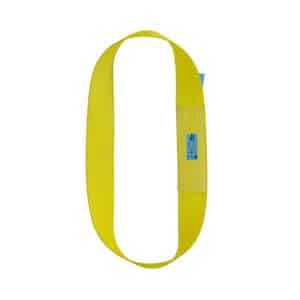
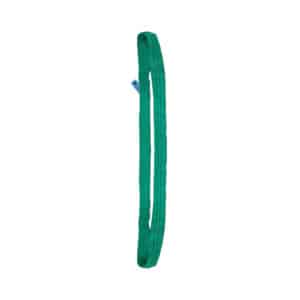
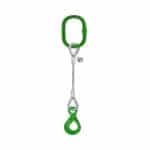
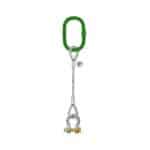
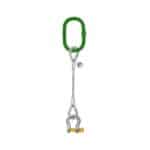
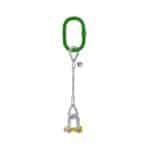
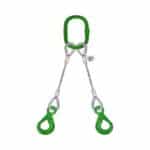
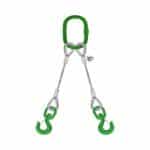
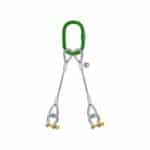
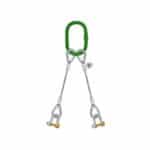
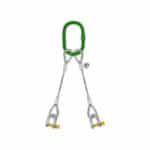
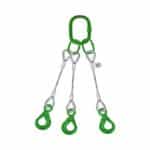
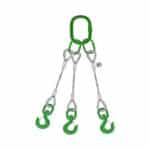
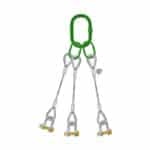
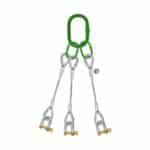
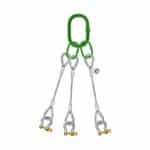
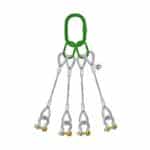
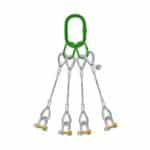
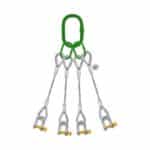
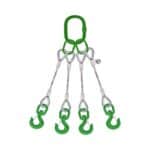
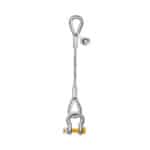
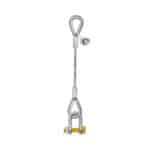
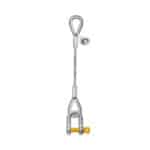
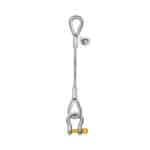
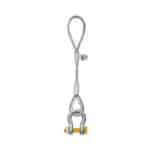
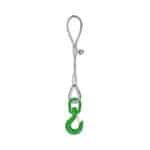
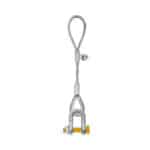
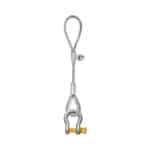
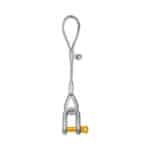
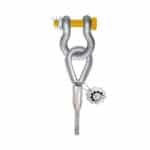
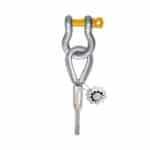
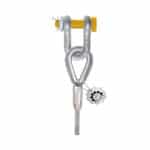
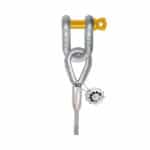
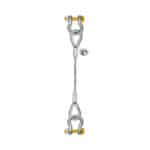
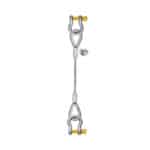
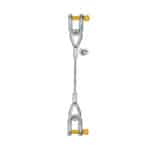
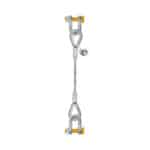
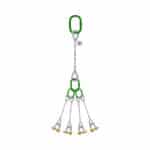
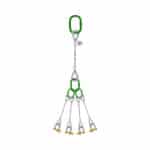
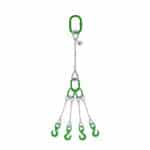
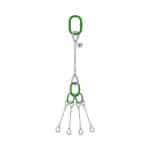
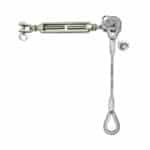
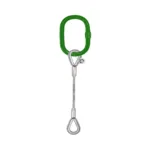
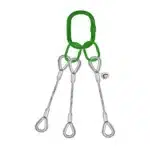
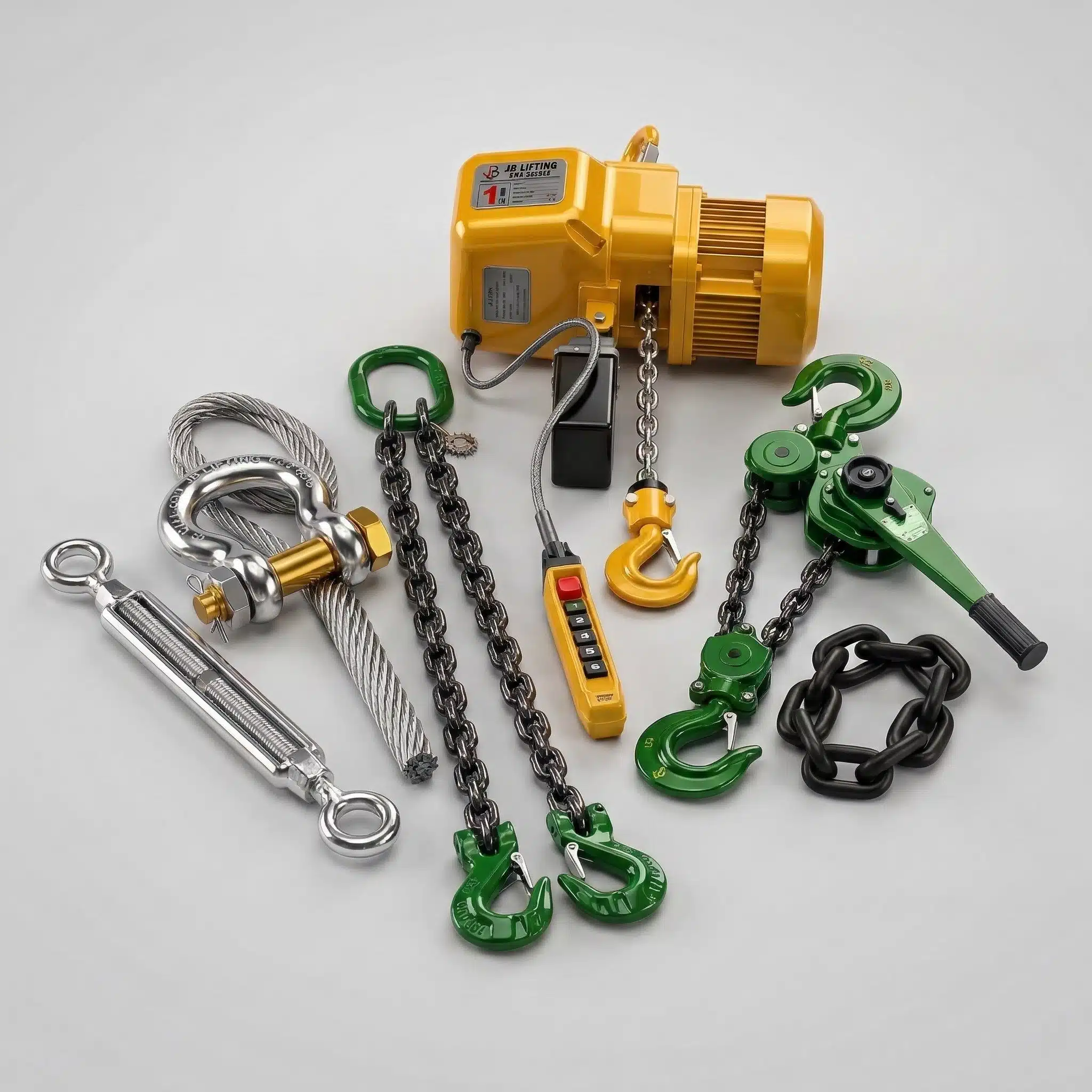
Lifting chain sling are vital tools in industries requiring the safe and efficient hoisting of heavy loads. They can be categorized based on several key factors. The first is the type of chain, with alloy steel chains prized for their exceptional strength and durability and stainless steel chains chosen for their corrosion resistance in challenging environments, especially in maritime or corrosive settings. Another critical category is the number of legs in the sling, offering flexibility in load distribution and attachment options. Single-leg slings are typically used for straightforward vertical lifts, while multi-leg slings are employed for more complex load configurations. The choice of fittings, such as hooks, master links, and connectors, plays a crucial role in connecting the sling to the load and lifting equipment. Lifting capacity, expressed as the Working Load Limit (WLL), must align with the intended load to ensure operational safety. chain sling length, grade, and adjustability further influence their versatility. Some chains are adjustable, allowing for flexibility in load attachment points and configurations. Additionally, specialized lifting chain sling is designed for unique environments or for lifting delicate or irregularly shaped loads. Regular examination and upkeep are imperative to guarantee a change in safety and longevity, with manufacturers providing guidelines for these inspections, contributing to the safety and reliability of chain sling in various industrial settings.


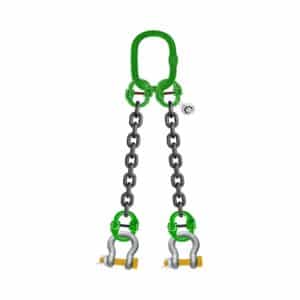
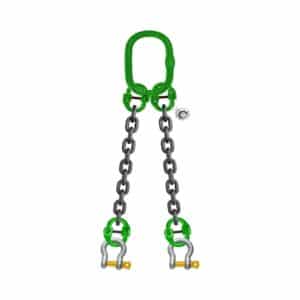
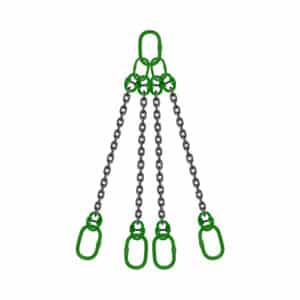
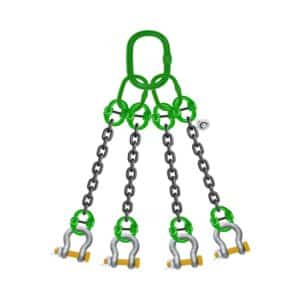
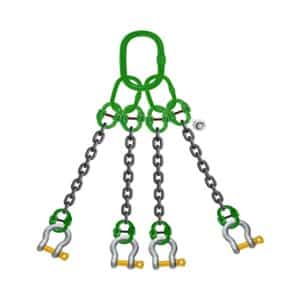
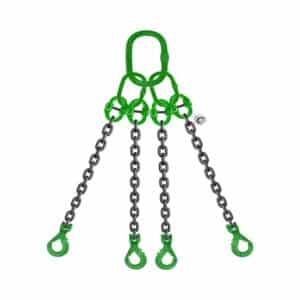
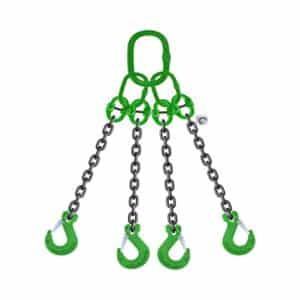
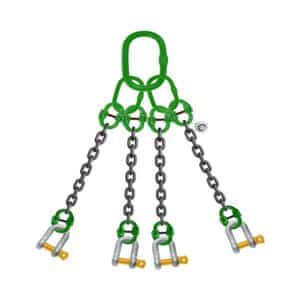
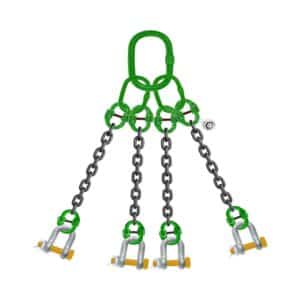
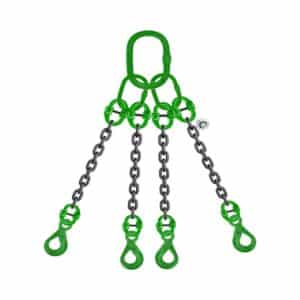
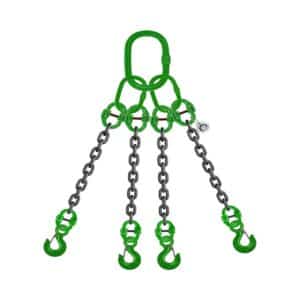
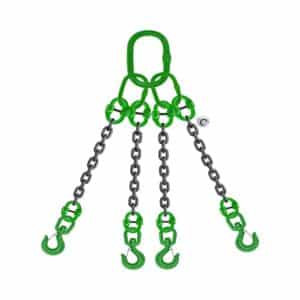
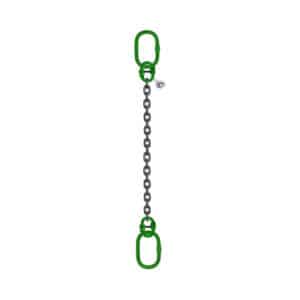
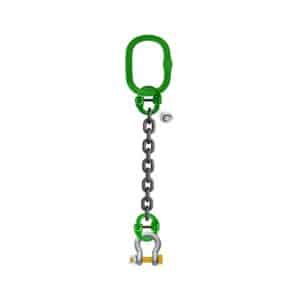
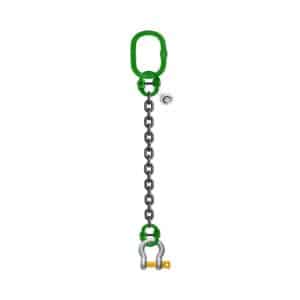
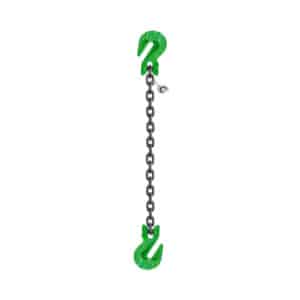
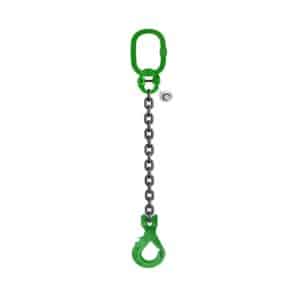
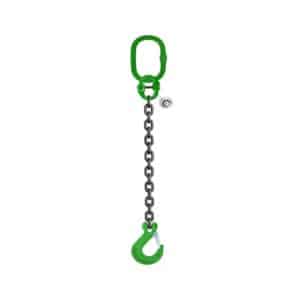
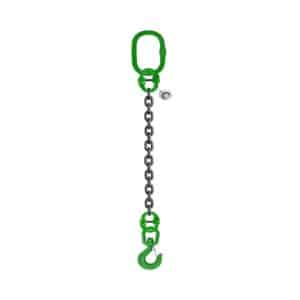
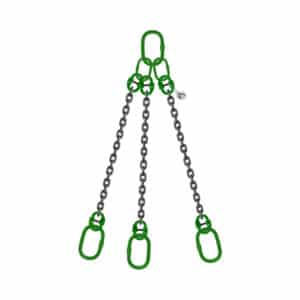
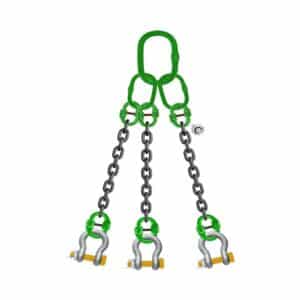
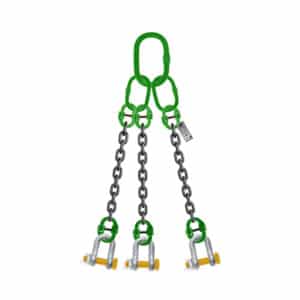
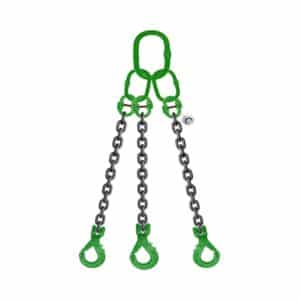
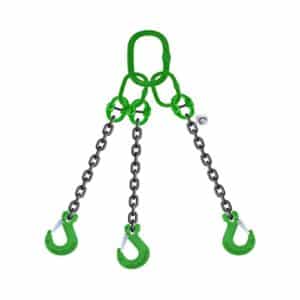
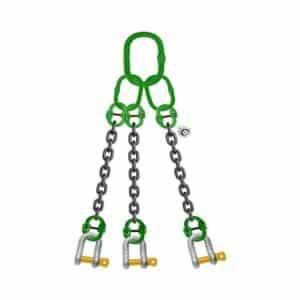
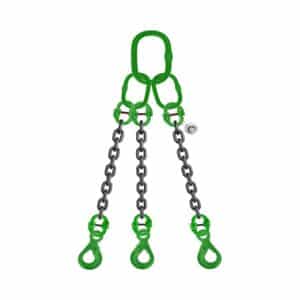
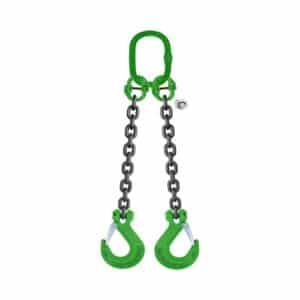
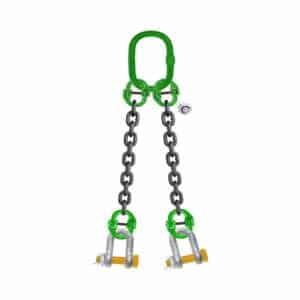
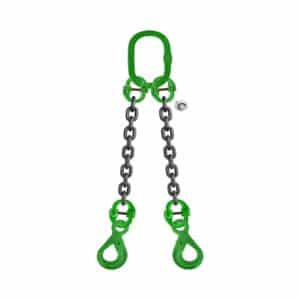
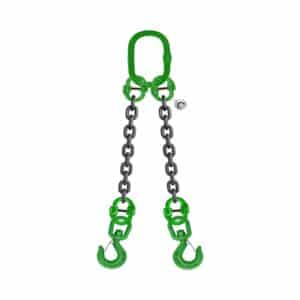
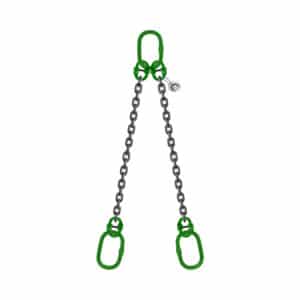
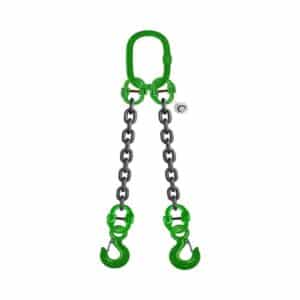
Types of Chain Slings: Detailed Information with End Fittings
Chain slings are durable, high-strength lifting tools made of metal chains that are used to lift heavy loads. They are typically used in industries such as construction, manufacturing, oil and gas, and shipping due to their strength, reliability, and flexibility in handling various lifting tasks. Below is a detailed overview of the different types of lifting chain rope sling available from JB Lifting, distributed by SSTC in Saudi Arabia, along with their features, applications, advantages, and end fittings.1. Single Leg Chain Sling
Description:
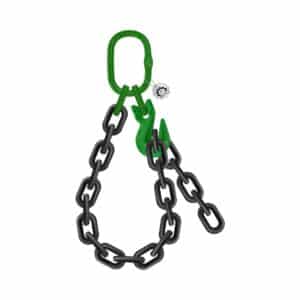
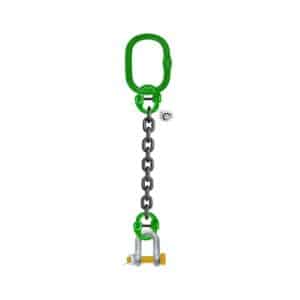
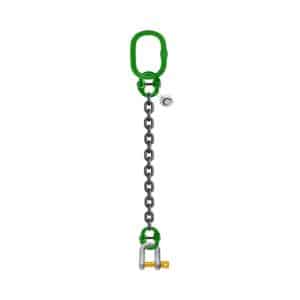
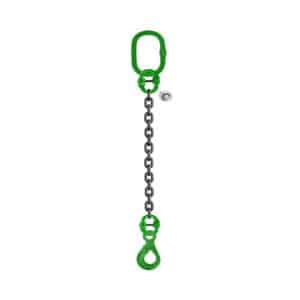
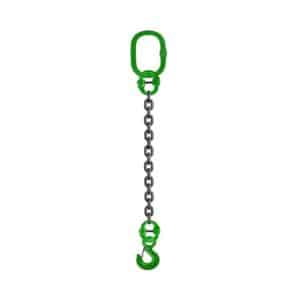
A single leg chain sling consists of one chain with a hook, shackle, or other end fitting at each end. This is the simplest type of chain lifting sling and is commonly used for lifting loads from a single point.End Fittings:
Shackles, hooks, or eye bolts.Applications:
- Lifting smaller loads that require a single point of attachment.
- Used in general industrial lifting tasks, construction, and material handling.
Advantages:
- Easy to use and lightweight.
- Ideal for simple and straightforward lifting tasks.
- Cost-effective for lifting smaller loads.
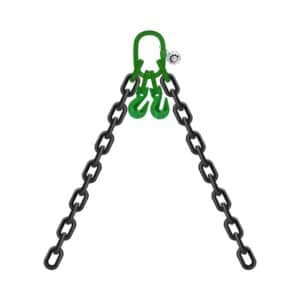
2. Double Leg Chain Sling
Description:
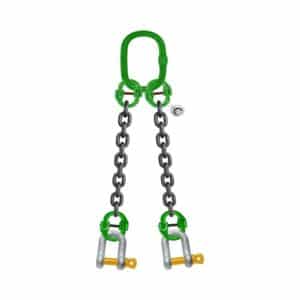
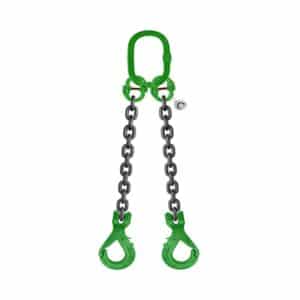
A double leg chain rope sling has two chain legs attached to a central fitting (master link). Each leg has an end fitting such as a hook or shackle. This configuration allows for more balanced lifting and is commonly used for heavier loads.End Fittings:
Shackles, hooks, clamps, or eye bolts.Applications:
- Lifting larger, heavier loads.
- Commonly used in industrial applications where balanced load lifting is necessary.
Advantages:
- Offers better load stability and distribution compared to a single leg sling.
- Provides versatility with increased load-handling capacity.
- Can lift more complex or heavier items more securely.
3. Multi-Leg Chain Sling
Description:
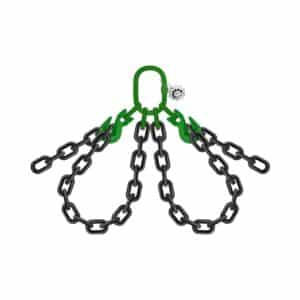
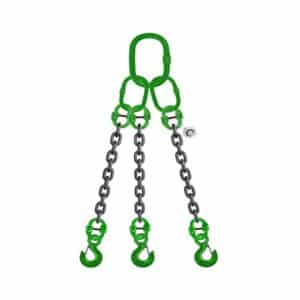
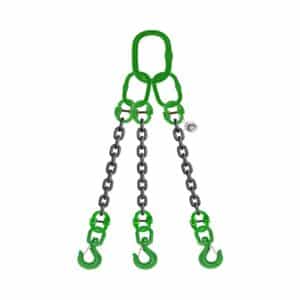
A multi-leg chain sling consists of three or more legs connected to a central master link or hook. These slings are used for lifting large, irregularly shaped, or multi-point loads.End Fittings:
Shackles, hooks, clamps, or lifting rings.Applications:
- Lifting heavy, irregularly shaped, or oversized loads.
- Used in heavy-duty lifting in industries such as construction, offshore, and shipping.
- Ideal for lifting items like heavy machinery, equipment, or large steel beams.
Advantages:
- Provides excellent load stability, with the weight distributed across multiple points.
- Reduces the risk of load imbalance, improving safety.
- Suitable for lifting complex or heavy loads.
4. G80/G100 Chain Sling
Description:
G80 and G100 refer to the grade of the chain used in the sling. G80 chain slings are made from high-quality steel with a load capacity of 80 tons, while G100 chain slings are made from higher-grade steel with a load capacity of 100 tons.End Fittings:
Shackles, hooks, clamps, and master links.Applications:
- Used in heavy-duty lifting operations where high load capacity is required.
- Suitable for industries that handle extremely heavy loads, such as construction, offshore drilling, and mining.
Advantages:
- G100 chain slings offer a higher capacity and stronger resistance to wear and tear compared to G80 chains.
- Excellent for lifting very heavy or industrial equipment.
- High durability and strength, ensuring safety in extreme conditions.
5. Adjustable Chain Sling
Description:
An adjustable chain rope sling has links that allow for changes in the sling's length. This is achieved by adding or removing chain links or adjusting the master link position.End Fittings:
Shackles, hooks, or eye bolts.Applications:
- Used in applications that require frequent adjustments in the sling length.
- Ideal for lifting loads of various sizes and heights.
Advantages:
- Provides flexibility for a variety of lifting operations.
- Easy to adjust length according to the load and required lifting height.
- Versatile and adaptable to different lifting needs.
6. Alloy Chain Sling
Description:
Alloy chain slings are made from high-strength alloy steel, making them ideal for heavy-duty lifting applications that require high resistance to wear and high temperature.End Fittings:
Shackles, hooks, clamps, or lifting rings.Applications:
- Used in demanding environments such as offshore, oil and gas, and steel mills.
- Common in lifting heavy machinery, equipment, and materials.
Advantages:
- Offers excellent strength-to-weight ratio.
- Resistant to wear, corrosion, and high temperatures, making them ideal for harsh environments.
- Long-lasting and durable even under extreme conditions.
7. Grade 120 Chain Sling
Description:
Grade 120 chain slings are made from a special high-performance alloy that provides greater strength compared to G100 chain slings. These slings are designed for extremely heavy-duty applications.End Fittings:
Shackles, hooks, clamps, or master links.Applications:
- Used for lifting extremely heavy loads in sectors like mining, oil and gas, shipping, and construction.
- Ideal for handling large machinery, steel components, and oversized industrial materials.
Advantages:
- Offers the highest strength available in chain slings.
- Strong resistance to wear and corrosion, perfect for extreme working environments.
- High load capacity while maintaining a relatively lighter weight than other chains of the same capacity.
8. Double Leg Sling with Master Link
Description:
A double leg chain sling with a master link provides a central point where the two chain legs are attached, allowing for better load control and stability.End Fittings:
Shackles, hooks, clamps, or master links.Applications:
- Used for lifting medium to heavy loads.
- Ideal for lifting steel, concrete, and large construction materials.
Advantages:
- Offers load stability and better balance.
- Increased lifting capacity due to the design with two legs.
- Suitable for handling complex, heavy, or oversized loads.
9. Grommet Chain Sling
Description:
A grommet chain sling is a continuous loop chain sling without any mechanical end fittings. The grommet chain sling is formed by joining the ends of the chain together in a loop, providing high strength and flexibility.End Fittings:
No mechanical fittings are used, but shackles or hooks can be added at connection points.Applications:
- Used for lifting loads that require a continuous loop for even load distribution.
- Suitable for lifting heavy, bulky items such as large steel pipes, beams, or construction equipment.
Advantages:
- The continuous loop design minimizes weak points and enhances the sling's strength and durability.
- Ideal for lifting heavy or irregularly shaped loads where traditional chain slings might not provide the best balance.
- Provides a versatile and strong lifting solution without the need for mechanical end fittings.
Benefits of Chain Slings
- High Strength: Chain slings can handle very heavy loads and are ideal for lifting large, bulky materials.
- Durability: Chain slings are highly resistant to wear, corrosion, and heat, making them durable even in harsh environments.
- Versatility: Available in various configurations and grades, chain slings can be adapted to suit a wide range of lifting applications.
- Safety: Due to their high strength and resilience, chain lifting sling are safer for lifting heavy or irregular loads compared to other types of slings.
Chain Slings Provided with Unique ID Number and Certificate
At SSTC, in partnership with JB Lifting, we take safety, traceability, and quality seriously. Each chain lifting sling is provided with a unique ID number and a certificate of compliance to ensure the highest standards of safety and performance. This documentation guarantees the traceability and certification of the sling, making it easier for businesses to manage their lifting equipment and meet regulatory requirements.1. Unique ID Number for Chain Slings
Traceability:
Each chain sling is assigned a unique identification number that is recorded in our system. This allows for easy tracking of the sling from manufacturing to inspection and usage.Detailed Record:
The unique ID helps track:- The manufacturing date of the sling.
- The load capacity and configuration.
- Inspection dates and any maintenance performed on the sling.
Product History:
This ID ensures that any sling can be traced back to its origin for quality assurance and safety audits.2. Certificate of Compliance
What it Includes:
Every chain sling comes with a certificate of compliance confirming that the sling meets international safety standards such as:- ISO (International Organization for Standardization)
- CE (Conformité Européenne)
- OSHA (Occupational Safety and Health Administration)
- ANSI (American National Standards Institute)
Load Testing:
The certificate often includes load test results, confirming that the sling has undergone rigorous testing to ensure its performance under high load conditions.Verification:
The certificate verifies that the chain sling is suitable for lifting operations, making it easier for businesses to comply with safety regulations.3. Benefits of the Unique ID and Certificate
Safety Assurance:
The certificate of compliance guarantees that each chain sling has been manufactured and tested to the highest safety standards, ensuring reliability and reducing the risk of accidents.Audit and Inspection:
The unique ID number allows easy access to a sling's inspection and maintenance history, making it easier to comply with regulatory audits and safety inspections.Replacement and Repairs:
In case of damage or wear, the unique ID makes it simple to identify and replace the sling with the appropriate specifications.Reduced Liability:
By maintaining a record of each sling's inspection history, you can demonstrate that proper safety protocols are being followed, which helps reduce legal and financial liability.4. How the Process Works
Order Confirmation:
When you order a chain slings for lifting from SSTC, the unique ID is assigned to your sling at the time of manufacturing.Certificate Issuance:
Along with the sling, you will receive the certificate of compliance, which includes important details such as:- Serial number
- Load capacity
- Inspection and testing details
Maintenance and Inspections:
As you use the sling, you can refer to its unique ID during inspections, maintenance, and audits, ensuring full traceability throughout the sling's service life. By providing chain slings with a unique ID number and a certificate of compliance, SSTC, in partnership with JB Lifting, ensures that your lifting operations are both safe and compliant with international standards. These certifications help maintain quality assurance, improve traceability, and reduce risk, ultimately contributing to safer and more efficient lifting operations across industries.Advantages of SSTC Chain Slings Over Competitors
Below is a comparison of the advantages of SSTC Chain Slings, supplied by JB Lifting, against other competitors in the market. SSTC offers high-quality, durable, and reliable chain slings that provide superior performance in demanding lifting applications.| Feature | SSTC Chain Slings (JB Lifting) | Competitors' Chain Slings |
| Quality | Manufactured by JB Lifting, a recognized leader in high-performance lifting products, ensuring top-quality materials and construction. | Quality may vary depending on the manufacturer, with some chains lacking consistency. |
| Customization | Fully customizable in terms of length, grade (G80, G100, G120), end fittings, and load capacities. | Limited customization options for certain sling types or configurations. |
| Load Capacity | Available in high load capacities ranging from lighter lifting (G80) to extreme heavy-duty lifting (G120) slings. | Generally offers fewer high-capacity options, limiting flexibility for specific heavy-duty tasks. |
| Durability | Highly durable and resistant to wear, corrosion, and high temperatures. Perfect for harsh environments like offshore or industrial settings. | Durability can vary, with some competitors offering less robust options for extreme conditions. |
| Corrosion Resistance | Available with galvanized or corrosion-resistant coatings for use in marine and offshore environments. | Corrosion resistance may not be as comprehensive or may require additional coatings. |
| Versatility | Versatile across various lifting tasks, including single-leg, double-leg, multi-leg, and grommet chain slings. | Limited sling configurations or specialized slings may not be available in some competitors’ offerings. |
| End Fittings | Wide selection of end fittings, including shackles, hooks, clamps, and lifting rings, allowing for flexibility in applications. | May have fewer end fitting options, limiting the ability to tailor slings to specific needs. |
| Safety Standards | Complies with international safety standards, such as ISO, CE, and OSHA, ensuring a high level of safety and reliability. | Safety certifications may vary or not meet the same level of global compliance. |
| Customer Support | Dedicated support with personalized consultations, after-sales service, and training on sling usage, maintenance, and inspections. | Customer support may be less responsive or standardized, with fewer personalized services. |
| Warranty | Longer standard warranty period with flexible terms for repairs or replacements. | Warranty periods may be shorter, and some competitors may offer limited support for damaged slings. |
| Delivery Time | Fast and reliable delivery across Saudi Arabia, with several strategically located warehouses (Dammam, Jubail, Riyadh). | Delivery time may vary significantly depending on the location and supply chain of competitors. |
| Pricing | Competitive pricing with bulk order discounts and long-term value for customers. | Prices may be higher for similar products, and competitors may not offer bulk discounts or flexible pricing. |
| Maintenance Services | Comprehensive maintenance and inspection services, ensuring the safe operation of slings over their lifespan. | Competitors may offer limited or no maintenance services, potentially leading to reduced sling lifespan. |
| Flexibility in Lifting Applications | Ideal for complex and heavy lifting operations with precise load control and stability, especially for irregular loads. | Some competitors' chain slings may not offer the same level of flexibility or load distribution. |
| Performance in Harsh Environments | Excellent performance in extreme environments such as offshore, heavy-duty industrial, and high-temperature settings. | Performance in extreme environments may be limited, with some chains deteriorating faster under harsh conditions. |
Comparison of Chain Slings, Steel Wire Rope Slings, and Polyester Web Slings
When selecting a sling for lifting operations, it’s crucial to choose the right one for your specific needs. Each type of sling—chain slings, steel wire rope slings, and polyester web slings—offers unique features, advantages, and limitations. Below is a detailed comparison to help you decide which sling is best for your lifting tasks.| Feature | Chain Slings | Steel Wire Rope Slings | Polyester Web Slings |
| Strength | Very high strength, ideal for heavy-duty lifting. | High strength, capable of lifting heavy loads. | Lower strength compared to chain and wire rope slings. |
| Durability | Extremely durable, resistant to wear, corrosion, and high temperatures. | Highly durable, resistant to wear and corrosion (with coatings). | Less durable, vulnerable to abrasion, cuts, and UV damage. |
| Flexibility | Rigid, less flexible than rope slings. | Flexible and able to conform to load shape. | Highly flexible and can conform easily to the load. |
| Weight | Heavier compared to other sling types. | Heavier than web slings but lighter than chain slings. | Lightweight, easy to handle and transport. |
| Abrasion Resistance | Excellent abrasion resistance, particularly with protective coatings. | Good abrasion resistance but more prone to wear if not maintained. | Poor abrasion resistance, can be damaged by sharp edges or rough surfaces. |
| Corrosion Resistance | Excellent resistance to corrosion, especially with galvanized options. | Available with corrosion-resistant coatings (ideal for marine environments). | Prone to corrosion, especially if exposed to moisture. |
| Load Capacity | Can handle extremely heavy loads, available in various grades (e.g., G80, G100, G120). | Can handle heavy loads, but generally lower load capacity than chain slings. | Best suited for lighter to medium-duty lifting tasks. |
| Versatility | Versatile for a variety of lifting applications, especially heavy-duty. | Highly versatile and can be used in many industries. | Less versatile for heavy or irregular loads. |
| Lifting Speed | Slower lifting speeds due to heavier weight and rigid design. | Faster lifting speeds as they are lighter and more flexible. | Fastest lifting speed due to lightness and flexibility. |
| Ease of Use | Requires more handling effort, heavy lifting may require mechanical assistance. | Requires handling care but can be easier to use than chain slings. | Very easy to use and handle, minimal effort required. |
| Storage | Requires more storage space due to bulkiness and rigidity. | Requires more storage space, but less than chain slings. | Can be folded or rolled for compact storage. |
| Cost | Generally more expensive due to high strength and durability. | Moderately priced based on material and size. | Least expensive, ideal for light-duty and budget-conscious lifting. |
| Temperature Resistance | Excellent resistance to high temperatures, especially in alloy chains. | Can withstand moderate temperatures, but may degrade in extreme heat. | Limited temperature resistance, best used in normal temperature ranges. |
| Maintenance | Requires regular inspection for wear and chain link damage. | Requires periodic inspection for wear, corrosion, and damage. | Requires frequent inspection for wear, cuts, and UV damage. |
| Safety | Very safe for heavy-duty and challenging loads, high safety rating. | Safe for general lifting applications, but requires proper inspection. | Safer for lighter loads but can tear or break under strain. |
| Applications | Heavy-duty lifting in construction, oil and gas, and industrial settings. | General lifting in construction, manufacturing, and shipping. | Light-duty lifting in warehouses, logistics, and for delicate materials. |
Key Differences and Benefits
Chain Slings:
- Best for heavy-duty lifting operations. Chain slings for lifting provide the highest load capacity and durability, making them ideal for lifting extremely heavy or industrial loads.
- Abrasion and corrosion-resistant, and can handle high temperatures.
- Heavier and less flexible than other sling types, which can make them less suitable for lighter or delicate loads.
Steel Wire Rope Slings:
- Offers great flexibility and can handle medium to heavy loads. They are lighter than chain slings and provide a balance between strength and flexibility.
- Ideal for general-purpose lifting applications but require more maintenance than chain slings.
- Resistant to wear and corrosion-resistant options are available for harsher environments like offshore.
Polyester Web Slings:
- The lightest and most flexible sling option, making them perfect for lifting delicate or irregularly shaped loads.
- Economical and easy to handle, making them suitable for light-duty lifting in warehouses, logistics, or in applications where load weight is not extreme.
- Prone to damage from abrasion, UV light, and moisture, making them less durable than chain and wire rope slings.
- Chain slings for lifting are the strongest and most durable, best suited for lifting very heavy or industrial loads where safety and strength are paramount.
- Steel wire rope slings offer a balance of strength, flexibility, and versatility, making them ideal for medium to heavy-duty lifting operations.
- Polyester web slings are best for light-duty lifting, especially when handling fragile or delicate loads in warehouse settings.
Precautions for Safe Use of Chain Slings
To ensure the safety, longevity, and optimal performance of chain slings, it's essential to follow proper handling, maintenance, and usage guidelines. Below are key precautions to take when using SSTC Chain Slings (distributed by JB Lifting) for lifting operations.1. Inspect Before Use
- Visual Inspection: Always perform a visual inspection before using the chain slings for lifting. Look for signs of wear, cracks, corrosion, or broken links.
- Load Capacity: Ensure the sling is rated for the load you intend to lift. Do not exceed the specified load capacity.
- End Fittings: Check all end fittings (e.g., shackles, hooks, clamps) for damage, deformation, or wear. Replace any damaged fittings.
2. Ensure Proper Sling Selection
- Correct Length and Configuration: Choose the appropriate chain sling configuration (single-leg, double-leg, multi-leg) based on the weight and shape of the load. Adjust the length to suit the task.
- Proper Grade: Select the appropriate chain grade (e.g., G80, G100, G120) based on the load capacity and environment. Grade 120 slings, for example, are suitable for extremely heavy-duty operations.
- End Fittings Compatibility: Ensure the end fittings are compatible with both the lifting equipment and the load. Incorrect fittings may cause instability during lifting.
3. Correct Handling and Lifting Techniques
- Balanced Lifting: Ensure the load is properly balanced to avoid tipping or instability. Use multi-leg slings for uneven loads to ensure better load distribution.
- Do Not Twist the Sling: Never twist or kink the sling, as this can cause damage and reduce its strength. The sling should remain straight and free from tension points.
- Proper Angle: When using a multi-leg sling, ensure the legs are at the correct angle (preferably between 30° and 60°). Angles outside of this range can increase the load on the sling and reduce its safe working capacity.
- Avoid Side Loading: Do not apply side loads to the chain sling, as it can cause serious damage. Ensure that the load is lifted vertically.
4. Environmental Considerations
- Corrosive Environments: In environments with high exposure to chemicals or saltwater, consider using corrosion-resistant or galvanized chain slings.
- Extreme Temperatures: Ensure the chain sling is rated for use in environments with extreme temperatures. High temperatures can weaken the sling material, so heat-resistant options may be needed in industrial applications.
- Exposure to UV: Polyester or synthetic slings should not be used in direct sunlight for prolonged periods. While chain rope sling are more resistant to UV exposure, proper storage is still crucial.
5. Do Not Use Damaged Slings
- Damaged Chains: Do not use chain rope sling that have broken or distorted links, cracks, severe corrosion, or significant wear. A damaged sling can fail under load and cause accidents.
- Worn End Fittings: Check that shackles, hooks, and clamps are not bent, cracked, or worn. Replace any damaged fittings immediately.
6. Proper Storage
- Store Properly: After use, store chain slings in a dry, clean environment to prevent corrosion. Avoid storing slings in direct sunlight or in areas exposed to chemicals or moisture.
- Avoid Storing Under Load: Never store a chain sling while it is under load or tension. This can permanently deform the sling and reduce its effectiveness.
7. Regular Maintenance and Inspection
- Routine Inspections: Conduct regular inspections as per manufacturer guidelines. Inspect chains, links, end fittings, and pins to ensure the sling is safe to use.
- Lubrication: For chain slings, periodic lubrication may be required to prevent rust and reduce wear. Follow the manufacturer's instructions for the correct type of lubricant.
- Retire Worn Slings: When a chain sling shows excessive wear, damage, or corrosion, retire it from service immediately. Worn-out slings can lead to lifting accidents.
8. Load Control
- Load Securement: Always secure the load before lifting to prevent shifting, sliding, or unexpected movements.
- Avoid Sudden Jerks: Lifting should be done slowly and smoothly. Avoid sudden jerks or fast lifts, as they can lead to excessive strain on the sling and lifting equipment.
9. Training and Safety
- Trained Operators: Only trained personnel should operate chain rope sling. Ensure all operators are familiar with the sling's rated capacity, safe lifting practices, and the proper way to inspect and maintain slings.
- Proper Signage and Warnings: Use appropriate signage and warning labels to indicate the load capacity, inspection status, and any other critical information related to the chain sling.
Maintenance and Inspection Checklist for Chain Slings
To ensure SSTC Chain Slings, distributed by JB Lifting, remain in optimal condition and provide safe, reliable lifting, it's essential to follow a comprehensive maintenance and inspection checklist. Below is a detailed guide to help you monitor the condition of your chain slings.Pre-Use Inspection Checklist
Before every use, inspect the chain rope sling to ensure it is in safe working condition:| Item | Action | Remarks |
| Visual Check for Damage | Inspect the entire chain sling for visible damage, such as cracks, wear, corrosion, or broken links. | Replace any damaged sling. |
| End Fittings (Shackles, Hooks, Clamps) | Check that end fittings are not deformed, cracked, or worn out. Ensure shackles, hooks, and clamps are secure and in good working condition. | Replace damaged fittings immediately. |
| Load Capacity Verification | Ensure the sling is rated for the load you intend to lift. Confirm the load capacity printed on the sling or tag. | Overloading slings can lead to failure. |
| Master Link and Pin Condition | Inspect the master link and pins for any signs of wear, cracks, or deformation. Ensure the pins are properly secured. | Damaged pins or master links should be replaced. |
| Twisting or Kinking | Ensure the sling is not twisted, kinked, or tangled. Slings should remain straight for maximum safety and efficiency. | Straighten or replace any twisted slings. |
| Slings’ Length | Measure the sling’s length to ensure it’s appropriate for the lifting task. | Too long or short can result in unstable lifting. |
| Wear at Load Bearing Points | Check the areas where the sling contacts load surfaces (e.g., hooks, clamps). Ensure no signs of abrasion or wear. | Apply protective sleeves if needed. |
Post-Use Inspection Checklist
After every use, inspect the chain slings for lifting for any wear or damage:| Item | Action | Remarks |
| Visual Check for Damage | Inspect for any abrasion, corrosion, or wear from the load or environment. | Clean the sling if required, and remove any contaminants. |
| Lubrication | Apply lubricant to the chain sling if needed to prevent rust and maintain smooth operation. | Follow the manufacturer's instructions for lubricants. |
| Check for Corrosion | Examine the chain for rust or corrosion, especially if used in harsh environments (e.g., offshore, wet environments). | If corrosion is present, clean or replace the sling. |
| End Fittings Check | Inspect end fittings for signs of wear, cracks, or deformation. Ensure hooks and shackles still function properly. | Replace any damaged or bent fittings. |
| Signs of Fatigue | Check the chain links for any signs of fatigue cracks or deformations. | Chain slings that have been used frequently should be checked more thoroughly. |
| Cleanliness | Ensure the sling is free from any dirt, oil, or other substances that may degrade its performance. | Clean as necessary to maintain performance. |
Monthly Inspection Checklist
A more detailed inspection should be carried out on a monthly basis to ensure the chain sling remains safe and reliable:| Item | Action | Remarks |
| Load Distribution Check | Ensure that the load is being distributed evenly across the sling. Check that multi-leg slings are operating properly and not loaded unevenly. | Uneven load distribution can cause excessive wear. |
| Detailed Inspection of Links | Inspect individual chain links for wear, cracks, or other damage. If any link shows signs of damage, the sling must be replaced. | Links should not show any sign of fatigue or deformation. |
| Test for Functionality | Ensure that shackles, hooks, and clamps move freely and function properly. Ensure there is no binding or excessive play. | Malfunctioning fittings must be replaced immediately. |
| Master Link and Pin Inspection | Check the master link and pin for wear, cracks, or any deformation. Make sure the pin is secure and correctly positioned. | If any part is damaged, remove the sling from service. |
| Check for Stretching or Elongation | Examine the sling for any signs of stretching or elongation that could indicate excessive wear or overloading. | A stretched sling may not function properly and should be replaced. |
| Certificate of Compliance Check | Ensure that the certificate of compliance for the sling is up-to-date and all necessary records are maintained. | Maintain a record of inspections for audit purposes. |
Annual Inspection Checklist
An in-depth annual inspection should be done by a qualified technician to ensure the chain sling is safe for continued use:| Item | Action | Remarks |
| Detailed Visual Inspection | Perform a thorough inspection of the entire chain sling, including end fittings, master link, and pins for any signs of wear, corrosion, or distortion. | Remove from service if any structural or safety concerns are found. |
| Non-Destructive Testing (NDT) | Consider using NDT techniques (such as ultrasonic or magnetic particle testing) to check for internal damage to the chain links. | Especially important for chains in harsh environments or with heavy usage. |
| Load Test | Perform a load test to verify that the sling can handle the specified load capacity. | Only perform load tests if permitted by manufacturer instructions. |
| Re-certification | Ensure the chain sling is re-certified as per industry or regulatory standards after inspection and testing. | Re-certification ensures the sling meets all safety requirements. |
| Replacement of Worn Components | Replace any end fittings or parts that are excessively worn or damaged. | Retire slings that no longer meet safety standards. |
General Maintenance Tips
- Store Properly: Always store chain slings in a clean, dry, and cool location away from moisture, extreme heat, or corrosive substances. Keep slings away from sharp edges or objects that can cause damage.
- Avoid Overloading: Never exceed the load rating of the chain slings for lifting. Overloading can lead to chain failure, causing accidents.
- Do Not Use Damaged Slings: If you find any damage during inspections (such as broken links, cracked fittings, or severe corrosion), remove the sling from service immediately and replace it.
Chain Sling - Frequently Asked Questions (FAQ)
Below are some common FAQs regarding chain slings, especially SSTC Chain Slings distributed by JB Lifting. This guide will help you better understand how to use, maintain, and safely operate chain slings in lifting operations.- What are Chain Slings?
- What types of Chain Slings are available?
- Single Leg Chain Sling
- Double Leg Chain Sling
- Multi-Leg Chain Sling
- Alloy Chain Sling
- G80/G100 Grade Chain Slings
- Adjustable Chain Sling
- Grommet Chain Sling (continuous loop) These slings are available in different grades (G80, G100, G120), which determine their strength and suitability for various lifting tasks.
- How do I choose the right Chain Sling for my needs?
- Load capacity: Ensure the sling can handle the weight of the load.
- Length: Choose the appropriate length based on the lifting height and load shape.
- Grade: Higher grades like G100 and G120 are suited for heavy-duty lifting, while G80 is more suitable for standard lifting.
- End fittings: Select the correct shackles, hooks, or clamps for the lifting equipment.
- How do I inspect a Chain Sling before use?
- Visible damage: Cracks, wear, corrosion, or broken links.
- End fittings: Ensure shackles, hooks, and clamps are in good condition and properly secured.
- Twisting or kinks: Ensure the sling is straight and not twisted or kinked.
- Load capacity verification: Confirm the sling is rated for the intended load. If any damage is found, remove the sling from service immediately and replace it.
- What are the advantages of Chain Slings over other types of slings?
- High strength and load capacity: Ideal for heavy-duty lifting.
- Durability: Resistant to wear, corrosion, and high temperatures.
- Versatility: Suitable for various lifting tasks and adjustable in length and configuration.
- Longer lifespan: With proper care, chain slings can last longer than polyester web slings.
- How do I maintain and care for Chain Slings?
- Regular inspections: Perform daily checks for damage, wear, or corrosion.
- Lubrication: Apply lubrication to prevent rust and reduce friction.
- Cleaning: After use, clean the sling to remove dirt, oils, and contaminants.
- Proper storage: Store slings in a dry, clean, and cool location away from moisture and extreme temperatures.
- Avoid overloading: Never exceed the rated load capacity of the chain sling.
- What should I do if I find a damaged Chain Sling?
- Broken or distorted links
- Worn end fittings
- Corrosion or cracks Immediately remove the sling from service and replace it. Do not attempt to repair the sling yourself.
- How should I store Chain Slings?
- Store chain slings in a clean, dry place to prevent corrosion or rust.
- Avoid storing the slings in direct sunlight or areas with extreme temperatures.
- Hang slings or store them in a way that prevents tangling, twisting, or damage to the links and fittings.
- What are the safety guidelines for using Chain Slings?
- Ensure trained personnel are operating the slings.
- Never exceed the rated load capacity of the sling.
- Use appropriate end fittings for the lifting equipment.
- Ensure the load is properly balanced and aligned before lifting.
- Never use a damaged or worn sling—inspect before every use.
- How often should I inspect Chain Slings?
- Daily inspections before use to check for visible damage or wear.
- Monthly detailed inspections to check for internal damage or fatigue.
- Annual inspections should be carried out by a certified professional for a more thorough check, including load testing.
- Can I use Chain Slings for lifting materials in extreme temperatures?
- Can Chain Slings be used in marine environments?
- How can I calculate the correct length of a Chain Sling?
- Lifting height: The distance from the load to the lifting point.
- Load shape: The dimensions and configuration of the load being lifted.
- Angle: For multi-leg slings, consider the angle between the sling and the load. Use the manufacturer's guidelines or consult a professional to determine the correct length for your specific lifting task.
- What is the load testing process for Chain Slings?
- Load testing involves applying a test load to the sling to ensure it can handle the rated load capacity. This test should be conducted according to the manufacturer's recommendations and local safety regulations. JB Lifting chain lifting sling are designed to withstand the stress of heavy-duty use, but periodic testing is essential to confirm their integrity.
- Can Chain Slings be repaired?
- Generally, chain slings should not be repaired by the user. Damaged slings should be replaced with new ones. If the sling requires repairs, always seek a certified service provider to assess and properly restore the sling’s integrity.
Special Pricing for Bulk Orders
- Bulk Discounts
- Save significantly when you order JB Lifting chain slings in larger quantities. Ideal for industries like construction, shipping, oil and gas, and manufacturing, bulk orders allow you to benefit from reduced prices, helping you maximize savings while keeping your operations running smoothly.
- Tailored Packages
- Customize your order to include different chain sling types, load capacities, grades (e.g., G80, G100, G120), and end fittings (such as shackles, hooks, clamps) while still benefiting from bulk pricing. Whether you need multi-leg slings, grommet slings, or single-leg slings, we can tailor a solution that meets your specific lifting needs.
- Fleet Solutions
- For shipping companies, offshore operations, and businesses with large fleets, we offer special pricing for bulk orders of chain slings used in mooring, towing, and heavy lifting. We provide customized pricing packages for high-volume purchases, helping you save more while maintaining high-quality lifting solutions.
Loyalty Programs for Repeat Clients
- Exclusive Rewards
- Repeat customers enjoy perks such as free maintenance consultations, helping you keep your JB Lifting chain slings in top condition and ensuring their longevity. We offer maintenance services and guidance on inspections to optimize sling performance.
- Priority Support
- Enjoy faster processing for orders and priority access to new product launches, limited-time offers, and special promotions. Our dedicated team ensures that your orders are processed efficiently, and we provide personalized service to meet your lifting requirements.
- Customized Discounts
- As a loyal client, you'll be eligible for special loyalty pricing based on your usage and specific industry needs. This tailored pricing will help you save on future purchases of JB Lifting chain slings, ensuring your business remains within budget while having the best equipment for your operations.
How to Place a Bulk Order
- Contact our Sales Team: Reach out to our expert sales team for personalized assistance with your bulk orders. We will discuss your specific requirements and provide a custom quote based on your order size and product specifications.
- Order Confirmation: Once your bulk order is confirmed, we will process and ship your JB Lifting chain lifting sling promptly, ensuring timely delivery to keep your operations running smoothly.
- Shipping and Delivery: Take advantage of fast and reliable delivery across Saudi Arabia, with SSTC locations in Dammam, Jubail, and Riyadh to serve you better. For international orders, we can also discuss shipping options based on your location.
Custom and Tailored Chain Sling Orders
At SSTC, we understand that different lifting tasks demand specialized solutions. That's why we offer custom and tailored chain slings, made in collaboration with JB Lifting, to meet the exact needs of your industry. Whether you require specific lengths, fittings, or load capacities, we are here to deliver premium chain slings designed for safety and efficiency.What We Offer
- Tonnage Requirement:
- We can customize steel wire rope slings for various tonnage capacities, ensuring they meet your specific load requirements.
- Tonnage capacities can range from light-duty to heavy-duty, and safety factors are applied for critical lifting applications.
- Custom tonnage options ensure that you are lifting within the safe limits for your operational needs.
- Custom Lengths and Measurements:
- Chain slings can be ordered in meters, inches, feet, or centimeters, tailored to your specific lifting requirements.
- Any length can be customized for your application, ensuring precise fit and functionality.
- Chain Grades and Configurations:
- Available in Grade 80, Grade 100, or Grade 120 for lifting tasks with varying load requirements.
- Single-leg, two-leg, three-leg, and four-leg chain slings can be customized to suit your operation.
- Enhanced Protection and Safety:
- Heat-treated and corrosion-resistant materials are available for harsh environments.
- Protective coatings and high-grade finishes extend the lifespan of your chain slings.
- Fittings and Accessories:
- Choose from a wide selection of high-quality fittings, including:
- Shackles
- Hooks (e.g., grab hooks, slip hooks, self-locking hooks)
- Master links and sub-assemblies
- Chain connectors and clamps
- All fittings meet or exceed industry safety standards and are compatible with JB Lifting chain slings.
- Choose from a wide selection of high-quality fittings, including:
- Load Capacity Adjustments:
- Customize the load capacity and safety factor to match your lifting needs.
- Clear labeling ensures accurate and visible load limits for all slings.
- Industry-Specific Designs:
- Specialized chain slings for industries such as construction, oil and gas, manufacturing, and logistics.
Why Choose SSTC for Custom Chain Slings?
- Tailored Solutions:
- Every chain sling is customized to your specific needs, from length and configuration to fittings and load capacity.
- Expert Guidance:
- Our experienced team provides in-depth consultations to ensure you get the perfect sling for your lifting operations.
- Durability and Safety:
- All custom chain slings are manufactured to meet or exceed international safety standards for reliability in demanding environments.
- Flexible Order Quantities:
- We accommodate orders of all sizes, whether you need a single sling or bulk quantities.
How to Place Your Custom Order
- Contact Us:
- Share your specifications with SSTC, including desired length (in meters, inches, feet, or centimeters), configuration, chain grade, and required fittings.
- Consultation and Design:
- Work with our team to finalize the design and ensure every detail is tailored to your requirements.
- Receive Your Custom Chain Sling:
- Once manufactured, your custom chain lifting sling, complete with fittings, will be promptly delivered to your location.
Delivery and Shipping Information for JB Lifting Chain Slings
At SSTC, we offer fast, reliable, and cost-effective shipping for JB Lifting Chain Slings to ensure that your lifting operations are not delayed. Whether you're ordering a single sling or placing a bulk order, we are committed to providing top-quality service and timely delivery across Saudi Arabia and beyond.Delivery Time
- Standard Delivery
- Orders are typically processed and shipped within 1–2 business days.
- Delivery time generally ranges between 3 to 7 business days, depending on your location within Saudi Arabia.
- Expedited Shipping
- For urgent delivery needs, we offer expedited shipping options.
- Contact us directly to arrange faster shipping that meets your specific deadlines. We can accommodate priority orders to ensure your operation continues without delay.
Shipping Fees
- Free Shipping
- We offer free shipping on orders over a certain amount. Please check the product page or contact our sales team for details about eligibility for free shipping.
- Standard Shipping Rates
- Shipping rates are calculated based on your location and order size. We aim to provide competitive rates and the best value for our customers.
Packaging
- Secure Packaging
- All JB Lifting chain lifting sling are securely packed to prevent damage during transit.
- We use high-quality packaging materials to ensure the slings arrive in perfect condition. This includes protective coatings for corrosion-resistant slings.
- Discrete Packaging
- For added privacy, we offer discreet packaging upon request, ensuring confidentiality for sensitive shipments or for specific business needs.
International Shipping
- Availability
- SSTC offers international shipping for JB Lifting chain slings for lifting. If you're located outside Saudi Arabia, please contact us for detailed information on shipping rates, delivery times, and customs requirements for your country.
- Customs and Duties
- International customers are responsible for any customs duties or taxes applicable in their country. These additional charges are typically collected by the shipping company upon delivery.
Customer Support
- If you have any questions or concerns regarding delivery, shipping rates, or need assistance with your order, please feel free to contact our sales team. We are here to help you with any queries regarding JB Lifting chain lifting sling and ensure smooth, reliable delivery.
- Our team provides personalized support to make sure you get exactly what you need and receive it on time.