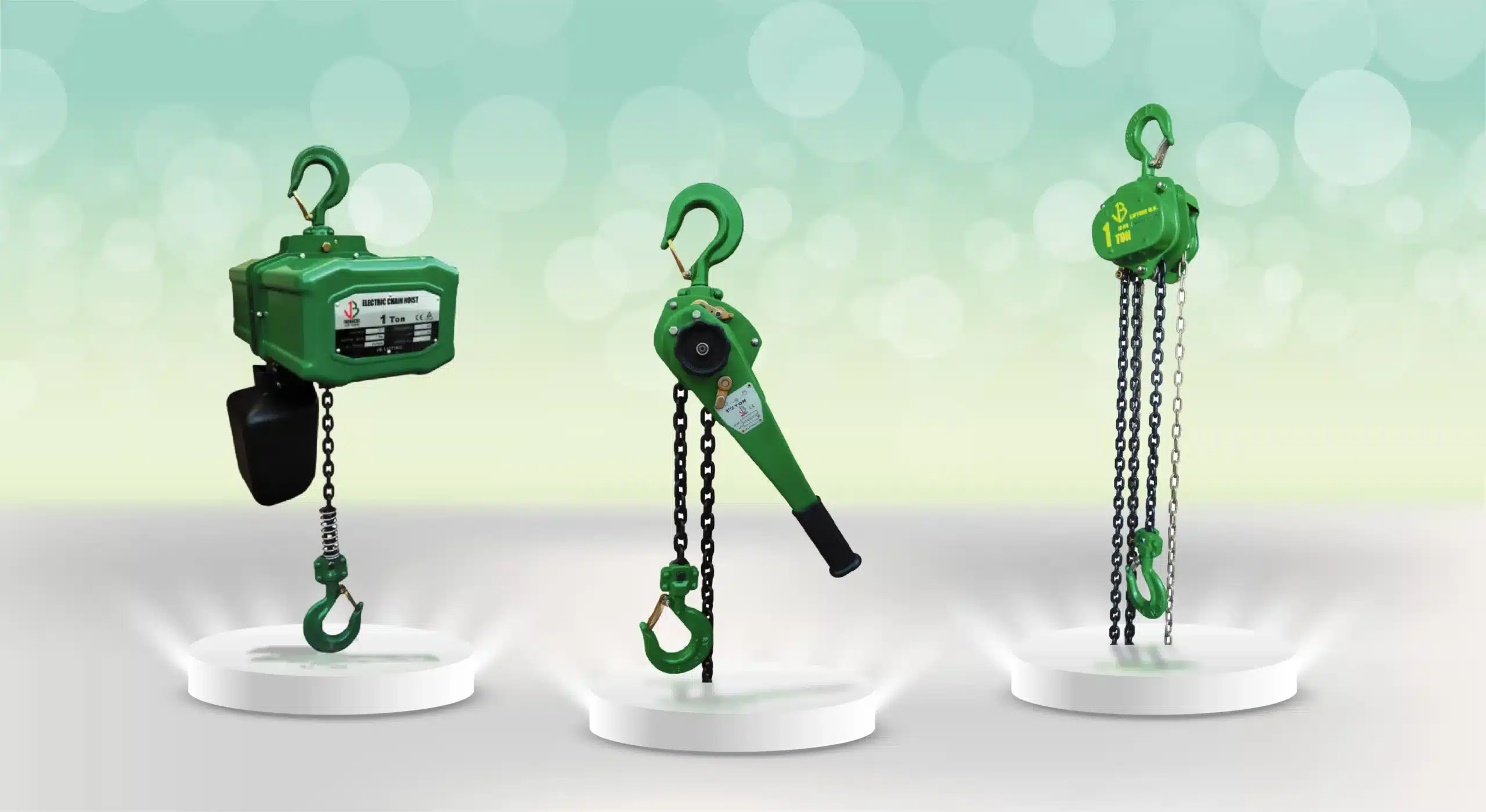
Electric chain hoists are indispensable tools in modern workshops, significantly enhancing material handling capabilities and streamlining operations. These devices allow for the effortless lifting and positioning of heavy loads, which in turn boosts efficiency and reduces the risk of manual handling injuries. However, the full potential of electric chain hoists can only be realized when they are used correctly and maintained properly.
Unfortunately, many workshops fail to achieve peak workshop productivity due to common mistakes in their operation and maintenance. These errors can lead to decreased efficiency, increased downtime, and, most importantly, safety hazards. This article aims to shed light on these frequent pitfalls and provide practical guidance on how to avoid them, ensuring that your electric chain hoists contribute to a safer, more productive, and more profitable workspace. We’ll walk you through understanding load capacities, performing inspections, mastering rigging techniques, ensuring proper training, and implementing robust maintenance schedules.
1. Introduction: Unlocking Productivity with Electric Chain Hoists
Electric chain hoists are motorized lifting devices used to raise and lower heavy loads with precision and ease. These hoists typically consist of a motor, a gearbox, a chain, and a hook, all designed to work together to lift objects far beyond the capacity of manual lifting. By automating the lifting process, electric chain hoists significantly reduce physical strain on workers and speed up material handling tasks.
The primary purpose of an electric chain hoist is to increase productivity in workshops and industrial settings. They allow for quicker and more controlled movement of materials, leading to faster project completion times and increased output. With the right lifting equipment, businesses can optimize their workflows, reduce labor costs, and improve overall operational efficiency.
However, the benefits of electric chain hoists can be undermined by common operational errors. Ignoring load capacity limits, neglecting pre-operation inspections, using improper rigging techniques, and failing to provide adequate training are just a few of the mistakes that can hinder productivity and compromise safety. By addressing these issues head-on, this article aims to provide practical solutions for maximizing the effectiveness of electric chain hoists and ensuring a safer and more productive working environment.
2. Mistake #1: Ignoring Load Capacity Limits
One of the most critical mistakes in using electric chain hoists is ignoring their load capacity limits. Exceeding these limits can lead to catastrophic failures, resulting in equipment damage, personal injuries, and costly downtime. Understanding and adhering to load capacity ratings is paramount for safe and efficient operation.
2.1 Understanding Load Capacity Ratings
Safe Working Load (SWL) and Working Load Limit (WLL) are two terms often used interchangeably to describe the maximum load that a hoist is designed to lift safely. SWL typically includes a safety factor, while WLL is the maximum weight the hoist should ever lift in normal service. It’s crucial to understand the specific terminology used by the hoist manufacturer and to adhere strictly to these limits.
Exceeding load limits is extremely dangerous for several reasons. First, it can cause mechanical stress on the hoist’s components, leading to premature wear and potential failure. Second, overloading can compromise the stability of the load, increasing the risk of it falling and causing serious injuries or fatalities. Finally, overloading can damage the hoist’s motor and other critical parts, resulting in costly repairs and downtime.
For example, attempting to lift a 3-ton object with a 2-ton hoist is a clear violation of load capacity limits. Such an action places undue stress on the hoist’s motor, chain, and hook, increasing the likelihood of a component failing. This not only endangers the immediate area but also compromises the long-term reliability of the hoist. John Smith, Lead Safety Inspector, emphasizes, “Always double-check the weight of the load and compare it to the hoist’s rated capacity before lifting.”
2.2 How to Calculate and Verify Load Weight
Accurately determining the weight of the load is essential for avoiding overloads. There are several methods for calculating and verifying load weight, each with its own level of precision and practicality. Choosing the right method depends on the nature of the load and the available resources.
One common method involves using engineering calculations based on the material, dimensions, and volume of the load. This approach requires a thorough understanding of material densities and geometric formulas. While it can provide a reasonable estimate, it’s important to account for any uncertainties or variations in material properties.
For more precise weight measurements, load cells or scales can be used. Load cells are electronic devices that measure force and can be integrated into the lifting system to provide real-time weight readings. Scales, on the other hand, can be used to weigh the load before it is attached to the hoist. Both methods offer a high degree of accuracy and can help prevent accidental overloads. In our experience, when our team in Dubai faces uncertainty, they always double-check their math.
| Method |
Description |
Pros |
Cons |
| Engineering Calculations |
Estimating weight based on material, dimensions, and volume. |
Cost-effective, suitable for simple shapes. |
Less accurate, requires knowledge of material properties. |
| Load Cells |
Electronic devices integrated into the lifting system for real-time weight measurement. |
Highly accurate, provides immediate feedback. |
More expensive, requires integration and calibration. |
| Scales |
Weighing the load before attaching it to the hoist. |
Accurate, straightforward to use. |
Requires a suitable scale, may not be practical for very large loads. |
2.3 Avoiding Overloading: Practical Tips
Avoiding overloading requires a combination of careful planning, diligent monitoring, and proper training. Implementing practical tips can help ensure that load capacity limits are never exceeded.
Regularly checking load weights is a fundamental step. Before each lift, verify the weight of the load using one of the methods described above. This ensures that the weight is within the hoist’s capacity and that there are no unexpected surprises during the lifting process.
Using overload protection devices is another essential measure. Many modern electric chain hoists are equipped with overload protection systems that automatically stop the hoist if the load exceeds the rated capacity. Regularly test and calibrate these devices to ensure they are functioning correctly.
Training personnel to recognize weight limits is also crucial. Operators should be trained to estimate load weights and to understand the consequences of overloading. This includes teaching them how to read load charts, interpret weight measurements, and identify potential hazards associated with exceeding load limits.
“Prioritize safety by always verifying the load weight and adhering to the hoist’s rated capacity. This simple step can prevent accidents and extend the life of your equipment.” – Mary Johnson, Crane Safety Consultant
3. Mistake #2: Neglecting Pre-Operation Inspections
Neglecting pre-operation inspections is a critical mistake that can lead to equipment failures, accidents, and injuries. Daily inspections are essential for identifying potential problems before they escalate into serious issues. A thorough inspection routine can help ensure the hoist operates safely and efficiently.
3.1 The Importance of Daily Inspections
Daily inspections are crucial for maintaining the safety and performance of electric chain hoists. These inspections help identify wear, damage, or other issues that could compromise the hoist’s ability to lift loads safely. By catching these problems early, you can prevent breakdowns, reduce downtime, and protect workers from potential hazards.
During daily inspections, look for several key indicators. Check the chain for signs of wear, stretch, or damage, such as kinks, corrosion, or broken links. Inspect the hook for cracks, deformation, or latch malfunctions. Examine the electrical components for frayed wires, loose connections, or other signs of damage. Additionally, listen for any unusual noises during operation, such as grinding, squealing, or clicking, which could indicate internal problems.
3.2 Key Inspection Points: A Checklist
A comprehensive inspection checklist should include the following key points:
- Chain Condition: Check the chain for wear, stretch, and damage. Look for signs of corrosion, kinks, or broken links. Measure the chain’s length to ensure it is within acceptable limits.
- Hook Integrity: Inspect the hook for cracks, deformation, and proper latch functionality. Ensure the latch is securely in place and that it closes properly.
- Electrical Components: Examine the electrical wiring, connections, and controls for signs of damage or wear. Look for frayed wires, loose connections, or cracked insulation.
- Brake Function: Test the brake to ensure it engages properly and holds the load securely. Check for signs of wear or slippage.
- Limit Switches: Verify that the upper and lower limit switches are functioning correctly and are properly adjusted.
- Emergency Stop Button: Test the emergency stop button to ensure it immediately halts the hoist’s operation.
- Lubrication: Check that all lubrication points are properly lubricated.
3.3 Documenting Inspections
Maintaining a logbook of inspections and findings is crucial for compliance and maintenance. This documentation provides a record of the hoist’s condition over time, allowing you to track wear patterns, identify recurring problems, and schedule preventative maintenance.
Documentation is important for several reasons. First, it provides evidence that inspections are being conducted regularly, which is often required by safety regulations and insurance policies. Second, it helps identify trends in equipment performance, allowing you to anticipate potential problems before they lead to breakdowns. Finally, it provides a valuable resource for maintenance personnel, who can use the inspection records to diagnose problems and plan repairs.
4. Mistake #3: Improper Sling and Rigging Techniques
Improper sling and rigging techniques can significantly increase the risk of accidents and injuries when using electric chain hoists. Choosing the right sling and using correct rigging methods are essential for ensuring the safe and stable lifting of loads.
4.1 Choosing the Right Sling
Different types of slings are available, each designed for specific applications and load types. Common sling materials include chain, wire rope, and synthetic fibers, such as nylon or polyester. Selecting the appropriate sling depends on factors such as load weight, shape, lifting environment, and potential for abrasion or cutting.
Chain slings are known for their strength and durability, making them suitable for heavy loads and harsh environments. Wire rope slings offer good flexibility and resistance to abrasion. Synthetic slings are lightweight and easy to handle, making them ideal for delicate loads or situations where minimizing weight is important.
Selecting the appropriate sling also depends on the load’s weight and shape. Always choose a sling with a Safe Working Load (SWL) that exceeds the weight of the load. For loads with sharp edges, use slings with protective padding or corner protectors to prevent damage.
4.2 Rigging Techniques for Safe Lifting
Proper hitch configurations are essential for safe and stable lifting. Common hitch configurations include vertical, choker, and basket hitches. Each hitch type has its own advantages and limitations, and the choice depends on the load’s weight, shape, and lifting requirements.
Vertical hitches are the simplest configuration, where the sling is attached directly to the load. Choker hitches provide a tighter grip on the load, but they reduce the sling’s effective SWL. Basket hitches distribute the load evenly across two sling legs, increasing the lifting capacity.
Using spreader beams can help distribute the load and prevent damage to the load or the sling. Spreader beams are particularly useful for lifting long or awkward loads, as they prevent the sling legs from pinching or squeezing the load.
4.3 Common Rigging Mistakes to Avoid
Several common rigging mistakes can compromise safety and lead to accidents. Avoiding these mistakes is crucial for ensuring safe and efficient lifting operations.
Sharp edges can damage slings, reducing their strength and increasing the risk of failure. Always use edge protectors or padding to protect slings from sharp edges. Uneven load distribution can also cause problems. Ensure the load is evenly distributed across all sling legs to prevent overloading any one leg. Never use damaged or worn slings, as they may fail under load. Regularly inspect slings for signs of wear, damage, or corrosion, and replace them immediately if any defects are found.
“Proper rigging is not just about lifting; it’s about ensuring everyone goes home safely. Always double-check your setup and never compromise on safety.” – David Lee, Rigging Specialist
5. Mistake #4: Poor Operator Training
Poor operator training is a significant contributor to accidents and inefficiencies in workshops that utilize electric chain hoists. Properly trained operators are essential for safe and efficient operation, reducing the risk of accidents, equipment damage, and downtime.
5.1 The Importance of Comprehensive Training
Comprehensive training is essential for ensuring that operators understand the proper procedures for operating electric chain hoists safely and efficiently. Training should cover all aspects of hoist operation, from pre-operation inspections to emergency procedures.
A comprehensive training program should include several key components. Operators should be trained on hoist operation procedures, including starting, stopping, and controlling the hoist. They should also be trained on load weight estimation and calculation, to ensure they can accurately determine the weight of the load and avoid overloading the hoist. Training on sling and rigging techniques is also essential, to ensure that operators can properly attach and secure loads. Finally, operators should be trained on emergency procedures, including how to respond to equipment failures, power outages, and other unexpected events.
5.2 Key Training Components
Key components of a comprehensive training program include:
- Hoist Operation Procedures: Step-by-step instructions on how to start, stop, and control the hoist safely.
- Load Weight Estimation and Calculation: Methods for accurately determining the weight of the load.
- Sling and Rigging Techniques: Proper techniques for selecting and using slings and rigging hardware.
- Emergency Procedures: Procedures for responding to equipment failures, power outages, and other emergencies.
5.3 Certification and Refresher Courses
Operator certification demonstrates that an operator has met specific training and competency requirements. Certification can enhance safety, improve productivity, and reduce the risk of accidents and injuries.
Scheduling regular refresher courses is essential for maintaining skills and ensuring that operators stay up-to-date on the latest safety procedures and best practices. Refresher courses should be conducted at least annually and should cover any new equipment, procedures, or regulations.
6. Mistake #5: Inadequate Maintenance and Lubrication
Inadequate maintenance and lubrication can lead to premature wear, equipment failures, and safety hazards. Developing a maintenance schedule and following lubrication best practices are essential for ensuring the long-term reliability and performance of electric chain hoists.
6.1 Developing a Maintenance Schedule
Creating a schedule for regular maintenance tasks is crucial for preventing breakdowns and ensuring the hoist operates safely and efficiently. A well-defined maintenance schedule should include routine inspections, lubrication, and component checks.
Key maintenance tasks include:
- Lubrication: Regularly lubricating all moving parts to reduce friction and prevent wear.
- Chain Inspection: Inspecting the chain for wear, stretch, and damage.
- Brake Adjustment: Checking and adjusting the brake to ensure it engages properly and holds the load securely.
- Electrical Component Inspection: Examining electrical wiring, connections, and controls for signs of damage or wear.
- Limit Switch Testing: Verifying that the upper and lower limit switches are functioning correctly and are properly adjusted.
6.2 Lubrication Best Practices
Selecting the correct lubricant for the hoist is essential for preventing wear and corrosion. Consult the hoist manufacturer’s recommendations for the appropriate type of lubricant. Proper lubrication techniques involve applying lubricant to all moving parts, such as the chain, gears, and bearings. Use a grease gun or other applicator to ensure that the lubricant is applied evenly and thoroughly.
6.3 Identifying and Addressing Wear and Tear
Recognizing signs of wear on critical components is essential for preventing failures. Look for signs of wear on the chain, such as excessive stretch, corrosion, or broken links. Inspect the hook for cracks, deformation, or latch malfunctions. Examine the electrical components for frayed wires, loose connections, or cracked insulation.
Replacing worn parts promptly is crucial for preventing failures and ensuring the hoist operates safely. Keep a supply of spare parts on hand, such as chains, hooks, and electrical components, so that you can quickly replace worn or damaged parts.
7. Mistake #6: Ignoring Environmental Factors
Ignoring environmental factors can significantly impact the performance and lifespan of electric chain hoists. Temperature, humidity, and dust can all affect the hoist’s operation and lead to premature wear and failures.
7.1 Understanding Environmental Impacts
Temperature, humidity, and dust can all affect hoist performance. High temperatures can cause overheating, while low temperatures can make lubricants thicken and reduce their effectiveness. Humidity can cause corrosion, while dust can clog moving parts and increase wear.
Choosing hoists designed for specific environments is essential. For example, explosion-proof hoists are designed for use in hazardous environments where flammable gases or vapors may be present. These hoists are built with special enclosures and components that prevent sparks from igniting the surrounding atmosphere.
7.2 Protecting Hoists from the Elements
Using covers or enclosures can protect hoists from dust and moisture. Covers can be used to shield the hoist from direct sunlight, rain, and snow. Enclosures provide a more complete barrier against the elements, protecting the hoist from dust, moisture, and other contaminants.
Implementing corrosion prevention measures is essential in humid environments. This can include applying rust inhibitors to exposed metal surfaces, using corrosion-resistant materials, and regularly cleaning and drying the hoist.
7.3 Special Considerations for Extreme Environments
Selecting hoists with appropriate temperature ratings is essential for extreme temperature environments. Hoists designed for low-temperature environments are built with special lubricants and components that can withstand cold temperatures without becoming brittle or losing their effectiveness.
Using sealed enclosures is important in dusty environments. Sealed enclosures prevent dust from entering the hoist’s internal components, reducing wear and preventing malfunctions.
8. Mistake #7: Neglecting Safety Devices
Neglecting safety devices can lead to serious accidents and injuries. Electric chain hoists are equipped with several safety devices, such as overload protection systems, limit switches, and emergency stop buttons, which are designed to prevent accidents and protect workers.
8.1 Overload Protection Systems
Understanding how overload protection systems work is essential for ensuring they function correctly. Overload protection systems are designed to automatically stop the hoist if the load exceeds the rated capacity. These systems typically consist of a load cell or other sensor that measures the weight of the load and a control system that monitors the sensor readings.
Regularly testing and calibrating overload protection devices is crucial for ensuring they are functioning correctly. This can be done by applying a known load to the hoist and verifying that the overload protection system activates at the correct weight.
8.2 Limit Switches
The purpose of upper and lower limit switches is to prevent the hoist from traveling beyond its safe operating range. Upper limit switches prevent the hoist from lifting the load too high, while lower limit switches prevent the hoist from lowering the load too far.
Ensuring limit switches are properly adjusted and functioning is essential for preventing accidents. Limit switches should be adjusted so that they activate before the hoist reaches its maximum or minimum travel limits.
8.3 Emergency Stop Buttons
The importance of easily accessible emergency stop buttons cannot be overstated. Emergency stop buttons are designed to immediately halt the hoist’s operation in the event of an emergency. These buttons should be located in easily accessible locations, such as on the hoist’s control panel or on a nearby wall.
Regularly testing emergency stop functionality is crucial for ensuring they are working correctly. This can be done by pressing the emergency stop button and verifying that the hoist immediately stops.
9. Mistake #8: Improper Storage of Hoists
Improper storage of hoists can lead to corrosion, damage, and reduced performance. Following best practices for storing hoists is essential for ensuring they are ready for use when needed and that their lifespan is maximized.
9.1 Best Practices for Storing Hoists
Cleaning and lubricating hoists before storage is essential for preventing corrosion and damage. Remove any dirt, grease, or other contaminants from the hoist’s surfaces. Apply a thin layer of lubricant to all moving parts to prevent rust and corrosion.
Storing hoists in a dry, protected environment is crucial for preventing moisture damage. Choose a storage location that is free from humidity, rain, and snow. If possible, store the hoist indoors, in a climate-controlled environment.
9.2 Preventing Corrosion and Damage During Storage
Using rust inhibitors can prevent corrosion during storage. Apply a rust inhibitor to exposed metal surfaces to protect them from moisture and corrosion. Protecting hoists from physical damage during storage is also important. Store hoists in a way that prevents them from being bumped, scratched, or otherwise damaged.
9.3 Regular Inspections of Stored Hoists
Periodically inspecting stored hoists for signs of damage or corrosion is essential for ensuring they are ready for use when needed. Look for signs of rust, corrosion, or other damage on the hoist’s surfaces. Check the chain, hook, and electrical components for signs of wear or damage.
Performing necessary maintenance before returning hoists to service is crucial for ensuring they operate safely and efficiently. Lubricate all moving parts, check the chain and hook for wear, and inspect the electrical components for damage.
10. Mistake #9: Using the Wrong Type of Hoist for the Job
Using the wrong type of hoist for the job can lead to inefficiencies, safety hazards, and equipment damage. Assessing your lifting needs and selecting the right type of hoist is essential for optimal performance and safety.
10.1 Assessing Your Lifting Needs
Considering the frequency and weight of lifts is essential for determining the appropriate hoist type. For frequent, heavy lifts, a heavy-duty hoist with a high lifting capacity is required. For occasional, lighter lifts, a lighter-duty hoist may be sufficient.
Evaluating the available headroom and workspace is also important. Low headroom hoists are designed for use in environments with limited vertical space. Compact hoists are ideal for workspaces with limited horizontal space.
10.2 Different Types of Electric Chain Hoists
Low headroom hoists are designed for use in environments with limited vertical space. These hoists have a compact design that allows them to lift loads closer to the overhead support structure.
Explosion proof hoists are designed for use in hazardous environments where flammable gases or vapors may be present. These hoists are built with special enclosures and components that prevent sparks from igniting the surrounding atmosphere.
Variable speed hoists allow for precise control over the lifting and lowering speed. These hoists are ideal for applications where precise positioning is required.
| Hoist Type |
Application |
Pros |
Cons |
| Low Headroom Hoists |
Limited vertical space |
Compact design, maximizes lifting height |
May have lower lifting capacity |
| Explosion Proof Hoists |
Hazardous environments |
Prevents sparks, safe for flammable environments |
More expensive, specialized components |
| Variable Speed Hoists |
Precise positioning |
Precise control over lifting speed |
More complex, higher maintenance |
10.3 Selecting the Right Hoist for Optimal Performance
Matching the hoist type to the specific lifting requirements is essential for optimal performance. For example, using a low headroom hoist in a low headroom environment will maximize lifting height and improve efficiency.
Consulting with experts can help determine the best hoist for your needs. Experts can assess your lifting requirements, evaluate your workspace, and recommend the most appropriate hoist type.
11. Troubleshooting Common Electric Chain Hoist Problems
Electric chain hoists, like all mechanical devices, can experience occasional problems. Understanding common issues and how to troubleshoot them can minimize downtime and ensure continuous operation.
- Hoist not lifting: Check the power supply to ensure the hoist is receiving power. Verify that the overload protection system has not been activated. Inspect the motor for signs of damage or failure.
- Chain slipping: Inspect the chain for wear, stretch, and damage. Lubricate the chain to reduce friction. Check the brake to ensure it is engaging properly and holding the load securely.
- Erratic movement: Examine electrical connections for looseness or corrosion. Inspect the control mechanisms for signs of damage or wear. Check the limit switches to ensure they are functioning correctly.
12. Conclusion: Maximizing Productivity with Electric Chain Hoists
In conclusion, avoiding common mistakes in the operation and maintenance of electric chain hoists is essential for maximizing productivity, ensuring safety, and extending the lifespan of your equipment. By understanding and adhering to load capacity limits, performing regular pre-operation inspections, using proper sling and rigging techniques, providing comprehensive operator training, implementing a robust maintenance schedule, considering environmental factors, maintaining safety devices, storing hoists properly, and selecting the right type of hoist for the job, you can significantly improve the efficiency and safety of your workshop.
By following the guidelines outlined in this article, you’ve equipped yourself with the knowledge to avoid common pitfalls and optimize the performance of your electric chain hoists. We are confident that these best practices will lead to a safer and more productive working environment for your team.
FAQ Section
Q: How often should I inspect my electric chain hoist?
A: Daily pre-operation inspections are essential, along with periodic thorough inspections by qualified personnel, as outlined in the hoist’s maintenance manual.
Q: What do I do if my hoist is not lifting the load?
A: First, check the power supply and ensure the hoist is receiving power. Then, verify that the load is within the hoist’s rated capacity and that the overload protection system hasn’t been activated. If the problem persists, consult a qualified technician.
Q: How do I choose the right sling for my lifting application?
A: Consider the load’s weight, shape, and potential for abrasion. Choose a sling with a Safe Working Load (SWL) that exceeds the weight of the load and is made from a material appropriate for the lifting environment.
Q: What type of lubricant should I use for my electric chain hoist?
A: Consult the hoist manufacturer’s recommendations for the appropriate type of lubricant. Typically, a high-quality gear oil or chain lubricant is recommended.
Q: How important is operator training for using electric chain hoists?
A: Operator training is extremely important. Properly trained operators are essential for safe and efficient operation, reducing the risk of accidents, equipment damage, and downtime.
Q: What are the key components of a comprehensive training program?
A: Key components include hoist operation procedures, load weight estimation and calculation, sling and rigging techniques, and emergency procedures.
Q: What is the purpose of limit switches on an electric chain hoist?
A: Limit switches prevent the hoist from traveling beyond its safe operating range. Upper limit switches prevent the hoist from lifting the load too high, while lower limit switches prevent the hoist from lowering the load too far.
Q: How can I protect my electric chain hoist from corrosion?
A: Use covers or enclosures to protect the hoist from dust and moisture. Implement corrosion prevention measures, such as applying rust inhibitors to exposed metal surfaces and regularly cleaning and drying the hoist.
Q: What should I do if my electric chain hoist starts making unusual noises?
A: Unusual noises, such as grinding, squealing, or clicking, could indicate internal problems. Stop using the hoist immediately and consult a qualified technician to diagnose and repair the issue.
Q: What are some common mistakes to avoid when using electric chain hoists?
A: Common mistakes include ignoring load capacity limits, neglecting pre-operation inspections, using improper sling and rigging techniques, failing to provide adequate training, and inadequate maintenance and lubrication. By avoiding these mistakes, you can significantly improve the safety and efficiency of your lifting operations.