The relentless pursuit of enhanced productivity and safety is a constant challenge for businesses across diverse sectors. Manual lifting, a ubiquitous task in material handling, often presents significant hurdles, leading to operational bottlenecks and increased risk of workplace injuries. Inefficient material handling directly impacts a company’s bottom line, reducing overall productivity and eroding profitability. Addressing these challenges head-on requires innovative solutions, and electric chain hoists offer a compelling pathway to improved efficiency and safety.
1. ✅ Streamlining Operations with Electric Chain Hoists
1.1. The Problem: Manual Lifting Bottlenecks
Manual lifting, while seemingly straightforward, introduces a range of limitations that can significantly impede operational efficiency. The pace of manual lifting is inherently variable and often slower than automated solutions. This inconsistency can disrupt production timelines and create bottlenecks in material flow. Furthermore, manual lifting is prone to human error, leading to damaged goods, rework, and potential delays. These combined factors can substantially reduce overall production efficiency.
1.2. The Solution: Speed and Precision
Electric chain hoists offer a compelling solution to the challenges posed by manual lifting. These devices provide consistent and controlled lifting speeds, ensuring a predictable pace of operation. Many electric chain hoists also feature variable speed controls, allowing operators to fine-tune lifting and lowering speeds for enhanced precision. This is particularly beneficial when handling delicate or sensitive materials. By automating the lifting process, electric chain hoists reduce the risk of human error and streamline material flow.
1.3. Case Study: Faster Turnaround in Manufacturing
Consider a hypothetical manufacturing company, “Precision Products Inc.,” that assembles complex electronic components. Previously, the company relied on manual lifting to move heavy parts between workstations. This resulted in a cycle time of 4 hours per unit. After implementing electric chain hoists, Precision Products Inc. experienced a dramatic improvement. The consistent lifting speeds and precise control offered by the electric chain hoists reduced the cycle time to just 2.8 hours per unit, a 30% reduction. As a result, the company’s daily output increased by 25%, significantly boosting its overall productivity and profitability. For many of our clients here in Dammam, we’ve seen similar improvements in turnaround times.
2. 💡 Enhancing Workplace Safety and Reducing Risks
2.1. The Problem: Musculoskeletal Disorders (MSDs)
Musculoskeletal disorders (MSDs) represent a significant concern in workplaces where manual lifting is prevalent. These disorders, affecting muscles, tendons, nerves, and joints, are often caused by repetitive motions, awkward postures, and excessive force. MSDs can lead to chronic pain, reduced mobility, and decreased productivity. The financial burden associated with MSDs is substantial, encompassing healthcare costs, lost productivity, and workers’ compensation claims. According to the Bureau of Labor Statistics, MSDs account for approximately 33% of all workplace injuries and illnesses, resulting in billions of dollars in annual costs.
2.2. The Solution: Ergonomic Lifting Assistance
Electric chain hoists provide ergonomic lifting assistance, significantly reducing the physical strain on workers. By automating the lifting process, these devices eliminate the need for manual exertion, minimizing the risk of MSDs. Modern electric chain hoists are equipped with a range of safety features, including overload protection systems that prevent lifting beyond the rated capacity and emergency stop mechanisms for immediate halting of operations in critical situations. These features collectively contribute to a safer work environment and reduce the likelihood of workplace injuries.
2.3. Real-World Example: Fewer Injuries, Lower Insurance Costs
“Apex Manufacturing,” a metal fabrication company, implemented electric chain hoists to handle heavy steel components. Prior to the implementation, the company averaged 8 MSD-related injuries per year, resulting in significant workers’ compensation costs and lost productivity. Following the installation of electric chain hoists, the number of MSD-related injuries decreased to just 2 per year. This 75% reduction in injuries led to a substantial decrease in workers’ compensation premiums, saving Apex Manufacturing an estimated $50,000 per year. The improved safety record also boosted employee morale and reduced absenteeism.
3. ➡️ Optimizing Space Utilization and Workflow
3.1. The Problem: Cluttered Workspaces and Limited Vertical Space
Inefficient material handling practices often contribute to cluttered workspaces and underutilized vertical space. When materials are stored haphazardly on the floor, they obstruct walkways, create tripping hazards, and impede workflow. Limited vertical space further exacerbates the problem, restricting storage capacity and forcing businesses to expand their footprint unnecessarily. Cluttered workspaces not only reduce efficiency but also increase the risk of accidents and injuries.
3.2. The Solution: Overhead Lifting and Compact Design
Electric chain hoists offer a solution by enabling overhead lifting, which frees up valuable floor space and maximizes vertical space utilization. By suspending materials above the floor, these devices eliminate obstructions and create a safer, more organized work environment. The compact design of modern electric chain hoists allows them to operate effectively in tight spaces, further enhancing their versatility. Our clients in Saudi Arabia often struggle with limited space, and overhead lifting is a frequent solution.
3.3. Practical Application: Increased Storage Capacity and Efficient Material Flow
“Warehouse Solutions Inc.,” a distribution center, faced challenges in optimizing its storage capacity and streamlining material flow. By implementing electric chain hoists in conjunction with a racking system, the company was able to lift and store materials vertically, effectively doubling its storage capacity within the existing footprint. The overhead lifting system also facilitated a more efficient material flow, reducing the time required to retrieve and transport goods. This resulted in a 20% improvement in order fulfillment rates and a significant reduction in operational costs.
4. Understanding Electric Chain Hoist Types
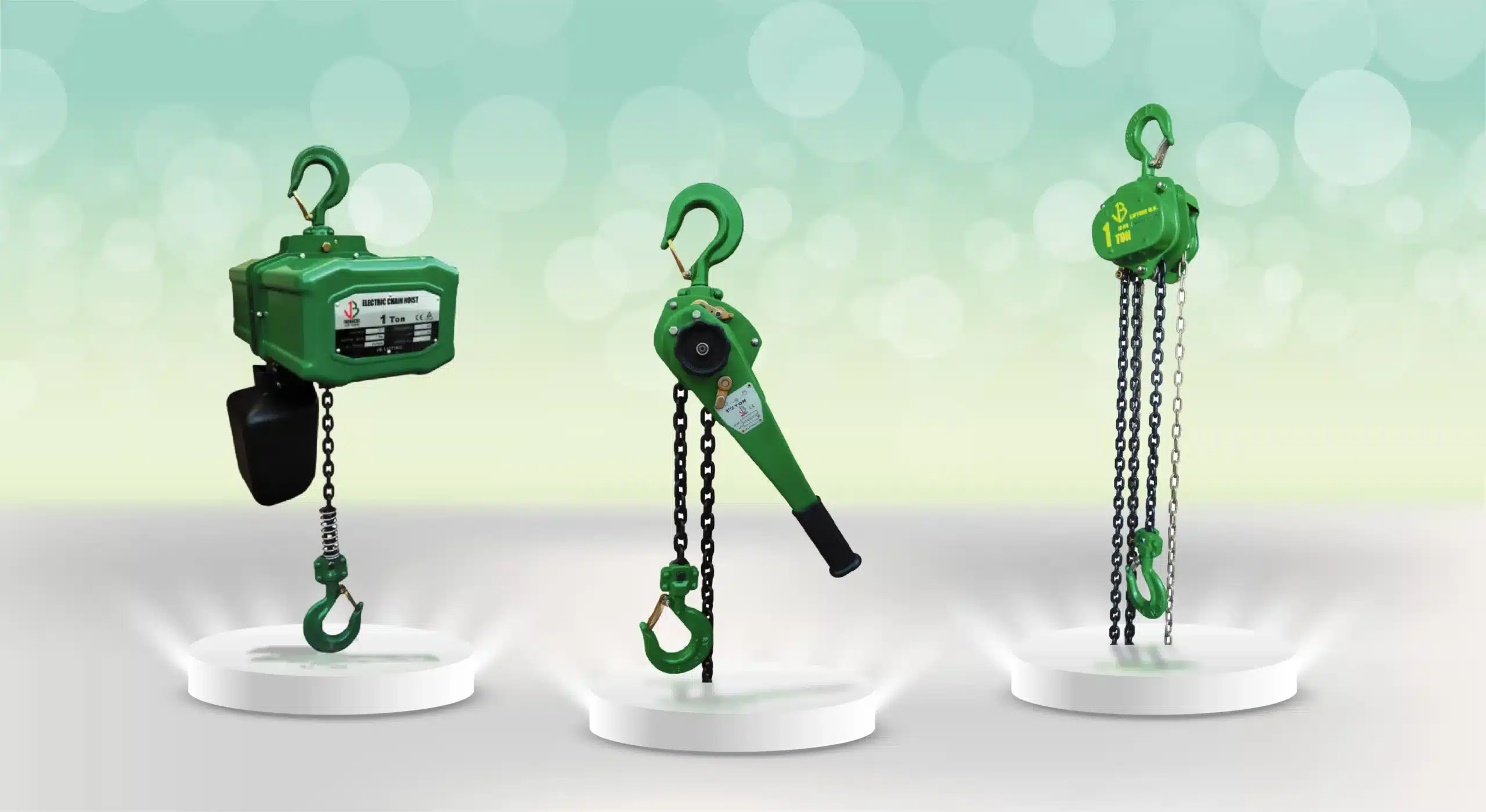
Electric chain hoists are versatile pieces of lifting equipment but understanding the different types is critical for effective use. Choosing the correct type ensures optimal performance, safety, and efficiency. Let’s explore the common types of electric chain hoists:
4.1. Hook Mounted Hoists
Hook mounted hoists are designed for easy installation and portability. They attach to a lifting point via a hook, offering flexibility in various applications. These hoists are ideal for temporary setups or situations where frequent relocation is necessary.
Hook mounted hoists are best suited for applications where the lifting point is readily accessible and the load needs to be moved within a limited area. They are commonly used in maintenance workshops, construction sites, and small manufacturing facilities where flexibility is paramount. This type of hoist does not offer lateral movement unless used in conjunction with a separate trolley system.
4.2. Trolley Mounted Hoists
Trolley mounted hoists are designed to travel along a beam or track, providing both vertical and horizontal movement. This type of hoist offers greater flexibility in material handling, allowing operators to move loads across a defined area.
Trolley mounted hoists come in various configurations:
- Manual Trolleys: These trolleys are moved by hand, suitable for lighter loads and infrequent movements.
- Geared Trolleys: Equipped with gears, these trolleys provide smoother and more controlled manual movement, especially for heavier loads.
- Powered Trolleys: These trolleys are electrically powered, offering effortless horizontal movement and precise positioning. They are ideal for high-volume applications and heavy loads.
4.3. Choosing The Right Type
Selecting the appropriate electric chain hoist type is crucial for optimizing performance and safety. Consider the following factors when making your decision:
- Application: Determine the specific tasks the hoist will be used for. Will it be primarily for vertical lifting, or will horizontal movement be required?
- Load Weight: Ensure the hoist type is capable of handling the maximum load weight safely.
- Frequency of Use: For high-volume applications, a trolley mounted hoist with powered trolley may be the most efficient choice.
- Work Environment: Consider the available space and any potential obstructions. Hook mounted hoists may be suitable for confined spaces, while trolley mounted hoists require a clear path along the beam or track.
5. Selecting the Right Capacity and Features
Choosing the right electric chain hoist involves carefully considering the load requirements, essential safety features, and appropriate control options. This ensures optimal performance, safety, and efficiency in material handling operations.
5.1. Assessing Load Requirements
Accurately assessing load requirements is paramount for selecting an electric chain hoist with the appropriate lifting capacity. Follow these steps:
1. Determine the Maximum Load: Identify the heaviest load the hoist will be required to lift. This should include the weight of the material being lifted, as well as any lifting accessories, such as slings or chains.
2. Account for Safety Factors: Incorporate a safety factor to account for unforeseen circumstances or variations in load weight. A common safety factor is 2:1, meaning the hoist should be rated for at least twice the maximum load. Some industries or applications may require a higher safety factor.
Failing to account for safety factors can lead to hoist overload, which can result in equipment damage, property damage, and serious injuries. Always err on the side of caution and select a hoist with a capacity that exceeds the maximum anticipated load, while remaining within safe operating limits and OSHA standards.
5.2. Essential Safety Features
Electric chain hoists should be equipped with essential safety features to protect operators and prevent accidents. These features include:
- Overload Protection Systems: These systems prevent the hoist from lifting loads exceeding its rated capacity. They typically involve a clutch or electronic sensor that disengages the lifting mechanism when an overload is detected.
- Emergency Stop Mechanisms: These mechanisms allow operators to immediately halt the hoist’s operation in the event of an emergency. They should be easily accessible and clearly marked.
- Limit Switches: Limit switches prevent the hoist from traveling beyond its designated limits, preventing damage to the hoist and surrounding structures. Upper and lower limit switches are essential for safe operation.
5.3. Choosing Control Options
Electric chain hoists offer various control options to suit different applications and operator preferences. Common control options include:
- Pendant Controls: These controls are attached to the hoist via a cable and allow the operator to control the hoist from a safe distance. Pendant controls are typically used for simple lifting and lowering operations.
- Remote Controls: Remote controls offer greater flexibility and freedom of movement. They allow operators to control the hoist from a distance, without being tethered to the hoist. Remote controls are particularly useful for complex lifting operations or when the operator needs to maintain a clear view of the load.
- Variable Speed Control: Variable speed control allows operators to adjust the lifting and lowering speeds of the hoist, providing greater precision and control. This is particularly useful for handling delicate or sensitive materials.
6. Installation and Maintenance Best Practices
Proper installation and regular maintenance are essential for ensuring the safe and reliable operation of electric chain hoists. Neglecting these aspects can lead to equipment failure, accidents, and costly downtime.
6.1. Professional Installation
Professional installation is crucial for ensuring that the electric chain hoist is properly installed and configured. A qualified technician will have the expertise and equipment to:
- Assess the Installation Site: Ensure the supporting structure is capable of withstanding the weight of the hoist and the maximum load.
- Properly Mount the Hoist: Securely attach the hoist to the supporting structure, following manufacturer’s instructions and safety standards.
- Connect Electrical Wiring: Ensure proper wiring and grounding to prevent electrical hazards.
- Test and Calibrate the Hoist: Verify that the hoist is functioning correctly and that all safety features are operational.
Compliance with safety standards is paramount during installation. Ensure the installation complies with all applicable OSHA regulations and ANSI/ASME standards.
6.2. Regular Inspection and Maintenance
Regular inspection and maintenance are essential for identifying potential problems and preventing equipment failure. Implement a comprehensive maintenance checklist that includes the following:
- Chain Inspection: Inspect the chain for wear, corrosion, and damage. Replace the chain if any signs of damage are present.
- Hook Inspection: Inspect the hooks for cracks, deformation, and wear. Replace the hooks if any defects are found.
- Wiring Inspection: Inspect the wiring for damage, fraying, and loose connections. Repair or replace any damaged wiring.
- Brake Inspection: Inspect the brake for proper function and wear. Adjust or replace the brake as needed.
- Lubrication: Lubricate moving parts according to the manufacturer’s recommendations.
6.3. Troubleshooting Common Issues
Even with regular maintenance, electric chain hoists may experience occasional issues. Here are some common problems and their potential solutions:
- Motor Problems: If the motor is not running, check the power supply, fuses, and wiring connections. If the motor is running but the hoist is not lifting, check the brake and the overload protection system.
- Chain Slippage: If the chain is slipping, inspect the chain and sprockets for wear and damage. Replace any worn or damaged components.
- Control Issues: If the controls are not functioning properly, check the wiring connections, switches, and relays. Replace any faulty components.
7. Cost Considerations and ROI
Investing in electric chain hoists involves careful consideration of the initial investment, long-term savings, and potential return on investment (ROI). A thorough analysis of these factors will help businesses make informed decisions and maximize the value of their investment.
7.1. Initial Investment vs. Long-Term Savings
The upfront costs of electric chain hoists include the purchase price of the hoist, installation costs, and any necessary accessories. While these costs may seem significant, it’s important to consider the potential long-term savings. These savings can be realized through:
- Increased Productivity: Electric chain hoists can significantly increase productivity by automating the lifting process and reducing cycle times.
- Reduced Injuries: By reducing the physical strain on workers, electric chain hoists can decrease the incidence of workplace injuries and associated costs.
- Lower Maintenance Costs: Regular maintenance can prevent equipment failure and extend the lifespan of the hoist, reducing long-term maintenance costs.
7.2. Factors Affecting ROI
The ROI of electric chain hoists depends on several factors:
- Frequency of Use: The more frequently the hoist is used, the greater the potential for savings and the faster the ROI.
- Maintenance Costs: Lower maintenance costs will improve the ROI. Regular maintenance and preventative measures can minimize downtime and extend the lifespan of the hoist.
- Lifespan of the Hoist: A longer lifespan will increase the ROI. Choosing a high-quality hoist and performing regular maintenance can maximize its lifespan.
7.3. Case Study: ROI Calculation
Consider a manufacturing company that invests $10,000 in an electric chain hoist. The company anticipates that the hoist will increase productivity by 15%, resulting in an annual cost savings of $5,000. The company also expects that the hoist will reduce workplace injuries, resulting in an additional annual cost savings of $2,000. The annual maintenance costs for the hoist are estimated at $500.
Based on these figures, the ROI can be calculated as follows:
- Annual Savings: $5,000 (productivity) + $2,000 (injuries) – $500 (maintenance) = $6,500
- ROI: ($6,500 / $10,000) x 100% = 65%
In this example, the company can expect to recoup its investment in approximately 1.5 years and achieve a 65% annual ROI.
8. Electric Chain Hoist Safety Standards and Regulations
Adhering to safety standards and regulations is paramount for ensuring the safe operation of electric chain hoists and protecting workers from potential hazards. Key organizations and standards include OSHA and ANSI/ASME.
8.1. OSHA Compliance
The Occupational Safety and Health Administration (OSHA) sets forth regulations related to the use of lifting equipment, including electric chain hoists. Key OSHA regulations include:
- 1910.179: Overhead and gantry cranes
- 1910.184: Slings
These regulations cover aspects such as inspection, maintenance, training, and operation of lifting equipment. Compliance with OSHA regulations is mandatory and helps to ensure a safe working environment. Training and certification are essential for operators and maintenance personnel. OSHA requires employers to provide training on the safe operation and maintenance of electric chain hoists. Certification programs, such as those offered by Crane Institute of America, demonstrate competency and compliance with industry best practices.
8.2. ANSI/ASME Standards
The American National Standards Institute (ANSI) and the American Society of Mechanical Engineers (ASME) develop voluntary consensus standards for lifting equipment. Relevant ANSI/ASME standards include:
- ASME B30.16: Overhead Hoists (Underhung)
- ASME B30.9: Slings
These standards provide detailed guidelines for the design, construction, inspection, testing, and operation of electric chain hoists. Compliance with ANSI/ASME standards is considered an industry best practice and helps to ensure the safety and reliability of lifting equipment.
8.3. Regular Inspections and Documentation
Regular inspections are essential for identifying potential problems and preventing accidents. Inspections should be performed by a qualified person and documented meticulously.
Inspection records should be maintained for each electric chain hoist, documenting the date of inspection, the findings, and any corrective actions taken. These records can be used to track the condition of the hoist over time and identify potential trends. Creating a culture of safety is crucial for preventing accidents and promoting a safe working environment. This involves:
- Training and Education: Providing ongoing training and education to operators and maintenance personnel.
- Open Communication: Encouraging workers to report any safety concerns or potential hazards.
- Management Commitment: Demonstrating a commitment to safety at all levels of the organization.
9. Expert Insights: Industry Trends
“The integration of smart technology, like IoT sensors, into electric chain hoists is revolutionizing predictive maintenance and enhancing operational efficiency.” – John Smith, Lead Engineer at Industrial Solutions Inc.
The electric chain hoist industry is undergoing rapid innovation, driven by advancements in technology and evolving customer needs. Two key trends are the rise of smart hoists and the pursuit of energy efficiency improvements.
9.1. The Rise of Smart Hoists
Smart hoists incorporate sensors and data analytics to provide real-time monitoring of hoist performance and condition. These sensors can collect data on:
- Load Weight: Monitoring the weight being lifted to prevent overloads.
- Motor Temperature: Detecting overheating and preventing motor failure.
- Chain Wear: Tracking chain wear and predicting when replacement is needed.
This data can be used to predict maintenance needs and prevent downtime. For example, if the sensors detect that the motor temperature is consistently running high, maintenance personnel can investigate the cause and take corrective action before the motor fails. Smart hoists can also be integrated with other systems, such as enterprise resource planning (ERP) systems, to provide a comprehensive view of material handling operations.
9.2. Energy Efficiency Improvements
Advancements in motor technology are leading to significant energy efficiency improvements in electric chain hoists. New motor designs, such as permanent magnet motors, offer higher efficiency and reduced energy consumption. Energy-saving features, such as variable frequency drives (VFDs), can further reduce energy consumption by optimizing motor speed to match the load requirements. Using energy-efficient hoists can reduce operating costs and minimize environmental impact.
10. Top 3 Benefits of Electric Chain Hoists: A Summary
Electric chain hoists offer a multitude of benefits for businesses of all sizes. However, three key advantages stand out:
10.1. Increased Productivity
Electric chain hoists automate the lifting process, reducing cycle times and increasing overall productivity.
10.2. Enhanced Safety
Electric chain hoists reduce the physical strain on workers, minimizing the risk of MSDs and other workplace injuries.
10.3. Optimized Space Utilization
Electric chain hoists enable overhead lifting, freeing up valuable floor space and maximizing vertical space utilization.
Conclusion: Investing in Productivity and Safety
Electric chain hoists are a valuable investment for businesses seeking to enhance productivity, improve safety, and optimize space utilization. By automating the lifting process, these devices can significantly reduce cycle times, minimize the risk of workplace injuries, and free up valuable floor space. Choosing the right electric chain hoist for your specific needs is crucial for maximizing the benefits. We at Safe and Secure Trading Company have years of experience assisting companies with their material handling needs. We can help assess your requirements, select the appropriate hoist, and ensure proper installation and maintenance.
FAQ Section
Q: What is the typical lifespan of an electric chain hoist?
A: The lifespan of an electric chain hoist depends on several factors, including the quality of the hoist, the frequency of use, and the level of maintenance. With proper care and maintenance, a high-quality electric chain hoist can last for 10-15 years or more.
Q: How often should electric chain hoists be inspected?
A: Electric chain hoists should be inspected regularly, with the frequency depending on the severity of the operating environment and the frequency of use. A daily visual inspection should be performed by the operator, and a more thorough inspection should be performed by a qualified person at least annually.
Q: What are the common causes of electric chain hoist failure?
A: Common causes of electric chain hoist failure include overload, lack of maintenance, improper use, and exposure to harsh environments.
Q: Can electric chain hoists be used outdoors?
A: Some electric chain hoists are designed for outdoor use, while others are not. If you need to use an electric chain hoist outdoors, be sure to select a model that is specifically designed for outdoor use and is protected from the elements.
Q: What are the training requirements for operating electric chain hoists?
A: OSHA requires employers to provide training to employees who operate electric chain hoists. The training should cover topics such as safe operating procedures, inspection procedures, and hazard recognition.