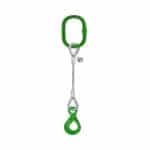
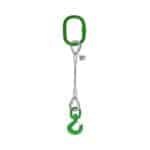
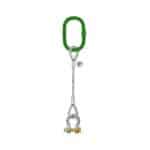
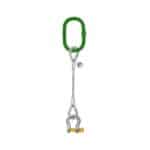
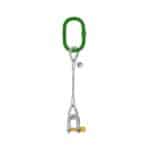
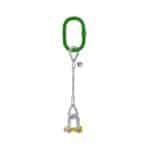
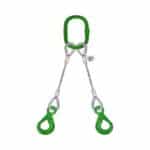
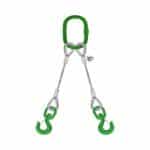
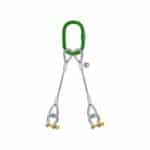
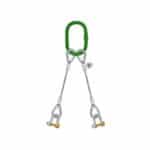
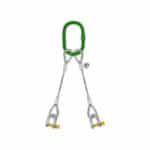
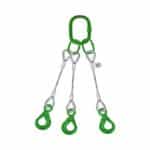
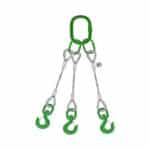
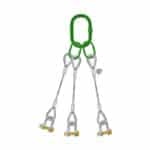
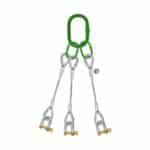
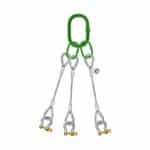
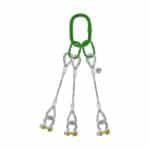
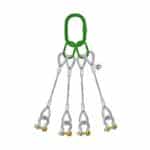
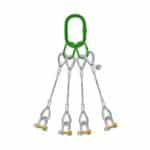
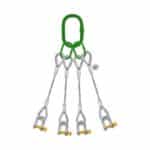
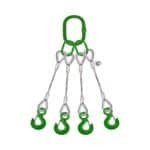
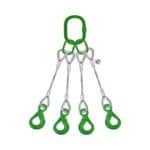
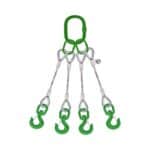
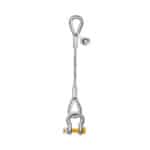
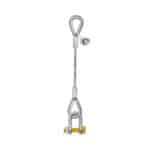
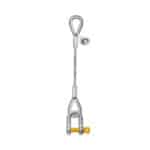
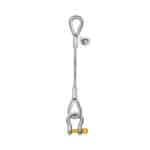
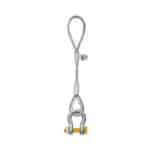
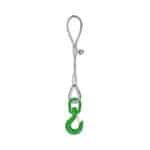
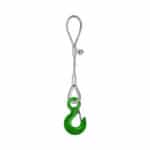
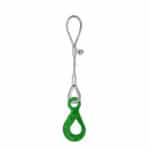
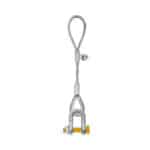
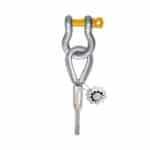
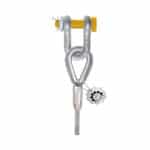
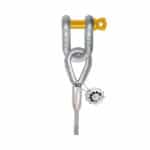
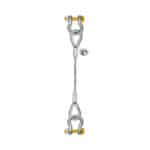
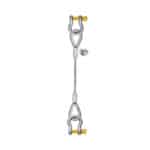
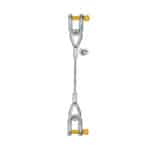
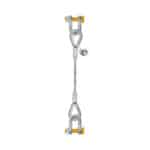
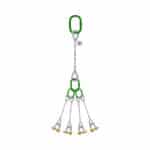
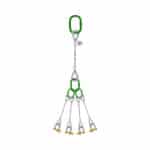
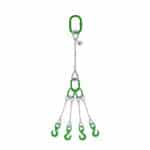
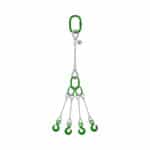
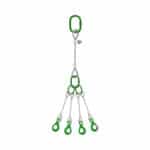
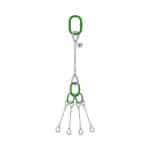
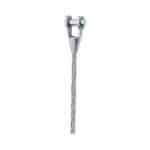
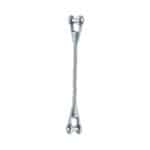
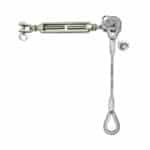
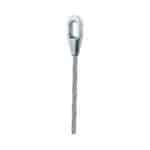
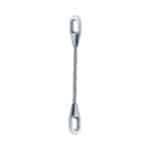
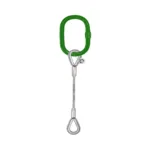
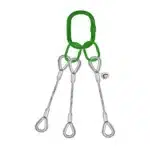
Extending the life of your wire rope can significantly reduce operational costs and enhance safety. At Safe and Secure Trading Company (SSTC), we understand the critical role that wire rope fittings play in various industries, from construction to marine operations. This guide provides a comprehensive overview of best practices for selecting, installing, maintaining, and inspecting wire rope fittings to maximize their lifespan and ensure reliable performance. We will also explore advanced techniques and future trends in fitting technology.
1. ✅ Selecting the Right Type of Wire Rope Fitting
Selecting the correct type of wire rope fitting is the first step in ensuring a long service life and safe operation. Different applications require different types of fittings, and understanding these requirements is crucial. Failing to choose the right fitting can lead to premature failure, posing a significant safety risk and increasing maintenance costs. For our clients in the construction industry here in Jubail, we emphasize selecting fittings that match both the wire rope construction and the anticipated load conditions.
1.1. Understanding Application Requirements
Understanding the specific demands of your application is paramount when choosing the right wire rope fittings. Factors like load capacity, environmental conditions, and the type of wire rope construction significantly impact the selection process. A thorough assessment of these requirements will help ensure the longevity and reliability of your wire rope system.
- Analyzing load capacity: static vs. dynamic loads.
The first step is to differentiate between static and dynamic loads. Static loads are constant and unchanging, while dynamic loads involve movement and can cause sudden impacts. Dynamic loads require wire rope fittings with a higher safety factor to withstand the additional stress. For example, lifting equipment used in construction often experiences dynamic loads due to the hoisting and lowering of materials. We advise our clients to always overestimate the load to accommodate unforeseen circumstances.
- Considering environmental factors: corrosion, temperature.
Environmental factors, such as exposure to corrosive elements and extreme temperatures, can significantly affect the lifespan of wire rope fittings. Marine environments, for instance, require fittings made from corrosion-resistant materials like stainless steel or those with protective coatings. High temperatures can reduce the strength of certain materials, while low temperatures can make them brittle. We often recommend specific materials based on our client’s operating environment to ensure optimal performance.
- Matching fitting type to wire rope construction.
Different wire rope constructions, such as standard, Lang lay, and rotation-resistant, require specific types of fittings. Using an incompatible fitting can damage the wire rope and compromise its strength. It’s important to consult with a wire rope fittings expert or refer to manufacturer guidelines to ensure proper matching. For example, some fittings are designed specifically for use with rotation-resistant wire ropes to prevent unraveling.
1.2. Exploring Common Fitting Types
There are several common types of wire rope fittings, each with its own advantages and disadvantages. Understanding these characteristics is crucial for selecting the right fitting for your specific application. The most common types include wire rope clips, swage fittings, wedge sockets, and poured sockets. Each offers unique benefits in terms of strength, ease of installation, and suitability for different environments.
- Wire Rope Clips: Advantages, disadvantages, and proper installation.
Wire rope clips are a cost-effective and versatile option for creating eyes or terminations in wire rope. Their advantages include ease of installation and adjustability. However, they are generally less strong than other types of fittings and require careful installation to ensure proper holding power. Incorrect installation can lead to slippage or complete failure. Many of our customers in the agriculture industry around Riyadh use these for simple repairs and find them very effective, if installed correctly.
U-bolt vs. fist grip clips: comparative analysis.
U-bolt clips and fist grip clips are two common types of wire rope clips. U-bolt clips have a U-shaped bolt that clamps the wire rope against a saddle, while fist grip clips have a solid base that provides more uniform pressure. Fist grip clips are generally stronger and more reliable than U-bolt clips, but they are also more expensive. When selecting between the two, consider the load requirements and the criticality of the application.
Torque specifications and spacing guidelines.
Proper installation of wire rope clips requires adhering to specific torque specifications and spacing guidelines. Under-torquing can lead to slippage, while over-torquing can damage the wire rope. Spacing the clips correctly ensures even load distribution and prevents stress concentrations. Always refer to the manufacturer’s instructions for torque values and spacing recommendations. We always emphasize the importance of using a calibrated torque wrench.
Swage fittings are permanently attached to the wire rope through compression, creating a strong and reliable connection. They offer excellent holding power and are suitable for high-load applications. However, they require specialized equipment and trained personnel for proper installation. Material compatibility is also crucial to prevent corrosion and ensure long-term performance. We’ve seen great success with these on several construction sites in Jeddah, where strong and secure connections are paramount.
Hydraulic swaging vs. mechanical swaging.
Hydraulic swaging and mechanical swaging are two methods for compressing swage fittings. Hydraulic swaging uses hydraulic pressure to deform the fitting onto the wire rope, while mechanical swaging uses manual force. Hydraulic swaging generally provides more consistent and reliable results, especially for larger diameter wire ropes. Mechanical swaging is suitable for smaller projects where portability is a concern.
Ensuring proper die selection and swaging pressure.
Proper die selection and swaging pressure are critical for achieving a secure and reliable connection with swage fittings. Using the wrong die size or applying insufficient pressure can result in a weak connection that is prone to failure. Always use the manufacturer’s recommended dies and follow their guidelines for swaging pressure. Regular inspection of the swaged connection is also essential.
- Wedge Sockets: Installation techniques and load distribution.
Wedge sockets are commonly used for terminating wire rope in applications where frequent adjustments are needed. They consist of a tapered socket, a wedge, and a pin. The wire rope is inserted through the socket, and the wedge is driven in to secure it. Wedge sockets offer easy installation and removal but require careful inspection to ensure proper seating and load distribution.
Proper wedge seating and wire rope alignment.
Proper wedge seating and wire rope alignment are essential for the safe and reliable performance of wedge sockets. The wedge must be fully seated in the socket, and the wire rope must be aligned correctly to ensure even load distribution. Misalignment or improper seating can lead to premature wear and failure. Regular inspection of the wedge and socket is crucial.
Regular inspection for wear and deformation.
Regular inspection of wedge sockets is necessary to detect signs of wear, deformation, or corrosion. Check for cracks in the socket, wear on the wedge, and corrosion on the wire rope. Any signs of damage should be addressed immediately to prevent failure. Replace worn or damaged components as needed.
- Poured Sockets: Zinc and resin socketing procedures.
Poured sockets are used to create a permanent, high-strength connection between the wire rope and the fitting. The wire rope end is inserted into the socket, and molten zinc or resin is poured around it to create a solid bond. Poured sockets offer excellent holding power but require specialized equipment and expertise for proper installation.
Preparing wire rope ends for socketing.
Proper preparation of the wire rope ends is crucial for successful socketing. The wire rope must be thoroughly cleaned and degreased to remove any contaminants that could interfere with the bond. The strands should be fanned out and bent back to create a mechanical interlock with the socket material.
Ensuring proper material mixing and pouring techniques.
Proper material mixing and pouring techniques are essential for creating a strong and reliable poured socket. Follow the manufacturer’s instructions for mixing the zinc or resin, and ensure that it is heated to the correct temperature. Pour the material slowly and evenly to avoid air pockets and ensure complete filling of the socket.
2. 💡 Proper Installation Techniques for Wire Rope Fittings
Proper installation is just as crucial as selecting the right type of fitting. Even the best wire rope fittings will fail prematurely if not installed correctly. Attention to detail and adherence to manufacturer’s instructions are vital to ensure a safe and long-lasting connection. We always emphasize to our teams the need for meticulous installation, as it directly impacts safety and operational efficiency.
2.1. Preparing the Wire Rope
Proper preparation of the wire rope is a critical step in ensuring a secure and reliable connection. Cleaning, lubricating, and seizing the wire rope are essential for preventing corrosion and maintaining strand integrity. Neglecting these steps can lead to premature failure of the fitting and the wire rope.
- Cleaning and lubricating the wire rope before fitting installation.
Cleaning the wire rope removes dirt, grease, and other contaminants that can interfere with the fitting’s grip. Lubricating the wire rope reduces friction and prevents corrosion. Use a wire brush and a suitable solvent to clean the wire rope, and then apply a thin coat of lubricant. We generally use a specialized wire rope lubricant that penetrates the strands.
- Cutting wire rope cleanly to prevent fraying.
Cutting the wire rope cleanly is essential to prevent fraying and ensure a secure connection. Use a wire rope cutter or a sharp chisel to make a clean cut. Avoid using a torch, as it can damage the wire rope and reduce its strength. After cutting, seize the ends to prevent unraveling.
- Seizing the wire rope ends to maintain strand integrity.
Seizing the wire rope ends prevents the strands from unraveling and maintains the integrity of the wire rope. Use seizing wire or tape to wrap the ends of the wire rope tightly. Apply several wraps and secure the ends to prevent slippage. This is especially important when using wire rope clips or sockets.
2.2. Following Manufacturer’s Instructions
Adhering to the manufacturer’s instructions is paramount for proper installation. These instructions provide critical information about torque specifications, tool requirements, and alignment procedures. Deviation from these guidelines can compromise the integrity of the connection and lead to failure.
- Adhering to torque specifications for bolted connections.
Torque specifications are provided by the manufacturer to ensure that bolted connections are tightened to the correct tension. Under-torquing can lead to loosening and slippage, while over-torquing can damage the fitting or the wire rope. Use a calibrated torque wrench to tighten the bolts to the specified torque.
- Using calibrated tools for swaging and compression.
Calibrated tools are essential for ensuring accurate and consistent swaging and compression. Use a calibrated swaging machine or hydraulic press to compress the fitting onto the wire rope. Regularly check the calibration of the tools to ensure they are operating within the specified tolerances. We always advise our clients to invest in high-quality, calibrated tools.
- Verifying proper alignment and seating of fittings.
Proper alignment and seating of fittings are crucial for ensuring even load distribution and preventing stress concentrations. Check that the fitting is aligned correctly with the wire rope and that it is fully seated in the intended position. Use shims or spacers to correct any misalignment issues.
2.3. Ensuring Correct Orientation and Alignment
Correct orientation and alignment are crucial for preventing uneven wear and ensuring proper load distribution. Bending, twisting, or misalignment can create stress concentrations that lead to premature failure. Taking the time to ensure proper alignment will extend the life of your wire rope fittings and improve safety.
- Avoiding bending or twisting of the wire rope near the fitting.
Bending or twisting the wire rope near the fitting can create stress concentrations that weaken the connection. Avoid bending the wire rope sharply near the fitting, and ensure that it is aligned correctly with the load. Use fairleads or sheaves to guide the wire rope and prevent twisting.
- Maintaining proper fleet angle to prevent uneven wear.
The fleet angle is the angle between the wire rope and the drum or sheave. Excessive fleet angles can cause uneven wear on the wire rope and the fitting. Maintain a proper fleet angle to ensure even load distribution and prevent premature wear. Consult the manufacturer’s recommendations for the optimal fleet angle.
- Using shims or spacers to correct misalignment issues.
Shims or spacers can be used to correct misalignment issues and ensure proper seating of the fitting. Use shims to fill gaps between the fitting and the mounting surface, and use spacers to maintain proper alignment. Choose shims and spacers made from compatible materials to prevent corrosion.
3. ➡️ Implementing a Regular Inspection Program
Regular inspection is vital for detecting early signs of wear, corrosion, or damage. A proactive inspection program can prevent catastrophic failures and extend the lifespan of your wire rope fittings. At SSTC, we emphasize the importance of regular inspections to our clients, as it’s a key component of a comprehensive safety program.
3.1. Visual Inspection for Damage
Visual inspection is the first line of defense against potential failures. Regularly check your wire rope fittings for signs of corrosion, cracks, deformation, or improper installation. Early detection of these issues can prevent more serious problems down the line.
- Checking for corrosion, cracks, and deformation.
Corrosion, cracks, and deformation are all signs of potential failure. Check for rust, pitting, or scaling on the surface of the fitting. Look for cracks in the metal, especially near welds or stress points. Check for any signs of deformation, such as bending or stretching.
- Inspecting for wear on bearing surfaces.
Bearing surfaces are areas where the fitting comes into contact with other components. Check these surfaces for signs of wear, such as abrasion, galling, or pitting. Excessive wear can weaken the fitting and lead to failure. We recommend lubricating these surfaces regularly to reduce friction.
- Identifying signs of improper installation or overloading.
Improper installation or overloading can cause damage to the fitting and the wire rope. Look for signs of slippage, such as stretched or distorted clips. Check for signs of overloading, such as bent or deformed components. Address any issues immediately to prevent further damage.
3.2. Non-Destructive Testing (NDT) Methods
Non-destructive testing (NDT) methods can be used to detect internal flaws that are not visible to the naked eye. These methods include magnetic particle testing, ultrasonic testing, and radiographic testing. NDT can help identify hidden defects that could lead to catastrophic failure.
- Magnetic particle testing for surface cracks.
Magnetic particle testing is used to detect surface cracks in ferromagnetic materials. The part is magnetized, and magnetic particles are applied to the surface. Cracks disrupt the magnetic field, causing the particles to accumulate along the crack lines. This method is effective for detecting small surface cracks.
- Ultrasonic testing for internal flaws.
Ultrasonic testing uses sound waves to detect internal flaws in the material. Sound waves are transmitted through the part, and the reflected waves are analyzed to identify any discontinuities. This method is effective for detecting cracks, voids, and inclusions.
- Radiographic testing for hidden defects.
Radiographic testing uses X-rays or gamma rays to create an image of the internal structure of the part. This method is effective for detecting hidden defects, such as cracks, porosity, and inclusions. Radiographic testing requires specialized equipment and trained personnel.
3.3. Documenting Inspection Results
Maintaining a detailed inspection log is essential for tracking the condition of your wire rope fittings over time. Documenting inspection results allows you to identify trends, predict potential failures, and establish replacement criteria. A well-maintained inspection log is a valuable tool for managing your wire rope systems.
- Maintaining a detailed inspection log.
A detailed inspection log should include the date of the inspection, the name of the inspector, the condition of the fitting, and any actions taken. Include photographs or videos of any damage or defects. Keep the inspection log organized and easily accessible.
- Tracking the condition of wire rope fittings over time.
Tracking the condition of wire rope fittings over time allows you to identify trends and predict potential failures. Compare inspection results over time to see if the condition of the fitting is deteriorating. Use this information to plan maintenance and replacement activities.
- Establishing replacement criteria based on inspection findings.
Establish clear replacement criteria based on inspection findings. Define the conditions that warrant replacement of the fitting, such as excessive corrosion, cracking, or deformation. Regularly review and update the replacement criteria based on experience and industry best practices.
4. ✨ Preventing Corrosion in Wire Rope Fittings
Corrosion is a major cause of failure in wire rope fittings, especially in marine and industrial environments. Implementing effective corrosion prevention strategies can significantly extend the life of your fittings. Selecting corrosion-resistant materials, applying protective coatings, and implementing proper lubrication practices are all essential for preventing corrosion. We always guide our customers toward the best methods of corrosion prevention.
4.1. Selecting Corrosion-Resistant Materials
Choosing the right materials is the first step in preventing corrosion. Galvanized steel, stainless steel, and other corrosion-resistant alloys can significantly extend the life of your wire rope fittings in corrosive environments. Consider the specific environmental conditions when selecting materials.
- Using galvanized steel fittings in corrosive environments.
Galvanized steel fittings are coated with a layer of zinc, which provides excellent corrosion protection. Galvanizing is a cost-effective way to protect steel from rust and corrosion. Use galvanized steel fittings in environments where they will be exposed to moisture, salt, or other corrosive elements.
- Choosing stainless steel fittings for marine applications.
Stainless steel fittings offer superior corrosion resistance compared to galvanized steel. Stainless steel is an alloy of steel, chromium, and other elements that form a passive layer of chromium oxide on the surface, protecting the underlying metal from corrosion. Use stainless steel fittings in marine applications where they will be exposed to saltwater and other corrosive elements.
- Considering the use of protective coatings.
Protective coatings can provide an additional layer of corrosion protection. Coatings such as epoxy, polyurethane, and Teflon can be applied to wire rope fittings to protect them from corrosion. Choose a coating that is compatible with the fitting material and the environmental conditions.
4.2. Applying Protective Coatings
Applying protective coatings is another effective way to prevent corrosion. Galvanizing, painting, and using corrosion inhibitors can create a barrier between the fitting and the corrosive environment. Proper application and maintenance of these coatings are essential for long-term protection.
- Galvanizing: hot-dip vs. electro-galvanizing.
Hot-dip galvanizing involves immersing the steel fitting in molten zinc, while electro-galvanizing involves applying a zinc coating through an electrolytic process. Hot-dip galvanizing provides a thicker and more durable coating than electro-galvanizing. Choose hot-dip galvanizing for applications where the fitting will be exposed to severe corrosion.
- Painting: selecting compatible paint systems.
Painting can provide an additional layer of corrosion protection. Select a paint system that is compatible with the fitting material and the environmental conditions. Use a primer to improve adhesion and a topcoat to provide additional protection. We often recommend epoxy-based paint systems for their excellent corrosion resistance.
- Using corrosion inhibitors and sealants.
Corrosion inhibitors and sealants can be applied to wire rope fittings to prevent corrosion. Corrosion inhibitors work by forming a protective layer on the surface of the metal, while sealants prevent moisture from entering the fitting. Apply corrosion inhibitors and sealants regularly to maintain protection.
4.3. Implementing Proper Lubrication Practices
Proper lubrication is essential for preventing corrosion and reducing friction in wire rope fittings. Lubrication creates a barrier between the fitting and the environment, preventing moisture and corrosive elements from reaching the metal. Regular lubrication also reduces friction, which can cause wear and premature failure.
- Choosing lubricants that are compatible with the wire rope and fitting materials.
Select lubricants that are compatible with the wire rope and fitting materials. Some lubricants can react with certain metals or coatings, causing corrosion or degradation. Consult the manufacturer’s recommendations for the appropriate lubricant.
- Applying lubricant regularly to prevent corrosion and reduce friction.
Apply lubricant regularly to prevent corrosion and reduce friction. The frequency of lubrication will depend on the environmental conditions and the usage of the fitting. Inspect the fitting regularly and apply lubricant whenever necessary.
- Using specialized lubrication equipment for thorough coverage.
Specialized lubrication equipment can ensure thorough coverage of the fitting. Use a grease gun or a spray applicator to apply lubricant to all surfaces of the fitting. Pay particular attention to bearing surfaces and areas where corrosion is likely to occur.
5. ⚙️ Maintaining Proper Tension and Load Distribution
Maintaining proper tension and load distribution is crucial for preventing overloads and ensuring the safe operation of wire rope fittings. Overloading can cause premature failure, while uneven load distribution can create stress concentrations that weaken the connection. Regular monitoring and adjustment are essential for maintaining proper tension and load distribution.
5.1. Avoiding Overloading the Wire Rope
Overloading is a common cause of failure in wire rope fittings. Understanding the working load limit (WLL) and safety factor is essential for preventing overloads. Training personnel on proper lifting and rigging practices can also help prevent overloads.
- Understanding the working load limit (WLL) and safety factor.
The working load limit (WLL) is the maximum load that a wire rope fitting is designed to carry. The safety factor is the ratio of the breaking strength of the fitting to the WLL. Always operate within the WLL and consider the safety factor when selecting fittings.
- Using load monitoring devices to prevent overloads.
Load monitoring devices can be used to prevent overloads. These devices measure the load on the wire rope and provide an alert if the load exceeds the WLL. Use load monitoring devices in applications where overloading is a concern.
- Training personnel on proper lifting and rigging practices.
Training personnel on proper lifting and rigging practices can help prevent overloads. Ensure that personnel understand the WLL of the wire rope fittings and the proper techniques for lifting and rigging loads. Provide regular training to reinforce these practices.
5.2. Ensuring Even Load Distribution
Ensuring even load distribution is essential for preventing stress concentrations and ensuring the safe operation of wire rope fittings. Using multiple legs or slings to distribute the load evenly, adjusting tension in wire rope systems, and preventing shock loading are all important for maintaining even load distribution.
- Using multiple legs or slings to distribute the load evenly.
Using multiple legs or slings can distribute the load evenly and prevent stress concentrations. Ensure that the legs or slings are of equal length and that they are connected to the load in a way that distributes the load evenly.
- Adjusting tension in wire rope systems to equalize forces.
Adjusting tension in wire rope systems can equalize forces and prevent stress concentrations. Use tensioning devices to adjust the tension in the wire ropes until the load is evenly distributed. Monitor the tension regularly and adjust as needed.
- Preventing shock loading and sudden impacts.
Shock loading and sudden impacts can create stress concentrations that weaken the connection. Avoid shock loading by lifting and lowering loads slowly and smoothly. Use cushioning devices to absorb impacts and reduce stress on the wire rope fittings.
5.3. Regular Retensioning of Fittings
Regular retensioning of fittings is necessary to maintain proper tension and prevent slippage. Bolted connections can loosen over time due to vibration or changes in temperature. Monitoring for slippage or loosening of fittings and addressing any issues promptly can prevent further damage.
- Checking and retensioning bolted connections periodically.
Check and retension bolted connections periodically to ensure that they are properly tightened. Use a calibrated torque wrench to tighten the bolts to the specified torque. Inspect the connections regularly for signs of loosening.
- Monitoring for slippage or loosening of fittings.
Monitor for slippage or loosening of wire rope fittings. Look for signs of movement or distortion. Check the torque on bolted connections and retension as needed. Address any issues promptly to prevent further damage.
- Addressing any issues promptly to prevent further damage.
Address any issues promptly to prevent further damage. If you detect any signs of slippage, loosening, or corrosion, take immediate action to correct the problem. Replace any damaged or worn components.
6. 🔍 Choosing the Right Material for Fittings
The choice of material for wire rope fittings significantly impacts their strength, durability, and resistance to corrosion. Understanding the properties of different materials, such as carbon steel, alloy steel, stainless steel, and aluminum, is crucial for selecting the right fitting for your application.
6.1. Carbon Steel vs. Alloy Steel Fittings
Carbon steel and alloy steel are two common materials used for wire rope fittings. Carbon steel is a cost-effective option for general applications, while alloy steel offers higher strength and toughness. Understanding the differences between these materials is essential for selecting the right fitting for your needs.
- Tensile strength and yield strength comparison.
Alloy steel generally has higher tensile strength and yield strength compared to carbon steel. Tensile strength is the maximum stress that a material can withstand before breaking, while yield strength is the stress at which the material begins to deform permanently. Choose alloy steel for applications where high strength is required.
- Weldability and formability considerations.
Carbon steel generally has better weldability and formability compared to alloy steel. Weldability is the ability of a material to be welded without cracking or weakening, while formability is the ability of a material to be shaped without breaking. Choose carbon steel for applications where weldability or formability is important.
- Cost-effectiveness analysis.
Carbon steel is generally more cost-effective than alloy steel. If strength is not a critical factor, carbon steel may be the more economical choice. However, if high strength is required, the higher cost of alloy steel may be justified.
6.2. Stainless Steel Fittings
Stainless steel fittings offer excellent corrosion resistance, making them ideal for marine and other corrosive environments. Different grades of stainless steel, such as 304 and 316, offer varying levels of corrosion resistance. Understanding the properties of these different grades is essential for selecting the right fitting for your application.
- Corrosion resistance properties and applications.
Stainless steel fittings offer excellent corrosion resistance due to the presence of chromium, which forms a passive layer on the surface of the metal. This layer protects the underlying metal from corrosion. Use stainless steel fittings in marine environments, chemical plants, and other corrosive environments.
- Different grades of stainless steel (e.g., 304, 316).
Different grades of stainless steel offer varying levels of corrosion resistance. Grade 304 stainless steel is a general-purpose grade that offers good corrosion resistance in most environments. Grade 316 stainless steel contains molybdenum, which enhances its corrosion resistance, especially in chloride environments.
- Limitations in high-temperature environments.
Stainless steel fittings can lose strength at high temperatures. The tensile strength and yield strength of stainless steel decrease as temperature increases. Avoid using stainless steel fittings in applications where they will be exposed to high temperatures.
6.3. Aluminum Fittings
Aluminum fittings are lightweight and corrosion-resistant, making them suitable for certain applications. However, aluminum has lower strength compared to steel, and it is susceptible to galvanic corrosion when in contact with dissimilar metals.
- Lightweight properties and applications.
Aluminum fittings are lightweight, making them suitable for applications where weight is a concern. Use aluminum fittings in aircraft, aerospace, and other applications where weight savings are important.
- Compatibility with different wire rope materials.
Aluminum fittings are compatible with most wire rope materials. However, galvanic corrosion can occur when aluminum is in contact with dissimilar metals, such as steel. Use a corrosion inhibitor to prevent galvanic corrosion.
- Considerations for galvanic corrosion.
Galvanic corrosion occurs when two dissimilar metals are in contact in the presence of an electrolyte, such as saltwater. The more active metal corrodes preferentially, while the less active metal is protected. To prevent galvanic corrosion, use compatible materials or apply a corrosion inhibitor.
7. ⚠️ Understanding the Impact of Environmental Factors
Environmental factors such as temperature extremes, chemical exposure, and UV radiation can significantly impact the performance and lifespan of wire rope fittings. Understanding these impacts and taking appropriate precautions is essential for ensuring the safe and reliable operation of your fittings.
7.1. Temperature Extremes
Temperature extremes can affect the strength and ductility of wire rope fittings. High temperatures can reduce the strength of the material, while low temperatures can make it brittle. Selecting fittings with appropriate temperature ratings is essential for ensuring safe operation.
- Effects of high temperatures on fitting strength.
High temperatures can reduce the strength of wire rope fittings. The tensile strength and yield strength of most metals decrease as temperature increases. Avoid using fittings in applications where they will be exposed to high temperatures.
- Effects of low temperatures on fitting ductility.
Low temperatures can make wire rope fittings brittle. The ductility of most metals decreases as temperature decreases. Avoid using fittings in applications where they will be exposed to low temperatures.
- Selecting fittings with appropriate temperature ratings.
Select fittings with appropriate temperature ratings for the intended application. Consult the manufacturer’s specifications for the temperature range of the fitting. Use fittings made from materials that retain their strength and ductility at the expected operating temperatures.
7.2. Chemical Exposure
Chemical exposure can corrode or degrade wire rope fittings, leading to premature failure. Identifying chemicals that can corrode or degrade fitting materials, using chemical-resistant coatings or materials, and implementing spill containment and cleanup procedures are all important for preventing chemical damage.
- Identifying chemicals that can corrode or degrade fitting materials.
Identify chemicals that can corrode or degrade fitting materials. Consult the manufacturer’s specifications for the chemical resistance of the fitting. Use fittings made from materials that are resistant to the chemicals in the environment.
- Using chemical-resistant coatings or materials.
Use chemical-resistant coatings or materials to protect wire rope fittings from chemical exposure. Coatings such as epoxy, polyurethane, and Teflon can provide a barrier between the fitting and the chemicals. Use fittings made from materials that are inherently resistant to the chemicals in the environment.
- Implementing spill containment and cleanup procedures.
Implement spill containment and cleanup procedures to prevent chemical exposure. Contain spills immediately and clean up any chemical residue. Use appropriate protective equipment when handling chemicals.
7.3. UV Radiation
UV radiation can degrade synthetic materials used in wire rope fittings, such as nylon and polyester. Protecting fittings from direct sunlight exposure and using UV-resistant coatings or covers can help prevent UV damage.
- Degradation of synthetic materials used in fittings.
UV radiation can degrade synthetic materials used in wire rope fittings. Nylon and polyester are particularly susceptible to UV damage. The strength and flexibility of these materials can decrease over time due to UV exposure.
- Protecting fittings from direct sunlight exposure.
Protect wire rope fittings from direct sunlight exposure to prevent UV damage. Store fittings in a covered area or use UV-resistant covers. Apply UV-resistant coatings to the fittings.
- Using UV-resistant coatings or covers.
Use UV-resistant coatings or covers to protect wire rope fittings from UV damage. UV-resistant coatings can block UV radiation and prevent it from reaching the fitting material. UV-resistant covers can provide physical protection from sunlight.
8. 📚 Best Practices for Storage and Handling
Proper storage and handling are essential for preventing damage and ensuring the longevity of wire rope fittings. Storing fittings in a dry, clean environment, using safe handling procedures, and implementing effective inventory management practices can help protect your investment.
8.1. Proper Storage Environments
Proper storage environments are essential for preventing corrosion and damage to wire rope fittings. Storing fittings in a dry, clean environment, protecting them from moisture and humidity, and avoiding contact with corrosive substances can help extend their lifespan.
- Storing fittings in a dry, clean environment.
Store wire rope fittings in a dry, clean environment to prevent corrosion and damage. Keep the fittings away from moisture, dirt, and other contaminants. Use a covered storage area to protect the fittings from the elements.
- Protecting fittings from moisture and humidity.
Protect wire rope fittings from moisture and humidity to prevent corrosion. Store the fittings in a climate-controlled environment or use desiccant packs to absorb moisture. Apply a corrosion inhibitor to the fittings.
- Avoiding contact with corrosive substances.
Avoid contact with corrosive substances to prevent damage to wire rope fittings. Store the fittings away from chemicals, acids, and other corrosive materials. Use a protective barrier to prevent contact.
8.2. Safe Handling Procedures
Safe handling procedures are essential for preventing damage to wire rope fittings. Using appropriate lifting equipment to move heavy fittings, avoiding dropping or impacting fittings, and protecting fittings from damage during transport can help ensure their safe and reliable operation.
- Using appropriate lifting equipment to move heavy fittings.
Use appropriate lifting equipment to move heavy wire rope fittings. Avoid lifting the fittings manually to prevent injury and damage. Use cranes, forklifts, or other lifting equipment to move the fittings safely.
- Avoiding dropping or impacting fittings.
Avoid dropping or impacting wire rope fittings. Dropping or impacting the fittings can cause damage that is not immediately visible. Handle the fittings carefully and avoid any rough treatment.
- Protecting fittings from damage during transport.
Protect wire rope fittings from damage during transport. Use appropriate packaging materials to cushion the fittings and prevent them from rubbing against each other. Secure the fittings to prevent them from shifting during transport.
8.3. Inventory Management
Effective inventory management is essential for tracking the age and condition of wire rope fittings in inventory. Rotating stock to prevent deterioration and disposing of damaged or outdated fittings properly can help ensure that your fittings are always in good condition.
- Tracking the age and condition of fittings in inventory.
Track the age and condition of wire rope fittings in inventory. Use a database or spreadsheet to record the date of purchase, the date of installation, and the condition of the fitting. Regularly inspect the fittings in inventory to identify any signs of damage or deterioration.
- Rotating stock to prevent deterioration.
Rotate stock to prevent deterioration of wire rope fittings. Use the “first in, first out” (FIFO) method to ensure that the oldest fittings are used first. This will help prevent the fittings from deteriorating in storage.
- Disposing of damaged or outdated fittings properly.
Dispose of damaged or outdated wire rope fittings properly. Follow all local regulations for disposal. Do not reuse damaged or outdated fittings.
9. 🎯 Advanced Techniques for Extending Fitting Life
Advanced techniques such as cryogenic treatment, shot peening, and surface modification can further extend the lifespan of wire rope fittings. These techniques can improve the fatigue resistance, surface hardness, and corrosion protection of the fittings.
9.1. Cryogenic Treatment
Cryogenic treatment involves cooling metal fittings to extremely low temperatures to improve their fatigue resistance. This process can reduce residual stresses in the material and enhance its overall performance in high-stress environments.
- Improving the fatigue resistance of metal fittings.
Cryogenic treatment can improve the fatigue resistance of metal fittings by reducing residual stresses and refining the microstructure of the material. This can extend the lifespan of the fittings in applications where they are subjected to repeated stress.
- Reducing residual stresses in the material.
Cryogenic treatment can reduce residual stresses in the material by allowing the molecules to rearrange themselves into a more stable configuration. This can improve the strength and durability of the fittings.
- Applications in high-stress environments.
Cryogenic treatment is particularly beneficial for fittings used in high-stress environments, such as aerospace, automotive, and oil and gas. The improved fatigue resistance and reduced residual stresses can help prevent premature failure.
9.2. Shot Peening
Shot peening is a surface treatment that involves bombarding the surface of a fitting with small steel shots to increase its surface hardness and enhance its resistance to wear and corrosion. This technique is particularly effective in abrasive environments.
- Increasing the surface hardness of fittings.
Shot peening increases the surface hardness of fittings by creating compressive stresses on the surface. This makes the fittings more resistant to wear and abrasion.
- Enhancing resistance to wear and corrosion.
Shot peening enhances resistance to wear and corrosion by creating a hardened surface layer that is less susceptible to damage. This can extend the lifespan of the fittings in harsh environments.
- Applications in abrasive environments.
Shot peening is particularly beneficial for fittings used in abrasive environments, such as mining, construction, and agriculture. The increased surface hardness and resistance to wear can help prevent premature failure.
9.3. Surface Modification Techniques
Surface modification techniques such as applying hard coatings can improve the wear resistance and corrosion protection of wire rope fittings. These techniques are particularly effective in demanding operating conditions.
- Applying hard coatings such as titanium nitride (TiN).
Applying hard coatings such as titanium nitride (TiN) can improve the wear resistance of wire rope fittings. TiN is a very hard and durable material that can protect the underlying metal from abrasion.
- Improving the wear resistance and corrosion protection.
Surface modification techniques can improve both the wear resistance and corrosion protection of wire rope fittings. The coatings create a barrier between the fitting and the environment, preventing damage from abrasion and corrosion.
- Applications in demanding operating conditions.
Surface modification techniques are particularly beneficial for fittings used in demanding operating conditions, such as high-temperature, high-pressure, and corrosive environments. The improved wear resistance and corrosion protection can help prevent premature failure.
10. 🔗 Industry Standards and Regulations
Compliance with industry standards and regulations is essential for ensuring the safe and reliable operation of wire rope fittings. OSHA, ASME, and ISO standards provide guidelines for design, manufacturing, testing, and inspection of wire rope fittings.
10.1. OSHA Standards
OSHA standards set requirements for the safe use of wire rope and fittings in the workplace. Compliance with these standards is mandatory for employers.
- Compliance requirements for wire rope and fittings.
OSHA standards require employers to ensure that wire rope and fittings are properly designed, manufactured, tested, and inspected. Employers must also provide training to employees on the safe use of wire rope and fittings.
- Inspection and maintenance guidelines.
OSHA standards provide guidelines for the inspection