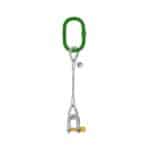
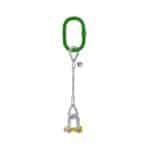
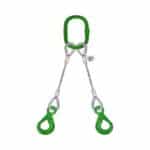
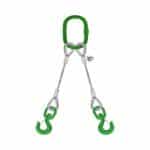
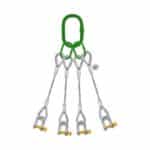
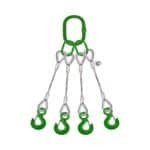
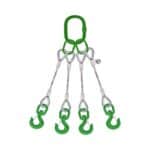
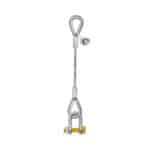
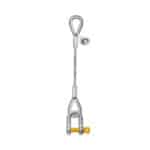
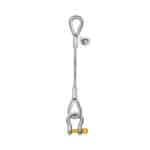
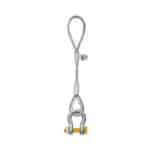
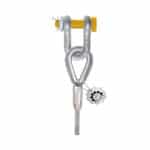
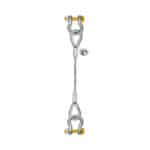
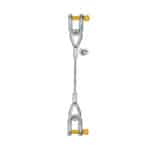
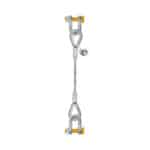
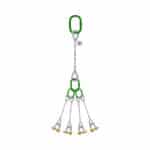
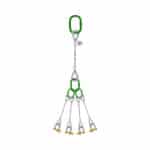
Choosing the right fall arrester is a critical decision for ensuring worker safety in elevated environments. At Safe and Secure Trading Company (SSTC), we understand that a properly selected and maintained fall arrester can be the difference between a safe workday and a potentially life-altering accident. This comprehensive guide will walk you through the key considerations for fall arrester choice, helping you make informed decisions that protect your workforce and comply with industry standards.
Understanding Fall Arrest Systems: A Data-Driven Overview
What is a Fall Arrester and Why is it Crucial?
A fall arrester is a vital component of a personal fall arrest system (PFAS), designed to stop a worker’s fall and minimize the impact forces exerted on their body. Without a properly functioning fall arrester, a fall from height can result in serious injury or even fatality. These devices are designed to activate quickly and efficiently, arresting the fall within a safe distance to prevent contact with lower levels or obstructions.
Fall arresters come in various forms, each suited for different working conditions and applications. They include self-retracting lifelines (SRLs), lanyards with energy absorbers, and rope grabs. Choosing the right type depends on factors such as the height of the working surface, the available fall clearance, and the specific hazards present. The primary goal is to limit the fall distance and reduce the forces experienced by the worker during the arrest.
The crucial role of a fall arrester extends beyond immediate safety; it also contributes to a culture of safety within the workplace. When workers know they are protected by reliable fall protection equipment, they are more likely to focus on their tasks without fear, leading to increased productivity and reduced stress. At SSTC, we emphasize the importance of comprehensive fall protection programs that include proper training, regular equipment inspections, and a thorough understanding of fall arrester choice.
Analyzing Fall Arrest System Components
A complete fall arrest system consists of several interconnected components, each playing a critical role in protecting the worker. Understanding these components is essential for selecting the appropriate fall arrester and ensuring the system functions effectively. The main components include:
- Anchorage Point: A secure point of attachment capable of withstanding the forces generated during a fall. Anchorage points must meet specific strength requirements outlined by OSHA and ANSI.
- Harness: A full-body harness distributes the impact forces across the worker’s body, minimizing the risk of injury. The harness must fit properly and be compatible with the fall arrester.
- Connector: This component connects the harness to the anchorage point, often through a lanyard or SRL. The connector must be strong enough to withstand the forces of a fall and compatible with the other components.
- Fall Arrester: The device that arrests the fall, either through a self-retracting mechanism (SRL) or an energy-absorbing lanyard.
The interaction between these components is crucial. For example, the type of anchorage point will influence the choice of connector and fall arrester. Similarly, the worker’s weight and the potential fall distance will affect the selection of the energy absorber. When our team in Dubai tackles fall protection system design, they meticulously assess each component to ensure compatibility and optimal performance.
Statistical Impact of Proper Fall Arrester Use: Real-World Data
The impact of using proper fall protection equipment, including fall arresters, is significant and well-documented. According to data from OSHA and the Bureau of Labor Statistics, falls are a leading cause of workplace fatalities and injuries. However, studies have shown that implementing comprehensive fall protection programs can dramatically reduce the incidence of fall-related accidents.
For example, a study published by the National Safety Council found that workplaces with robust fall protection measures experienced a 30% to 40% reduction in fall-related injuries compared to those without such measures. The proper use of fall arrest systems, in particular, has been shown to reduce the severity of injuries sustained in a fall.
Moreover, the financial impact of fall-related accidents is substantial. In addition to the direct costs of medical treatment and workers’ compensation, employers may face indirect costs such as lost productivity, increased insurance premiums, and potential legal liabilities. Investing in high-quality fall arrest equipment and training can therefore provide a significant return on investment by preventing accidents and minimizing their associated costs.
> “Effective fall protection isn’t just about compliance; it’s about creating a safe and productive work environment where employees can perform their duties without fear of injury.” – Emily Carter, Safety Management Consultant
Key Factors in Fall Arrester Choice: A Logical Approach
Factor 1: Type of Work Environment & Hazard Analysis
The first step in choosing the right fall arrester is to conduct a thorough hazard analysis of the work environment. This involves identifying potential fall hazards, assessing the likelihood and severity of a fall, and determining the appropriate control measures. Factors to consider include:
- Height of the Working Surface: Higher elevations require fall arrest systems with longer reach and greater energy absorption capacity.
- Presence of Obstructions: Obstacles in the fall path can increase the risk of injury, necessitating fall arresters that minimize swing fall hazards.
- Environmental Conditions: Extreme temperatures, corrosive substances, or abrasive materials can degrade fall arrest equipment, requiring specialized materials and designs.
- Mobility Requirements: Workers who need to move frequently may benefit from self-retracting lifelines (SRLs) that allow for greater freedom of movement.
Once the hazards have been identified, you can select a fall arrester that is specifically designed to address those risks. For example, if workers are exposed to welding sparks or hot materials, a fall arrester with a fire-resistant lanyard may be necessary. In confined spaces, a retrieval system may be required to facilitate rescue in the event of a fall.
Factor 2: Fall Clearance Distance Calculation: Formulas and Examples
Fall clearance distance is the vertical distance required to safely arrest a fall without the worker impacting a lower level or obstruction. Calculating this distance accurately is crucial for selecting a fall arrester that will provide adequate protection. The fall distance calculation should include:
- Length of the Lanyard or SRL: The distance between the harness attachment point and the anchorage connector.
- Deceleration Distance: The distance the energy absorber extends during the fall arrest.
- Harness Stretch: The amount the harness stretches under load.
- Safety Factor: An additional margin of safety to account for variations in fall dynamics.
The formula for calculating total fall clearance distance is:
Total Fall Clearance Distance = Lanyard Length + Deceleration Distance + Harness Stretch + Safety Factor
Example:
Assume a worker is using a 6-foot lanyard with an energy absorber that extends 3.5 feet during deceleration. The harness stretch is estimated at 1 foot, and the safety factor is 2 feet.
Total Fall Clearance Distance = 6 ft (Lanyard) + 3.5 ft (Deceleration) + 1 ft (Harness) + 2 ft (Safety Factor) = 12.5 feet
This means that the worker needs at least 12.5 feet of clear space below their feet to safely use this particular fall arrest system. If the available clearance is less than 12.5 feet, a different fall arrester or work method should be considered. We once had a client who got stuck on this step. The trick is to always overestimate the safety factor to account for unforeseen variables.
Factor 3: Worker Weight and Capacity Considerations: Breaking Strength Data
The weight of the worker and their tools is another critical factor in fall arrester choice. Fall arrest equipment is designed to withstand specific weight limits, and exceeding these limits can compromise the integrity of the system. ANSI standards require that fall arrest systems be capable of supporting a minimum weight of 310 pounds (140 kg), including the worker and their tools.
It’s essential to consider the combined weight of the worker, their clothing, and any tools or equipment they are carrying. If the combined weight exceeds the capacity of the fall arrester, a higher-capacity system should be selected. Overloading a fall arrest system can lead to equipment failure and increase the risk of serious injury.
Manufacturers typically provide breaking strength data for their fall arrest equipment, indicating the maximum force the equipment can withstand before failing. This data should be carefully reviewed to ensure that the selected fall arrester is appropriate for the intended application.
| Equipment |
Minimum Breaking Strength |
Weight Capacity |
| Lanyard |
5,000 lbs (22 kN) |
310 lbs (140 kg) |
| SRL |
5,000 lbs (22 kN) |
310 lbs (140 kg) |
| Harness |
5,000 lbs (22 kN) |
310 lbs (140 kg) |
| Anchorage Connector |
5,000 lbs (22 kN) |
Varies by type |
Types of Fall Arresters: Pros and Cons, Based on Usage Data
Self-Retracting Lifelines (SRLs): Benefits and Limitations
Self-retracting lifelines (SRLs) are a type of fall arrester that automatically extends and retracts, allowing workers to move freely within a designated area. SRLs are ideal for situations where workers need a high degree of mobility and where fall hazards are variable. Key benefits include:
- Increased Mobility: SRLs provide greater freedom of movement compared to fixed-length lanyards.
- Reduced Fall Distance: SRLs arrest falls more quickly than lanyards, minimizing the fall distance and impact forces.
- Versatility: SRLs can be used in a variety of work environments, including construction sites, warehouses, and manufacturing facilities.
However, SRLs also have limitations:
- Higher Cost: SRLs are generally more expensive than lanyards with energy absorbers.
- Maintenance Requirements: SRLs require regular inspection and maintenance to ensure proper function.
- Weight: SRLs can be heavier than lanyards, which may be a concern for some workers.
SRLs are available in various lengths and materials, including steel cable, webbing, and synthetic rope. The choice of material depends on the specific work environment and the potential hazards present. For example, a steel cable SRL may be preferred in environments where there is a risk of abrasion or cutting.
Lanyards with Energy Absorbers: When to Use Them
Lanyards with energy absorbers are a simple and effective type of fall arrester that consists of a lanyard connected to an energy-absorbing pack. The energy absorber is designed to tear or deploy during a fall, dissipating the impact forces and reducing the risk of injury. Lanyards with energy absorbers are best suited for situations where:
- Fall Clearance is Adequate: Lanyards require sufficient fall clearance to allow the energy absorber to deploy fully.
- Mobility is Not a Primary Concern: Lanyards provide less freedom of movement compared to SRLs.
- Cost is a Factor: Lanyards are generally less expensive than SRLs.
The length of the lanyard and the design of the energy absorber will affect the amount of fall clearance required. It’s essential to calculate the fall clearance distance accurately and select a lanyard that is appropriate for the specific work environment.
Rope Grabs: Applications and Safety Considerations
Rope grabs are a type of fall arrester that travels along a vertical lifeline, allowing workers to move up and down a structure while maintaining continuous fall protection. Rope grabs are commonly used in:
- Construction: Providing fall protection for workers climbing ladders or scaffolding.
- Telecommunications: Protecting technicians working on utility poles.
- Confined Spaces: Facilitating entry and exit from confined spaces.
Rope grabs must be compatible with the lifeline being used, and the system should be inspected regularly to ensure proper function. It’s also important to ensure that the lifeline is securely anchored and that the rope grab is properly installed.
Standards and Regulations: Ensuring Compliance
OSHA Fall Protection Standards: A Detailed Breakdown
OSHA (Occupational Safety and Health Administration) has established comprehensive fall protection standards to protect workers from fall hazards. These standards outline the requirements for fall protection equipment, training, and procedures. Key provisions of the OSHA fall protection standards include:
- General Industry (29 CFR 1910 Subpart D): This standard covers fall protection requirements for a wide range of industries, including manufacturing, warehousing, and general construction.
- Construction (29 CFR 1926 Subpart M): This standard specifically addresses fall protection requirements for construction activities.
- Walking-Working Surfaces (29 CFR 1910 Subpart D): This standard sets requirements for walking and working surfaces, including guardrails, safety nets, and personal fall arrest systems.
OSHA requires employers to provide fall protection for workers who are exposed to fall hazards of 4 feet or more in general industry workplaces, 6 feet or more in construction workplaces, and 10 feet or more in scaffolding. Employers must also ensure that workers are properly trained in the use of fall protection equipment and that the equipment is inspected regularly.
ANSI Standards for Fall Arrest Equipment: What You Need to Know
ANSI (American National Standards Institute) develops voluntary consensus standards for fall protection equipment. These standards provide detailed specifications for the design, testing, and performance of fall arrest systems. Key ANSI standards for fall protection equipment include:
- ANSI/ASSE Z359.1: Safety Requirements for Personal Fall Arrest Systems, Subsystems and Components.
- ANSI/ASSE Z359.12: Connecting Components for Personal Fall Arrest Systems.
- ANSI/ASSE Z359.13: Personal Energy Absorbers and Energy Absorbing Lanyards.
- ANSI/ASSE Z359.14: Self-Retracting Devices for Personal Fall Arrest and Rescue Systems.
Compliance with ANSI standards is not legally required in most cases, but it is widely recognized as a best practice for ensuring the safety and reliability of fall protection equipment. Many employers choose to require their fall protection equipment to meet ANSI standards as a way of demonstrating their commitment to worker safety.
Compliance Checklist: A Data-Driven Approach to Staying Safe
To ensure compliance with OSHA and ANSI standards, employers should implement a comprehensive fall protection program that includes the following elements:
1. Hazard Assessment: Conduct a thorough hazard assessment to identify potential fall hazards in the workplace.
2. Equipment Selection: Select fall protection equipment that is appropriate for the specific hazards and working conditions.
3. Training: Provide comprehensive training to workers on the proper use, inspection, and maintenance of fall protection equipment.
4. Inspection: Regularly inspect fall protection equipment to ensure that it is in good working condition.
5. Maintenance: Maintain fall protection equipment according to manufacturer recommendations.
6. Recordkeeping: Maintain accurate records of training, inspections, and maintenance.
By following this checklist and staying informed about the latest standards and regulations, employers can create a safe and compliant work environment for their employees. Studies show that companies with rigorous safety protocols experience up to 50% fewer accidents.
Anchorage Point Considerations: Critical for System Integrity
Analyzing Anchorage Point Strength Requirements
The anchorage point is a critical component of a fall arrest system, as it is the point of attachment for the fall arrester and must be capable of withstanding the forces generated during a fall. OSHA and ANSI standards specify minimum strength requirements for anchorage points.
OSHA requires that anchorage points be capable of supporting at least 5,000 pounds (22.2 kN) per employee attached, or be designed, installed, and used under the supervision of a qualified person as part of a complete personal fall arrest system which maintains a safety factor of at least two. ANSI standards specify similar strength requirements, depending on the specific type of anchorage point.
It’s essential to ensure that the anchorage point is strong enough to support the anticipated loads. This may involve conducting structural analysis or load testing to verify the capacity of the anchorage point.
Types of Anchorage Connectors and Their Applications
Anchorage connectors are used to connect the fall arrester to the anchorage point. There are many different types of anchorage connectors available, each designed for specific applications. Common types of anchorage connectors include:
- D-Rings: Simple and versatile connectors that can be attached to a variety of anchorage points.
- O-Rings: Similar to D-rings, but with a circular shape.
- Snap Hooks: Self-closing connectors that can be quickly attached and detached.
- Carabiners: Locking connectors that provide a secure connection.
- Beam Clamps: Connectors that attach to structural steel beams.
- Concrete Anchors: Anchors that are embedded in concrete structures.
The choice of anchorage connector will depend on the type of anchorage point and the specific working conditions. It’s important to select a connector that is compatible with the other components of the fall arrest system and that meets the applicable strength requirements.
Ensuring Proper Anchorage Point Placement: Distance Calculations
The placement of the anchorage point is crucial for minimizing the fall distance and swing fall hazards. The anchorage point should be located directly above the worker whenever possible to prevent swing falls.
Swing falls occur when the anchorage point is not directly overhead, causing the worker to swing like a pendulum during a fall. Swing falls can increase the risk of injury by causing the worker to collide with obstructions or by increasing the fall distance.
To minimize swing fall hazards, the anchorage point should be located as close as possible to the worker’s center of gravity. If the anchorage point cannot be located directly overhead, the swing fall distance should be calculated to ensure that the worker will not collide with any obstructions during a fall.
Compatibility and System Matching: A Data-Backed Approach
Harness Compatibility with Different Fall Arresters
The harness is the foundation of a personal fall arrest system, and it must be compatible with the fall arrester being used. The harness should fit properly and be adjusted to provide a snug and secure fit. Key considerations for harness compatibility include:
- Attachment Points: The harness should have appropriate attachment points for connecting the fall arrester.
- Size and Fit: The harness should be the correct size for the worker and should be adjusted to provide a comfortable and secure fit.
- Material: The harness should be made of durable and weather-resistant materials.
It’s important to follow the manufacturer’s instructions for using and adjusting the harness. A properly fitted harness will distribute the impact forces across the worker’s body, minimizing the risk of injury during a fall.
Connection Methods: Safe and Unsafe Practices Based on Incident Reports
The method of connecting the fall arrester to the harness is critical for ensuring the safety and effectiveness of the system. There are several safe and unsafe practices to be aware of:
Safe Practices:
- Use only approved connectors: Use only connectors that are specifically designed for use with fall arrest systems.
- Ensure proper locking: Ensure that all connectors are properly locked and secured.
- Follow manufacturer’s instructions: Follow the manufacturer’s instructions for connecting the fall arrester to the harness.
Unsafe Practices:
- Using non-approved connectors: Using connectors that are not designed for use with fall arrest systems can compromise the integrity of the system.
- Failing to lock connectors: Failing to lock connectors can cause them to open during a fall, resulting in serious injury.
- Improper connections: Improper connections can weaken the system and increase the risk of failure.
Analyzing accident reports often reveals that improper connection methods are a contributing factor in fall-related injuries. By following safe practices and avoiding unsafe ones, you can significantly reduce the risk of accidents.
Compatibility Charts and Manufacturer Guidelines: A Data-Driven Approach
To ensure compatibility between different components of a fall arrest system, it’s helpful to consult compatibility charts and manufacturer guidelines. These resources provide information on which components are compatible with each other and which ones should not be used together.
Manufacturer guidelines typically include detailed information on the proper use, inspection, and maintenance of their equipment. By following these guidelines, you can ensure that your fall arrest system is functioning properly and providing the maximum level of protection.
| Component |
Compatible With |
Not Compatible With |
| Harness |
Lanyards, SRLs, Rope Grabs |
Damaged or Modified Equipment |
| Lanyard |
Compatible Harnesses, Approved Anchorage Connectors |
Sharp Edges, Corrosive Environments |
| SRL |
Compatible Harnesses, Approved Anchorage Connectors |
Environments with Excessive Debris |
Inspection and Maintenance: Extending the Lifespan of Your Equipment
Pre-Use Inspection Checklist: Identifying Potential Problems
Regular inspection and maintenance are essential for ensuring that fall arrest equipment is in good working condition and providing the intended level of protection. A pre-use inspection should be conducted before each use of the equipment. The inspection should include:
- Harness: Check for cuts, tears, abrasions, and other signs of damage.
- Lanyard: Check for frayed or worn webbing, damaged stitching, and deformed hardware.
- SRL: Check for proper retraction and extension, damaged cable or webbing, and proper function of the locking mechanism.
- Anchorage Connector: Check for corrosion, cracks, and deformation.
Any equipment that shows signs of damage or wear should be removed from service immediately and replaced or repaired.
Regular Maintenance Procedures: Based on Manufacturer Recommendations
In addition to pre-use inspections, regular maintenance should be performed according to the manufacturer’s recommendations. Maintenance procedures may include:
- Cleaning: Clean the equipment with mild soap and water to remove dirt and debris.
- Lubrication: Lubricate moving parts as needed to ensure smooth operation.
- Storage: Store the equipment in a clean, dry place away from direct sunlight and extreme temperatures.
Following the manufacturer’s maintenance recommendations will help to extend the lifespan of your fall arrest equipment and ensure that it continues to provide reliable protection.
Retirement Criteria: When to Replace Your Fall Arrester
Fall arrest equipment has a limited lifespan and should be replaced when it reaches the end of its service life. Retirement criteria may include:
- Date of Manufacture: Some manufacturers specify a maximum service life for their equipment, regardless of its condition.
- Signs of Damage: Any equipment that shows signs of significant damage or wear should be retired immediately.
- Impact Loading: Equipment that has been subjected to impact loading during a fall should be retired, even if it does not show visible signs of damage.
It’s important to keep accurate records of the date of manufacture and the date of first use for all fall arrest equipment. This will help you to track the equipment’s service life and ensure that it is retired when appropriate.
Cost Analysis: Balancing Safety and Budget
Initial Purchase Price vs. Long-Term Cost Savings
When selecting fall arrest equipment, it’s important to consider the initial purchase price as well as the long-term cost savings. While higher-quality equipment may have a higher upfront cost, it may also provide greater durability, reliability, and performance, leading to reduced maintenance and replacement costs over time.
In addition, investing in high-quality fall arrest equipment can help to prevent accidents and injuries, which can result in significant cost savings in terms of medical expenses, workers’ compensation claims, and lost productivity.
Maintenance and Replacement Costs: A Data-Driven Comparison
Maintenance and replacement costs can vary significantly depending on the type and quality of fall arrest equipment. Some equipment may require more frequent maintenance than others, and some equipment may have a shorter service life.
To make informed decisions about equipment selection, it’s helpful to compare the maintenance and replacement costs of different options. This may involve researching the manufacturer’s recommendations, consulting with other users, and reviewing data on equipment failure rates.
The Cost of Accidents: Quantifying the Financial Impact of Fall Injuries
The cost of accidents can be substantial, including direct costs such as medical expenses and workers’ compensation claims, as well as indirect costs such as lost productivity, increased insurance premiums, and potential legal liabilities.
According to the National Safety Council, the average cost of a workers’ compensation claim for a fall injury is over $40,000. In addition, employers may face fines and penalties from OSHA for failing to provide adequate fall protection.
By investing in high-quality fall arrest equipment and implementing a comprehensive fall protection program, employers can significantly reduce the risk of accidents and minimize their associated costs.
Case Studies: Learning from Real-World Scenarios
Analyzing Accident Reports: Common Causes of Fall Arrester Failure
Analyzing accident reports can provide valuable insights into the common causes of fall arrester failure. Some common causes include:
- Improper Equipment Selection: Using equipment that is not appropriate for the specific hazards and working conditions.
- Lack of Training: Failing to provide adequate training on the proper use, inspection, and maintenance of fall arrest equipment.
- Inadequate Inspection: Failing to regularly inspect fall arrest equipment to identify potential problems.
- Improper Maintenance: Failing to maintain fall arrest equipment according to manufacturer recommendations.
- Overloading: Exceeding the weight capacity of the fall arrest system.
- Improper Anchorage: Using an anchorage point that is not strong enough to support the forces generated during a fall.
By understanding these common causes of failure, employers can take steps to prevent similar accidents from occurring in their workplaces.
Success Stories: How Proper Equipment Selection Prevents Injuries
There are many success stories of how proper equipment selection has prevented injuries in fall-related accidents. For example, a construction worker who was wearing a properly fitted harness and using a self-retracting lifeline (SRL) was able to survive a fall from a height of 20 feet without any serious injuries.
In another case, a telecommunications technician who was using a rope grab and vertical lifeline was able to arrest his fall when he slipped while climbing a utility pole. The rope grab prevented him from falling to the ground, and he was able to climb back to safety.
These success stories demonstrate the importance of proper equipment selection and the effectiveness of fall arrest systems in preventing injuries.
Data from Incident Investigations: Improving Safety Practices
Data from incident investigations can be used to improve safety practices and prevent future accidents. By analyzing the root causes of accidents, employers can identify areas where their fall protection program needs to be strengthened.
For example, if incident investigations reveal that workers are not properly inspecting their fall arrest equipment, the employer may need to provide additional training on inspection procedures. If incident investigations reveal that workers are using improper anchorage points, the employer may need to provide additional guidance on selecting and installing appropriate anchorage points.
By using data from incident investigations to inform their safety practices, employers can create a safer and more compliant work environment for their employees.
Making the Right Fall Arrester Choice: A Step-by-Step Guide
Defining Job-Specific Requirements: A Data-Driven Template
The first step in choosing the right fall arrester is to define the job-specific requirements. This involves:
1. Identifying Potential Fall Hazards: Conduct a thorough hazard assessment to identify potential fall hazards in the workplace.
2. Assessing the Risk: Assess the likelihood and severity of a fall.
3. Determining the Fall Clearance Distance: Calculate the fall clearance distance accurately.
4. Considering the Worker’s Weight: Consider the weight of the worker and their tools.
5. Evaluating Environmental Conditions: Evaluate the environmental conditions and select equipment that is appropriate for those conditions.
6. Assessing Mobility Requirements: Assess the mobility requirements of the job and select equipment that allows for freedom of movement.
By defining the job-specific requirements, you can narrow down your options and select a fall arrester that is best suited for the task at hand.
Evaluating Available Options: Pros and Cons Checklist
Once you have defined the job-specific requirements, you can evaluate the available options. This involves:
1. Researching Different Types of Fall Arresters: Research the different types of fall arresters available, such as SRLs, lanyards with energy absorbers, and rope grabs.
2. Comparing Features and Benefits: Compare the features and benefits of each type of fall arrester.
3. Considering Cost: Consider the cost of each option, including the initial purchase price and the long-term maintenance and replacement costs.
4. Reading Reviews: Read reviews from other users to get an idea of the performance and reliability of each option.
By evaluating the available options, you can make an informed decision about which fall arrester is best suited for your needs.
Final Selection and Implementation: Ensuring Worker Safety
The final step in the process is to make your selection and implement the fall arrest system. This involves:
1. Purchasing the Equipment: Purchase the selected fall arrester and any necessary accessories.
2. Installing the System: Install the system according to the manufacturer’s instructions.
3. Training Workers: Train workers on the proper use, inspection, and maintenance of the system.
4. Monitoring Performance: Monitor the performance of the system and make any necessary adjustments.
By following these steps, you can ensure that your fall arrest system is properly implemented and that your workers are protected from fall hazards.
Conclusion
Choosing the right fall arrester is a critical step in ensuring worker safety in elevated environments. By understanding the different types of fall arresters, considering the key factors in equipment selection, and following a step-by-step guide, you can make informed decisions that protect your workforce and comply with industry standards. We are confident that this guide has equipped you with the knowledge to make the best decision for your team. With the right equipment and training, you’ve taken a significant step toward preventing falls and ensuring a safer work environment.
FAQ Section
Q: How often should fall arrest equipment be inspected?
A: Fall arrest equipment should be inspected before each use and at least annually by a competent person.
Q: What is the maximum fall distance allowed with a fall arrest system?
A: The maximum fall distance should be minimized as much as possible. OSHA requires that fall arrest systems limit the maximum arresting force on an employee to 1,800 pounds and that employees do not free fall more than 6 feet.
Q: Can I use a lanyard with an energy absorber if I don’t have enough fall clearance?
A: No, you should not use a lanyard with an energy absorber if you don’t have enough fall clearance. In this situation, you should consider using a self-retracting lifeline (SRL) or another type of fall arrester that requires less fall clearance.
Q: What should I do if my fall arrest equipment is damaged?
A: If your fall arrest equipment is damaged, you should remove it from service immediately and replace or repair it. Do not use damaged equipment, as it may not provide adequate protection in the event of a fall.
Q: Are there specific training requirements for using fall arrest equipment?
A: Yes, OSHA requires employers to provide training to workers who use fall arrest equipment. The training should cover the proper use, inspection, and maintenance of the equipment, as well as the recognition and avoidance of fall hazards.
Q: How do I choose the right size harness?
A: To choose the right size harness, measure your torso length and waist circumference. Consult the manufacturer’s sizing chart to determine the appropriate size for your measurements. The harness should fit snugly but not too tightly, and it should allow for freedom of movement.
Q: What is the difference between a fall arrest system and a fall restraint system?
A: A fall arrest system is designed to stop a fall after it has occurred, while a fall restraint system is designed to prevent a fall from occurring in the first place. A fall restraint system typically consists of a harness, lanyard, and anchorage point that is rigged to prevent the worker from reaching a fall hazard.
Q: Can I use a self-retracting lifeline (SRL) horizontally?
A: Some SRLs are designed for horizontal use, while others are not. Consult the manufacturer’s instructions to determine whether an SRL is approved for horizontal use. If using an SRL horizontally, be sure to use a model specifically designed and rated for horizontal applications to avoid potential side-loading issues.
Q: What are the requirements for anchorage points in a fall arrest system?
A: Anchorage points must be capable of supporting at least 5,000 pounds (22.2 kN) per employee attached, or be designed, installed, and used under the supervision of a qualified person as part of a complete personal fall arrest system which maintains a safety factor of at least two. Anchorage points should also be located as high as possible to minimize the fall distance and swing fall hazards.
Q: How does 2026‘s technology influence fall protection equipment?
A: In 2026, advancements in materials science and sensor technology are leading to lighter, stronger fall protection equipment with integrated monitoring capabilities. Smart harnesses and SRLs can now provide real-time data on worker movements and equipment performance, enhancing safety management and incident response.