The fall arrester function is a critical component of any comprehensive fall protection system. At Safe and Secure Trading Company (SSTC), we understand that ensuring worker safety at height requires not only the right equipment but also a thorough understanding of how that equipment functions. This guide will provide a detailed explanation of fall arresters, their mechanics, and how they integrate into a complete fall protection strategy. We’ll cover everything from basic definitions to advanced considerations, empowering you to make informed decisions and implement effective safety measures.
Understanding Fall Arrest Systems: An Overview
Definition and Purpose of Fall Arresters
A fall arrester is a piece of safety equipment designed to stop a person from falling after a fall has already begun. Its primary purpose is to minimize the distance and impact force of a fall, preventing serious injury or death. Without a properly functioning fall arrester function, a worker falling from height would likely sustain severe injuries due to uncontrolled impact. These devices are a core part of a comprehensive fall protection system.
Key Components of a Complete Fall Arrest System
A complete fall arrest system consists of several key components working together:
- Anchorage: A secure point of attachment for the fall arrest system, capable of withstanding the forces generated during a fall.
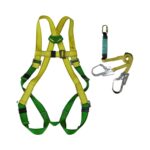
- Full Body Harness: Distributes the impact forces across the worker’s body, minimizing injury.
- Connecting Device: This links the harness to the anchorage, which includes lanyard types, self-retracting lifelines (SRLs), or rope grabs.
- Energy Absorber: A crucial component that reduces the impact force on the worker during a fall.
Each component plays a vital role in ensuring the fall arrester function works effectively. The system is designed to arrest the fall quickly and safely.
The Importance of Fall Protection in the Workplace
Falls are a leading cause of workplace injuries and fatalities. Implementing effective fall protection measures, including the use of fall arrest systems, is essential for creating a safe working environment. OSHA fall protection regulations mandate the use of these systems in many industries where workers are exposed to fall hazards. By prioritizing fall protection, companies not only protect their employees but also reduce the risk of costly accidents and legal liabilities.
Standards and Regulations Governing Fall Arrest Systems (OSHA, ANSI)
Several standards and regulations govern the design, testing, and use of fall arrest systems. In the United States, the Occupational Safety and Health Administration (OSHA) sets forth specific requirements for fall protection in various industries. The American National Standards Institute (ANSI) develops voluntary consensus standards that provide detailed guidelines for the performance and testing of height safety equipment, including fall arresters.
Adhering to these ANSI standards and OSHA fall protection regulations is crucial for ensuring the safety and compliance of fall arrest systems. These standards cover aspects such as anchorage strength, harness design, and energy absorber performance.
The Mechanics of a Fall Arrester
The Role of Inertia and Gravity in Fall Arrest
Understanding the forces at play during a fall is essential to grasping the mechanics of a fall arrester function. Gravity accelerates the falling worker, increasing their velocity and kinetic energy. Inertia resists changes in motion, meaning the worker continues to move downward until an external force stops them. The fall arrester must overcome this inertia to safely arrest the fall. The device’s design is based on these principles to minimize the impact.
Detailed Explanation of Internal Locking Mechanisms
Fall arresters, particularly self-retracting lifeline (SRL) types and rope grabs, utilize internal locking mechanisms to engage quickly and stop a fall. SRLs typically use a centrifugal clutch or similar mechanism that activates when the lifeline is pulled out rapidly. This locks the drum and prevents further extension of the lifeline. Rope grabs use a cam or pawl system that grips the rope when subjected to a sudden force. These mechanisms are designed to engage reliably and withstand the forces generated during a fall.
Types of Fall Arresters: SRLs, Lanyards, and Rope Grabs
There are several main types of fall arresters, each suited for different applications:
- Self-Retracting Lifelines (SRLs): Provide greater mobility and allow the worker to move freely within a defined area. SRLs automatically extend and retract the lifeline, maintaining constant tension.
- Lanyards: Typically used in conjunction with an energy absorber to reduce impact force. Lanyards come in various lengths and configurations, including fixed-length, adjustable, and Y-lanyards.
- Rope Grabs: Offer versatility in fall protection by allowing workers to adjust their position along a vertical lifeline. Rope grabs can be manual or automatic.
Each type of fall arrester has its own advantages and disadvantages, depending on the specific work environment and task.
Energy Absorption Principles: Minimizing Impact Force
A critical aspect of the fall arrester function is the ability to absorb energy and minimize the impact force on the worker. This is typically achieved through the use of an energy absorber, which is designed to deploy during a fall and dissipate the kinetic energy. Energy absorbers may consist of tear-away webbing, a coiled wire, or other mechanisms that gradually decelerate the falling worker. By reducing the impact force, the energy absorber minimizes the risk of serious injury.
Self-Retracting Lifelines (SRLs): A Deep Dive
How SRLs Work: Constant Tension and Quick Locking
Self-retracting lifeline (SRL) devices are designed to provide a high degree of mobility while ensuring continuous fall protection. An SRL works by maintaining constant tension on the lifeline, allowing the worker to move freely within the working area. Should a fall occur, the SRL’s internal locking mechanism engages quickly, stopping the fall within a short distance. The SRL function relies on a spring-loaded drum that retracts the lifeline as the worker moves, keeping the line taut.
Different Types of SRLs: Cable, Webbing, and Hybrid
SRLs come in various types, each suited for different applications and environments:
- Cable SRLs: Offer durability and resistance to abrasion, making them suitable for heavy-duty applications.
- Webbing SRLs: Lightweight and flexible, providing greater comfort for the worker.
- Hybrid SRLs: Combine the benefits of both cable and webbing, offering a balance of durability and flexibility.
The choice of SRL type depends on factors such as the working environment, the weight of the worker, and the specific hazards present.
Advantages and Disadvantages of Using SRLs
SRLs offer several advantages over other types of fall arresters:
- Increased Mobility: Allows the worker to move freely within a defined area.
- Shorter Fall Distance: Engages quickly to stop a fall within a short distance.
- Reduced Swing Fall Hazard: Minimizes the risk of swing fall by keeping the lifeline taut.
However, SRLs also have some disadvantages:
- Higher Cost: Typically more expensive than lanyards or rope grabs.
- More Complex Maintenance: Requires more frequent inspection and maintenance.
- Potential for Free Fall: If not properly anchored or used, a free fall can occur before the locking mechanism engages.
Inspection and Maintenance of SRLs
Regular inspection and maintenance are crucial for ensuring the SRL function remains effective. Before each use, the SRL should be inspected for signs of damage, wear, or corrosion. The lifeline should be checked for fraying, cuts, or kinks. The locking mechanism should be tested to ensure it engages properly. Periodic maintenance, including cleaning and lubrication, should be performed according to the manufacturer’s instructions.
“Regular inspection and maintenance of SRLs are paramount for ensuring their reliability in a fall event. Neglecting these steps can compromise the device’s functionality and put workers at risk.” – John Smith, Lead Safety Inspector
Lanyards and Energy Absorbers
The Function of Lanyards in Fall Arrest Systems
Lanyards are connecting devices used in fall protection systems to link a worker’s harness to an anchorage point. Their primary fall arrester function is to provide a secure connection while allowing the worker some mobility. However, lanyards themselves do not arrest a fall. They must be used in conjunction with an energy absorber to reduce the impact force on the worker. Lanyards are available in various lengths and materials, depending on the specific application.
Types of Lanyards: Fixed Length, Adjustable, and Y-Lanyards
There are several types of lanyards, each designed for specific purposes:
- Fixed Length Lanyards: Provide a set length of connection and are typically used when the anchorage point is at a known distance.
- Adjustable Lanyards: Allow the worker to adjust the length of the lanyard to suit the specific task or environment.
- Y-Lanyards: Feature two legs, allowing the worker to remain tied off while moving between anchorage points.
The choice of lanyard type depends on the specific work environment and the tasks being performed.
How Energy Absorbers Reduce Impact Force
The energy absorber is a critical component of a lanyard-based fall arrest system. Its primary function is to reduce the impact force on the worker during a fall. Energy absorbers typically consist of tear-away webbing or a coiled wire that deploys during a fall, dissipating the kinetic energy. By gradually decelerating the falling worker, the energy absorber minimizes the risk of serious injury.
Choosing the Right Lanyard and Energy Absorber Combination
Selecting the appropriate lanyard and energy absorber combination is crucial for ensuring effective fall protection. Factors to consider include the worker’s weight, the fall distance, and the type of anchorage point. The lanyard and energy absorber must be compatible with each other and meet the applicable ANSI standards and OSHA fall protection regulations.
Rope Grabs: Versatility in Fall Protection
Understanding the Mechanics of Rope Grab Devices
Rope grabs are versatile height safety equipment used in fall protection systems to provide a secure connection to a vertical lifeline. The fall arrester function of a rope grab relies on a mechanical gripping mechanism that engages when subjected to a sudden force. This mechanism typically consists of a cam or pawl that grips the rope, preventing the worker from falling. Rope grabs allow the worker to move freely along the lifeline while maintaining continuous fall protection.
Types of Rope Grabs: Manual and Automatic
There are two main types of rope grabs:
- Manual Rope Grabs: Require the worker to manually adjust the position of the grab along the lifeline.
- Automatic Rope Grabs: Automatically adjust their position along the lifeline as the worker moves.
Automatic rope grabs offer greater convenience and ease of use, while manual rope grabs may be more suitable for specific applications.
Advantages and Disadvantages of Using Rope Grabs
Rope grabs offer several advantages over other types of fall arresters:
- Versatility: Can be used in a variety of applications, including vertical climbing and descent.
- Adjustability: Allows the worker to adjust their position along the lifeline.
- Continuous Fall Protection: Provides continuous fall protection while allowing the worker to move freely.
However, rope grabs also have some disadvantages:
- Proper Installation Required: Must be properly installed and used to ensure effective fall protection.
- Potential for Misuse: Can be misused if the worker does not understand the proper operating procedures.
- Limited Mobility: May restrict the worker’s mobility compared to SRLs.
Proper Installation and Use of Rope Grabs
Proper installation and use are crucial for ensuring the fall arrester function of rope grabs. The rope grab must be compatible with the lifeline and installed according to the manufacturer’s instructions. The worker must be properly trained on the use of the rope grab and understand the proper operating procedures. Regular inspection and maintenance are also essential to ensure the rope grab functions correctly.
Calculating Fall Clearance: A Critical Consideration
Factors Affecting Fall Clearance Calculation
Calculating fall clearance is a critical step in ensuring the effectiveness of a fall protection system. Fall clearance is the minimum vertical distance required below the anchorage point to prevent the worker from hitting the ground or any other obstruction during a fall. Several factors affect fall clearance calculation, including:
- Lanyard Length: The length of the lanyard or SRL.
- Deployment Distance: The distance the energy absorber will extend during a fall.
- Harness Stretch: The amount the harness will stretch during a fall.
- Worker Height: The height of the worker from the D-ring to their feet.
- Safety Factor: An additional margin of safety to account for unforeseen circumstances.
Using Fall Clearance Charts and Equations
Fall clearance charts and equations can be used to calculate the minimum required fall clearance. These charts and equations take into account the various factors that affect fall clearance and provide a conservative estimate of the required distance. It is important to use the correct chart or equation for the specific type of fall arrest system being used.
The Importance of Accounting for Swing Fall
Swing fall occurs when a worker falls horizontally away from the anchorage point, causing them to swing back towards the anchorage point. Swing fall can significantly increase the severity of a fall and should be taken into account when calculating fall clearance. The greater the swing fall distance, the greater the potential for injury. To minimize swing fall, the anchorage point should be located directly overhead or as close as possible to the worker’s center of gravity.
Practical Examples of Fall Clearance Calculations
Let’s consider a practical example of fall clearance calculation. Suppose a worker is using a 6-foot lanyard with an energy absorber that deploys 3.5 feet. The worker is 6 feet tall, and the harness stretch is estimated to be 1 foot. The safety factor is 2 feet. The total fall clearance required would be:
Lanyard Length + Deployment Distance + Harness Stretch + Worker Height + Safety Factor = Fall Clearance
6 feet + 3.5 feet + 1 foot + 6 feet + 2 feet = 18.5 feet
Therefore, the minimum required fall clearance in this scenario is 18.5 feet.
Proper Use and Maintenance of Fall Arresters
Pre-Use Inspection Checklist for Fall Arrest Equipment
Before each use, fall arrest equipment should be thoroughly inspected to ensure it is in good working condition. A pre-use inspection checklist should include the following:
- Harness: Check for signs of damage, wear, or corrosion. Ensure all buckles and straps are in good working order.
- Lanyard/SRL: Inspect for cuts, fraying, or kinks. Ensure the energy absorber is intact. Test the locking mechanism of SRLs.
- Anchorage Connector: Verify that the connector is compatible with the anchorage point and is free from damage.
- Overall System: Ensure all components are properly connected and that the system is suitable for the specific task and environment.
Donning and Doffing a Fall Arrest Harness Correctly
Properly donning and doffing a fall arrest harness is essential for ensuring its effectiveness. The harness should be adjusted to fit snugly but not too tightly. All buckles and straps should be securely fastened. The harness should be positioned correctly on the body, with the D-ring located in the center of the back. When doffing the harness, carefully release all buckles and straps, avoiding any sudden movements.
Storing and Cleaning Fall Arrest Equipment
Proper storage and cleaning are essential for maintaining the integrity of fall arrest equipment. Equipment should be stored in a clean, dry place away from direct sunlight, heat, and chemicals. Clean equipment regularly with a mild soap and water solution. Avoid using harsh chemicals or solvents, as these can damage the equipment. Allow equipment to air dry completely before storing it.
Recognizing Signs of Wear and Damage
Recognizing signs of wear and damage is crucial for ensuring the continued effectiveness of fall arrest equipment. Common signs of wear and damage include:
- Cuts or Fraying: On harnesses, lanyards, or lifelines.
- Corrosion: On metal components.
- Deformation: Of buckles, D-rings, or other hardware.
- Stitching Damage: On harnesses or lanyards.
- Activation of Energy Absorber: Indicates that the equipment has been subjected to a fall and must be replaced.
Any equipment showing signs of wear or damage should be immediately removed from service and replaced.
Common Mistakes and How to Avoid Them
Incorrect Harness Adjustment
One of the most common mistakes in fall protection is incorrect harness adjustment. A harness that is too loose or too tight will not function properly and may increase the risk of injury during a fall. Ensure the harness is adjusted to fit snugly but not too tightly, with all buckles and straps securely fastened.
Using Incompatible Components
Using incompatible components in a fall arrest system can compromise its effectiveness. Ensure all components are compatible with each other and meet the applicable ANSI standards and OSHA fall protection regulations. Do not mix and match components from different manufacturers unless they are specifically designed to be compatible.
Neglecting Fall Clearance Calculations
Neglecting fall clearance calculations is a serious mistake that can result in a worker hitting the ground or another obstruction during a fall. Always calculate the required fall clearance before beginning work and ensure that there is sufficient clearance available.
Failing to Inspect Equipment Regularly
Failing to inspect equipment regularly can lead to the use of damaged or worn equipment, increasing the risk of a fall. Always inspect fall arrest equipment before each use and remove any damaged or worn equipment from service.
“A proactive approach to safety includes diligently inspecting fall protection gear. Regular checks can reveal potential issues before they become hazards.” – Jane Doe, Safety Compliance Officer
Advanced Considerations in Fall Arrester Function
Dynamic Testing and Certification
Dynamic testing is a rigorous process used to evaluate the performance of fall arrest equipment under simulated fall conditions. This testing involves dropping a weighted test dummy from a specified height and measuring the forces generated during the fall. Dynamic testing is used to certify that fall arrest equipment meets the applicable ANSI standards and OSHA fall protection regulations.
The Role of Suspension Trauma Straps
Suspension trauma, also known as orthostatic intolerance, can occur when a worker is suspended in a harness for an extended period of time after a fall. Suspension trauma straps are designed to alleviate pressure on the legs and improve blood circulation, reducing the risk of suspension trauma. These straps attach to the harness and provide a loop or platform for the worker to stand on, relieving pressure on the groin and legs.
Environmental Factors Affecting Fall Arrester Performance
Environmental factors such as temperature, humidity, and exposure to chemicals can affect the performance of fall arrest equipment. Extreme temperatures can cause materials to become brittle or lose their strength. High humidity can promote corrosion. Exposure to chemicals can damage or degrade the materials used in fall arrest equipment. It is important to select equipment that is suitable for the specific environmental conditions and to inspect equipment regularly for signs of damage or degradation.
Future Innovations in Fall Arrester Technology
Future innovations in fall arrester technology are focused on improving the safety, comfort, and ease of use of fall arrest equipment. Some of the areas being explored include:
- Smart SRLs: SRLs with integrated sensors and communication capabilities that can monitor equipment performance and alert workers and supervisors to potential problems.
- Lightweight Materials: The use of lightweight materials such as carbon fiber to reduce the weight of fall arrest equipment.
- Ergonomic Designs: Harnesses and lanyards designed to improve worker comfort and reduce fatigue.
- Improved Energy Absorption: Energy absorbers that can more effectively reduce impact forces during a fall.
Conclusion
Understanding the fall arrester function is critical for ensuring worker safety at height. By implementing a comprehensive fall protection program that includes proper equipment selection, regular inspection and maintenance, and thorough training, companies can significantly reduce the risk of fall-related injuries and fatalities. We at Safe and Secure Trading Company are committed to providing our customers with the highest quality height safety equipment and expert guidance to help them create a safe working environment. With this knowledge, you can confidently protect yourself and your team from fall hazards.
FAQ Section
Q: What is the difference between a fall arrest system and a fall restraint system?
A: A fall arrest system is designed to stop a fall after it has already begun, while a fall restraint system is designed to prevent a fall from occurring in the first place. Fall restraint systems typically use a lanyard that is short enough to prevent the worker from reaching the edge of a fall hazard.
Q: How often should fall arrest equipment be inspected?
A: Fall arrest equipment should be inspected before each use and at least annually by a competent person. More frequent inspections may be required in harsh environments or if the equipment is subjected to heavy use.
Q: What should I do if my fall arrest equipment has been subjected to a fall?
A: If your fall arrest equipment has been subjected to a fall, it should be immediately removed from service and replaced. Even if there are no visible signs of damage, the equipment may have been weakened and may not function properly in a subsequent fall.
Q: Can I use a self-retracting lifeline (SRL) horizontally?
A: Some SRLs are designed for horizontal use, while others are not. Check the manufacturer’s instructions to determine if the SRL is suitable for horizontal applications. If using an SRL horizontally, ensure that the anchorage point is strong enough to withstand the forces generated during a fall.
Q: What are the OSHA requirements for fall protection?
A: OSHA fall protection requirements vary depending on the industry and the type of work being performed. In general, OSHA requires fall protection to be provided for workers who are exposed to fall hazards of 4 feet or more in general industry, 6 feet or more in construction, and 10 feet or more in maritime. Consult the specific OSHA regulations for your industry to ensure compliance.
Q: What is suspension trauma and how can it be prevented?
A: Suspension trauma, also known as orthostatic intolerance, can occur when a worker is suspended in a harness for an extended period of time after a fall. To prevent suspension trauma, use suspension trauma straps, ensure a prompt rescue, and provide medical attention.
Q: How do I choose the right size harness?
A: The correct size is found by measuring chest size and leg circumference. Consult the manufacturer’s sizing chart and make sure the D-ring sits between the shoulder blades.
Q: What are the best practices for storing my fall protection equipment?
A: Store in a cool, dry environment away from direct sunlight and chemicals. Clean the equipment with mild soap and water. Hang harnesses to maintain their shape.